The recent release of Kaiju No. 8 Chapter 117 on November 7, 2024, opens a fascinating chapter in the series by jumping into one of its biggest mysteries: the origin of Kafka Hibino’s formidable power as Kaiju No. 8.
Fans of Kaiju No. 8 have eagerly awaited this moment, where Kafka’s unique abilities might finally be explained.
As the story jumps into an ancient, haunting flashback sequence, this chapter provides the perfect setup for Kafka’s journey into his own history, giving readers a glance of the origins of his powers and their connection to an ancient era of Kaiju threats.
This intriguing arc promises to unravel not only Kafka’s mysterious abilities but also more about the world’s past, adding layers of history, legacy, and sacrifice to the story of Kaiju No. 8.
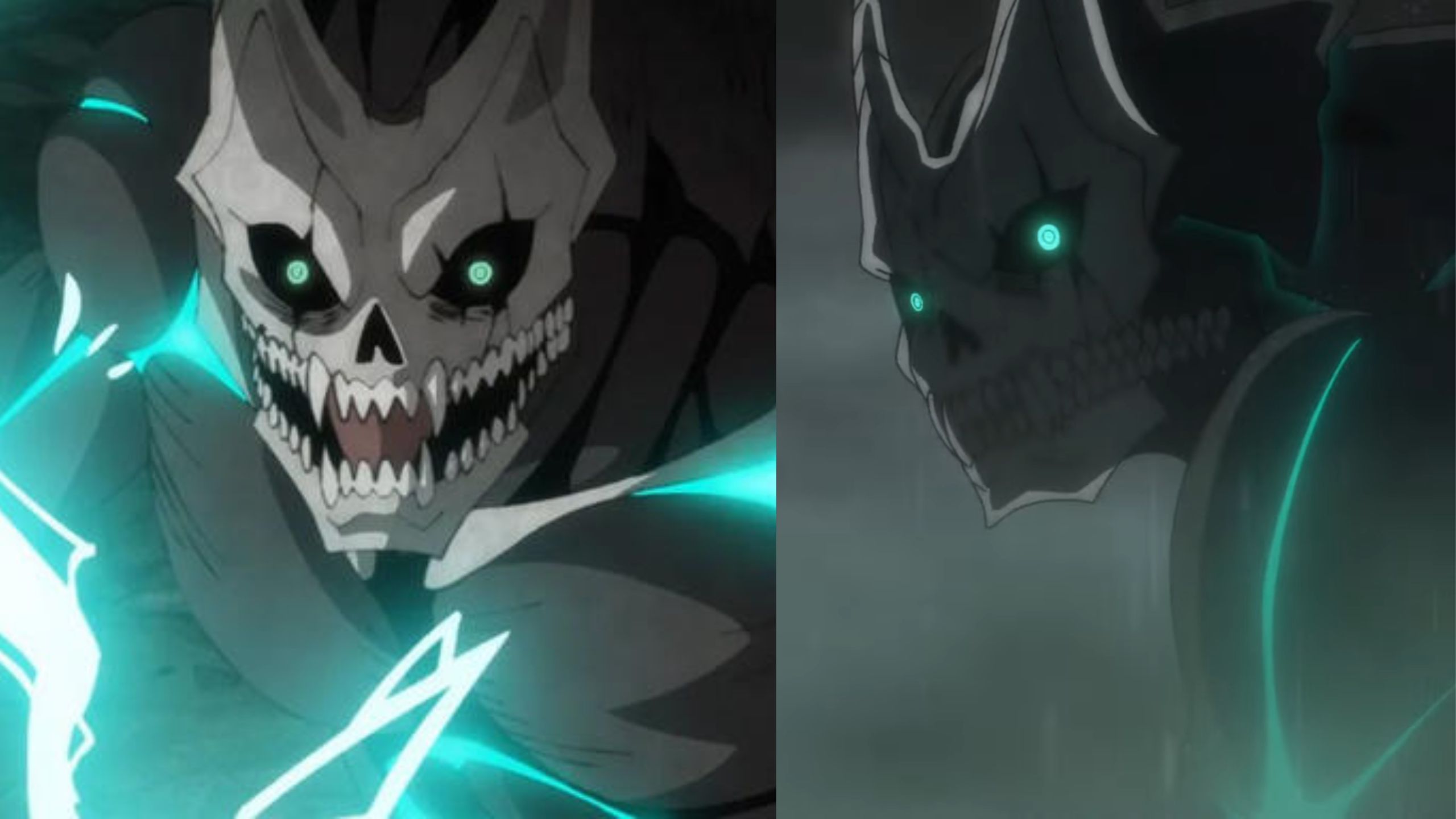
Kafka Hibino In Kaiju No.8 Form (Images By Viz Media)
While Kaiju No. 8 Chapter 117 only scratches the surface of Kafka’s powers, it effectively sets up the narrative arc that will go through his backstory more profoundly.
This flashback is significant because it hints that Kafka’s abilities as Kaiju No. 8 are more than random they are intertwined with a much older saga of heroism and struggle that existed long before Kafka’s time.
This backdrop, set in the ominous era of the Meireki Mega Monster, creates a dark and intense mood for Kafka’s journey, setting up the framework for him to go through not only his powers but also the heroism of the warriors who came before him.
A Journey to the Past: An Ancient Battlefield Comes Alive in Kaiju No. 8 Chapter 117
The chapter opens with Kafka on the verge of his journey into the past, a path offered to him by a mysterious warrior dressed in ancient armor and an oni mask.
This warrior seems to understand Kafka’s initial confusion, offering Kafka a cryptic yet promising invitation: that by following him, Kafka might gain a more profound connection with fallen warriors of old.
These soldiers, who once battled monstrous Kaiju, share a bond of suffering, sacrifice, and valor that Kafka will now come to understand personally.
Kafka soon finds himself transported into the heart of an ancient battlefield a battleground that is unlike anything he has encountered before.
Kafka gets visions of a devastating battle from the ancient past! Read Kaiju No. 8, Ch. 117 in Shonen Jump for free! https://t.co/DBmDRoMo3q pic.twitter.com/8a1CadywTK — Shonen Jump (@shonenjump) November 7, 2024
His surroundings have shifted into a dark, smoke-filled world, and his modern clothing has transformed into armor reminiscent of what the other ancient soldiers are wearing.
Kafka, dazed and unsure of where he is, begins to notice that the soldiers around him bear an intense, battle-worn look.
They are warriors clearly familiar with the brutal realities of Kaiju warfare, warriors hardened by battles against the monstrous foes of their time.
As Kafka observes his surroundings, the ancient soldiers’ armored forms stand in stark contrast to the high-tech Kaiju Defense Force gear he’s familiar with.
In his timeline, Kafka relies on advanced weaponry and suits developed specifically to counter the Kaiju threat.
However, these ancient warriors, stripped of such luxuries, are left with weapons made from Kaiju bones, armor from Kaiju hides, and little else.
These primitive tools, though effective in their own right, cannot compare to modern technology, exposing the sheer grit and resilience that defined the fighters of old.
Primitive but Effective: The Ancient Warriors’ Resourcefulness and Tenacity
Kafka’s initial encounter with these ancient soldiers reveals their spirit and resourcefulness.
Forced to make do with limited resources, the warriors’ weapons lack modern refinement but are brutal and raw, crafted from the very creatures they fight.
These Kaiju-derived materials provide them with slight advantages, but they fall short of the powerful Kaiju-based technology available in Kafka’s present day.
Their lack of modern weaponry creates a grim atmosphere, where survival hinges not on technology but on raw courage and endurance.
What stands out to Kafka, though, is the way these ancient soldiers incorporate parasitic creatures into their combat arsenal.
These organisms serve a unique function: they allow soldiers to fuse their bodies with Kaiju-derived materials, granting limited enhancements.
So Kaiju No.8 is the culmination of a bunch of dead Samurai spirits, or is it the parasites they had pic.twitter.com/3cawtrB5CG — Ghosh🍉 (@Ghosh_IX) November 7, 2024
However, these symbiotic enhancements take a severe toll on the soldiers’ bodies, making them fragile and exhausted over time.
This starkly contrasts with the highly engineered Kaiju Defense Force equipment, which not only enhances a user’s abilities but also minimizes physical strain.
Kafka realizes the depth of these soldiers’ sacrifices, noting the visible signs of wear on their faces and bodies.
Unlike the Defense Force, where support from science and technology exists to mitigate injury and ensure safety, these ancient warriors must risk their health directly in battle.
For Kafka, this realization brings a new perspective on his era’s privileges.
The soldiers around him have only their sheer willpower and determination to guide them, and their relentless spirit shines through as they continue to face the oncoming Kaiju horde without hesitation.
Appearance of the Meireki Era Mega Monster
As Kafka takes in the surreal experience of being among these warriors, he suddenly feels a powerful tremor rip through the battlefield.
His senses heighten as he realizes the Kaiju threat has arrived, and he steels himself, expecting to face an ordinary Kaiju.
But what emerges from the darkness is something far more terrifying: the Meireki Era Mega Monster, a massive, brutal creature that radiates an aura of dread.
The arrival of the Meireki Mega Monster brings with it an overwhelming sense of impending doom. This ancient Kaiju is far larger and more menacing than the creatures Kafka typically encounters.
Its body bears an unsettling number of eyes and grotesque features, each limb and appendage suggesting a creature evolved purely for destruction.
As it towers over the battlefield, Kafka can’t help but feel a surge of fear and respect for the ancient warriors who dared to face such a beast with mere hand-crafted weapons and limited enhancements.
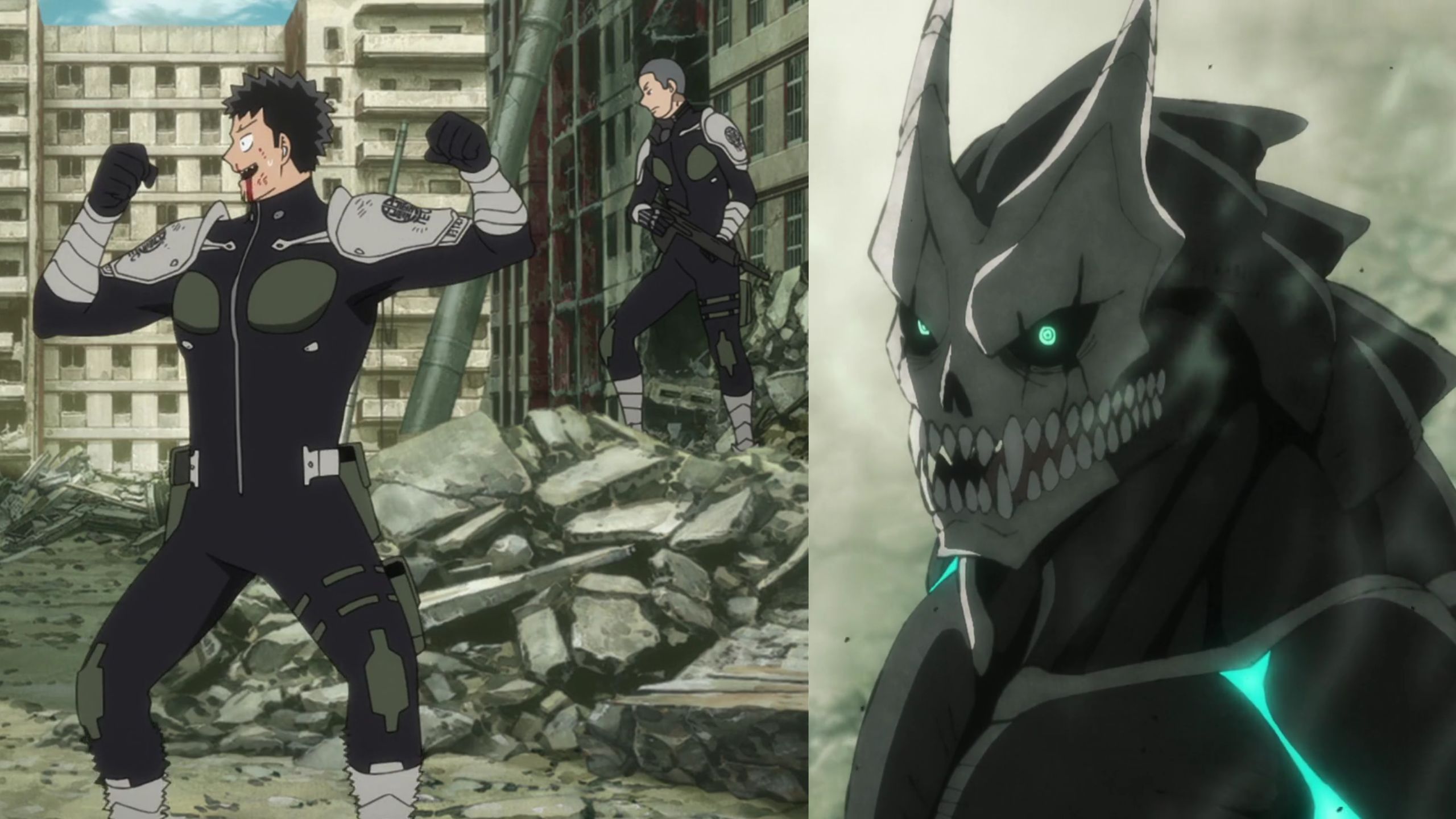
Kafka Hibino In Defense Force Exam And Kaiju No.8 (Production I.G)
This Mega Monster seems to possess abilities similar to the evolved Kaiju of Kafka’s time, particularly those of Kaiju No. 9, whose transformations and regenerative properties are unnervingly similar.
The creature’s uncanny ability to evolve and adapt during battle gives it an almost invincible quality.
Kafka realizes with horror that he and the soldiers around him may be up against something truly indomitable a Kaiju with strength beyond any they’ve encountered.
The sight of the Mega Monster triggers memories of Kafka’s battles against modern Kaiju, but the dread here is intensified by the helplessness of his present state.
Here, in this ancient timeline, he has none of the powerful weaponry or transformations that make him Kaiju No. 8; he’s simply a soldier among soldiers, forced to rely on sheer determination and the limited power available to him.
A Familiar Face in the Battlefield: Encounter with Hoshina’s Ancestor
Just as Kafka is processing the gravity of the situation, an unexpected presence catches his eye a warrior who closely resembles his comrade, Soshiro Hoshina.
With his sharp gaze, poised stance, and unyielding determination, this warrior exudes the same confidence and skill that Soshiro possesses.
It quickly becomes clear to Kafka that this is, in fact, Soshiro’s ancestor, a formidable leader of the “Monkey” unit, an elite group tasked with handling the most dangerous Kaiju threats.
Hoshina’s ancestor embodies a powerful legacy of dedication to protecting humanity, and his commanding presence makes it evident why he is held in such high regard.
His leadership is unwavering as he calls for the “Tiger” and “Rooster” units to execute a tactical strike against the Mega Monster.
Under his direction, the soldiers begin a carefully orchestrated assault, strategically attacking the Kaiju’s weak points with a combination of artillery and coordinated combat tactics.
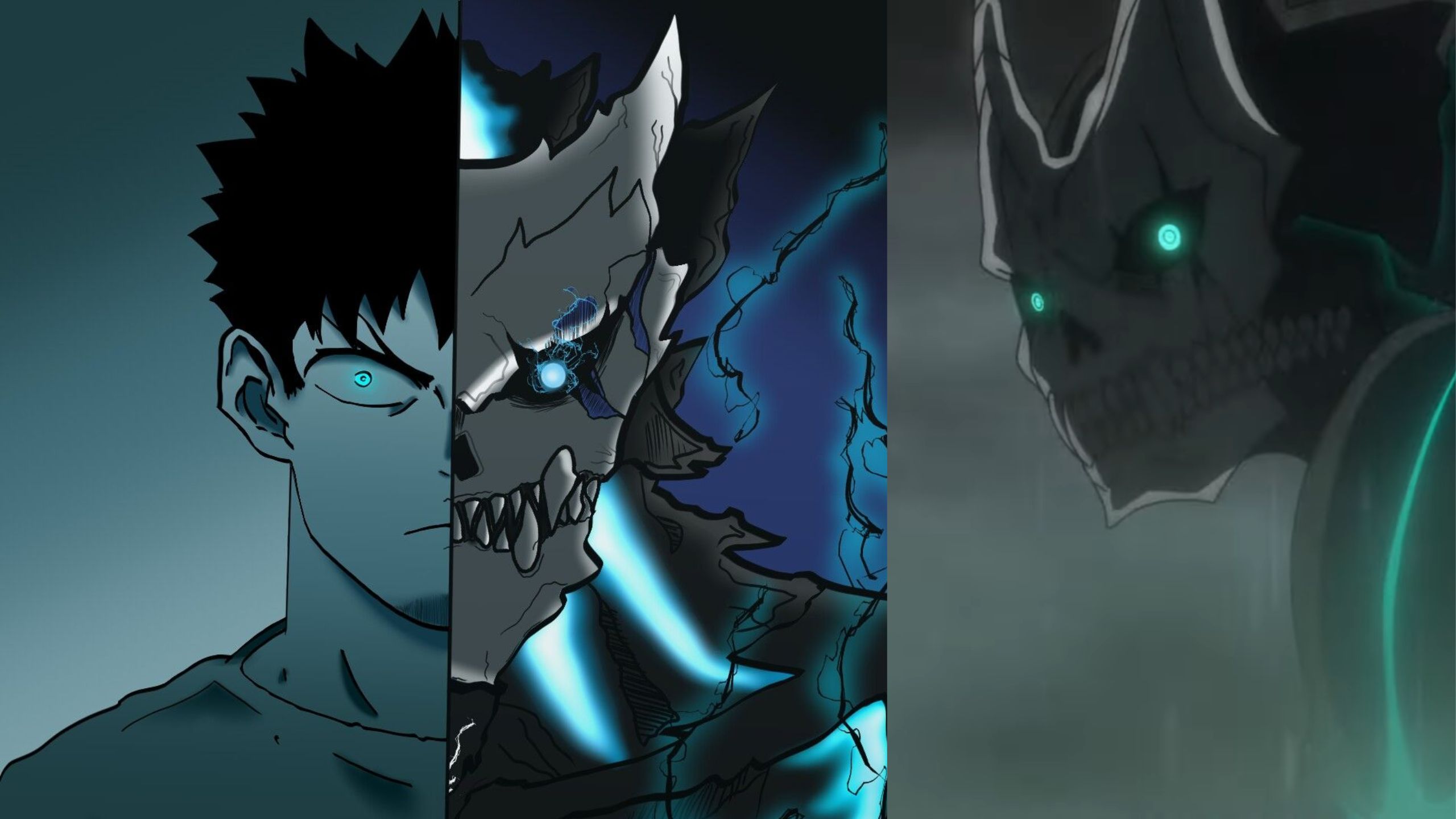
Kafka Hibino From Kaiju No.8 (Production I.G)
Their approach may lack the finesse of modern Kaiju-fighting techniques, but their bravery is undeniable.
Kafka, observing Hoshina’s ancestor in action, is struck by the resemblance not only in appearance but also in spirit.
This warrior’s fearless leadership, his dedication to protecting his men, and his willingness to sacrifice everything for the greater good mirror the qualities Soshiro embodies in Kafka’s present.
The realization that Soshiro’s legacy stretches back to such a time inspires Kafka, reinforcing the sense of honor and valor these warriors carry, even in the face of overwhelming odds.
Emergence of True Evil: Transformation of the Mega Monster
In a moment that leaves Kafka speechless, the oni-mask warrior’s tone shifts, filled with regret and anguish. He tells Kafka that their supposed “victory” was nothing more than a fleeting hope.
As Kafka watches in disbelief, the massive Kaiju on the battlefield begins a horrific transformation, evolving in a way that feels disturbingly familiar.
Its body contorts and stretches, revealing more eyes and limbs, a grotesque metamorphosis that echoes Kafka’s battles with the more advanced Kaiju in his present.
This creature, which was already monstrous, has now transcended into an even more terrifying form: the Meireki Era Mega Monster.
The scene quickly turns grim as the Mega Monster unleashes its true power, laying waste to the soldiers who once stood bravely against it.
Their armor and weapons prove ineffective as the beast demolishes their ranks with ease.
WARNING SPOILER ‼️ Finally the origins of kaiju no 8!!! It’s cooking and I can’t wait for the next chapter to find out why Kafka was chosen!! p.s Beautiful Kafka on the first page 🥰 #怪獣8号 #KaijuNo8 pic.twitter.com/ps8BCgNErl — Angicer (@Angelicaceresa1) November 7, 2024
The horror of the moment intensifies as the Mega Monster’s eyes open, all focusing on the soldiers with a gaze filled with malevolence and bloodlust.
This monstrous transformation brings forth a reality that Kafka had only heard of in legends: an ancient Kaiju so powerful that it could decimate an entire army within seconds.
As the Mega Monster begins its assault, the soldiers’ efforts prove futile. The beast is relentless, displaying abilities that make it almost impossible for
Kafka to imagine any chance of victory. Kafka, feeling helpless as he watches the carnage, gains a chilling insight into the terror the ancient warriors faced a terror so great that their fight against the Mega Monster became more about survival than victory.
A Tragic Loss and the Weight of Legacy
As the Kaiju crushes the soldiers around him, Kafka is forced to confront the brutal reality of the battlefield. Here, there are no saviors, no guarantees of victory, and no heroes destined to live another day.
The warriors fighting alongside him are making the ultimate sacrifice without hesitation.
This harrowing moment, filled with the blood and sweat of fallen warriors, impresses upon Kafka a new understanding of sacrifice and heroism, concepts he had previously only understood in theory.
Among the casualties is Hoshina’s ancestor, who, in a tragic turn, falls after an intense struggle with the Mega Monster.
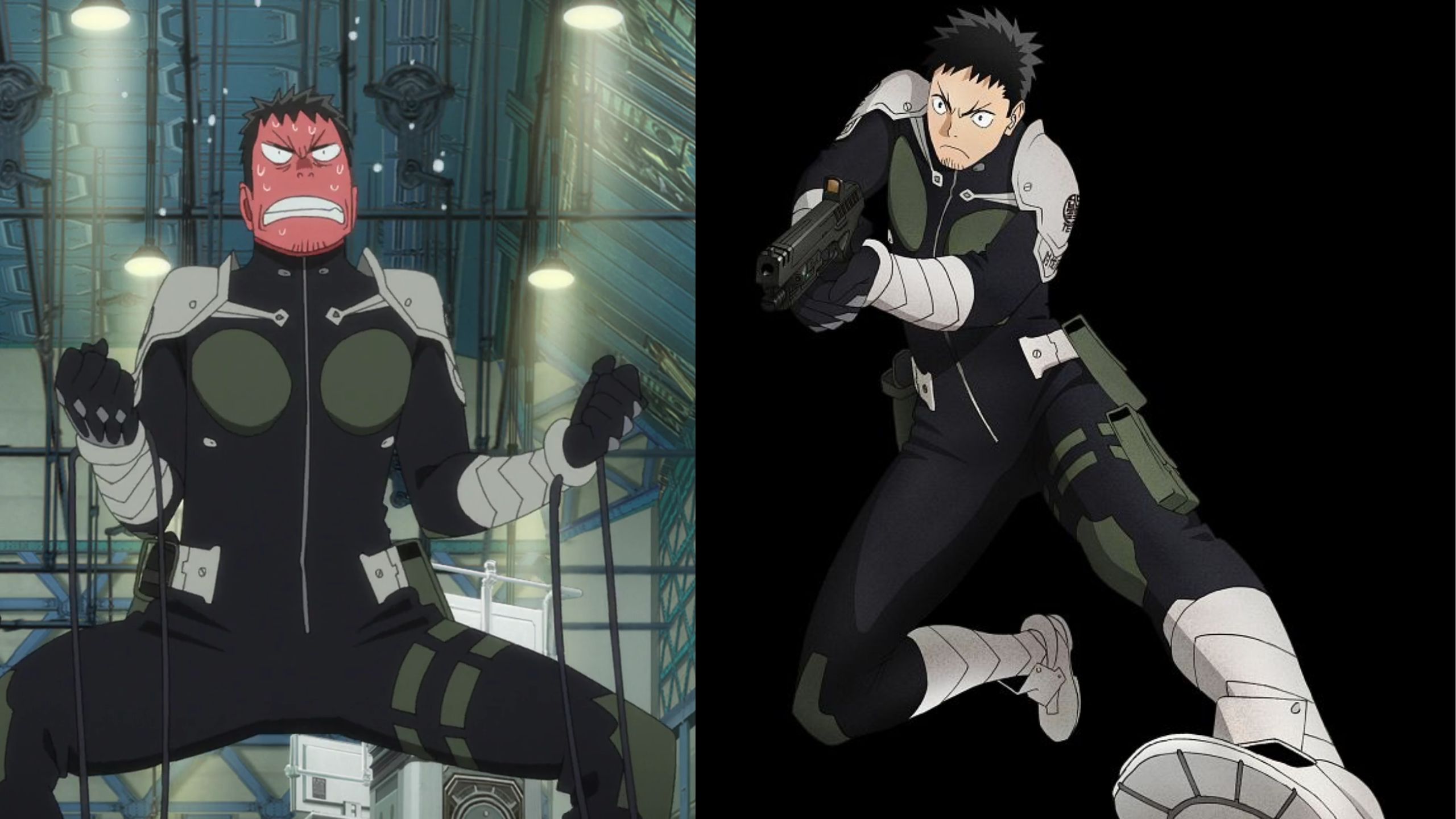
Kafka Hibino Training And Combating Skills (Production I.G)
His death strikes Kafka profoundly, as it symbolizes the end of an era of valor. The sight of this warrior’s lifeless body lying on the battlefield drives home the weight of the legacy that Kafka and his peers now bear.
They are the torchbearers of a lineage of warriors who fought for humanity even when hope was bleak, and Kafka realizes that he is not merely an individual with power but part of a grand lineage of protectors.
Kafka’s respect for the sacrifices of these ancient soldiers grows deeper, and he understands that his powers are not his alone.
They are a gift passed down from those who paid the ultimate price for humanity’s survival.
This revelation brings Kafka a newfound sense of responsibility and a determination to uphold the legacy of the fallen heroes who came before him.
The Spiritual Union of Past and Present: Kafka Becomes a Vessel for Fallen Warriors
In the climactic moments of the chapter, as Kafka stands amid the fallen warriors and the ruins of the battlefield, he feels a presence within him a force that stirs his very soul.
He hears whispers, voices of those who fought and perished in this ancient war against the Kaiju.
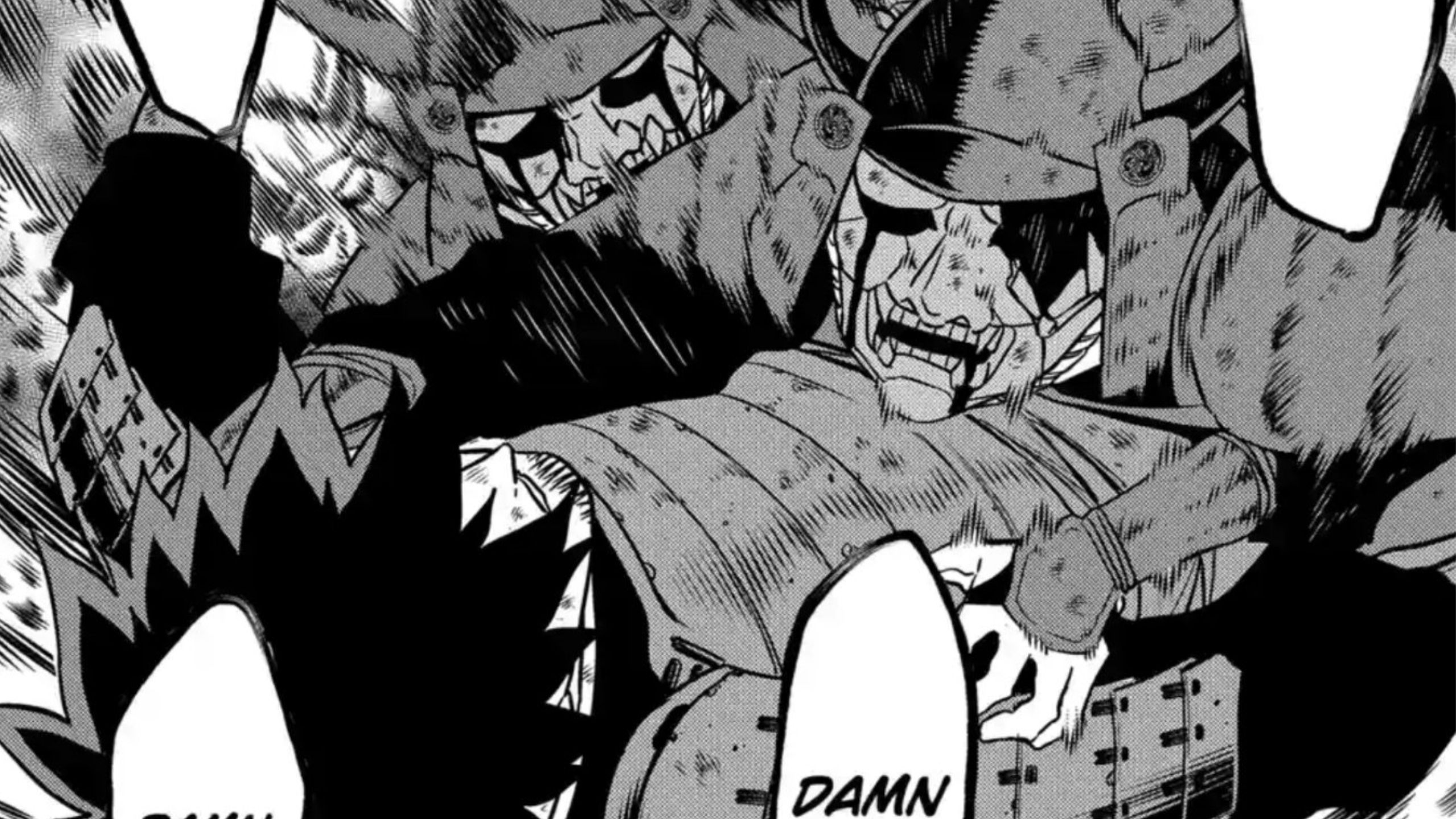
Kaiju No. 8 (Shueisha)
Slowly, their spirits converge within him, merging with his consciousness and imbuing him with the memories, emotions, and resolve of countless warriors who sacrificed everything for humanity’s future.
Kafka realizes that he is no longer just Kafka Hibino, a man given the powers of a Kaiju. Instead, he has become the vessel for an army of fallen heroes, a living testament to their courage and sacrifice.
This union is more than symbolic; it is a fusion of souls, a passing of the torch from one generation of protectors to the next.
Through this connection, Kafka gains an understanding of his purpose, an unbreakable resolve to carry forth the will of those who came before him.
The chapter closes with Kafka, now emboldened by the spirits within him, preparing to face the Kaiju threat with a renewed sense of purpose.
No longer burdened by doubt, he is ready to take on the legacy entrusted to him, knowing that he fights not only for himself but for all the heroes who came before him.
The Promise of New Revelations
Kaiju No. 8 Chapter 117 leaves fans with a tantalizing cliffhanger. Kafka’s journey into his powers has only just begun, and the flashback hints at a wealth of history waiting to be explored.
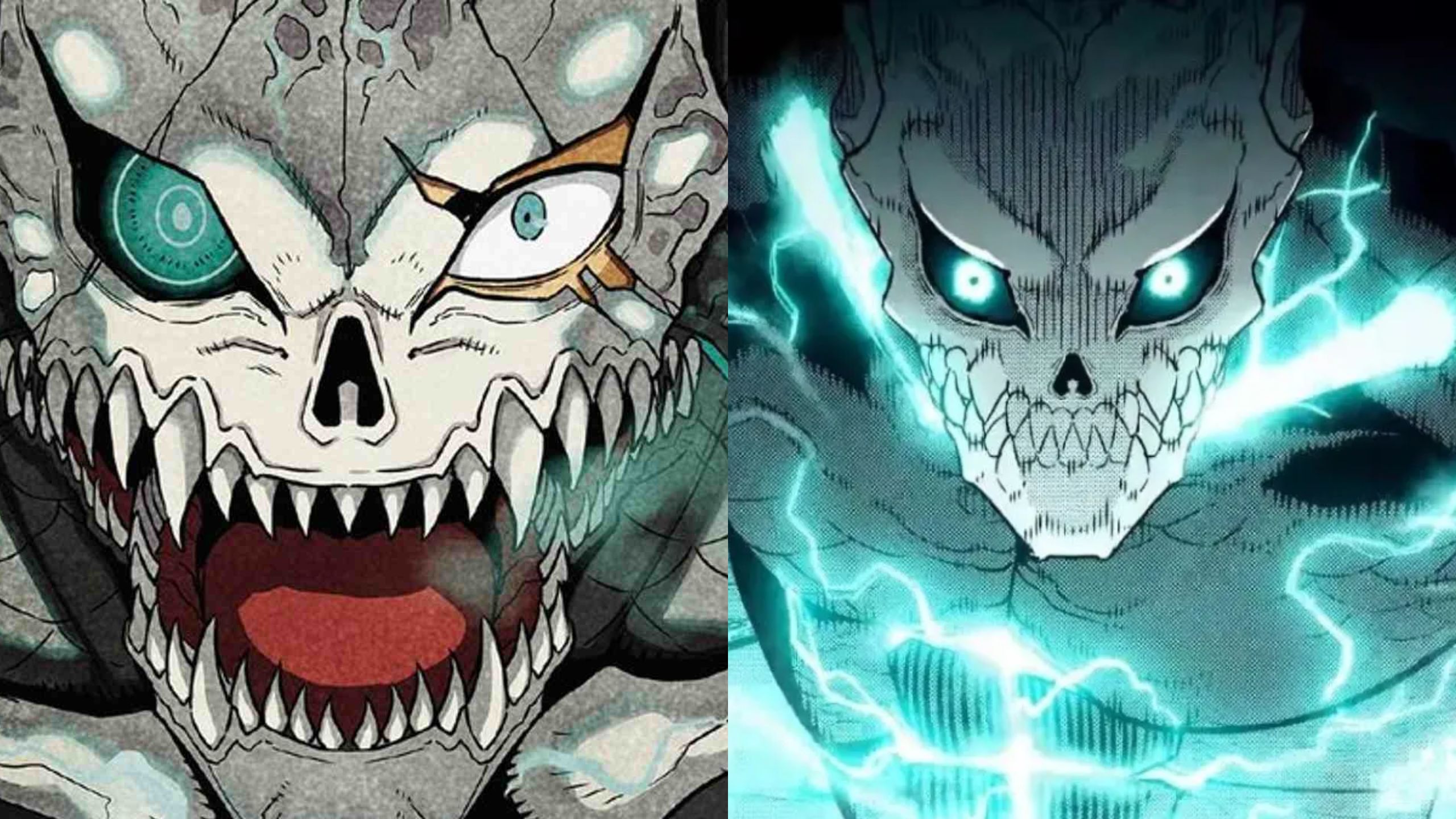
Kaiju No. 8 (Production I.G)
As Kafka moves forward, he carries the wisdom, valor, and sacrifice of the fallen, a powerful foundation that will shape his future battles.
This journey through time is not only a gift to Kafka but to readers, offering a richer understanding of the world of Kaiju No. 8 and the legacy that each generation of warriors has inherited.
With the flashback sequence likely to continue in upcoming chapters, fans are left eagerly awaiting further revelations, as Kafka learns to wield not just the power of Kaiju No. 8, but the strength of a thousand souls who once fought for humanity’s survival.
The Citadel cinematic universe continues to expand, and it’s just starting. Right after Citadel: Diana premiered, the Indian spin-off Citadel: Honey Bunny debuted on Prime Video with a Bollywood touch. Produced by the Russo Brothers’ independent studio AGBO, Honey Bunny adds to the developing Citadel agency’s storyline.
Citadel’s agents and bases exist globally, and spin-offs like Diana and Honey Bunny reveal the agency’s broader world by sharing unique, regionally inspired stories.
Set across two different years, 1992 and 2000, Citadel: Honey Bunny follows the story of Honey (played by Samantha Ruth Prabhu), a young actress drawn into espionage without realizing it’s a secret mission. Her friend Bunny (Varun Dhawan), a stuntman, involves her in undercover operations under the impression of an acting gig.
When Honey’s life is nearly lost during one of Bunny’s missions, she uncovers his secret job. But instead of pulling away, she persuades Bunny to let her join him, leading them into a world full of betrayals, secrets, and unexpected consequences.
Neither of them knows that one mission will affect their lives far into the future, impacting their future daughter Nadia Sinh, a character also seen in the original Citadel series played by Priyanka Chopra.
Though Citadel: Honey Bunny isn’t precisely an origin story for Nadia, it shows how her family becomes involved in the Citadel agency’s affairs. This spin-off reflects the theme of good versus evil, with both sides claiming to serve humanity yet still facing internal betrayals. The season finale brings together numerous betrayals, showing how loyalty and secrets complicate their world.
Honey and Bunny Reunite Eight Years Later
The show alternates between two timelines: 1992 and 2000. In 1992, Honey, a young woman with big acting dreams, is on the verge of giving up when her friend Bunny offers her what she believes is an acting job. Honey is unaware that Bunny and his associates, Ludo (Soham Majumdar) and Chacko (Shivankit Singh Parihar), are part of a secret group called the Foundation.
Honey’s “acting” role is really a cover for Bunny’s mission to retrieve a tracking device called the Armada. Though she nearly dies during the mission, Honey eventually learns about Bunny’s double life. Instead of backing out, she convinces Bunny to bring her into the Foundation, believing she’s finally found her true calling.
However, Honey soon begins questioning the motives of the Foundation’s founder, Baba (played by Kay Kay Menon). Her suspicions peak during Operation Belgrade, where she’s tasked with retrieving the Armada from a professor named Dr. Raghu.
Although Honey and Bunny complete the task, Baba orders Bunny to kill Dr. Raghu. This shocking order pushes Honey to defy Baba, leading her to expose his location to Citadel, the rival agency of the Foundation.
Branded a traitor, Honey reveals to Bunny that she’s pregnant and escapes with the Armada. Bunny tries to catch up, but Honey seems to die in a car accident. Baba’s arrest afterward causes Bunny to cut ties with the Foundation.
In 2000, Honey and her daughter Nadia live peacefully in Nainital until a group of men begins searching for them, endangering Nadia. Bunny, now residing in Bucharest, receives a message that Honey and her daughter are in danger, and he returns to India to find them.
It turns out that Baba, after his release, has ordered his men to track down Honey and retrieve the Armada. As Honey and Nadia go into hiding, Bunny reconnects with Chacko and Ludo to find Honey before it’s too late.
A Citadel Mole Works with Baba
Since Operation Belgrade, Bunny, Ludo, and Chacko believed they were on the right side by working for the Foundation. However, when Honey’s actions lead to Baba’s capture by Citadel, Bunny realizes things may be more complex. In fact, Baba once worked as an agent for Citadel.
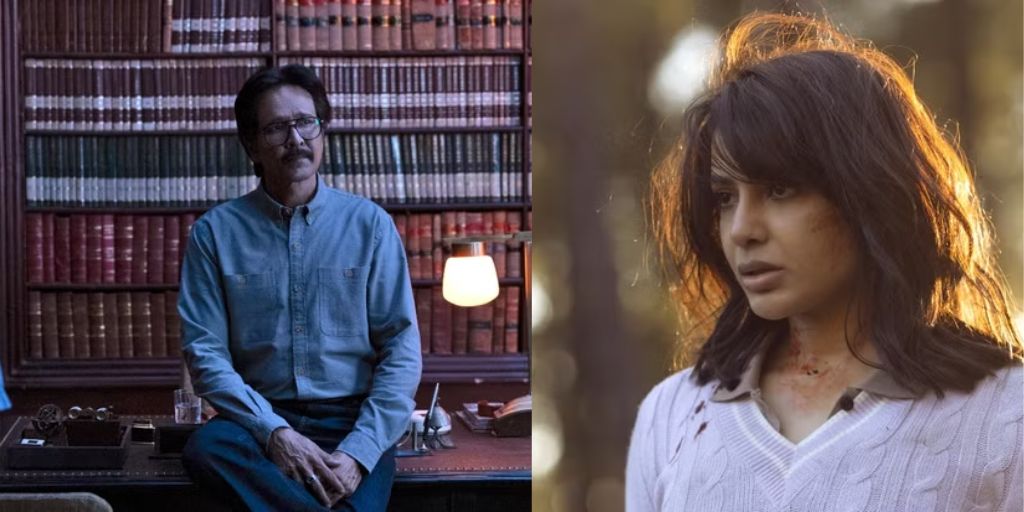
Still from Citadel Honey Bunny (Credit: Prime Video)
Alongside Citadel’s India head, Zooni (Simran Bagga), and her late husband Rinzy, Baba had worked for Citadel before starting the Foundation. Rinzy and Baba were close friends who shared doubts about Citadel’s actions, but their differing ideas eventually led to a conflict with Citadel.
When Citadel discovered their growing distrust, it sent Rinzy and Baba on a mission meant to kill them. Rinzy was killed, while Baba survived, leaving Zooni to believe Baba was responsible.
In 2000, Ludo hacks Citadel’s database and discovers that Zooni is a mole secretly helping Baba. Her loyalty to Baba grows when she hears his side of the story, leading her to betray Citadel further. In 1999, she even released Baba from custody to help him carry out his plans against Citadel.
Baba, aiming to get the Armada, hopes to eliminate Citadel agents. He has also built connections with powerful figures worldwide, possibly laying the groundwork for Manticore, a shadowy organization. Honey eventually learns of Zooni’s betrayal and tells Citadel agent Shaan (Sikandar Kher), who then detains Zooni for her betrayal against Citadel.
Honey and Bunny Face an Ambush from KD’s Army
After Honey warns Shaan of Zooni’s actions, Bunny confronts Baba at the orphanage where Bunny grew up. However, instead of killing Baba, he destroys the Armada, eliminating Baba’s reason to harm Honey and Nadia. With his main mission now gone, Baba appears to have lost his purpose for supporting the Foundation.
But his other follower, KD (Saqib Saleem), is far more loyal and refuses to let go. By the time Bunny returns to Honey and Nadia, KD and his men prepare to ambush them.
Honey and Bunny split up to escape, with Bunny leading KD’s men away. Following an intense fight, KD admits he’s always been jealous of Bunny, whom Baba often favored. With an army closing in on Honey’s home, KD eventually lets Bunny go to protect her and Nadia. Honey and Nadia stay hidden but hear approaching cars as the screen fades to black, leaving viewers in suspense.
The ending leaves many questions open. Honey and Bunny were not the only targets; KD’s men also went after Chacko’s family and Ludo. The episode doesn’t clarify what will happen to Citadel India after Zooni’s arrest. Although Honey and Bunny are reunited, their relationship is not fully shown.
Lastly, since Nadia’s backstory plays a role in this spin-off, her connection to Citadel remains an open question. Season 1 has established a strong base for this series, and a second season would help to go deeper into these characters.
Conclusion
Citadel: Honey Bunny expands the Citadel universe with an engaging storyline that blends the thrills of espionage with the vibrancy of Bollywood, creating a unique global addition to the franchise.
By following Honey and Bunny’s journey from unsuspecting individuals to agents entangled in the intense world of covert operations, the show brings a personal angle to the otherwise vast, interconnected Citadel agency network.
This spin-off highlights how different agents from different parts of the world experience and contribute to the larger story, adding depth to the overarching Citadel lore.
Honey’s evolution from an aspiring actress to a resourceful agent committed to what she believes is a higher calling adds an emotional layer to the show. She willingly steps into a world she barely understands, driven by a mix of loyalty and ambition.
Her eventual disillusionment with the Foundation and the betrayal she orchestrates reflect her strong moral compass and the harsh reality of operating in an ethically ambiguous environment. Honey’s character emphasizes the complexities of loyalty, showing how trust is tested when the people she thought were allies reveal darker intentions.
Bunny, on the other hand, brings a sense of stability and dedication. He begins as Honey’s close friend, unknowingly drawing her into a life that changes them both. Bunny’s relationship with Honey, however, grows strained as betrayals and secrets surface.
This dynamic adds a layer of drama to the narrative, showing how friendships and partnerships are impacted in a world where trust is fragile. Bunny’s journey also reflects the price of loyalty, as he finds himself caught between his allegiance to the Foundation and his bond with Honey, eventually leading him to make difficult choices.
The show also successfully builds on the Citadel universe’s larger themes, such as the conflict between good and evil, and the question of which side truly serves humanity’s best interests.
Citadel: Honey Bunny highlights that neither the Foundation nor Citadel is free from flaws, showing that moral ambiguity runs through both agencies. This duality in the story gives viewers a thought-provoking perspective on the nature of heroism and villainy, as each side has its own moles, betrayals, and agendas.
The cliffhanger ending, with Honey, Bunny, and their allies facing an ambush, sets up a range of potential plot directions for future episodes.
The unanswered questions around Citadel India’s leadership after Zooni’s arrest, the fate of Honey and Bunny’s friends, and the future of Nadia Sinh leave the door open for the next season. This open-ended conclusion encourages curiosity, inviting viewers to continue following the story and discover how these threads will unfold.

Still from Citadel Honey Bunny (Credit: Prime Video)
Ultimately, Citadel: Honey Bunny has built a solid foundation for more seasons, balancing Bollywood’s dramatic storytelling style with the high-stakes action of an international spy thriller.
As the Citadel cinematic universe develops further, this spin-off demonstrates that the franchise has the potential to tell engaging stories from diverse cultural perspectives.
Season 1’s accomplishments lay the groundwork for an even more compelling Season 2, where fans can expect deeper character schemes, greater plot twists, and expanded insights into the global agency’s intricate world.
Citadel: Honey Bunny has successfully brought a new layer to the Citadel universe, proving that this cinematic world can seamlessly blend genres, cultures, and storytelling styles to create an engaging, globally resonant experience.
Citadel: Honey Bunny is now available for streaming on Prime Video.
