There is a new lawyer on television, and she aims to bring fun as Ally McBeal did. Kathy Bates stars in the new CBS Matlock reboot created by Jennie Snyder Urman, known for Jane the Virgin. The first episode shows that she is a charming old lady with more tricks than anyone expected.
The show starts with Bates’ character, Matty Matlock, trying to find money for her coffee. The audience quickly sees this is a trick so she can listen to a cocky lawyer behind her brag about how much he will save his client in a settlement talk.
Matty continues acting like an innocent grandma until she ends up in a meeting at the law firm of the cocky lawyer. She uses what she heard in the coffee shop to get a job as a junior associate.
It is hard to believe that this is a realistic way to get a job at Jacobson Moore, a corporate law firm in Manhattan. Still, Bates’ charm and Snyder’s clever writing make it easy to enjoy the story.
Once Matty has secured her job, she is assigned to work with Olympia (played by Skye P. Marshall) on a pro bono case. Their goal is to win a man named Raymond Harris (Rothaford Gray), who was wrongfully imprisoned for 26 years, a fair settlement from the city.
Olympia builds the case around the idea that there was widespread corruption in the NYPD when Raymond was arrested. The case seems strong until the NYPD makes a settlement offer right before the trial.
The offer drops from $2 million to $200,000. Olympia uses Matty to persuade Raymond and his daughter to go to trial instead of accepting the low offer. She worries that Jacobson Moore’s boss, Senior (Beau Bridges), will blame her if they take the deal.
Matty takes the blame for the decision but knows she needs to win Olympia’s trust. Unexpectedly, Matty gets assigned to help Olympia gain custody of her children for Thanksgiving weekend. The opposing side in this custody battle is Julian (Jason Ritter), Olympia’s ex-husband and Senior’s son.
Matty does not want to interfere in family matters, but she hopes to talk to Julian about possibly working on some pharmaceutical cases with him.
However, when Matty talks to Julian, he declines to give Olympia the kids for Thanksgiving. Before they can focus on this setback, a news article claims that the NYPD’s corruption in the 1990s was not as severe as many thought. This news explains the sudden drop in the settlement offer, and Olympia must rush to come up with a new defense for Raymond just hours before the trial starts.
While Olympia works on her opening statement and witness plan, Matty and her colleagues—Sarah (Leah Lewis), who is ambitious and direct, and Billy (David Del Rio), who is friendly—set out to find a prostitute. They believe this woman was attacked by the real murderer while Raymond was in police custody.
Matty shows how much can be learned by simply listening to people. The team had struggled to locate the prostitute for six months, but Matty manages to find the key information after a quick chat with an “old hoe” who first mentioned the victimized prostitute.
With new details—red hair and a drug problem—the group can track down a drug dealer connected to their potential witness. Matty pretends to be a family friend of the drug dealer to get him to talk. He remembers a name: Carlin (Nicole de Boer).

Still from Matlock (Credit: CBS)
At this point, both Sarah and Billy must admit that Matty is an asset when it comes to gathering information. It is hard not to trust an old lady with a sweet Southern accent! However, drama and challenges are essential for a good television episode. Matty makes her first significant mistake when they finally meet Carlin.
They need to persuade her to testify to help save Raymond’s case, but Matty becomes soft when she sees how scared Carlin is about taking the stand and risking her past being exposed due to the case’s high profile. Matty tells Carlin that they cannot force her to testify.
The testimony will only happen with a signed affidavit from Carlin, and the former prostitute refuses to give it. In just a few hours, Matty saves the case and then immediately puts it in jeopardy.
Matty has to explain to Olympia what she has done, and she gets an earful about privilege and saving a suburban white lady while their Black client risks getting no settlement after losing 26 years in prison. This speech shows that Olympia is strong and capable, sending Matty to the crying terrace outside the office.
While she punishes herself for losing sight of their priorities, Sarah and Billy come to offer a pep talk. They are genuinely impressed by how much progress Matty made in such a short time.
Yes, she made a mistake, but they believe she can pull herself together and fix it. The team realizes that teamwork is essential, and it is a nice way to show how much they have bonded in a short time.
The team may be down, but they are not out. Matty returns to Carlin’s house and explains why she let her off the hook. Although Matty had put on a show during her earlier manipulations, her conversation with Carlin comes from a sincere place.
Matty lost her daughter to a drug overdose, and that memory haunted her when Carlin talked about her efforts to start anew.
Matty realizes she would do anything to help her daughter, and that leads her to want to help Carlin. However, this desire comes at the expense of her client, who faces severe consequences if Matty does not find a way to get Carlin to testify.
Spoiler alert: Carlin does not make it to the stand, but she gives Matty even better information. The manager of a Greek restaurant witnessed Carlin getting attacked and walked her to the police station afterward. Matty finds the manager, who was on the phone when Carlin escaped her attacker.
The city’s defense argues against allowing a witness who would only offer hearsay to testify, and Matty asks if it would change anything if the call the manager was on was recorded. The opposing lawyer falls for the trap and states that if the call were recorded, it would be acceptable evidence.
Boom, roasted! It turns out the manager was talking to 911, but the police station deleted the record of the call. Luckily, it was backed up on the city server and can be played in court.
Olympia wins the case, and the jury awards Raymond $20 million. Not only is justice served, but Olympia can now show Senior that social justice cases can also bring money to the firm, which helps her avoid returning to the pharmaceutical work she despises. Furthermore, Matty secures a full-time job. However, there is a twist.
Throughout the episode, Matty shares a sad story about needing to work at Jacobson Moore because her deadbeat cheating husband died and left her with a lot of debt.
This explains why she came out of retirement, but it does not explain why she went to such lengths to work at this specific firm. Couldn’t she have simply reopened her own law office or found a less likely place to discriminate against her for being old?
Well, it turns out that almost everything Matty said about her life in the episode was a lie. Viewers see reminders of all her previous misstatements as her real life is revealed on screen. She is not poor. Her husband is definitely not dead, and the grandson she claims to be raising loves her dearly.
Her real name is Madeline Kingston, and she is a very wealthy retired lawyer. She chose to work at Jacobson Moore because she and her family discovered that either Olympia, Julian, or Senior hid documents in a pharmaceutical case a decade ago.

Still from Matlock (Credit: CBS)
These documents could have taken opioids off the streets years earlier, possibly saving her daughter from overdosing. Matty is working at Jacobson Moore to investigate who did this and ensure they are held accountable.
Matty warned everyone not to underestimate an old lady just because she carries caramels in her purse and speaks sweetly. Now we see she is truly a mastermind. In just a few days, she has integrated herself into the firm. While Matty may not yet have Olympia’s full trust, she is well on her way.
If she continues to pull off miraculous saves, she will become one of the most trusted associates soon. This journey will be exciting for viewers as they follow along.
A Bit of Humor and Heart
The new Matlock offers a mix of humor and heart, much like its predecessor. Kathy Bates brings her signature charm to the role of Matty Matlock. The character is witty and wise, showing that age does not limit one’s ability to think quickly and act effectively. Bates makes the audience laugh while also showcasing the depth of her character’s emotions.
The writers have crafted moments that resonate with viewers, especially when Matty opens up about her past. These revelations give depth to her character and allow viewers to connect with her on a personal level. The show balances the lightheartedness of courtroom antics with serious topics, such as wrongful imprisonment and the fight for justice.
The supporting characters are also well-developed. Olympia, played by Skye P. Marshall, is a strong and determined lawyer. She faces challenges while also full her own personal life. Her struggles as a single mother seeking custody of her children add layers to her character. Viewers can empathize with her dedication to her job while trying to be there for her family.
Sarah and Billy, the other junior associates, bring their own unique personalities to the mix. Sarah’s ambition sometimes leads her to be blunt, while Billy’s more easygoing nature offers a contrast. Together, they create a dynamic that adds to the full chemistry of the team.
Real Issues in a Fun Package
One of the standout features of the new Matlock is how it tackles real issues within a lighthearted framework. The show does not shy away from serious subjects, such as police corruption and systemic injustices. However, it presents these themes in a way that keeps the audience engaged without feeling overwhelmed.
The episode’s scheme of wrongful imprisonment highlights the flaws in the legal system. By showcasing the struggles of individuals like Raymond, who have been wronged by the very system meant to protect them, the show raises awareness of these important issues. This blend of entertainment and social commentary creates a meaningful viewing experience.
Matty’s journey to uncover the truth behind her daughter’s overdose adds another layer of depth to the narrative. Her determination to seek justice for her family reflects the struggles many face in real life. This personal motivation drives her actions throughout the episode and helps to create a connection with viewers who may have experienced similar hardships.
The Future of the Series
As the series progresses, viewers can expect more twists and turns in Matty’s journey. Her clever tactics and unexpected connections will likely lead to thrilling courtroom battles. The relationships she builds with her colleagues will also continue to evolve, offering a mix of camaraderie and conflict.
With each new episode, the potential for character development is immense. Matty’s past will undoubtedly come back to play a significant role in her present and future. Viewers will be eager to see how she shows the challenges ahead while maintaining her charm and wit.
The supporting cast will also play an essential role in the series’ development. Olympia’s struggles as a working mother will likely resonate with many viewers, creating a relatable storyline. Sarah and Billy’s dynamics will continue to provide both comedic relief and emotional depth.

Still from Matlock (Credit: CBS)
T he new Matlock has successfully established itself as a fresh take on a classic character. Kathy Bates shines in the role, bringing a mix of humor, heart, and intelligence to the screen. The combination of clever writing, strong performances, and important themes creates a compelling series that viewers will want to keep watching.
Conclusion: Why You Should Tune In
If you are looking for a show that combines humor, drama, and real-life issues, the new Matlock is a great choice. Kathy Bates’ portrayal of Matty Matlock is both entertaining and inspiring. Her character’s journey from an innocent grandma to a clever lawyer showing the legal system keeps viewers engaged.
The series offers a perfect balance of lighthearted moments and serious themes, making it suitable for a wide range of audiences. Whether you are a fan of legal dramas, comedies, or character-driven stories, Matlock has something for everyone.
Make sure to catch the first episode of Matlock, available for streaming on Paramount+. New episodes will air on CBS every Thursday, starting October 17. Join Matty Matlock on her exciting journey as she takes on the legal world with charm and cunning.
Only a few movies can successfully play with ideas of perception and reality. God’s Crooked Lines is one of those films that not only captures these themes but also delivers an engaging story that keeps viewers on the edge of their seats.
With its mind-bending narrative and intense atmosphere, this film leaves a lasting impression. Directed by Oriol Paulo, known for his talent in creating suspenseful stories, God’s Crooked Lines unfolds in a 1970s psychiatric hospital, where tension and paranoia reign supreme.
The Plot Unfolds: A Disturbing Investigation
The story centers on Alice (played by Barbara Lennie), a private investigator who goes undercover as a patient at a mental health facility to look into a suspicious death.
This intriguing setup immediately captures the audience’s attention. Alice is determined to uncover the truth behind the mysterious circumstances surrounding the death, but her journey becomes much more complicated than a simple murder investigation.
When Alice enters Our Lady of the Fountains Hospital, she finds herself surrounded by uncertainty and fear. The atmosphere is thick with tension, and it is clear that the hospital is not a typical mental health facility.
From the very beginning, viewers sense that something is deeply wrong. The unsettling environment serves as a backdrop for Alice’s investigation, and her efforts to blend in as a patient become increasingly dangerous as the story progresses.
As Alice interacts with the other patients and the hospital staff, the lines between reality and illusion begin to blur. She starts to question her own perception of what is happening around her.
The plot unfolds in a way that challenges the audience to keep up with the twists and turns, making it difficult to predict what will happen next. This uncertainty keeps viewers engaged and wanting to know more.
An Atmosphere of Paranoia and Uncertainty
The film effectively creates an atmosphere of paranoia and uncertainty, making viewers feel as if they are part of Alice’s experience. The hospital’s eerie setting, combined with the mysterious characters, adds to the feeling of dread.
Each scene is filled with subtle hints that something is not quite right, leaving audiences guessing and on edge. The direction by Oriol Paulo plays a crucial role in establishing this mood.

Still from God’s Crooked Lines (Credit: Netflix)
Paulo expertly uses visual storytelling to convey the psychological tension within the hospital. Shadows loom large, and the camera often lingers on characters’ expressions, capturing their fear and confusion. This visual style enhances the full experience, drawing viewers into the story and making them feel the weight of Alice’s struggles.
One of the film’s strengths is its ability to plant tiny clues and visual details that make viewers question everything they see. For example, in one scene, Alice has a lunch meeting with Dr. Donadio (played by Lluís Soler).
While they seem to have an ordinary conversation, the food and drinks on the table mysteriously disappear. This subtle detail raises questions about Alice’s perception of reality and hints at the mental games being played around her.
Characters and Their Dualities
The characters in God’s Crooked Lines are complex and multi-dimensional, contributing to the film’s sense of unease. Friends turn into foes, and motives seem to shift constantly. This makes it hard for Alice—and the audience—to know who to trust. The film’s portrayal of these characters adds depth to the narrative.
Dr. Alvar (Eduard Fernández) is one character who embodies this complexity. At first, he appears to be a trustworthy figure, but as Alice learns more about him, he becomes increasingly suspicious.
The revelation that Alice’s husband gave Dr. Alvar a large check adds layers of doubt not only to him but also to the entire medical team. As Alice uncovers more information, the trustworthiness of those around her is called into question.
Similarly, Alice’s husband seems like a caring partner, but once it is revealed that he took her fortune, the audience’s perception of him shifts dramatically.
This twist complicates Alice’s already precarious situation and deepens the themes of betrayal and mistrust. Just when viewers believe they have figured out who is in the right, new information surfaces, forcing them to reconsider everything.
This constant shifting of trust creates a mental maze for both Alice and the audience. Each new revelation adds to the suspense, as viewers must face the tangled web of relationships and motives. The film masterfully keeps the audience guessing about the truth, making it difficult to settle on a definitive answer.
Bárbara Lennie’s Attractive Performance
At the heart of God’s Crooked Lines is Bárbara Lennie’s outstanding performance as Alice. Lennie brings a unique blend of vulnerability and strength to her character, making her portrayal both engaging and relatable. From the moment she steps into the hospital, there is a quiet intensity about her that keeps viewers invested in her journey.

Still from God’s Crooked Lines (Credit: Netflix)
Lennie skillfully captures the complexities of Alice’s character. She conveys a sense of fragility that allows audiences to empathize with her struggles. However, as the story progresses, Lennie also reveals Alice’s resilience and determination to uncover the truth. This duality is crucial to the film’s narrative, as it mirrors the themes of trust and deception present throughout.
One of the most striking aspects of Lennie’s performance is her ability to convey Alice’s growing self-doubt. Rather than making it obvious, she gradually allows cracks to appear in Alice’s confidence.
This nuanced approach adds depth to the character and enhances the tension within the film. As viewers witness Alice’s mental state deteriorate, they cannot help but question her reliability.
For instance, in a tense moment when Dr. Alvar confronts Alice about her motives for checking into the hospital, Lennie delivers her lines with a calm yet icy demeanor. However, there is a flicker of uncertainty in her eyes that reveals her internal struggle. This subtle acting choice illustrates the character’s fragility and keeps viewers guessing about her true intentions.
The Role of Memory and Perception
God’s Crooked Lines goes into the complex relationship between memory and perception. As Alice investigates the suspicious death, she must confront her own memories and question their accuracy. The film poses important questions about the reliability of memory and how it can be influenced by external factors.
Throughout the story, Alice’s recollections become increasingly muddled. She struggles to piece together the events surrounding the death she is investigating, leading her to doubt her own mind. This theme resonates with audiences, as it reflects the real-life challenges many individuals face in processing their memories.
The film also shows how perception can be manipulated. As Alice shows the hospital, she encounters various characters who may have their own agendas. The tension between what is real and what is a construct of her mind creates a attractive narrative that keeps viewers engaged. Each interaction raises further questions about trust and authenticity.
One of the film’s most compelling elements is how it portrays the psychological impact of being in an environment where trust is scarce. Alice’s mental state deteriorates as she grapples with her perception of reality. This emotional turmoil adds depth to her character and makes her journey even more gripping.
Cinematic Techniques and Storytelling
The film employs various cinematic techniques to enhance its storytelling. Paulo uses lighting, sound design, and camera angles to create a sense of unease. The dimly lit corridors of the hospital, the haunting score, and the close-ups on characters’ faces all contribute to the full atmosphere of paranoia.
Lighting plays a crucial role in shaping the mood of the film. Dark shadows and stark contrasts create a sense of foreboding, reflecting the uncertainty that permeates the story. The careful use of light and shadow helps to establish the film’s psychological tension and keeps viewers on edge.
Sound design also adds to the film’s unsettling nature. The haunting score complements the visuals, heightening the emotional impact of key scenes. Subtle sound effects, such as echoes or whispers, enhance the feeling of being trapped in the hospital, intensifying the sense of isolation that Alice experiences.
Camera angles and framing choices further enhance the storytelling. Paulo often uses close-ups to capture the characters’ emotions, allowing audiences to connect with their experiences.
The use of wide shots in certain scenes emphasizes the vastness of the hospital, creating a feeling of entrapment. These visual choices work together to immerse viewers in Alice’s world and heighten the suspense.
Themes of Trust and Betrayal
God’s Crooked Lines shows profound themes of trust and betrayal. As Alice faces the complex relationships within the hospital, she must constantly reassess whom she can trust. The film raises important questions about loyalty and the nature of human connections.
Alice’s journey is marked by a series of betrayals that challenge her understanding of those around her. The shifting loyalties and hidden agendas create an atmosphere of mistrust, making it difficult for her to determine who is truly on her side. This theme resonates with audiences, as it reflects real-life experiences of betrayal and deception.
The scheme of trust extends beyond Alice’s relationships with others. As the plot unfolds, Alice must also grapple with her own ability to trust herself. Her self-doubt intensifies as she questions her memories and perceptions. This internal struggle adds a layer of complexity to her character and heightens the emotional stakes of the story.
The film’s portrayal of betrayal is multifaceted. Characters who initially seem trustworthy reveal hidden motives, and those who appear to be enemies may have deeper reasons for their actions. This complexity adds depth to the narrative and challenges viewers to consider the nature of trust in their own lives.
The Climax and Resolution
As the story reaches its climax, the tension escalates. Alice uncovers shocking truths that force her to confront her deepest fears and insecurities. The twists and turns lead to a thrilling resolution that keeps viewers on the edge of their seats until the very end.
Without giving away any spoilers, the climax of God’s Crooked Lines is a masterclass in suspense. The revelations come at a rapid pace, and the stakes are raised as Alice races against time to uncover the truth.
The film skillfully balances moments of high tension with quieter, introspective scenes that allow audiences to reflect on the implications of Alice’s discoveries.
God’s Crooked Lines leaves viewers with lingering questions about perception, reality, and trust. The resolution challenges audiences to think critically about the nature of truth and the complexities of human relationships. This thought-provoking conclusion ensures that the film stays with viewers long after the credits roll.
Conclusion: A Riveting Experience
God’s Crooked Lines is a film that masterfully weaves together themes of perception, trust, and betrayal. With its intense atmosphere and mind-bending narrative, it delivers a riveting experience that keeps audiences engaged from start to finish. Bárbara Lennie’s powerful performance as Alice adds depth to the story, making her journey both relatable and compelling.
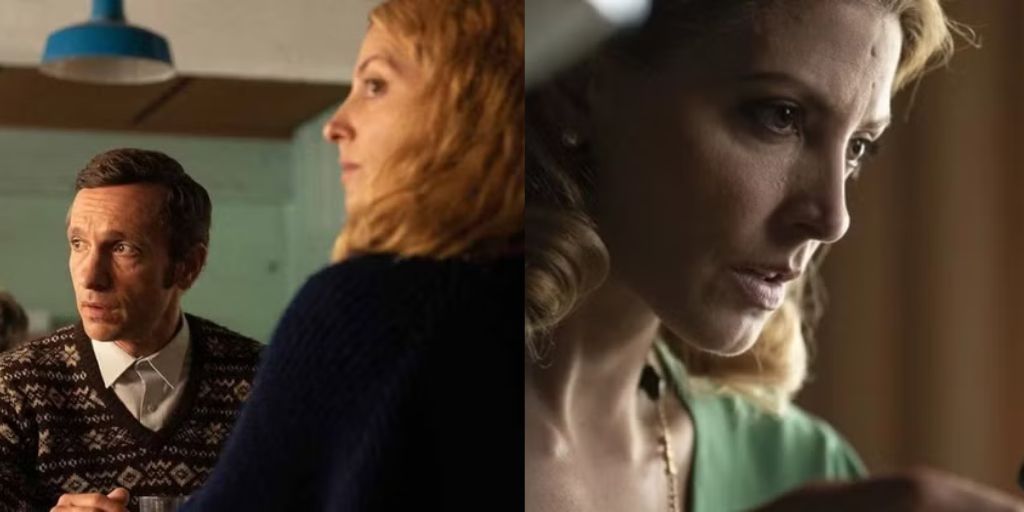
Still from God’s Crooked Lines (Credit: Netflix)
Oriol Paulo’s direction enhances the film’s psychological tension, utilizing cinematic techniques that immerse viewers in Alice’s world. The carefully crafted characters and their shifting loyalties create an atmosphere of paranoia that lingers throughout the film.
Ultimately, God’s Crooked Lines challenges viewers to question their own perceptions and consider the complexities of truth and trust.
It is a thought-provoking thriller that leaves a lasting impression, reminding audiences of the fine line between reality and illusion. As the credits roll, viewers are left reflecting on the intricacies of human relationships and the nature of the mind.
