For much of the Boruto manga, Kawaki has been portrayed as the deuteragonist, often standing alongside Boruto Uzumaki as an ally in battle.
However, as the narrative reached its ending in Naruto Next Generations, Kawaki’s actions took a sharp turn, leading many to view him as the primary antagonist.
His decision to kill Boruto and the use of Eida’s powers to reverse their roles making himself the central figure and casting Boruto as the outsider has created a perception of Kawaki as a villain.
Yet, digging deeper into his motivations and the nuances of his character suggests that Kawaki is not as clear-cut a villain as he seems.
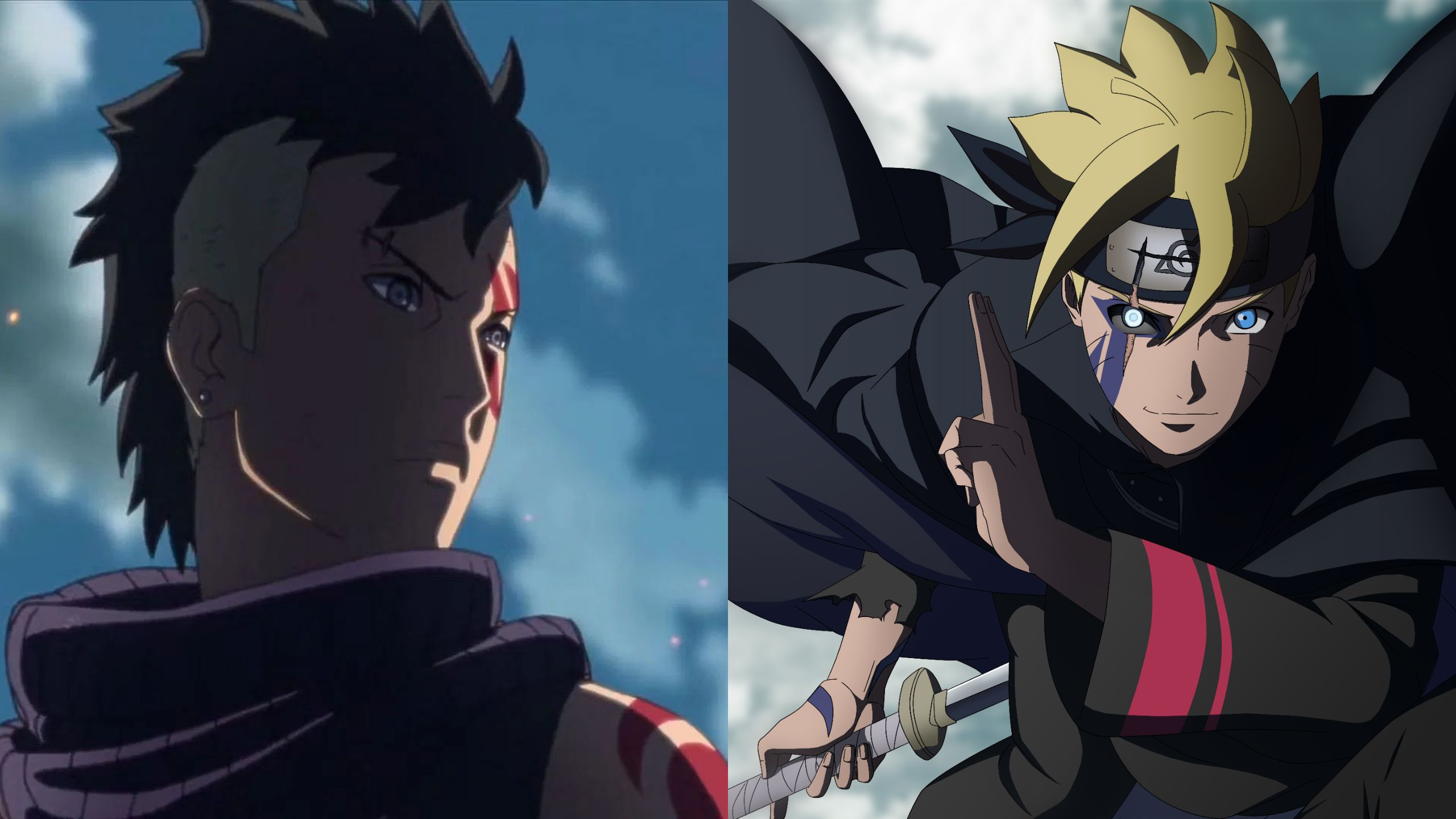
Kawaki Vs Boruto Final Battle (Pierrot)
In fact, Kawaki’s evolution hints that he might be the true hero of Boruto: Two Blue Vortex.
The Complexity of Kawaki’s Character
Kawaki’s motivations are not driven by a desire for power or chaos; instead, they stem from a profound sense of loyalty and a desire to protect those he holds dear.
From his tragic upbringing, marred by abuse and manipulation, Kawaki’s story is one of survival against overwhelming odds.
When Naruto Uzumaki, the Seventh Hokage, took him in, Kawaki found a sense of belonging for the first time.
Naruto became a father figure, a symbol of hope, and a pillar of strength. This bond created in Kawaki an unyielding dedication to Naruto and, by extension, to the Hidden Leaf Village.
However, this loyalty comes with a price. Kawaki’s methods are often extreme, and his willingness to go to any lengths to protect Naruto, even if it means defying Naruto’s own wishes, sets him apart.
His decision to target Boruto , Naruto’s son, was driven by a belief that Boruto posed the greatest threat to the village after Isshiki Otsutsuki’s demise.
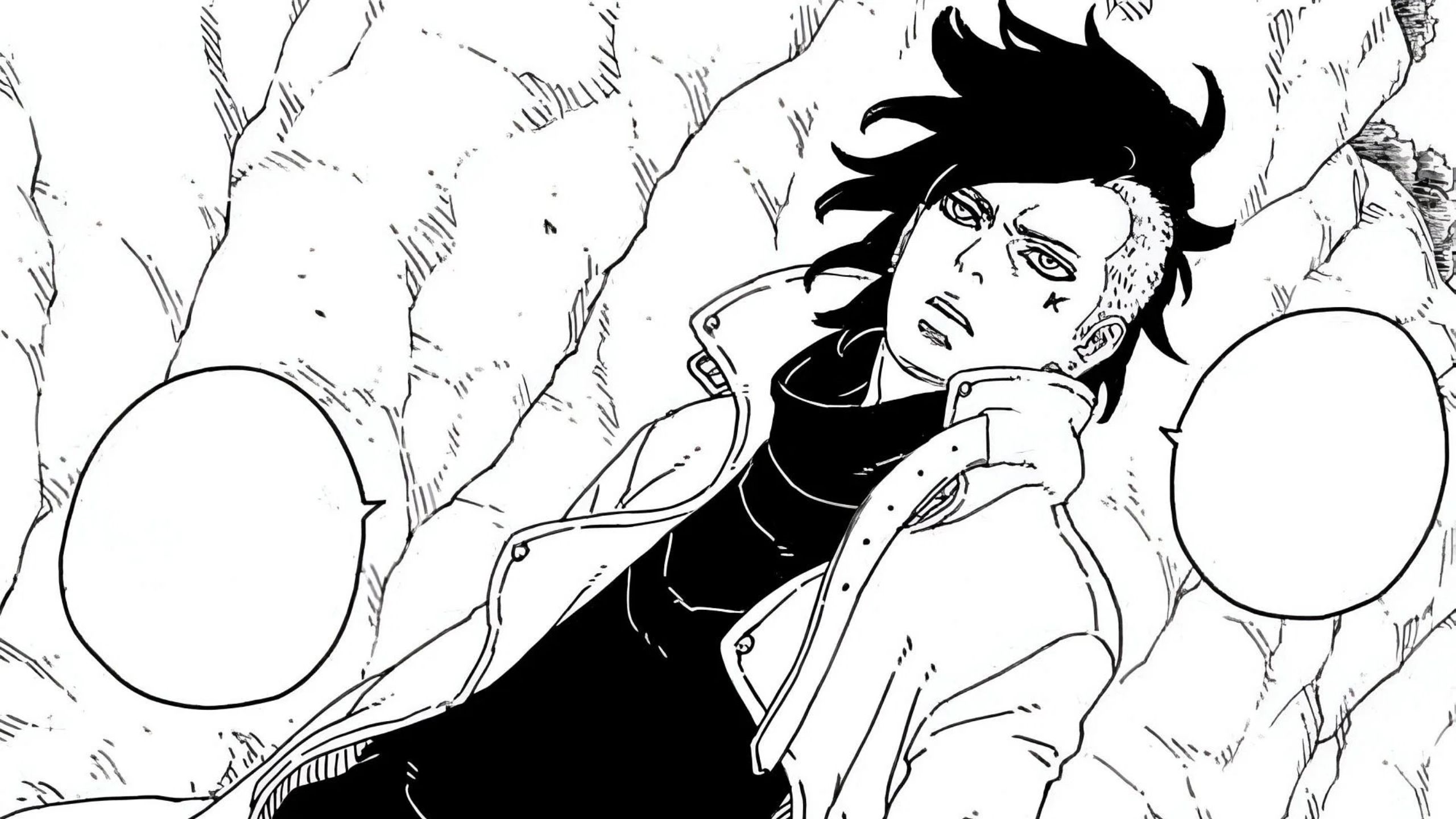
Kawaki From Boruto Two Blue Vortex – Manga (Shueisha)
To Kawaki, Boruto had become a ticking time bomb, harboring the potential to transform into a dangerous force under Momoshiki’s influence.
In this sense, Kawaki’s actions, though drastic, were rooted in a desire to eliminate a perceived threat and shield the village from potential devastation.
The Turning Point: Eida’s Role in Kawaki’s Downfall
Kawaki’s desperation to protect the Hidden Leaf Village and Naruto led him to make a fateful decision: he asked Eida to use her Omnipotence Shinjutsu, a powerful ability capable of altering memories and reality itself.
This act had a profound impact on the narrative, transforming how others perceived both Kawaki and Boruto.
In the blink of an eye, Kawaki’s identity was altered, making him appear as Naruto’s biological son, while Boruto was seen as the outsider who had “killed” the Seventh Hokage and his wife.
This shift in perception caused Kawaki to be further misunderstood, as he was now regarded as the villain who had turned against his own family and friends.
In reality, this manipulation of memories was a desperate move to protect the village and keep the power of Momoshiki at bay.
Yet, to everyone else, it appeared as though Kawaki had betrayed those closest to him, particularly Boruto.
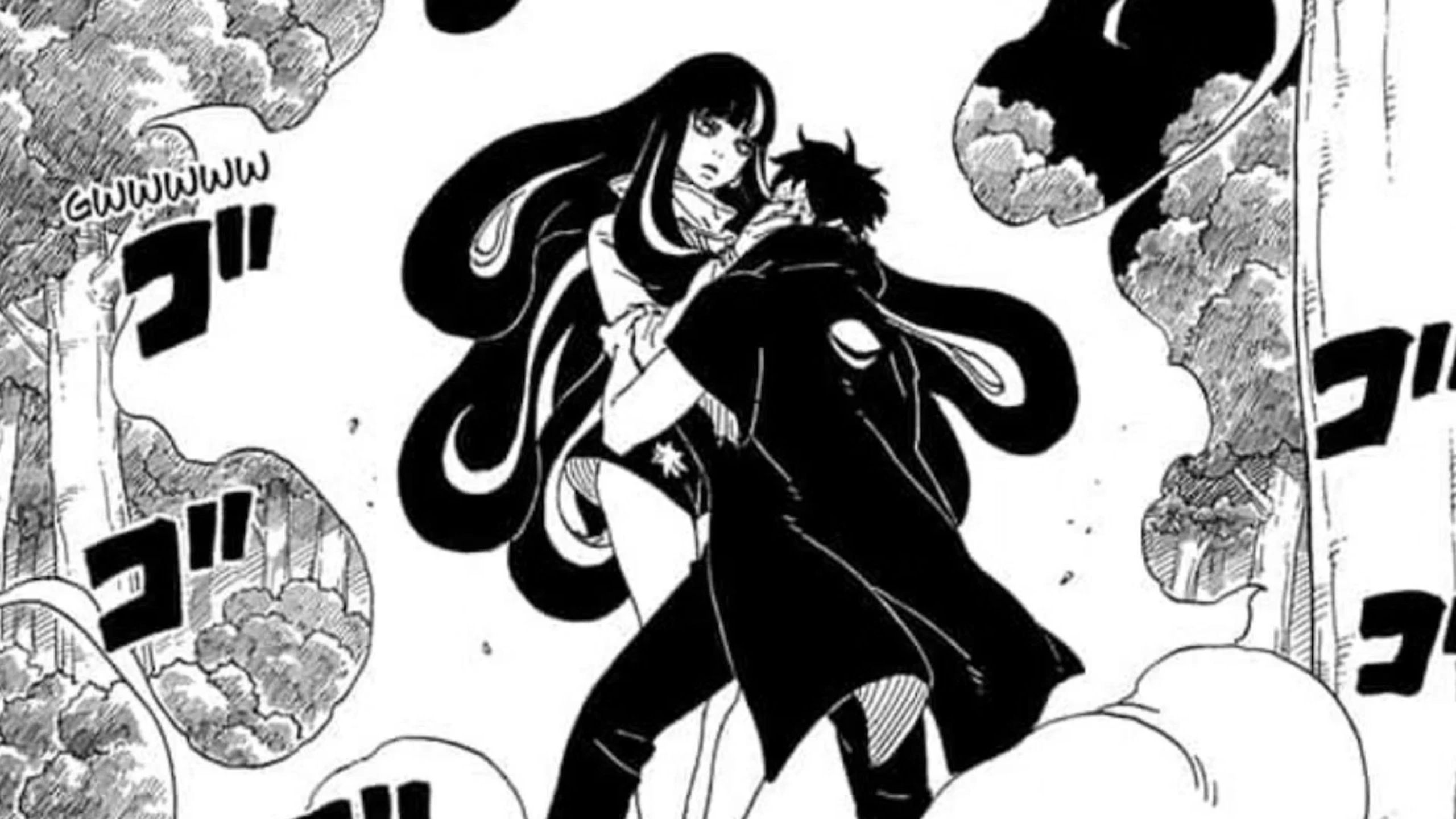
Eida and Kawaki From Boruto Two Blue Vortex (Shueisha)
This act, more than any other, cemented Kawaki’s image as a villain in the eyes of the Hidden Leaf Village and the broader shinobi world.
Kawaki’s Evolution: A Closer Look at His Motivations
As the story progresses, it becomes increasingly apparent that Kawaki’s motivations are more complex than they initially appeared.
His actions are driven not by malice but by a sense of duty a duty to protect the village and those he considers his family.
His willingness to go to extreme lengths to achieve his goals, even if it means being seen as a villain, underscores the depth of his commitment.
One of the most telling moments in Kawaki’s development is his agreement to team up with Boruto despite their strained relationship.
This alliance is not without conditions, as Kawaki makes it clear that his primary goal remains the same: if Momoshiki were ever to take full control of Boruto, Kawaki would not hesitate to kill him.
This agreement highlights the internal conflict within Kawaki, torn between his bond with Boruto and his fear of the threat that Momoshiki represents.
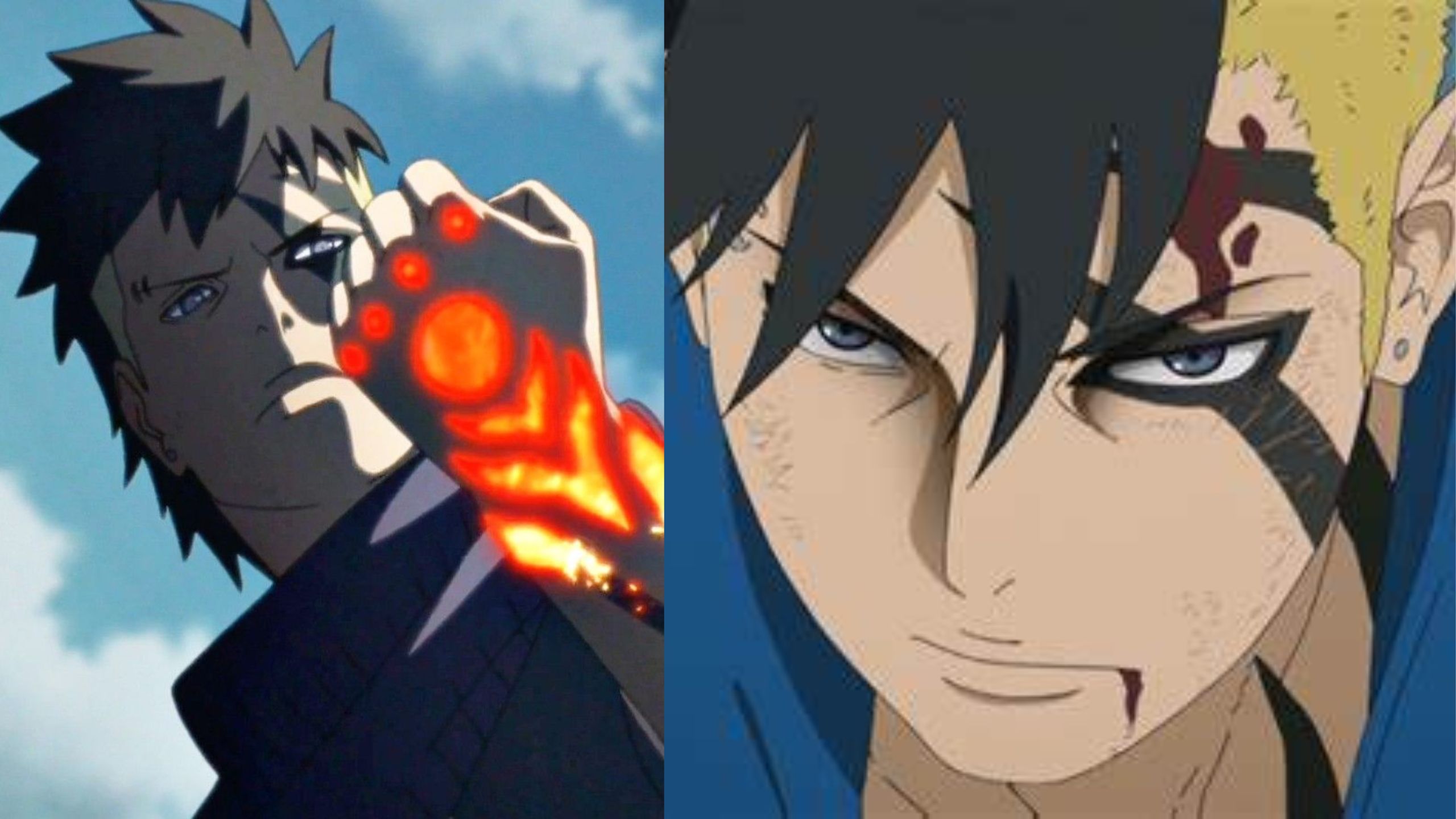
Kawaki (Pierrot)
Even after a three-year time skip, Kawaki’s primary objective remains unchanged. His determination to eliminate the Otsutsuki threat is unwavering, yet there are subtle indications that his mindset is beginning to shift.
This evolution is significant, as it suggests that Kawaki is not merely a one-dimensional character driven by a single purpose but rather a complex individual grappling with conflicting emotions and desires.
Kawaki’s Changing Approach
The opening scene of Boruto: Naruto Next Generations offers a glance into a potential future where Kawaki appears to stand as a villainous figure, telling his adoptive brother Boruto that he would send him to the same place where he sent Naruto.
However, a closer analysis of this scene reveals that Kawaki’s intentions may not be as sinister as they initially seem.
While he may have threatened Boruto with banishment to another dimension, this action signifies a marked change in his behavior.
Kawaki, who once harbored violent tendencies and was willing to take extreme measures to eliminate threats, now seems to be considering non-lethal alternatives.
By suggesting that he would merely send Boruto away instead of killing him, Kawaki hints at a desire to break free from the cycle of violence that has plagued the shinobi world for generations.
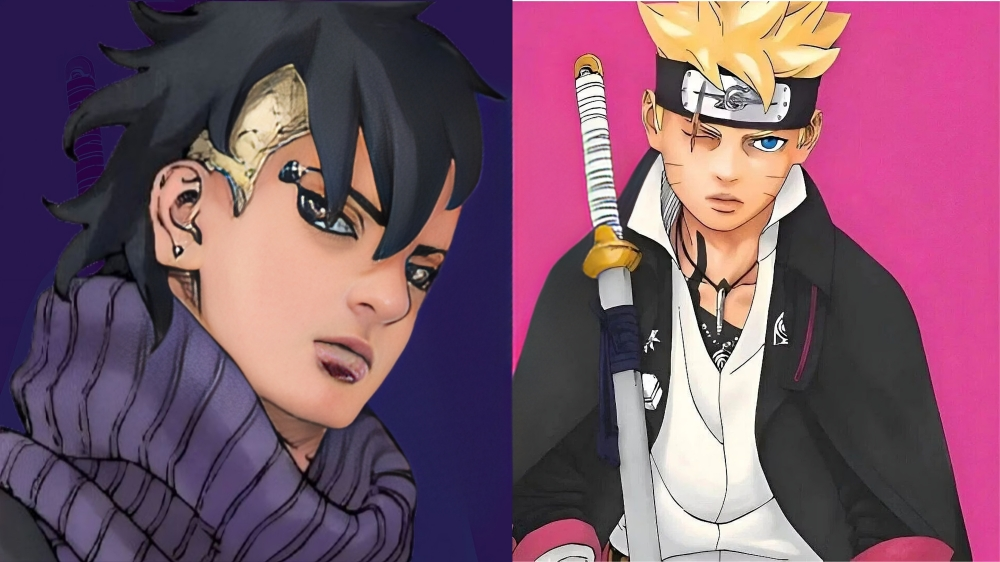
Kawaki And Boruto (Shueisha)
This change in perspective aligns him more closely with the ideals of Naruto himself, who sought to end the cycle of hatred and bring about lasting peace.
Kawaki’s Tragic Hero Journey
Kawaki’s story is not that of a traditional hero. He does not follow the classic path of redemption or the pursuit of glory.
Instead, he embodies the archetype of a tragic hero one whose intentions are noble but whose methods and circumstances often lead to his own downfall.
His willingness to bear the burden of hatred and isolation for the sake of others makes him a complex and, ultimately, sympathetic character.
In many ways, Kawaki’s journey mirrors that of Naruto’s own struggles during his early years. Both characters faced rejection, isolation, and a world that viewed them with suspicion.
Naruto’s journey, however, was marked by a gradual acceptance by the village, while Kawaki’s path has been one of increasing alienation.
This parallel is a poignant reminder of how the shinobi world can shape individuals in vastly different ways, depending on their circumstances and choices.
While Naruto’s path was one of overcoming hatred through understanding and compassion, Kawaki’s journey is one of preventing the resurgence of the cycle of violence, even if it means sacrificing his own happiness.
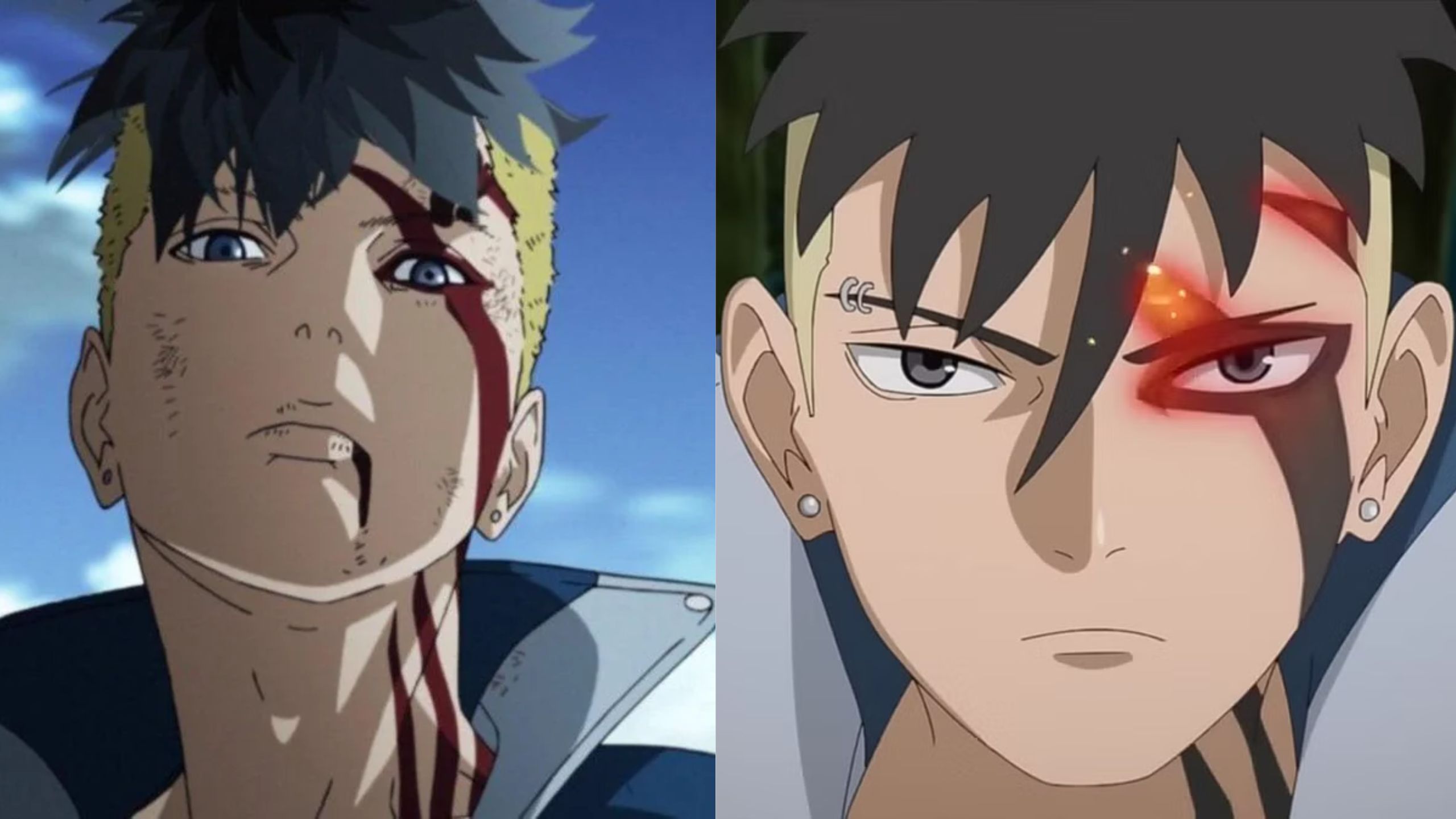
Kawaki | Ishiki Otsusuki Awekening (Pierrot)
In this sense, Kawaki is not so different from Naruto. Both sought to protect the people they loved, even if it meant enduring pain and misunderstanding from those around them.
A Hero Misunderstood: Kawaki’s Transformation in Two Blue Vortex
As the Boruto: Two Blue Vortex manga unfolds, it becomes increasingly evident that Kawaki’s role in the narrative is far from that of a simple antagonist.
While he may currently be viewed as the villain, his actions suggest that he is striving to become a true hero, albeit one who operates from the shadows and is willing to make the hard choices that others shy away from.
This transformation is reminiscent of other tragic heroes in fiction characters whose paths are defined by sacrifice and whose motives are often misunderstood.
One of the key themes of Kawaki’s story is the idea of protection at all costs. Unlike traditional heroes who rely on ideals and diplomacy, Kawaki’s methods are brutal and pragmatic.
He does not shy away from making decisions that others would balk at, and this willingness to shoulder the burden of guilt and hatred for the sake of the greater good is a testament to his strength of character.
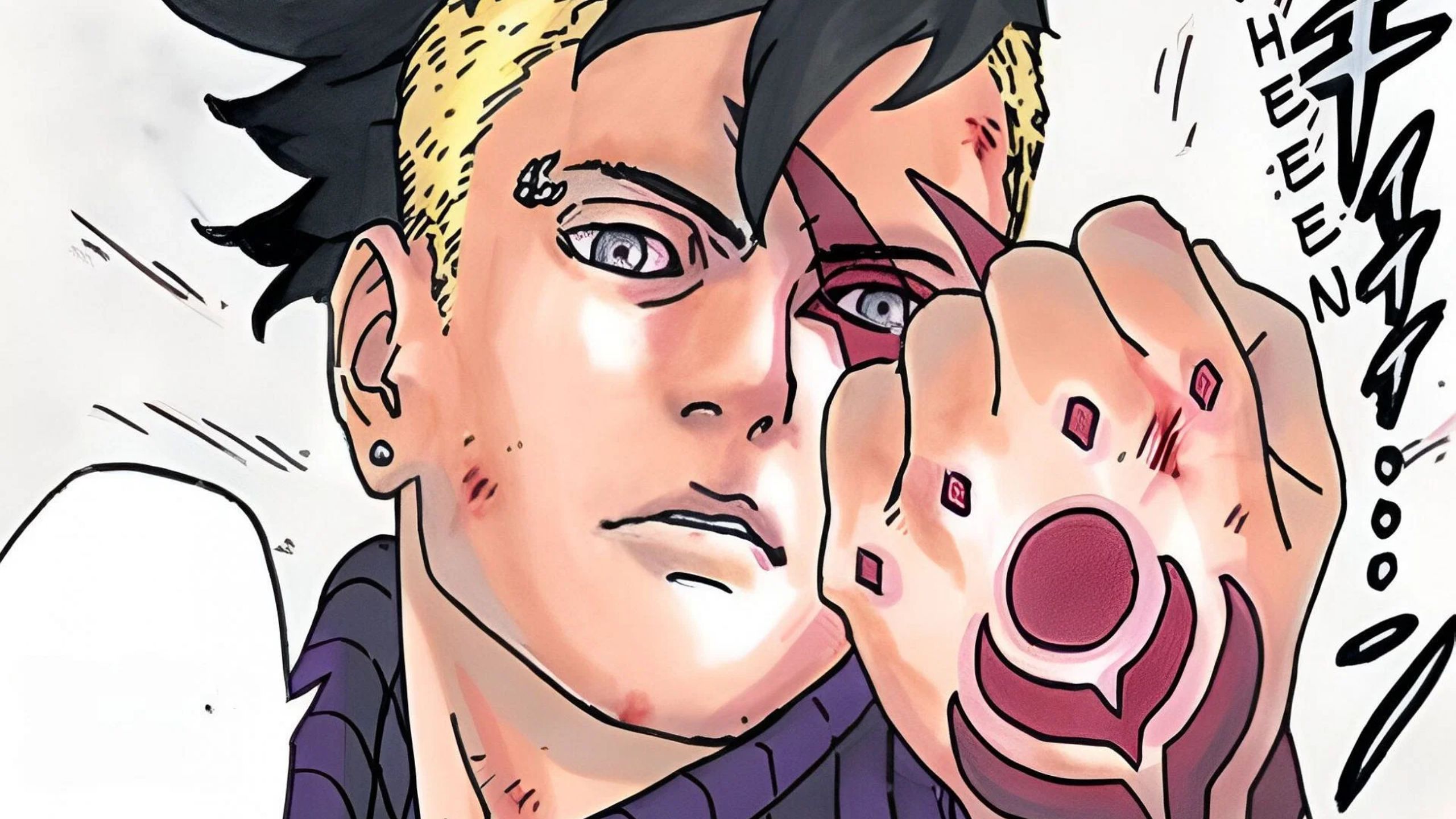
Kawaki From Boruto Two Blue Vortex – Manga (Studio Pierrot)
Kawaki’s evolution from a misguided youth with a penchant for violence to a mature figure seeking a better world is a central aspect of the narrative in Boruto: Two Blue Vortex.
The Influence of Naruto on Kawaki’s Development
Naruto Uzumaki’s influence on Kawaki cannot be overstated. As a father figure, Naruto instilled in Kawaki a sense of belonging and purpose, teaching him about the importance of bonds and loyalty.
Yet, Kawaki’s methods and Naruto’s ideals often stand in stark contrast to one another.
Naruto, who sought to protect the village through understanding and dialogue, represents the idealistic hero, while Kawaki, who is willing to embrace darker methods, embodies a more cynical view of what it takes to safeguard those he loves.
This contrast between Naruto’s idealism and Kawaki’s pragmatism is a recurring theme in the manga.
It raises questions about what it truly means to be a hero in a world where threats like the Otsutsuki exist threats that cannot always be reasoned with or defeated through conventional means.
Kawaki’s willingness to take on the role of the villain, if it means protecting the village, highlights the moral ambiguity that defines his character.
The Possibility of Redemption: Can Kawaki Become a True Hero?
As the story continues to develop, one of the most pressing questions is whether Kawaki can find redemption and emerge as a true hero in the eyes of those who view him as a villain.
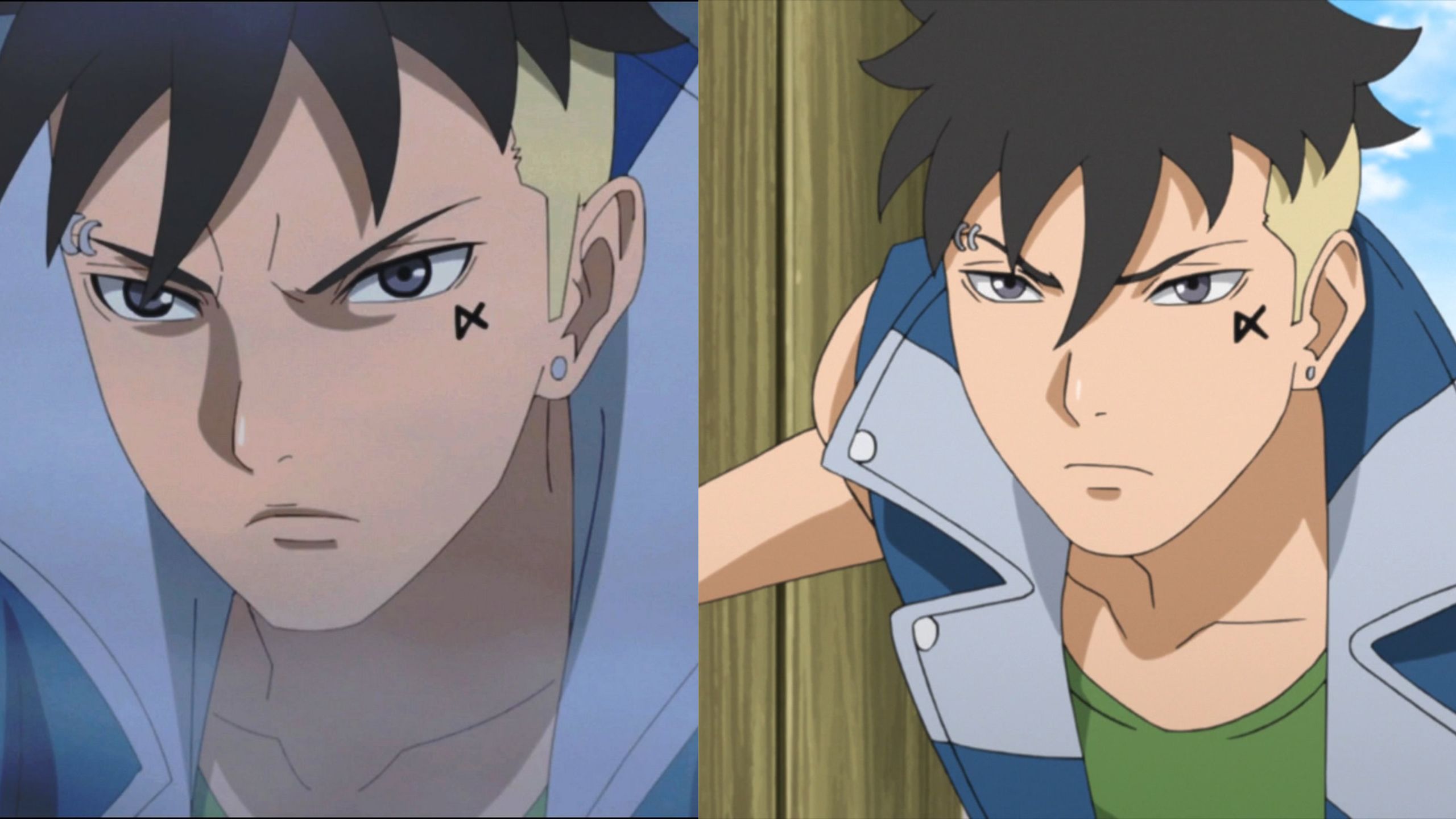
Kawaki From Boruto Two Blue Vortex (Studio Pierrot)
His journey has been one of sacrifice and hardship, marked by difficult choices and a willingness to bear the burden of hatred for the greater good.
Yet, the possibility of redemption remains a central theme, suggesting that Kawaki’s story is far from over.
If Kawaki can learn to reconcile his methods with Naruto’s ideals, there is hope that he can find a way to protect the village without resorting to extreme measures.
This would require a significant shift in his perspective, as well as a willingness to trust in the bonds he has formed with others, particularly Boruto.
Kawaki’s struggle to balance his protective instincts with the need for compassion and understanding is a defining aspect of his character arc, and it is this internal conflict that makes him one of the most compelling characters in the series.
Symbolism of Kawaki’s Journey in Two Blue Vortex
Kawaki’s journey is not just about personal growth and redemption; it also serves as a commentary on the themes of power, sacrifice, and the cycle of violence that has defined the shinobi world.
His willingness to embrace the role of the villain, even if it means being hated and misunderstood, reflects the idea that true heroism often requires sacrifice.
In this sense, Kawaki embodies the concept of the “unsung hero” one whose deeds go unrecognized and whose struggles are overlooked.
The Two Blue Vortex narrative places Kawaki at the center of a story that challenges traditional notions of heroism.
In a world where threats are often supernatural and far beyond the scope of ordinary shinobi, the question of what it means to be a hero becomes increasingly complex.
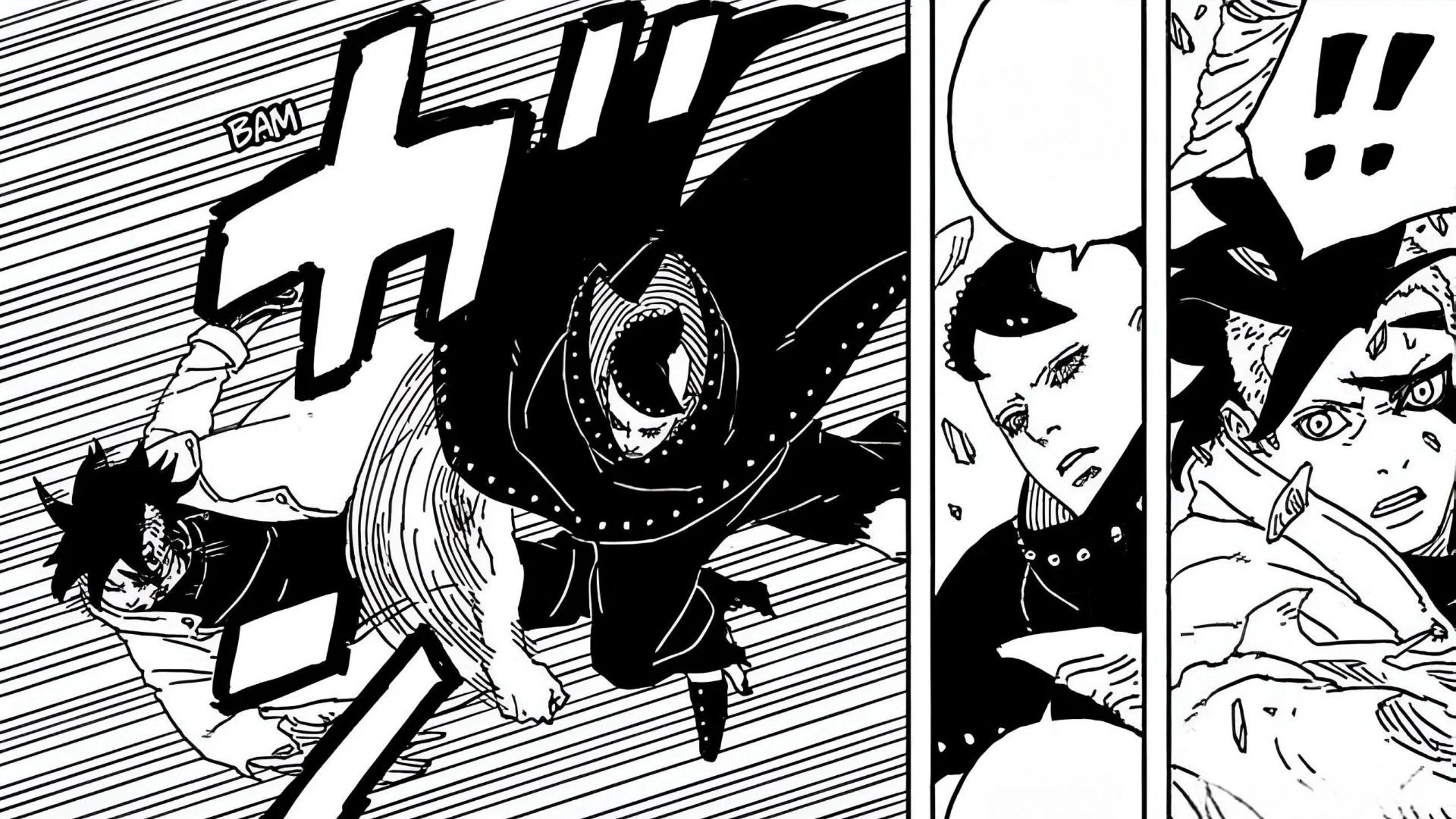
Kawaki and Jura (Shueisha)
Kawaki’s journey, with all its moral ambiguity and internal conflict, forces readers to question the very nature of heroism and what it takes to protect those one loves.
A Hero’s Legacy: Kawaki’s Impact on the Shinobi World
Whether Kawaki ultimately succeeds in his quest for redemption or falls further into the role of the villain, his impact on the shinobi world is undeniable.
His actions have already altered the course of history, reshaping the way the village views him and Boruto.
The memory manipulation caused by Eida’s powers has not only changed the narrative but has also forced characters to confront their own perceptions of loyalty, family, and duty.
Kawaki’s story is one of legacy the legacy of a boy who was once lost and found a home in the Hidden Leaf Village, only to be cast out again in his pursuit of what he believed to be the greater good.
His struggle to protect Naruto’s vision while grappling with the darker aspects of his own nature is a testament to the complexity of his character and the broader themes of the series.
Kawaki, The True Hero of Two Blue Vortex
While the narrative of Boruto might currently paint Kawaki as the antagonist, there are compelling reasons to believe that he could emerge as the true hero of Two Blue Vortex.
His unwavering loyalty, willingness to sacrifice his own happiness, and readiness to shoulder the burden of being misunderstood all point to a character who is far more than a simple villain.
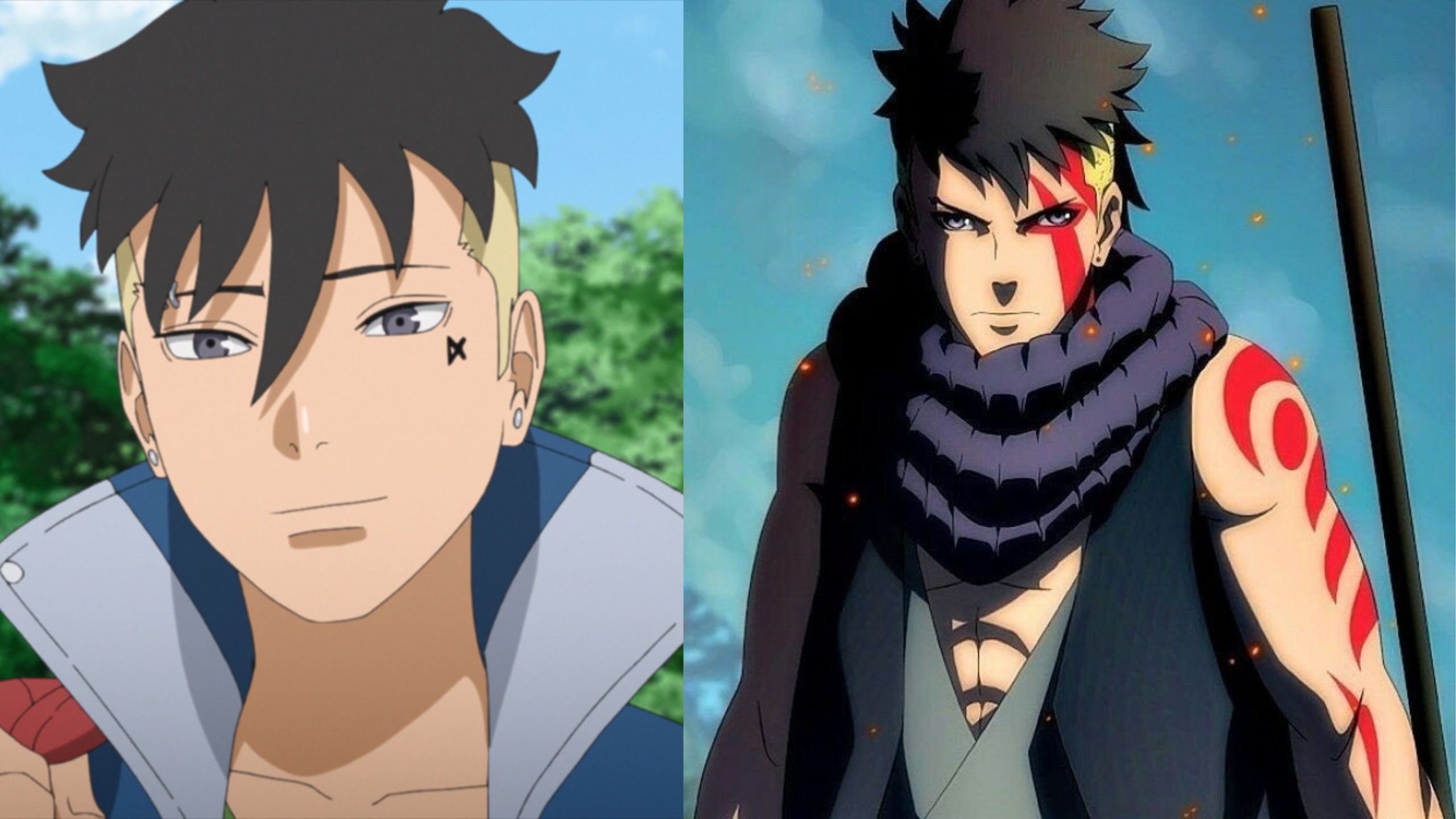
Kawaki From Boruto Two Blue Vortex (Studio Pierrot)
Kawaki’s journey is one of growth, redemption, and the search for a better world, even if that path is fraught with hardship and conflict.
In the end, whether Kawaki is viewed as a hero or a villain may depend on one’s perspective. His actions, though extreme, are driven by a desire to protect and a refusal to allow the mistakes of the past to repeat themselves.
In this sense, Kawaki’s story is a reflection of the broader struggles faced by the shinobi world a world where the line between hero and villain is often blurred, and where true heroism is found in the willingness to make the difficult choices for the sake of those one loves.
Kawaki’s evolution from a troubled youth to a protector willing to bear the weight of hatred for the greater good makes him a unique and compelling character in the Boruto series.
As the Two Blue Vortex saga continues, Kawaki’s story will undoubtedly play a central role in shaping the future of the shinobi world, offering readers a complex and thought-provoking exploration of what it means to be a hero in a world that is anything but black and white.
The world of Boruto has been subject to much scrutiny since its inception. As a follow-up to the beloved Naruto series, it had incredibly big shoes to fill.
For many fans of the original series, Boruto failed to live up to the expectations they had built over the years.
From inconsistent character portrayals to questionable plot developments, it became clear that Boruto had some hurdles to overcome.
While the series introduced a new generation of ninjas, the way it treated its predecessors the characters fans had grown up loving often became the butt of many jokes within the anime community.
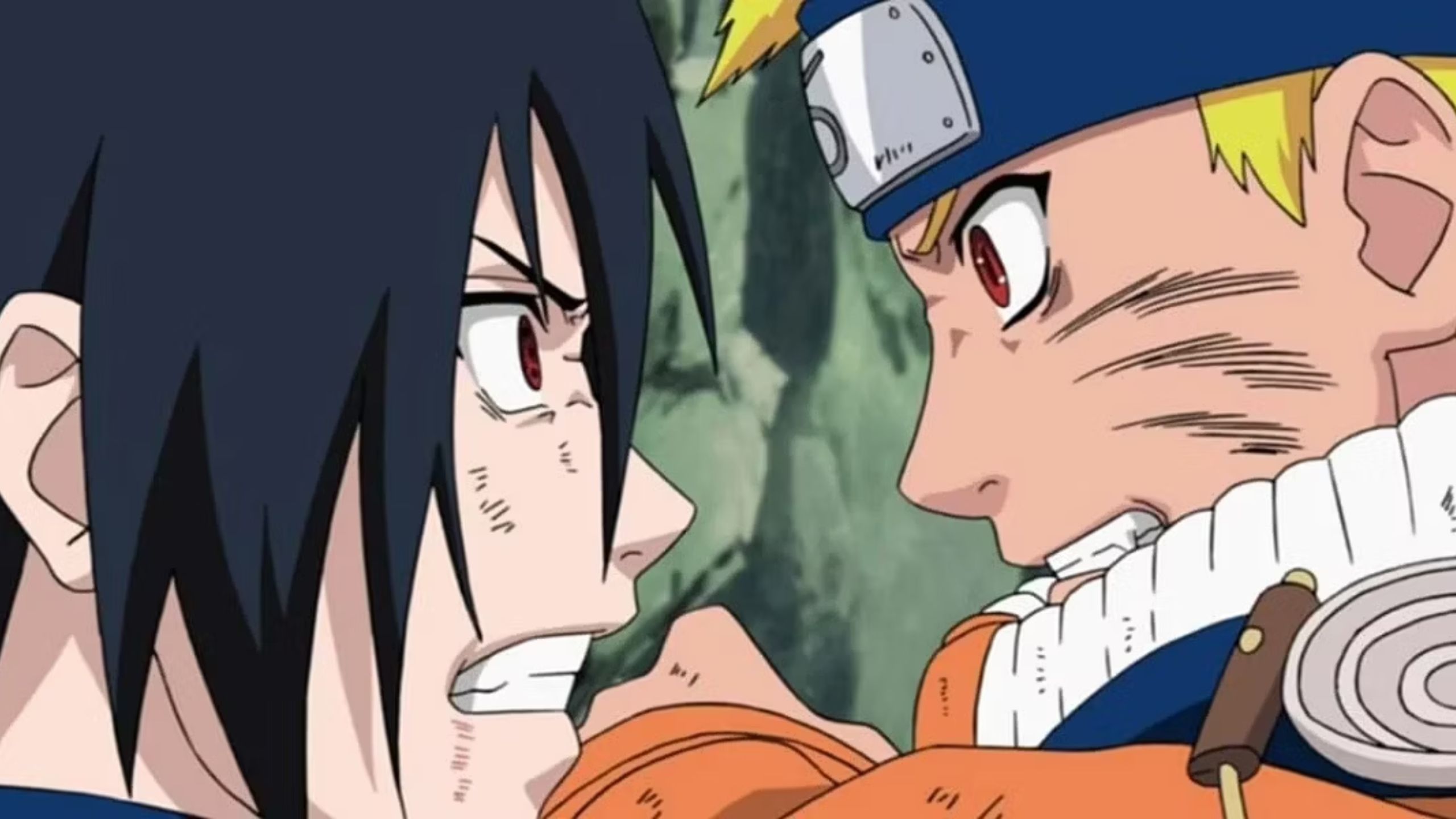
Sasuke And Naruto (Sudio Pierrot)
Among the long list of grievances, one particular element in the anime has attracted a lot of attention, and it has to do with how Studio Pierrot decided to handle the relationship between Sakura and Sasuke Uchiha in Boruto.
The portrayal of their relationship in the anime struck many as odd, but one specific moment from the earlier episodes made things even more laughable.
This scene involved a simple frame containing pictures of people close to Sakura, but there was something peculiar about it.
At first glance, it seemed harmless enough, but when fans took a closer look, it quickly became a source of amusement.
The focus here is on a specific detail of this family photo, one that both confused and entertained viewers, especially when it came to Sasuke’s portrayal.
While Sakura and Sasuke’s relationship had always been a subject of much debate in the Naruto fandom, Boruto somehow managed to transform it into something comedic, unintentionally turning Sasuke into a visual punchline.
The Legacy of Naruto and Sasuke
Before jumping deeper into the specifics of this particular photo in Boruto, it’s important to understand the legacy of Naruto and Sasuke, two of the most iconic characters in anime.
Their relationship as friends, rivals, and ultimately comrades shaped the story of Naruto, with their complex and tumultuous past being one of the highlights of the series.
Naruto, the optimistic and hardworking protagonist, was always driven by his dream to become Hokage, while Sasuke was defined by his tragic quest for vengeance and redemption.
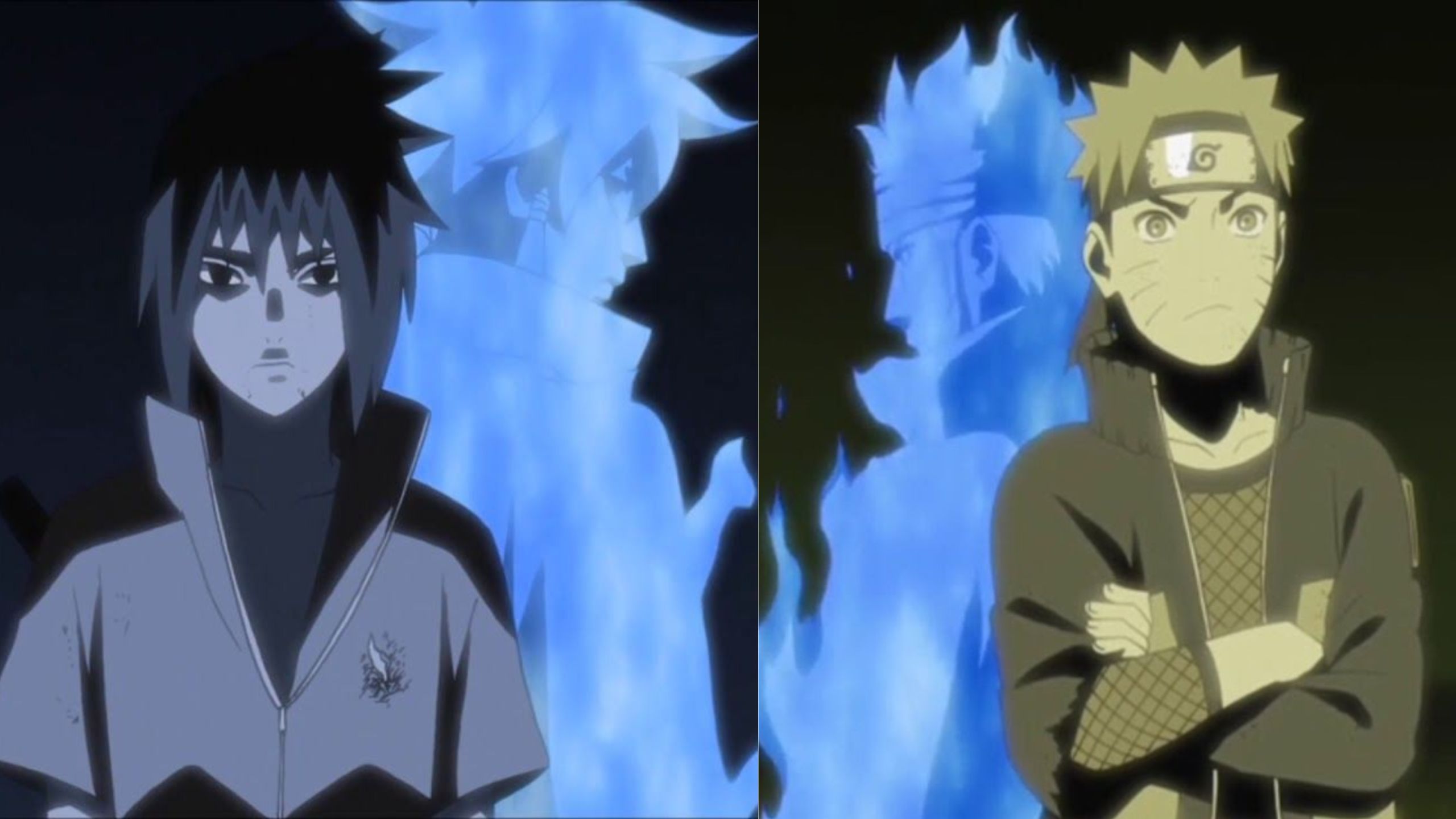
Sasuke And Naruto With Sage Of Six Paths (Pierrot)
Despite their differences, they shared a bond that transcended time and space, a bond that would ultimately become one of the driving forces of the series.
However, their post-Naruto lives were filled with major shifts, both as individuals and in their personal relationships.
While Naruto achieved his lifelong goal of becoming Hokage, Sasuke chose a different path.
Following the events of the Fourth Great Ninja War and Kaguya’s defeat, Sasuke spent a significant amount of time atoning for his past sins, wandering the world in a self-imposed exile.
His choice to live in the shadows kept him away from the village, and by extension, from his family.
This caused many to question the nature of his relationship with Sakura, who remained in Konoha with their daughter Sarada.
Fans had always known that Sasuke’s personal life was complicated, but Boruto managed to exacerbate this by throwing in a surprising and humorous twist.
It’s almost as if Studio Pierrot wanted to highlight the fact that Sasuke’s devotion to his family, while undoubtedly present, was often overshadowed by his larger-than-life responsibilities.
A Closer Look at the Family Frame
In an episode of Boruto, there is a scene where a frame containing pictures of people close to Sakura can be seen.
A seemingly simple setup, the picture frame is intended to highlight the bond between Sakura and her family, especially Sasuke and their daughter Sarada.
But what makes this particular frame stand out is not the sentiment behind it which, on the surface, is wholesome and touching but the way it has been executed.
The frame contains four pictures: two of Sarada, one of Sakura, and one of Sasuke.
Gang attire in the family photo is unbelievable 🤣🤣🤣 pic.twitter.com/uerSOAR2ye — Mahoon (@SasukeD_Uchiha) April 6, 2024
At first glance, it seems like a sweet gesture a family documenting their memories and cherishing their bond. But as fans examined the images closer, they realized something was a bit off.
Most family portraits tend to include everyone together in one cohesive shot. In this case, however, the Uchiha family photo was actually a collage of individual pictures.
This detail immediately caught the attention of fans, who began to question why there wasn’t a single group photo of the family.
It wasn’t uncommon for fans to already suspect that Sasuke’s extended absences from the village created some strain on the family.
After all, he was constantly working from the shadows, ensuring the safety of Konoha and the world at large.
But the fact that the Uchiha family didn’t have a single, unified family photo struck fans as both hilarious and telling.
It suggested that Sasuke had been away from home for so long that they never even had the opportunity to take a family picture.
The collage setup might not have been a big deal if it weren’t for the particular photo of Sasuke that Studio Pierrot decided to use.
Instead of a more recent or neutral image of him, the studio chose a picture of Sasuke during one of the darkest periods of his life when he was a member of the Akatsuki, a notorious criminal organization.
This decision left fans both confused and amused.
Sasuke’s Troubled Past
To understand why this particular photo was so surprising, we need to revisit Sasuke’s complicated past.
After the death of his family at the hands of his brother Itachi, Sasuke’s life was consumed by revenge.
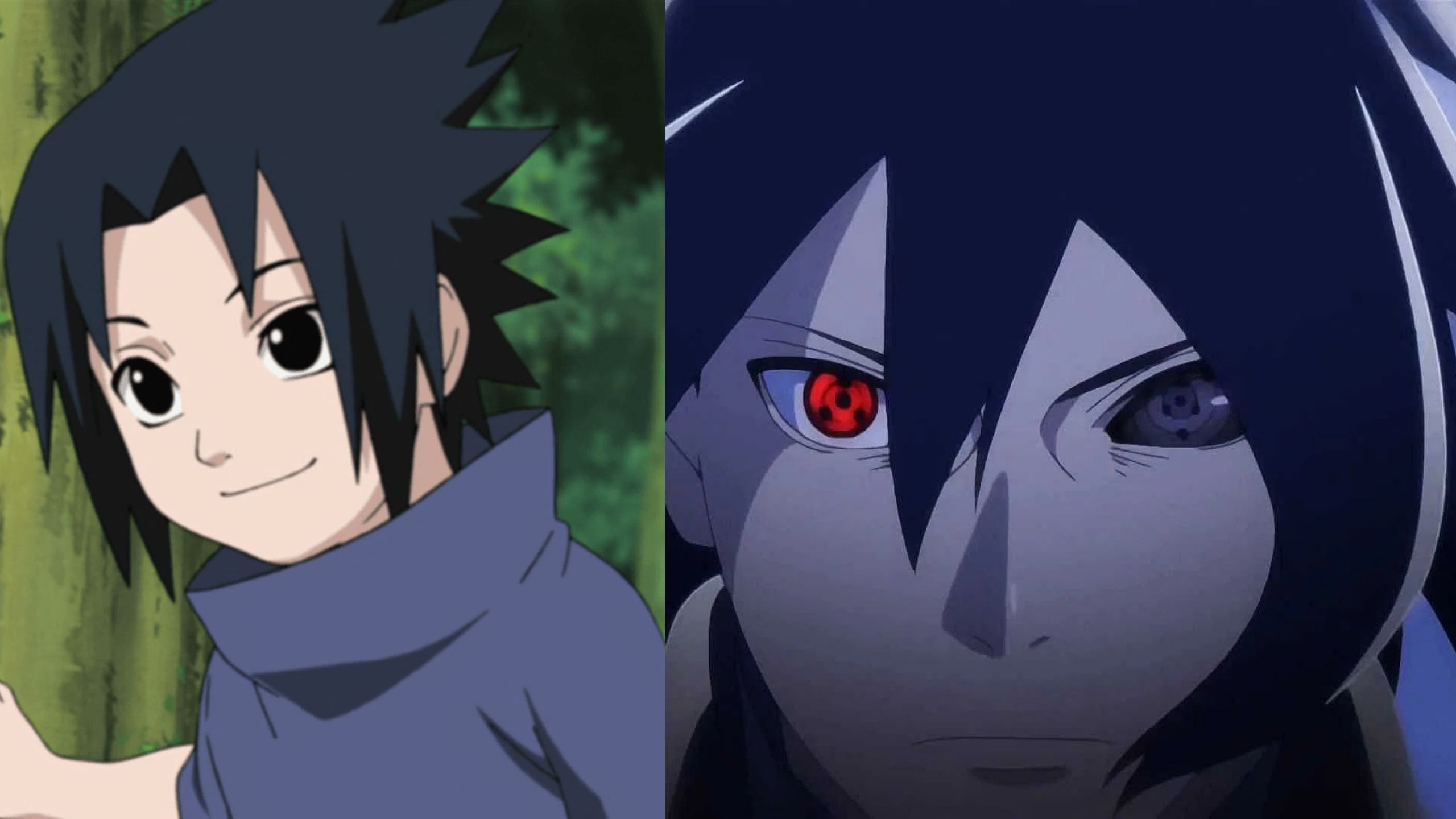
Sasuke Uchiha (Sudio Pierrot)
His journey eventually led him down a dark path, culminating in his decision to join the Akatsuki, one of the most feared and reviled organizations in the ninja world.
During this time, Sasuke committed acts that branded him a criminal in the eyes of the village and many others.
His affiliation with the Akatsuki was a low point in his life, a period when he distanced himself from his friends, allies, and everything he once held dear.
Fans of Naruto are intimately familiar with this version of Sasuke. The Akatsuki cloak, with its red clouds on a black background, became synonymous with his darkest moments.
It was a reminder of the time when Sasuke had abandoned everything to pursue his personal vendetta.
That’s what makes it so bizarre and, in many ways, humorous that Studio Pierrot would choose this particular image of Sasuke to include in a family frame.
The fact that this version of Sasuke the fugitive, the rogue ninja, the terrorist, as he was once labeled was immortalized in what was supposed to be a tender family photo turned the scene into a joke.
It felt almost absurd that Sakura would look back at this image with fondness or that this would be the picture they’d choose to represent Sasuke’s role in the family.
Fans React to the Photo
When this detail about the Uchiha family photo was pointed out, the internet quickly erupted with reactions.
Memes, jokes, and humorous posts about Sasuke’s Akatsuki photo flooded social media, with many fans poking fun at the studio’s oversight.
The idea that Sasuke’s only contribution to the family portrait was a picture of him in his Akatsuki attire became a running joke in the fandom.
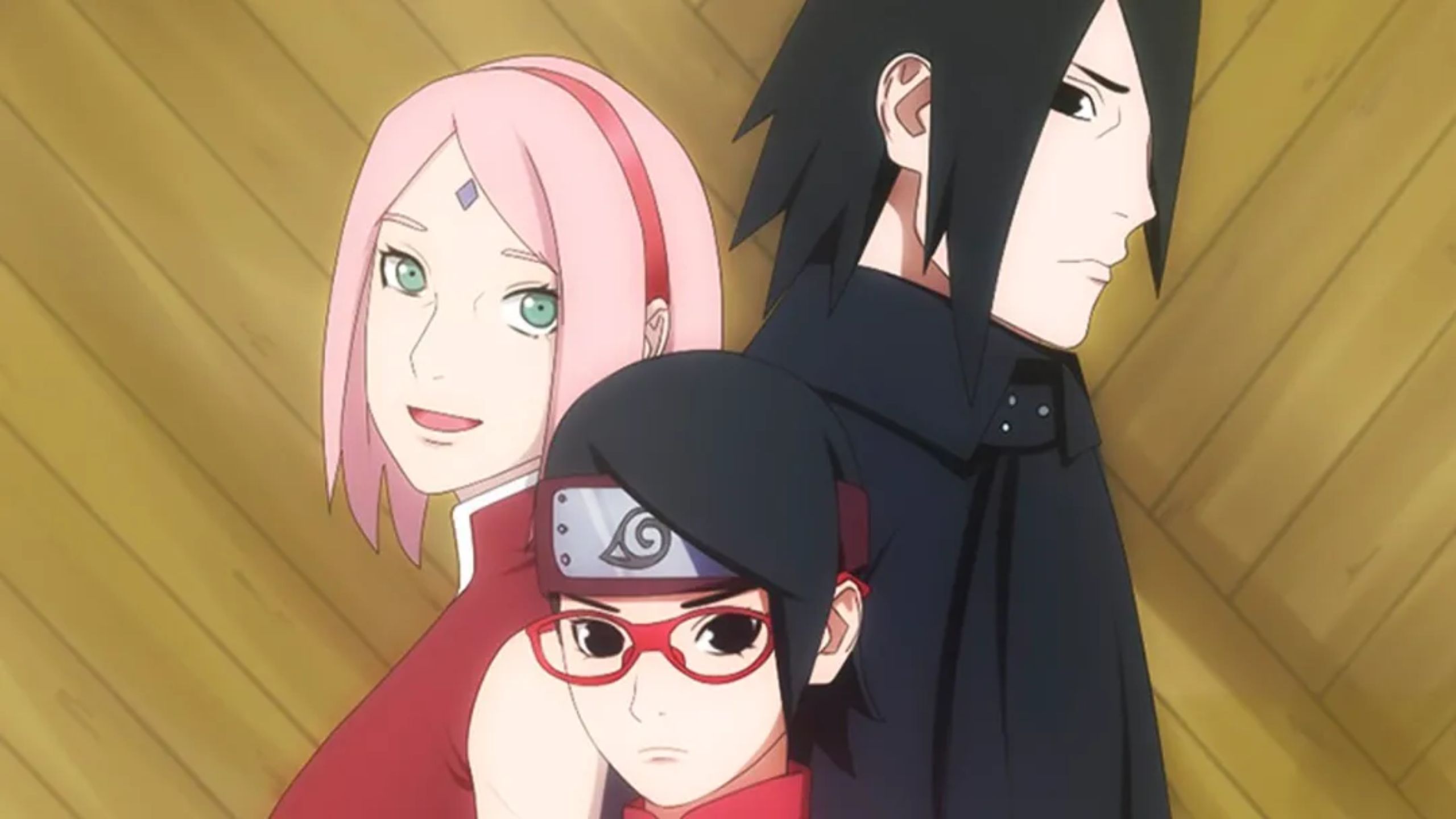
Sakura, Sarada And Sasuke (Sudio Pierrot)44
One of the reasons this moment resonated so strongly with fans is that it summarizes one of the key complaints they had about Boruto that it didn’t always treat its legacy characters with the care and respect they deserved.
In the case of Sasuke and Sakura, their relationship was already a contentious topic within the fandom.
Many fans of the original series felt that their relationship had always been underdeveloped, with Sasuke’s cold and distant demeanor contrasting sharply with Sakura’s unwavering devotion to him.
The decision to include a picture of Sasuke at his lowest point in the family photo only seemed to reinforce the idea that their relationship was still lacking the depth and development it needed.
While most fans understood that this was likely an unintentional oversight on the part of Studio Pierrot, the choice still struck a nerve.
It served as a reminder of the series’ tendency to gloss over or mishandle important aspects of its characters, especially when it came to Sasuke and Sakura’s relationship.
Sakura’s Plight and the Family Dynamic
Sakura herself is a character who has often been the subject of debate among fans. In Naruto , her growth as a character was significant, but her role in the final story was often overshadowed by the more prominent arcs of Naruto and Sasuke.
By the time Boruto came around, many fans hoped that Sakura’s character would receive more attention and depth, particularly in her role as a mother and wife.
However, the portrayal of Sakura’s relationship with Sasuke in Boruto seemed to reinforce the idea that she was still defined by her unrequited love for him.
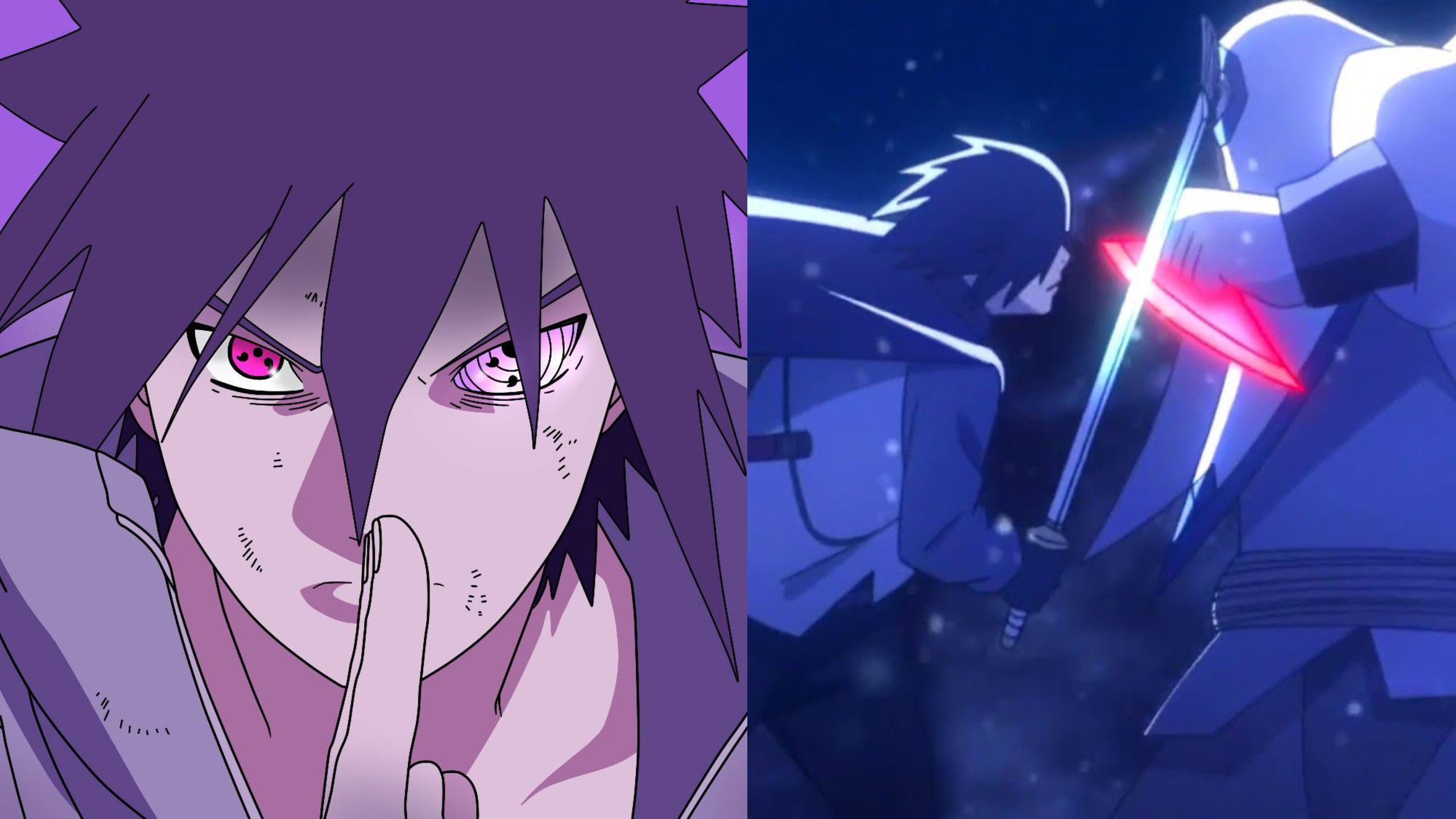
Sasuke Uchiha Using Teleportation With Rinnegan (Studio Pierrot)
Sasuke’s constant absence from the family only highlighted the one-sided nature of their relationship, at least from an emotional standpoint.
Despite being married and having a child together, Sasuke and Sakura’s relationship still felt distant, both literally and figuratively.
The family photo scene in Boruto underscored Sakura’s plight. Here was a woman who had remained devoted to her husband despite his prolonged absences, raising their daughter mostly on her own.
The fact that they didn’t even have a proper family photo together only served to emphasize the disconnect between Sasuke and his family.
The use of the Akatsuki photo was almost symbolic of the fact that, for much of their relationship, Sasuke had been absent, either physically or emotionally.
His time as a member of the Akatsuki represented one of the darkest periods of his life, and it seemed ironic that this was the version of Sasuke that was immortalized in the family frame.
The Absurdity of the Photo Choice
When examining why Studio Pierrot might have chosen this particular image of Sasuke for the family photo, it’s difficult not to see the humor in it.
Perhaps it was an unintentional oversight, or maybe it was meant to be a subtle nod to Sasuke’s complex past.
Whatever the reason, the decision to include a picture of Sasuke in his Akatsuki cloak turned what should have been a heartfelt moment into something absurd.
The image itself is a stark contrast to the rest of the photos in the frame. While Sarada and Sakura are depicted in a more neutral or positive light, Sasuke stands out as the rogue ninja who once betrayed his village.
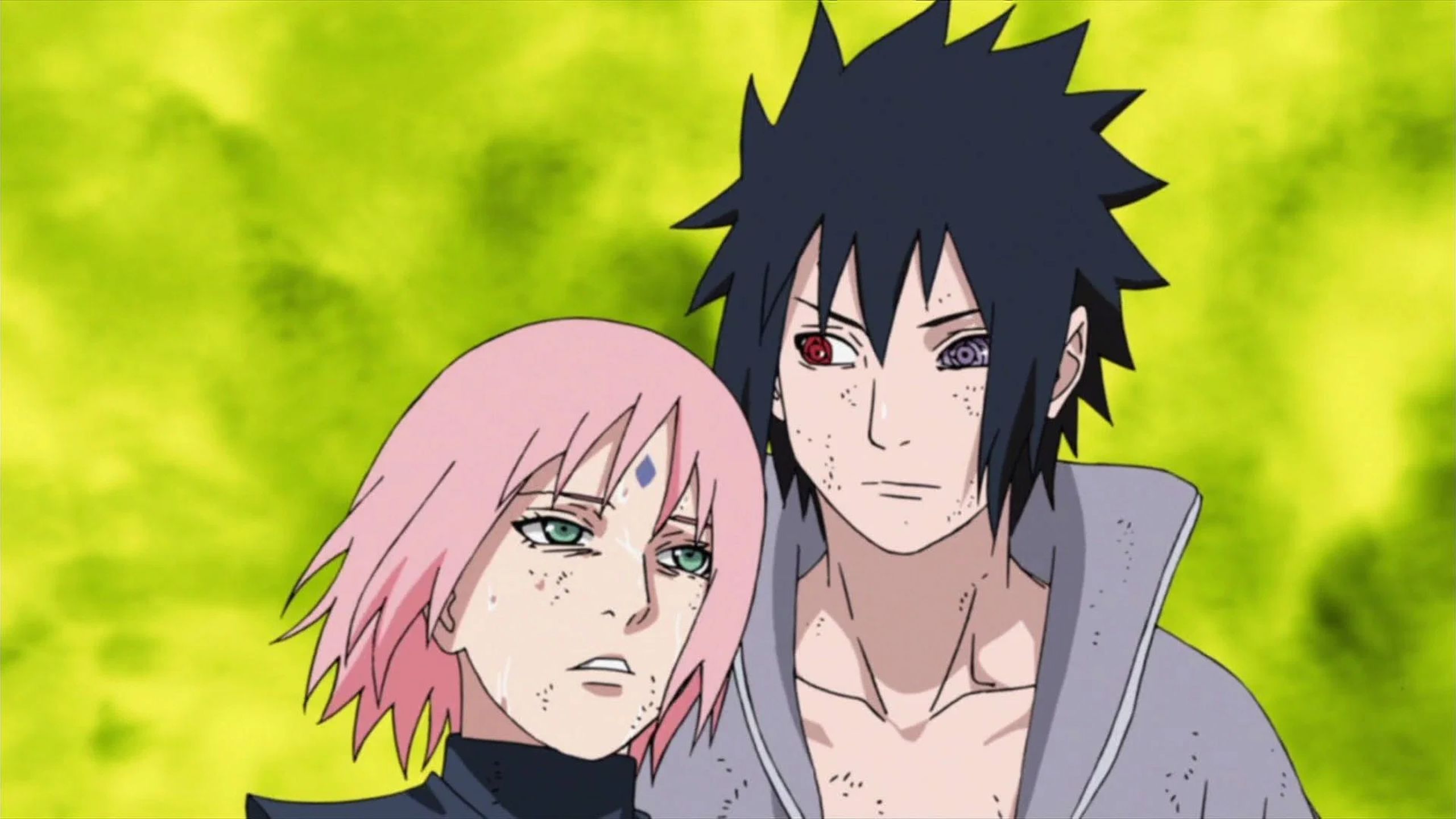
Sakura And Sasuke (Studio Pierrot)
It’s almost as if the photo is a reminder that Sasuke, despite all his efforts to redeem himself, will always be haunted by his past.
Of course, the internet being what it is, fans couldn’t resist turning this moment into a meme. The idea of Sasuke, the former Akatsuki member, being immortalized in a family photo became an instant source of humor.
It was as if the studio had unintentionally turned Sasuke into a parody of himself, highlighting the ridiculousness of the situation.
The decision to include a photo of Sasuke in his Akatsuki cloak in the Uchiha family frame is one of those small but significant details that summerizes some of the larger issues fans have with Boruto.
While the series has its moments, it often struggles to strike the right balance between honoring its legacy characters and developing its new ones.
For fans of Naruto, the image of Sasuke in his Akatsuki attire represents more than just a humorous oversight it’s a symbol of the series’ inability to fully move past the complexities of its predecessor.
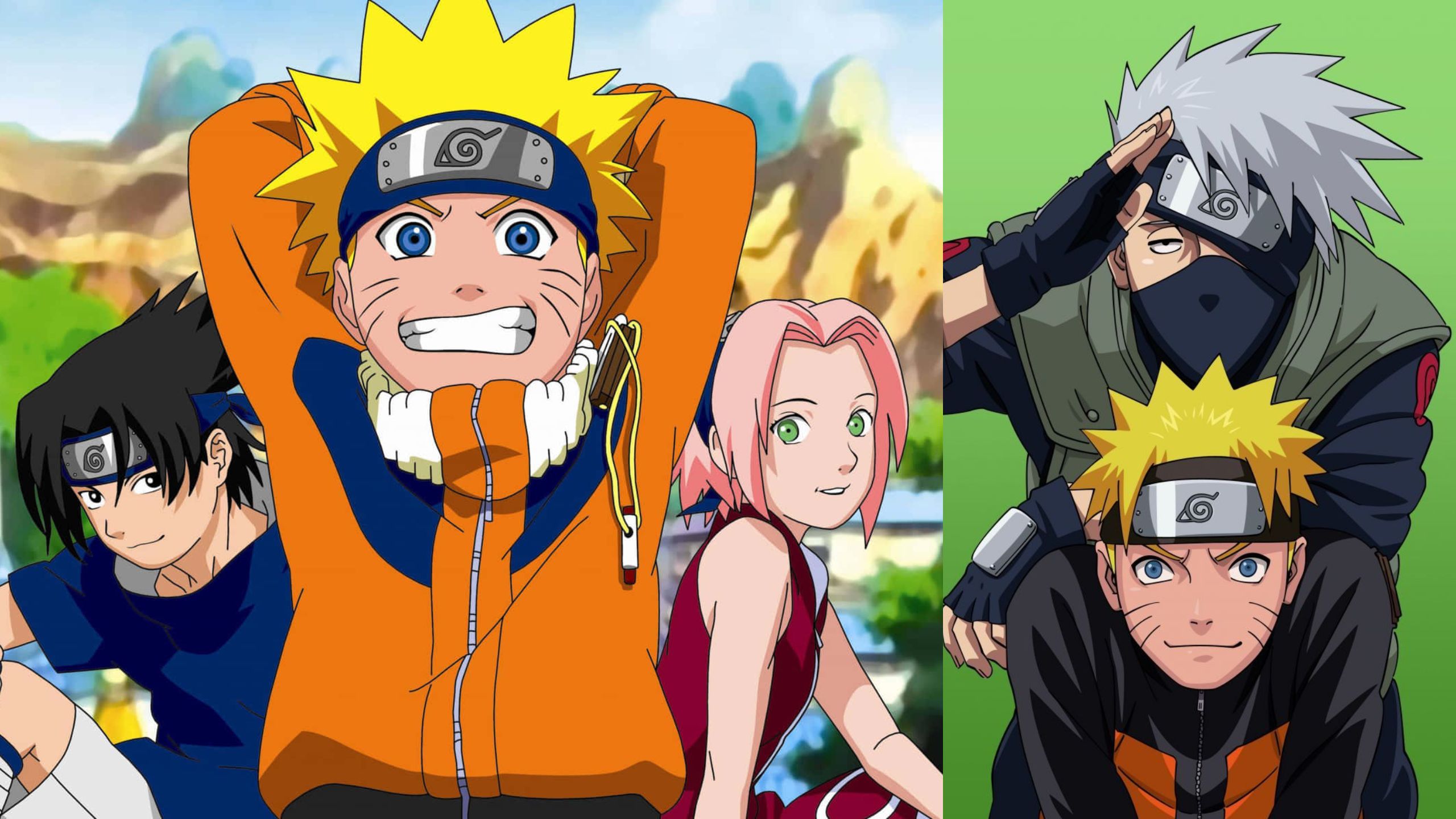
Sasuke, Naruto & Sakura And Kakashi With Naruto (Crunchyroll)
And for Sakura, it’s a reminder that her relationship with Sasuke, even after all these years, still feels distant and incomplete.
As Boruto continues to evolve, fans can only hope that moments like this will become fewer and that the series will do a better job of portraying its legacy characters with the depth and respect they deserve.
But for now, the image of Sasuke in his Akatsuki cloak, forever immortalized in the Uchiha family photo, remains a hilarious and telling moment in the series’ history.
“Kingdom of the Planet of the Apes” premiered earlier this year and became a major hit. It earned nearly $400 million at the box office, showing just how popular the movie was with fans worldwide. It also received strong feedback from critics and audiences.
On Rotten Tomatoes, it got a score of 80% from critics and a 77% rating from the audience, both reflecting the film’s success. These results left fans eager to see what comes next for the Planet of the Apes franchise.
With the previous Planet of the Apes trilogy, which starred Andy Serkis as Caesar, being such a landmark in cinema, many fans have been wondering if this new movie, Kingdom of the Planet of the Apes, would mark the beginning of another trilogy.
These kinds of questions have been floating around ever since Kingdom of the Planet of the Apes was first released. Would 20th Century Studios go for another trilogy? Would the new storyline continue in the same epic way that the previous one did?
Steve Asbell, an executive at 20th Century Studios, recently confirmed that there is indeed more to come. In a conversation with The Hollywood Reporter (THR), Asbell revealed the big news that fans have been waiting for a new Planet of the Apes movie is in development, and it’s scheduled to hit theaters in 2027.
While he didn’t go into too many specifics about the upcoming film, many believe that it will likely be a direct follow-up to Kingdom of the Planet of the Apes. It’s an exciting development for fans of the franchise who are eager for the next chapter in the story.
The Cast of Kingdom of the Planet of the Apes
In Kingdom of the Planet of the Apes, Owen Teague plays the leading role of Noa, a key figure in a world now dominated by intelligent apes. Teague brings depth to the role, and his character is central to the movie’s complex storyline. Noa is caught in the middle of the apes’ world, struggling to find his place in this new order.
Freya Allan, known for her work in The Witcher, is cast as Nova, also called Mae. Nova is one of the primary human characters in a society where apes have risen to power.
Allan’s character is crucial because she shows the human side of the story in a world where humans are no longer in charge. Her role adds emotional weight to the film, and her performance has been praised for capturing the struggles of humanity in this challenging world.
The movie also features Kevin Durand as Proximus Caesar, the antagonist of the film. Durand, who many remember from his role as Fred Dukes (also known as “Blob”) in X-Men Origins: Wolverine, plays a complex and ruthless leader.
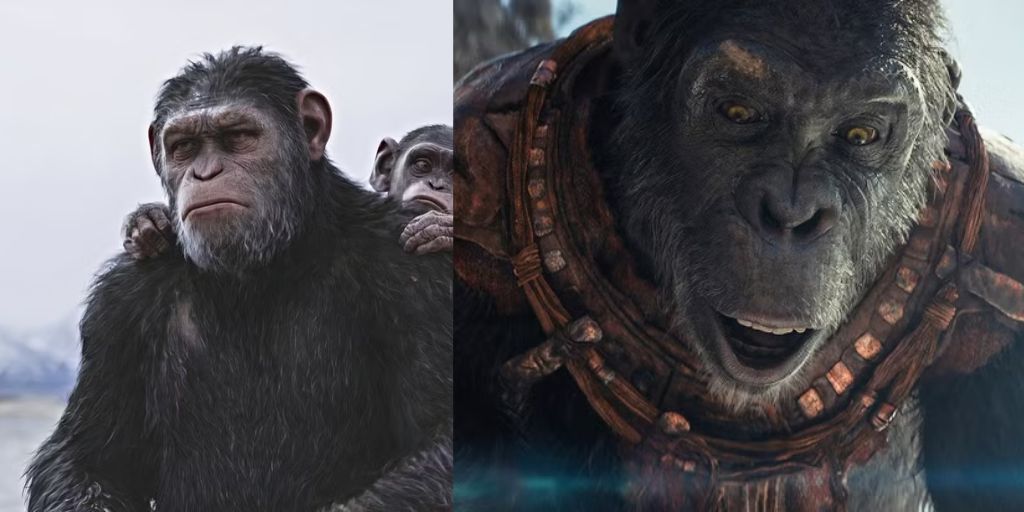
Still from Kingdom of the Planet of the Apes (Credit: 20th Century)
His character, Proximus Caesar, leads with an iron fist, hiding his brutality behind a veil of reason. He is a cunning and powerful ape, making him a formidable opponent in the movie. His leadership style raises questions about morality and power in a society where apes are the dominant species.
Another notable actor in Kingdom of the Planet of the Apes is William H. Macy. Macy, who is well-known for playing memorable roles like Little Bill in Boogie Nights and Frank Gallagher in Shameless, takes on the role of Trevathan, a human advisor to Proximus Caesar.
Trevathan’s role is interesting because it shows how some humans have adapted to this new world and are working with the apes rather than against them. His character provides a different perspective on how humans and apes interact in this evolving world.
The movie also features Peter Macon as Raka, Eka Darville as Sylva, Travis Jeffery as Anaya, and Lydia Peckham as Soona. These characters help build the rich and complex world of Kingdom of the Planet of the Apes, making it a movie full of intriguing dynamics and deep storytelling.
Who Directed Kingdom of the Planet of the Apes?
Wes Ball directed Kingdom of the Planet of the Apes, and his work behind the camera has been highly praised. Ball is known for directing the Maze Runner trilogy, another successful franchise that attracted audiences. His experience directing action-packed, character-driven films made him the perfect choice to helm this installment of the Planet of the Apes series.
Ball made his directorial debut with the first Maze Runner film in 2014, which starred Dylan O’Brien and Will Poulter. The film’s success led to two sequels, both of which were also directed by Ball.
With each movie, Ball demonstrated his ability to create thrilling, visually stunning worlds while also focusing on character development. His experience with the Maze Runner trilogy helped him handle the large-scale production of Kingdom of the Planet of the Apes with confidence and vision.
Alongside Ball, Josh Freidman was responsible for writing the script. Freidman’s storytelling is sharp and filled with rich details, which helped make Kingdom of the Planet of the Apes a movie that balanced intense action with meaningful narrative. Their partnership resulted in a film that pleased both longtime fans of the franchise and new viewers alike.
Looking ahead, Wes Ball has also been selected to direct the much-anticipated live-action adaptation of The Legend of Zelda, one of the most beloved and iconic video game franchises of all time. This shows that his career continues to rise, and his work on Kingdom of the Planet of the Apes is another example of his growing influence in Hollywood.
What’s Next for the Planet of the Apes Franchise?
With the news that another Planet of the Apes movie is on the way, scheduled for release in 2027, fans are left wondering what the next film will look like. Although no major details about the plot or cast have been confirmed yet, it’s expected that this new installment will likely be a direct sequel to Kingdom of the Planet of the Apes.
This means that characters like Noa and Nova might return, and we could see more of the power struggles between the apes and humans in this evolving world.
While Steve Asbell didn’t reveal much more about the future of the franchise, his confirmation of the 2027 release gives hope that the Planet of the Apes story is far from over. Fans will be eagerly waiting for more information in the coming years as production on the film moves forward.
Given the success of Kingdom of the Planet of the Apes at the box office and the positive reception from critics and audiences, there’s little doubt that the next installment will be highly anticipated.
The Planet of the Apes franchise has always been known for tackling big themes, such as survival, power, and humanity’s relationship with the natural world.
As the series moves forward, fans can expect these themes to continue being shown in exciting and thought-provoking ways. The dynamic between humans and apes will likely be a central focus in the new movie, and it will be interesting to see how the filmmakers continue to develop this storyline.
Where Can You Watch Kingdom of the Planet of the Apes?
If you haven’t seen Kingdom of the Planet of the Apes yet, it’s currently available for streaming on Hulu. The movie’s availability on a popular streaming service like Hulu means that even more people have the opportunity to experience this exciting chapter of the Planet of the Apes story.
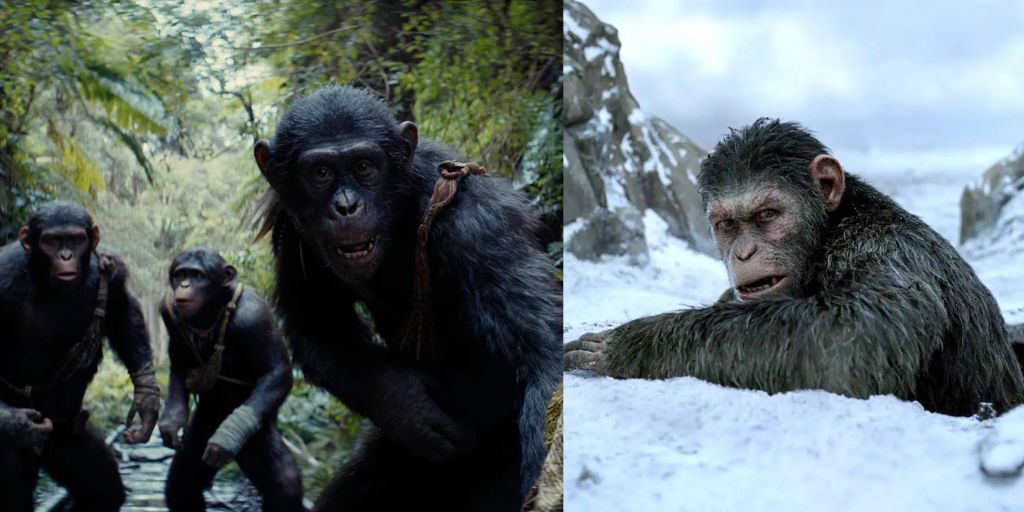
Still from Kingdom of the Planet of the Apes (Credit: 20th Century)
As fans await the next movie, many will likely revisit Kingdom of the Planet of the Apes to prepare for what’s coming in 2027.
Final Thoughts
Kingdom of the Planet of the Apes proved to be a massive success, both in terms of box office earnings and critical reception. With a strong cast led by Owen Teague, Freya Allan, and Kevin Durand, and the direction of Wes Ball, the movie delivered on the promise of thrilling action and a deep, engaging story.
Now, with another film set for release in 2027, fans of the franchise have plenty to look forward to. The world of Planet of the Apes continues to grow, and its future looks bright.
