The multitalented Japanese hitmaker and singer-songwriter Kenshi Yonezu has announced his first performances in the U.S., Asia, and Europe.
These historic shows will be produced in Shanghai by STARGROUP, in Taipei by BIGART, and the others by Live Nation. Below is the full schedule and ticket information.
After an extensive 20-date tour in Japan, Yonezu will perform two consecutive shows in Shanghai on March 8 and March 9 at the Mercedes-Benz Arena.
He will then perform in Taipei on March 15 and March 16 at the Taipei Arena. The tour will continue in Seoul on March 22 and March 23 at INSPIRE Arena.
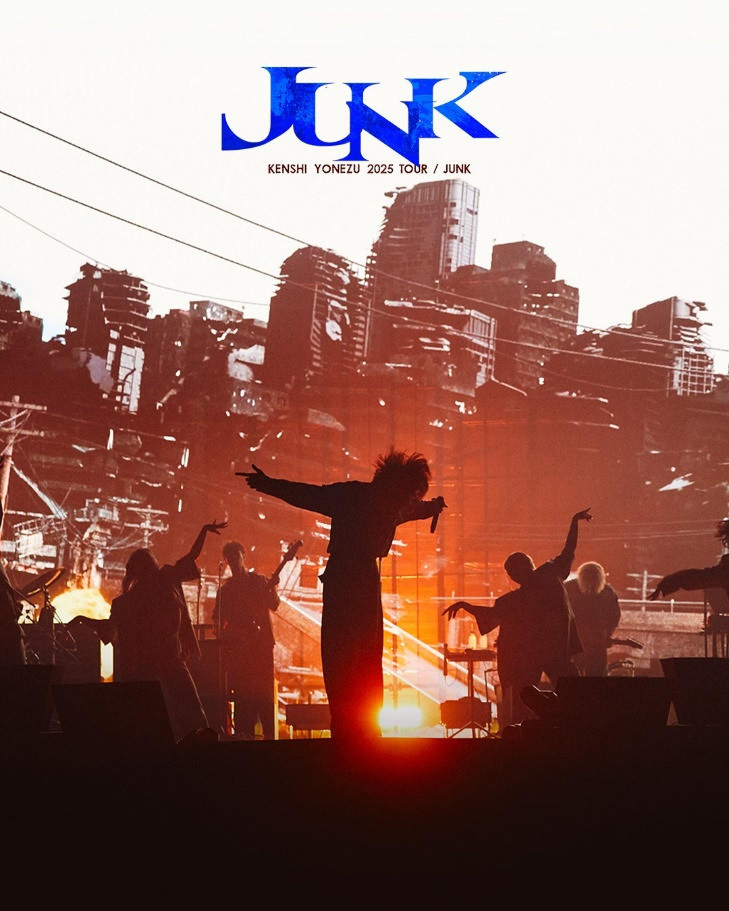
Kenshi Yonezu Announces First International Tour (Credits: Sony)
The European leg will start on March 30 at London’s Eventim Apollo and on April 1 at Paris’ Zenith. The U.S. leg will feature a performance at the famous Radio City Music Hall in New York on April 4 and at the YouTube Theater in Los Angeles on April 6.
Colin Stetson’s Hypnotic Score Amplifies the Horror in Uzumaki’s Spiral Descent
Yonezu is well-known for his unique songwriting style that mixes J-pop with electronic and rock elements. Some of his hit singles include “KICK BACK,” the opening theme for the anime series Chainsaw Man, which is the first Japanese-language song to receive RIAA Gold certification.
Another hit is “Chikyuugi – Spinning Globe,” the theme song for The Boy and the Heron, which won an Academy Award for Best Animated Feature.
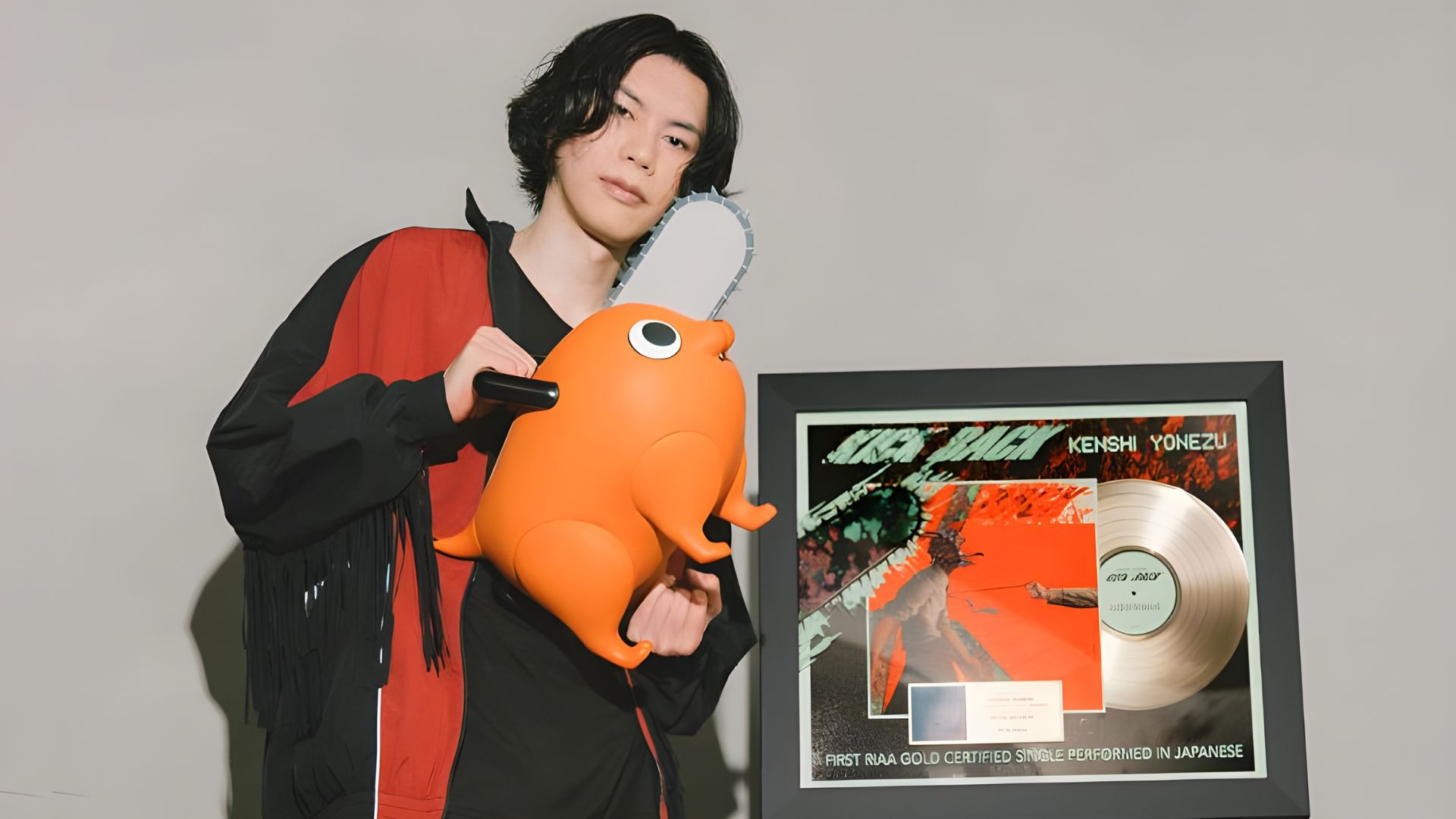
Kenshi Yonezu Announces First International Tour (Credits: Sony)
A highlight of his new album LOST CORNER is Yonezu’s remarkable collaborations. This album includes his contributions to Final Fantasy XVI, ULTRAMAN, Chainsaw Man, and the legendary filmmaker Hayao Miyazaki’s film The Boy and the Heron.
This year, Kenshi Yonezu also announced an exclusive line of graphic tees in partnership with Uniqlo, as part of their ongoing UT series celebrating pop culture from around the world. The Japanese Culture UT by Kenshi Yonezu became available in stores starting September 23.
Kenshi Yonezu’s Album LOST CORNER Soars on Billboard, Announces Netflix Series Theme ‘Azalea
Kenshi Yonezu’s latest album, LOST CORNER, has achieved great success, reaching the Top 50 on three Billboard U.S. charts, marking his highest-ranking effort in the U.S. so far. The album also debuted at No. 7 on Spotify’s global weekly Top Albums list.
In addition to these accomplishments, Yonezu recently announced “Azalea,” a song written as the theme for the global Netflix series Beyond Goodbye ( Teaser available now ).
This series has already made history as the first Japanese entry featured in this year’s Busan International Film Festival Onscreen Category, which honors outstanding streaming dramas.
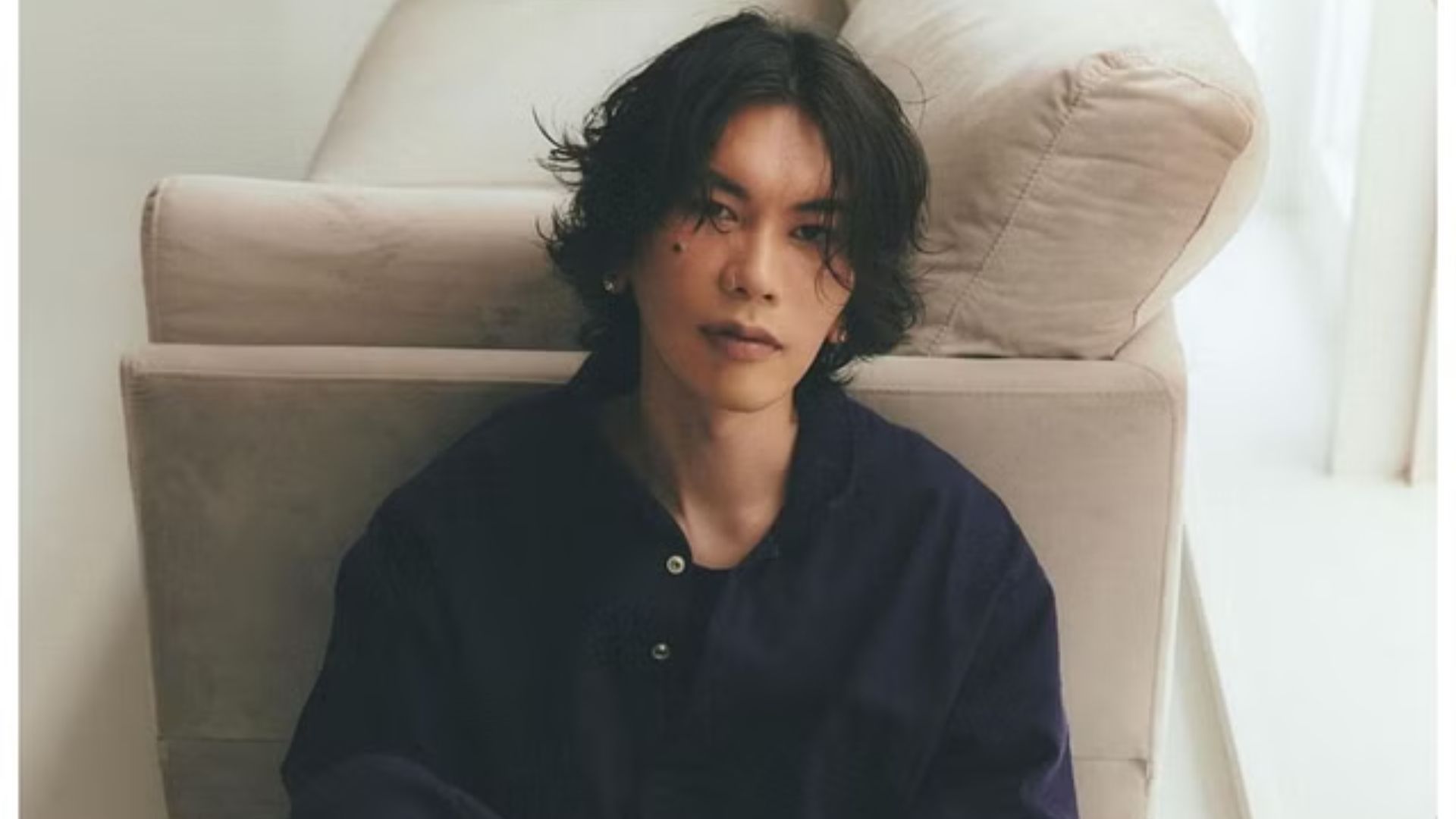
Kenshi Yonezu Announces First International Tour (Credits: Sony)
The series will start streaming worldwide on Thursday, November 14, 2024, on Netflix.
Kenshi Yonezu continues to reach new heights in his career. After 11 years, Hachi (Kenshi Yonezu) created a new illustration for the VOCALOID song “Donut Hole,” along with a fully animated music video based on the illustration ( Watch Here ).
As part of a unique partnership, Godiva Japan released the “GODIVA x HACHI Donut Hole Collection” on October 1. This marks the first time Godiva has created a chocolate collection in collaboration with an artist.
The long-awaited sequel to Todd Phillips’ acclaimed film Joker is finally here. Titled Joker: Folie à Deux, this film continues the story of Arthur Fleck, played by Joaquin Phoenix, who was introduced to audiences as a troubled man struggling with mental illness and societal rejection.
While Joker: Folie à Deux does not receive the same level of praise as the original film, it still shows intriguing elements of D.C. lore and the origins of beloved characters.
In this sequel, Arthur Fleck remains the central character, but there are two other figures that fans are particularly eager to see: Harvey Dent and Harleen “Lee” Quinzel, better known as Harley Quinn. Harvey Dent is portrayed by Harry Lawtey, while Lady Gaga takes on the role of Harley Quinn.
Both characters have been depicted in various ways throughout comic book history and film adaptations. Harvey Dent, for example, has appeared in The Dark Knight trilogy, while Harley Quinn has made notable appearances in films like Suicide Squad and the animated series Harley Quinn.
During a Q&A session reported by SlashFilm, Todd Phillips explained that he ran these characters through a “real-world lens.” This approach is evident in both Dent and Quinn, who embody traits that are both familiar and fresh, creating a new take on their classic origins.
Lady Gaga’s Harley Quinn Is Put in a More Powerful Position Than Usual
In Joker: Folie à Deux, Harley Quinn is presented in a way that diverges significantly from her traditional portrayal. One of the most striking changes is that she is introduced as a patient at Arkham Asylum rather than as a therapist.
This shift is crucial because it removes Joker’s ability to manipulate Harley into madness, as seen in other adaptations like Batman: The Animated Series.
This change serves a purpose. It allows the film to focus on the forgotten citizens that Arthur Fleck connects with throughout the story. The narrative takes a turn when it is revealed that Harley is not just a victim at Arkham. She lies about her circumstances, claiming she is checked in against her will and that her parents are deceased.
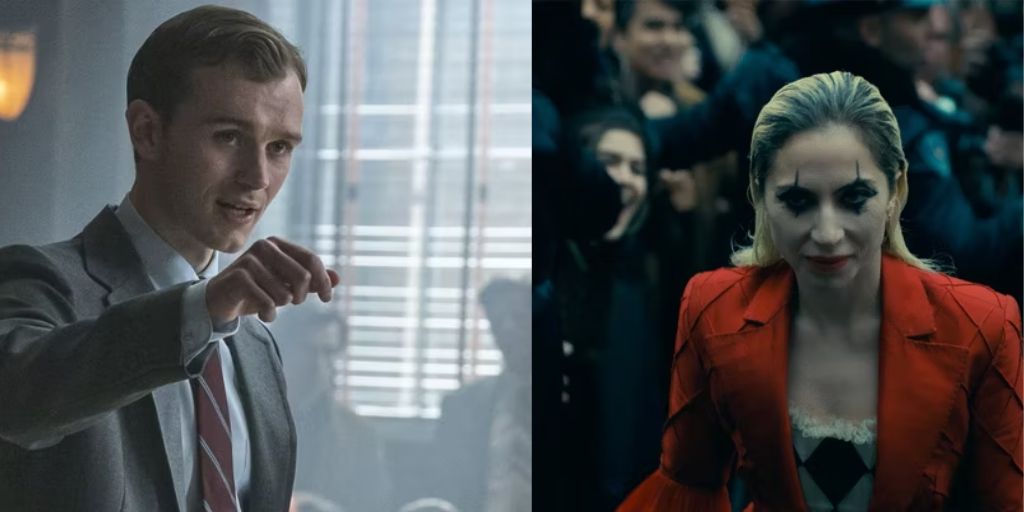
Still from Joker Folie a Deux (Credit: Warner Bros.)
This alteration places her in a more dominant position within her relationship with the Joker, which contrasts with how they are typically portrayed.
In many interpretations, Joker is the one who lures Harley with promises of love and grandeur. However, in Joker: Folie à Deux, it is Harley who deceives him about her past, her family, and the reasons for her presence in Arkham.
While it is hinted that she may also be lying about being pregnant, this detail remains ambiguous, and its significance fades in the larger narrative. This element of manipulation aligns with Phoenix’s portrayal of Fleck, who is desperately seeking connection. When Harley eventually leaves him, he is left feeling completely broken.
This fresh take on Harley Quinn showcases her as a more complex character. While she retains elements of her playful and unpredictable nature, the film shows her darker motivations and the power dynamics within her relationship with Joker. This approach adds depth to Harley’s character, allowing audiences to view her through a different lens while still capturing the essence of who she is.
Harvey Dent Is Surprisingly More Accurate Than Lady Gaga’s Harley Quinn or Joaquin Phoenix’s Joker
Turning to Harvey Dent, the portrayal by Harry Lawtey takes a more measured approach than previous adaptations. Unlike the comics where Dent is often depicted as a larger-than-life character, this film tones down his persona. However, the core of who Dent is shines through, albeit in subtler ways.
From the beginning, it was uncertain whether the film would go into Dent’s dark transformation into the villain Two-Face.
Yet, after a dramatic scene where a car bomb explodes, we see that Dent’s face has been burned on one side, a clear hint at his future villainy. This visual cue is a nod to his comic book roots while still being grounded in the film’s more realistic tone.
One significant aspect of Dent’s character is that he publicly denounces Fleck’s crimes. Still, it becomes apparent that his primary concern is advancing his political career rather than genuinely seeking justice for the victims of Fleck’s actions.
This portrayal reflects the themes of corruption and moral ambiguity that were introduced in the first Joker film. Lawtey’s portrayal captures Dent’s smarmy and cocky demeanor, which aligns perfectly with the arrogance often associated with the character, even before he succumbs to villainy.
This duality in Dent’s character adds a layer of complexity, making him a more relatable and realistic figure in the narrative. While he embodies the traits of a traditional superhero, his ambitions and moral shortcomings reveal a character that is both flawed and compelling.
Unique Adaptations of Harley Quinn and Harvey Dent
Harley Quinn and Harvey Dent in Joker: Folie à Deux are unique adaptations that feel at home within Todd Phillips’ Joker universe.
Gaga’s Harley represents a notable reversal of the character’s origin story, showcasing her as a stronger figure than in previous depictions. Meanwhile, Lawtey’s Dent remains true to his core characteristics while also reflecting the complexities of political ambition and morality.
The different portrayals of these characters underscore the film’s commitment to reinventing classic D.C. figures while remaining faithful to their essence. While Harley Quinn’s character is transformed, Dent’s portrayal stays rooted in his traditional narrative, creating a balance that appeals to fans of the original source material.
Joker: Folie à Deux may signal the conclusion of this unconventional approach to the Joker character, but it undoubtedly offers intriguing adaptations of classic D.C. characters.
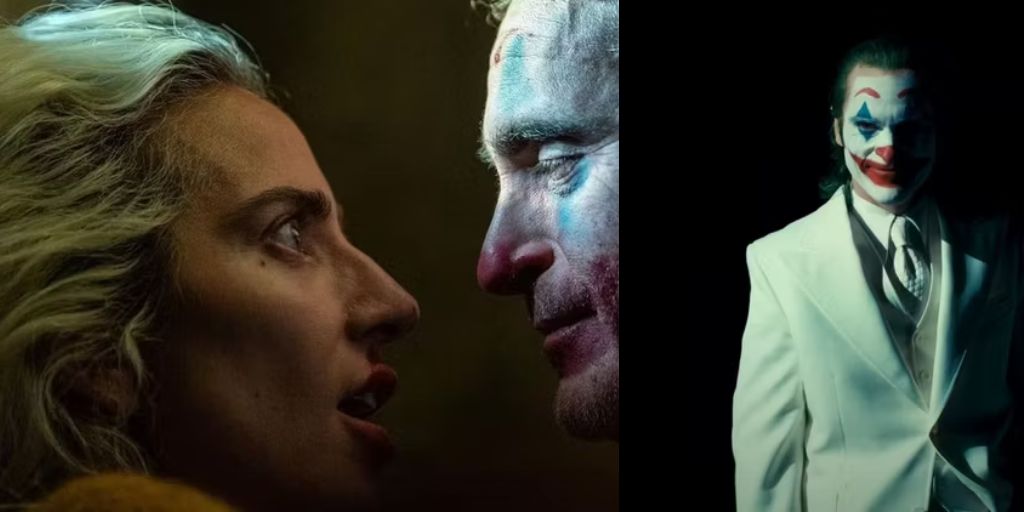
Still from Joker Folie a Deux (Credit: Warner Bros.)
Both Harley Quinn and Harvey Dent have their own cinematic identities, making them feel like they belong in this unique and gritty world. As the film unfolds, viewers will see these characters show their relationships and the consequences of their choices, all while staying true to the spirit of the D.C. universe.
Joker: Folie à Deux not only builds on the legacy of its predecessor but also enriches the D.C. cinematic landscape by providing fresh takes on beloved characters. Whether fans love or criticize these adaptations, they undoubtedly add depth and intrigue to the ongoing saga of Arthur Fleck and his world.
