Laura Clery, a well-known influencer and comedian, recently made headlines after announcing that she and her husband, Stephen Hilton, were getting a divorce.
The couple had been married for a decade and were well-known for their collaborations on social media, which frequently featured their humor and family moments.
As news of their split spread, fans were eager to understand the reasons behind the breakup and whether there were signs of trouble in their relationship leading up to this point.
In a podcast series titled Idiot, which Laura launched after their separation, she opened up about the challenges in their marriage.
She revealed that Stephen’s refusal to address his drug use was a significant factor that contributed to their marital issues.
Laura explained that Stephen’s behavior had a negative impact on their mental health and their family dynamics, particularly affecting the wellbeing of their two children.
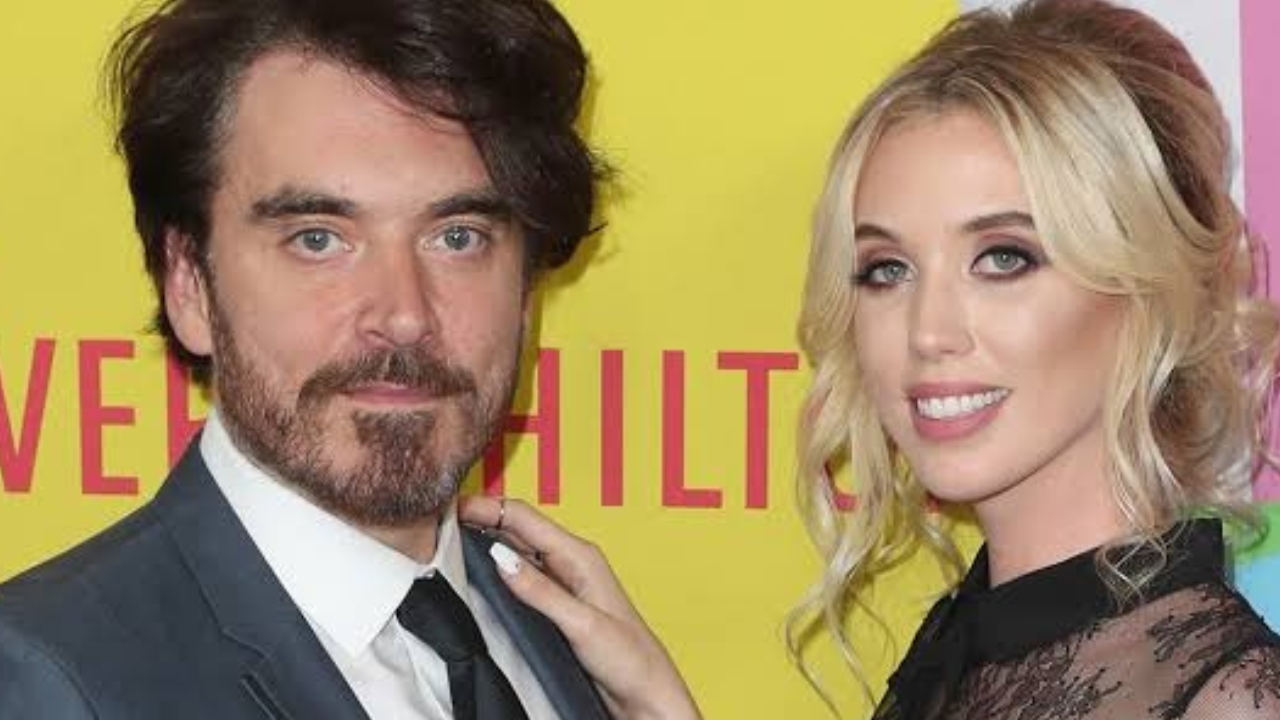
Laura Clery, a well-known influencer and comedian, recently made headlines after announcing that she and her husband, Stephen Hilton (Credit: Pinterest)
Although their relationship had already been deteriorating, Stephen’s struggles with substance use exacerbated the situation, ultimately leading to the decision to end their marriage.
Throughout her social media videos, Laura had subtly hinted at the strain in their marriage. She spoke about managing their relationship more like a business partnership, establishing clear boundaries that seemed to foreshadow their eventual divorce.
In a candid conversation on YouTube, which was also posted as a podcast episode on the Idiot feed, the couple discussed their separation in detail.
They touched on various aspects of their relationship, including their political differences, with Laura noting that Stephen had recently shifted toward hard-right political views.
While this shift was not the primary reason for their divorce, it added to the growing divide between them.
Laura explained that she had distanced herself from Stephen’s content, particularly because of the controversial political views he expressed regarding figures like the Biden family and issues surrounding the trans community.
Despite their differences, she emphasized that she did not see herself as responsible for his opinions or actions.
“We’re co-parents and we’re friends, and that’s how I want to keep it,” Laura said during the video.
This comment reflected her desire to maintain a respectful relationship with Stephen, even after their marriage had ended.
The couple openly discussed how they had grown apart over time, with both of them spending more time away from one another.
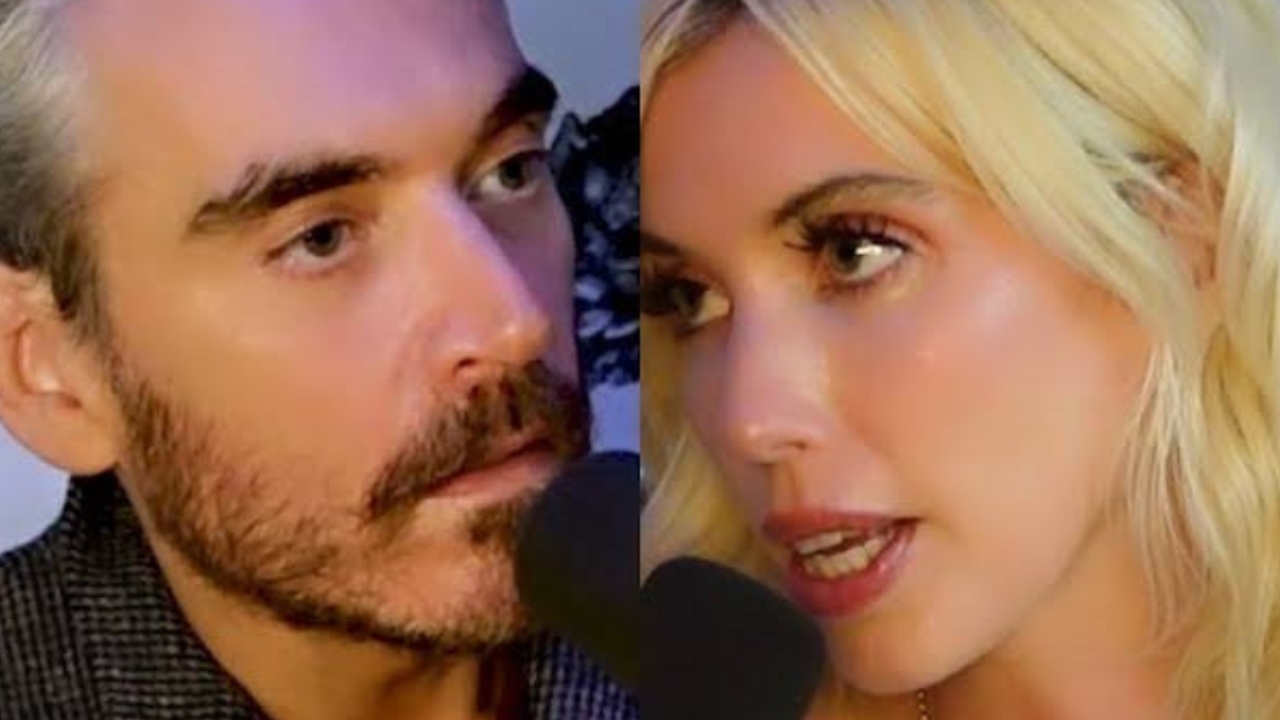
Laura Clery and Stephen Hilton (Credit: Pinterest)
Yet, despite the emotional challenges, there was a clear mutual respect between the two as they navigated the complexities of co-parenting.
This candid conversation revealed that, while their romantic relationship had come to an end, they were both committed to maintaining a positive and cooperative relationship for the sake of their children.
Fans of Laura and Stephen expressed support for their decision, recognizing the difficult yet ultimately healthy choice to part ways. One fan commented,
“I’m so proud of you and your decision. My parents waited way too long to divorce, and when they finally did, everything was so much better. Kids are happier.”
The positive feedback highlighted the admiration fans had for Laura’s ability to handle the breakup with grace and humor, continuing to inspire others through her journey.
In the aftermath of the divorce announcement, Laura has remained focused on co-parenting with Stephen and prioritizing her own well-being, while also continuing her career and content creation.
Her decision to open up about such a personal topic has resonated with many, further solidifying her reputation as an authentic and relatable figure in the influencer world.
As Laura and Stephen move forward in their separate lives, they continue to navigate the complexities of co-parenting with respect and understanding, offering a hopeful perspective for others going through similar challenges.
The documentary The Most Beautiful Boy in the World is a profound exploration of youth, fame, and beauty through the eyes of a boy who captured the world’s attention at an early age. This Swedish documentary takes the audience on a deeply personal journey, revealing the complexities behind the image of an innocent, angelic face that became synonymous with beauty. It examines the price of fame and the often-ignored emotional and psychological toll it takes on a person’s life.
Björn Andrésen, who became a sensation after his role in Luchino Visconti’s 1971 film Death in Venice , is at the heart of this poignant documentary. His stunning looks led him to be hailed as “the most beautiful boy in the world,” but this title was not a blessing. Instead, it marked the beginning of a lifelong struggle with identity, exploitation, and the emotional scars that followed him throughout his life. The documentary blends archival footage, intimate interviews, and stunning cinematography to reflect on the price of beauty and the hidden emotional consequences that often come with fame.
While the title might imply a lighthearted exploration of beauty, the film’s tone is anything but superficial. It goes beyond skin-deep aesthetics and explores the human costs of society’s obsession with appearance. The focus is not only on Andrésen’s meteoric rise to fame but also on his life afterward—a life where beauty and fame are both a blessing and a curse.
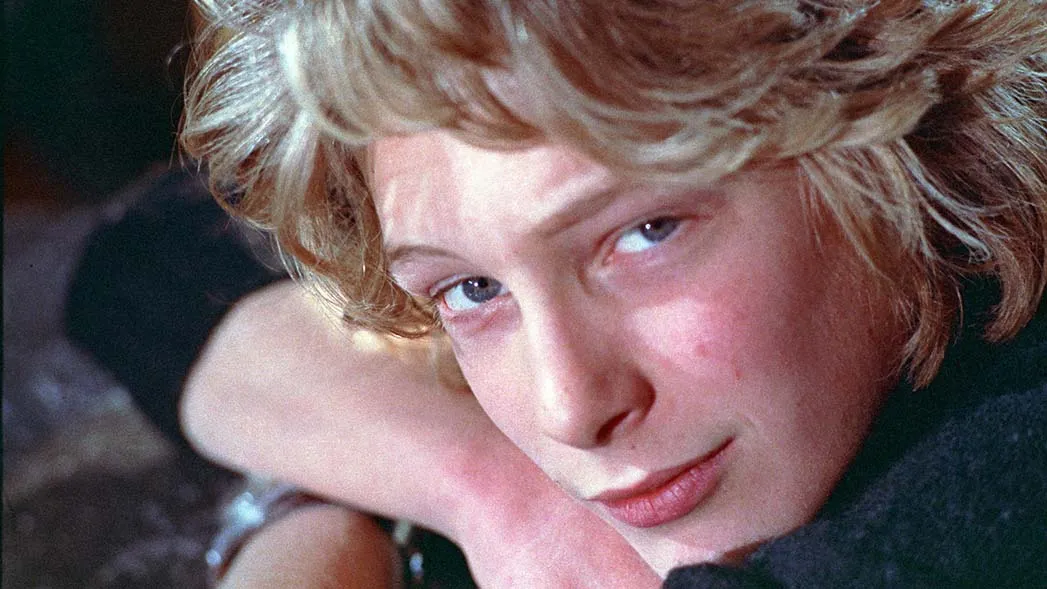
The Most Beautiful Boy in the World (Image via Getty)
The Rise to Fame: A Beautiful Yet Fleeting Moment
In 1971, Björn Andrésen’s life was forever changed. At just 15 years old, he was cast as Tadzio in Death in Venice , the film adaptation of Thomas Mann’s novel. The film, directed by the legendary Luchino Visconti, quickly became known for Andrésen’s portrayal of the beautiful, ethereal boy, whose beauty mesmerized not only the lead character, played by Dirk Bogarde, but audiences worldwide.
Andrésen’s delicate, angelic features, combined with his ability to convey both innocence and a profound depth of emotion, made him the perfect candidate for the role. His appearance in the film was iconic—his porcelain skin, golden hair, and intense gaze earned him the title of “the most beautiful boy in the world.” At the time, this was a title many would envy, but for Andrésen, it marked the beginning of a journey filled with public scrutiny and the personal consequences of being viewed as nothing more than a beautiful object.
While Death in Venice was lauded for its visual poetry and Andrésen’s stunning performance, the fame that followed quickly became overwhelming. As the years passed, Andrésen struggled to escape the shadow of his youthful beauty and the way society had pigeonhole him as just a pretty face.
The Struggles of Identity and Fame
The documentary captures Andrésen’s personal reflections on what it was like to be thrust into the limelight at such a young age. Growing up, he faced a society obsessed with appearances, where his identity was tied to his looks rather than his talent, personality, or individuality. His life post- Death in Venice was filled with challenges that most people never have to confront—dealing with the constant public perception of him as nothing more than a beautiful object.
Despite his early success, Andrésen struggled to find stable work in the film industry. The public’s demand for him to maintain the same youthful appearance added pressure. He often expressed frustration over the fact that people only remembered him for his looks and not for the person he had become. This imbalance—between how he was seen and how he truly was—became a defining struggle of his life.
Andrésen’s struggles with self-worth were exacerbated by his childhood experiences, which the documentary explores in depth. He opens up about the abuse he endured and how it shaped his views on beauty, sexuality, and his own body. The intersection of these formative experiences and his fame created an emotional and psychological burden that he carried for much of his adult life.
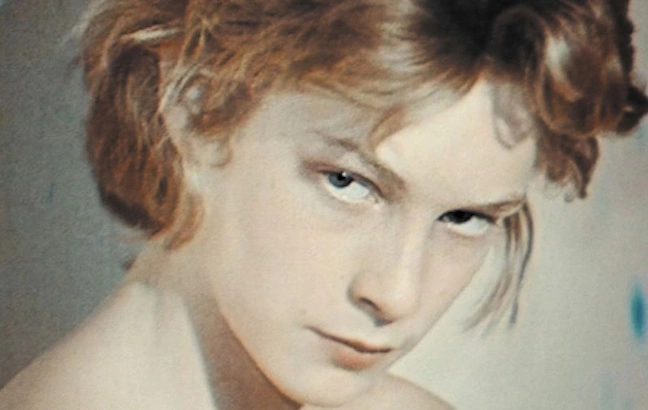
The Most Beautiful Boy in the World (Image via Getty)
Exploring the Cost of Beauty
What sets The Most Beautiful Boy in the World apart from other documentaries about fame and beauty is its deep exploration of the cost that beauty can impose on an individual. Andrésen’s story is a reflection of a society that often values physical appearance over substance. While his looks opened many doors for him professionally, they also brought an overwhelming amount of attention, which was not always positive.
The film examines how beauty, especially when it is viewed as a commodity, can strip away a person’s sense of self. Andrésen shares his discomfort with the label that followed him throughout his career and how it haunted him during his adult life. In one poignant interview, he reflects on the way people’s obsession with his image led him to feel isolated, despite the public adoration he received.
The documentary also touches on the darker side of fame. Andrésen’s relationships with directors, agents, and others in the industry were often strained, with many people treating him as little more than a marketable product. He was put in situations where his worth was reduced to his appearance, and his emotional needs were often neglected.
The Documentary’s Impact and Timeliness
The Most Beautiful Boy in the World is timely in its exploration of the damaging effects of beauty standards and the public’s obsession with youth. As society continues to grapple with the impacts of social media and the relentless pressure to conform to unrealistic standards of beauty, Andrésen’s story serves as a reminder of the human side of these issues.
The documentary is not just about the fleeting nature of fame, but also about the enduring human desire for identity and purpose. It’s a story about how beauty, while often celebrated, can be both a gift and a curse. Andrésen’s reflections offer a powerful commentary on how individuals can lose themselves in the pursuit of external validation, and how it can be not easy to reconcile who they are with how others see them.

The Most Beautiful Boy in the World (Image via Getty)
The film also shines a light on the way the industry, especially the entertainment world, often exploits young talent without regard for their well-being. By showcasing Andrésen’s personal struggles alongside his fame, the documentary sheds light on the emotional and psychological toll that comes with being viewed as a mere image rather than a whole person.
Final Thoughts: The Price of Beauty
The Most Beautiful Boy in the World is a haunting and thought-provoking documentary that challenges the traditional notions of fame, beauty, and identity. Through Björn Andrésen’s life and his reflections on his experiences, the film provides a nuanced perspective on the challenges faced by those thrust into the spotlight at a young age.
At its core, the documentary is about much more than just a beautiful boy who fascinated the world’s attention. It’s a story about the human cost of fame, the difficulties of living up to external expectations, and the emotional toll that beauty can exact on a person’s sense of self.
Ultimately, The Most Beautiful Boy in the World is a reminder that behind every image, there is a person with complex emotions, struggles, and desires. The film’s exploration of Björn Andrésen’s life is a powerful commentary on society’s fixation with beauty and the often-overlooked consequences it can have on an individual’s mental and emotional health.
[Updated: 04/20/2025]
