Kazuo Umezu, widely regarded as the “Godfather of Japanese Horror Manga,” has passed away at 88 years old. His death on October 28, 2024, marks the end of an era for manga fans worldwide. While his health had been deteriorating since July due to a terminal stomach cancer diagnosis, Umezu’s influence on the horror genre remains undiminished. He passed peacefully, surrounded by his loved ones, after a battle with the disease that began earlier in the year.
Umezu’s legacy is far-reaching, as he helped shape and define the horror manga genre. While he may not be as widely known in the West as contemporaries like Junji Ito, Umezu’s innovative storytelling and boundary-pushing art have made an indelible mark on manga history. Umezu’s career began early, with his first works being published while still in high school. His early creations, Bessekai and Mori no Kyodai, demonstrated his drive to pursue manga art, but it wasn’t until he ventured into the world of horror that his true talent began to shine.
Horror Manga Pioneer Kazuo Umezu Succumbs to Stomach Cancer at 88
Kazuo Umezu
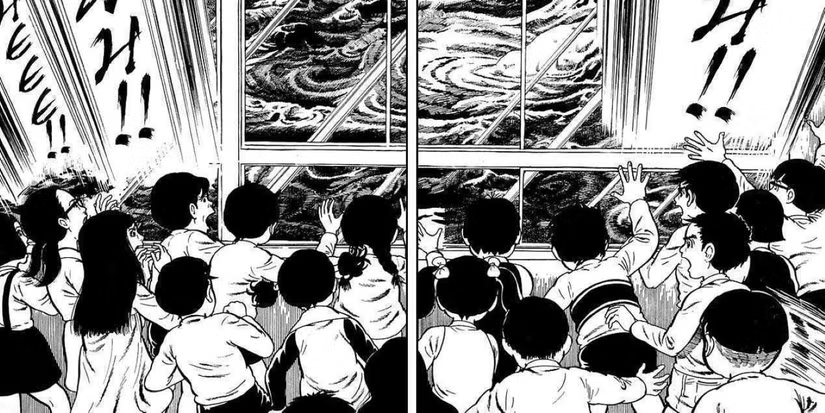
Umezu’s first notable horror work, the trilogy Reptilia, set the stage for his future in the genre, with its grotesque themes and supernatural elements. But it was the 1969 manga Orochi that firmly established him as a horror mangaka. Following this success, Umezu expanded his reach, blending the supernatural with disturbingly realistic art styles, and in 1972, he launched his most iconic series, The Drifting Classroom.
This series, which follows a group of children and adults transported into a post-apocalyptic world, remains one of Umezu’s crowning achievements. It explored the horrors of the unknown and how fear and survival instincts impact both children and adults. The Drifting Classroom was so influential that it won the prestigious Shogakukan Manga Award in 1974, solidifying Umezu’s place in manga history.
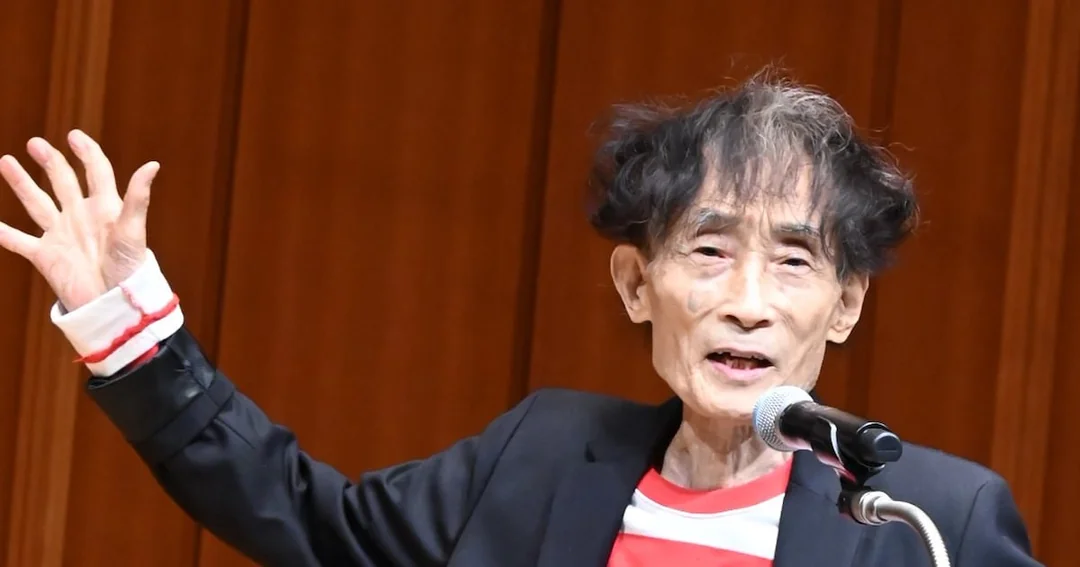
Kazuo Umezu Mangaka
Beyond horror, Umezu also ventured into science fiction and comedy. His works such as My Name is Shingo and Makoto-chan showcased his versatility as a creator, nice readers with both thought-provoking narratives and lighthearted humor. However, his work in horror remains the most influential, with Umezu being credited as a major influence on younger horror mangaka, including Junji Ito, who often cited Umezu as a childhood inspiration.
Kazuo Umezu leaves behind a vast and diverse portfolio that will continue to inspire generations of manga artists. His contributions to horror and manga as a whole are immeasurable, and his death is a significant loss to the world of manga and horror. Though Umezu is no longer with us, his stories will continue to haunt and thrill fans for years to come.
A recent report by the Association of Japanese Animations (AJA) has brought to light Netflix’s continued practice of paying a flat licensing fee for anime distribution, without offering royalties even if the series becomes a hit.
This practice, which was referenced anonymously in the AJA’s report, has sparked concern among creators and rights holders, who have long been advocating for better compensation structures in the digital age. The AJA, which represents a large number of Japanese animation stakeholders, submitted its findings to the Japanese government’s Agency for Cultural Affairs during a hearing on appropriate compensation models.
While Netflix’s flat fee structure was not named directly in the AJA’s report, it is clear the streaming giant follows this model, offering upfront payments that are not tied to the success of the anime. The flat fee does not include additional royalties, even if the anime goes viral or becomes highly successful.
Netflix’s Flat Fee Model and Its Impact on the Anime Industry: A Rising Concern

Gojo and Naruto
In many cases, the AJA points out, rights holders do not have access to important marketing data, such as viewer demographics, which complicates the ability to assess the reach of the anime. Additionally, due to the flat fee model, rights holders are unable to perform royalty audits, making it difficult to determine if the compensation is fair based on the success of the anime. This lack of transparency, combined with delayed payments often in installments over several years, has raised further issues for creators.
In its Q3 earnings call on October 17, 2024, Netflix CEO Ted Sarandos defended the company’s model, arguing that paying upfront fees benefits creators by allowing them to focus on the quality of their projects without worrying about royalties tied to performance. Sarandos emphasized that Netflix’s approach minimizes financial risk for creators while enabling the platform to attract top talent.
However, despite the benefits of an upfront payment structure, critics argue that the creators who make the anime successful—such as animators and subcontractors—often do not see the financial rewards.
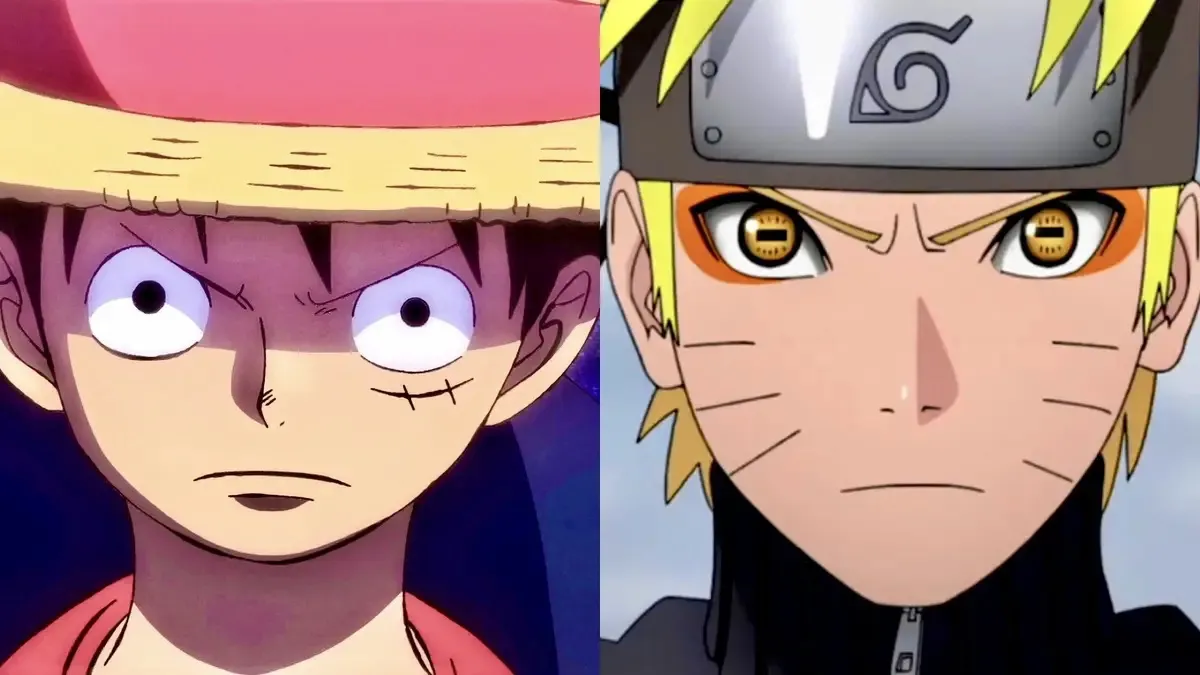
Luffy and Naruto
Nishii Terumi, an animation director known for her work on Jujutsu Kaisen 0 and Mawaru Penguindrum, explained that while Netflix offers higher licensing fees compared to other companies, these payments often do not make their way down to the creators. Instead, the funds typically go to investors and the production committees, leaving many animators, especially subcontractors, underpaid and working under poor conditions.
Despite this, Netflix has argued that it benefits the broader industry by requiring invoices from all levels of the production chain, allowing for proper auditing and cutting out middlemen. Netflix also provides licensors with detailed insights, such as rankings and engagement reports, which are intended to help them leverage future licenses and improve marketing efforts. While this may provide some value, the AJA maintains that the lack of transparency regarding viewer data and the absence of royalties are significant issues that need addressing for the future of anime production.
