Russia has formally outlawed the broadcast and distribution of anime that includes LGBTQ+ themes, following President Putin’s signing of a new expansion to the 2013 “gay propaganda” law. According to the Russian State Duma’s announcement , the revised legislation criminalizes animated content that “normalizes non-traditional sexual relations” for viewers of any age.
Cultural Silencing or National Preservation?
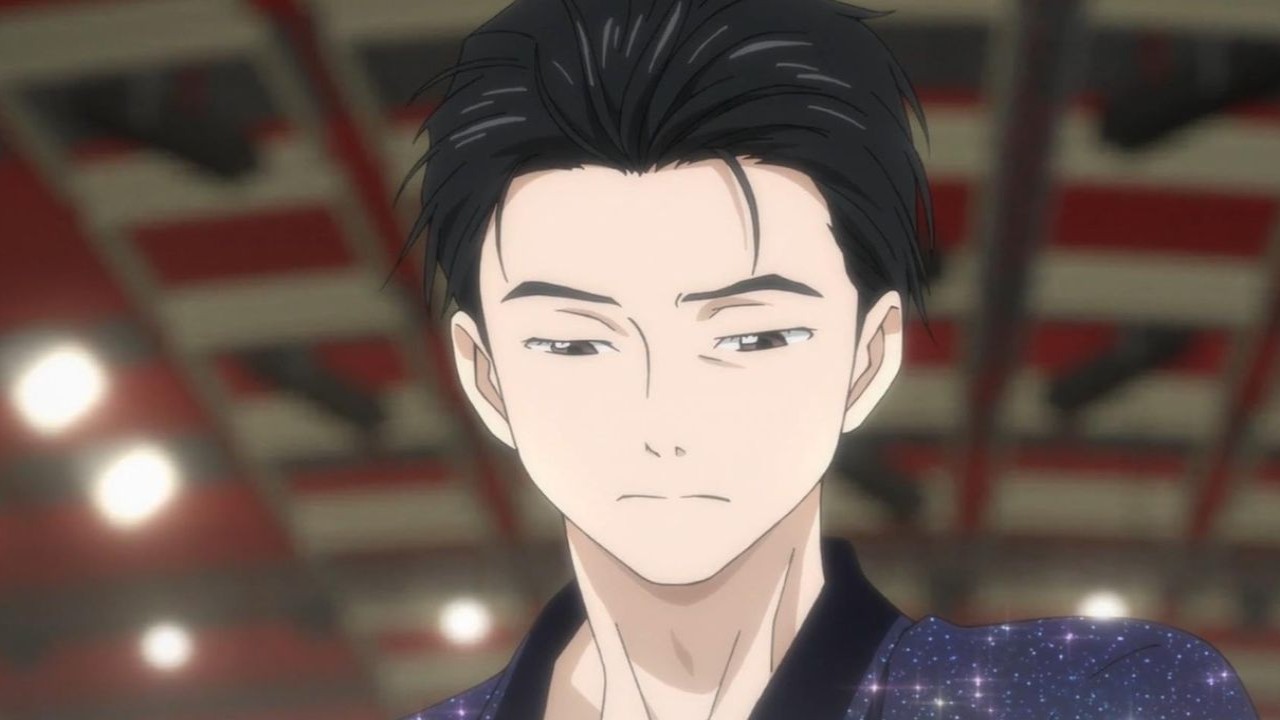
Yuri on Ice
Titles such as Given , Yuri!!! on Ice , and Bloom Into You are already being pulled from streaming platforms inside Russia. The Russian Ministry of Digital Development said the move was essential to “upholding traditional values” and limiting what they described as “foreign ideological infiltration.”
In contrast, LGBTQ+ rights groups and media watchdogs globally condemned the action. Human Rights Watch issued a statement decrying the law as “a direct violation of artistic freedom and queer visibility.” Japan’s Ministry of Foreign Affairs has not issued an official response, but domestic outlets like NHK report growing concern from Japanese studios about being censored in major overseas markets.
Some Russian fans defended the law on local forums, claiming queer themes “don’t belong in children’s media.” However, others, especially younger viewers, used VPNs to organize viewing parties for now-banned titles, framing it as an act of cultural resistance. A Moscow-based animator anonymously told The Moscow Times the law will “kill the anime scene in Russia overnight.”
Boycott Calls and the Global Ripple
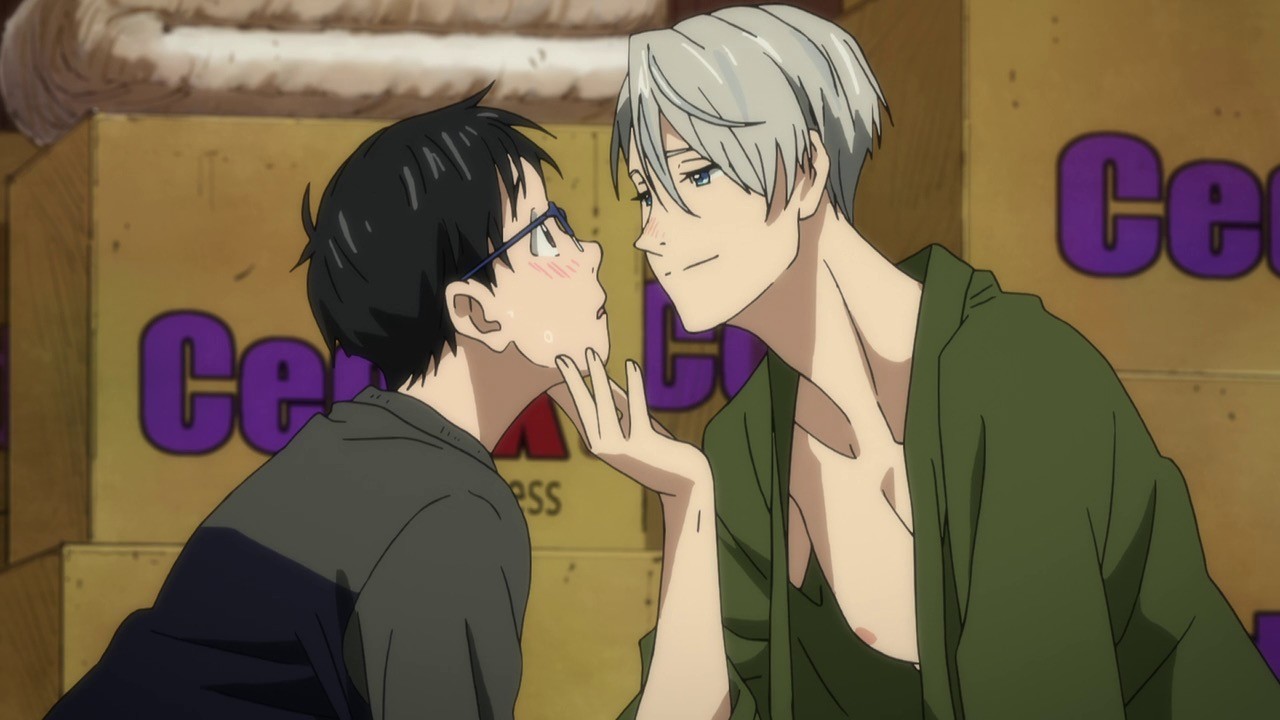
Yuri on Ice
In response, anime fans across social platforms have launched the #BanRussianDistributors campaign, urging studios to suspend licensing agreements with Russian companies. The call has gained momentum in Europe, South America, and Southeast Asia, with thousands pledging to avoid any distributor that supports or complies with the new law.
International animators and queer creators have also spoken out. Prominent voice actors from the U.S. and U.K. signed an open letter urging Japanese studios not to cave to “authoritarian demands that strip away queer representation.” The letter, organized by LGBTQ+ media coalition GLAAD , is circulating widely on social media.
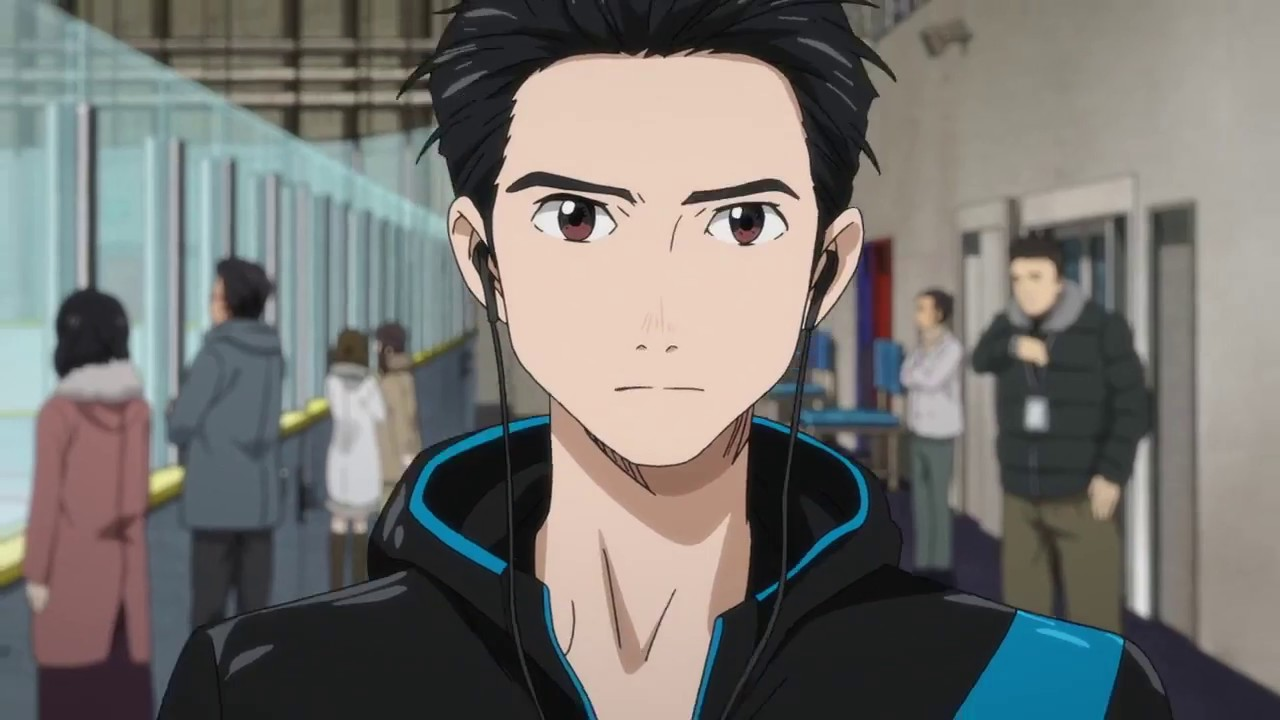
Yuri on Ice
Meanwhile, platforms like Netflix and Crunchyroll have so far declined to comment directly. However, internal sources told Reuters they are reviewing content availability in Russia and considering regional policy adjustments.
As anime continues to expand globally, creators are facing a volatile new frontier where cultural acceptance, creative freedom, and geopolitics collide. Whether studios resist or yield to such bans may define the next chapter of anime’s worldwide legacy.
A newly enacted Texas law targeting explicit and suggestive anime has ignited a digital firestorm across social media. Supporters claim the legislation is necessary to protect children from harmful content, while critics say it veers into dangerous censorship. The most explosive fallout, however, is the rise of the #BanJapan hashtag—calling for a boycott of Japanese media altogether.
The law, signed earlier this week by Governor Greg Abbott, empowers the Texas Department of Information Resources to block access to sites that stream anime deemed “sexually exploitative or morally deviant.” The text of the bill, officially titled HB 3053, is available on the Texas Legislature’s site . It specifically cites concerns over “sexualized depictions of minors” in animated works.
Digital Boycotts and Nationalist Rhetoric
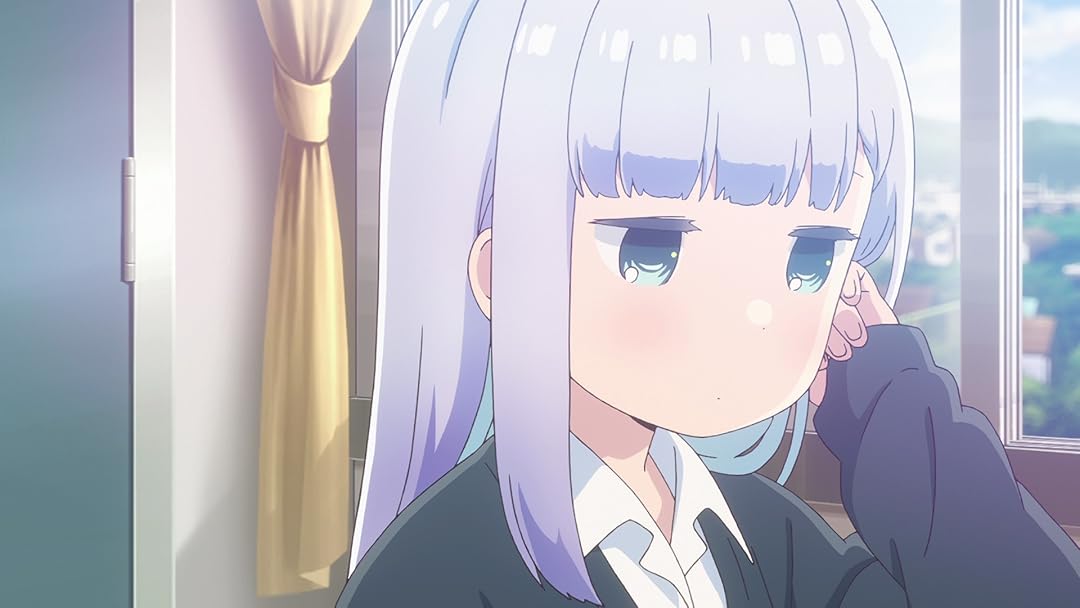
Aharen-san is Indecipherable (Credits: Crunchyroll)
Within hours of the law passing, anime discourse on X (formerly Twitter) descended into chaos. The #BanJapan trend emerged, with users accusing Japanese creators of “deliberately targeting Western youth” with immoral media. Viral posts urged platforms like Crunchyroll and Netflix to suspend all Japanese imports.
Prominent American conservatives praised the move, framing it as part of a broader cultural cleanup. One viral clip from Texas Representative Shelby Holloway claimed “anime has become a pipeline to degeneracy,” drawing sharp condemnation from both fans and creators.
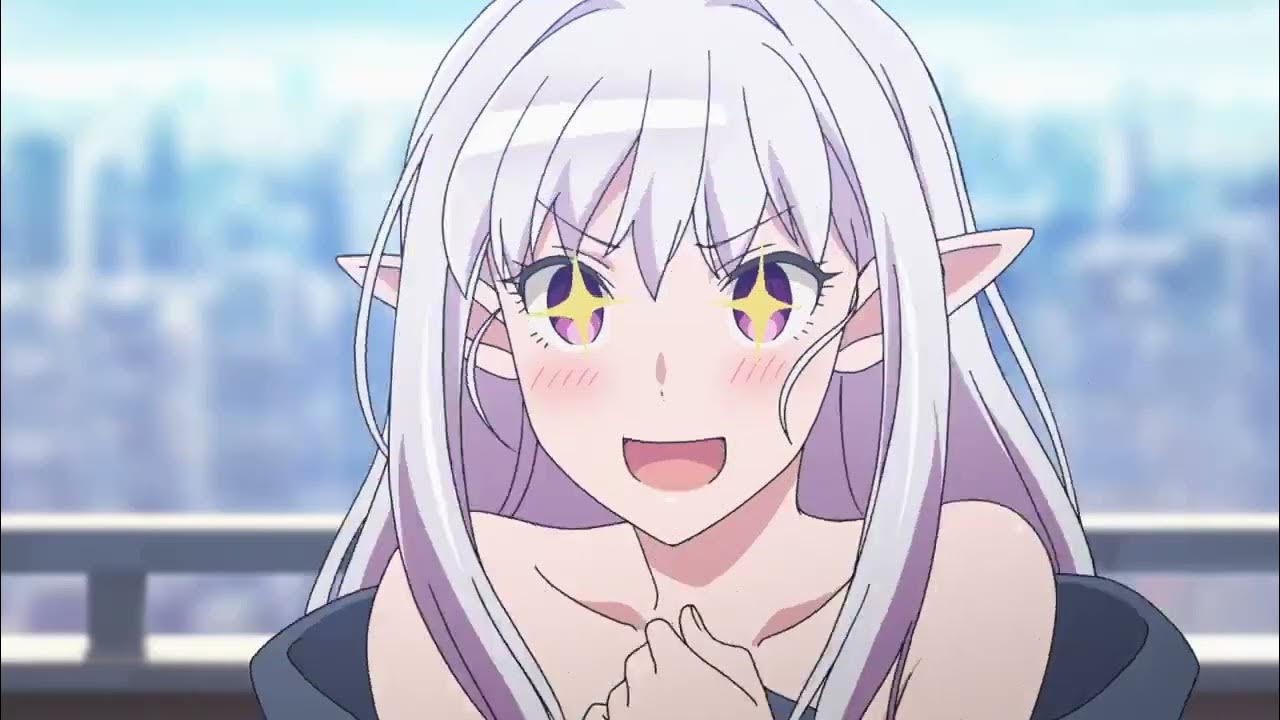
Welcome to Japan, Ms. Elf! Anime (Crunchyroll)
The video was widely circulated and critiqued by outlets like NPR and The Guardian , who highlighted concerns over moral panic and xenophobia.
Japanese artists responded swiftly. Director Seiji Kishi, known for Angel Beats and Assassination Classroom , posted: “You can’t erase our stories because they make you uncomfortable.” His statement echoed across anime communities, many of which now see the Texas law as an attack on creative freedom, not just regulation.
Industry Fallout and Cultural Standoff
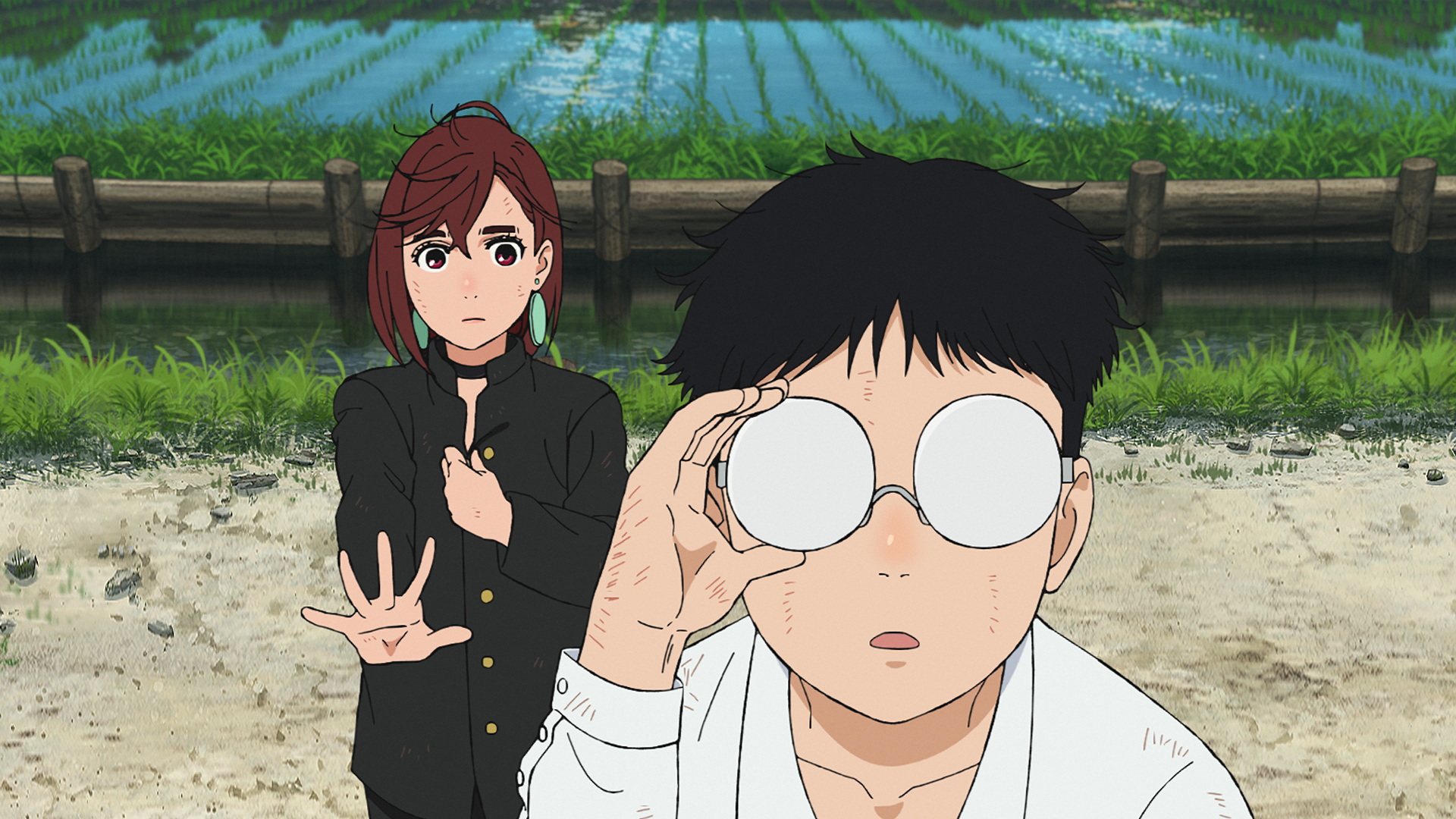
Dandadan Episode 2 Still (via Crunchyroll)
In Japan, government officials have yet to respond, but industry leaders fear growing scrutiny in overseas markets. An unnamed executive from Aniplex told Asahi Shimbun that the law “could pressure studios to self-censor to retain licensing rights.” Others worry it may discourage Japanese creators from exploring complex themes, particularly in psychological or coming-of-age stories.
Back in the U.S., anime conventions are feeling the ripple effects. Organizers of Anime Frontier in Fort Worth reported a surge in attendee cancellations and threats of protest. Meanwhile, local libraries and schools are quietly removing manga titles flagged under the new law’s guidelines.
For many in the anime community, the fight goes beyond a single bill. It’s become a battleground over whose values shape global media. As debates over “acceptable” content escalate, the chasm between Western legislative oversight and Japan’s artistic philosophy seems deeper than ever. Whether either side can find middle ground—or whether anime becomes another victim of culture war crossfire—remains uncertain.
