Loki’s season 2 finale brings about monumental changes to both the character and the Marvel Cinematic Universe. The titular God of Mischief, played by Tom Hiddleston, has undergone a significant transformation, becoming a god integral to the stability of the entire multiverse. Through his sacrifices and actions, Loki now plays a crucial role in maintaining the multiverse’s existence, a far cry from his previous role as a mischievous villain.
The events leading up to the finale of Loki season 2 deal with the aftermath of He Who Remains’ death. His demise caused an overwhelming surge of branched timelines, threatening the stability of the Sacred Timeline. The TVA, which is responsible for maintaining this timeline, struggled to cope with this influx. The Temporal Loom, the device that helped weave together the branches into the Sacred Timeline, was under immense strain. Loki’s journey in season 2 ultimately brings him face to face with a life-altering decision.
In the finale, Loki reaches a critical realization after spending centuries attempting to stabilize the Temporal Loom with the help of O.B. and Victor Timely’s Throughput Multiplier. Despite their best efforts, the problem seemed unsolvable as long as He Who Remains and the TVA persisted in their original forms. Refusing to accept this grim cycle, Loki makes the radical choice to destroy the Temporal Loom. By doing so, he becomes the new living Temporal Loom, thus saving all the branched timelines. Through this self-sacrifice, Loki assumes a divine role, becoming an essential force for multiversal stability.
Loki Season 2 Ending Explained
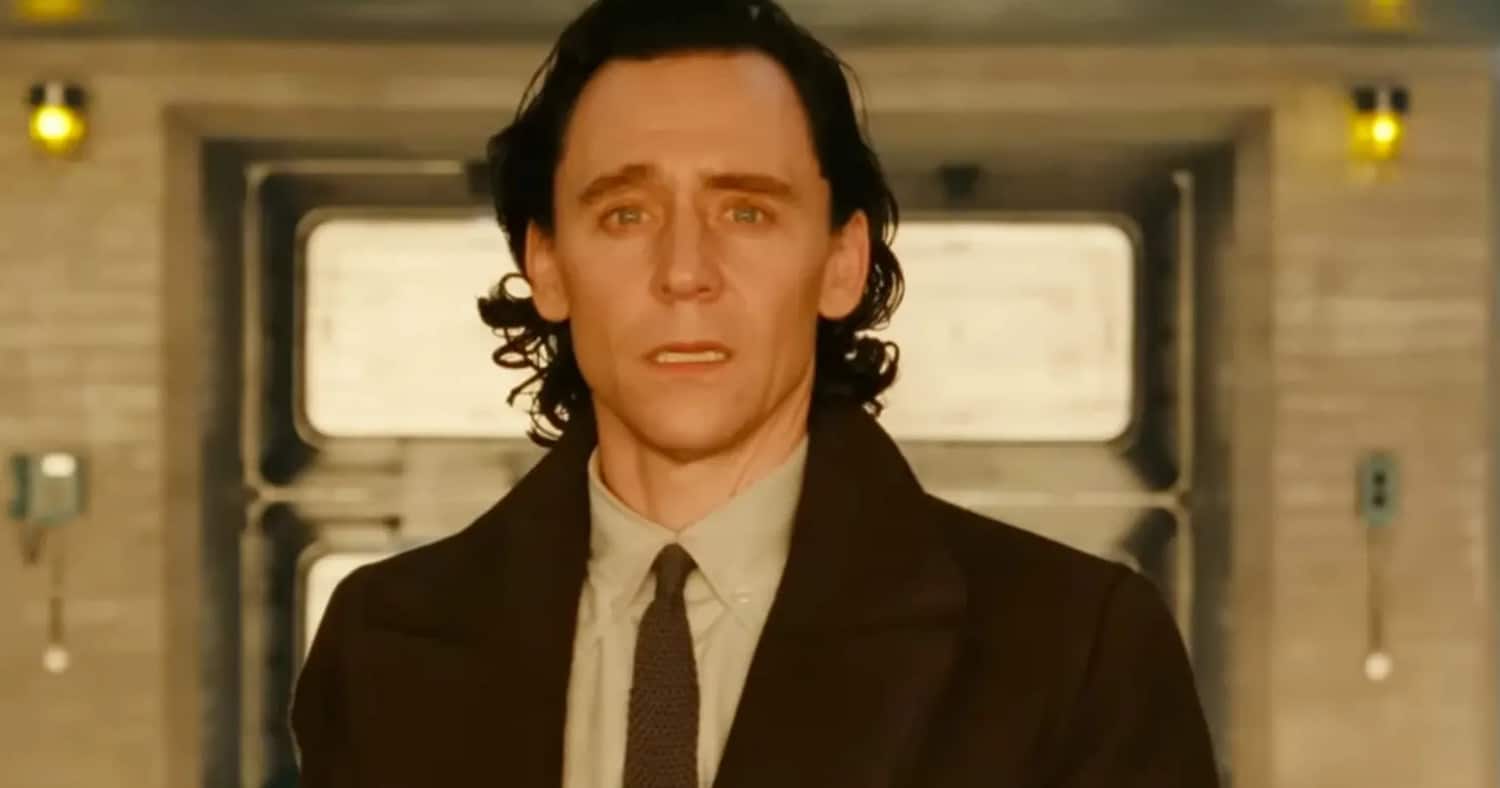
Loki (Image via Getty)
Loki’s new role is nothing short of transformative. At the end of season 2, he is seen wearing a new horned crown and sitting on a throne. This marks his ascension as a powerful god in the MCU. His new identity as the God of Stories directly parallels his original comic book reinvention. This pivotal moment indicates that Loki has evolved from the God of Mischief into something far more profound and important.
In this new capacity, Loki becomes the central force holding the multiverse together. He now oversees a complex web of interconnected timelines, ensuring their survival. This role parallels the Asgardian Yggdrasil tree, symbolizing Loki’s connection to the roots and branches of the multiverse. While his ascension holds the promise of stability, it also carries the risk of triggering a new multiversal war, a burden Loki willingly accepts for the chance of something better than the Sacred Timeline.
The Significance of ‘Glorious Purpose’
The title of the season 2 finale, “Glorious Purpose,” calls back to Loki’s iconic line from The Avengers (2012). In that film, Loki boasts about his glorious purpose in an attempt to conquer Earth. However, in the season 2 finale, Loki finally grasps the true weight of his purpose. This newfound understanding of his role leads him to make the ultimate sacrifice. Rather than seeking domination, Loki embraces the burden of maintaining the multiverse’s integrity, marking a powerful evolution of his character.
The decision to take on this responsibility echoes the character arc that has been developing across multiple MCU films. Loki’s growth from an arrogant villain to a self-sacrificing hero is now fully realized. By taking on the mantle of the God of Stories, Loki fulfills a “glorious purpose” that is not about power or control, but rather about protection and preservation.
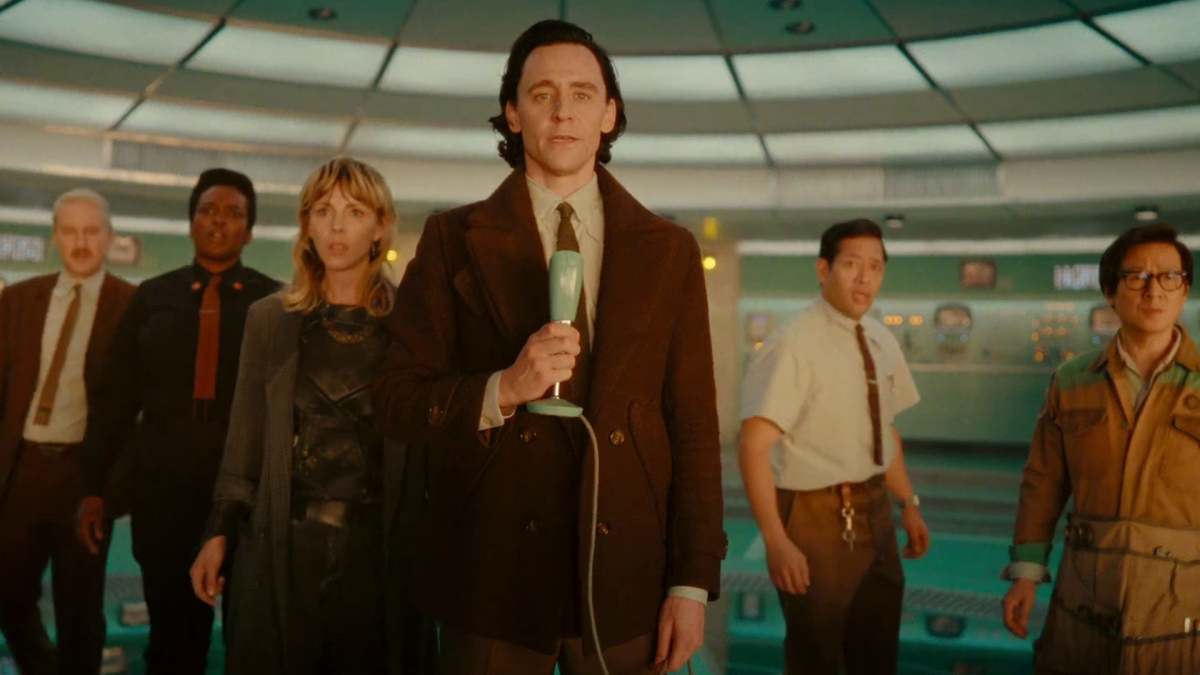
Loki Season 2 cast (Image via Getty)
The Multiversal Tree: Loki’s Central Role
As the God of Stories, Loki becomes the living embodiment of the Temporal Loom. In his new form, he holds the threads of the multiverse together, transforming them into a massive multiversal tree. This tree is a direct nod to Yggdrasil, the cosmic tree of the Nine Realms. The branches and roots of this tree symbolize the vast multiverse, with Loki at its center, ensuring its continued existence.
This visual transformation hints at future storylines in the MCU, particularly in relation to Avengers: Secret Wars . In the comics, “God Emperor Doom” ruled over the remnants of the multiverse from a throne made from Yggdrasil. Loki’s new position might foreshadow a similar role, establishing him as a pivotal figure in the upcoming multiversal conflict.
The TVA’s Evolving Mission
Following Loki’s sacrifice, the TVA’s new mission becomes clear: tracking down the variants of He Who Remains, including Kang, the villain from Ant-Man, and the Wasp: Quantumania . Mobius, a key TVA agent, references this mission in the season 2 finale, acknowledging that the TVA will need to focus on these variants. The TVA’s role in the multiverse will likely continue to evolve, as their quest to find and deal with Kang variants is now more important than ever.
However, with Jonathan Majors’ future in the MCU uncertain due to recent controversies, the TVA’s mission might be adjusted. There is a possibility that the MCU will pivot away from focusing on Kang variants or even recast the character, creating a new storyline direction. The TVA’s efforts to handle this complex situation will undoubtedly have a significant impact on the MCU’s future.
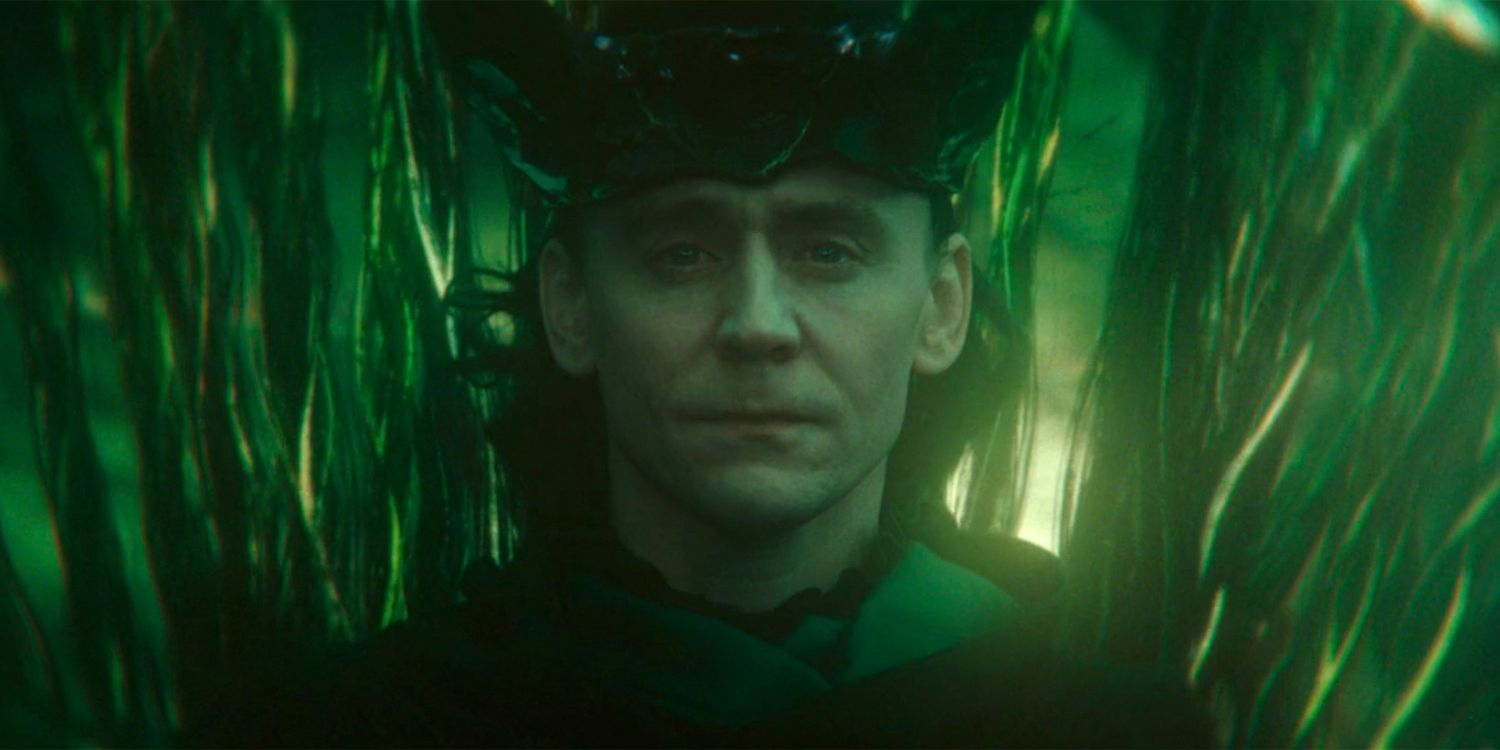
Loki (Image via Getty)
The TVA’s Role in the Future of the MCU
The TVA will continue to play a vital role in the MCU, as confirmed by its appearance in Deadpool & Wolverine . In the film, Deadpool interacts with a new TVA agent, Paradox, suggesting that the TVA is still actively pursuing multiversal goals. However, this version of the TVA might not be directly connected to the events of Loki season 2, possibly existing in a different timeline or dimension.
As Deadpool 3 and future MCU films explore the TVA’s evolving role, the institution will likely remain a key player in the multiverse saga. The TVA’s continued involvement will bring new questions about its objectives and how they align with the larger multiversal narrative.
What’s Next for Mobius and Sylvie?
After the events of Loki season 2, Mobius takes a break from his TVA duties to reflect on the multiverse he’s been working to protect. Visiting his original life on the Sacred Timeline, Mobius contemplates the world outside the TVA. However, given Owen Wilson’s reported involvement in Deadpool 3 , it seems likely that Mobius will return to the TVA shortly to play a crucial role in explaining the MCU’s multiversal dynamics.
Meanwhile, Sylvie is enjoying her newfound freedom after Loki’s sacrifice. Free from the constraints of the TVA, she has the potential to explore various timelines and live life on her terms. Although she’s currently working at McDonald’s in Broxton, Oklahoma, her future remains full of possibilities. Armed with He Who Remains’ temporal device, Sylvie could launch on a journey that could significantly impact the multiverse.

Following the events of Avengers: Endgame, Loki is captured by the Time Variance Authority (TVA) after stealing the Tesseract. Pulled into a bureaucratic multiverse war, Loki confronts variants of himself, questions the nature of free will, and uncovers the mysterious forces controlling time. Across two seasons, the series explores Loki’s transformation from a self-serving trickster to a hero who makes the ultimate sacrifice to preserve the multiverse.
The Usual Suspects is often hailed as one of the greatest crime thrillers of all time, mainly due to its iconic twist ending. The film follows a group of criminals who are hired by the mysterious Keyser Söze to carry out a dangerous heist, but they find themselves in grave danger. When the job goes awry, the suspects’ lives are left hanging in the balance. The story unfolds through the perspective of one of the suspects, Roger “Verbal” Kint, who is the only survivor of the operation. Verbal’s recounting of events, as he’s interrogated by U.S. Customs Agent Dave Kujan, is peppered with intrigue, deceit, and a stunning revelation that changes everything.
The Usual Suspects Ending Explained
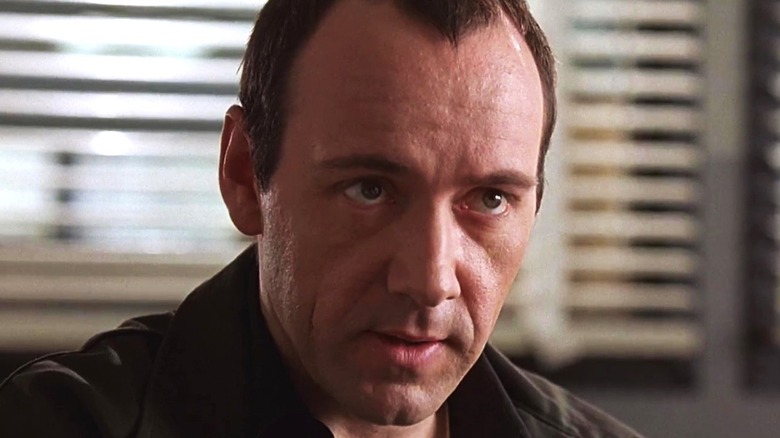
Keyser Söze (Image via Getty)
Verbal Kint, portrayed by Kevin Spacey, is a key player in the story, offering detailed explanations about the events leading up to the raid. Throughout his recounting, he focuses on the confusion surrounding the boat, where the crew expected to find a large shipment of cocaine, only to realize that it wasn’t there. His narrative takes the audience on a journey that seems to suggest the real killer is Keyser Söze, who has a mysterious and terrifying reputation.
As the film progresses, Verbal’s version of events grows more detailed, yet it remains inconsistent in certain areas. In the film’s final moments, Agent Kujan concludes that Dean Keaton, played by Gabriel Byrne, is the true Keyser Söze. However, this theory is quickly shattered. As Kujan examines Verbal’s story more closely, he starts to notice that much of what Verbal had told him was fabricated. He finally realizes that Verbal was never just a witness but was, in fact, Keyser Söze himself.
In the final scene, Verbal walks out of the police station, revealing that he has been lying all along. He sheds his limp and enters a car driven by the real Kobayashi, a figure from his story. As Verbal disappears, the revelation sinks in: he was Keyser Söze the entire time, manipulating everyone with his web of lies.
Clues Leading to Keyser Söze’s Identity
The twist ending of The Usual Suspects is masterfully executed, but it is not without its subtle clues. Throughout the movie, there are hints that point to Verbal being the true mastermind behind the crimes. For instance, the description of Keyser Söze, as seen in a police sketch, matches Verbal’s appearance. Additionally, the gold lighter and watch that Verbal uses match those seen in the hands of Söze during crucial scenes. These details, carefully placed throughout the film, encourage the audience to pay attention to the smallest of clues.
Keyser Söze’s background adds to the mystery of his identity. As Verbal narrates, Söze is said to have wiped out a group of Hungarian mobsters, leaving one survivor to spread the tale of his ruthlessness. From that point on, Söze conducts his business through subordinates who have no idea of his true identity. This legend of Söze creates an aura of fear and power that Verbal uses to manipulate Agent Kujan and, by extension, the audience.
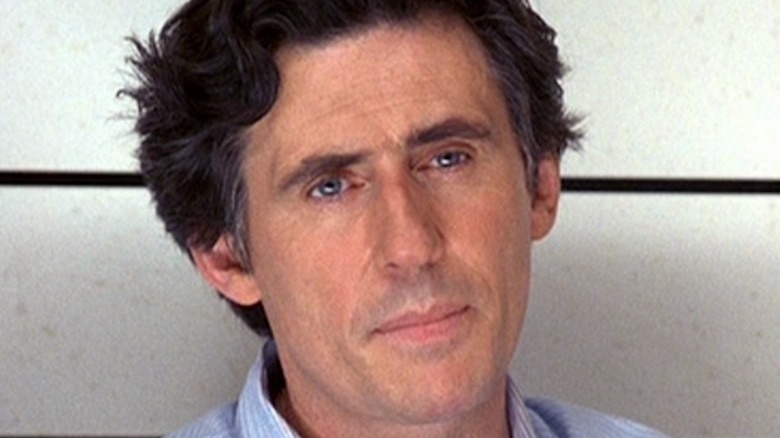
Dean Keaton (Image via Getty)
The Purpose of the Boat Massacre
The boat scene in The Usual Suspects is pivotal to understanding Verbal’s actions. The gang of criminals was tasked with disposing of a large shipment of cocaine to keep a rival gang from undermining Söze’s empire. However, unbeknownst to them, their true mission was to eliminate the one person who knew Keyser Söze’s identity: a Hungarian informant. The Hungarian gang had brought the informant to the ship, unknowingly setting the stage for their own destruction.
The Meaning Behind the Ending
The conclusion of The Usual Suspects challenges the audience’s perception of truth. The ending forces viewers to question everything that they have seen, leaving them in a state of uncertainty. Gabriel Byrne, who played Keaton, even believed his character was Keyser Söze during the filming. This constant ambiguity is central to the film’s allure and adds to its complexity.
The movie is structured in such a way that viewers are left uncertain about the veracity of Verbal’s account. We are given glimpses of names and events that may or may not be real. The ambiguity surrounding Keyser Söze’s identity adds to the mystique of the character, blurring the lines between fact and fiction. Verbal’s narration, unreliable as it is, creates a world where even the audience is in the dark, much like Agent Kujan.
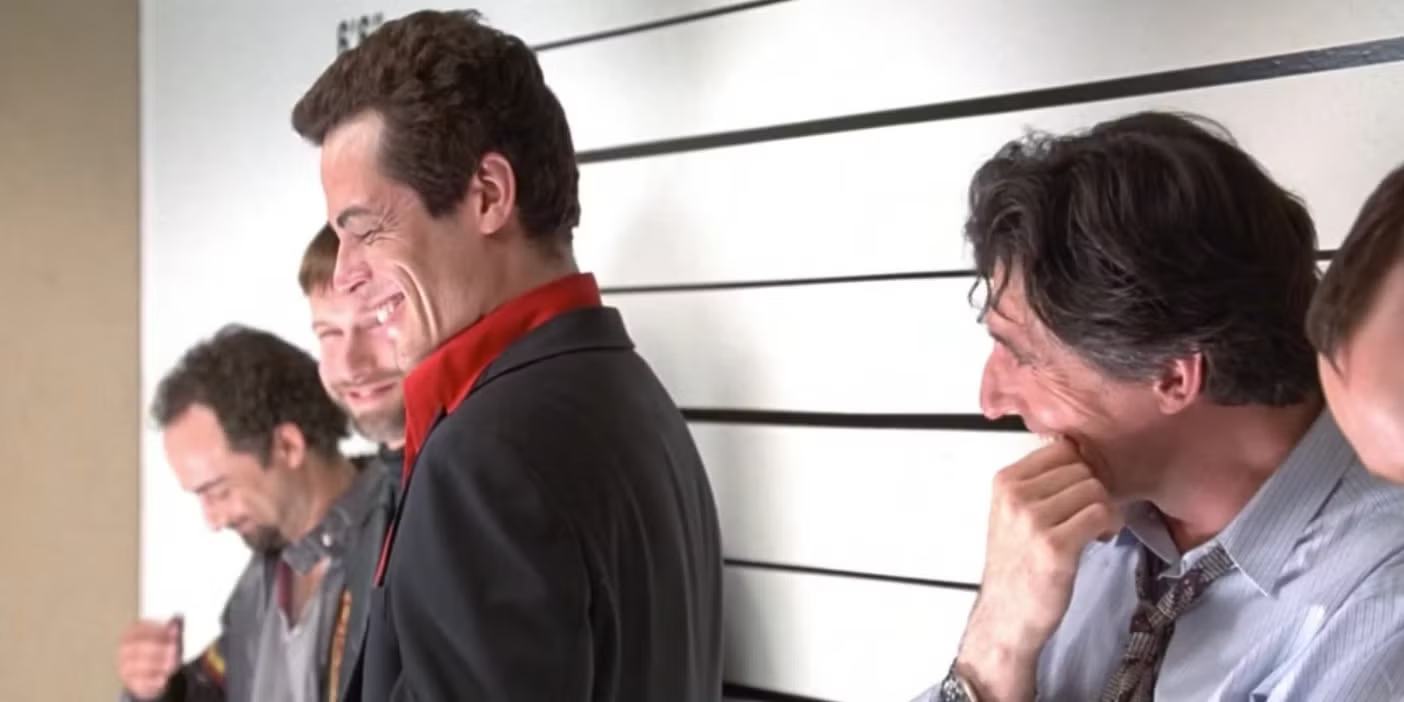
The Usual Suspects cast (Image via Getty)
The Impact of the Twist Ending
The ending of The Usual Suspects is one of the most famous twists in cinematic history. Its success lies in its ability to deceive the audience without making them feel cheated. The twist is carefully crafted, with enough clues to suggest that something is amiss, but not enough to give away the full truth until the final reveal. It works because the rest of the film is so tightly constructed, and the audience is fully engaged in the mystery.
Had the film ended with the revelation of Keaton as the mastermind, it would have still been a satisfying conclusion. However, the twist that reveals Verbal as Keyser Söze elevates the movie to another level. It’s an exhilarating moment that mirrors the experience of watching a magic trick unfold before your eyes. The twist is not just a gimmick; it serves to deepen the film’s themes of manipulation, deception, and the nature of evil.
Critical Reactions to the Ending
Upon its release, The Usual Suspects received a mixed reaction from critics. While the film went on to win two Oscars, including Best Supporting Actor for Kevin Spacey, not all critics were enamored with the twist ending. Some felt that the film’s narrative tricks were too manipulative, detracting from the story.
Roger Ebert, a prominent critic, gave the film only one and a half stars out of four, expressing disappointment in the final twist. He argued that the film relied too heavily on deception and that it would have been better if the filmmakers focused on telling a more straightforward story. Similarly, Tom Gliatto of People criticized the movie for using subtle narrative tricks that felt forced.
On the other hand, critics like Hal Hinson of the Washington Post praised the film for its cleverness, noting that while some questions remained unanswered, the movie still managed to engage audiences. Hinson acknowledged that the twist was a bold and effective choice, setting The Usual Suspects apart from other crime films.
