As the world of One Piece continues to unravel more secrets with each new chapter, fans are in for a treat with the upcoming release of chapter 1131 on November 11, 2024.
This chapter has already sparked intense conversations across the fandom, thanks to recent spoiler reveals that introduce intriguing details about Loki, the Prince of Elbaph, and his mysterious bounty.
What may have initially seemed like a straightforward revelation of his bounty turns out to carry far deeper implications for his character and his place within the One Piece universe.
In fact, the contents of chapter 1131 suggest that Loki’s bounty and his character carry far more significance than even the most devoted fans might have anticipated.
The designation of Loki’s bounty as “special” is among the most notable details revealed in this chapter, pointing to unique or unknown circumstances surrounding his character.
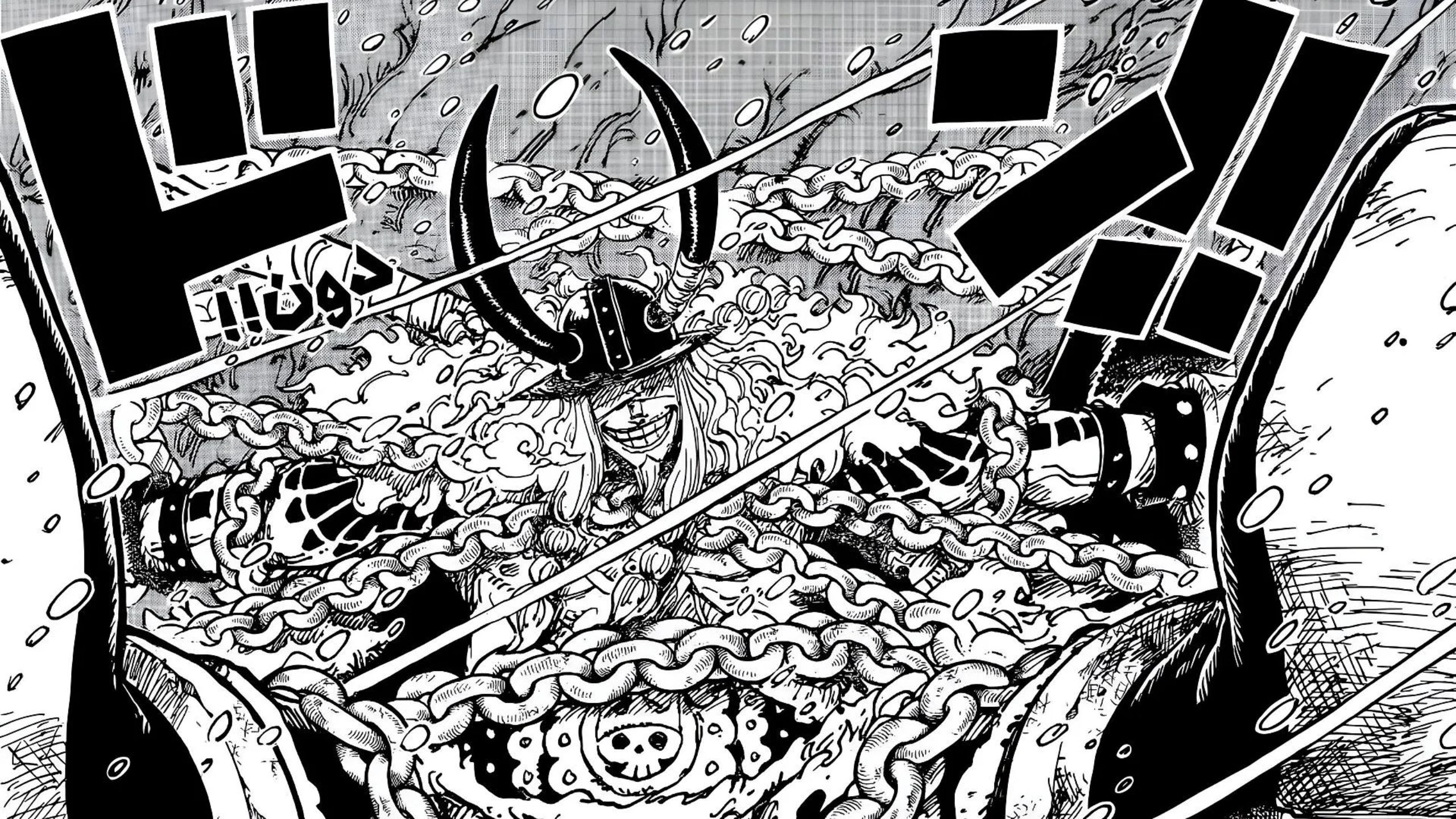
Loki (Eiichiro Oda/Shueisha)
Furthermore, the bounty amount, which surpasses the rewards placed on other prominent giants like Dorry and Brogy and nears the level of the Sea Emperors, speaks volumes.
It implies that Loki’s past may be filled with dark and violent deeds. In One Piece, the World Government calculates bounties based not only on power and fighting abilities but also on the threat level that an individual poses to the world order.
This latest chapter, therefore, presents readers with an essential question: What kind of past does Loki have that justifies a bounty of such magnitude?
Examining the Significance of Loki’s Bounty in One Piece
The true shock for fans came with the staggering number revealed for Loki’s bounty 2.6 billion Beri during a conversation between Loki and the series’ beloved protagonist, Monkey D. Luffy.
Interestingly, the bounty is accompanied by the term “special bounty.” While other important moments and events unfold in chapter 1131, Loki’s bounty and its implications have undeniably captured the fandom’s attention.
Though fans may view this revelation as purely fascinating, it may hold even more significance, hinting at the complexities and challenges that lie ahead.
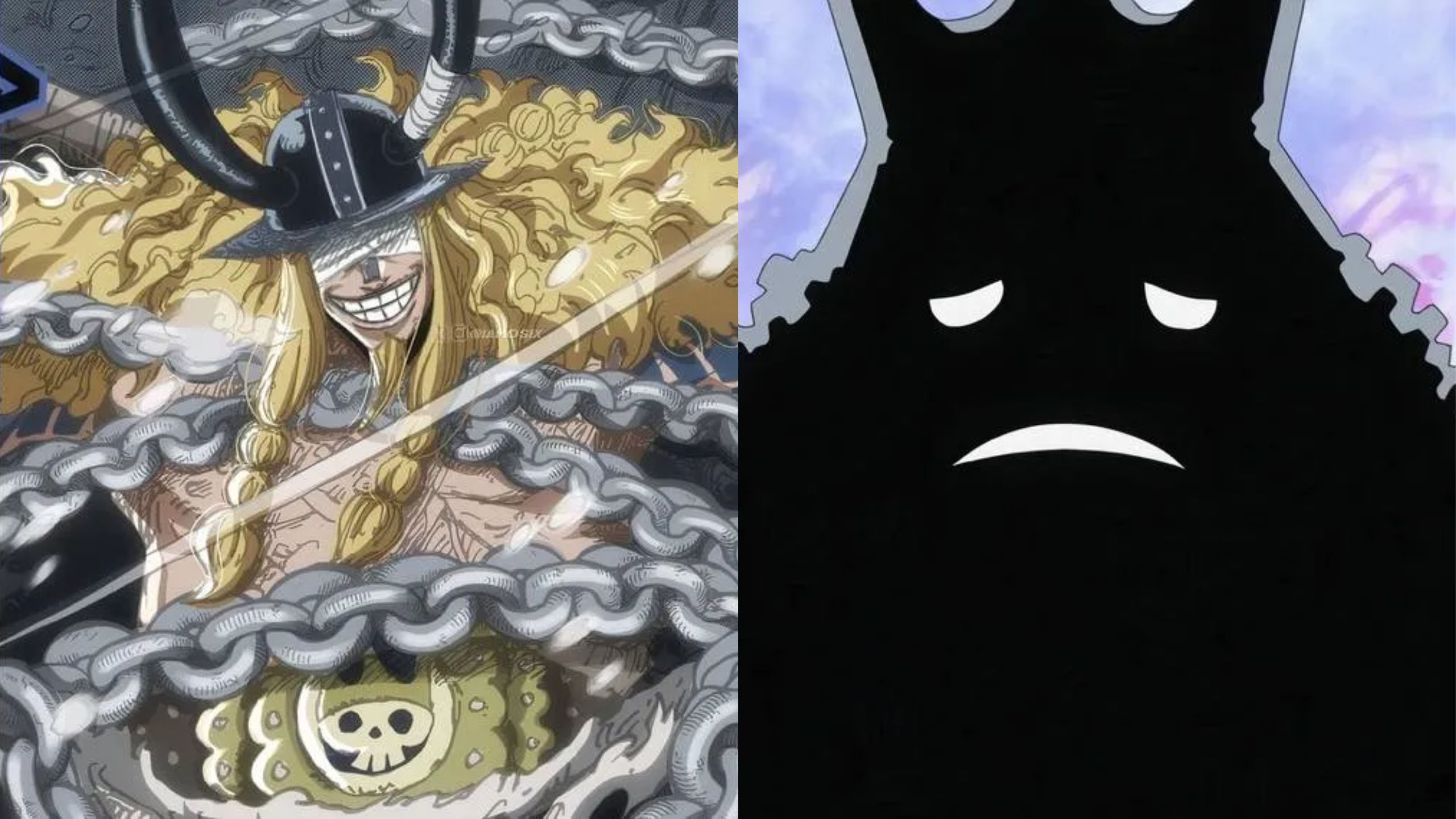
Loki From One Piece Manga (Toei Animations)
In the context of One Piece, bounties are not randomly assigned but are carefully calculated by the World Government based on the scale of an individual’s deeds, the potential threat they pose, and their alignment with or against the order of the world.
For example, a bounty reflects the destructive power, influence, and chaos a character can unleash.
Consequently, Loki’s 2.6 billion Beri bounty, labeled as “special,” raises several questions about his background, his deeds, and his connection with the World Government.
The “special” designation, in particular, stands out as an unusual detail.
Although the exact criteria for this categorization remain mysterious, it may indicate that his bounty comes with certain conditions, limitations, or context-specific justifications determined by the World Government.
Reflecting on Dorry and Brogy’s recent bounty updates offers valuable insights into how the bounty system operates and how it applies to giants in particular.
Both Dorry and Brogy, legendary warriors and giants, received updated bounties of 1.8 billion Beri each due to their prominent role in the events surrounding the Egghead incident.
Their assistance to the Straw Hat Pirates during a critical escape from the island is a direct reason behind their revised bounties.

Roronoa Zoro And Luffy From The Wano Arc (Toei Animations)
However, Loki’s bounty of 2.6 billion Beri outshines theirs by a significant margin. This disparity suggests that his past actions were likely far more severe or impactful than any known deeds of Dorry and Brogy.
Understanding the World Government’s Bounty System in One Piece
To understand the implications of Loki’s bounty, it helps to understand the motivations and calculations behind the bounty system as established by the World Government in One Piece.
Generally, bounties are designed to reflect how much of a “public threat” an individual is to the world order, rather than an absolute measure of their strength or skill.
For instance, certain characters may have incredibly high bounties due to their immense threat to the World Government rather than their fighting prowess alone.
This principle applies to figures like Buggy the Clown, who lacks powerful abilities like Haki but still holds an astonishingly high bounty due to his influence, network, and alliances.
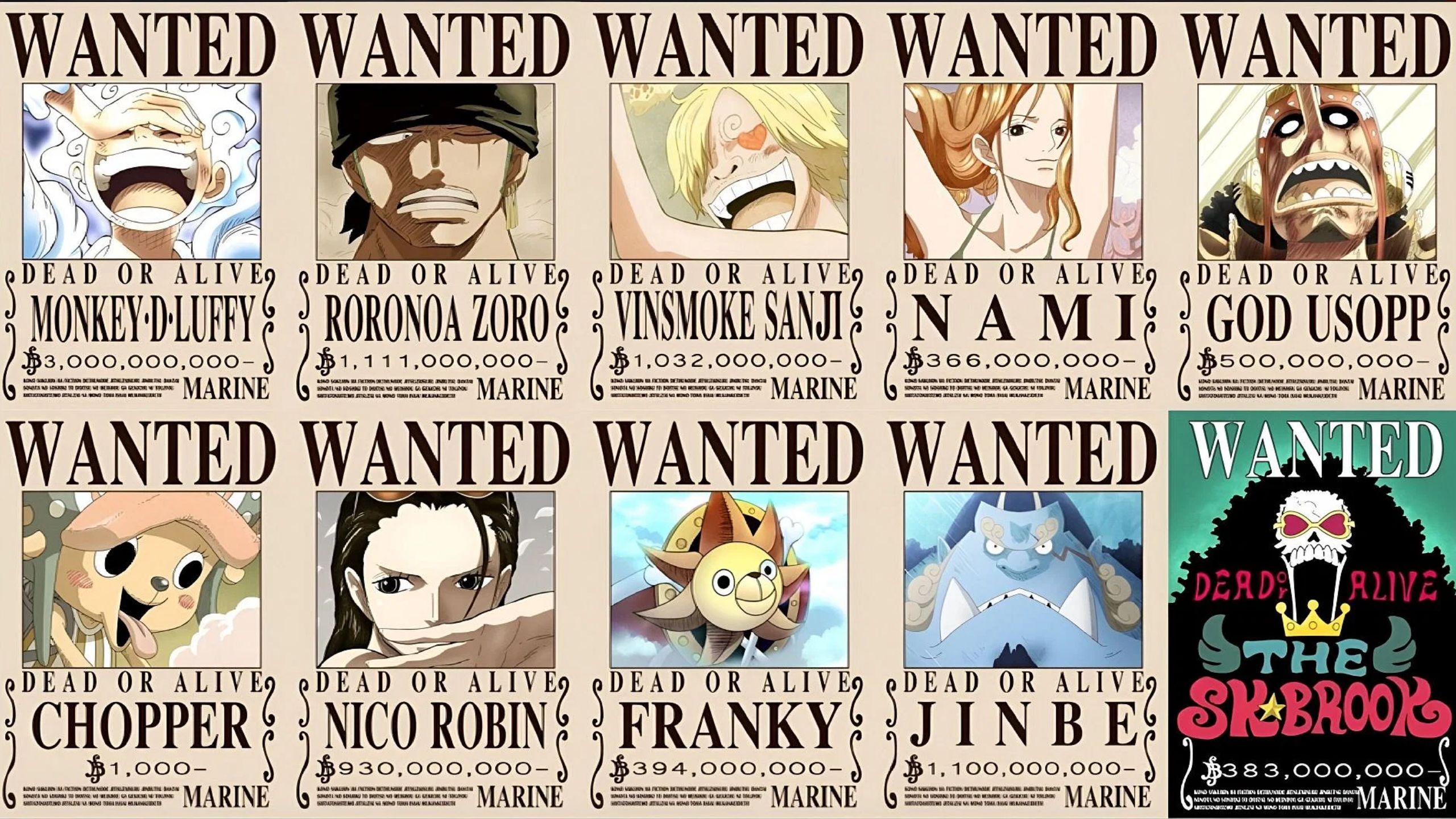
Straw-Hats Bounty Posters From One Piece (Toei Animations)
In Loki’s case, his 2.6 billion Beri bounty suggests that he may have been involved, whether directly or indirectly, in acts that had significant and perhaps even catastrophic consequences for the world.
These actions could be aligned with acts of violence, aggression, or subversion that challenge the authority of the World Government or destabilize regions under its control.
Loki’s association with a “special” bounty further adds a layer of intrigue, as it hints that his bounty may be conditional or accompanied by specific restrictions or stipulations set forth by the World Government.
Analyzing Loki’s “Special” Bounty and Its Implications
With the confirmation that Loki’s bounty holds a “special” status, it’s worth considering the possible explanations for this unique classification.
The “special bounty” label may suggest that Loki’s actions or circumstances do not fit neatly into the conventional categories used by the World Government to assess and assign bounties.
This could mean that his bounty involves unusual conditions, such as certain behaviors or appearances, and may even be connected to his physical form or abilities.
Chapter 1131 offers subtle hints that Loki’s silhouette might reveal a vastly different appearance from his current form.
If his bounty is linked to a specific “persona” or condition, it implies that the World Government sees him as a threat under certain circumstances, potentially linked to transformations or behaviors triggered by his devil fruit powers.
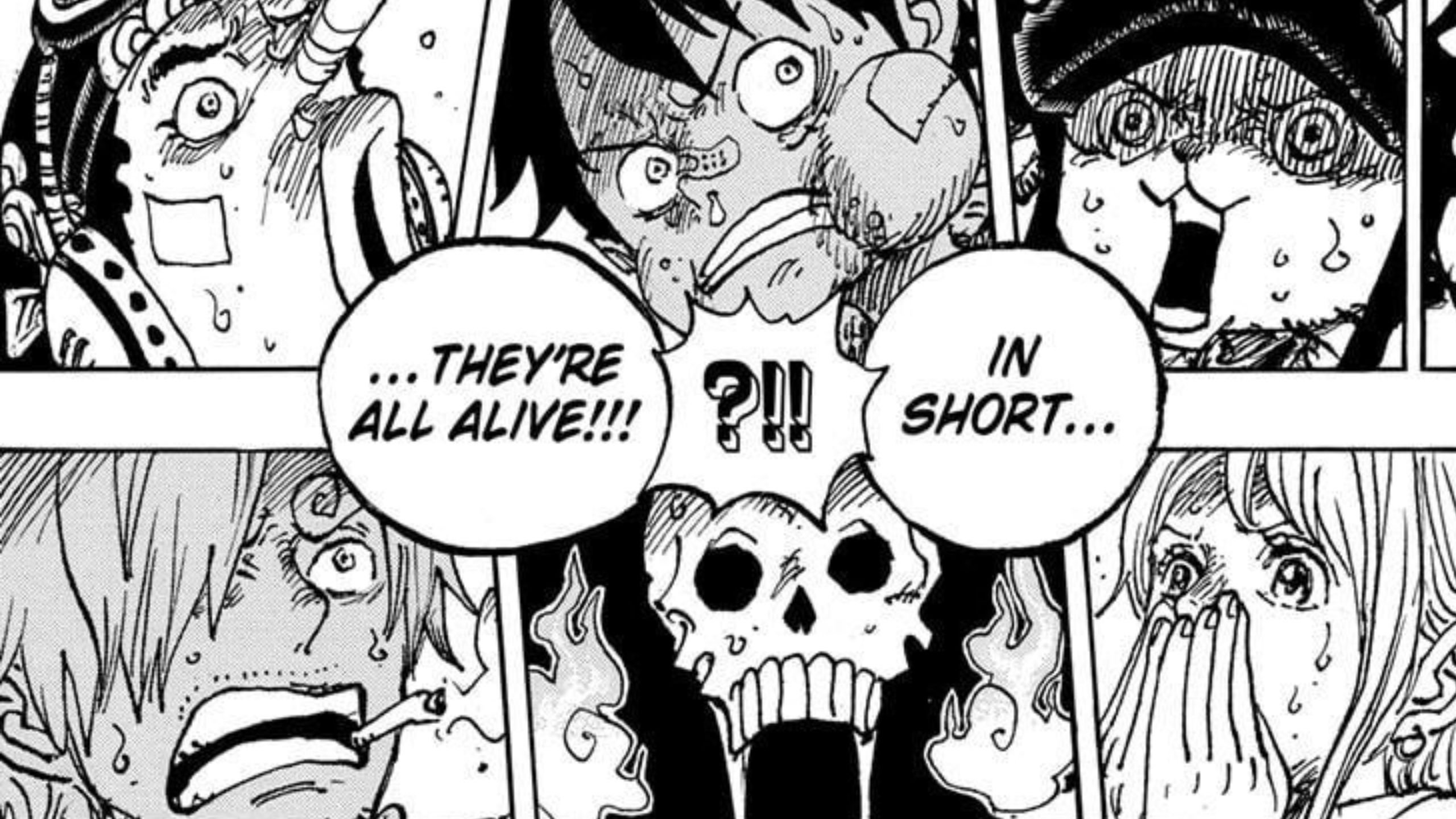
Straw Hats From One Piece (Shueisha)
Further adding to the mystery surrounding Loki is the speculation that he possesses a legendary devil fruit, which may be integral to his identity as the “Accursed Prince.”
This title, steeped in dark and ominous implications, may reflect both the powers he holds and the actions he has undertaken.
It’s conceivable that Loki’s devil fruit grants him abilities that are not only powerful but also fearsome, perhaps associated with curses, destruction, or manipulation, further justifying his high bounty.
If the World Government considers his devil fruit abilities dangerous enough to warrant a “special” classification, it could mean that Loki’s powers have a broad and deadly potential impact.
Loki’s Bounty Compared to the Sea Emperors
The striking similarity between Loki’s bounty and those of current Sea Emperors provides a meaningful point of comparison.
For example, both Monkey D. Luffy and Buggy the Clown currently hold bounties of 3 billion Beri.
Although they have earned these bounties for vastly different reasons, both are considered serious threats to the established order of the world.
For Luffy, his bounty reflects not only his combat skills and his role in critical events, but also his potential to disrupt the World Government’s authority through his ambitions and alliances.
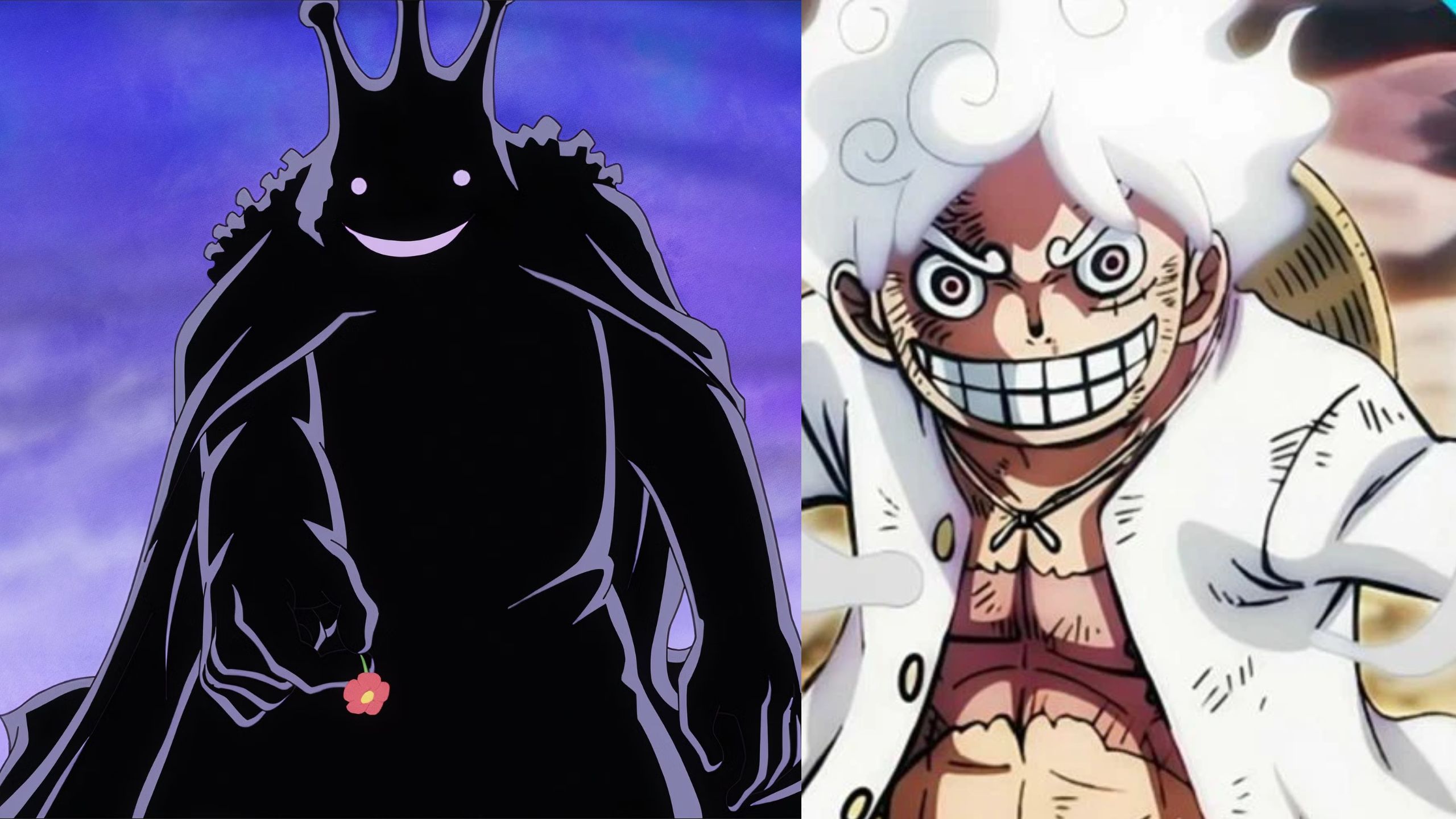
Loki And Luffy From One Piece (Toei Animations)
Buggy, on the other hand, despite lacking significant personal power, has managed to secure his position as a Sea Emperor thanks to his influence, alliances, and the clever management of his persona.
The comparison to Loki’s bounty suggests that the Prince of Elbaph holds a similarly high level of threat, whether due to his alliances, his mysterious past, or his raw destructive power.
The very fact that his bounty stands close to those of Luffy and Buggy implies that Loki’s influence or capacity to incite chaos rivals that of a Sea Emperor.
This raises the question of what kind of relationships Loki maintains with both the World Government and other powerful factions within the One Piece world.
If his actions were significant enough to earn a bounty close to the Emperors, it’s possible that Loki has a long history of conflicts or alliances that have shaped his reputation.
Exploring Loki’s Role as the “Accursed Prince”
The revelation of Loki’s title, the “Accursed Prince,” adds yet another intriguing layer to his character.
This epithet suggests not only a royal lineage but also a tainted or infamous reputation, perhaps connected to dark powers or a past filled with violence and tragedy.
In the One Piece world, titles often hold deep symbolic meaning, and Loki’s title as the “Accursed Prince” hints at a story shrouded in myth, fear, and misunderstanding.
It’s likely that this title reflects both his feared reputation among his people and his potentially cursed devil fruit abilities.
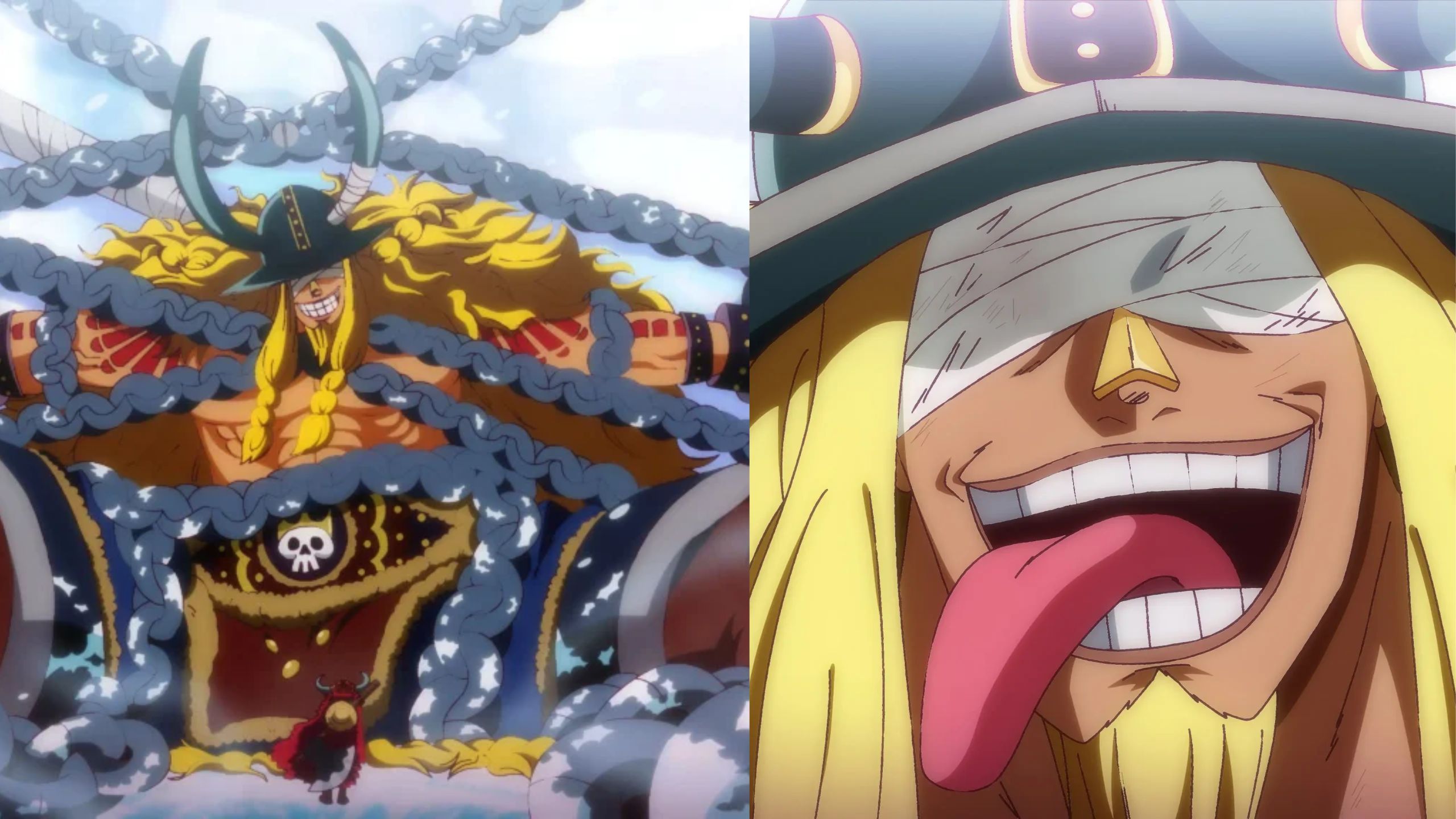
Loki From One Piece (Shueisha)
If Loki’s “Accursed Prince” title relates to his devil fruit, it could indicate that he wields powers that are destructive or feared by others.
It’s possible that his abilities come at a price or possess a dark nature, causing others to view him with suspicion or dread.
Furthermore, this title could suggest that Loki has committed unspeakable acts or made morally questionable decisions in his past, actions that align with the theme of being “accursed.”
In a world where individuals are often judged by their powers and deeds, Loki’s title may also reflect the social and political isolation he experiences due to his choices, aligning him with the darker side of the giant race’s history.
Final Thoughts on Loki’s Role and Future Impact in One Piece
Loki’s bounty, his title as the “Accursed Prince,” and his rumored devil fruit powers together form a character profile filled with mystery and complexity.
The One Piece bounty system is designed to evaluate a person’s threat level based on their deeds, influence, and potential to disrupt the global order.
Characters like Buggy illustrate that a high bounty does not necessarily equate to direct physical power but instead represents an individual’s potential to destabilize the status quo.
Loki’s bounty, therefore, might be a combination of his past actions, his feared powers, and his position as a royal figure within the giant race of Elbaph.
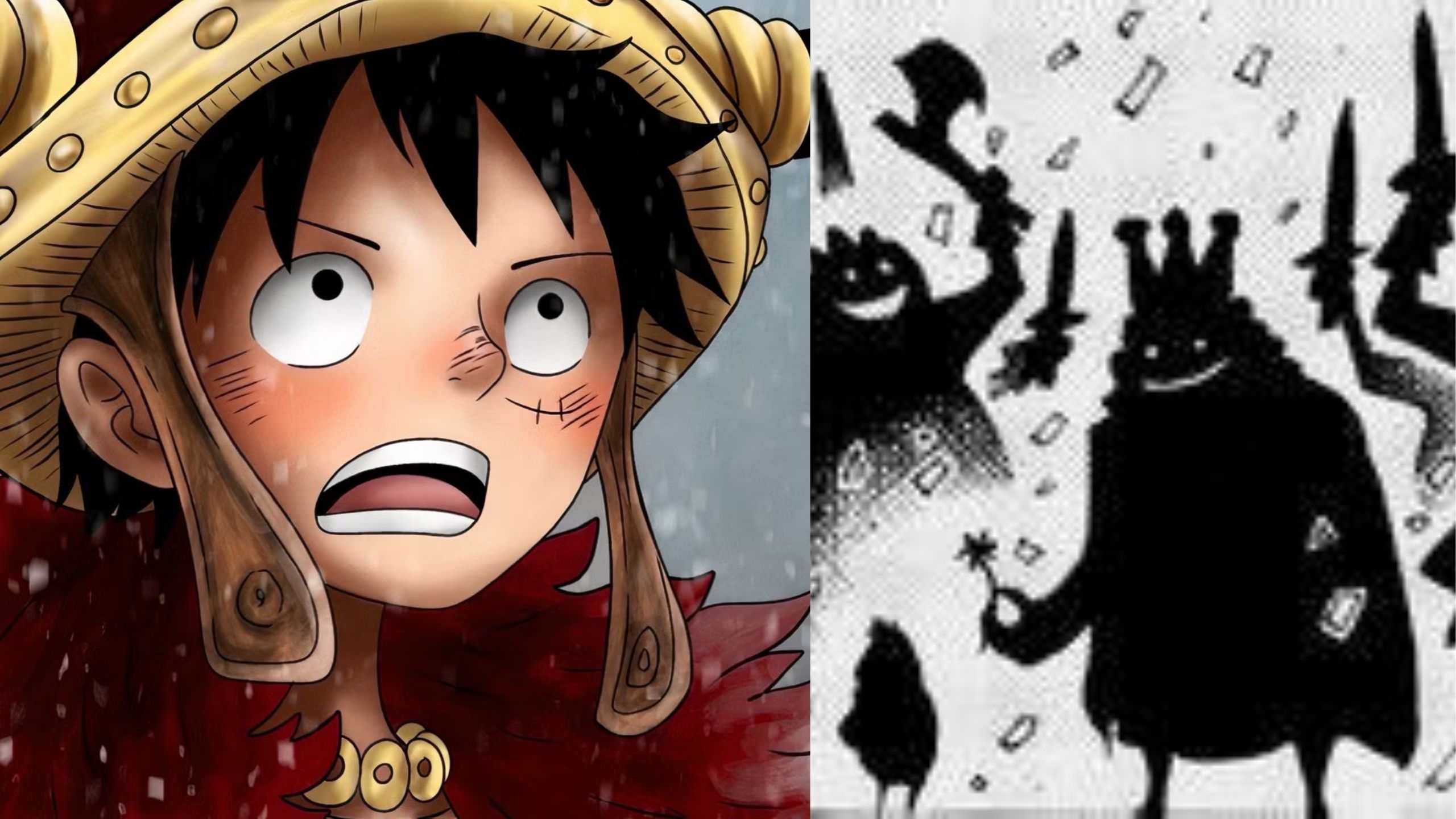
Luffy And Loki From One Piece (Toei Animations And Shueisha)
The significance of his “special” bounty status cannot be overstated, as it indicates that the World Government has deemed him unique, possibly due to specific conditions or fears attached to his powers or persona.
As readers anticipate more revelations about Loki’s backstory, abilities, and intentions, it’s clear that he will play a pivotal role in the unfolding saga.
Fans are advised to keep an eye on the official release of chapter 1131, as it promises to shed light on Loki’s motives and possibly hint at future confrontations with the Straw Hat Pirates.
Loki’s bounty reveal in One Piece is not just a number; it’s a narrative element that reflects his dark past, feared powers, and mysterious position within the One Piece world.
As the Prince of Elbaph, his role within the larger story is bound to grow, especially given his “Accursed” title and “special” bounty.
Only time will tell what role Loki will ultimately play, but one thing is certain: the Prince of Elbaph is a force to be reckoned with, and the secrets surrounding his character will undoubtedly add new depth to the legendary world of One Piece.
The main appeal of Bar Rescue lies not only in the intense renovation of struggling bars but also in the strong presence of Jon Taffer.
Taffer, as the host, brings what many viewers describe as a “mob boss energy” that commands the room. He is tough, blunt, and usually unafraid to give a hard critique.
When Taffer walks into a failing bar, audiences expect he’ll deliver a no-nonsense scolding to the owners, the staff, or anyone else involved.
But this tough-love approach is usually what the struggling establishments need, and more often than not, Taffer’s strategies do lead to successful transformations. His methods may be controversial, but they generally work in the context of revamping bars.
What some fans might not realize is that Bar Rescue actually had an official spinoff called Marriage Rescue. This show attempted to apply the same formula to couples who were going through marital problems.
However, Marriage Rescue didn’t last nearly as long as its predecessor, and the reasons for its short run are worth showing.
Taffer’s strong-handed techniques didn’t translate as well to relationships, and the show struggled to find the right tone and approach.
Let’s look at how Marriage Rescue attempted to emulate the Bar Rescue formula, why it ultimately failed, and what it says about the limitations of using confrontational tactics in different situations.
Taffer’s Signature Style: Effective in Bars, Risky in Relationships
The setup of Marriage Rescue followed a similar formula to Bar Rescue. Each episode started with a couple who was going through difficulties in their marriage. However, the reasons behind each couple’s issues varied widely.
For instance, in the first episode titled “Maybe You’re Just a Horrible Wife,” a couple faced trust issues after one partner had cheated on the other. In another episode, “Your Wife Thinks You’re Boring,” the issue was that a wife felt less attracted to her husband after he quit drinking.
Right away, these topics illustrate how the stakes and seriousness of the issues on Marriage Rescue varied significantly. While infidelity is a serious matter with deep emotional implications, attraction issues related to lifestyle changes, while real, may not carry the same weight.
The range of problems made it harder for Marriage Rescue to establish a clear focus, and this difference likely contributed to its struggle to find an audience.
In each episode, Taffer’s role was to identify the root causes of the couple’s problems, just as he would assess what a bar needs to improve its business. Taffer would sit down with the couples, listen to their issues, and attempt to guide them toward better communication and understanding.
In some cases, he would organize activities, like skydiving, to get them to connect with each other in new ways. While this tactic mimicked the way Bar Rescue involves bar owners in hands-on tasks to learn about their operations, it was less effective in Marriage Rescue.
Relationship issues often require deeper, more nuanced interventions than a one-time experience or exercise can provide. While skydiving might bring some excitement to the relationship, it does not necessarily address the emotional roots of a couple’s struggles.
Conflict-Driven Format: Great for TV, Not for Marriage Counseling
One of the main elements that Marriage Rescue borrowed from Bar Rescue was Taffer’s confrontational style. Bar Rescue fans know that Taffer isn’t shy about shouting when he feels someone is failing in their responsibilities. His harsh critiques often bring bar owners back to reality and help them see the problems they need to fix.

Still from Marriage Rescue (Credit: Paramount+)
However, using that same approach with couples was a gamble. In Marriage Rescue, Taffer would often get into shouting matches with the couples he was supposed to be helping. Instead of diffusing conflicts, his aggressive style sometimes escalated them.
One example of this dynamic is in the episode “You Married a Fool.” Here, Taffer meets Bill and Luna, a couple struggling with power imbalances in their relationship, largely due to how Bill manages their shared business.
Taffer starts by pointing out the imbalance and suggests that Luna deserves a greater say in their business matters. When Luna begins to agree with Taffer’s perspective, Bill becomes angry, which soon leads to a heated argument. Taffer calls Bill out on his behavior, leading Bill to respond angrily and challenge Taffer.
This exchange turns into a loud, chaotic confrontation, which some viewers might find entertaining but doesn’t really offer productive help for the couple involved.
Watching Marriage Rescue, it becomes clear that Taffer’s methods are designed for high-stakes, action-packed entertainment, rather than the sensitive approach that marriage counseling often requires.
While Taffer’s outbursts might be constructive in a bar setting, where owners often need a wake-up call to realize their business is failing, couples with personal, emotional conflicts need a more delicate touch. People go to marriage counseling hoping for solutions, emotional support, and guidance.
An approach that feels more like a confrontation can feel intimidating and might even make the couple more defensive. It’s no surprise that Taffer’s tough-love method didn’t have the same impact on relationships as it does with business owners on Bar Rescue.
Lacking the Right Support: Why Marriage Rescue Needed More Than Taffer’s Guidance
One reason Bar Rescue works is that Taffer has a team of experts to support him. He’s not alone in his efforts to revitalize failing bars; he has chefs, mixologists, and other professionals on hand to help implement the changes needed to turn things around.
This allows him to focus on his strength – managing the bar owners and pushing them to improve – while his team handles specialized areas like food quality, cocktail preparation, and atmosphere design. In Marriage Rescue, however, Taffer didn’t have the same kind of backup.
Relationships are complex, and while Taffer can offer his personal insights, a real marriage counseling setup would ideally include trained professionals with expertise in relationship dynamics.
To address this gap, Marriage Rescue did have Dr. R. Sean Hogan, a psychiatrist with experience working on reality shows like Top Chef and Survivor, as a “couples’ consultant.” However, Dr. Hogan’s role was largely behind the scenes.
Having him appear on the show might have provided a balance to Taffer’s intensity and offered the couples a more professional perspective.
Dr. Hogan’s expertise in psychology could have given the couples insights they needed but may not have been able to hear in the midst of a shouting match with Taffer.
Adding a professional counselor on-screen would have also helped the show feel more legitimate as a form of relationship intervention, rather than just a reality TV spectacle.
Additionally, the choice to make a marriage-centered spinoff was a bit of a surprising direction for Taffer. Given his background in bar and restaurant consulting, a more natural transition might have been a Restaurant Rescue format, where he could continue applying his expertise in hospitality.
Most of Taffer’s critiques on Bar Rescue focus on food service, customer experience, and bar management, all of which align with the restaurant industry.
A pivot into relationship counseling, however, seems out of place and relies heavily on his personal charisma rather than professional knowledge in this area.
Why Marriage Rescue Wasn’t a Lasting Format
Ultimately, Marriage Rescue only ran for a single season, and there are clear reasons why it didn’t continue. The show was an experiment, and while the idea was interesting, it revealed the limitations of applying a high-conflict, confrontational approach to personal relationships.
The Bar Rescue format is successful because bars are public-facing businesses with clear, tangible goals – they need to serve quality drinks, attract customers, and turn a profit.
Relationships, however, don’t have such straightforward goals, and problems in a marriage can be deeply personal, emotional, and even traumatic.
Fixing these issues requires an empathetic, gentle approach that gives couples the space to work through their feelings without the added stress of being yelled at or publicly criticized.
Despite having a skilled psychiatrist on staff, Marriage Rescue missed the opportunity to showcase a balance between Taffer’s intensity and a more traditional counseling approach.
The show’s brief run suggests that viewers may have felt that the method didn’t quite fit the format. People turn to shows like Bar Rescue for entertainment but might have been looking for more genuine, empathetic guidance in Marriage Rescue.
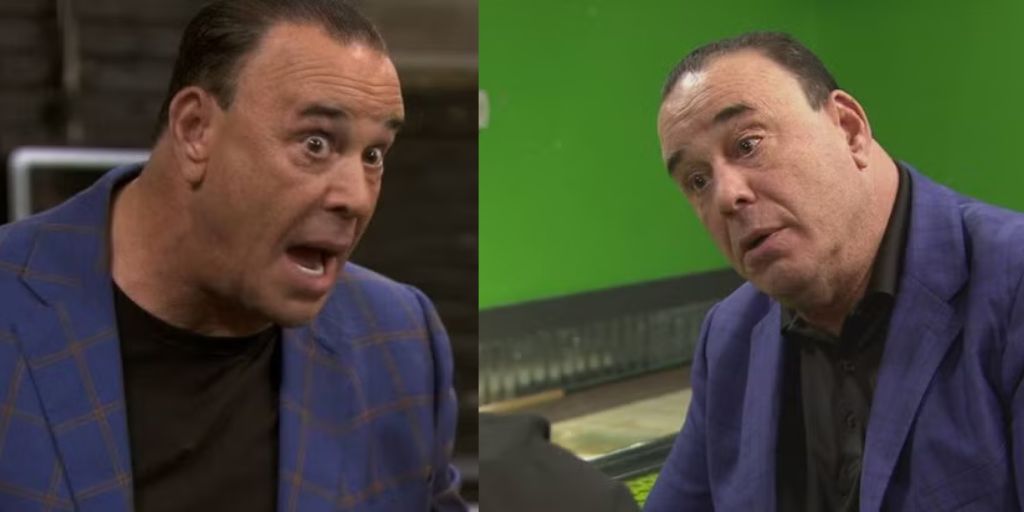
Still from Marriage Rescue (Credit: Paramount+)
While Marriage Rescue didn’t achieve the lasting success of its predecessor, it serves as a reminder that certain approaches only work in specific settings. Taffer’s blunt style has made Bar Rescue a hit, but it wasn’t enough to solve the complex, delicate issues that couples face.
Marriage problems don’t always respond well to a “fix it fast” mindset, and Marriage Rescue shows that sometimes, entertainment and personal transformation don’t mix.
For those interested in seeing Taffer’s iconic style at its best, Bar Rescue remains a staple of reality TV, available to stream on Paramount+.
