In a speech that has since gone viral, United Nations special rapporteur Dr. Petra Wendelin called Japan’s loli culture “a form of child abuse in disguise.” Speaking at a Geneva-based UN child protection summit , she condemned anime and manga depicting youthful-looking characters in sexualized scenarios. Her remarks were met with shock, applause, and immediate outrage from anime communities.
Within hours, social platforms were ablaze. While many human rights advocates supported the sentiment, anime fans and artists fiercely pushed back, accusing the UN of conflating fictional art with real harm. What began as a speech soon spiraled into a global ideological clash between freedom of expression and the protection of minors.
Japan’s Response and Cultural Friction
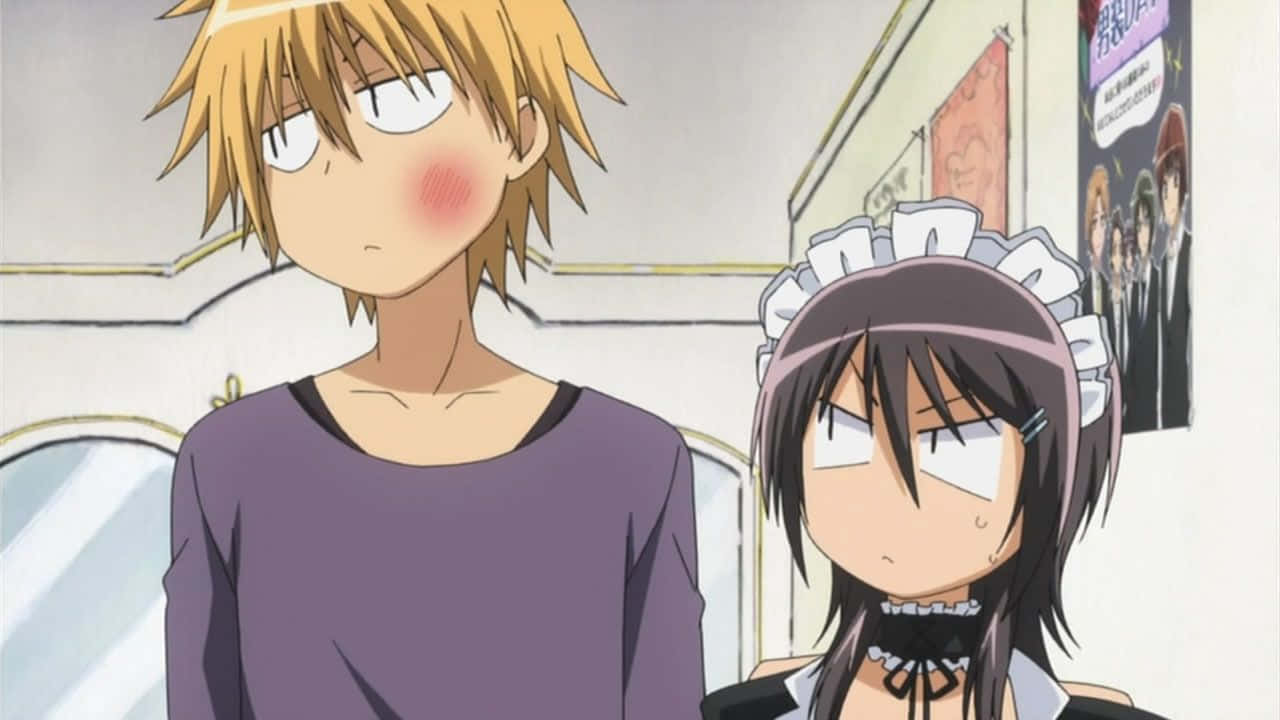
Maid Sama
Japanese officials responded cautiously. In a press briefing, the Chief Cabinet Secretary reiterated Japan’s long-standing defense of its creative industries, emphasizing that fictional characters “do not equate to real children.” He also stressed that Japan has its own legal frameworks regarding child exploitation, which focus on actual harm, not drawn art. The Agency for Cultural Affairs reaffirmed support for artistic freedom while stating that international concerns would be “carefully reviewed.”
Japanese creators voiced strong opposition. Manga artists like Ken Akamatsu condemned the speech as moral colonialism, accusing the UN of misunderstanding Japan’s media traditions. Supporters argue that loli is a distinct, stylized aesthetic—rooted in manga history and separate from child exploitation. They argue that banning fictional depictions based on appearance opens the door to suppressing all artistic ambiguity.
Meanwhile, Western critics praised the UN’s hardline stance. Several EU politicians echoed Wendelin’s sentiments, calling on Japan to align with international child protection standards. Child advocacy groups such as ECPAT International urged global streaming platforms to de-platform works featuring loli content, pressuring companies like Crunchyroll and Netflix.
Internet Erupts in Culture War
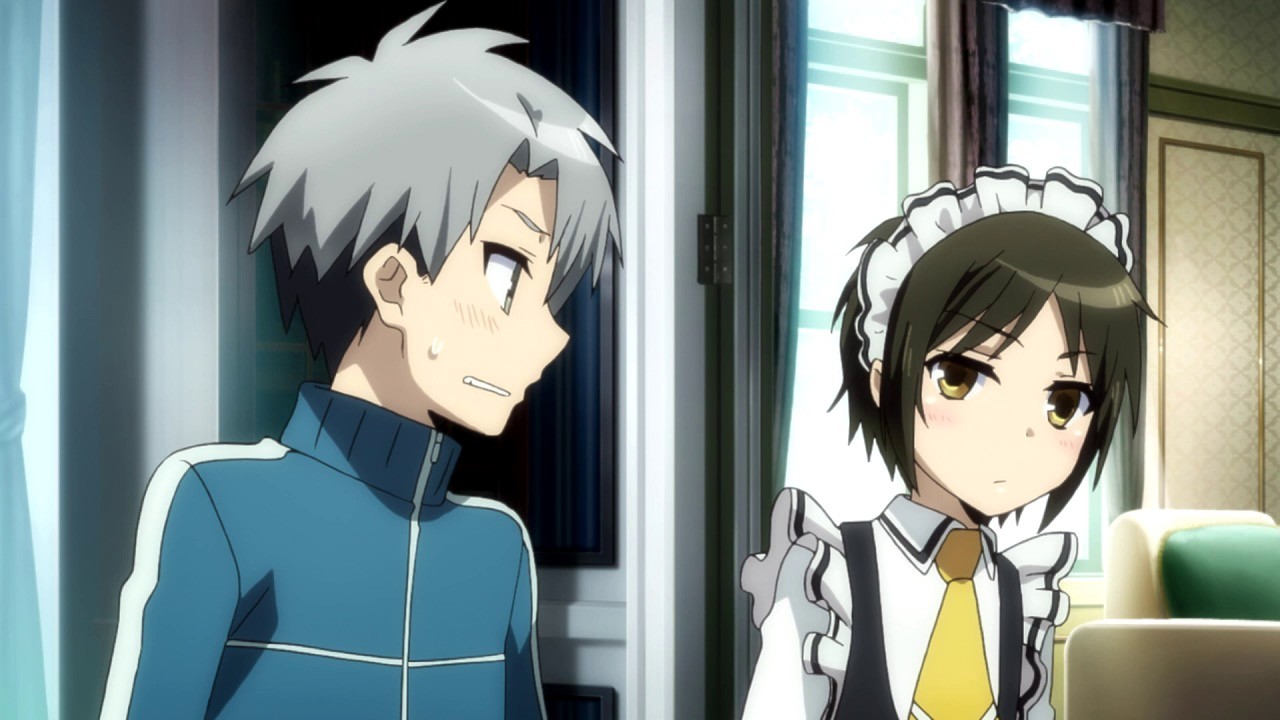
Shonen Maid
Online, the fallout has fractured communities. Reddit threads, YouTube comment sections, and anime forums are full of heated arguments. Hashtags like #LoliIsNotOkay and #ProtectArt trended simultaneously on Twitter, with each side accusing the other of moral extremism or cultural insensitivity. Some artists even reported mass reporting campaigns on platforms like Pixiv and DeviantArt, citing “misuse of UN rhetoric to harass creators.”
Proponents of the UN’s statement argue that normalizing infantilized sexuality—even in fiction—feeds dangerous worldviews and creates blind spots in society. They assert that no artistic merit can justify content that mimics abuse, even symbolically. Critics counter that fictional depictions cannot be policed by subjective feelings and that slippery slope logic could endanger all controversial art.
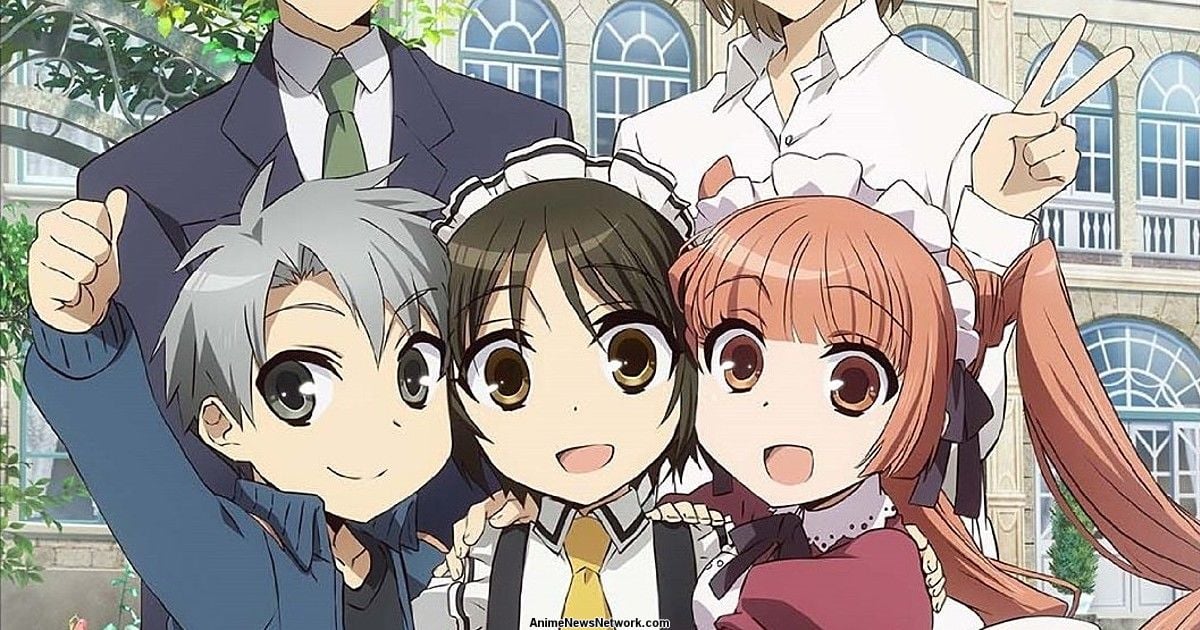
Shonen Maid
While no legal changes have yet occurred, several UN member states are reportedly discussing digital content regulation proposals. Japan remains firm in defending its domestic industries, but pressure from global watchdogs may force a reevaluation of what anime content crosses ethical lines.
With cultural pride, artistic freedom, and child safety now intertwined, one speech has shattered any illusion of consensus—and turned anime’s most contentious trope into a worldwide flashpoint.
Russia has formally outlawed the broadcast and distribution of anime that includes LGBTQ+ themes, following President Putin’s signing of a new expansion to the 2013 “gay propaganda” law. According to the Russian State Duma’s announcement , the revised legislation criminalizes animated content that “normalizes non-traditional sexual relations” for viewers of any age.
Cultural Silencing or National Preservation?
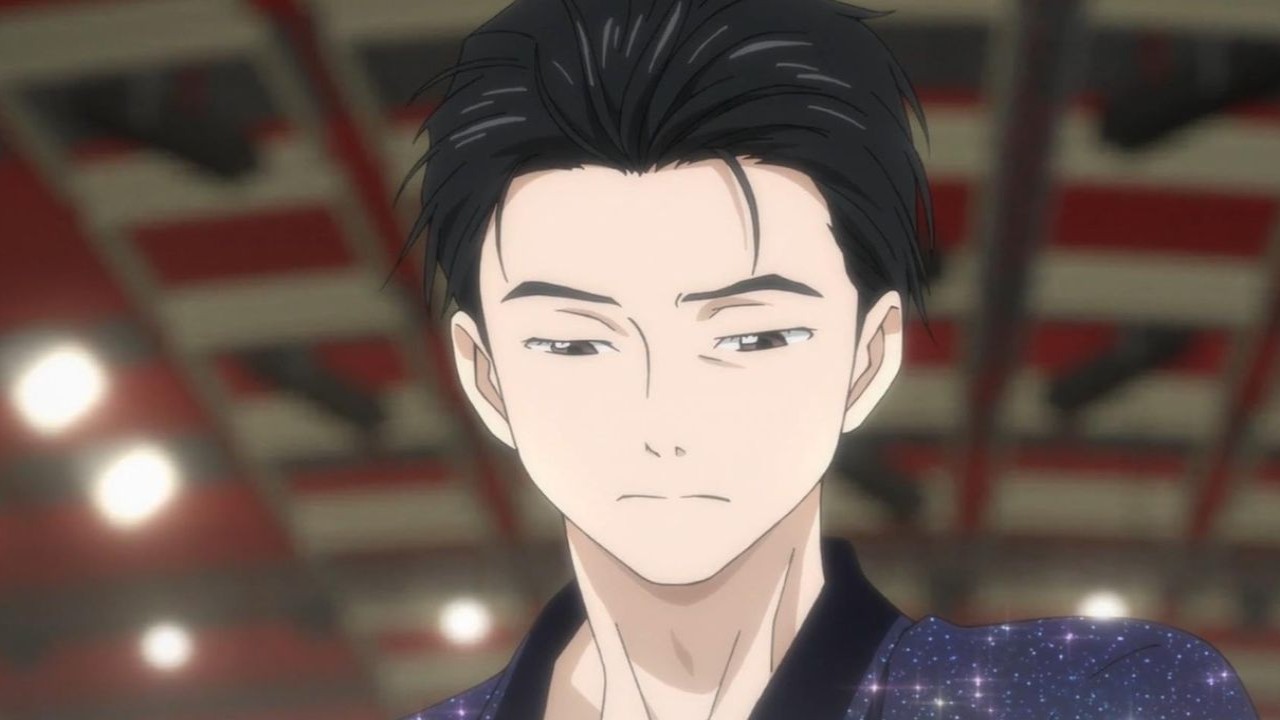
Yuri on Ice
Titles such as Given , Yuri!!! on Ice , and Bloom Into You are already being pulled from streaming platforms inside Russia. The Russian Ministry of Digital Development said the move was essential to “upholding traditional values” and limiting what they described as “foreign ideological infiltration.”
In contrast, LGBTQ+ rights groups and media watchdogs globally condemned the action. Human Rights Watch issued a statement decrying the law as “a direct violation of artistic freedom and queer visibility.” Japan’s Ministry of Foreign Affairs has not issued an official response, but domestic outlets like NHK report growing concern from Japanese studios about being censored in major overseas markets.
Some Russian fans defended the law on local forums, claiming queer themes “don’t belong in children’s media.” However, others, especially younger viewers, used VPNs to organize viewing parties for now-banned titles, framing it as an act of cultural resistance. A Moscow-based animator anonymously told The Moscow Times the law will “kill the anime scene in Russia overnight.”
Boycott Calls and the Global Ripple
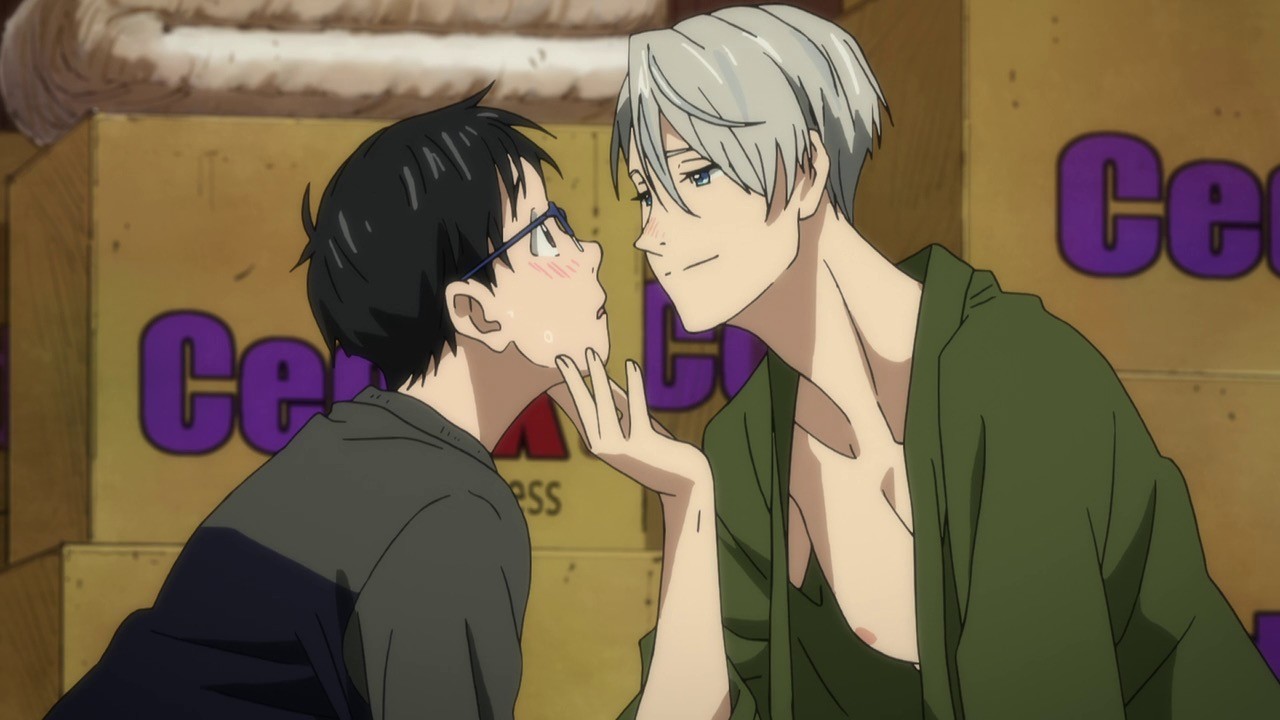
Yuri on Ice
In response, anime fans across social platforms have launched the #BanRussianDistributors campaign, urging studios to suspend licensing agreements with Russian companies. The call has gained momentum in Europe, South America, and Southeast Asia, with thousands pledging to avoid any distributor that supports or complies with the new law.
International animators and queer creators have also spoken out. Prominent voice actors from the U.S. and U.K. signed an open letter urging Japanese studios not to cave to “authoritarian demands that strip away queer representation.” The letter, organized by LGBTQ+ media coalition GLAAD , is circulating widely on social media.
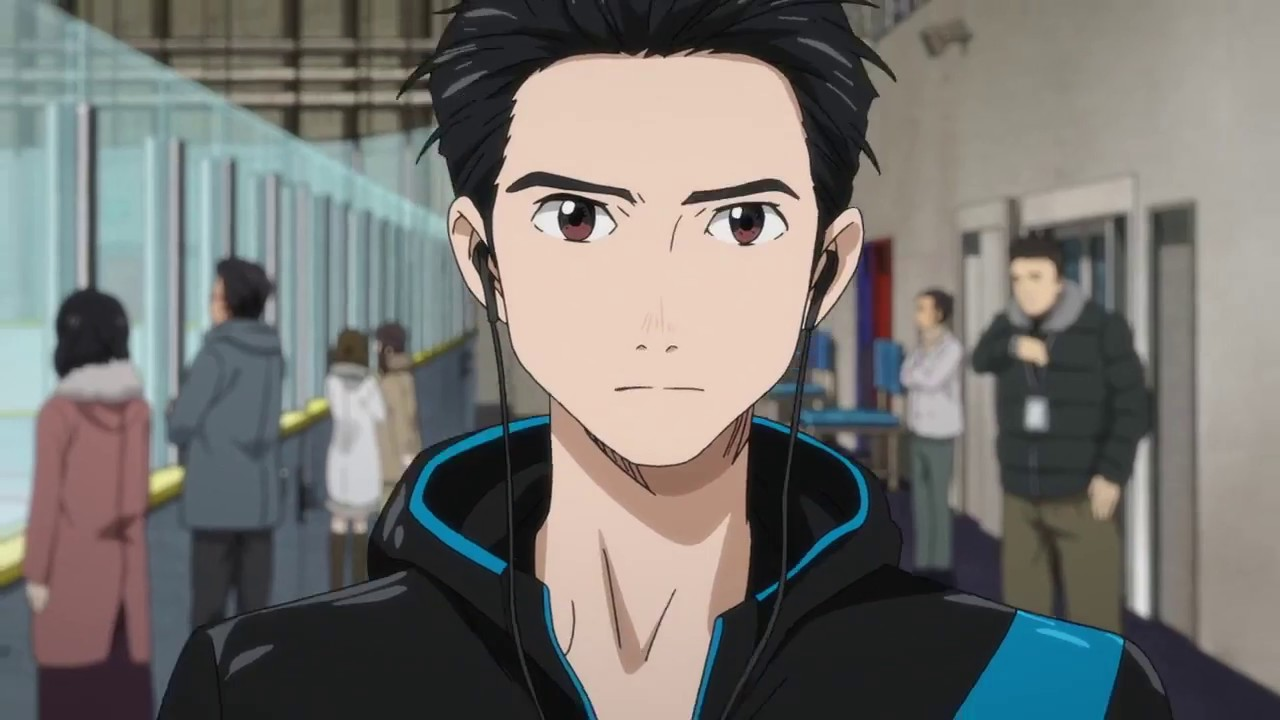
Yuri on Ice
Meanwhile, platforms like Netflix and Crunchyroll have so far declined to comment directly. However, internal sources told Reuters they are reviewing content availability in Russia and considering regional policy adjustments.
As anime continues to expand globally, creators are facing a volatile new frontier where cultural acceptance, creative freedom, and geopolitics collide. Whether studios resist or yield to such bans may define the next chapter of anime’s worldwide legacy.
