Industry whispers suggest MAPPA may have invested more in a single episode of Jujutsu Kaisen Season 2 than what some studios spend on an entire anime season. These claims, circulating among production staff during the show’s tumultuous run, highlight the extreme resource strain behind its ambitious fight sequences and cinematic direction.
While the final results stunned viewers—particularly the Gojo vs. Toji rematch and Shibuya arc battles—staff reportedly worked under brutal pressure. Animators faced overlapping episode deliveries, with some scenes completed mere days before airing. Rumors suggest at least one episode budget may have exceeded ¥100 million, dwarfing entire cour costs of mid-tier anime.
Unmatched Quality Came at a Steep Price
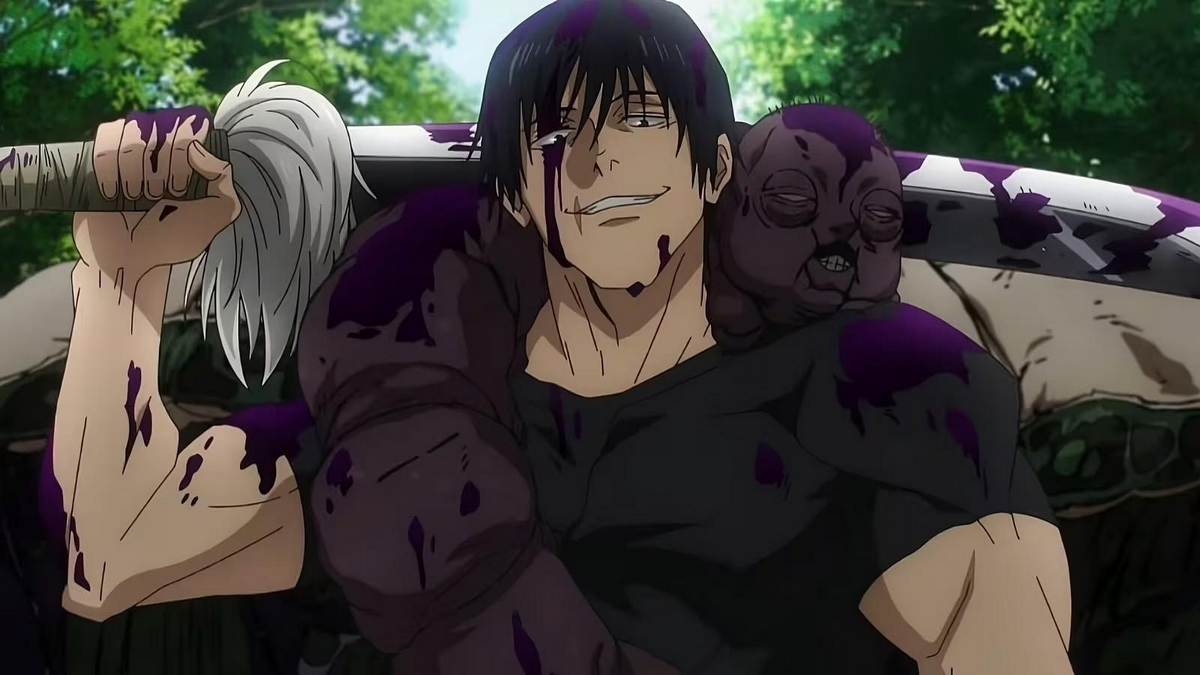
Toji from Jujutsu Kaisen Season 2 (Credits: Mappa)
According to unnamed insiders and freelance animators, MAPPA funneled huge sums into certain episodes to meet expectations. One episode in particular—believed to be Gojo’s Domain Expansion showcase—demanded a staggering number of cuts, top-tier freelancers, and multiple revisions.
This isn’t MAPPA’s first time splurging on visuals. Similar stories emerged during Attack on Titan and Chainsaw Man productions. But what shocked insiders most was the scale of imbalance. Shows like Odd Taxi or Mob Psycho 100 reportedly delivered entire seasons on lower budgets than one standout JJK episode.
The escalating spending has raised questions about sustainability. Despite delivering animation peaks that grabbed audiences, MAPPA’s internal workflow reportedly suffered. Staff burnout, tight schedules, and unclear pipelines led to multiple animators speaking out—some even refusing future offers from the studio.
Is This the Future of Anime Budgets?
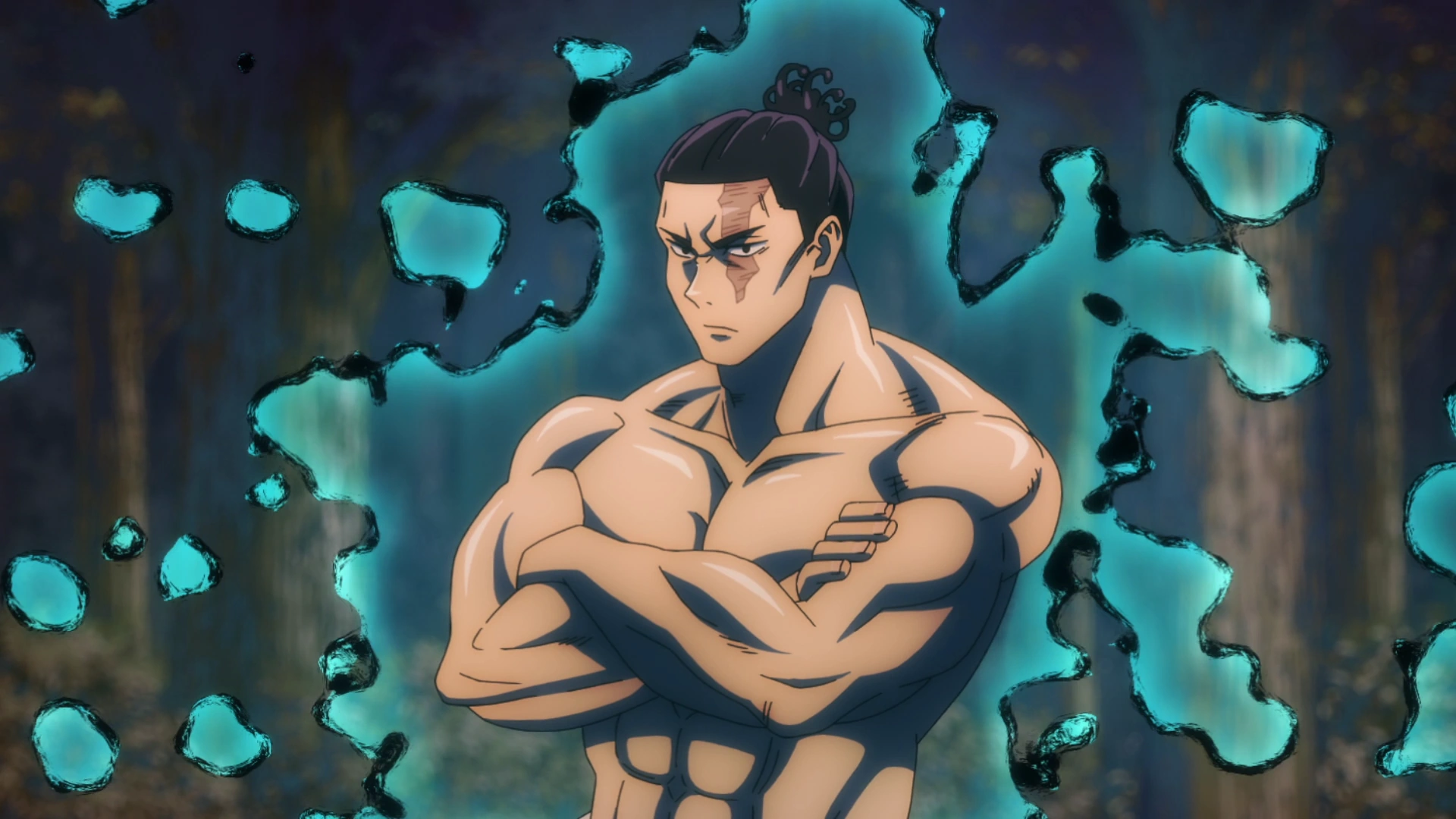
Aoi Todo Credits: Mappa)
MAPPA’s strategy appears focused on spectacle, especially for social media impact. Moments like Mahoraga’s appearance or Sukuna’s rampage went viral worldwide. But at what cost? Some staff argued that overbudgeting singular moments while neglecting team health is no longer viable.
While no official figures were released, staff at industry panels hinted that JJK’s top episodes cost “movie-tier money.” These claims reflect a growing shift—where viral animation wins clout, but long-term production integrity may erode.
As Season 2’s chaos fades, questions remain about Season 3. Will MAPPA scale back to avoid collapse, or double down on bombastic delivery? For many animators, pay isn’t the only issue anymore—it’s the studio’s overall treatment of their time and effort.
Tokyo Revengers may be known for its gang conflicts on screen, but recent interviews reveal the production team dealt with intense clashes off camera. Director Koichi Hatsumi admitted that after replacing Draken’s voice actor due to legal troubles, the studio was bombarded with angry messages, including threats.
The controversy erupted when Tatsuhisa Suzuki, who originally voiced Draken, was dropped following a public scandal. Fans were divided, and some took their frustration too far. Hatsumi’s remarks indicate the backlash went beyond criticism—it became a serious issue for the staff’s safety and morale.
Harassment Following the VA Change
<img loading=“lazy” src=“https://otakukart.com/wp-content/uploads/2024/04/tokyo-revengers.webp" onerror=“this.onerror=null;this.src=‘https://blogger.googleusercontent.com/img/a/AVvXsEhe7F7TRXHtjiKvHb5vS7DmnxvpHiDyoYyYvm1nHB3Qp2_w3BnM6A2eq4v7FYxCC9bfZt3a9vIMtAYEKUiaDQbHMg-ViyGmRIj39MLp0bGFfgfYw1Dc9q_H-T0wiTm3l0Uq42dETrN9eC8aGJ9_IORZsxST1AcLR7np1koOfcc7tnHa4S8Mwz_xD9d0=s16000';" alt=“Ken Wakui, Creator of Tokyo Revengers, Set to Debut New Manga “Negai no Astro” with Shueisha - 3”>
Tokyo Revengers (Credits: Liden Films)
Tatsuhisa Suzuki had been central to Draken’s identity, giving the character his gruff tone and emotional depth. But after his legal situation came to light, production had little choice but to recast. Masaya Fukunishi stepped in, but the reaction wasn’t smooth.
According to the director, messages quickly flooded the studio—ranging from harsh complaints to aggressive threats. He acknowledged that while viewer opinions matter, the line was crossed when personal attacks and harassment began affecting the team.
The Emotional Toll on Staff and Cast
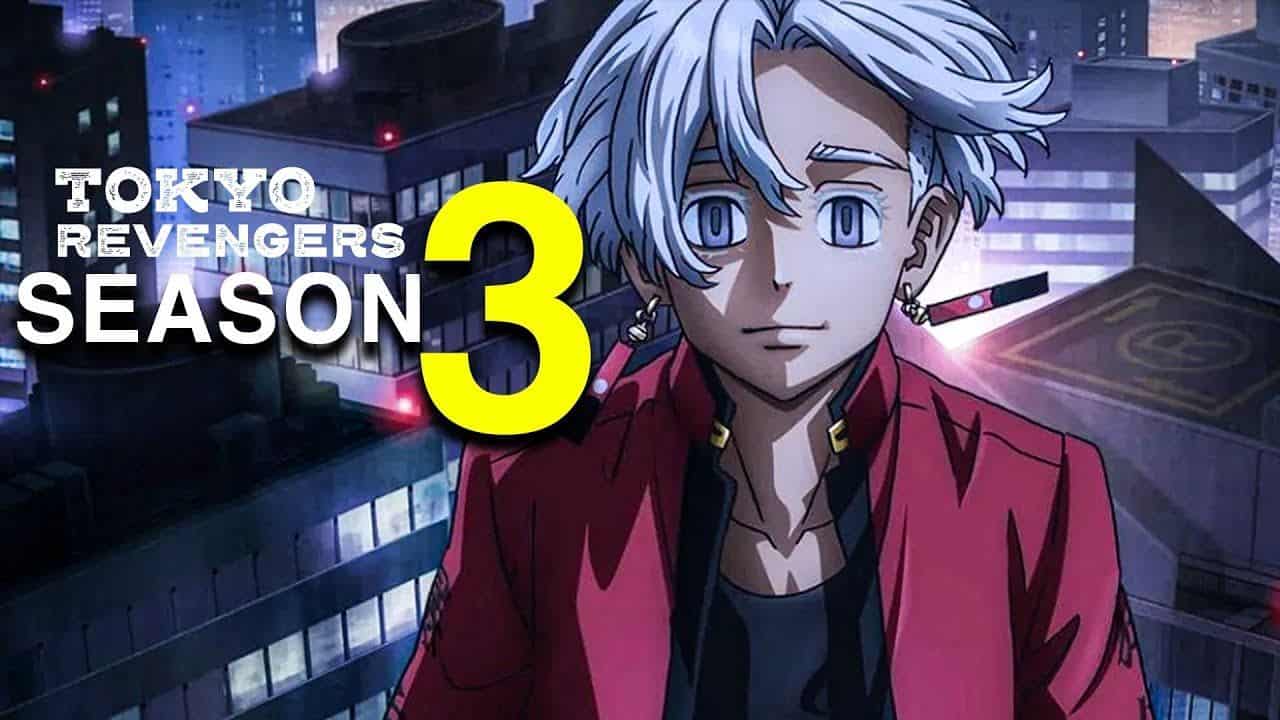
Tokyo Revengers (Credits: Liden Films)
Hatsumi reflected on the impact of the incident, saying some team members were deeply shaken by the volume and tone of the backlash. “It wasn’t just criticism—it felt like we were being punished for doing what we had to,” he said during an interview with a local outlet.
The situation led to added stress behind the scenes, even as production moved forward with later arcs of the anime. Despite strong viewership, internal morale dipped, with some voice actors expressing hesitation about public appearances during the storm.
Fukunishi’s Performance Under Pressure
Tokyo Revengers
Masaya Fukunishi’s casting brought immediate comparisons. He had the daunting task of voicing a beloved character while knowing many fans were already upset. Still, his portrayal gradually won over part of the audience, especially as the narrative progressed into more emotional scenes.
Studio sources noted that Fukunishi took the role seriously and maintained professionalism, even as online discussions questioned the decision. Hatsumi emphasized that it wasn’t a matter of choice—it was a situation they were forced into.