One of the major reasons Attack on Titan became a global sensation was its ability to shift tones and moods as the series evolved. These changes in atmosphere kept fans engaged and continually excited for what was coming next. In season 4, however, the stakes were raised even further as Eren Yeager, the once passionate and determined protagonist, began to embrace moral ambiguity and became a villain in his own right.
With the transition to studio MAPPA, fans had concerns about the new art style, which looked more grim and intense. The characters’ emotions were far more pronounced, making every scene feel more impactful and raw. While the initial reaction was mixed, MAPPA quickly won over the fanbase, particularly with the episode titled ‘Declaration of War’, which became a turning point in the anime’s visual and narrative journey.
Eren’s evolution throughout Attack on Titan has been one of the most compelling arcs in anime. Initially, he was an immature and loud character, but by the time season 4 arrives, he has transformed into a morally gray figure willing to do whatever it takes to achieve his goals. This shift in personality was both shocking and thrilling to watch unfold.
Attack on Titan: How MAPPA’s ‘Declaration of War’ Episode Solidified Their Art Style and Eren’s Dark Turn
Attack on Titan
The ‘Declaration of War’ episode, specifically, marked a critical moment for Eren’s character, and MAPPA did an outstanding job in bringing this pivotal moment to life. The episode showcased Eren’s true power, which had been hinted at throughout the series but never fully realized until now. Despite previous indications of his eventual turn, it was still hard to fathom how the same character who once screamed for justice could become the terrifying figure now on screen.
The tension in ‘Declaration of War’ was built not just through the words of the characters, but through the careful composition of the visuals and music. MAPPA’s attention to detail made it clear from the start that this was a defining moment for the series. As Eren’s conversation with Reiner unfolds, the audience is drawn into a chilling yet fascinating revelation about his motivations. The episode’s masterful pacing allowed Eren’s descent into darkness to feel inevitable yet tragic.
At the same time, the episode focused on Willy Tybur’s speech, which presented Eren as the villain in front of Marley’s citizens. However, Tybur’s words contrasted sharply with Eren’s private conversation with Reiner, in which the viewer is reminded that Eren was once the victim of a brutal world. MAPPA juxtaposed these two scenes perfectly, and as the narrative intensified, so did the score, reinforcing the gravity of the moment.
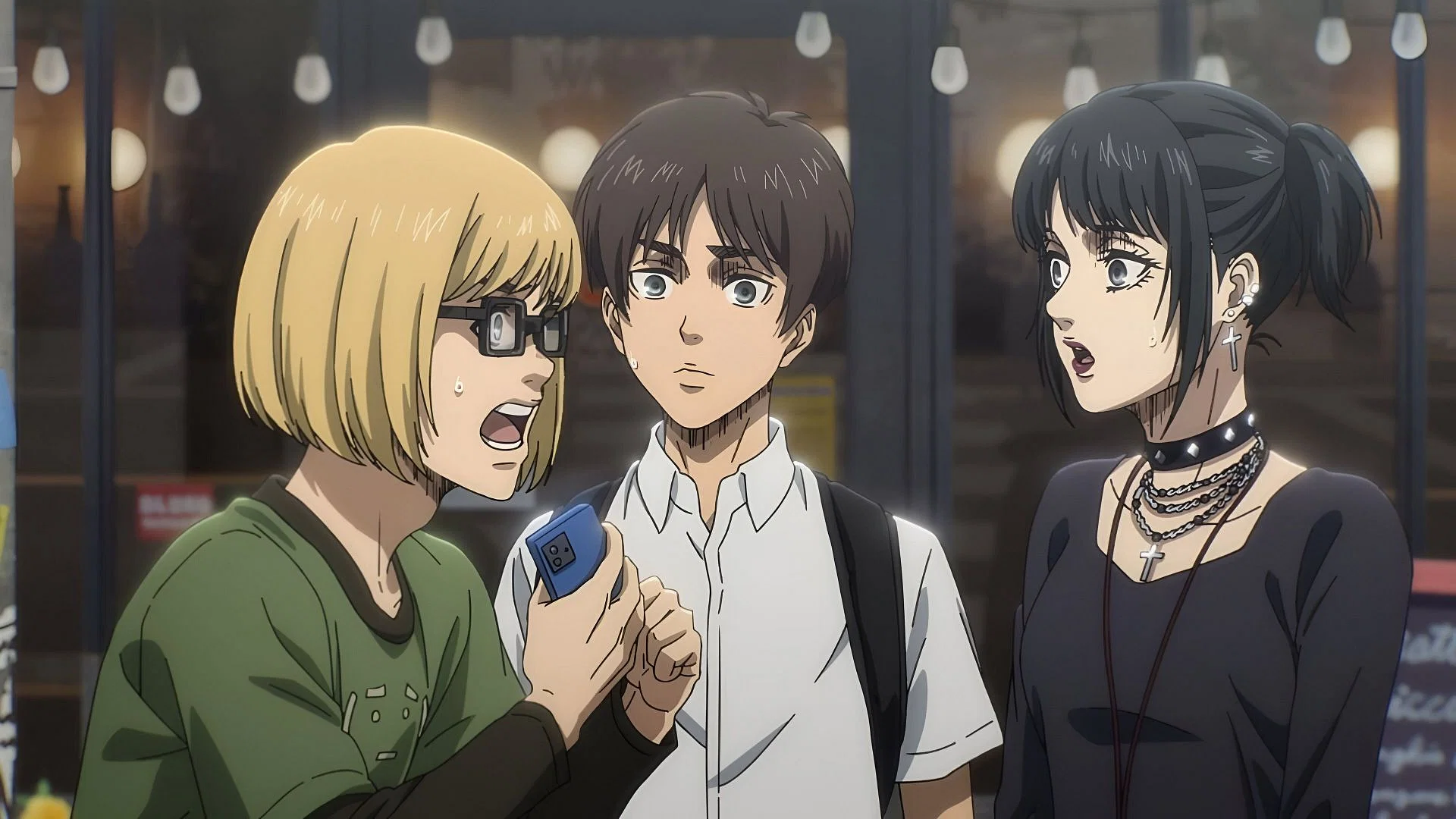
Attack On Titan post credit scene (Mappa)
What makes this episode so striking is how MAPPA handled the emotional weight of both Eren and Reiner’s positions. Eren, now a menacing figure, confidently declares his intentions, while Reiner is visibly burdened by his actions, unable to find peace even in the face of his former comrade. MAPPA’s animation style played a key role in conveying this inner turmoil. The grim intensity of the art style gave every emotion a more palpable presence, making the episode a visual feast and an emotional rollercoaster.
The scene where Eren devours Tybur after his declaration of war was nothing short of cinematic brilliance. The confrontation between these two figures, each with their own vision for the future, was the epitome of Attack on Titan’s thematic depth. The episode was not just a critical point in the plot but also a defining moment in the anime’s artistic journey under MAPPA’s direction.
Ultimately, ‘Declaration of War’ solidified MAPPA as the perfect studio to handle the conclusion of Attack on Titan. The episode encapsulated everything that made the series great: complex characters, intense narrative twists, and art that enhanced the storytelling. The emotional depth and moral complexity of Eren’s transformation would not have been as effective without MAPPA’s careful attention to detail. Their work ensured that this episode became one of the most memorable moments in anime history.
Hayao Miyazaki is undoubtedly one of the most influential directors in anime, and his genius is evident in the timeless appeal of Studio Ghibli films. His unique style and visionary storytelling have garnered immense popularity, but with his repeated retirements and strong-handed approach to filmmaking, the question arises: what does the future hold for Studio Ghibli once Miyazaki steps aside?
Miyazaki has made multiple announcements about his retirement over the years. After the success of Princess Mononoke in 1997, he stated his intention to retire. However, the success of Spirited Away led him to return for Ponyo in 2009. Despite his frequent retirements, he directed The Boy and the Heron, his latest film, further cementing his unwillingness to let go of the creative reins.
The Controlling Nature of Hayao Miyazaki: A Threat to Studio Ghibli’s Future?
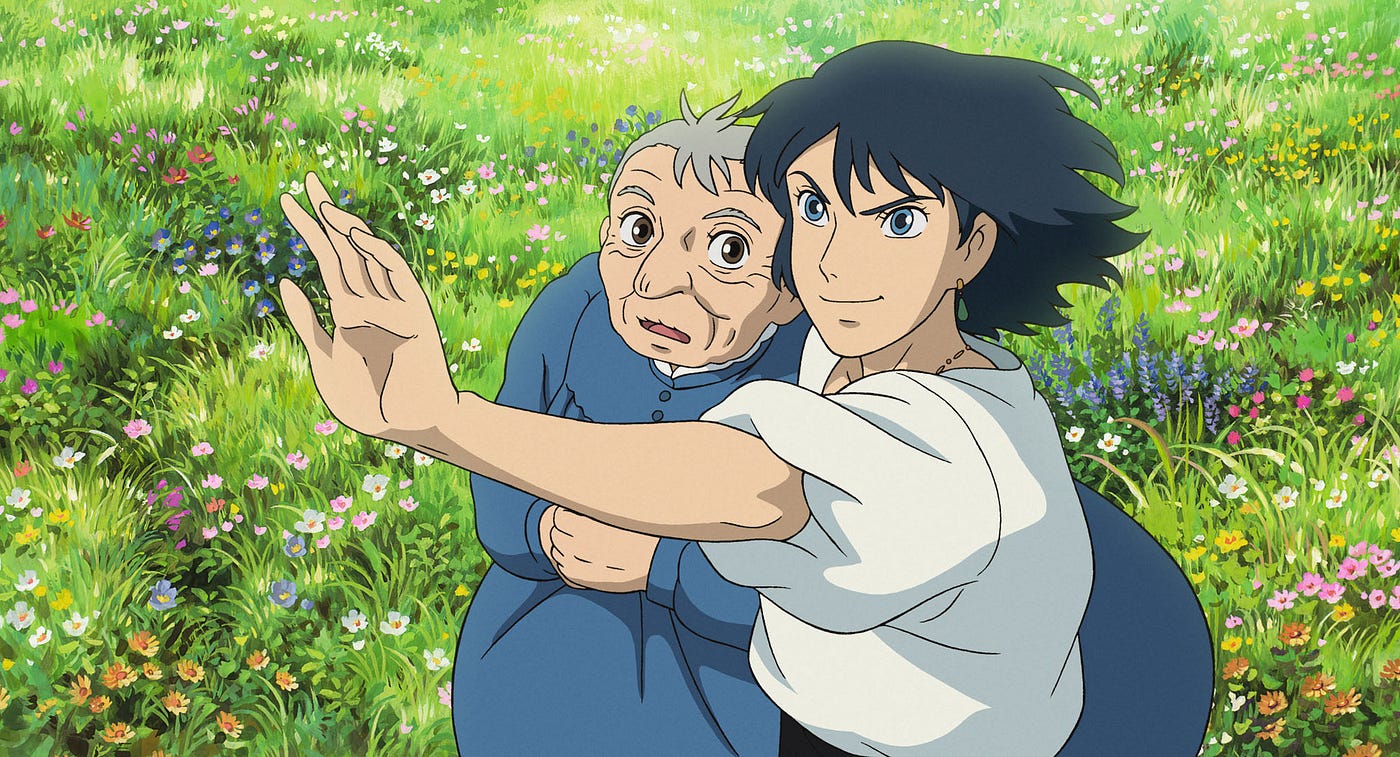
Howl’s Moving Castle (Credits: Studio Ghibli)
In an interview with Xin Jin Bao in 2004, Miyazaki explained that his passion for animation would always bring him back, as he could not trust others to capture the true essence of his vision:
“Although I have thought about leaving the world of animation many times, whenever I see a piece of work that I really like, I would naturally want it to express my own ideas. When I hand it to others, I always think about how this and that should be done. At last, I feel that it will be better if I take up the work myself. In order to bring out the original spirit of the work, I can only return.” —Hayao Miyazaki
While this statement reflects his dedication to maintaining the integrity of his films, it also highlights a potential problem for Studio Ghibli: Miyazaki’s controlling nature could stunt the studio’s long-term growth. His inability to trust others with directing responsibilities creates a bottleneck, hindering the potential for other creative voices to lead the studio into the future.
Former production coordinator of Studio Ghibli, Hirokatsu Kihara, offered a critical perspective on Miyazaki’s leadership, describing him as someone who “speaks like a Yakuza and rules like a politician.” This remark alludes to the director’s authoritarian style and the challenges it posed for those working with him. A prime example of this was his strained relationship with his own son, Goro Miyazaki. Goro, who directed Tales of Earthsea, faced harsh criticism from his father, leading to a prolonged period of silence between the two.
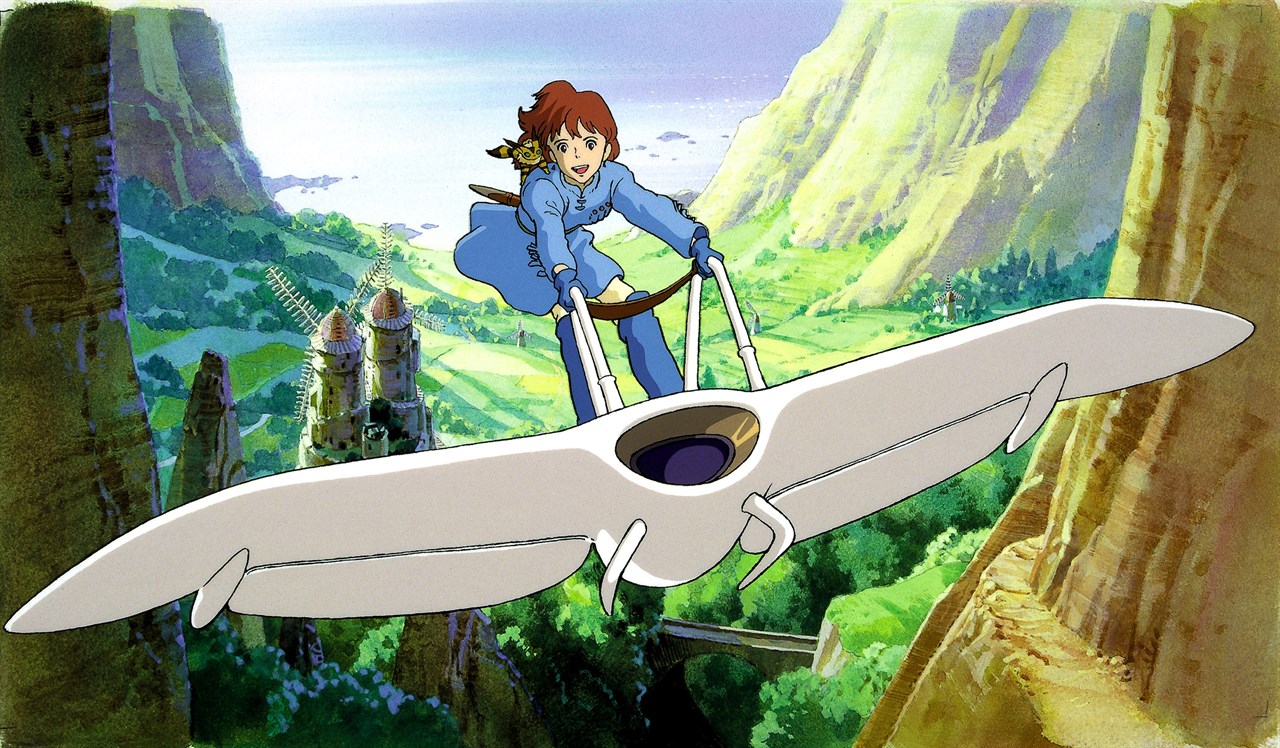
Nausicaä of the Valley of the Wind (Credits: Studio Ghibli)
In another instance, Mamoru Hosoda, a director known for his work on Digimon Adventure: Our War Game!, was initially chosen to direct Howl’s Moving Castle. However, after a few months, Hosoda walked away from the project, citing creative differences with Studio Ghibli. He explained that the studio insisted on making the film in a manner similar to Miyazaki’s style, while Hosoda had his own vision for the project:
“I was told to make [the movie] similar to how Miyazaki would have made it, but I wanted to make my own film the way I wanted to make it. The difference between the film I wanted to do and how they wanted to do it was too great, so I had to get off the project.” —Mamoru Hosoda
Hosoda’s departure sheds light on the inherent difficulties of working within the constraints of Miyazaki’s established style. The director’s strong will often leads to a creative environment where there is little room for new ideas or fresh perspectives. This, in turn, may limit the studio’s ability to evolve and adapt to changing times, especially as new generations of filmmakers emerge
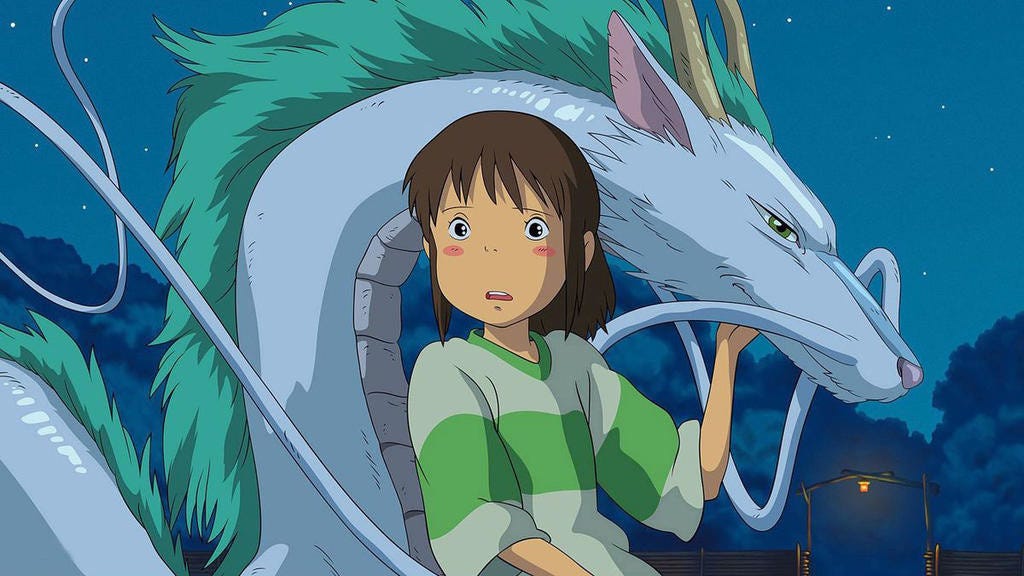
Spirited Away (Credits: Studio Ghibli)
.
Miyazaki’s reluctance to pass the torch and allow others to direct under his banner is a key issue that could jeopardize the future of Studio Ghibli. While his films remain beloved by audiences worldwide, the studio’s survival depends on its ability to cultivate new talent and embrace a broader range of creative voices. If Miyazaki remains the sole creative force, Studio Ghibli may struggle to remain relevant as the industry evolves, potentially leading to its decline once he eventually steps away for good.
The fate of Studio Ghibli will ultimately depend on whether Miyazaki can overcome his controlling nature and trust others with the legacy he has built. If the studio is to continue thriving, it must find a way to integrate fresh ideas while maintaining the high standards set by its founder.
