Since the inception of Boruto: Two Blue Vortex , fans have been grappling with the evolving roles of the characters in this next generation of the Naruto universe.
As with many sequels, spin-offs, or continuations of beloved franchises, fans have mixed emotions and confusion about how their favorite characters from the previous series fit into the new storylines.
In the case of Boruto: Two Blue Vortex, the central character, Boruto Uzumaki, is evidently the protagonist, much like his father Naruto was in the original Naruto series.
However, the roles of other characters are less clear, leaving fans puzzled.
One of the most perplexing aspects for fans has been determining the identity of the primary antagonist in the story.
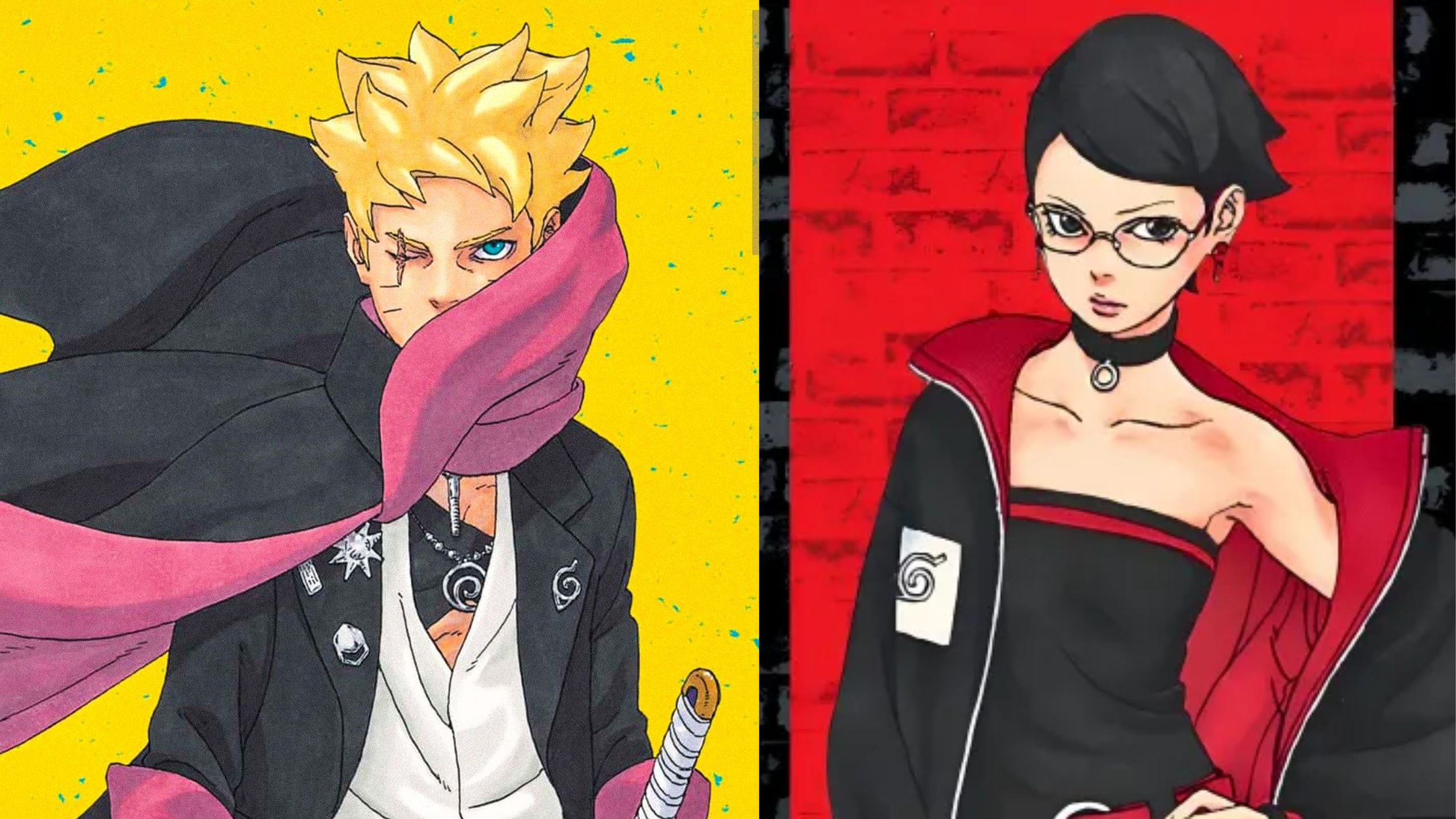
Boruto And Sarada From Boruto: Two Blue Vortex (Shueisha)
While Boruto: Two Blue Vortex has been serialized for over a year, the identity of the true villain remains ambiguous.
The storyline has introduced several potential antagonists, leaving readers and viewers speculating. Is the villain Kawaki, Boruto’s friend-turned-foe? Could it be Code, a mysterious character with unclear motives?
Perhaps the ominous Divine Trees that were integral to the plot of Boruto and Naruto hold the key to the larger conflict? Or could there be an entirely new villain who has yet to fully reveal their intentions?
Despite the confusion surrounding the antagonist, fans recently received clarity regarding another important aspect of the series the role of the main female character.
According to a recent comment from Naruto and Boruto creator Masashi Kishimoto, Sarada Uchiha is officially the main female character of Boruto: Two Blue Vortex.
This confirmation provides fans with some much-needed insight into the character dynamics of the series and sheds light on Kishimoto’s intentions regarding Sarada’s role.
Masashi Kishimoto Confirms Sarada’s Role in Boruto: Two Blue Vortex
For long-time fans of Naruto and Boruto, the involvement of Masashi Kishimoto and his insights into the series are always eagerly anticipated.
Kishimoto is the original creator of the Naruto manga, and his continued presence and contributions to the Boruto series serve as a guiding force, ensuring the continuity and consistency of the narrative and character development.
Recently, both Kishimoto and Boruto manga illustrator Mikio Ikemoto made a special appearance at the Kana event in France.
This appearance was highly anticipated by fans, as it offered the creators an opportunity to speak about the Naruto and Boruto series directly to an international audience.
During this event, they discussed various aspects of the series, touching on themes, characters, and their respective roles in both manga.
One of the highlights of this event was Kishimoto’s reflection on the differences between Naruto and Boruto, particularly in the way the characters are portrayed.
Masashi Kishimoto mentioned Sarada Uchiha in the interview as the main female character who has been graphically successful 🔥 Stated in an article written by journalist Arnaud TRUCHET, in a French newspaper, La Nouvelle République pic.twitter.com/28Xpf3YTua — Sky🥗 (@sarada_holic) September 2, 2024
Fans have often debated how the next generation in Boruto compares to their parents in Naruto.
These discussions extend to both their powers and abilities as ninjas and their personalities and character development.
Kishimoto admitted that, while he felt that he succeeded in portraying Sasuke Uchiha as a well-rounded deuteragonist in the Naruto series, he struggled to achieve the same level of success with Sakura Haruno, who was supposed to be the central female character of Naruto.
In his candid remarks, Kishimoto stated that he found it challenging to fully understand and convey the complexities of a young woman’s heart.
This lack of understanding led to Sakura being underdeveloped as a character, especially when compared to her male counterparts.
In Naruto, Sakura was meant to play an essential role, yet her character’s development often felt sidelined.
While she was undoubtedly a key member of Team 7 alongside Naruto and Sasuke, her personal growth and backstory did not receive the attention fans had hoped for.
According to Kishimoto, this failure to properly flesh out Sakura’s character is something he now acknowledges.
Kishimoto also pointed out that this lack of character development was reflected in Sakura’s backstory, or rather, the lack thereof.
Unlike Naruto and Sasuke, who both had rich, tragic backstories that helped shape their identities, Sakura’s past was never explored in great detail.
Fans never got to learn much about her family or her life before becoming a ninja. This absence of depth in her background further diminished her character’s potential in the final narrative.
However, when it comes to Sarada Uchiha , Sasuke and Sakura’s daughter, Kishimoto expressed a different sentiment.
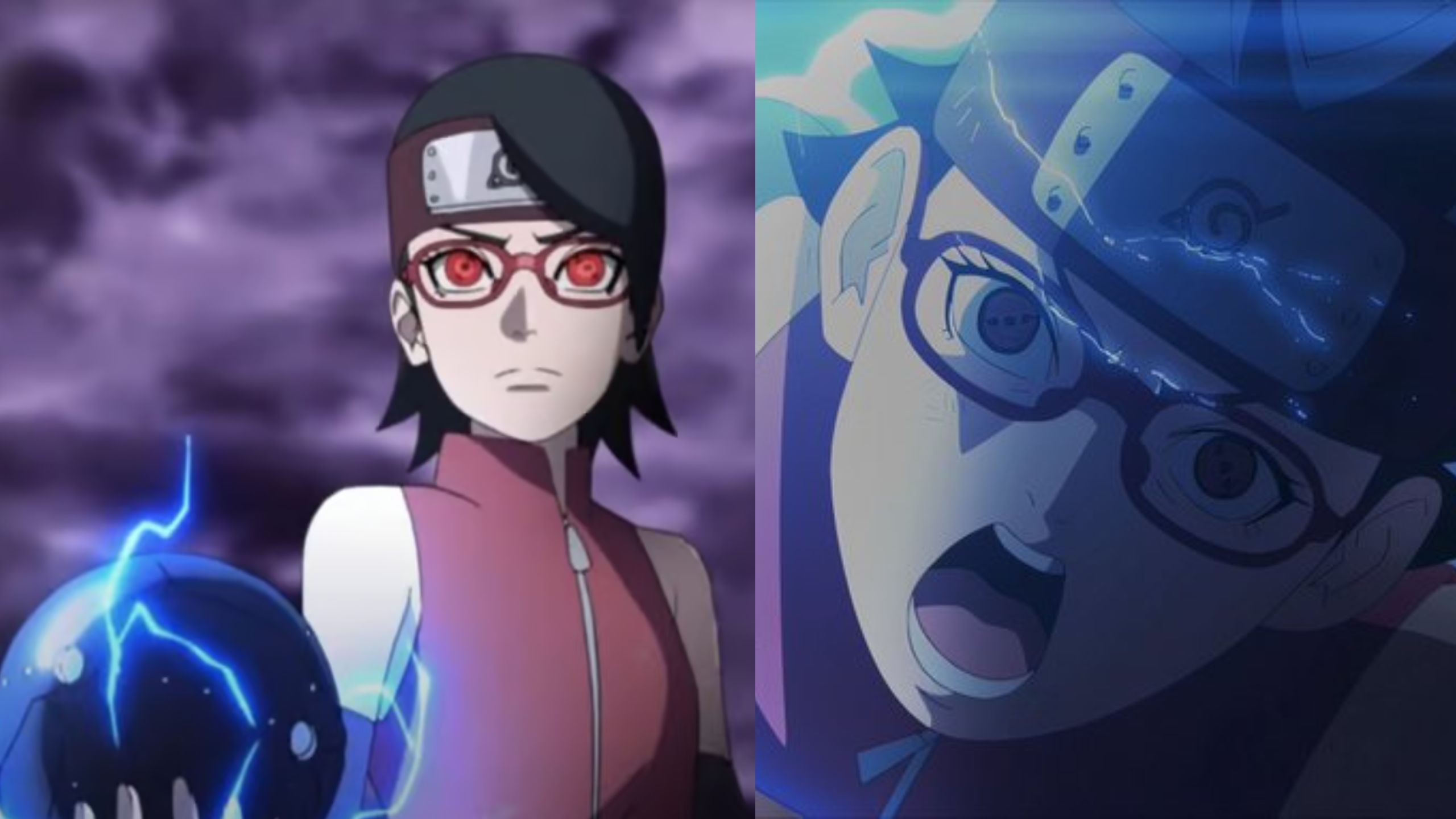
Sarada From Boruto (Image via Crunchyroll)
He believes that Sarada has been handled much better than her mother ever was in the Naruto series.
This is largely due to the efforts of Boruto manga artist Mikio Ikemoto, who has succeeded in portraying Sarada as the central female character in Boruto: Two Blue Vortex .
Sarada Uchiha: A More Developed Character Than Sakura
Unlike Sakura, Sarada has been depicted as a more independent and fleshed-out character. From the very beginning of Boruto,
Sarada’s character has stood out. She is not only a skilled ninja but also someone who has strong convictions and a clear sense of self.
This has resonated well with fans, many of whom appreciate how Sarada is not defined solely by her relationships with other characters but by her own personal journey.
One of the key aspects of Sarada’s character that has been praised is her self-reliance.
While she cares deeply about her family and friends, Sarada is not portrayed as someone who is overly dependent on others.
This marks a significant departure from the portrayal of her mother, Sakura, especially in the early parts of Naruto.
Sakura, particularly in the early days of Naruto, was often criticized for being too dependent on others, especially on Sasuke and Naruto, which made her appear less capable as a ninja and a character.
Sarada, on the other hand, is a character who has been shown to have her own goals and aspirations.
Her dream is to become the Hokage, the leader of the Hidden Leaf Village, which is a significant ambition that drives her character forward.
This ambition is reminiscent of Naruto’s own goal of becoming Hokage, creating an interesting parallel between Sarada and the titular character of the original series.
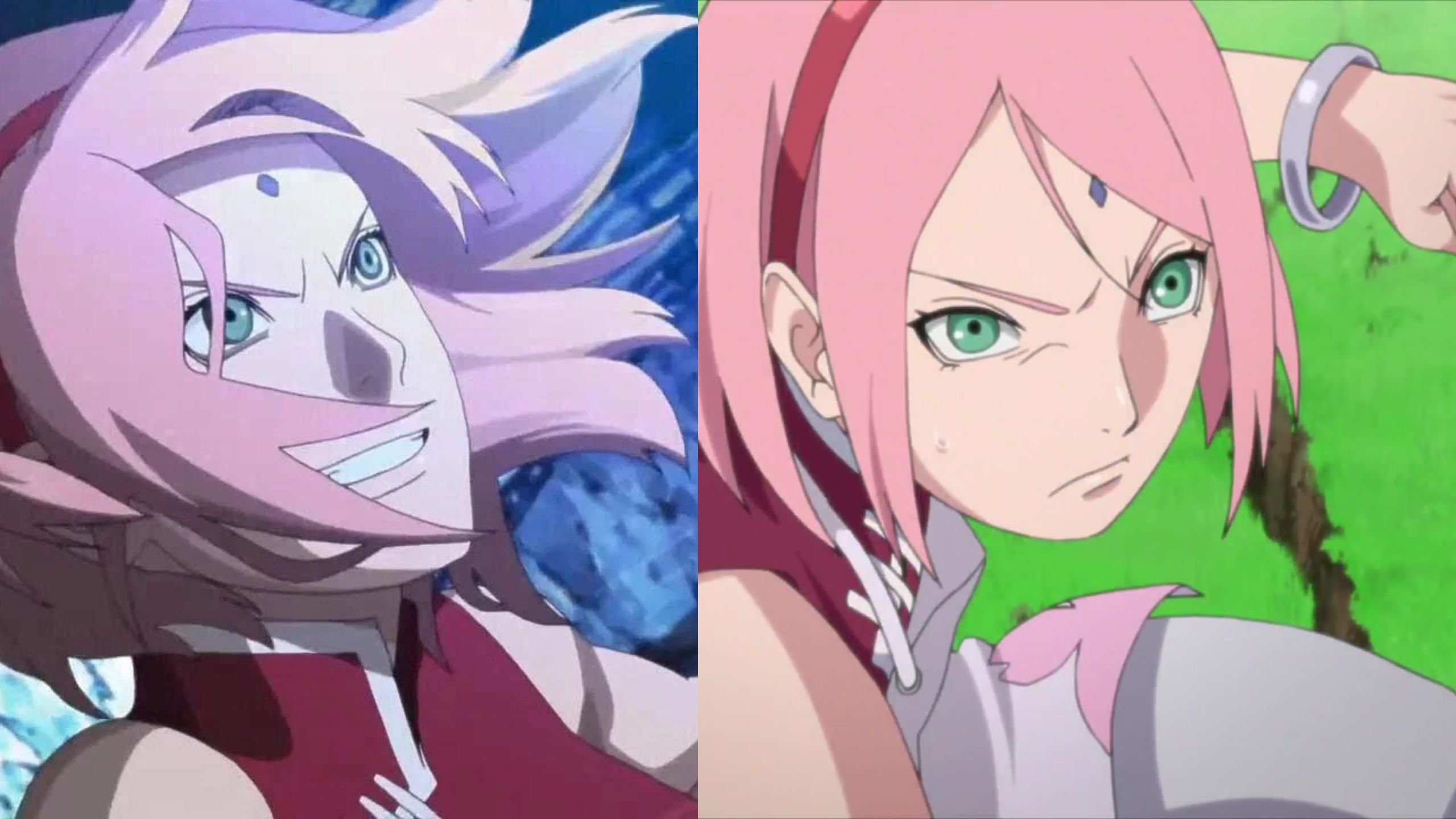
Sakura Haruno From the Boruto (Studio Pierrot)
However, while Naruto’s journey was often driven by his desire to be acknowledged and to overcome his difficult past, Sarada’s journey is more about proving her capabilities and leadership qualities in her own right.
Moreover, Sarada’s relationship with her parents, Sasuke and Sakura, has been depicted in a nuanced and touching manner.
Fans have had the opportunity to see Sarada’s interactions with both her parents, which has allowed for a more rounded view of her family life.
Her bond with her father, Sasuke, is especially interesting. Unlike Naruto, who grew up without his parents, Sarada has the benefit of knowing both her mother and father.
However, Sasuke’s long absences due to his missions create a dynamic where Sarada both admires and feels distant from him.
This complex relationship is something that has added layers to Sarada’s character. The relationship between Sarada and her mother, Sakura, is also well-developed.
Sakura, who was often portrayed as somewhat insecure in Naruto, comes across as a more mature and confident character in Boruto, largely due to her role as Sarada’s mother.
The growth in Sakura’s character in Boruto is, in part, a reflection of her relationship with Sarada, who looks up to her mother as a strong and capable woman.
Sarada’s Design and Personality: A Success for Mikio Ikemoto
Kishimoto’s praise for Sarada does not stop at her character development and relationships. He also highlighted Mikio Ikemoto’s success in handling Sarada’s character design.
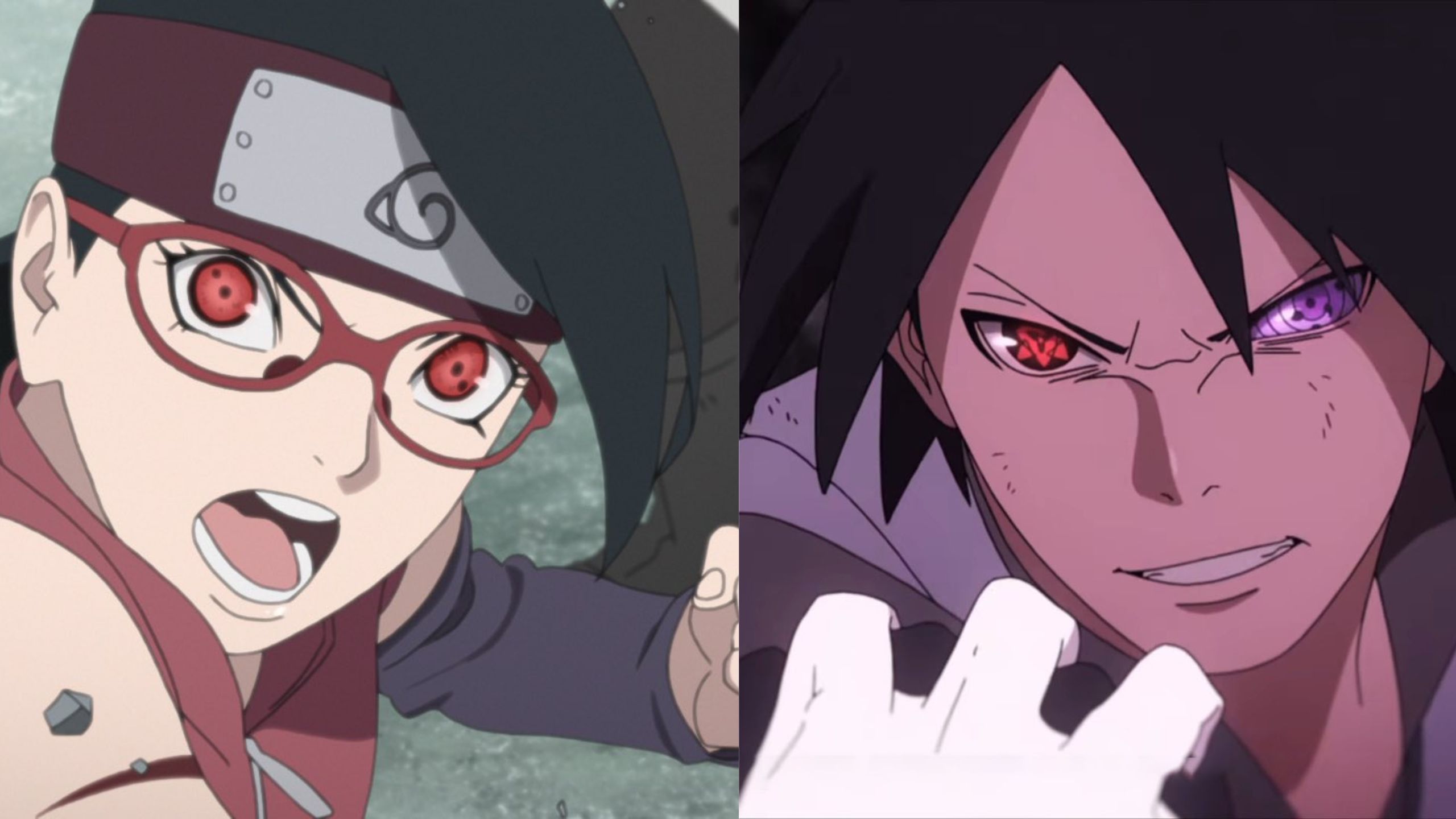
Sarada Uchiha And Sasuke Uchiha From Boruto (Studio Pierrot)
According to Kishimoto, Sarada is one of the best-designed characters in Boruto, both in terms of her physical appearance and her personality traits.
He referred to her as a standout character at the “graphic level,” which speaks volumes about how much care and thought has gone into crafting her visual identity.
Sarada’s design reflects both her Uchiha heritage and her own individuality. She has inherited the iconic Uchiha Sharingan, a powerful eye technique that is a hallmark of her clan.
However, her physical appearance also incorporates elements that set her apart from her father and other Uchiha clan members.
Sarada’s glasses, for example, are a distinctive feature that makes her easily recognizable.
In a world where many characters have similar ninja attire, her glasses are a small but significant detail that contributes to her unique design.
Beyond her appearance, Sarada’s personality is another area where Ikemoto has succeeded. She is portrayed as level-headed, intelligent, and compassionate.
Unlike some of her peers who may be more impulsive or hot-headed, Sarada often takes a more measured approach to challenges.
This makes her a natural leader, even among her friends and teammates. Her intelligence and strategic thinking are qualities that she likely inherited from her father, Sasuke, who is known for his analytical mind.
At the same time, Sarada has shown herself to be empathetic and caring, qualities that are often associated with her mother, Sakura.
This blend of traits from both her parents makes Sarada a well-rounded character who feels grounded and relatable, despite her extraordinary abilities as a ninja.
Sarada’s Role in Boruto: Two Blue Vortex
With Kishimoto’s confirmation that Sarada is the main female character of Boruto: Two Blue Vortex, fans now have a clearer understanding of her importance in the series.
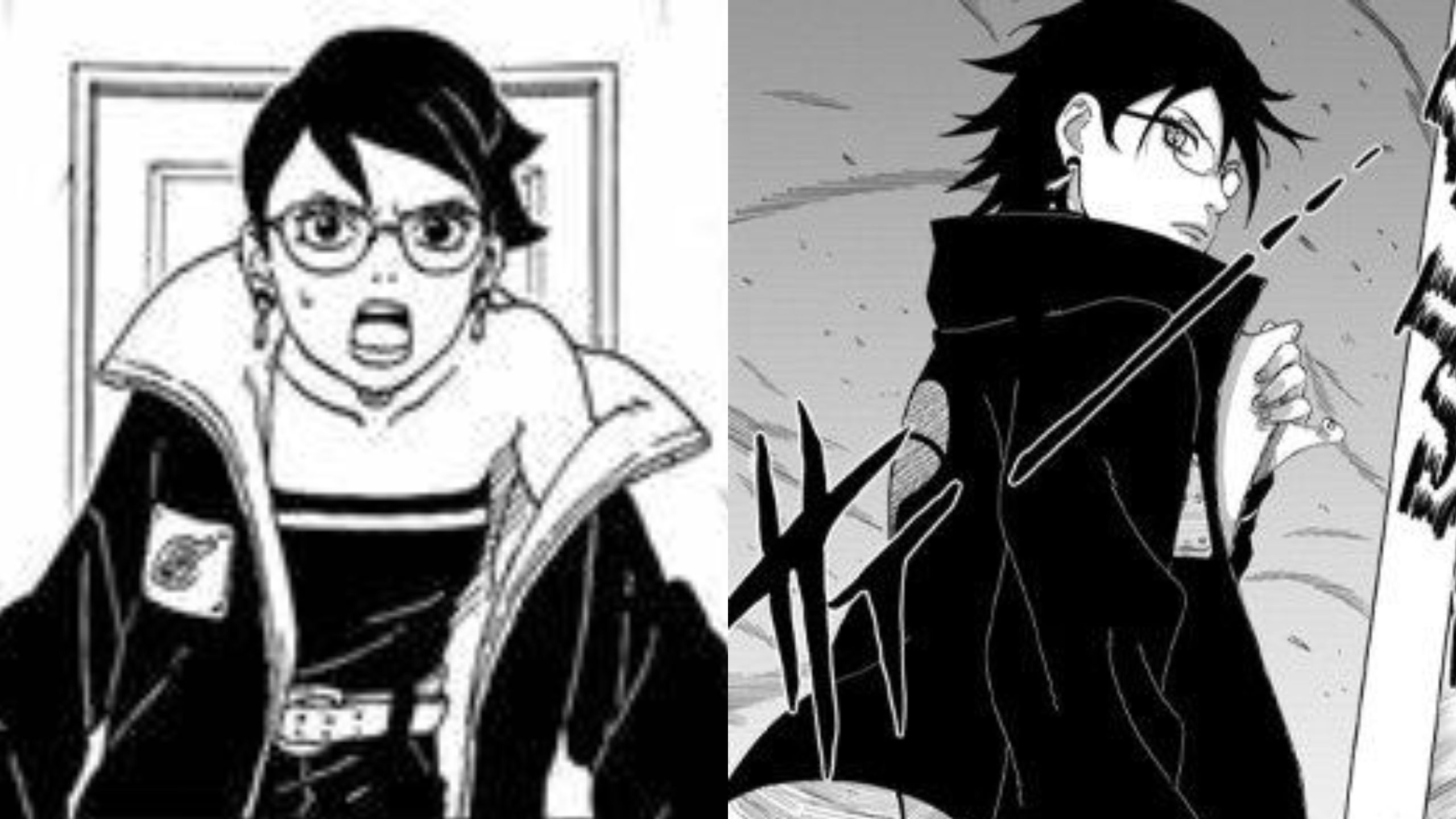
Sarada Uchiha From Boruto Two Blue Vortex manga (Shueisha)
While other characters may have ambiguous or evolving roles, Sarada’s place as the central female figure is secure.
This recognition from Kishimoto validates the positive reception that Sarada has received from fans and solidifies her status as a key player in the Boruto storyline.
In the grand narrative of Boruto: Two Blue Vortex, Sarada’s role is likely to continue evolving. As the story progresses, her ambition to become Hokage and her personal growth will be central to the plot.
Her relationships with Boruto, Mitsuki, and other characters will also play a significant role in shaping the future of the series.
While fans may still be debating the identity of the main antagonist in Boruto: Two Blue Vortex, one thing is now certain: Sarada Uchiha is the main female character of the series.
With Masashi Kishimoto’s acknowledgment and Mikio Ikemoto’s careful handling of her character, Sarada has become one of the most beloved and well-developed characters in the Boruto universe.
As the story continues to unfold, fans can look forward to seeing more of Sarada’s journey and her impact on the world of Boruto.
With the final chapter of Jujutsu Kaisen approaching, fans are eagerly anticipating the ending of one of the most beloved manga series of recent times.
While many aspects of the series have attracted the readers such as the intense battles, intriguing plot twists, and powerful antagonists there is one relationship that has flown under the radar: the dynamic between Satoru Gojo and Yuta Okkotsu.
This nuanced bond between the two powerful sorcerers represents one of the most compelling yet underrated aspects of the series.
While their relationship may not receive as much attention as others, like Gojo’s with Yuji Itadori, it carries significant emotional and narrative weight.
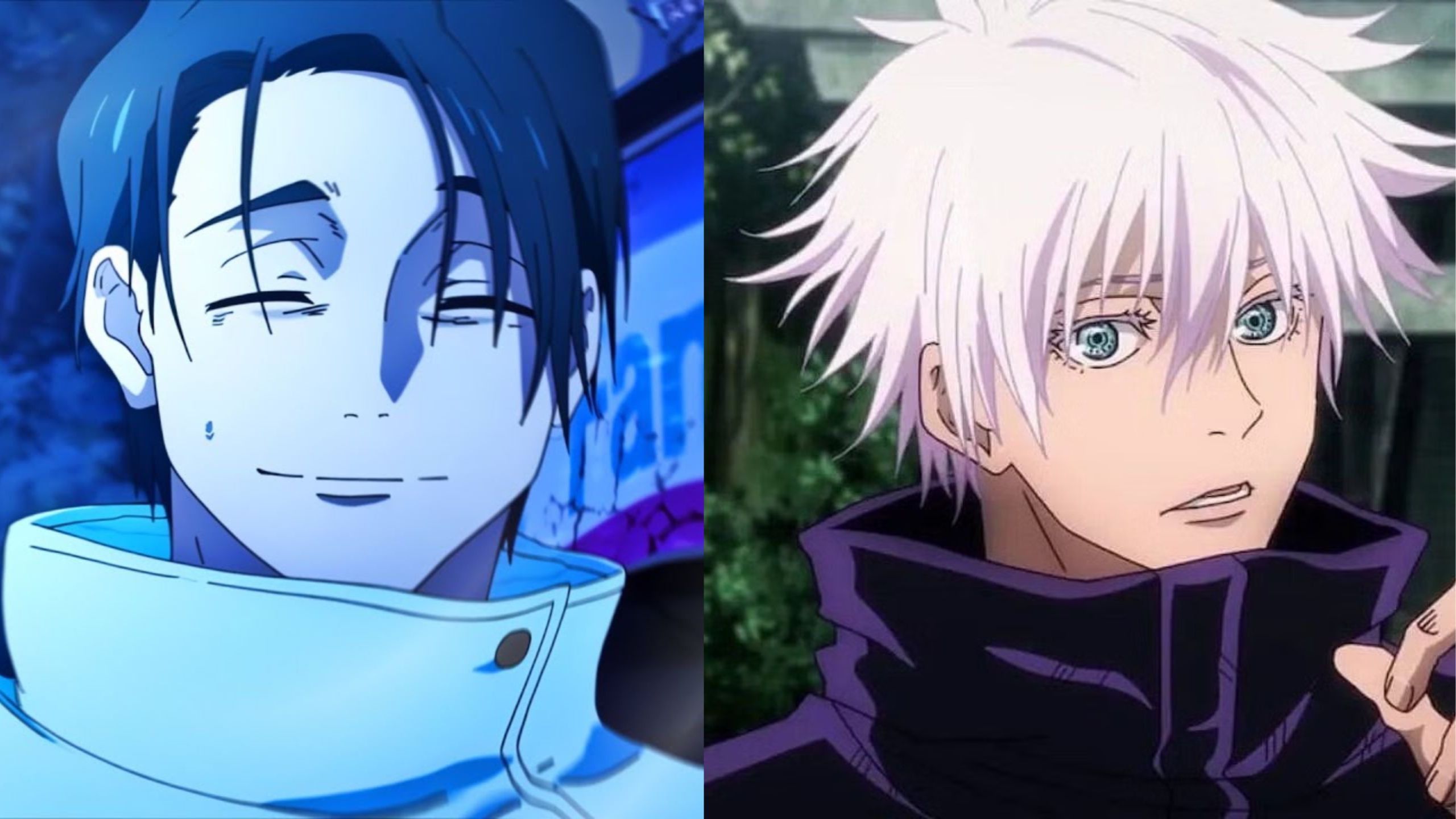
Yuta And Gojo (MAPPA)
Beneath the surface, there’s a deeper level of trust and mutual understanding that is not always spoken but remains a central element in shaping the series’ progression.
Their bond may seem one-sided, especially from Yuta’s perspective, but Gojo, the Honored One, places immense trust in Yuta arguably more than in any other student he has taught.
This layered relationship is worth exploring in greater depth, as it adds an additional dimension to both characters and enriches the final story of Jujutsu Kaisen.
Gojo’s Approach to Yuta: A Mentor with a Personal Touch
Gojo’s relationship with his students at Jujutsu High has always been unique, but his dynamic with Yuta stands out in a significant way.
Introduced initially in Jujutsu Kaisen 0, Yuta is brought into the fold as a special-grade cursed sorcerer due to the powerful curse of his childhood friend, Rika Orimoto.
This immediately sets him apart from the other students, as Yuta is not just another promising sorcerer he’s already burdened with immense, uncontrollable power.
Gojo recognizes Yuta’s potential and takes a more hands-on approach with him compared to his other students.
The first thing Gojo does is place Yuta in Maki Zenin’s class, allowing him to receive basic training in cursed energy manipulation.
This seems like a typical mentor move, but Gojo’s commitment to Yuta goes beyond mere training.
From the outset, Gojo’s objective is not just to make Yuta stronger, but to help him control the curse of Rika and grow into his abilities.
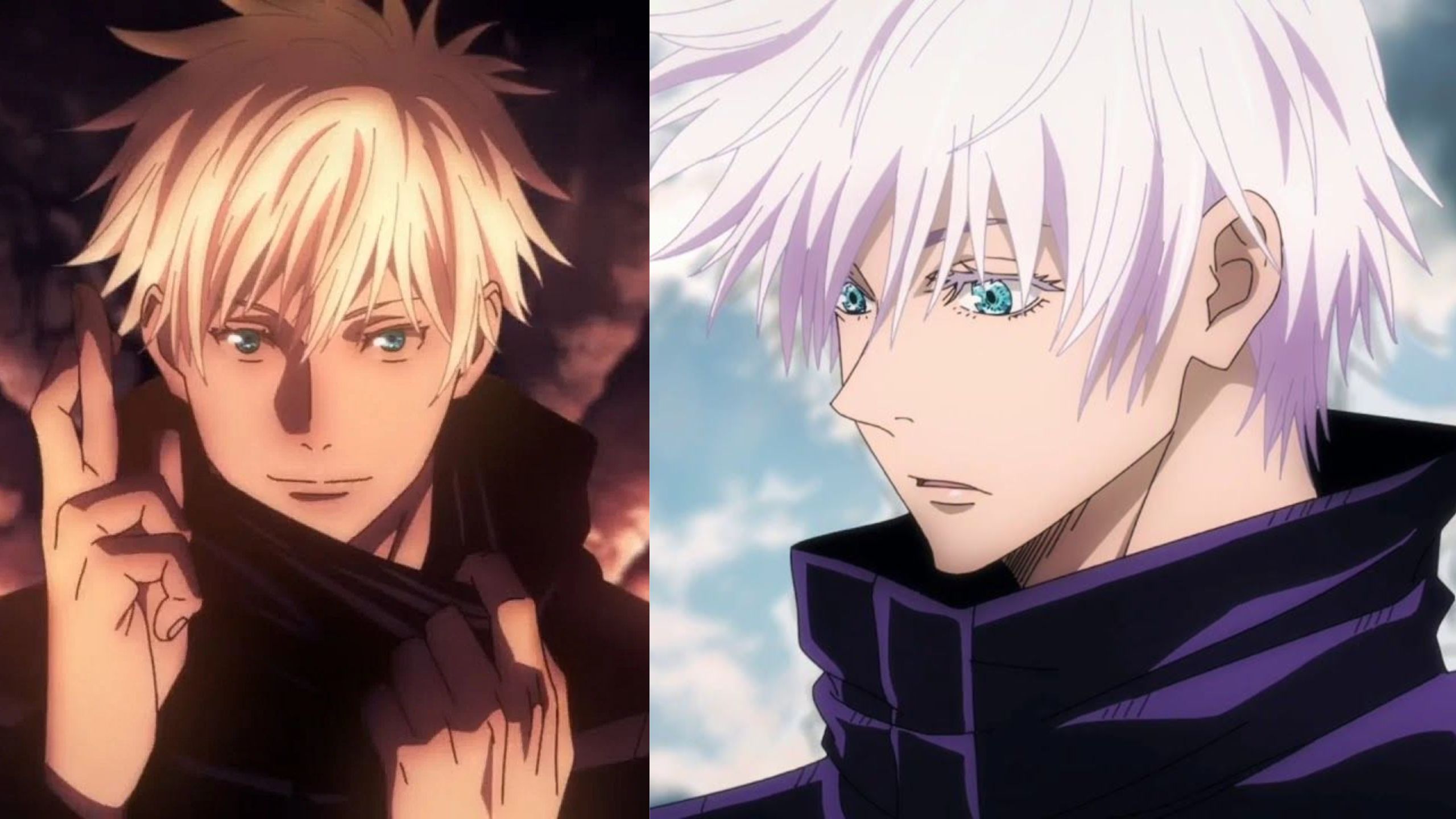
Gojo Satoru (MAPPA)
Gojo, aware of Yuta’s internal struggles, ensures that Yuta can handle his cursed energy responsibly while simultaneously lifting the burden of Rika’s curse.
In many ways, Gojo acts as both a teacher and a guide, leading Yuta through one of the most difficult and emotionally taxing periods of his life.
At the end of Jujutsu Kaisen 0, Yuta accomplishes something remarkable. He manages to lift the curse of his childhood friend Rika, transforming her energy into his own cursed technique.
It’s a significant moment, not only for Yuta but for Gojo as well. It demonstrates that Gojo’s belief in Yuta wasn’t misplaced and confirms that Yuta’s power, when properly harnessed, could be one of the most formidable assets in the jujutsu world.
Following this, Gojo sends Yuta abroad with Miguel, a former adversary, to help him further refine his abilities. Even in Yuta’s absence from the main story, Gojo’s influence remains strong.
Yuta returns to Japan during Itadori’s Execution arc, showcasing how much he has grown as a sorcerer under Gojo’s guidance.
By this time, Yuta is no longer the insecure student he once was. Instead, he is confident and more in control of his powers, and his connection with Gojo becomes more apparent than ever.
The Trust Between Gojo and Yuta
One of the most important elements of Gojo and Yuta’s relationship is trust something that goes both ways.
When Yuta returns to Japan, he confronts Yuji Itadori , the main protagonist of the series, in a significant moment that underscores just how much Gojo values Yuta.
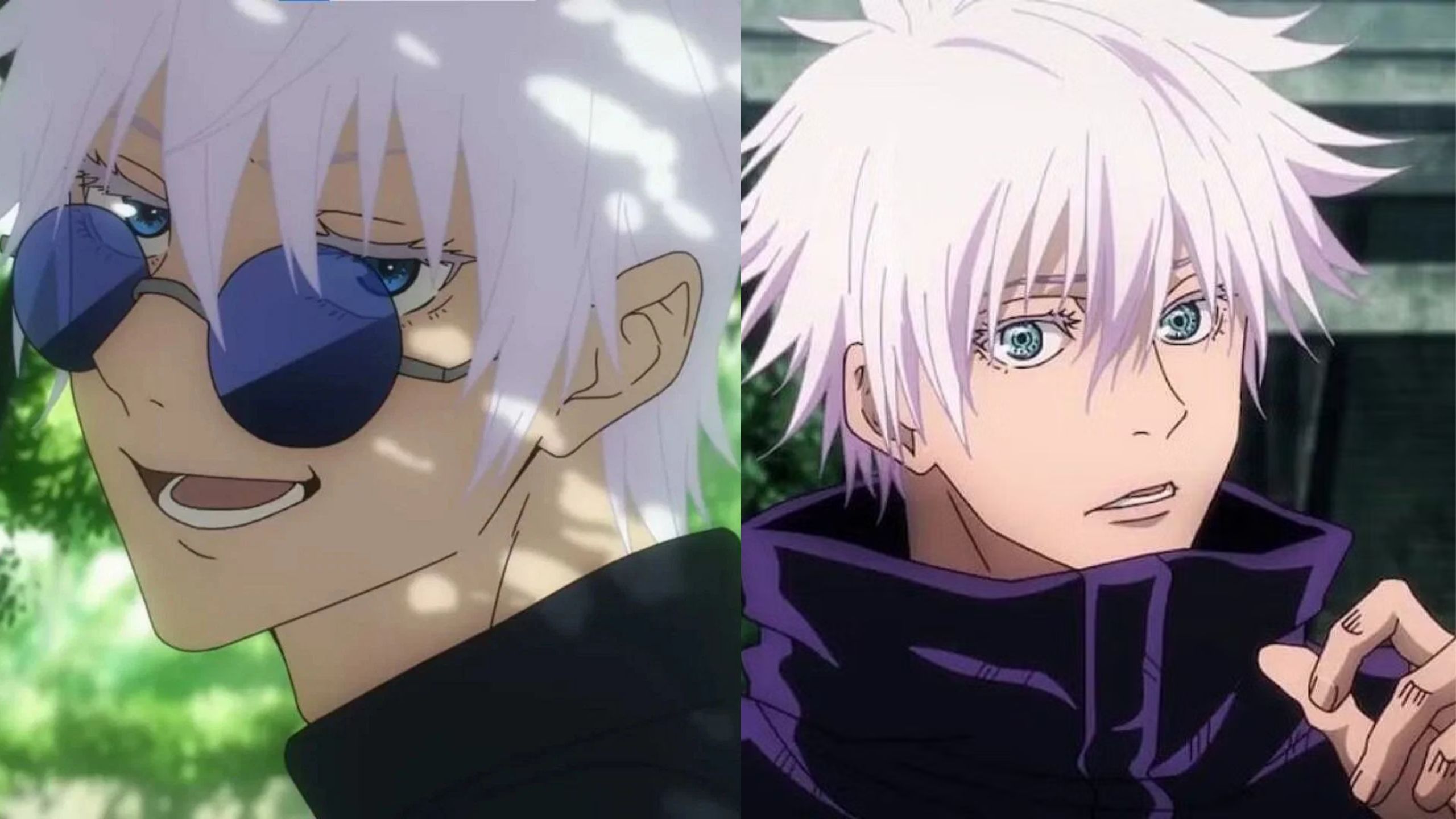
Gojo Satoru (Mappa)
Yuta reveals that he is the student Gojo always talks about, solidifying his position as someone of great importance in Gojo’s life.
This is a powerful revelation, as it shows that Gojo has always believed in Yuta’s potential, even in his absence.
The relationship between Gojo and Yuta is more than just one of a mentor and student. It evolves into something closer to a partnership, where both characters rely on each other in different ways.
While Gojo may be the most powerful sorcerer in the world, he is not invincible. As the story progresses, the threat of Ryomen Sukuna grows, and it becomes increasingly clear that even Gojo could fall in battle.
Recognizing this, Gojo begins preparing Yuta for the worst-case scenario, ensuring that Yuta is ready to take over if Gojo is defeated.
The plan against Sukuna is where the depth of their relationship is most evident. While Gojo’s other students are engaged in training to hone their skills, Gojo and Yuta goes on a much more personal form of preparation.
They exchange bodies using Ui Ui’s cursed technique, a strategy that allows them to gain a deeper understanding of each other.
This body exchange is not just about learning new techniques it’s about Gojo entrusting Yuta with something much more significant: the knowledge of how to use his body in battle.
In the event that Gojo falls, Yuta is expected to take over, and this exchange allows Yuta to familiarize himself with Gojo’s body and its immense cursed energy.
Throughout this process, Gojo playfully teases Yuta for struggling to adapt to his body, but there’s a deeper meaning to his actions.
Gojo isn’t mocking Yuta he’s pushing him to grow stronger, knowing that the responsibility of defeating Sukuna could fall on him.
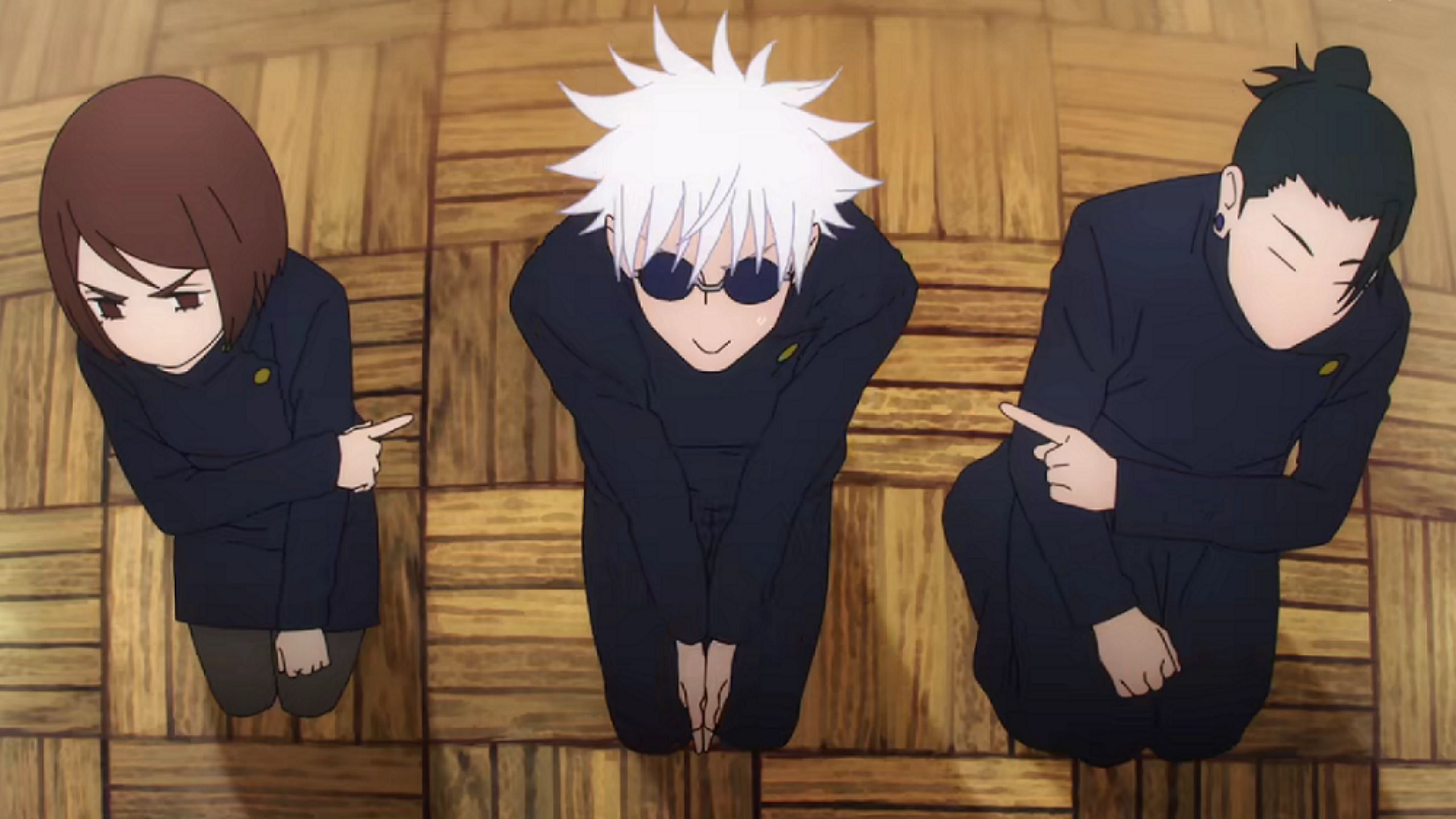
Shoko, Gojo And Geto (Mappa)
Gojo’s teasing is his way of preparing Yuta for the emotional and physical burden that comes with being the strongest sorcerer.
He trusts Yuta to handle that responsibility if necessary, and in doing so, he demonstrates his faith in Yuta’s abilities.
Yuta’s Respect for Gojo
Yuta, for his part, holds immense respect for Gojo. From the very beginning, Yuta has been aware of Gojo’s strength, but his admiration goes beyond just physical power.
Yuta understands the weight that Gojo carries as the most powerful sorcerer, and he knows that Gojo has dedicated his life to protecting others from the dangerous world of cursed spirits.
This respect is reciprocated by Gojo, who sees Yuta not just as a student but as a fellow special-grade sorcerer capable of standing beside him in battle.
Their relationship is marked by a mutual understanding of each other’s strengths and weaknesses.
While Gojo often acts as Yuta’s guide, the two characters are more like equals in many ways. Yuta’s belief in Gojo is unwavering, but it’s not blind.
He knows that they cannot depend on Gojo for everything, which is why Yuta continually strives to become stronger and more independent.
In contrast to Gojo’s relationship with Yuji Itadori, which is more traditional in terms of the mentor-student dynamic, his bond with Yuta is rooted in mutual respect and shared responsibility.
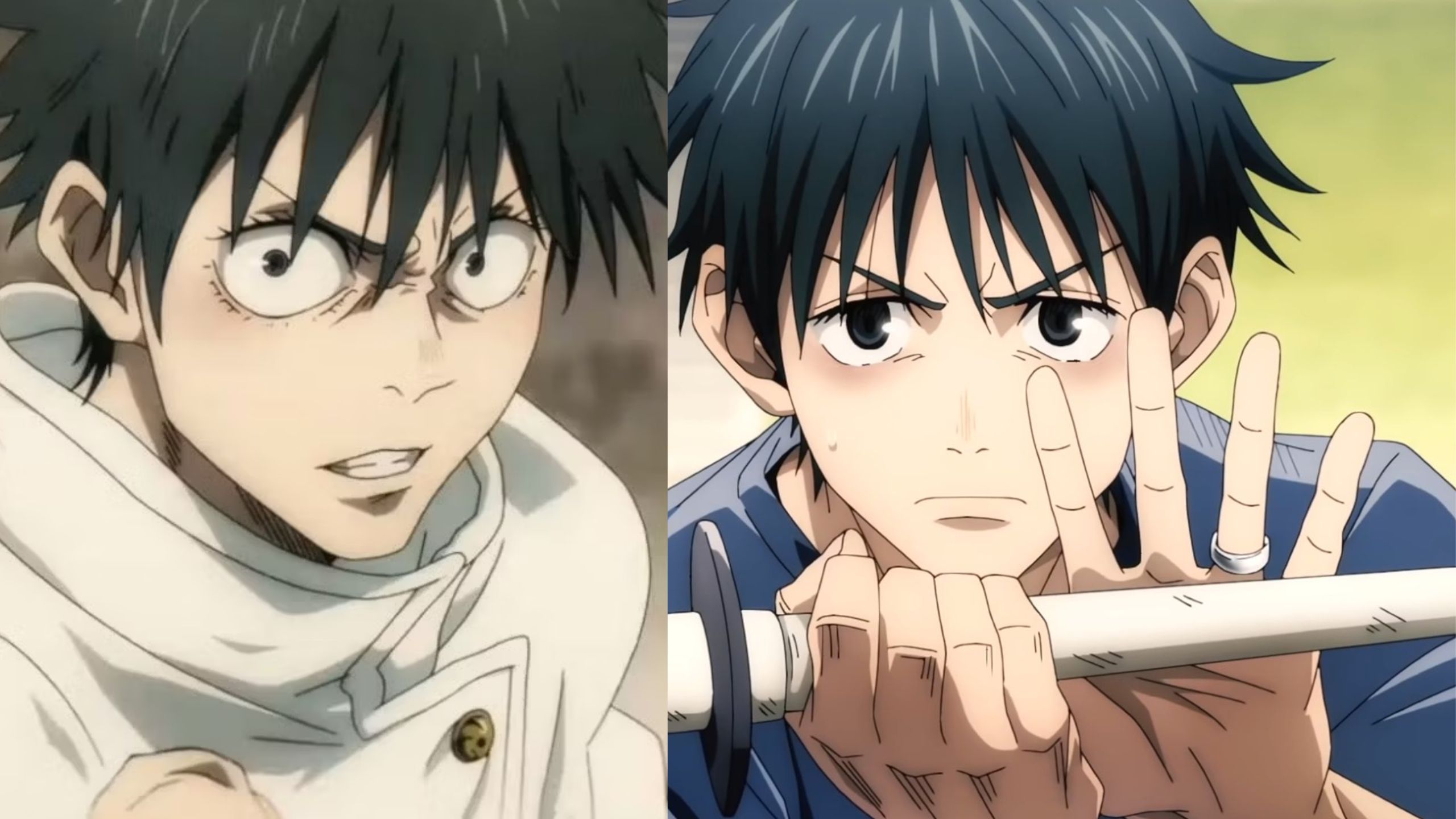
Yuta (MAPPA)
Gojo’s connection with Itadori is more straightforward he sees potential in Itadori and works to help him grow, but the hierarchy between them is clear.
Itadori looks up to Gojo, whereas Yuta stands alongside him as a fellow sorcerer.
The Battle with Sukuna: A Test of Gojo and Yuta’s Bond
As the story moves toward its ending, the impending battle with Sukuna represents the ultimate test of Gojo and Yuta’s relationship.
The preparation for this battle is intense, with every sorcerer doing their part to ensure they are ready to face one of the greatest threats in the jujutsu world.
However, Gojo’s plan with Yuta stands out as one of the most significant. By exchanging bodies, Gojo prepares Yuta for the possibility that he might not survive the fight with Sukuna.
This is a sobering moment for Yuta, as it forces him to confront the reality that his mentor, the strongest sorcerer in the world, might fall in battle.
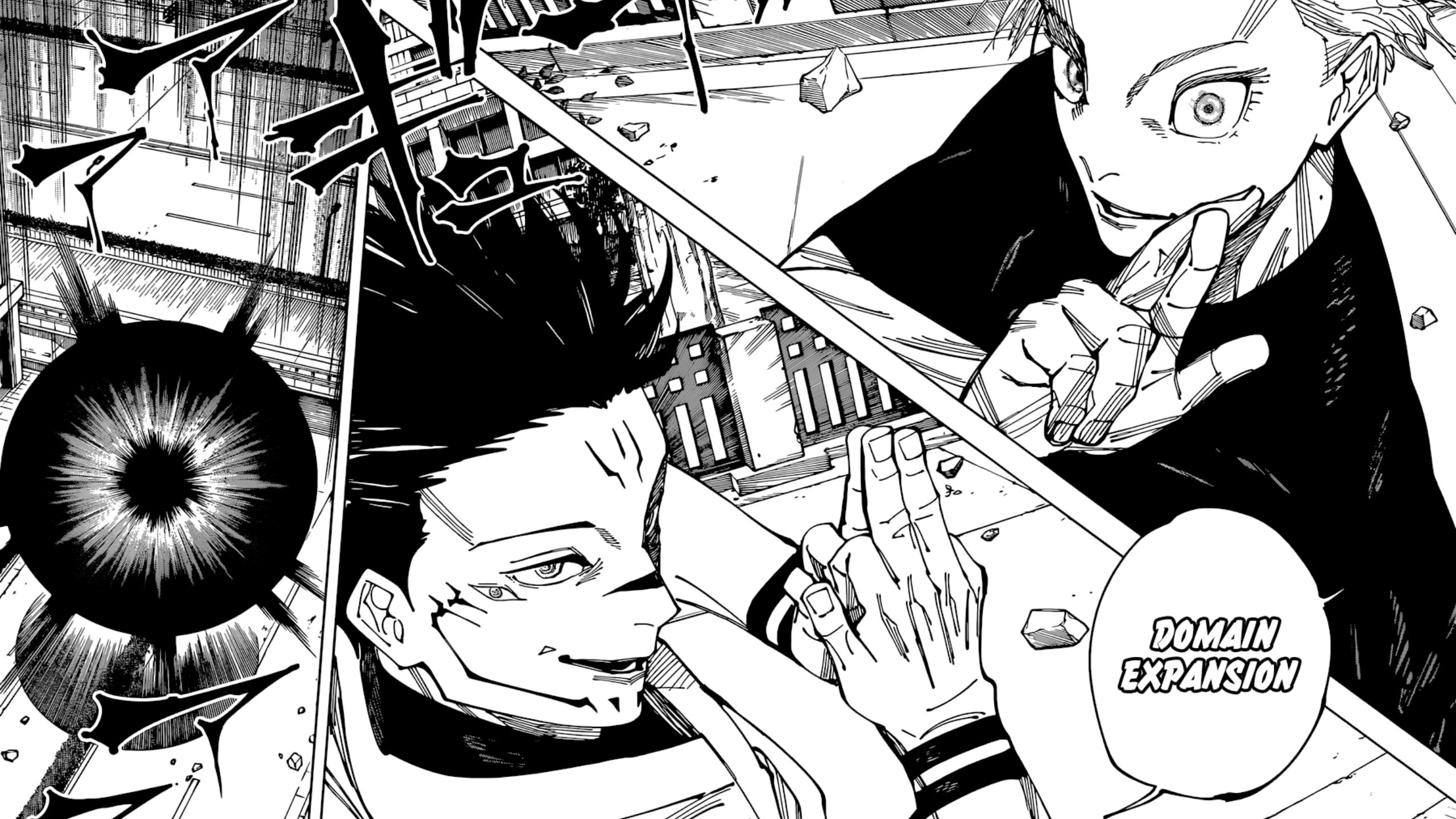
Sukuna And Gojo From Jujutsu Kaisen (MAPPA)
But it also highlights the depth of their relationship Gojo is entrusting Yuta with his very body, a sign of the immense faith he has in his student.
The battle itself is a high-stakes, high-intensity confrontation that tests the limits of every sorcerer involved.
While the outcome remains uncertain, the bond between Gojo and Yuta serves as an emotional anchor throughout the fight.
Even in the heat of battle, the trust and respect they have for each other are evident, reinforcing the idea that their relationship is not just about power or combat ability it’s about the deeper understanding they share.
Gojo’s Death and Yuta’s Final Tribute
One of the most emotional moments in the series comes with Gojo’s death. For many fans, this is a heartbreaking loss, as Gojo has been a central figure in the story since the beginning.
But for Yuta, it is an even more personal tragedy. Having trained under Gojo and shared such a close bond with him, Yuta is deeply affected by his mentor’s demise.
In a final act of respect, Yuta transfers his consciousness into Gojo’s body after his death.
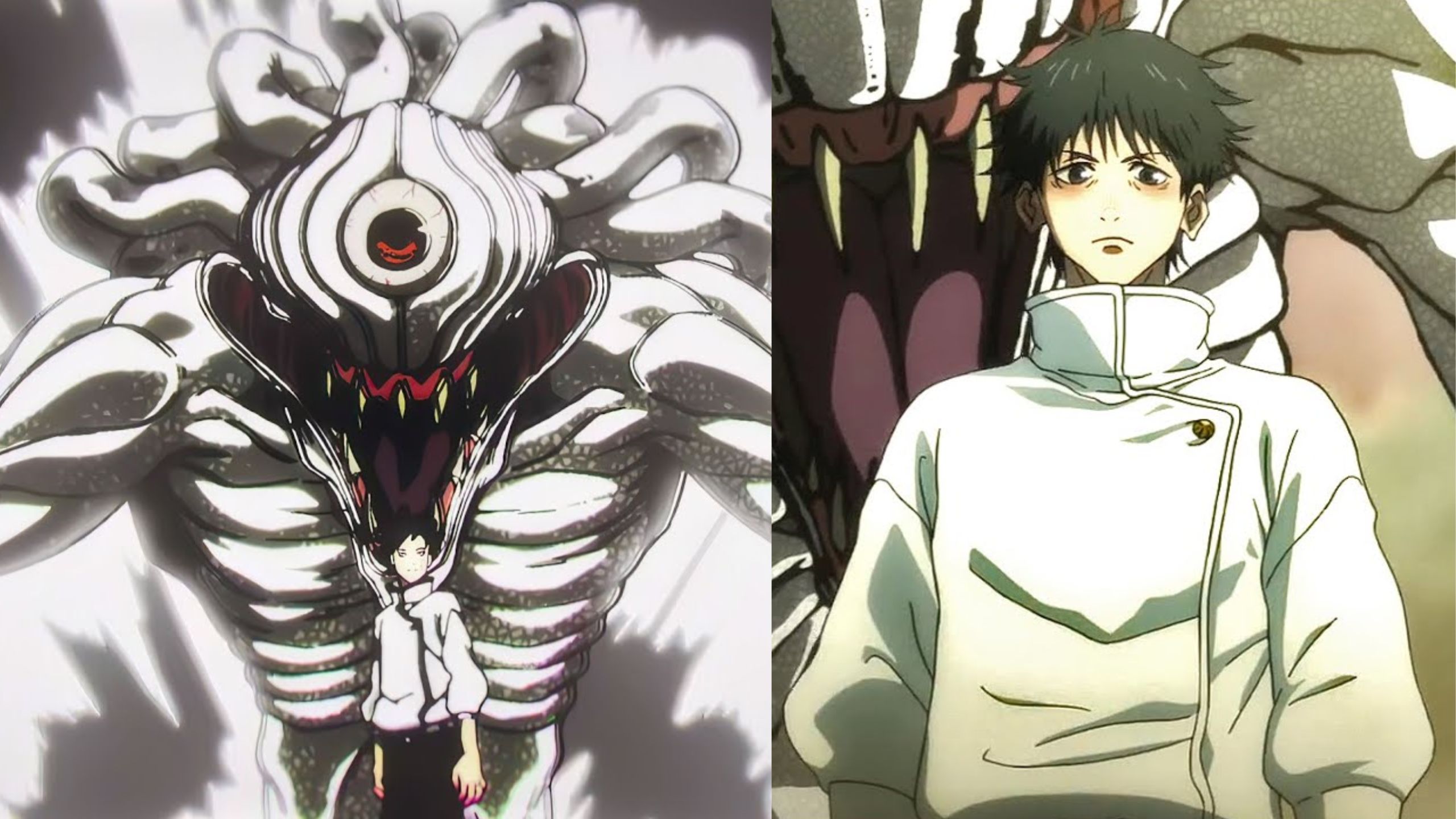
Rika And Yuta (MAPPA)
This act is symbolic of the deep connection they shared it’s Yuta’s way of honoring his teacher and acknowledging the immense burden Gojo carried throughout his life.
By inhabiting Gojo’s body, Yuta experiences firsthand the strain of being the strongest sorcerer, both in terms of power and responsibility.
Unspoken Bond Between Gojo and Yuta
The dynamic between Satoru Gojo and Yuta Okkotsu is one of the most nuanced and underappreciated aspects of Jujutsu Kaisen.
Their relationship transcends the traditional mentor-student dynamic and evolves into a bond built on mutual respect, trust, and shared responsibility.
While it may not be as overtly dramatic as other relationships in the series, the connection between Gojo and Yuta plays a crucial role in shaping the narrative and adds depth to both characters.
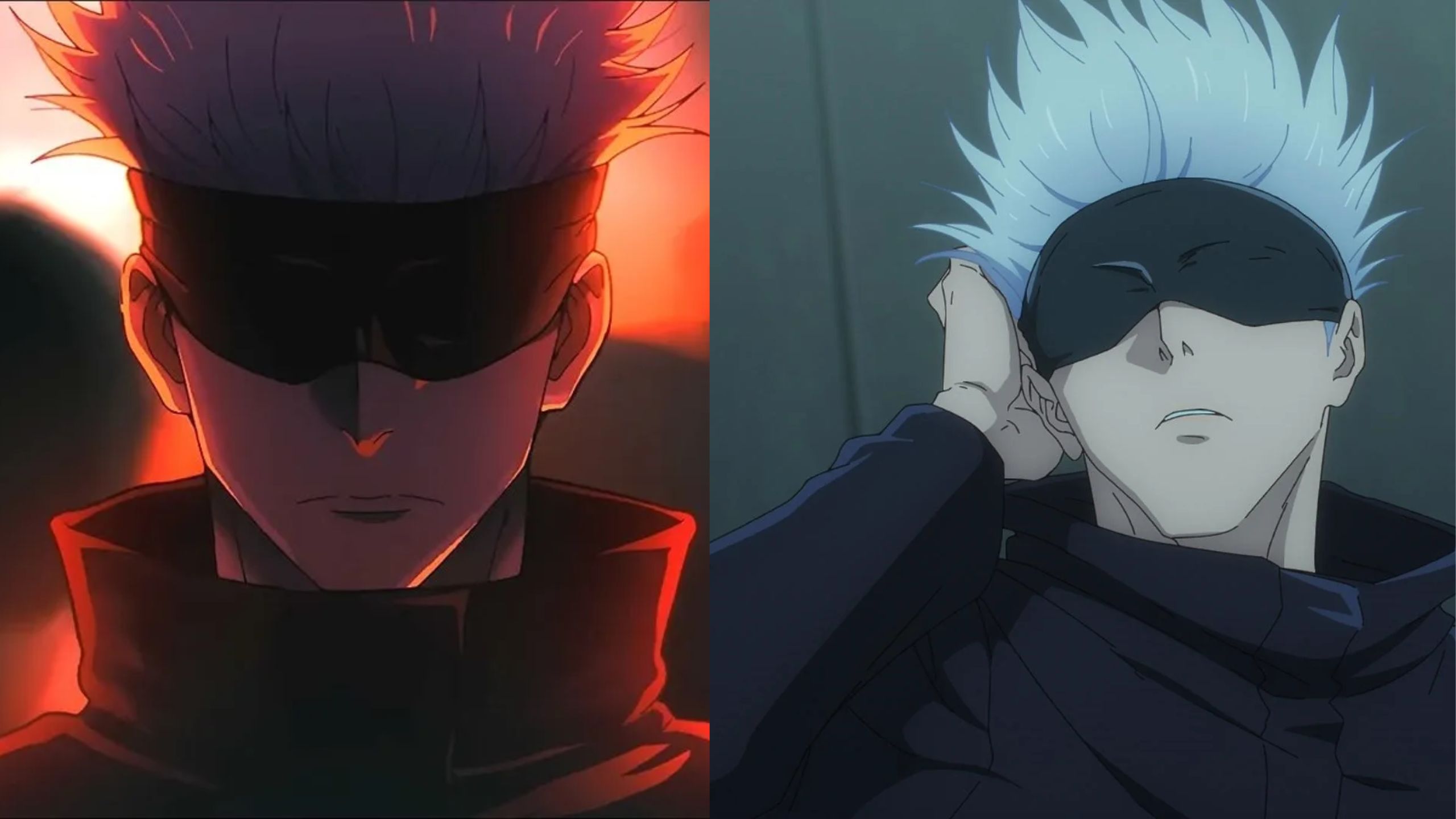
Gojo Satoru (MAPPA)
As Jujutsu Kaisen draws to a close, it’s worth taking a moment to reflect on the significance of this relationship.
Gojo and Yuta’s bond represents the heart of the series a testament to the power of trust, respect, and the unspoken understanding that comes from knowing someone on a deeper level.
