In “The Matrix Revolutions,” the conclusion to the war between humans and machines delivers an intense, action-packed finale. The film follows Neo’s (Keanu Reeves) journey as he battles Agent Smith (Hugo Weaving), with the fate of both humanity and machines hanging in the balance. The film is the third in the Matrix trilogy, and it provides a satisfying conclusion to the series’ complex narrative.
The culmination of the Matrix trilogy is more than just a fight between good and evil. It presents the final stages of Neo’s transformation as the prophesied “One,” a Christ-like figure who must sacrifice himself to save the world. His actions bring peace between the humans and machines, signaling the end of the war that has defined the series since the first film. This ending, while tragic, brings closure to the key characters’ arcs, particularly Neo, Trinity (Carrie-Anne Moss), and Morpheus (Laurence Fishburne).
Released on November 5, 2003, “The Matrix Revolutions” concludes the franchise’s story after Neo’s fight against the machines escalates to a decisive battle in Zion. Through a series of twists, sacrifices, and betrayals, Neo’s final stand becomes the ultimate act of heroism, showcasing the power of selflessness in the face of overwhelming odds.
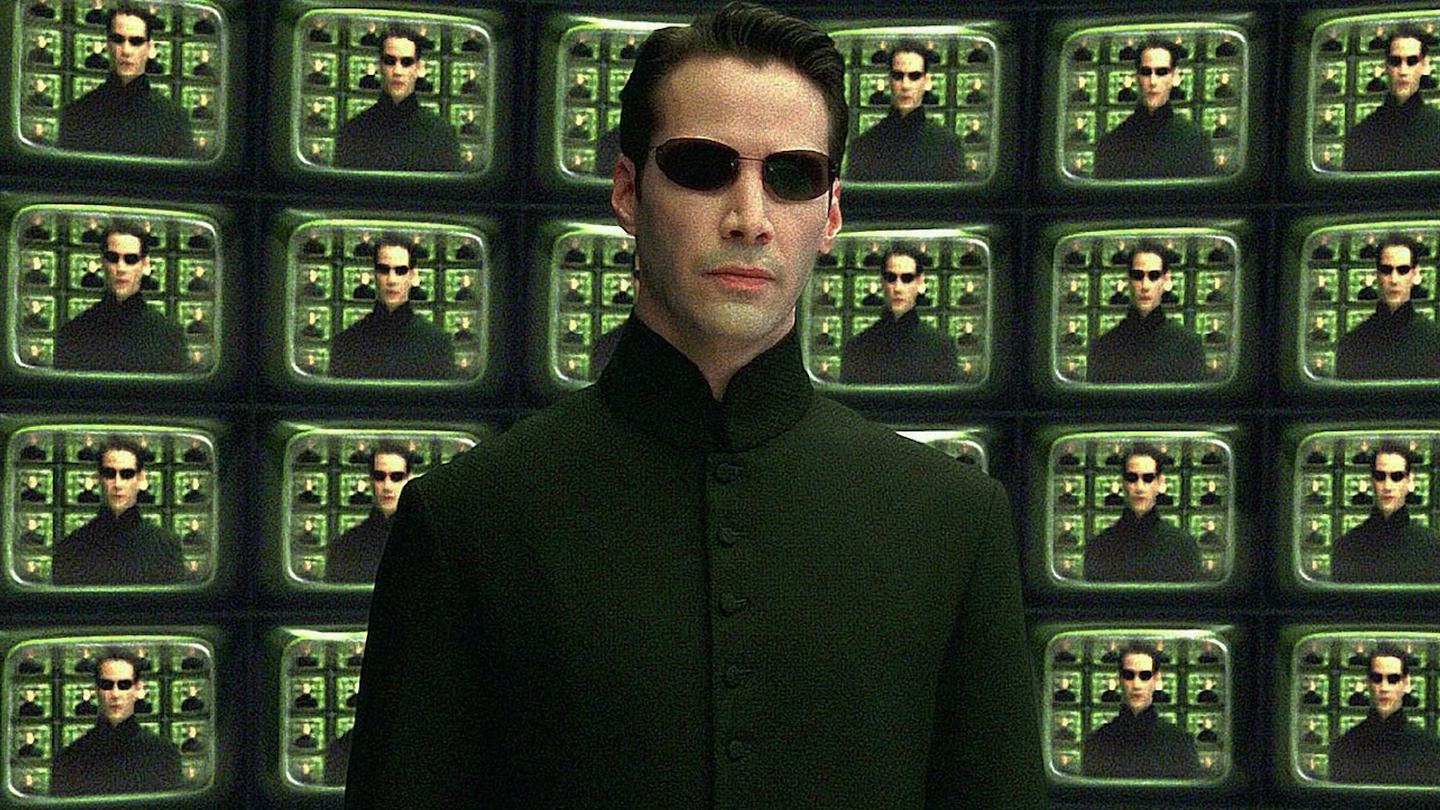
Neo (Image via Getty)
Matrix Revolutions Ending Explained
At the end of “The Matrix Reloaded,” Neo is trapped in a strange, limbo-like place called “Mobil Ave.” This location exists between the real world and the Matrix, where he encounters a group of sentient programs, including a young girl named Sati. In this confusing middle ground, Neo attempts to communicate with a program resembling Sati’s father, only to discover that he’s trapped by the Trainman, a powerful program working for the Merovingian (Lambert Wilson).
The Merovingian is one of the oldest programs in the Matrix, and he has witnessed many leaders claiming to be “The One” fail. The Oracle (Mary Alice) explains that the Merovingian’s existence highlights the cyclical nature of the Matrix and its ongoing struggles. Although this moment initially seems obscure, it later proves crucial to the overarching philosophical themes explored in the film.
After Morpheus and Trinity rescue Neo from his trap, the group turns to the Oracle for guidance on how to stop the machines from destroying Zion. The only way to stop the Matrix from overtaking humanity is to confront the machines directly in Machine City, the heart of the machine empire. However, Neo must first confront his greatest adversary, Agent Smith, who has grown more powerful than ever before. Smith has developed the ability to assimilate other programs, making him an even greater threat than he was in previous films.
Neo’s Alliance and Final Stand
As Neo prepares to face Smith, the stakes are raised. Smith’s power has expanded significantly. He can now assimilate programs, including The Oracle, Sati, and Seraph (Collin Chou), to his cause. This leaves Neo with no choice but to align with his allies in the real world, including Morpheus, Trinity, and Link (Harold Perrineau). With the help of Captain Niobe (Jada Pinkett Smith) and her crew, the team heads toward Zion to defend it in the final battle.
Simultaneously, Neo and Trinity set their sights on Machine City. However, their mission is complicated when Bane (Ian Bliss), a former ally, becomes assimilated by Smith. Despite this, the forces of humanity manage to defeat the Sentinels, preparing for the ultimate showdown. This battle serves as the climactic event, one that has been set up since the first film in the franchise.
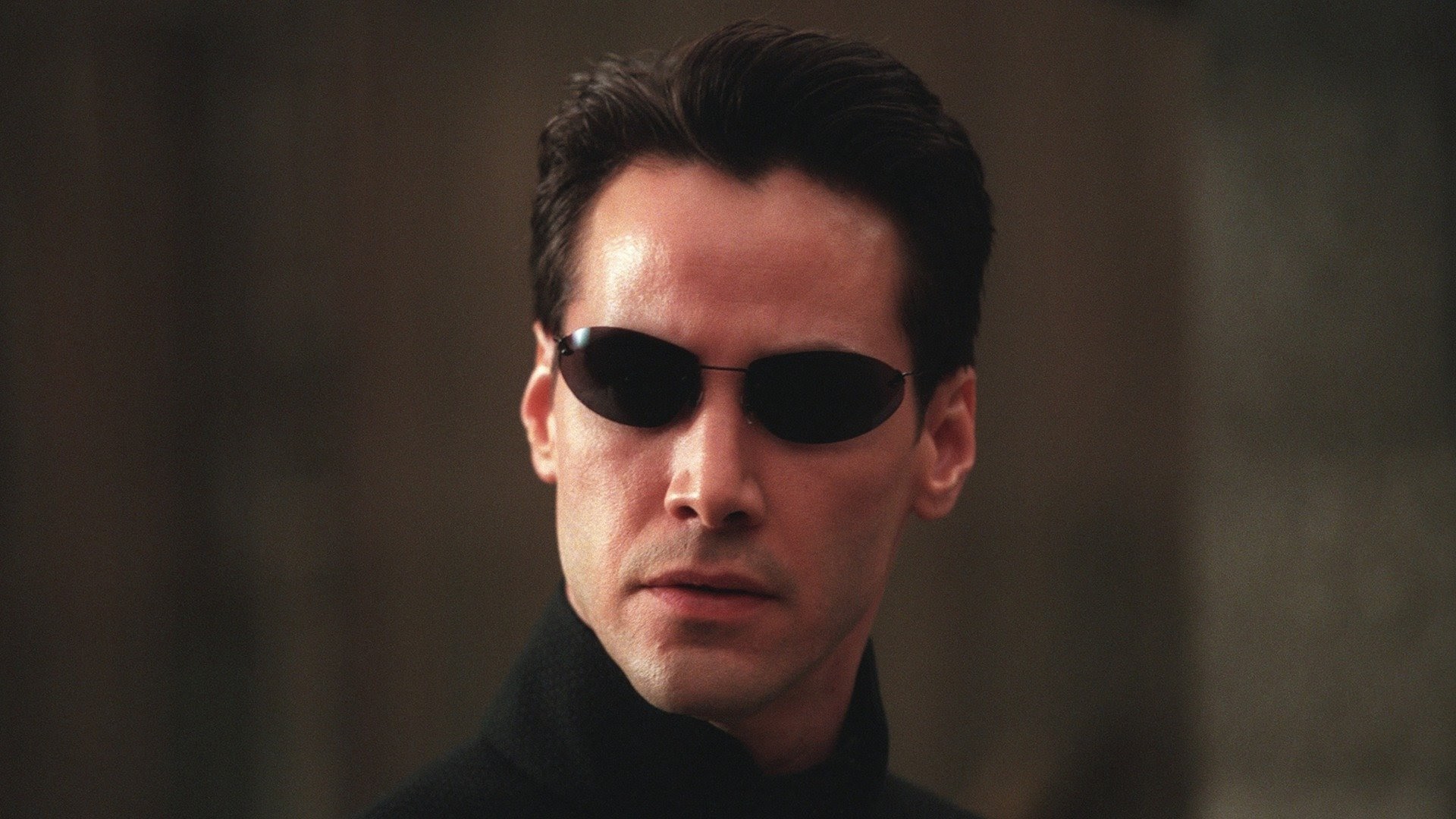
Neo (Image via Getty)
Neo’s Sacrificial Destiny
Throughout the trilogy, Neo is presented as a messianic figure destined to save both mankind and the machines. His death in “The Matrix Revolutions” fulfills this destiny. After an intense battle with Smith, Neo realizes that his fight with Smith will never end unless he sacrifices himself. Allowing Smith to assimilate him, Neo’s ultimate self-sacrifice causes Smith and all his clones to be destroyed.
Before this final showdown, Neo negotiates with a program called “Deus Ex Machina,” voiced by Kevin Michael Richardson. Deus Ex Machina agrees to halt the Sentinel attack on Zion if Neo can defeat Smith and prevent him from taking over the Matrix. With Smith’s death, the Sentinels cease their assault, leading to a brief moment of celebration among Neo’s followers. However, the victory comes at a cost, as key characters like Trinity, Mifune (Nathaniel Lees), Charra (Rachel Blackman), and Maggie (Essie Davis) lose their lives in the battle.
Despite these heavy losses, the Oracle and Sati are brought back to life in a rebooted Matrix, marking a new beginning. The final confrontation between the Oracle and The Architect (Helmut Bakaitis), the creator of the Matrix, brings closure to the philosophical debate about the fate of humanity within the system. The Architect acknowledges his mistakes, and humans are allowed to leave the Matrix on their own. However, the peace is fragile, and the conflict between man and machine is far from over.
The Matrix Resurrections: Neo and Trinity’s Return
Despite the conclusion of “The Matrix Revolutions,” the return of Neo and Trinity in “The Matrix Resurrections” surprised many fans. In “Revolutions,” both characters make the ultimate sacrifice, seemingly closing their arcs. However, the Analyst (Neil Patrick Harris) kept them alive. Initially separated, their combined powers are essential to maintaining peace between humans and machines.
Sixty years after “Revolutions,” Neo believes he is Thomas Anderson, a game designer. He’s rescued by a new group of allies, including Bugs (Jessica Henwick) and a version of Morpheus (Yahya Abdul-Mateen II). Together, they set out to reunite Neo with Trinity and defeat a new Smith (Jonathan Groff).
This twist connects the films and sets the stage for a new conflict, highlighting the cyclical nature of the Matrix. Despite past sacrifices, the struggle between humanity and machines continues.
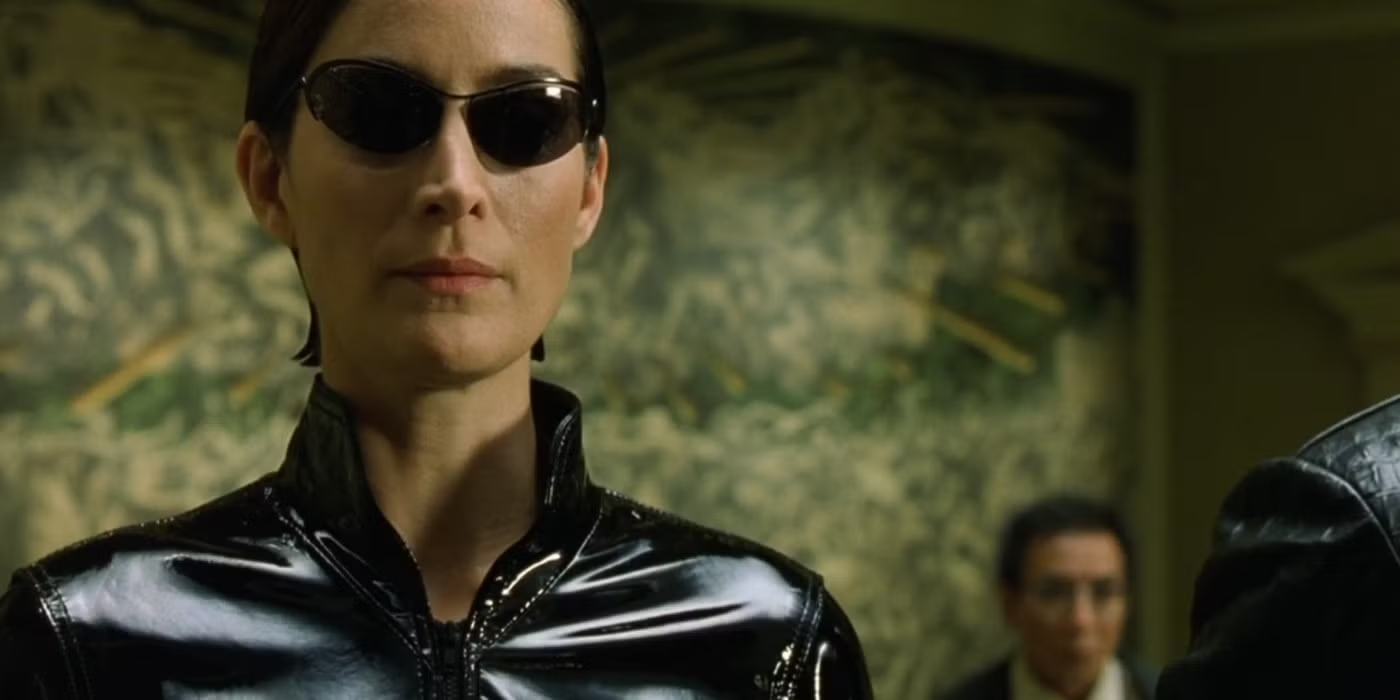
Trinity (Image via Getty)
Final Thoughts
“The Matrix Revolutions” serves as a fitting conclusion to the original trilogy, offering a conclusion to Neo’s journey as a messianic figure. Through his sacrifice, the war between humans and machines comes to an end, bringing temporary peace to both sides. The film’s themes of destiny, sacrifice, and selflessness are central to its emotional weight, leaving a lasting impression on fans.
While “The Matrix Resurrections” complicates the narrative by bringing back Neo and Trinity, it also reinforces the idea that the fight between man and machine is an ongoing cycle. “Revolutions” may have closed the chapter on one war, but the legacy of the Matrix continues to evolve in new, unexpected ways.
The final moments of The Sopranos remain some of the most debated and analyzed in television history. The 2007 series finale, “Made in America,” concluded with a seemingly abrupt cut to black, leaving audiences questioning whether Tony Soprano, the show’s antihero, had met his end. Fifteen years later, viewers still search for answers about what truly happened when the screen went dark.
Over its six-season run, The Sopranos introduced us to Tony Soprano, a mob boss struggling to juggle his criminal empire and family life. Its complex characters, high-stakes drama, and raw, emotional storylines delighted audiences . From 1999 to 2007, viewers became invested in Tony’s journey, which led to the groundbreaking finale, where Tony’s fate was left uncertain.
In the closing episode, Tony has a family dinner at Holsten’s Diner with his wife Carmela, their son A.J., and their daughter Meadow, who is on her way. As the tension builds, shady figures begin to walk into the diner, with one man in particular drawing Tony’s attention. Just as the scene reaches its peak, the screen suddenly cuts to black. The question remains: did Tony die?
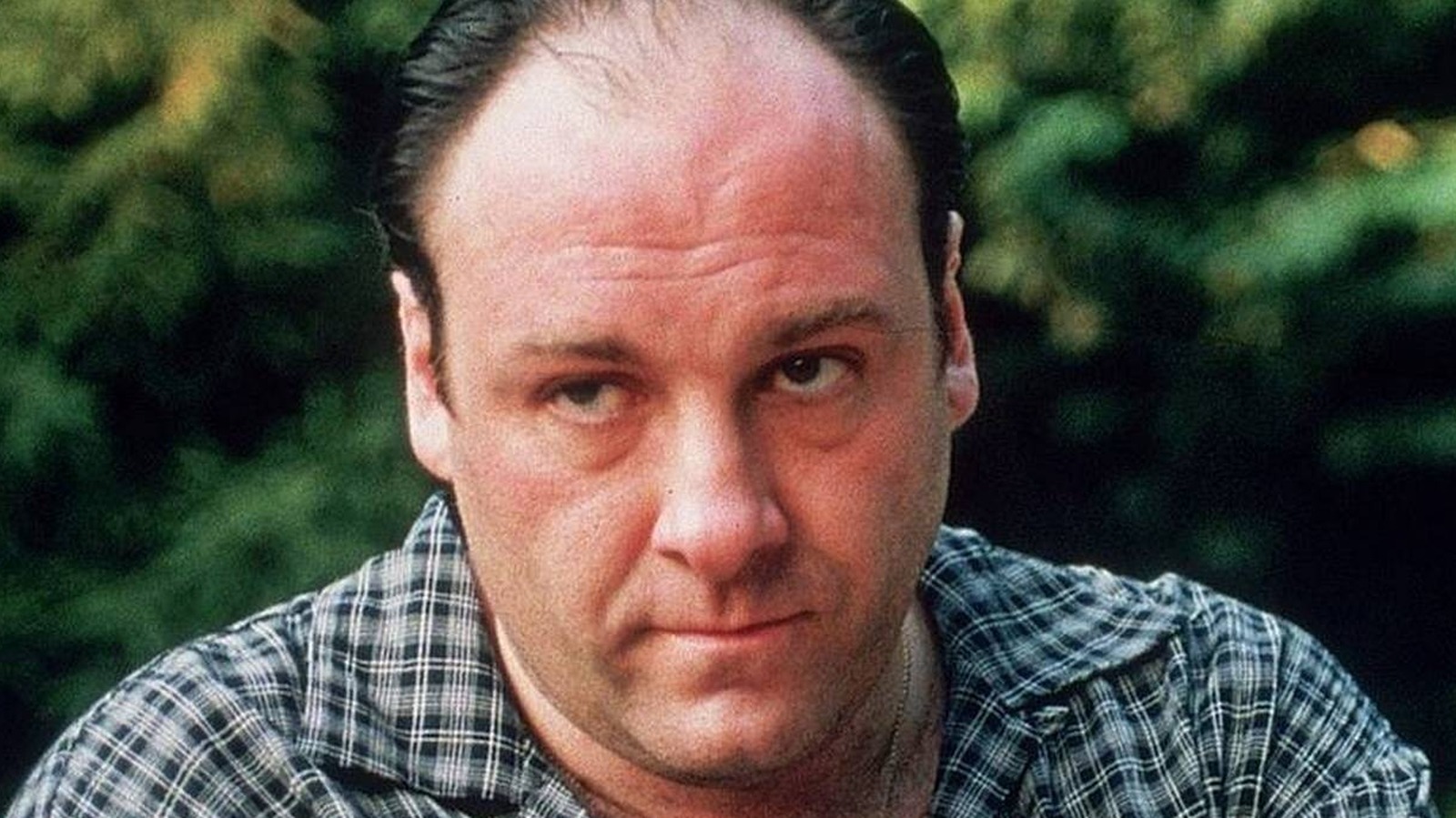
Tony (Image via Getty)
The Sopranos Ending Explained
The finale of The Sopranos sees Tony interacting with various family members and friends, reflecting on his past and his future. The episode carries a profound sense of time and mortality, partly inspired by the 1968 film 2001: A Space Odyssey . In that film, an astronaut witnesses potential future versions of himself, a concept that resonated with creator David Chase when crafting the finale.
Tony’s actions in the final episode are deeply introspective. He visits his sister Janice, who is mourning the death of her husband, Bobby Baccalieri. He also visits his Uncle Junior, who is now in a nursing home, a far cry from the dangerous man Tony once feared. This shift in perspective demonstrates Tony’s internal evolution, as he comes to terms with his past.
Later, Tony organizes a successful hit on his rival, Phil Leotardo. Following this, he heads to Holsten’s Diner to meet his family. As the Soprano family gathers, the presence of various shady characters, including the man in the “Members Only” jacket, raises suspicion. As Don’t Stop Believin’ by Journey plays on the diner jukebox, the tension mounts, leading to the iconic cut to black.
Tony’s Fate: Did He Die?
The biggest question after The Sopranos finale is whether Tony Soprano died when the screen cut to black. Fans have debated this for years, and creator David Chase has given subtle hints but never provided a definitive answer. In a 2019 interview, Chase alluded to Tony’s death, explaining that he had considered a death scene for Tony years before the series ended. However, he chose not to include it.
Chase further expanded on this notion in a 2021 interview, revealing that his original vision for the final scene involved Tony returning from a meeting in New York. This meeting, he said, would have been Tony’s last, implying that Tony would be killed during it. But instead of explicitly depicting Tony’s death, Chase chose the more ambiguous and mysterious cut to black.
Perhaps the clearest indication that Tony’s death was part of the show’s final moments came in the 2024 documentary Wise Guy: David Chase and The Sopranos . During the documentary, Chase referenced a scene from the second season of The Sopranos in which A.J. discusses how the color black represents death. This foreshadowing, coupled with the dramatic cut to black, led many to believe that Tony’s story ended that fateful night.
In the same documentary, Chase stated, “The truth is,” before the screen once again cut to black, mirroring the series finale. The silence following this statement only deepens the mystery and leaves the question of Tony’s fate unresolved.
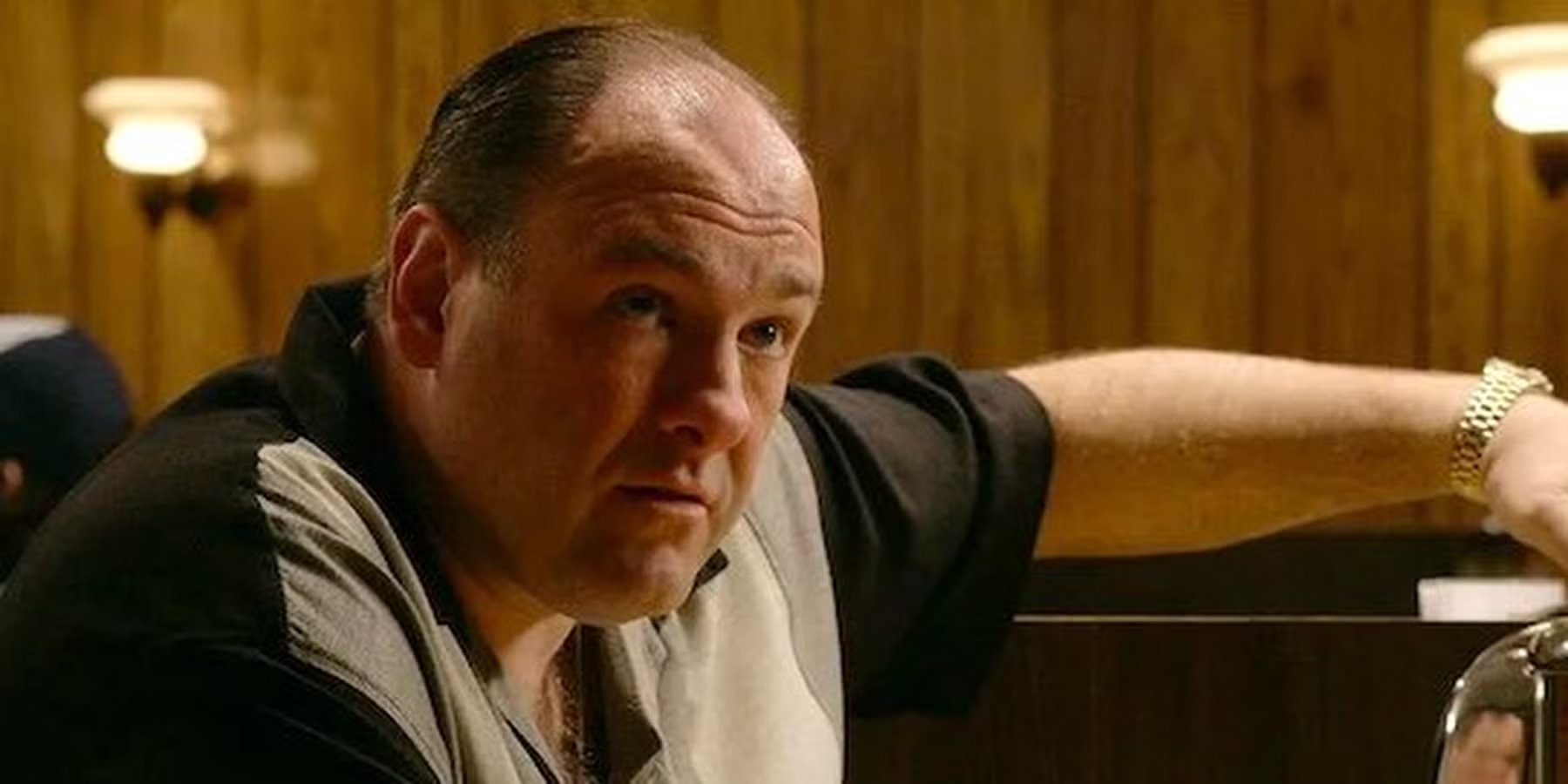
Tony (Image via Getty)
Foreshadowing Tony’s Fate
Several clues throughout The Sopranos hint at Tony’s death, including the off-screen death of Adriana. Creator David Chase admitted that showing Adriana’s death felt too difficult, reflecting a similar approach to Tony’s ambiguous fate.
The song Don’t Stop Believin’ by Journey, playing in the background during the diner scene, symbolizes life’s continuity, even after individual lives end.
The “Members Only” jacket worn by a suspicious diner character suggests possible danger. Some theories claim he kills Tony, drawing influence from The Godfather ‘s famous bathroom assassination scene, which further suggests Tony’s potential death.
Cast Reactions to the Finale
The unexpected ending of The Sopranos finale surprised even its cast members. Michael Imperioli, who played Christopher Moltisanti, found the cut to black “strange” and unexpected.
Drea de Matteo, who played Adriana, initially thought her TV had malfunctioned but later realized it was intentional. She understood David Chase’s desire to leave the audience in suspense about Tony’s fate.
Edie Falco, who portrayed Carmela, initially thought pages were missing from the script, but later appreciated the deeper significance of the ending. She trusted Chase’s vision.
Jamie-Lynn Sigler, playing Meadow, felt the open-ended finale was perfect, allowing viewers to interpret Tony’s fate. She knew it would never fully satisfy everyone.
Robert Iler, who played A.J., pointed out that the ambiguous finale kept The Sopranos alive in popular culture, sparking ongoing discussions.
Lorraine Bracco, who played Dr. Melfi, revealed that even James Gandolfini, who portrayed Tony, was surprised by the finale’s abrupt ending, asking, “That’s it?”
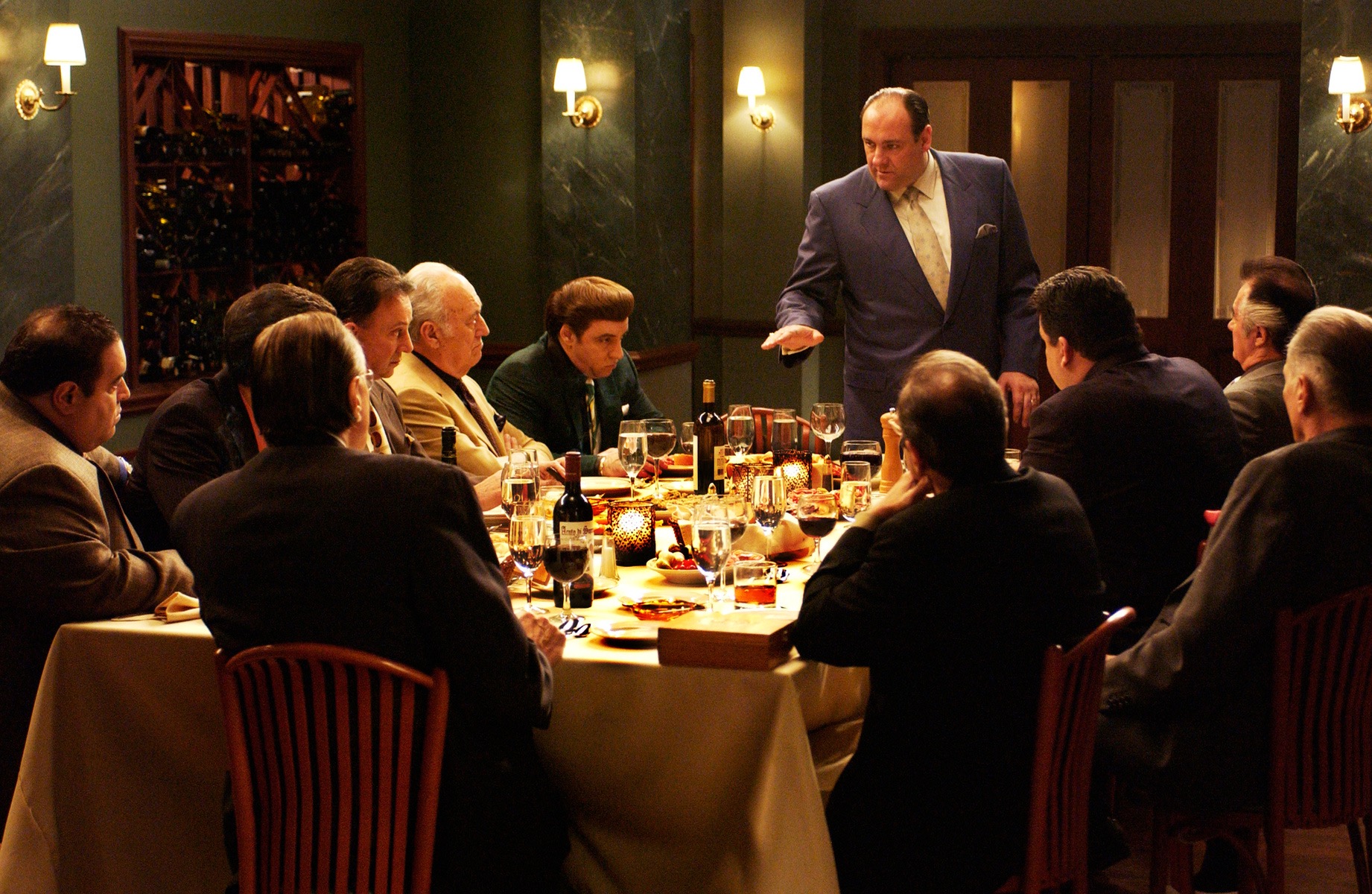
The Sopranos (Image via Getty)
The Enduring Mystery of Tony’s Fate
As fans continue to debate Tony’s fate, The Sopranos stands as one of the most influential and groundbreaking television series of all time. The series finale, with its ambiguous cut to black, remains a hallmark of storytelling that defies easy answers. David Chase’s decision to leave Tony’s fate open to interpretation was not just a choice to surprise the audience, but also a way to reflect the uncertainty and complexity of life itself.
While we may never know definitively whether Tony Soprano died in that diner, the legacy of The Sopranos lives on, with its ending continuing to delight and inspire discussions among fans and critics alike. As long as the debate persists, The Sopranos will remain a defining moment in television history, leaving viewers with the unforgettable feeling that, sometimes, not knowing is the most profound answer of all.
