The finale of Moana 2 is an explosive, game-changing moment that not only alters the protagonist’s fate but also sets the stage for future sequels, including the much-anticipated Moana 3 . The sequel follows Moana as she embarks on a daring mission to restore a sunken island, Motufetu, and lift a curse that endangers her people. Alongside her loyal crew and the return of Maui, she faces off against the villainous god, Nalo, whose actions set the curse in motion.
With Moana 2 poised to dominate at the box office, the film ends with a tantalizing preview of what could be to come. The conclusion transforms Moana and her world in significant ways, expanding both the scope of her journey and her powers. Here’s how the ending reshapes Moana’s character and sets the foundation for further adventures.
Moana 2 Ending Explained
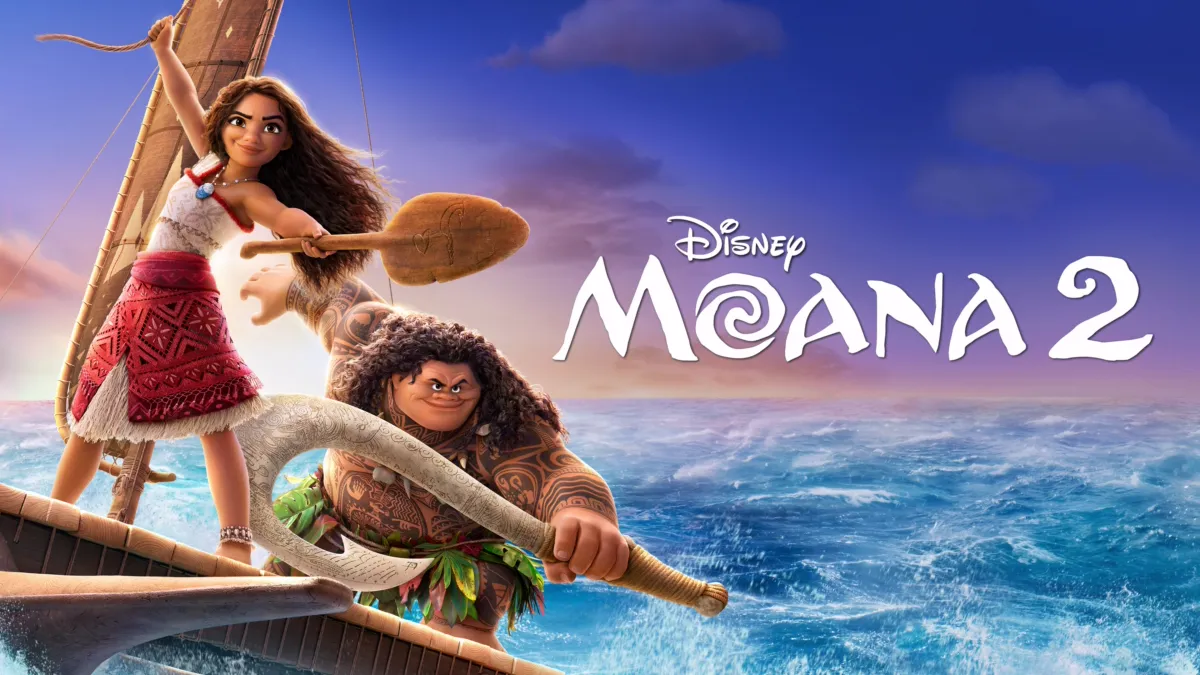
Moana 2 (Image via Getty)
One of the biggest surprises in Moana 2 occurs during the climax when Moana seemingly dies while attempting to restore Motufetu. Her near-death experience leads to a profound transformation, as she is resurrected by the ocean and her ancestors, including her grandmother and Tautai Vasa. This resurrection grants Moana the status of a demigod, similar to Maui, and imbues her with immortality, enabling her to survive otherwise fatal injuries.
In the film’s final moments, the ocean plays a crucial role in Moana’s revival, making it clear that she is now part of something larger than herself. This powerful shift elevates Moana from a determined leader to a near-mythical figure, marking a pivotal moment in her character arc.
Moana’s Oar: A Symbol of Her New Powers
In Moana 2 , the heroine’s trusty oar is redefined as a key symbol of her newfound powers. Whereas Maui’s abilities are linked to his magical fishhook, Moana’s oar is now adorned with golden script, transforming it into a spiritual tool that channels her supernatural strength. While it doesn’t grant her the ability to shapeshift like Maui, the oar allows Moana to manipulate the ocean’s tides, creating pathways through the water and furthering her role as a Wayfinder.
This upgrade turns Moana’s oar into a central element of her identity as a demigod, and its importance will likely grow in future installments, offering new opportunities for Moana to display her abilities.
Moana’s New Tattoos: Marking Her Heroic Journey
As part of her ascension, Moana gains several tattoos that symbolize her heroic deeds. These tattoos, which feature scenes of celebration on Motufetu, are reminiscent of the tattoos Maui bears, which document his own accomplishments. Moana’s tattoos are more than just decorative; they act as a visual record of her transformation into a demigod and a hero.
As she continues her journey, it’s likely that more tattoos will appear, each representing milestones in her quest. In fact, the tattoos may even evolve in a manner similar to Maui’s Mini Maui, suggesting that Moana’s journey is just beginning, with more achievements to come.
Restoring the Ocean’s Connections
The central mission in Moana 2 is to restore the lost island of Motufetu, which, as Tautai Vasa reveals, was crucial for maintaining the connections between the various oceanic tribes. Without it, Moana’s people are at risk of dying out due to their isolation. By lifting the curse and bringing Motufetu back to the surface, Moana not only saves her tribe but also reconnects the entire oceanic world.
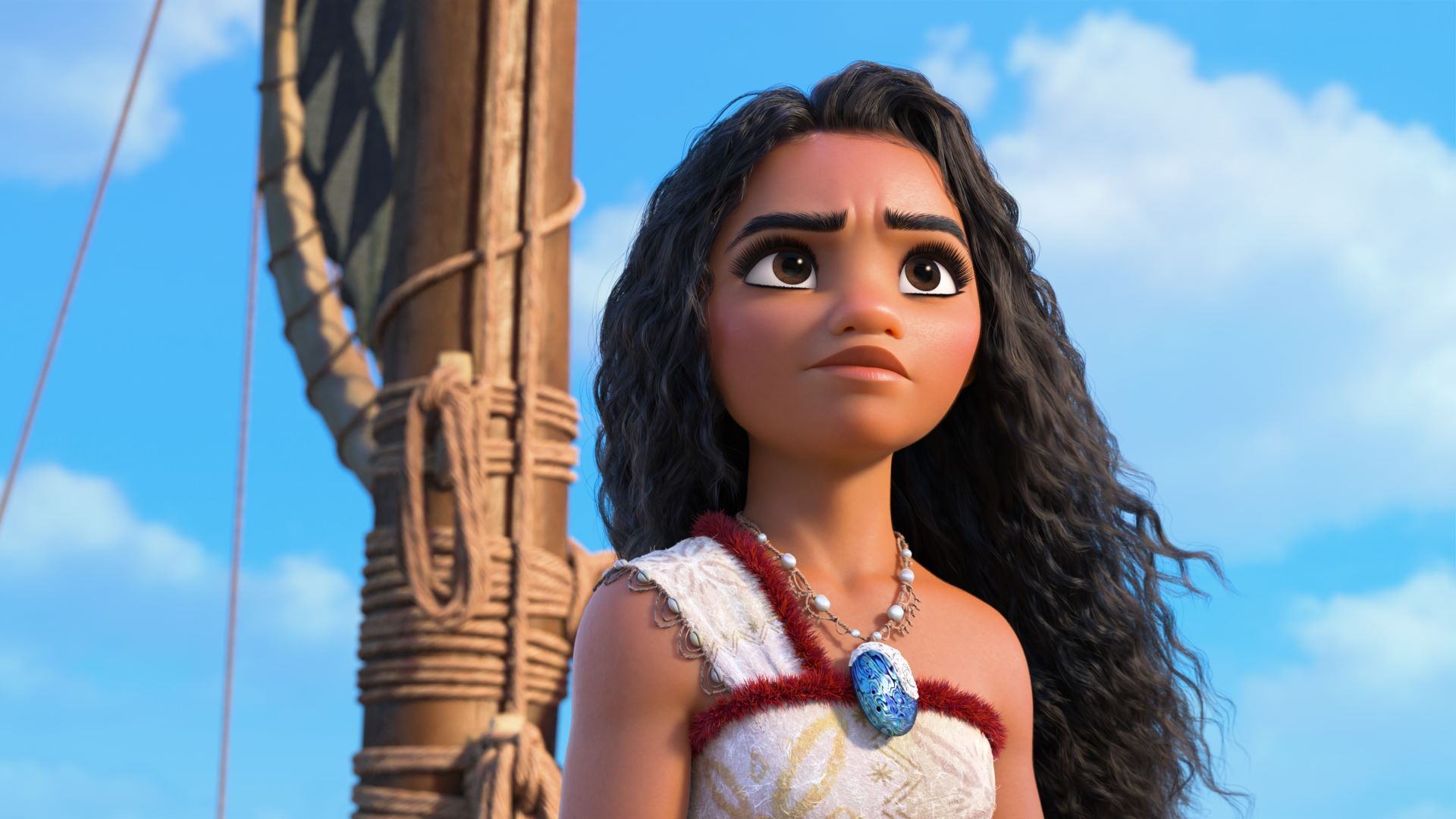
Moana (Image via Getty)
This restoration has immediate consequences, as explorers from distant lands begin to arrive on Motufetu. Moana is able to unite these new wayfinders and bring them to her home island, fostering alliances between various tribes. This expansion of the oceanic world opens the door for further exploration in future films, while also hinting at potential conflicts with these newly introduced tribes.
The True Villain: Matangi’s Tragic Role
At first, Matangi appears to be a formidable antagonist, capable of overpowering Maui with ease. However, as the story unfolds, it’s revealed that Matangi is actually an unwilling servant of Nalo, the god responsible for the curse on Motufetu. Trapped in an island-sized clam for centuries, Matangi hopes that Moana’s success in breaking the curse will free her from Nalo’s control.
Despite her attempts to aid Moana, Matangi’s journey doesn’t end on a happy note. In the film’s mid-credits scene, Matangi is shown still under Nalo’s control, hinting at a reluctant future adversary for Moana. However, her desire for freedom could eventually turn her into an ally, depending on how Moana handles the ongoing influence of Nalo.
Nalo’s Revenge: Setting the Stage for Moana 3
While Nalo is not a major presence in Moana 2 , his actions loom large over the film. Nalo is revealed to be the mastermind behind the curse that sank Motufetu, driven by a desire to protect his power from the growing threat of humanity. Even after Moana’s victory, Nalo’s thirst for revenge remains unquenched, as demonstrated by his appearance in the mid-credits scene.
In this scene, Nalo vows that Moana’s journey is just beginning, setting up a potential conflict for Moana 3 . Nalo’s anger is compounded by his control over Matangi, who could serve as a powerful tool in his quest for vengeance. Additionally, the return of Tamatoa, the giant crab from the original Moana , further complicates the situation. These elements suggest that Moana will face a much greater challenge in the next installment, making Moana 3 a highly anticipated sequel.
The Continuing Theme of Exploration
One of the key themes that both Moana and Moana 2 explore is the importance of venturing beyond familiar boundaries. In the first film, Moana sets out to restore the Heart of Te Fiti and save her people from a curse that threatens all life. In Moana 2 , the story shifts to the importance of reconnecting the ocean’s far-flung islands and tribes, underscoring the need for expansion and exploration.
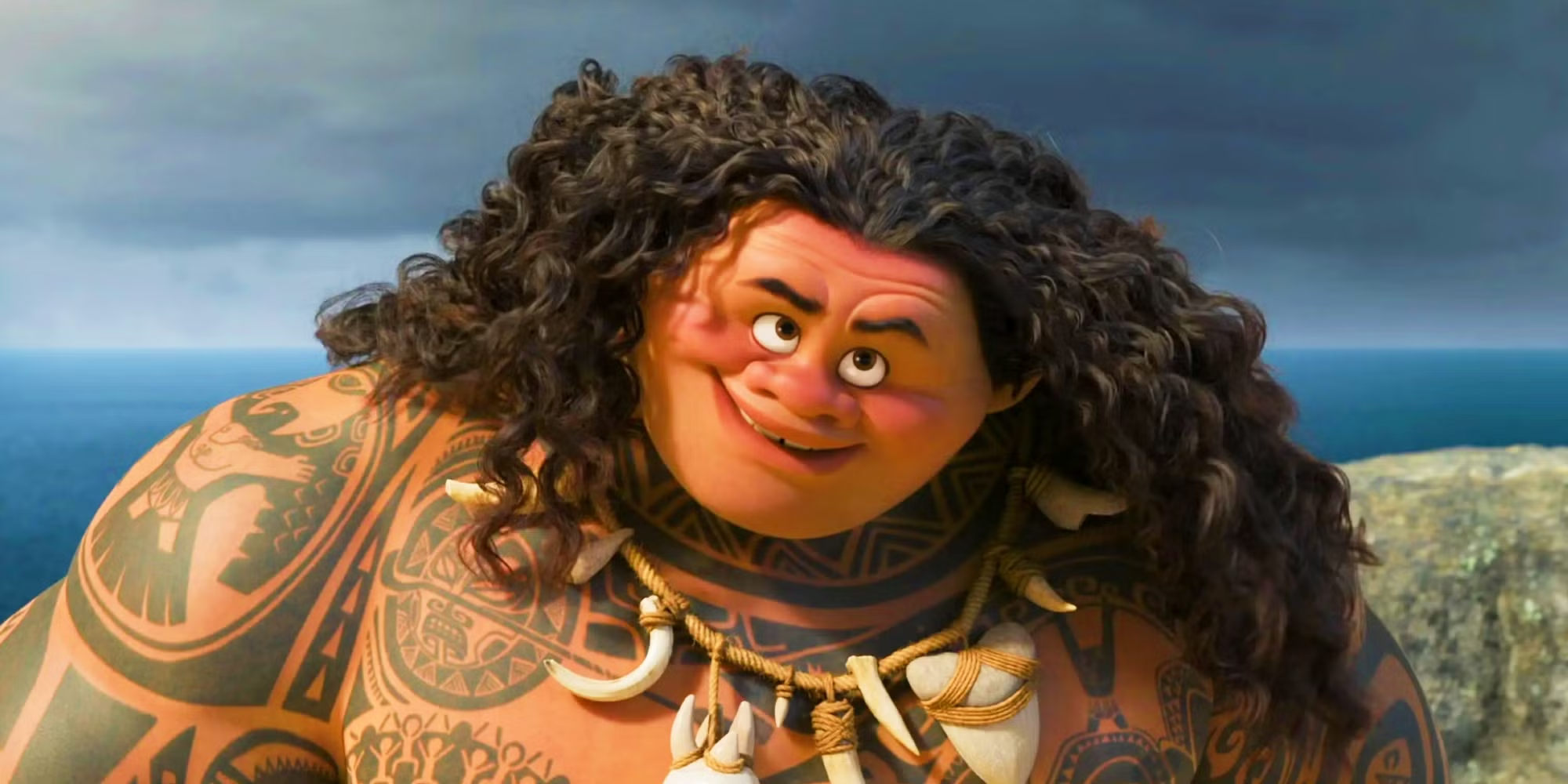
Maui (Image via Getty)
The ending of Moana 2 mirrors the conclusion of the first film, with Moana and her crew setting sail into the unknown once again. This cyclical journey of discovery reinforces the narrative arc of Moana as a Wayfinder, ready to chart new paths and confront the challenges that lie ahead.
The Philosophical Message: Embracing Change
At its core, Moana 2 is about the courage to embrace change and take risks. Throughout the film, Moana and her crew are forced to step out of their comfort zones, whether it’s Loto embracing experimentation, Moni confronting his fears, or Kele adapting to the ocean. Even Moana herself must learn to trust new paths, as evidenced by her willingness to follow Matangi’s advice to “get lost” and forge a different course.
This thematic exploration of change and growth is particularly resonant in Moana’s own evolution from a determined leader to a powerful demigod. The story emphasizes the importance of adaptability, even in the face of seemingly insurmountable odds.
The Future of Moana: More Movies and Live-Action Adaptations
While Moana 3 hasn’t been officially confirmed, the success of Moana 2 and its tantalizing setup for future conflicts strongly suggest that the story isn’t over. The upcoming live-action remake of Moana , set to release in 2026, will offer new opportunities for fans to experience Moana’s adventures. Additionally, the success of animated sequels like Frozen indicates that Moana may follow a similar trajectory, with more films on the horizon.
The live-action Snow White offers a modern twist on the beloved 1937 animated classic, retaining many elements while expanding upon key themes. This reinterpretation showcases a fresh approach, with a deeper focus on Snow White’s journey and her growth as a leader. The ending, in particular, introduces notable differences, especially regarding Snow White’s rise to power and her role in the kingdom, compared to the original story. Let’s look into how the new ending reinvents the classic narrative.
Snow White Ending Explained
In this live-action remake, Snow White doesn’t just survive the Evil Queen’s wrath—she rises to become a strong and beloved ruler. While the poisoned apple incident mirrors the original, Snow White’s path afterward is far more empowering. After she is awakened by her true love’s kiss, Snow White doesn’t just return to the castle; she takes charge. In a dramatic public confrontation, she faces the Evil Queen, ultimately claiming her position as the queen of the land. This conclusion highlights Snow White’s leadership qualities and her connection with the people, who rally around her as a fair and just ruler.
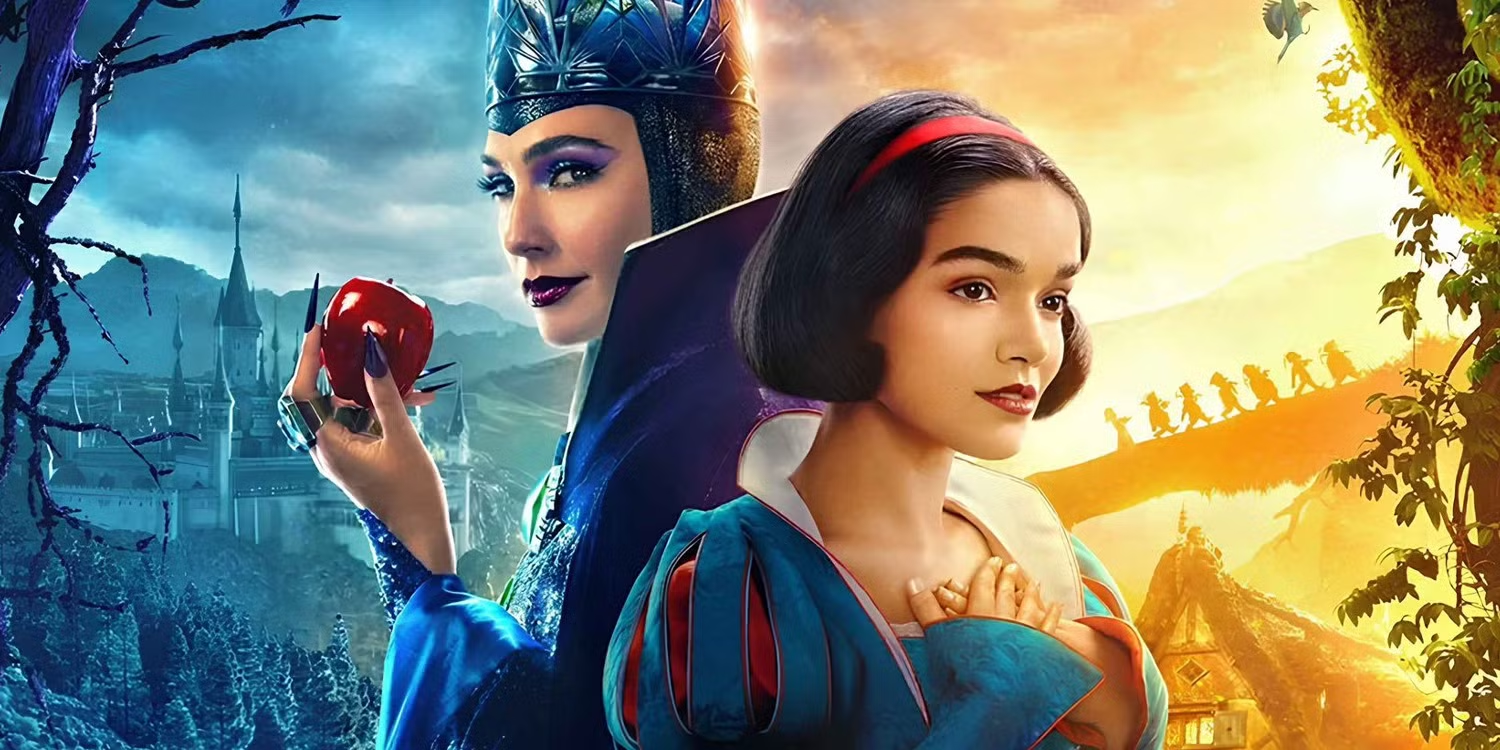
Snow White cast (Image via Getty)
The demise of the Evil Queen has undergone significant changes. In the original film, the Queen dies in a climactic fall after attempting to ambush the dwarfs. However, the live-action version introduces a more dramatic and magical death. When Snow White confronts the Queen, she shatters the enchanted mirror, causing the Queen to crumble into ash. This death, however, hints at a deeper magical world. As the Queen’s ashes are absorbed into the mirror, the audience glimpses a dark void behind the glass—a mysterious, otherworldly space that briefly opens before being sealed again. This unsettling moment suggests that the Queen’s death may not mark the end of her magical influence, adding an eerie layer to the narrative.
A Bigger Role for Snow White in the Climax
The live-action Snow White departs from the animated classic by shifting the agency in the final act. In the original, Snow White is passive during the climax, only awakened by the Prince’s kiss. In this updated version, Snow White actively confronts the Evil Queen and plays a critical role in her downfall. The Evil Queen doesn’t fall to her death through an accidental mishap; instead, Snow White’s courage and resolve lead to the Queen’s demise. This reimagining emphasizes Snow White’s growth throughout the film, giving her a more active role in her own fate and the fate of her kingdom.
In both versions of the tale, Snow White’s beauty is central to the Queen’s jealousy, but in the live-action remake, the meaning of “fairest in the land” expands beyond physical appearance. While the Evil Queen’s obsession with beauty remains a driving force in her actions, the film also explores the notion of fairness in terms of character and leadership. Snow White’s parents taught her to be a fair and compassionate ruler, qualities that endear her to the people and help her unite the kingdom. By the end of the film, the phrase “fairest in the land” refers not just to Snow White’s external beauty but to her inner qualities as a leader, making her a more complex and admirable protagonist.
The Dwarfs’ Role and Growth
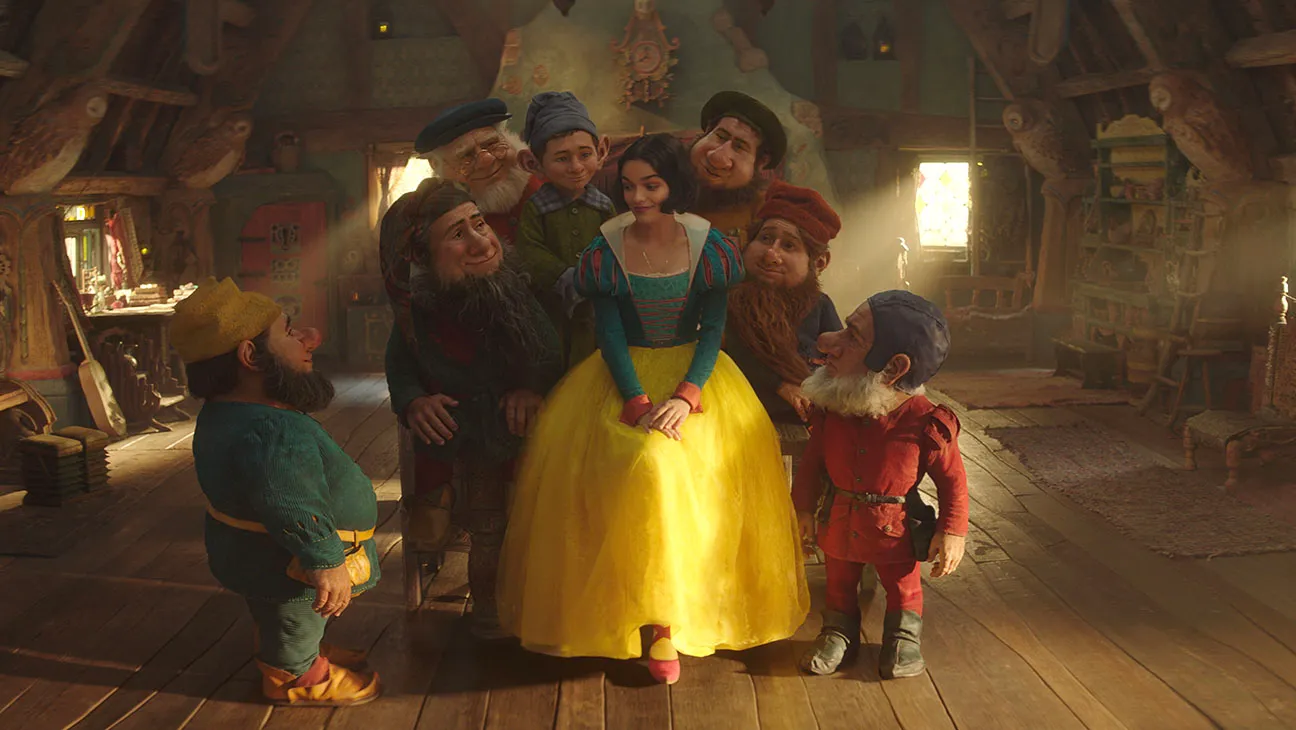
Snow White cast (Image via Getty)
While the dwarfs are secondary characters, the film ensures they aren’t mere comic relief. The dwarfs, who are magical creatures living in isolation, gradually become an integral part of Snow White’s story. They transition from being distant figures to active participants in the kingdom’s future. In a pivotal moment, Dopey speaks for the first time, showing his support for Snow White and her quest to overthrow the Queen. Furthermore, Dopey’s arc is expanded when it’s revealed that he has been narrating the story all along, adding a layer of depth to his character. By the end of the film, the dwarfs join the kingdom, signifying their reintegration into society.
A key theme in this live-action version of Snow White is the idea of “fairness” in leadership. Snow White’s empathy, compassion, and commitment to justice make her an ideal ruler. Unlike the Evil Queen, who rules through fear and vanity, Snow White’s kindness unites the kingdom and earns the trust of her subjects. This contrasts with the Queen’s cold, calculating nature, highlighting Snow White’s strength as a leader not through physical prowess, but through her ability to inspire and unite others. Her growth into a fair ruler is not just a personal victory but a victory for the people she governs.
A Satisfying Conclusion with a Bright Future
The film concludes with a hopeful, celebratory note. Snow White’s rise to power and her eventual triumph over the Evil Queen represent the restoration of peace and fairness to the kingdom. The dwarfs, once isolated, now celebrate alongside Snow White and her people, solidifying their place in the community. The final musical number, reminiscent of the joyful tune from the beginning, echoes the film’s theme of unity and prosperity. Snow White’s kingdom is set on a path of healing, and the characters are finally free from the shadow of the Evil Queen.
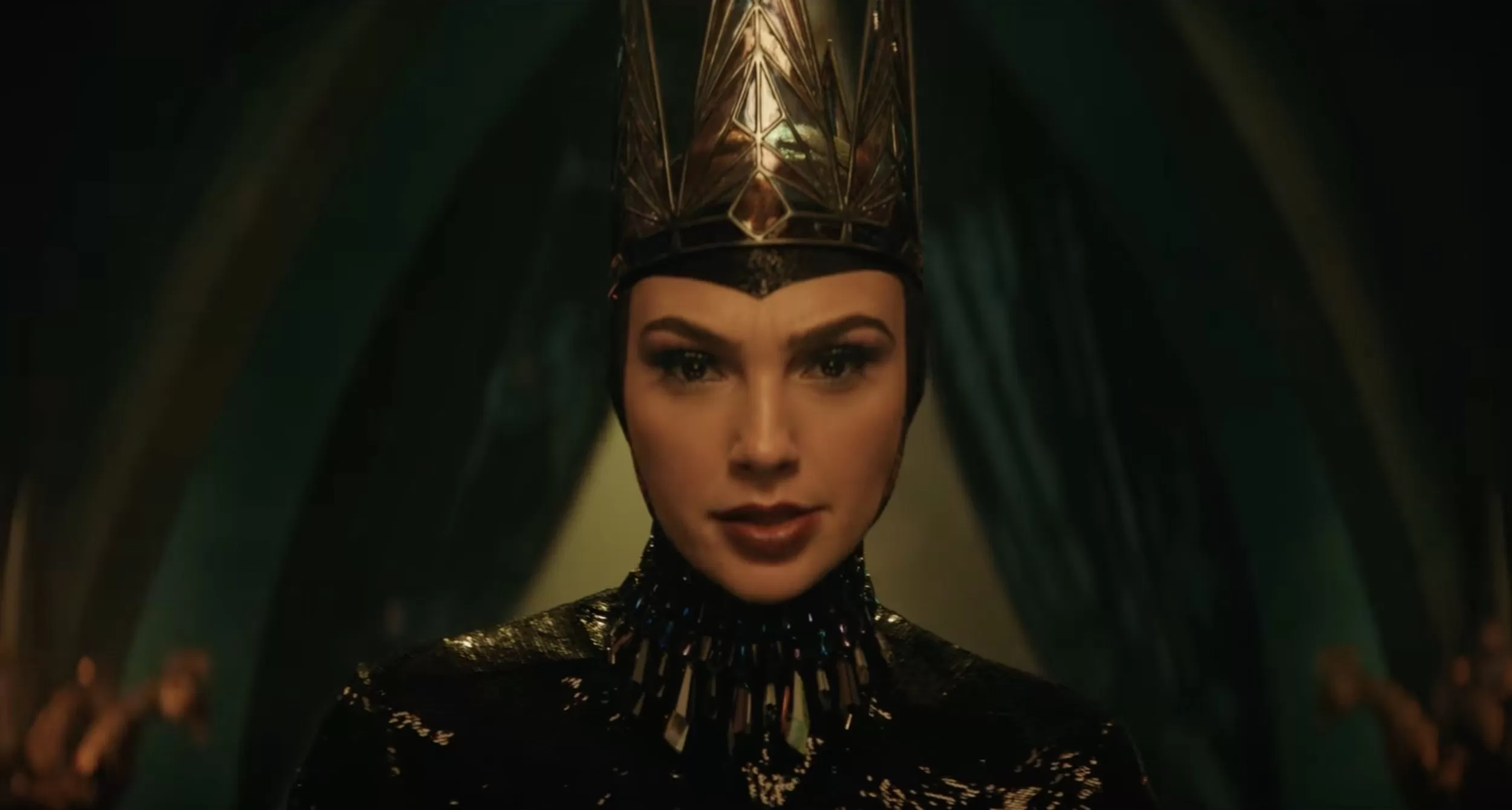
Snow White cast (Image via Getty)
While the film provides a satisfying conclusion to Snow White’s journey, it does leave room for future stories. The movie hints at a rival kingdom to the south, potentially setting up a new conflict for Snow White as she assumes the role of ruler. Additionally, the mysterious magic behind the Queen’s mirror could be further explored, offering a look into a larger magical world. These elements suggest that there is more to discover in Snow White’s universe, although the film itself does not end on a cliffhanger. The conclusion is definitive, with Snow White firmly established as a compassionate ruler.
The Deeper Message of Snow White’s Live-Action Remake
At its core, the live-action Snow White emphasizes the importance of empathy and fairness in leadership. Snow White’s journey is not just about defeating an evil ruler but about proving that true strength lies in kindness and understanding. Her ability to unite people through compassion makes her a more effective leader than the power-hungry Evil Queen. This message is central to the film’s themes, as it suggests that a ruler’s worth is not determined by their beauty or magical abilities, but by their ability to care for others and create a fair society.
