An alliance of Muslim-majority nations recently submitted a formal appeal to the United Nations, demanding a crackdown on sexually suggestive anime. The petition, raised during a cultural ethics conference, claims such content distorts morality, influences youth negatively, and promotes values incompatible with Islamic principles. The move has launched a heated global debate on religious values versus creative expression.
The petition names several anime titles known for ecchi or fan-service elements, arguing that they blur boundaries of decency and often glorify indecent behavior. Officials cited the increasing online availability of such shows, which, they claim, bypass cultural restrictions and reach youth in conservative societies. These governments are urging international streaming services to adopt stricter filters or remove content altogether.
UN Response and Fan Outrage

Naruto fans after the announcement of live action (mixed reaction) (Credits: Pierrot)
The United Nations responded with a measured stance, stating that it would “review cultural standards and global media distribution policies.” While not a commitment to censorship, the acknowledgment alone sparked uproar. Fans across regions labeled the demand as overreach, arguing that art and media should not be globally censored to meet the expectations of one belief system.
Critics of the petition also point out the hypocrisy in targeting anime while overlooking problematic content in global cinema or Western entertainment. Hashtags like #AnimeIsArt and #HandsOffAnime began trending, with users defending freedom of expression and artistic diversity. Artists and content creators worry that this could set a precedent for restricting narratives across all media.
Cultural Values or Global Censorship?

Luffy and Naruto
Supporters of the petition argue that the moral fabric of conservative societies is at risk. They emphasize the right of every culture to protect its youth and uphold spiritual teachings. They also call on anime studios to be mindful of global audiences and refrain from pushing boundaries that offend entire communities.
However, anime fans worldwide argue that regional values should not dictate global media regulations. They believe in viewer responsibility, platform-level parental controls, and content warnings—not blanket bans. For many, anime is a medium of escape, growth, and emotional resonance. The debate continues, balancing freedom of creativity with respect for deeply held beliefs.
In recent weeks, YouTube creators focused on anime have reported a disturbing trend: ecchi content is being demonetized en masse. Even mild fanservice or suggestive thumbnails now get flagged under “sexually gratifying content,” resulting in reduced reach and the loss of ad revenue. This change, rolled out without warning, has blindsided hundreds of creators worldwide.
Channels that had spent years building a following around anime breakdowns, top ten lists, or fan compilations are now struggling to remain afloat. The platform’s AI moderation tools appear to be overly sensitive, with creators saying even innocuous scenes are being penalized. While YouTube hasn’t issued a detailed clarification, creators fear this marks a permanent shift in platform policy.
Financial Fallout for Anime Creators

Please Put Them On, Takamine-san
One long-time content creator, speaking anonymously to Dexerto , said their income dropped by over 70% after several videos were demonetized for “sexual content,” despite following community guidelines. The creator emphasized they do not post NSFW clips, only edited content from legally licensed shows.
Others have shared screenshots of takedown notices, showing thumbnails labeled as “gratuitously sexual” despite featuring no nudity or explicit acts. Many creators now feel forced to self-censor or shift their content entirely. For smaller channels, this has been financially devastating—prompting some to halt production altogether or move to alternative platforms.
Artistic Expression or Algorithmic Targeting?
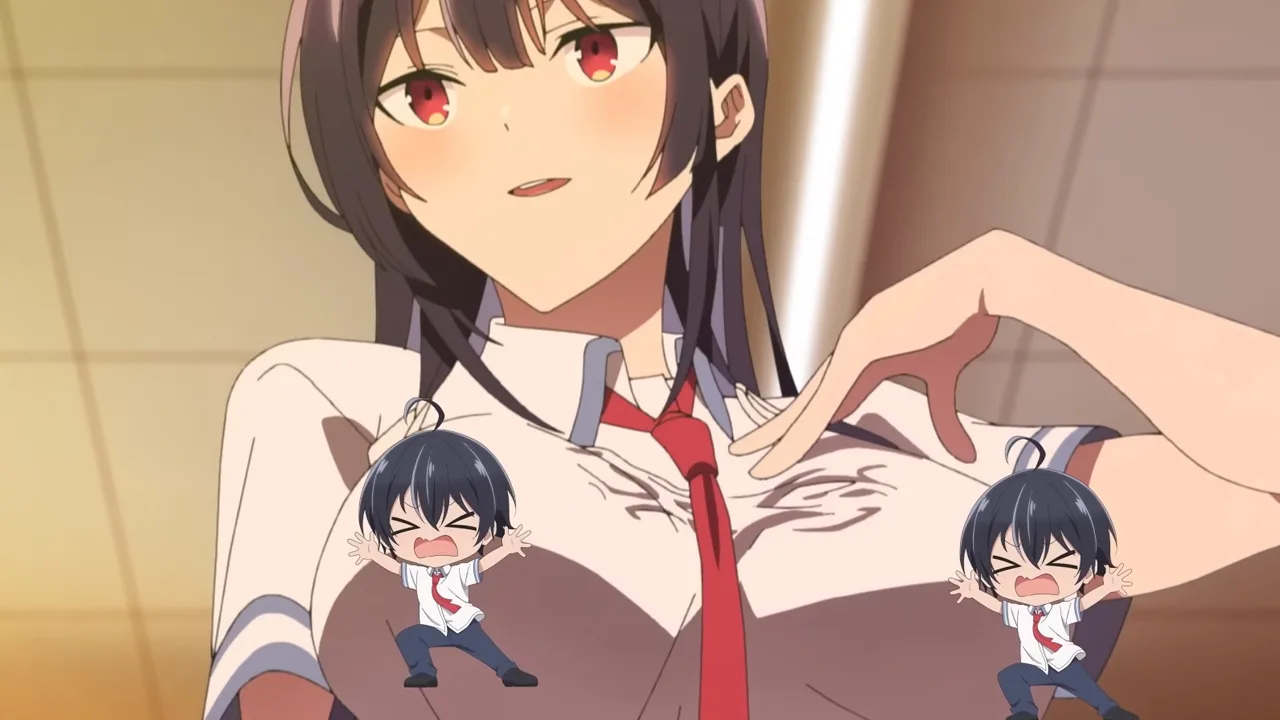
Please Put Them On, Takamine-san
The crackdown has raised concerns over what defines “appropriate” anime content in Western tech spaces. While Japan has long embraced fanservice as part of its animation culture, global platforms like YouTube are imposing broader, Western-centric standards. Critics argue this results in unfair policing of artistic styles and genre norms.
Fans and content creators alike are calling for more transparency and consistency. Some have shifted to platforms like Rumble or Patreon to maintain income, while others demand clearer guidelines and real human review. The broader question remains: can anime exist online without falling victim to automated purging?
