Since the conclusion of My Hero Academia, Kohei Horikoshi has continued to surprise fans with stunning new artwork of their favorite characters. These illustrations often reimagine the heroes in different settings or showcase them in styles rarely seen in the manga. His latest reveal is a breathtaking portrait of Mirko, one of the most popular pro heroes, which has left fans in awe.
On April 2, Horikoshi shared an illustration of Mirko on his personal X (formerly Twitter) account, presenting the fierce hero in an entirely new light. Instead of her usual intense battle-ready expression, she is depicted with a radiant smile, her white hair flowing in the wind. The level of detail in this piece is far beyond what is typically seen in the manga, giving Mirko a more refined and graceful appearance.
A More Elegant Side of Mirko
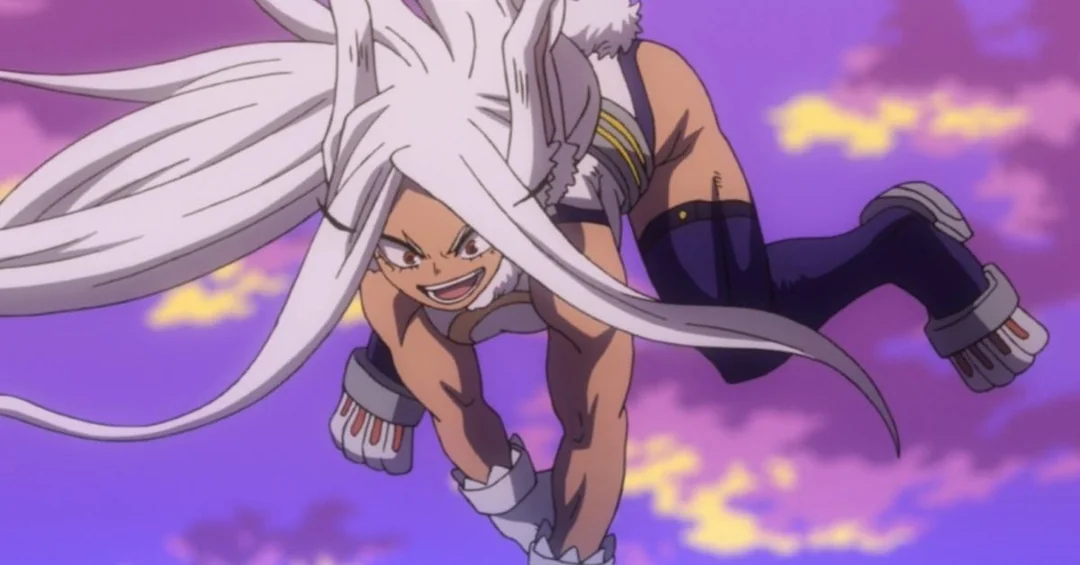
Mirko in My Hero Academia
Horikoshi’s use of color and lighting is masterful, with the bright hues giving the artwork an almost glowing effect. The contrast between the light and Mirko’s skin tone is particularly well executed, highlighting the artist’s attention to detail. This shift in style has caught fans off guard, with many praising the artwork for offering a fresh perspective on the fearless hero.
息抜きのミルコ。見るコ。 pic.twitter.com/qKMFrBejkr — 堀越耕平 (@horikoshiko) April 2, 2025
The release of this illustration has reignited discussions about Mirko’s character and her potential for a standalone story. Rumi Usagiyama, better known by her hero name Mirko, has been a fan favorite ever since her debut. Her relentless determination and incredible battle prowess have made her one of My Hero Academia’s standout characters, especially after her fights against the High-End Nomus and Shigaraki.
Fans Demand a Mirko Spin-Off
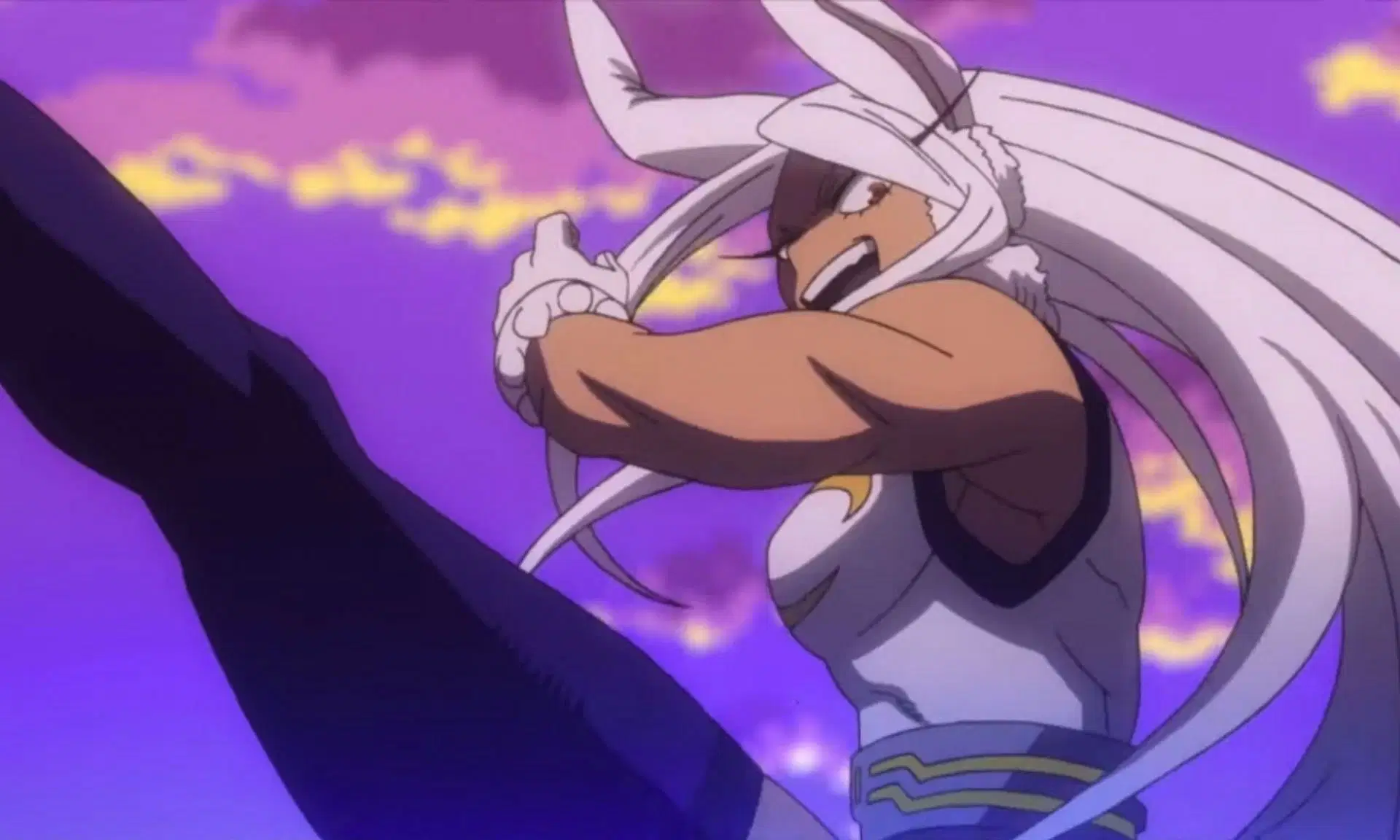
Mirko in My Hero Academia
Many fans have long hoped for a prequel series that explores Mirko’s past, particularly her early days as a hero. A spin-off could go into her journey through U.A. Academy, her training, and her rise to becoming one of Japan’s top heroes. Such a series would also provide a look into Hero Society before the rise of Deku and the chaos brought by All For One’s schemes.
Given Mirko’s popularity and the excitement surrounding this new artwork, it’s clear that a series focused on her would be a massive success. Whether Horikoshi will consider expanding her story remains to be seen, but fans are certainly eager for more.
The anime industry continues to grow at an unprecedented rate, with projections showing significant expansion in the coming years. However, new censorship regulations in China could hinder this progress. According to a report from Japanese news outlet Mantan Web , the country has become much stricter in regulating anime content. Certain themes, such as middle school romance and stories about overthrowing the government, are now prohibited.
This shift could lead to serious consequences for anime distribution in China. Many globally successful anime feature political conflicts and rebellion as central themes, including Attack on Titan, Fullmetal Alchemist, and One Piece. While Attack on Titan has already faced bans in China, One Piece remains popular in the country, making it unclear how existing series will be affected. Restricting such major titles could potentially stifle anime’s growth in one of its largest international markets.
China’s Anime Censorship Could Have Broad Implications
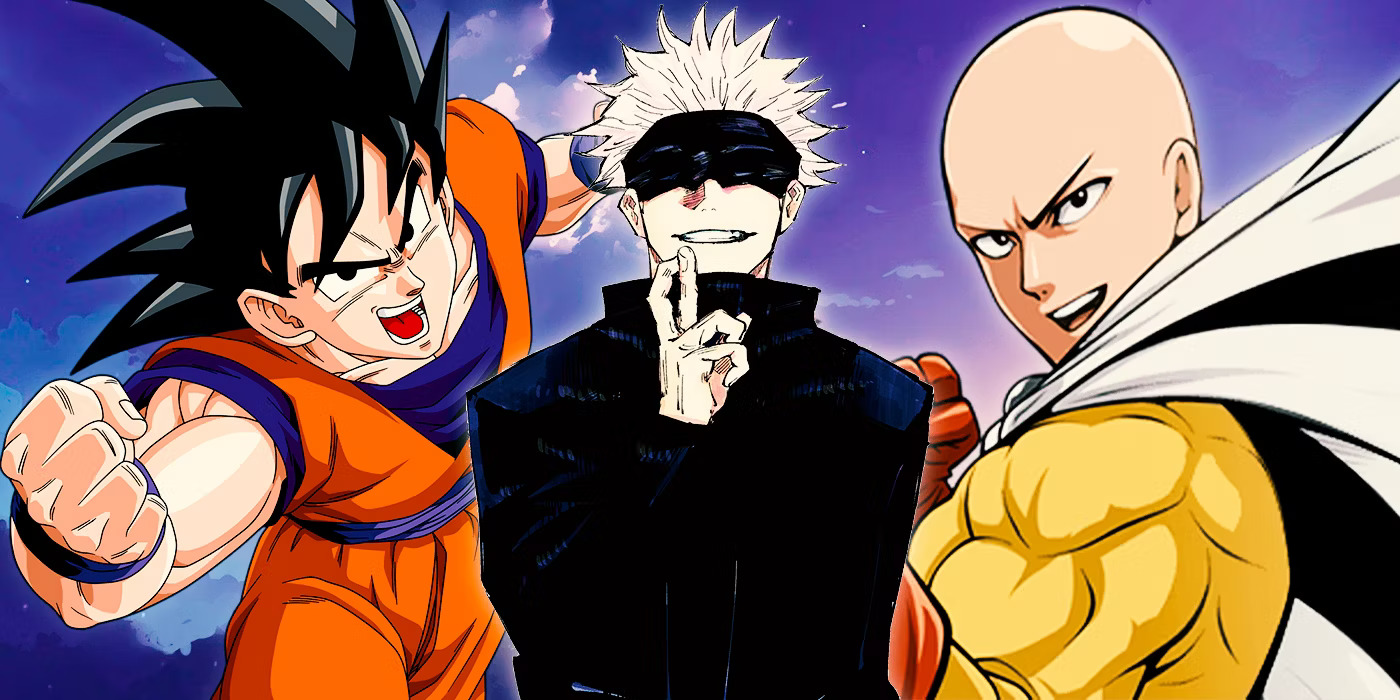
Goku, Gojo, and Saitama (Credits: Crunchyroll)
The most immediate impact of these new restrictions will be felt by Chinese anime fans, who may lose access to some of the industry’s most iconic series. However, the consequences could extend far beyond China’s borders. With anime production costs increasing, studios rely on international revenue to offset expenses. China, as one of the biggest importers of Japanese animation, represents a crucial market for the industry’s financial stability.
This is how DanDaDan was censored in China. pic.twitter.com/CXUGj2kY2Z — Anime News And Facts (@AniNewsAndFacts) October 23, 2024
As anime continues to expand globally, major regions such as the United States and China play vital roles in its profitability. Analysts predict that anime will become a $4 billion industry in the U.S. alone in the next few years. Losing access to the Chinese market could force Japanese studios to reconsider the types of projects they greenlight, potentially limiting creative freedom and financial incentives for ambitious storytelling.
The new censorship rules could discourage studios from producing anime with complex political narratives or school-life romance, both of which are foundational elements in the medium. If Chinese restrictions significantly impact anime distribution, studios might focus on stories that align more closely with China’s media regulations, which could reshape the industry’s creative direction.
Enforcing an Anime Ban May Be Challenging
Anime Movies by Studio Ghibli
Despite the potential economic impact, enforcing these censorship rules on a broad scale may prove difficult. Rebellion is a common theme across various forms of entertainment, from anime to Hollywood blockbusters. Even Western franchises like Star Wars and The Hunger Games revolve around the idea of fighting oppressive governments. Banning such themes entirely could be challenging, as they are deeply embedded in storytelling traditions worldwide.
One possible outcome is selective enforcement, where Chinese authorities determine which anime titles are acceptable on a case-by-case basis. For instance, One Piece might remain untouched due to its immense popularity, while smaller, lesser-known anime could face stricter restrictions. This uncertainty poses a risk to studios producing original anime, as they may struggle to secure international licensing deals if there’s a chance their series won’t pass Chinese censorship.
While the full impact of these new restrictions remains uncertain, it’s clear that limiting anime distribution in China could have long-term consequences for the industry. Studios and producers may need to adapt to these regulations, potentially altering the type of anime that gets made in the future.
