In the ever-evolving world of My Hero Academia , fans are accustomed to thrilling plot twists, powerful battles, and emotional character arcs.
But recently, the anime stunned its audience with something even more unexpected the return of Gentle Criminal.
For those who have followed Kohei Horikoshi’s manga, this moment may have felt like a surprise, albeit a pleasant one, since Gentle Criminal’s reappearance wasn’t heavily foreshadowed in the manga either.
However, this unexpected comeback has added a new layer of depth to the series and has cemented Gentle’s place in the hearts of fans, pushing his character to the forefront once more.
The return of Danjuro Tobita, also known as Gentle Criminal, was not just a random addition to the storyline.
While the buildup to his return was minimal, the emotional impact it had on fans was immense. It’s not hard to see why.
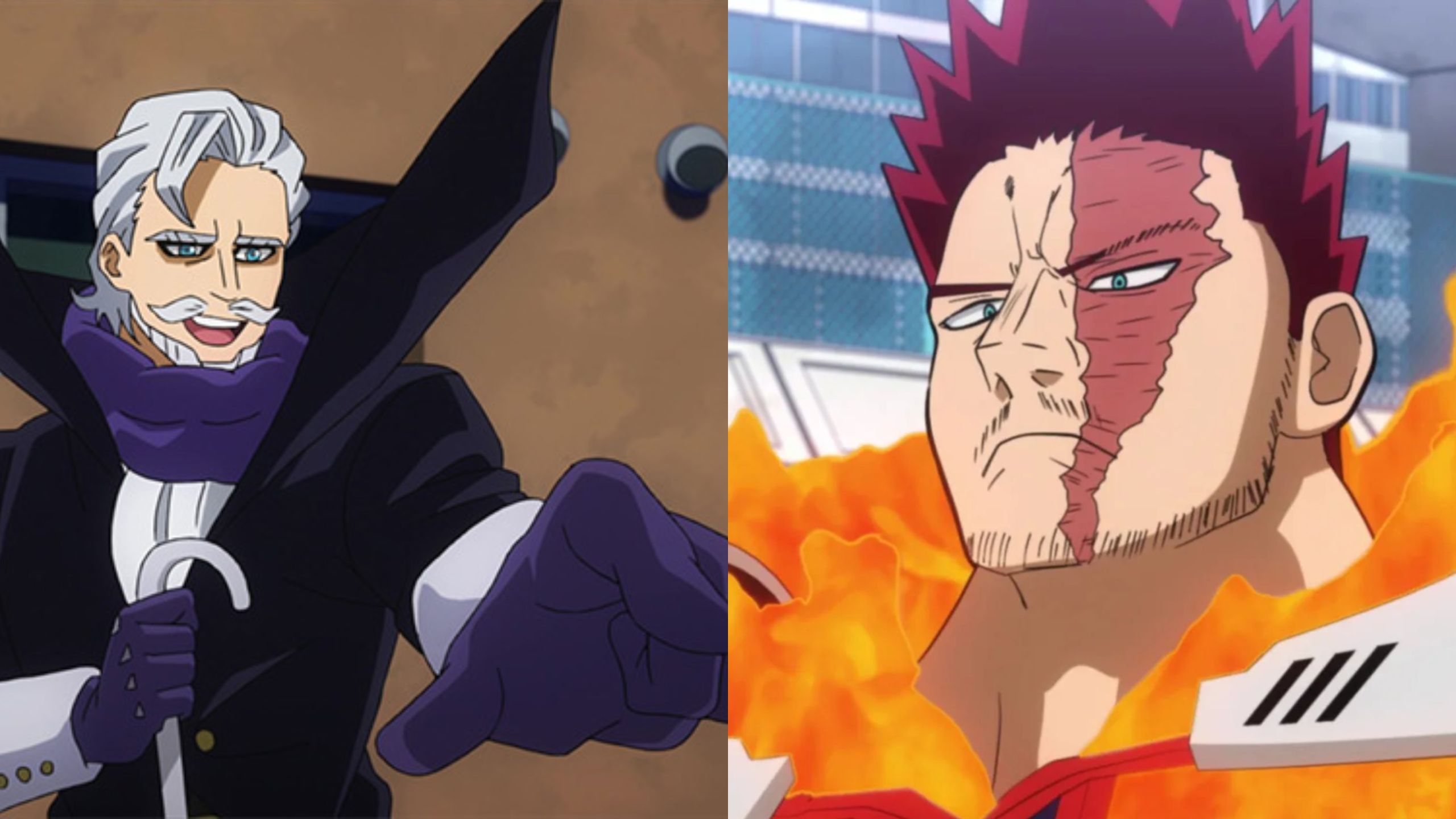
Gentle And Endeavor From My Hero Academia (Bones)
From the moment he first appeared, Gentle Criminal struck a chord with viewers. He wasn’t your typical villain. He didn’t aim for world domination, nor did he seek to wreak havoc purely for the sake of chaos.
Instead, his motivations were deeply personal and grounded in a sense of desperation for recognition and validation in a world that had largely overlooked him.
This made him a uniquely relatable figure, unlike the more traditional villains in My Hero Academia, whose ambitions were often grand and destructive.
Gentle’s return has only heightened the emotional connection fans feel toward him, and it’s immediately clear that his reappearance signals something much deeper than just another fight.
His comeback represents a journey toward redemption, a chance to right the wrongs of his past, and perhaps most importantly, to prove that even those who have walked the path of villainy can find their way back.
And in the process, Gentle’s redemption arc has emerged as the best in My Hero Academia, even surpassing the heavily explored redemption of Pro Hero Endeavor.
The complexity of Gentle Criminal’s redemption
What makes Gentle Criminal’s redemption arc stand out from the rest is how deeply personal it feels.
From the moment he is reintroduced, it becomes apparent that his motivation for seeking redemption is not driven by the need to atone for a grand betrayal or a major catastrophe.
Instead, Gentle’s desire for redemption is born from his interaction with one person: Izuku “Deku” Midoriya. In a world where villains often seek redemption for their own benefit, Gentle’s path is refreshingly different.
His motivation is rooted in a genuine desire to redeem himself in Deku’s eyes, the very person who helped him see that there could be another way to live.
When Gentle Criminal was first defeated by Deku, it was not the kind of defeat that left him humiliated or embittered.
Instead, it was a moment of profound realization for him. He came to understand that the path he had chosen wasn’t the only one available to him, and that perhaps there was a better way forward.
This epiphany was the catalyst for his transformation. He didn’t simply stop being a villain because he was forced to; he made the conscious decision to change because he saw that it was possible to live a different kind of life.
#MyHeroAcademia Gentle is such a dope and underrated character man He’s one of the first prime examples in the series of how an antagonist is capable of genuine change when they’re given the chance they never had in the past pic.twitter.com/fnjrTSY65A — ZheroG (GENTLE Edition 🤍💜) (@glennster2363) September 7, 2024
In many ways, Gentle’s redemption arc reflects the same journey that Deku has been on throughout the series.
Just as Deku was inspired by All Might to become a hero, Gentle was inspired by Deku to change his ways.
This cyclical nature of inspiration is a core theme in My Hero Academia. Heroes inspire others to become heroes, and even those who have walked down the path of villainy can find redemption if they are given the chance.
Gentle’s story is a testament to the power of inspiration and the idea that one person’s actions can have a profound impact on another’s life.
This theme of inspiration is further reinforced by Gentle’s actions during his reappearance. He is no longer the villain who sought fame and recognition through criminal acts.
Instead, he is someone who wants to prove that he can be better, that he can live a life that aligns more closely with the ideals of heroism.
While he may not have the flashy powers of some of the series’ more prominent characters, Gentle’s redemption arc is a powerful reminder that true heroism isn’t about strength or combat prowess.
It’s about the ability to change, to grow, and to inspire others to do the same.
A comparison with Endeavor’s redemption
While My Hero Academia has had several notable redemption arcs, none are as heavily explored or as controversial as Endeavor’s.
As the former No. 2 hero and later the No. 1, Endeavor’s journey toward redemption has been a central focus of the series, particularly in its later arcs.
However, while Endeavor’s story is undeniably powerful, it pales in comparison to the depth and emotional resonance of Gentle Criminal’s redemption.
Endeavor’s redemption arc is built around his relationship with his family, particularly his son, Shoto Todoroki.
As a father, Endeavor was abusive, cruel, and controlling. His obsession with surpassing All Might drove him to commit terrible acts of emotional and physical abuse against his family, and those actions have left deep scars that will likely never fully heal.
As a result, Endeavor’s journey toward redemption is largely about making amends for the mistakes he made in the past.
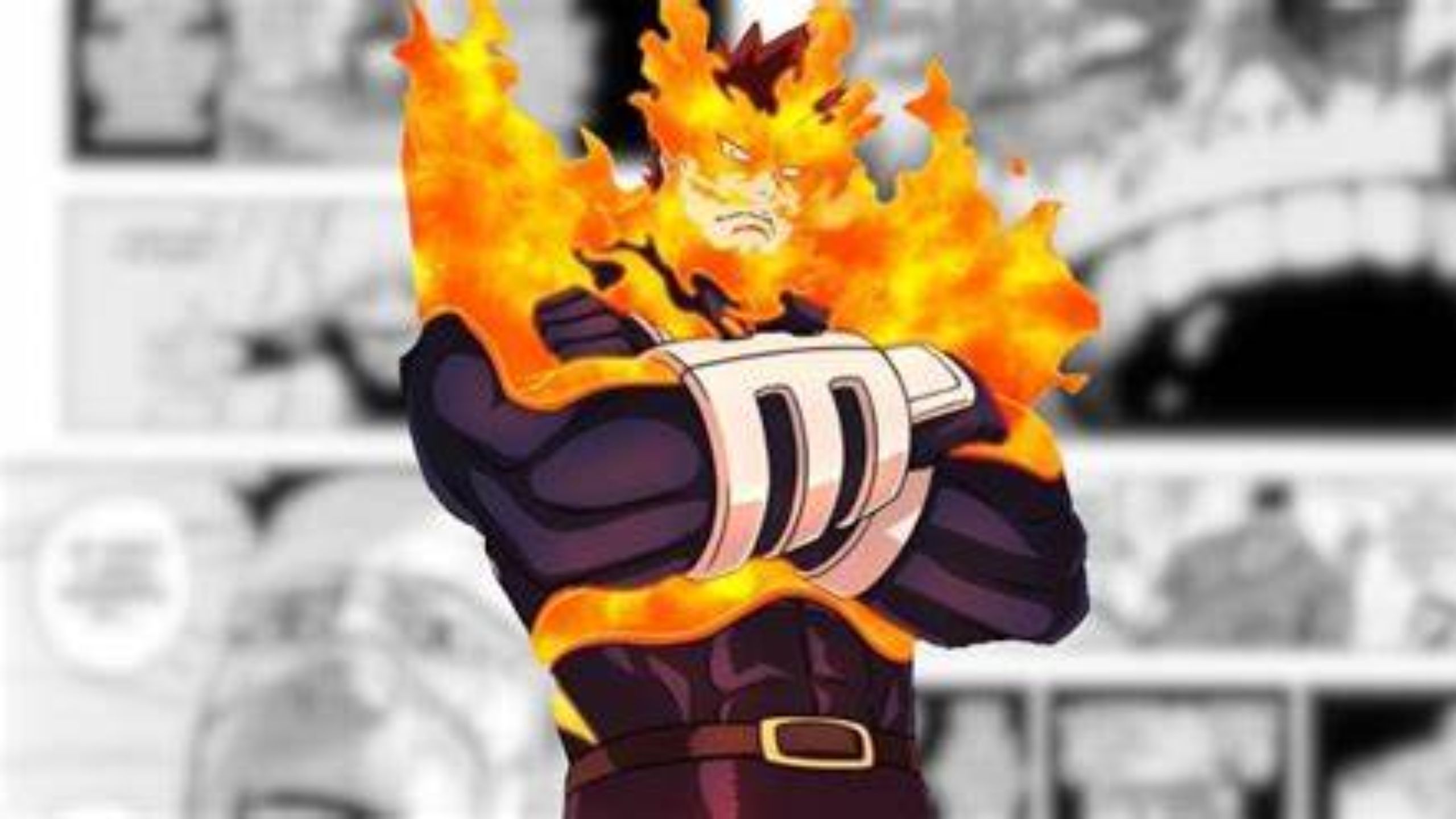
Endeavor From My Hero Academia (BONES)
He recognizes that he can never undo the harm he caused, but he is determined to be better moving forward.
While Endeavor’s redemption is rooted in atonement, Gentle Criminal’s redemption feels more organic and less driven by external pressures.
Gentle is not seeking redemption because he feels obligated to make amends or because he has a public image to maintain.
His motivation is far more personal and introspective. He doesn’t need to repair relationships or fix a broken public persona.
Instead, his redemption is driven by a simple desire to prove to Deku – and to himself – that he can change.
This difference in motivation is what makes Gentle’s redemption arc feel more genuine. Endeavor is trying to be better because he has to, while Gentle is trying to be better because he wants to.
This distinction may seem subtle, but it makes a world of difference in how their respective journeys are perceived.
Gentle’s redemption feels less forced, less driven by necessity, and more like a natural evolution of his character.
He has no grand public image to fix, no family to win back. He is simply a man who made mistakes and wants to be better.
Another key difference between the two redemption arcs is the emotional baggage each character carries.
Endeavor’s past is filled with abuse, neglect, and obsession, and those actions have had long-lasting consequences, particularly for his family.
While he is working to atone for his mistakes, the emotional scars he left on his family are still very much present, and it’s unclear whether they will ever fully forgive him.
Gentle, on the other hand, doesn’t have the same kind of heavy emotional baggage. While he did commit crimes, they were far less severe, and his path to redemption is much cleaner and more straightforward.
This simplicity is part of what makes Gentle’s redemption so powerful. His journey isn’t weighed down by the complexities of broken relationships or public perception.
Instead, it’s a pure and personal quest for self-improvement. This makes his redemption arc feel more accessible and relatable to fans.
In my top 10 for a reason I love both him and La Brava!!!! Just great characters — 🌟Koolkamjam💫(COMMISSIONS: CLOSED) (@KameronKKJ) September 7, 2024
While many viewers may struggle to relate to Endeavor’s story of atoning for years of abuse, Gentle’s journey of personal growth and redemption feels more universal.
Everyone can relate to the idea of wanting to be better, to make amends for past mistakes, and to prove that they can change.
Broader themes of heroism and villainy in My Hero Academia
At its core, My Hero Academia is a story about heroism. But it’s also a story about the fine line between heroism and villainy, and how people can shift from one side to the other based on the choices they make.
This theme is explored throughout the series, but it is particularly prominent in Gentle Criminal’s redemption arc.
From the beginning, Gentle Criminal was never a traditional villain. Unlike other antagonists in the series, his motivations were not rooted in a desire to cause harm or destruction.
Instead, he sought recognition and validation. He wanted to be seen, to be remembered, and to leave a mark on the world.
In many ways, his actions were driven by a deep sense of insecurity and loneliness. He wasn’t a villain because he wanted to be; he was a villain because he didn’t know how else to achieve his goals.
This makes Gentle’s story particularly poignant, as it highlights one of the central themes of My Hero Academia: the idea that people are not inherently good or evil.
Instead, they are shaped by their experiences, their circumstances, and the choices they make. Gentle chose to become a villain because he felt that it was the only way to achieve his goals.
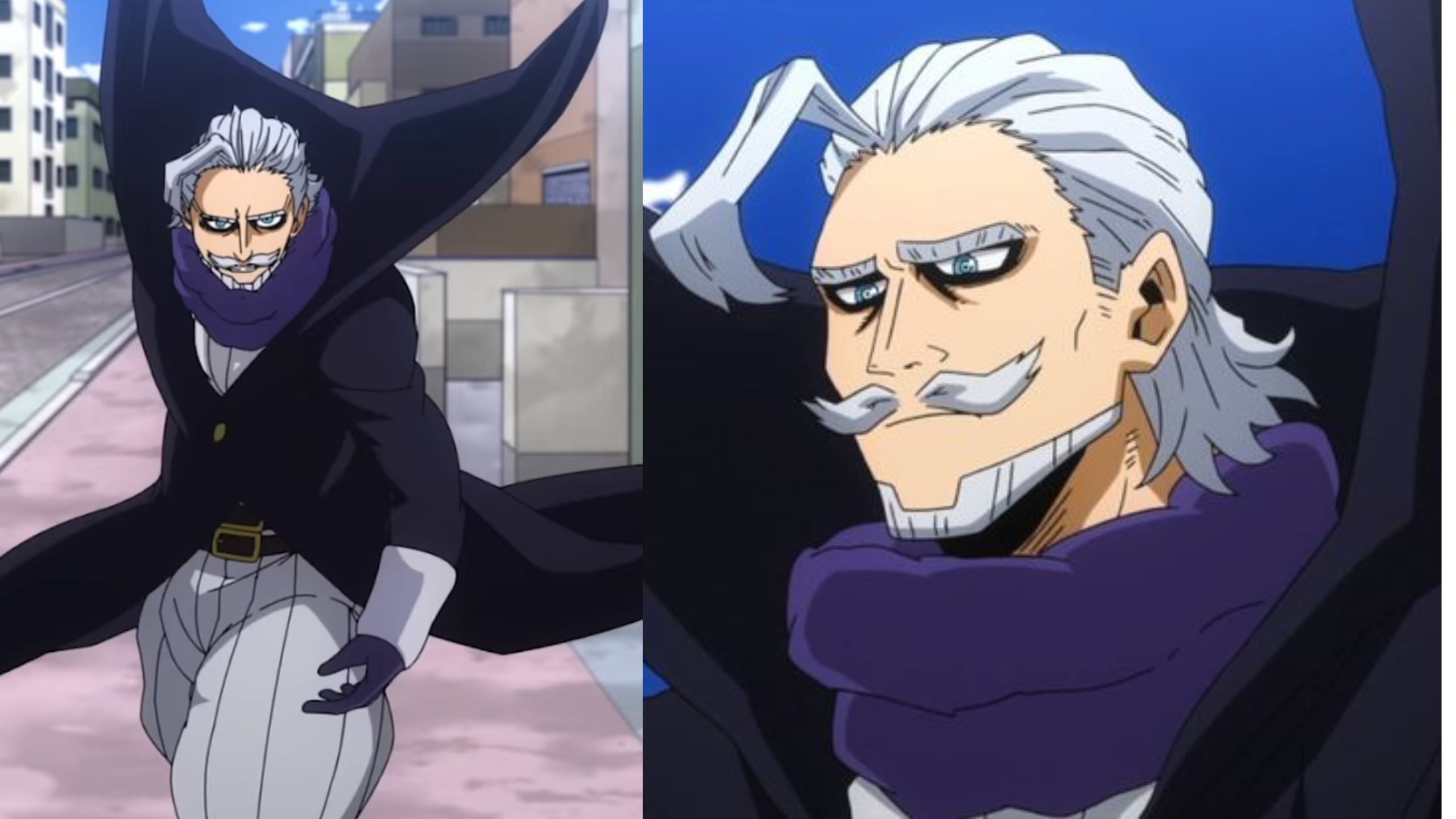
Gentle From My Hero Academia (Bones)
But when given the opportunity to change, he embraced it fully. His redemption arc serves as a powerful reminder that villains are not beyond saving, and that even those who have made mistakes can find their way back if they are given the chance.
This theme is also reflected in Deku’s character. Throughout the series, Deku has shown a remarkable ability to empathize with others, even those who are his enemies.
He doesn’t see the world in black and white. Instead, he believes in the potential for people to change and grow.
This belief is what drives his desire to save Tomura Shigaraki, the series’ primary antagonist.
Despite all the pain and destruction Shigaraki has caused, Deku refuses to give up on him. He believes that there is still good in Shigaraki, and he is determined to bring it out.
Gentle Criminal’s redemption arc is a smaller-scale reflection of this philosophy. Just as Deku believes in Shigaraki’s potential for redemption, he also believed in Gentle’s potential to change.
And Gentle, inspired by Deku’s faith in him, chose to take a different path. This cyclical nature of inspiration and redemption is one of the central themes of My Hero Academia, and it is beautifully summarizes in Gentle’s story.
The lasting impact of Gentle Criminal’s redemption
As My Hero Academia moves towards its final arcs, the themes of redemption, heroism, and personal growth are becoming more prominent than ever.
Gentle Criminal’s redemption arc serves as a powerful reminder that even in a world filled with superpowers and larger-than-life battles, the most important changes are often the ones that happen within.
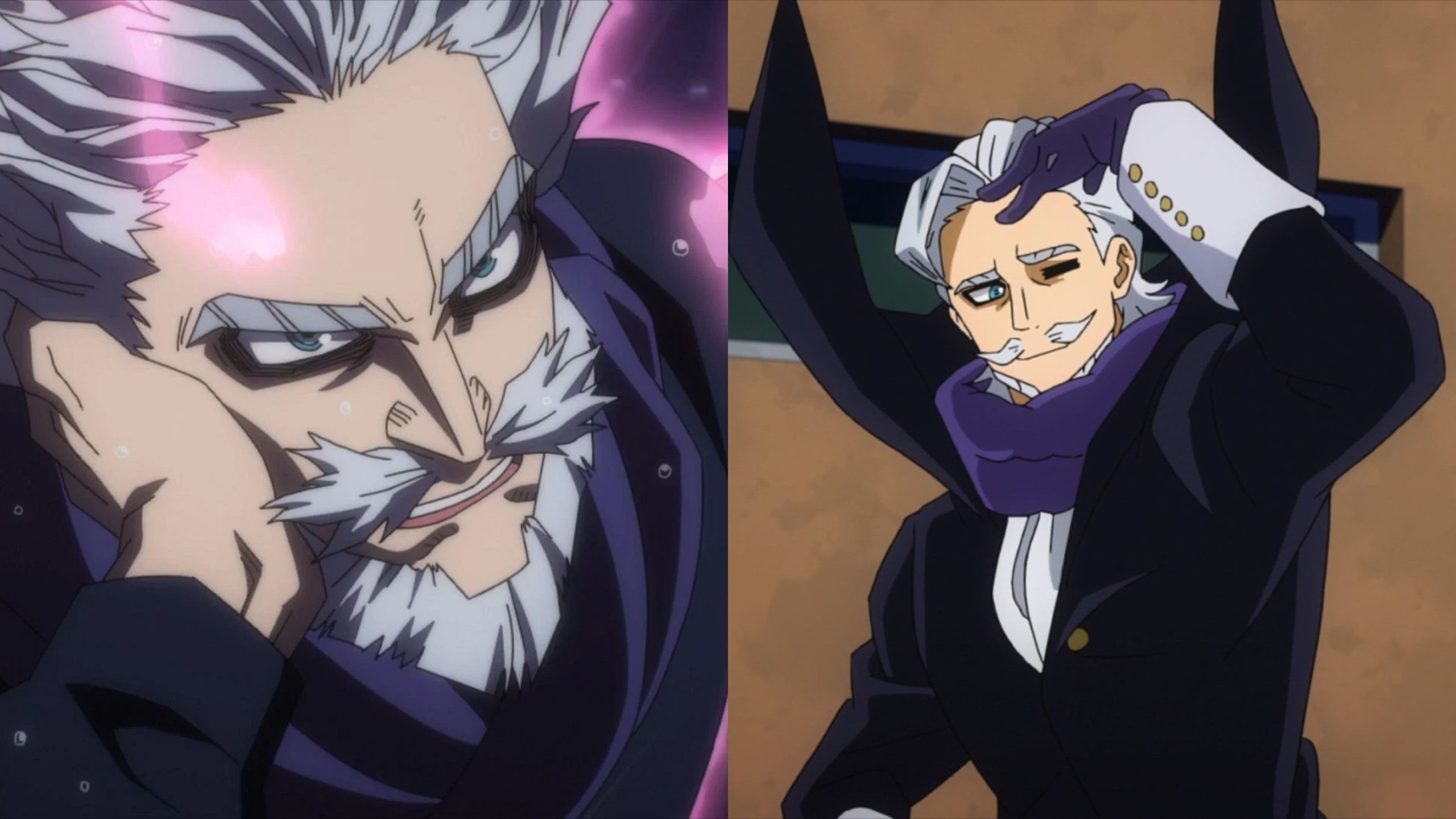
Gentle From My Hero Academia (Bones)
His story is a testament to the idea that it’s never too late to choose a different path, and that true heroism lies not in strength or power, but in the ability to inspire others to be better.
In the end, Gentle Criminal’s redemption is the most emotionally resonant and thematically rich arc in the entire series.
It may not have the same scale or complexity as Endeavor’s, but it touches on deeper, more universal themes. It’s a story about one man’s decision to change, not because he has to, but because he wants to.
And in that decision, Gentle proves that even villains can be heroes – all it takes is the willingness to grow.
One Piece episode 1118, titled The Holy Land in Tumult! Sai and Leo’s Full-Power Blow!, hit Japanese screens on Sunday, September 8, 2024.
This particular episode is packed with suspense, action, and monumental revelations.
Fans were treated to a combination of nerve-wracking moments that centered around King Cobra’s shocking encounter with the mysterious ruler of the world, Imu .
Meanwhile, Sabo’s adventurous escape and the rising rebellion against the oppressive Celestial Dragons only added to the episode’s intensity.
This installment of One Piece is part of the larger Reverie arc, which has long intrigued fans for its deeper jump into the complex political world of the One Piece universe.
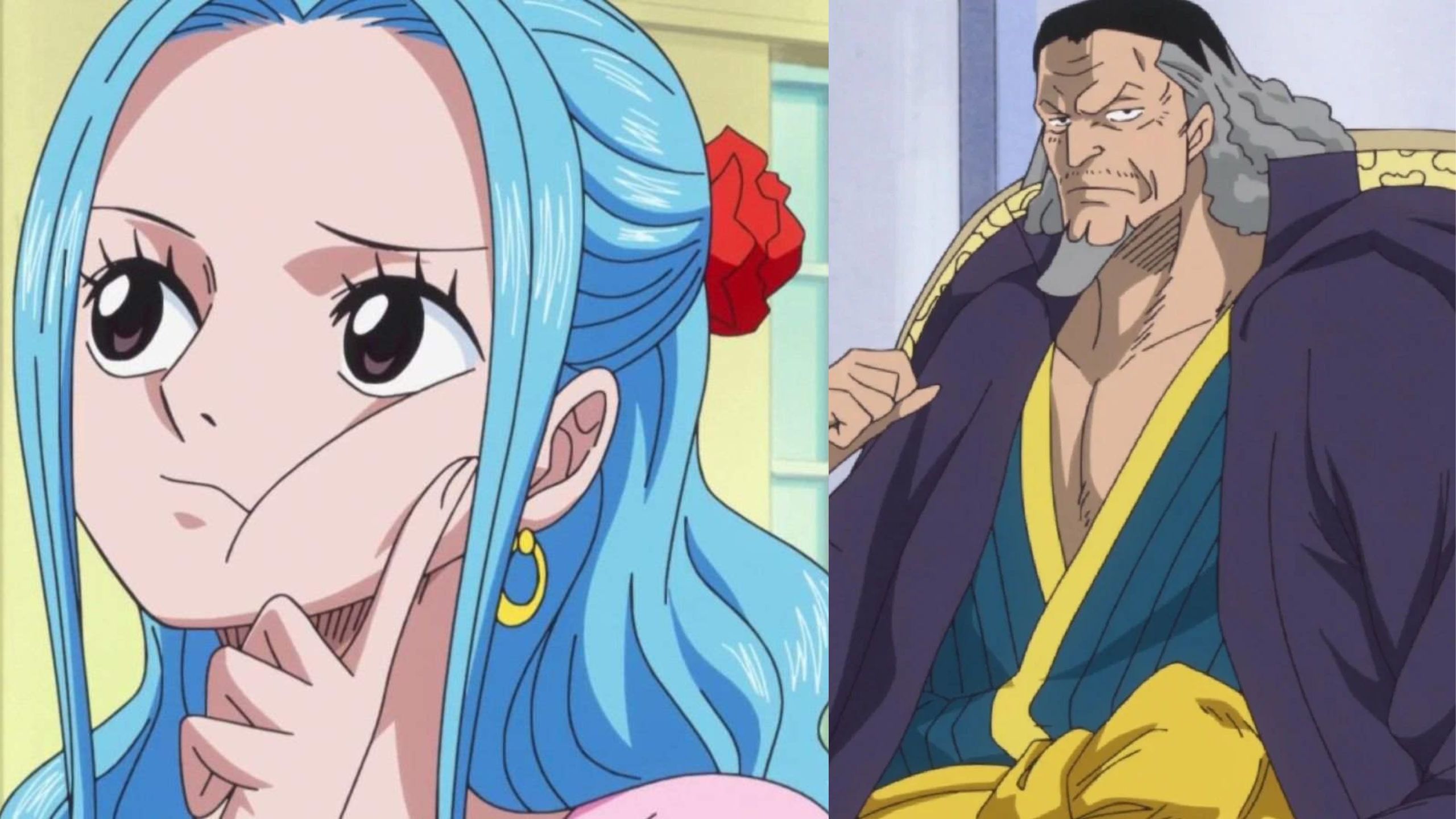
Vivi And Nefertari Cobra (Toei Animations)
After episodes packed with combat and the liberation of slaves, episode 1118 brings a critical shift towards exploring the past, particularly the secrets tied to the formation of the World Government and the mysterious figure of Queen Lily from Alabasta.
The discoveries King Cobra makes in this episode are earth-shattering, not just for the characters but also for the world of One Piece itself.
Recap of Previous Events Leading Up to Episode 1118
To fully understand the magnitude of what happens in this episode, it’s essential to briefly revisit the events that led up to this point.
In the earlier episodes of this arc, the Revolutionary Army made a bold move by infiltrating the Holy Land of Mary Geoise.
This is a sacred, highly protected location where the world’s most powerful people the Celestial Dragons live.
Led by Sabo, the Revolutionary Army’s mission was to free slaves, destroy resources, and most importantly, shake the very foundation of the corrupt world order.
However, this mission wasn’t without its risks. Sabo, the sworn brother of Luffy, has now become a hero for some, but a dangerous criminal for others.
Accused of assassinating King Cobra, Sabo’s name now strikes both admiration and fear into the hearts of the people.
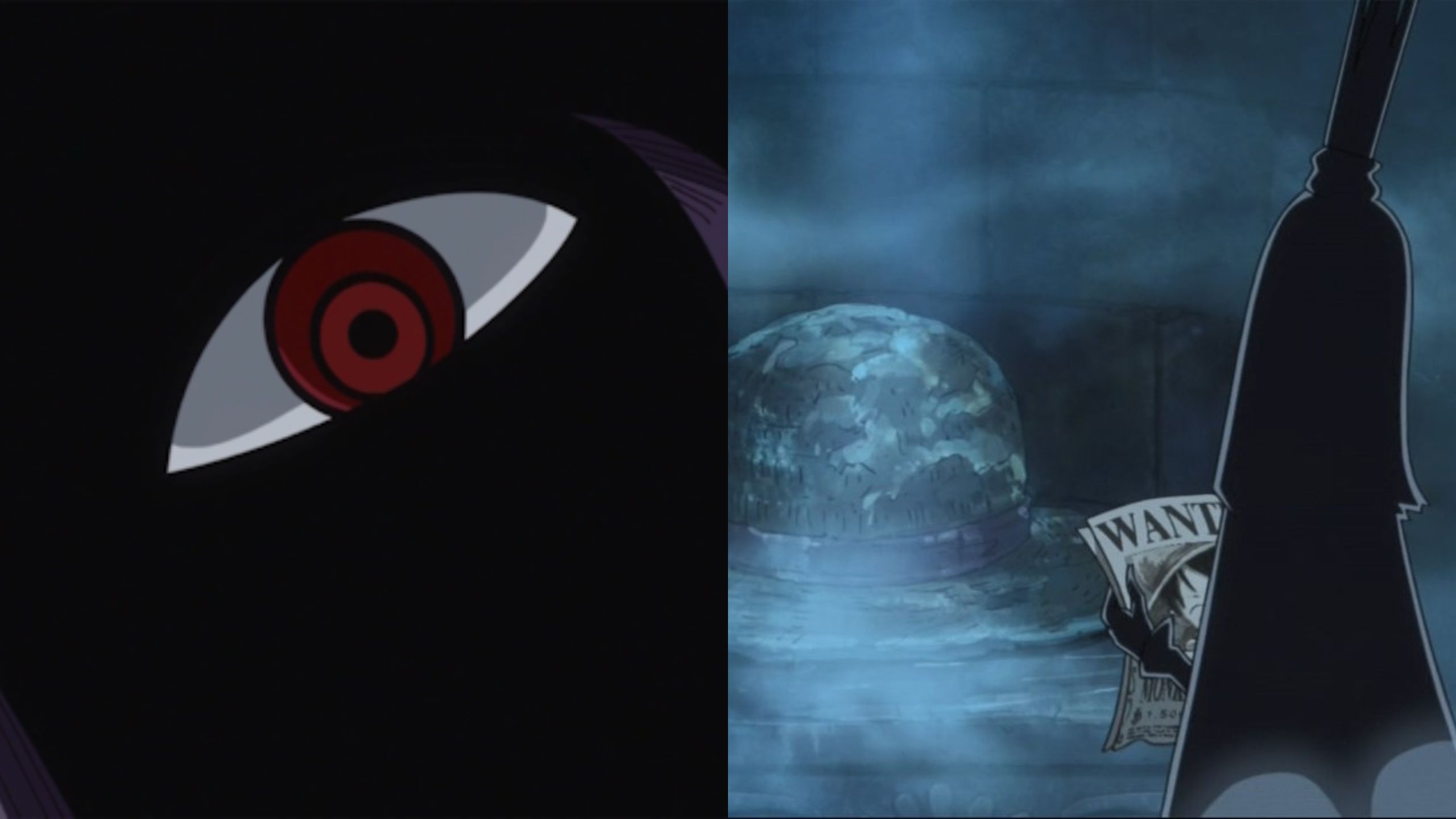
Imu – One Piece (Toei Animations)
The reverberations of these events will likely change the course of world history in the One Piece world.
Now, episode 1118 takes these stakes even higher. It not only offers viewers stunning revelations about the World Government’s origins but also presents the possibility of a dramatic shift in power.
With key moments focusing on Cobra’s quest for answers, the Revolutionary Army’s daring moves, and the fight against the cruelty of the Celestial Dragons, this episode deepens the plot in a way few others have.
King Cobra’s Quest for the Truth in One Piece Episode 1118
One of the most significant elements of episode 1118 is King Cobra’s relentless pursuit of the truth.
As the ruler of Alabasta, Cobra is a man of principle, deeply committed to understanding his kingdom’s past, particularly the role his family played in the formation of the World Government.
His desire for clarity leads him to an intense meeting with the Five Elders, a shadowy group that stands at the pinnacle of the World Government’s hierarchy. What Cobra uncovers during this meeting shakes him and the viewers to their core.
In their conversation, Cobra brings up the formation of the World Government some 800 years ago, a time shrouded in mystery and tied to the infamous Void Century, an era of lost history that the World Government has gone to great lengths to keep hidden.
According to the official narrative, 20 monarchs left their countries to form the World Government in Mary Geoise.
These monarchs became the Celestial Dragons, an elite class that now rules over the world with an iron fist.
To prevent any single ruler from taking absolute control, they placed their weapons around the Empty Throne, symbolizing that no one should ever sit on it and claim the title of “king of the world.”
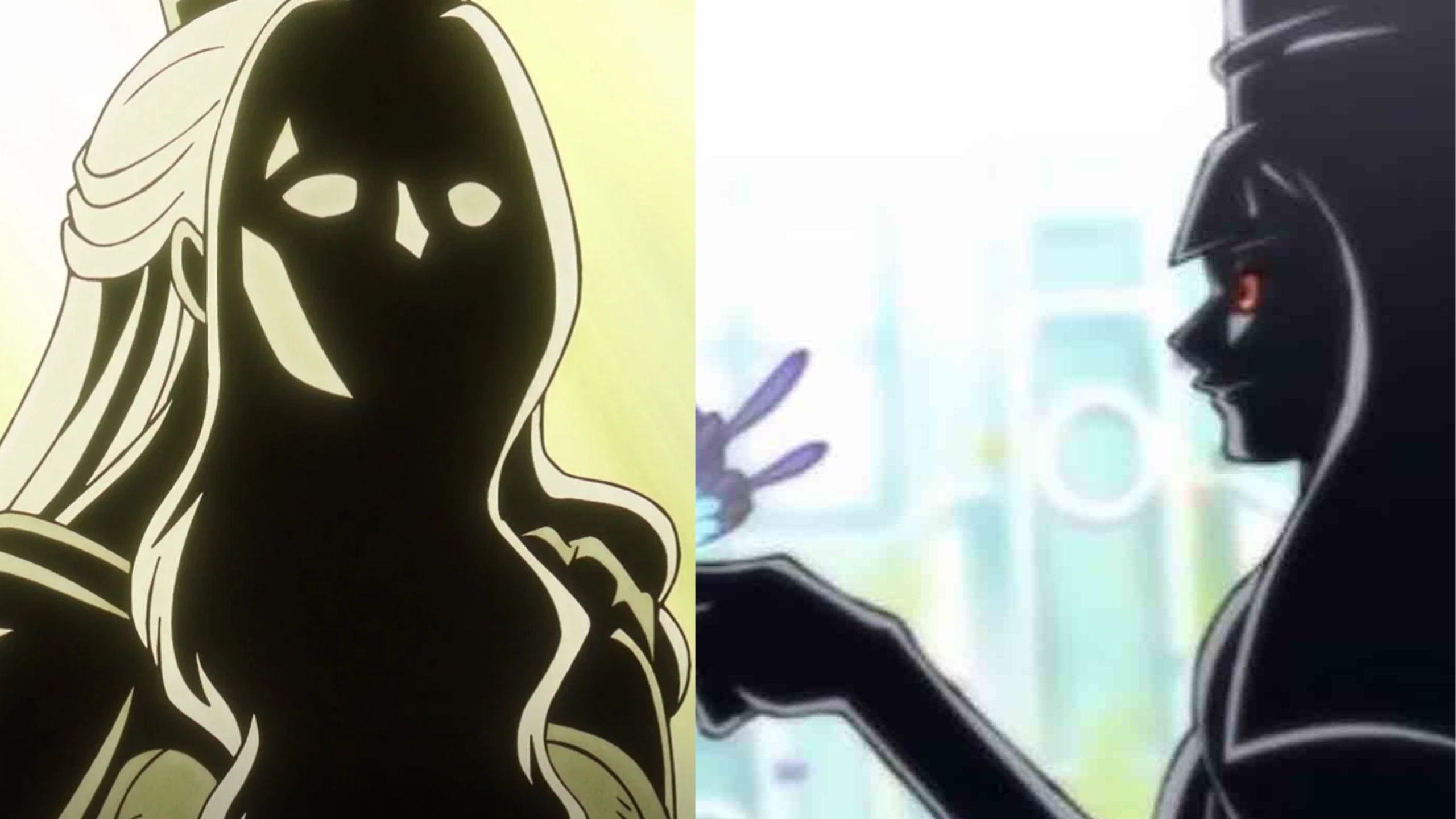
Queen Lily And Imu From One Piece (Toei Animations)
However, Alabasta’s story meet from the other kingdoms that formed the World Government. King Cobra is particularly interested in Queen Lily, his ancestor.
While the other monarchs chose to remain in Mary Geoise and join the ranks of the Celestial Dragons, Queen Lily returned to Alabasta, refusing to become part of this elitist group.
Her refusal made Alabasta an outlier among the original 20 kingdoms. This is reflected in the fact that there are only 19 weapons placed around the Empty Throne, one fewer than there should be.
As Cobra recounts this history to the Five Elders, his curiosity shifts to a more pressing mystery: Queen Lily’s fate.
Despite his best efforts to research this period of history, Cobra discovered no record of Queen Lily’s return to Alabasta.
Instead, it was her younger brother who eventually ascended the throne, leaving Cobra to wonder what truly became of her. It’s a mystery that has haunted him, one that he hopes the Five Elders can solve.
But the Five Elders, as one might expect, provide no satisfying answers. They maintain that there is no way to uncover the truth about Lily’s fate, brushing aside Cobra’s concerns.
Cobra, however, does not relent. He reveals that a letter, passed down through generations of the Nefertari family, was left by Queen Lily.
This letter contains a cryptic message about the “D,” a mysterious initial that has appeared throughout One Piece and is tied to some of the world’s most influential figures, such as Monkey D. Luffy and Gol D. Roger.
Cobra demands to know the meaning behind this symbol.
The Shocking Appearance of Imu in One Piece Episode 1118
The episode reaches its peak with the sudden, unexpected arrival of Imu. This mysterious figure, who secretly rules over the World Government, enters the chamber where Cobra is meeting with the Five Elders.
The very existence of Imu is a secret known only to the Five Elders themselves, making this moment one of the most shocking in One Piece history.
Imu is not only mysterious but also terrifyingly powerful, both in presence and authority.
As they enter the room, Imu silently makes their way to the Empty Throne and, in an act that defies the very purpose of the throne, takes a seat on it.
The Empty Throne, as mentioned earlier, is meant to be a symbol that no one person should rule the world.
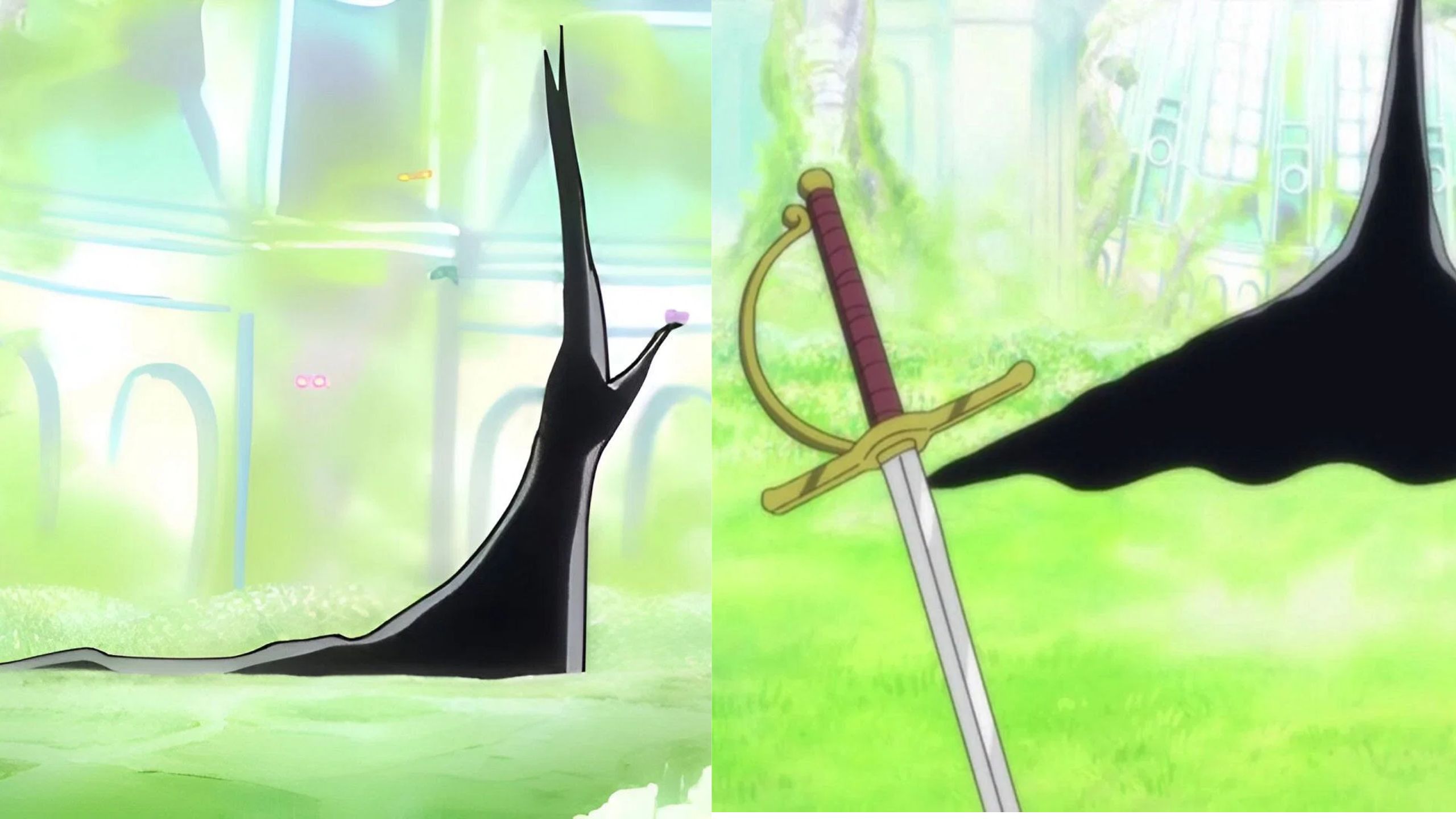
Imu as seen in the anime (Image via Toei Animation)
The fact that Imu takes the seat reveals a dark and hidden truth: there is indeed a ruler of the world, and it is Imu.
As Imu settles into the throne, they utter a single word: “Lily.”
This revelation is monumental for both Cobra and the audience, as it suggests that Imu has some connection to Queen Lily and, by extension, to the mysterious events surrounding her disappearance.
This scene raises far more questions than it answers. Is Imu responsible for Lily’s fate? How much control do they wield over the world? And perhaps most importantly, what are their plans moving forward?
The implications of Imu’s existence and their rule over the world are staggering.
For decades, fans have speculated about the possibility of a hidden ruler pulling the strings from the shadows, and now, that speculation is confirmed.
This moment changes everything. It not only challenges the established narrative of the World Government but also places Cobra in immediate danger.
The knowledge he has gained is far too dangerous for him to walk away from unscathed.
Sabo’s Daring Infiltration and the Revolutionary Army’s Mission
While King Cobra’s storyline takes center stage in this episode, there’s no shortage of action as well, thanks to Sabo and his comrades in the Revolutionary Army.
At the start of episode 1118, Sabo is deep inside Pangaea Castle, where he is on a mission to free the enslaved people trapped there by the Celestial Dragons.
His objective is simple but perilous: retrieve the keys to the explosive collars that keep the slaves under control and liberate them.
Sabo’s skills are on full display here as he deftly takes down multiple guards with ease. The scenes of his infiltration provide a much-needed balance to the episode’s heavier, more political moments.
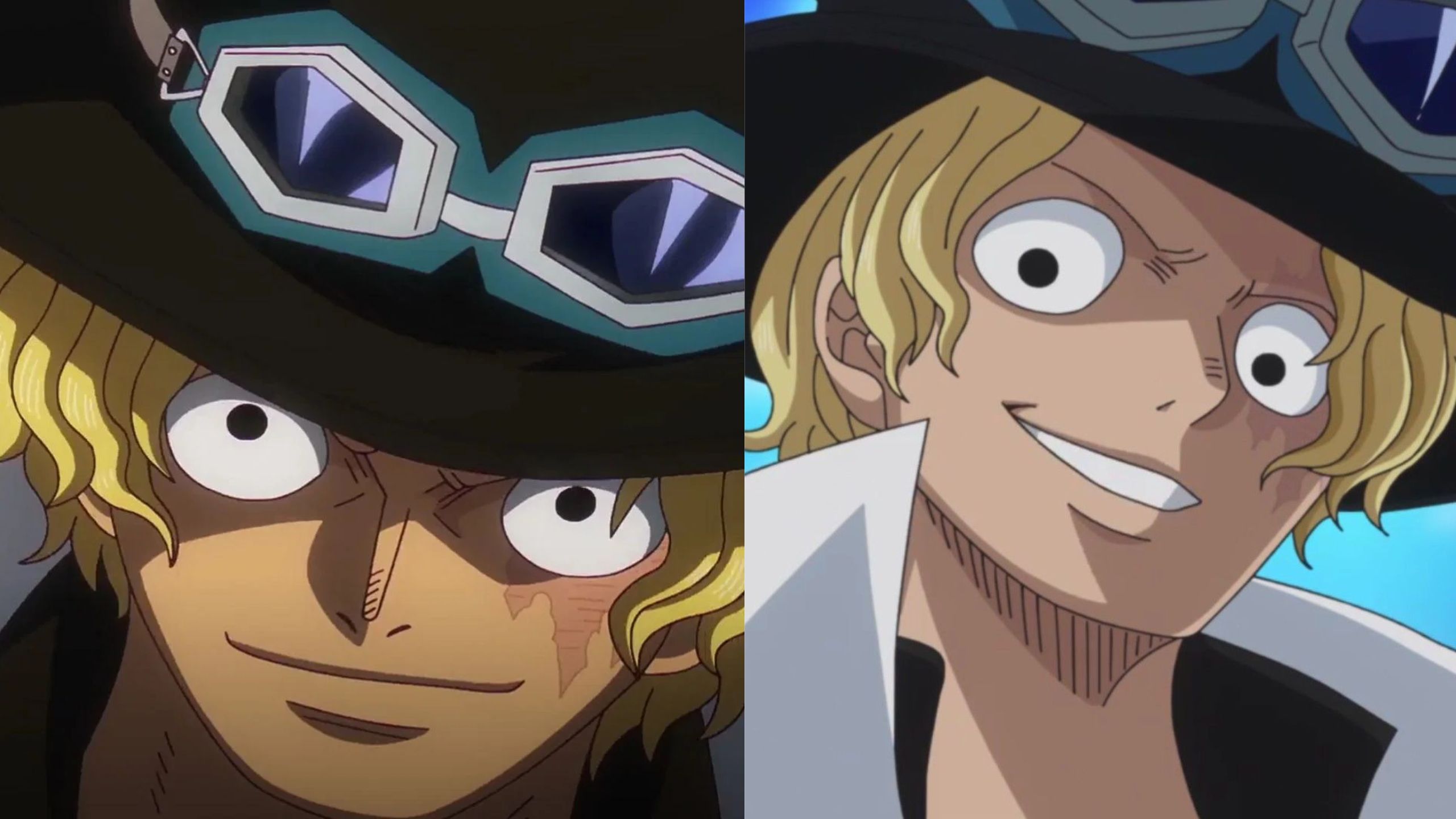
Sabo From One Piece (Toei Animations)
As he makes his way through the castle, Sabo eventually encounters Jewelry Bonney, another pirate with her own mission.
Bonney is there to free her father, Bartholomew Kuma, who has been subjected to horrific experiments by the World Government, reducing him to a mindless slave.
Together, Sabo and Bonney form an unlikely alliance, with both determined to bring down the World Government’s cruelty.
As they hide from patrolling guards, Sabo and Bonney overhear a rumor about a place known as the Lost Chamber.
According to the rumor, any guard who stumbles upon this room is never seen again. This tantalizing piece of information piques Sabo’s curiosity, and it’s clear that uncovering the secrets of the Lost Chamber will be his next priority.
What this room contains, and why it’s so dangerous, remains a mystery, but it adds yet another layer of suspense to an already tense episode.
Shirahoshi’s Capture and the Cruelty of Charlos
Meanwhile, elsewhere in Mary Geoise, Shirahoshi, the mermaid princess, finds herself in grave danger.
Having been captured and chained by the despicable Celestial Dragon Charlos, Shirahoshi’s plight showcases the unchecked cruelty that the Celestial Dragons are capable of.
Her brothers desperately want to save her, but they are held back by Myosgard, a rare noble who actually possesses a conscience.
Myosgard advises them not to act rashly, knowing that doing so could result in disastrous consequences for their entire kingdom.
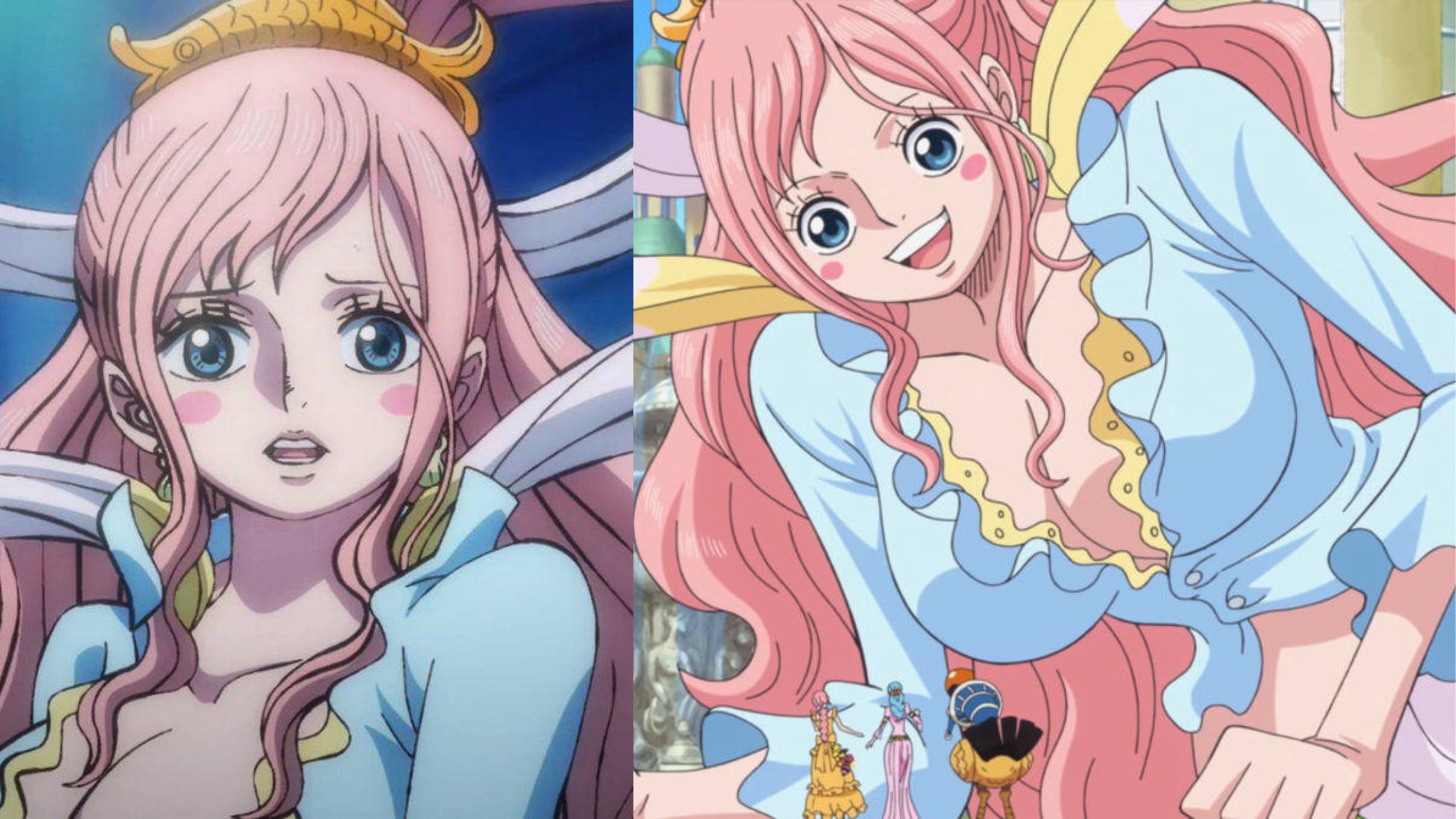
Shirahoshi With Princess Lily And Rebecca From One Piece (Toei Animations)
Instead, Myosgard suggests that Leo and Sai, two pirates allied with Luffy, take matters into their own hands.
Unlike the royalty of the Fish-Man Kingdom, Leo and Sai are not bound by the same political constraints, giving them the freedom to act without fear of reprisal.
This sets the stage for one of the episode’s most satisfying moments: Leo and Sai deliver a devastating blow to Charlos, flattening him to the ground in a single strike.
This act of rebellion is not only cathartic for viewers but also symbolizes the growing resistance against the tyranny of the Celestial Dragons.
In the chaos that ensues, Morley, one of the Revolutionary Army’s commanders, emerges to free Kuma from his chains.
This moment, though brief, hints at the larger battle to come as the Revolutionary Army continues its fight against the World Government.
Analysis of Episode 1118’s Major Themes and Plot Developments
One Piece episode 1118 is a masterclass in balancing action, character development, and intricate world-building.
While the episode delivers thrilling fight scenes and moments of rebellion, it’s the underlying political intrigue that truly shines.
The introduction of Imu as the secret ruler of the world changes the stakes of the story in a profound way.
No longer is the World Government merely a corrupt system upheld by the Celestial Dragons; it is, in fact, ruled by a single, shadowy figure whose motivations remain unclear.
Cobra’s discovery of the Empty Throne and Imu’s connection to Queen Lily adds a new layer of complexity to the ongoing narrative.
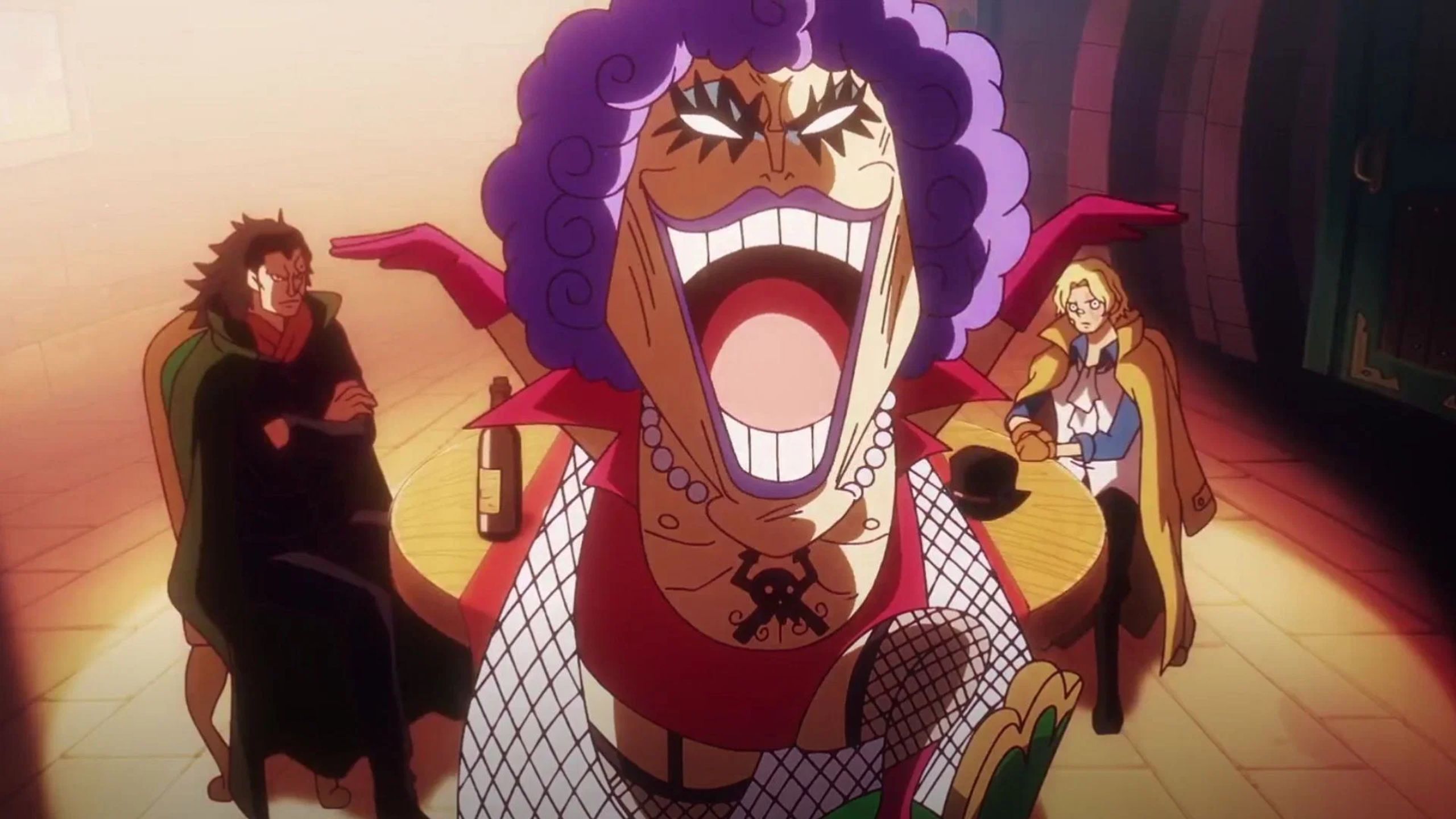
Dragon, Ivankov, and Sabo From One Piece (Toei Animations)
This revelation has far-reaching implications, not just for Cobra and Alabasta but for the entire world of One Piece.
As fans, we are left with more questions than answers. What is Imu’s true agenda? What happened to Queen Lily? And how does all of this tie into the larger mystery of the Void Century and the “D”?
In addition to the political intrigue, the episode also continues to explore the theme of rebellion against tyranny.
Sabo’s infiltration of Mary Geoise and the Revolutionary Army’s efforts to free the slaves are symbolic of the larger struggle for freedom in the One Piece world.
The fact that even pirates like Leo and Sai are willing to stand up to the Celestial Dragons shows that the tides are turning, and the once-untouchable rulers of the world are no longer immune to the consequences of their actions.
Final Thoughts On One Piece Episode 1118
One Piece episode 1118 is a pivotal moment in the series, one that expertly combines action, intrigue, and monumental revelations.
While the episode offers plenty of thrilling combat, it’s the political drama and the deeper exploration of the world’s history that truly stand out.
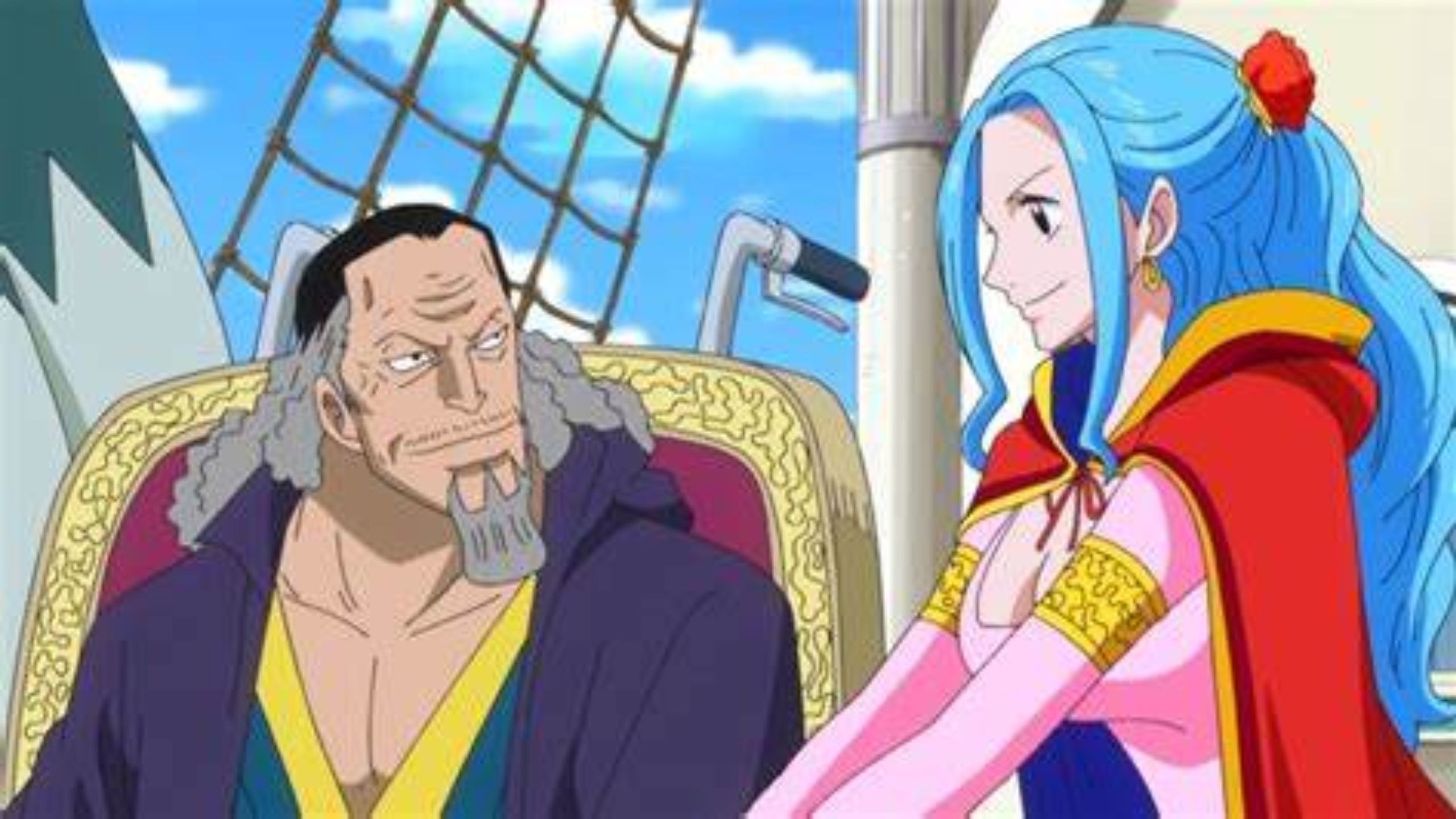
Vivi And Nefertari Cobra (Toei Animations)
Cobra’s discovery of the Empty Throne and Imu’s connection to Queen Lily set the stage for a dramatic shift in the story, one that will likely have far-reaching consequences for the future of One Piece.
As we look ahead, the mysteries surrounding Queen Lily, the Lost Chamber, and Imu’s true intentions will undoubtedly play a central role in the episodes to come.
With the Revolutionary Army’s mission still unfolding and the world’s power structure beginning to crack, One Piece is building towards an epic ending that promises to challenge everything we thought we knew about the world of Luffy and his crew.
