A recent report by the Association of Japanese Animations (AJA) has brought to light Netflix’s continued practice of paying a flat licensing fee for anime distribution, without offering royalties even if the series becomes a hit.
This practice, which was referenced anonymously in the AJA’s report, has sparked concern among creators and rights holders, who have long been advocating for better compensation structures in the digital age. The AJA, which represents a large number of Japanese animation stakeholders, submitted its findings to the Japanese government’s Agency for Cultural Affairs during a hearing on appropriate compensation models.
While Netflix’s flat fee structure was not named directly in the AJA’s report, it is clear the streaming giant follows this model, offering upfront payments that are not tied to the success of the anime. The flat fee does not include additional royalties, even if the anime goes viral or becomes highly successful.
Netflix’s Flat Fee Model and Its Impact on the Anime Industry: A Rising Concern
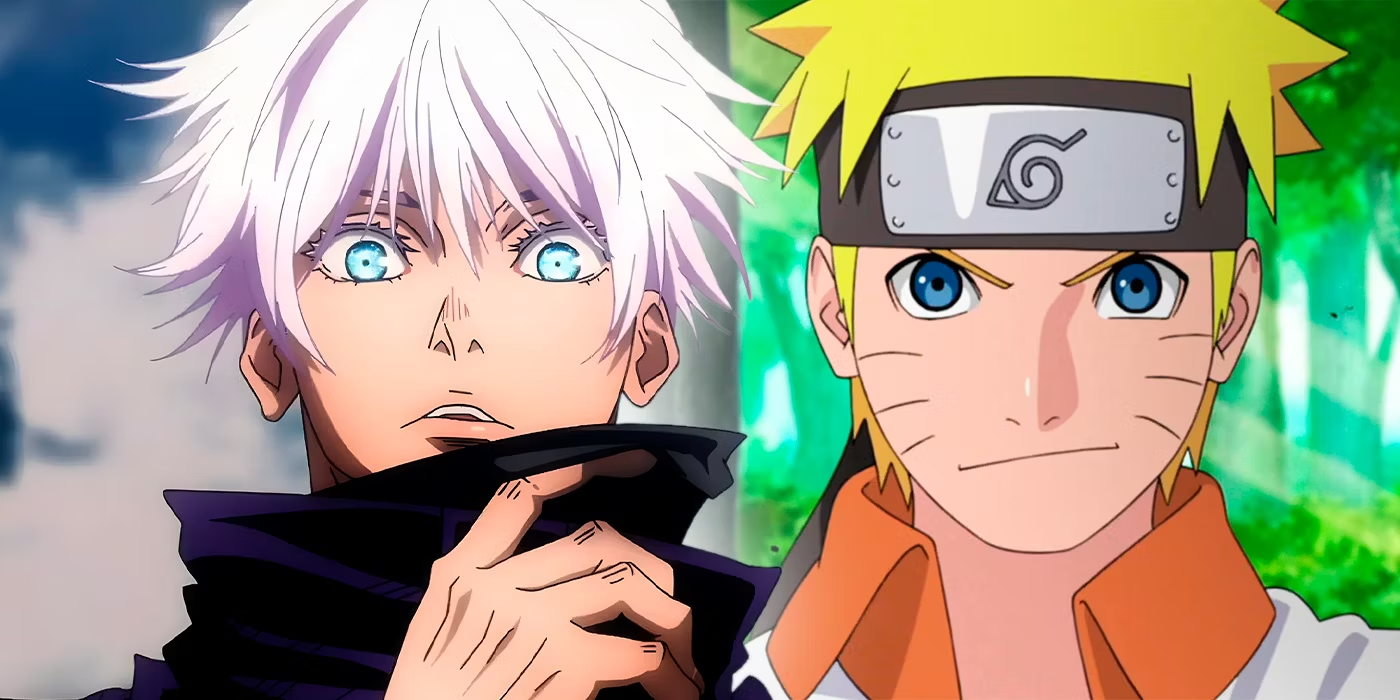
Gojo and Naruto
In many cases, the AJA points out, rights holders do not have access to important marketing data, such as viewer demographics, which complicates the ability to assess the reach of the anime. Additionally, due to the flat fee model, rights holders are unable to perform royalty audits, making it difficult to determine if the compensation is fair based on the success of the anime. This lack of transparency, combined with delayed payments often in installments over several years, has raised further issues for creators.
In its Q3 earnings call on October 17, 2024, Netflix CEO Ted Sarandos defended the company’s model, arguing that paying upfront fees benefits creators by allowing them to focus on the quality of their projects without worrying about royalties tied to performance. Sarandos emphasized that Netflix’s approach minimizes financial risk for creators while enabling the platform to attract top talent.
However, despite the benefits of an upfront payment structure, critics argue that the creators who make the anime successful—such as animators and subcontractors—often do not see the financial rewards.
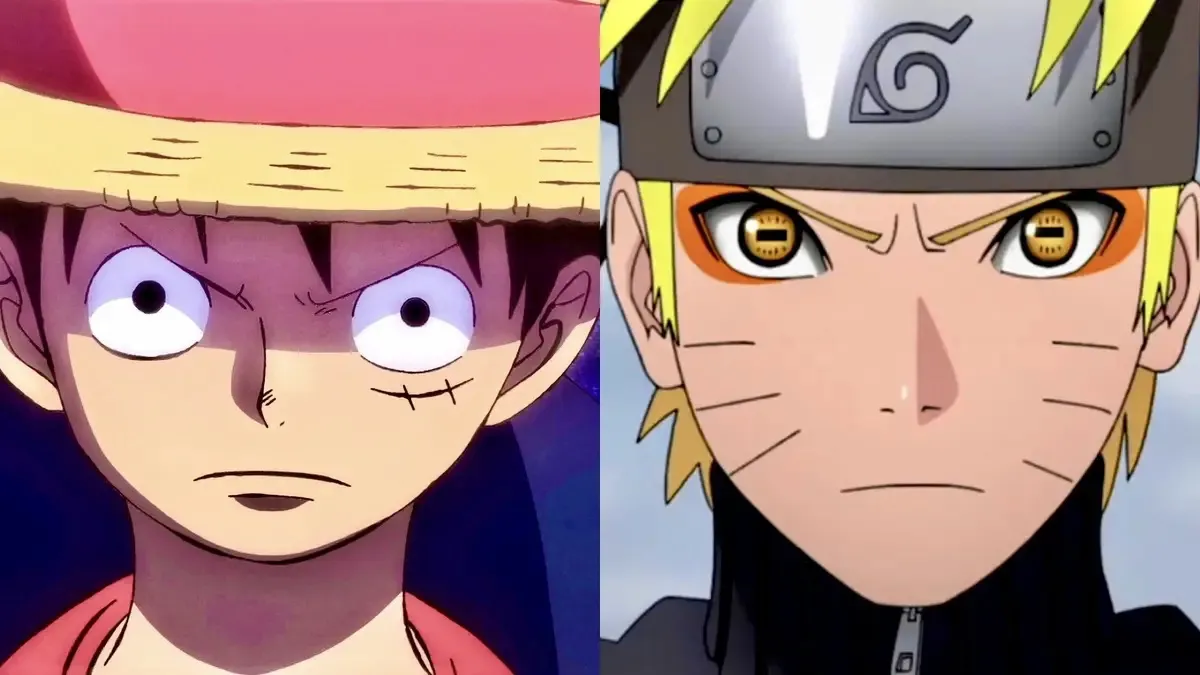
Luffy and Naruto
Nishii Terumi, an animation director known for her work on Jujutsu Kaisen 0 and Mawaru Penguindrum, explained that while Netflix offers higher licensing fees compared to other companies, these payments often do not make their way down to the creators. Instead, the funds typically go to investors and the production committees, leaving many animators, especially subcontractors, underpaid and working under poor conditions.
Despite this, Netflix has argued that it benefits the broader industry by requiring invoices from all levels of the production chain, allowing for proper auditing and cutting out middlemen. Netflix also provides licensors with detailed insights, such as rankings and engagement reports, which are intended to help them leverage future licenses and improve marketing efforts. While this may provide some value, the AJA maintains that the lack of transparency regarding viewer data and the absence of royalties are significant issues that need addressing for the future of anime production.
The renowned manga series One Piece has recently entered a brief hiatus, leaving fans eager for its return. Following the release of Chapter 1130 and 1132, the series took a two-week break, with Chapter 1132 scheduled for release on November 24, 2024.
Creator Eiichiro Oda has been candid about the reasons behind these pauses. In a recent statement, he mentioned taking time off to “recharge and gather new ideas for the manga.”
During this period, Oda has been watching the drama “Omusubi” to unwind after chapter deadlines, finding its cheerful and bright vibe very soothing.
This isn’t the first time One Piece has experienced a hiatus. Earlier in March 2024, the manga took a three-week break, during which Oda focused on self-maintenance and contemplated the series’ direction.
Additionally, in June 2023, the series paused for four weeks to allow Oda to undergo surgery for astigmatism.
The One Piece anime is also on a significant hiatus. Following the airing of Episode 1122, the anime entered a six-month break, with plans to return in April 2025. This hiatus aims to enhance production quality, refresh music and sound, and improve pacing.
Despite these breaks, the One Piece franchise remains active. A remastered version of the Fish-Man Island Arc is set to air during the anime’s hiatus, featuring updated visuals and sound.
Additionally, Netflix is producing a live-action adaptation, with the second season currently filming in Cape Town, South Africa.
These hiatuses underscore the importance of creator well-being and the dedication to delivering high-quality content. Fans worldwide continue to support Oda and the One Piece team, eagerly anticipating the series’ return and the adventures that lie ahead.
