Netflix’s The Lincoln Lawyer might seem at first like another courtroom drama full of legal battles and heated exchanges between lawyers.
The series title hints at legal matters, and the show’s creator, David E. Kelley, is known for legal hits like Ally McBeal and Boston Legal.
It’s easy to see why many would expect The Lincoln Lawyer to stay within that framework. The show features Kelley’s trademarks—dramatic courtroom scenes, sharp dialogue, and high-stakes cases. Yet, beneath all that, The Lincoln Lawyer offers much more depth.
The series tackles hard-hitting, relatable topics like divorce, addiction, and grief, which make the characters feel genuine and complex.
In Season 3, the story digs even deeper, as lead character Mickey Haller (played by Manuel Garcia-Rulfo) faces intense personal challenges, pushing him to reflect deeply on his life.
With its latest season, The Lincoln Lawyer has grown into a layered drama, reaching far beyond just the courtroom scenes.
The Heartfelt Struggles of The Lincoln Lawyer
In his portrayal of Mickey Haller, Manuel Garcia-Rulfo captures the complexities of a man struggling with life’s ups and downs.
One of Mickey’s biggest challenges is his history with divorce. Early in the series, we learn that Mickey has already been through two divorces.
His first marriage was to prosecutor Maggie McPherson, played by Neve Campbell, with whom he shares a daughter, Hayley (Krista Warner). Maggie and Mickey often clash, particularly when it comes to parenting Hayley.
In one of their first scenes together, Maggie criticizes Mickey for being late to pick up their daughter, showing the strain in their relationship.
But as the series progresses, it becomes clear that a spark remains between them, hinting at the love they once shared.
Throughout Season 1, we watch as Mickey and Maggie’s relationship slowly rekindles, and the two begin to reconnect. The chemistry between them becomes more evident, and viewers are drawn into the hope of a happy ending.
By the season’s end, it even seems like they might reconcile and create a new family unit with Hayley. Yet, just as viewers start to believe in this outcome, reality sets in.
The same issues that led to their divorce—such as the intense pressures of their careers—re-emerge, revealing that their connection is not enough to overcome these challenges.
The Lincoln Lawyer shows how the impacts of a broken marriage extend beyond the couple, affecting their daughter Hayley, who struggles to understand and process her parents’ issues.
Through a compassionate approach to the topic, the show highlights how divorce can affect the entire family.
This honest depiction emphasizes that circumstances play a crucial role in any marriage’s success, and sometimes, things simply do not work out.
Love and Loss in The Lincoln Lawyer
Marriage and love remain key themes throughout the series, especially through Mickey’s relationship with his second ex-wife, Lorna Crain (played by Becki Newton).
Even after their divorce, Lorna stays in Mickey’s life as his legal assistant, helping him faces cases and manage his workload.

Still from The Lincoln Lawyer (Credit: Netflix)
This arrangement could be awkward since Lorna is engaged to Mickey’s investigator, Cisco (Angus Sampson).
Yet, the two work well together, showing mutual respect and understanding. Unlike his relationship with Maggie, Mickey sees his marriage to Lorna as a “rebound” or even a mistake.
Though there’s a clear fondness between them, their relationship remains platonic. Mickey supports Lorna’s engagement to Cisco, showing that he genuinely wants her to be happy.
At the same time, he still feels protective over her, occasionally showing concern for her well-being.
This unique dynamic between Mickey and Lorna portrays a positive side of divorce, demonstrating that two people can remain close even after separating.
In their case, there are no children to consider, making their split simpler, but their friendship remains intact.
Lorna consistently encourages Mickey, especially during his most challenging moments. She reminds him of his strengths, helping him through his difficult times.
This bond between Mickey and Lorna offers a fresh perspective on divorce, proving that a relationship can evolve and grow even after a marriage ends.
In Season 3, Mickey experiences heartbreak once again, this time through his involvement with Andrea Freeman (Yaya DaCosta).
Both Mickey and Andrea are strong-willed, driven professionals who understand the challenges of balancing personal relationships with demanding careers.
Their romance never fully blooms, as both recognize the difficulties of sustaining a relationship while working in the same field. Despite their feelings for each other, they agree to go their separate ways, choosing friendship over romance.
In the Season 3 finale, Andrea helps Mickey make sense of a tragedy involving Neil Bishop (Holt McCallany), who took his own life. Through her support, Mickey gains insight into the situation and comes to terms with his emotions.
This storyline highlights that relationships can offer meaningful experiences without necessarily ending in a traditional romance.
The bond between Mickey and Andrea shows that care and respect can remain, even if two people decide to part ways.
Facing Addiction and Building Friendships
Another major theme in The Lincoln Lawyer is addiction, which is handled with sensitivity and depth.
Mickey’s struggles with addiction first appear after a surfing accident that leaves him dependent on painkillers and alcohol. His battle with substance abuse reveals a darker side of his life, exposing his vulnerabilities.
This theme grows when Mickey meets Izzy Letts (Jazz Raycole), a young woman with her own addiction history. Mickey represents Izzy in court and successfully gets her case dismissed.
Unable to pay him, Izzy agrees to work as his driver, driving him around in his Lincoln, the car that inspired his nickname. Over time, a genuine friendship forms between them.
Izzy connects with Mickey as they both understand the challenges of recovery. Their relationship is refreshing, as Izzy supports Mickey as much as he supports her.
While Mickey often acts as a father figure to Izzy, their bond is mutual. Izzy encourages Mickey to confront his triggers, urging him to join a support group.
In one instance, she prevents him from relapsing, showing the strength of their friendship. Mickey, in turn, rushes to Izzy’s side when she faces her own relapse. He drops everything to help her, showing that he genuinely cares for her well-being.
Their friendship brings a positive outlook on recovery, emphasizing that friendships can form even in difficult circumstances. By supporting each other, Mickey and Izzy find strength in their shared experiences, portraying a hopeful perspective on addiction and recovery.
Layers of Grief in The Lincoln Lawyer
As a legal drama, The Lincoln Lawyer often involves death, which brings grief into the lives of its characters. In Season 1, Mickey takes on the case of Trevor Elliott (Christopher Gorham), a game developer accused of murdering his wife and her lover.
Gorham’s performance as Trevor captures the sadness and anger of a grieving husband. Although Trevor ultimately turns out to be guilty, his emotional portrayal makes viewers sympathize with him, if only briefly.
Trevor’s tears, anger, and dedication to memorializing his wife through his work convey the deep pain of loss, creating a character that is both relatable and tragic.
Season 3 continues to show grief, as Mickey faces personal losses. Two characters close to him, Gloria Dayton (Fiona Rene) and Eddie Rojas (Allyn Moriyon), die, leaving Mickey with feelings of guilt and sadness.
Mickey feels responsible for Gloria’s death, as he encouraged her to cooperate against a dangerous cartel boss, Hector Moya (Arturo Del Puerto).
When Eddie is killed in an attack meant for Mickey, the trauma intensifies. Mickey’s grief becomes so overwhelming that he starts experiencing hallucinations, haunted by the people who lost their lives because of his actions.
In the Season 3 finale, titled “Gods of Guilt,” Mickey finally finds a sense of peace by delivering justice for those who suffered.
Through this journey, Mickey begins to understand that he can still fulfill his purpose as a lawyer, working not just for fame but for what is right. His transformation reflects his daughter Hayley’s desire for him to succeed while staying true to his values.
A Drama Rooted in Real Emotions
Although The Lincoln Lawyer is a legal drama, filled with intense courtroom scenes and complex cases, the series shines through its scheme of real emotions.
The characters are not just lawyers or clients—they are people dealing with personal struggles, relationships, and life’s hardships.
This depth makes the show relatable, as it covers topics that resonate with many viewers. Whether it’s Mickey’s complicated relationship with his ex-wives, his friendship with Izzy, or his moments of self-reflection, the characters’ experiences feel authentic.
Instead of focusing solely on legal jargon and courtroom drama, The Lincoln Lawyer connects with audiences by presenting the messiness of real life.
Through its detailed portrayal of human emotions, The Lincoln Lawyer distinguishes itself from other courtroom dramas.
While the legal cases are important to the story, the series goes beyond that, showcasing how legal battles affect those involved on a personal level.
The show highlights the importance of relationships, showing that life is not just about winning cases but also about supporting and understanding each other.
The scheme of love, friendship, addiction, and grief brings a sense of realism to the series, making it more than just a legal procedural.
In The Lincoln Lawyer, viewers find a unique blend of suspense and emotion. The series offers courtroom thrills while grounding itself in heartfelt stories.
As Mickey Haller faces the complexities of his career and personal life, he becomes a relatable figure, embodying both strength and vulnerability. His journey reveals that success is not only about winning in court but about finding balance and purpose in life.
Season 3 of The Lincoln Lawyer pushes the show to new heights, revealing deeper aspects of Mickey’s character.
As he faces intense challenges, he grows and evolves, showing that there’s more to him than just his legal skills. With each case, Mickey learns more about himself and the people around him.
By focusing on meaningful relationships and personal growth, The Lincoln Lawyer offers a fresh take on the legal drama genre.
It’s a show that not only entertains but also resonates with viewers, proving that there is much more to life—and law—than meets the eye.

Still from The Lincoln Lawyer (Credit: Netflix)
The Lincoln Lawyer stands as a layered drama with high-stakes legal battles and deeply personal themes, making it an emotional, multifaceted journey through law, love, and personal redemption.
Each season adds new layers to Mickey’s character, making The Lincoln Lawyer a standout among courtroom dramas. For those looking for a show that balances action with emotional depth, The Lincoln Lawyer is a must-watch.
The recent release of Kaiju No. 8 Chapter 117 on November 7, 2024, opens a fascinating chapter in the series by jumping into one of its biggest mysteries: the origin of Kafka Hibino’s formidable power as Kaiju No. 8.
Fans of Kaiju No. 8 have eagerly awaited this moment, where Kafka’s unique abilities might finally be explained.
As the story jumps into an ancient, haunting flashback sequence, this chapter provides the perfect setup for Kafka’s journey into his own history, giving readers a glance of the origins of his powers and their connection to an ancient era of Kaiju threats.
This intriguing arc promises to unravel not only Kafka’s mysterious abilities but also more about the world’s past, adding layers of history, legacy, and sacrifice to the story of Kaiju No. 8.
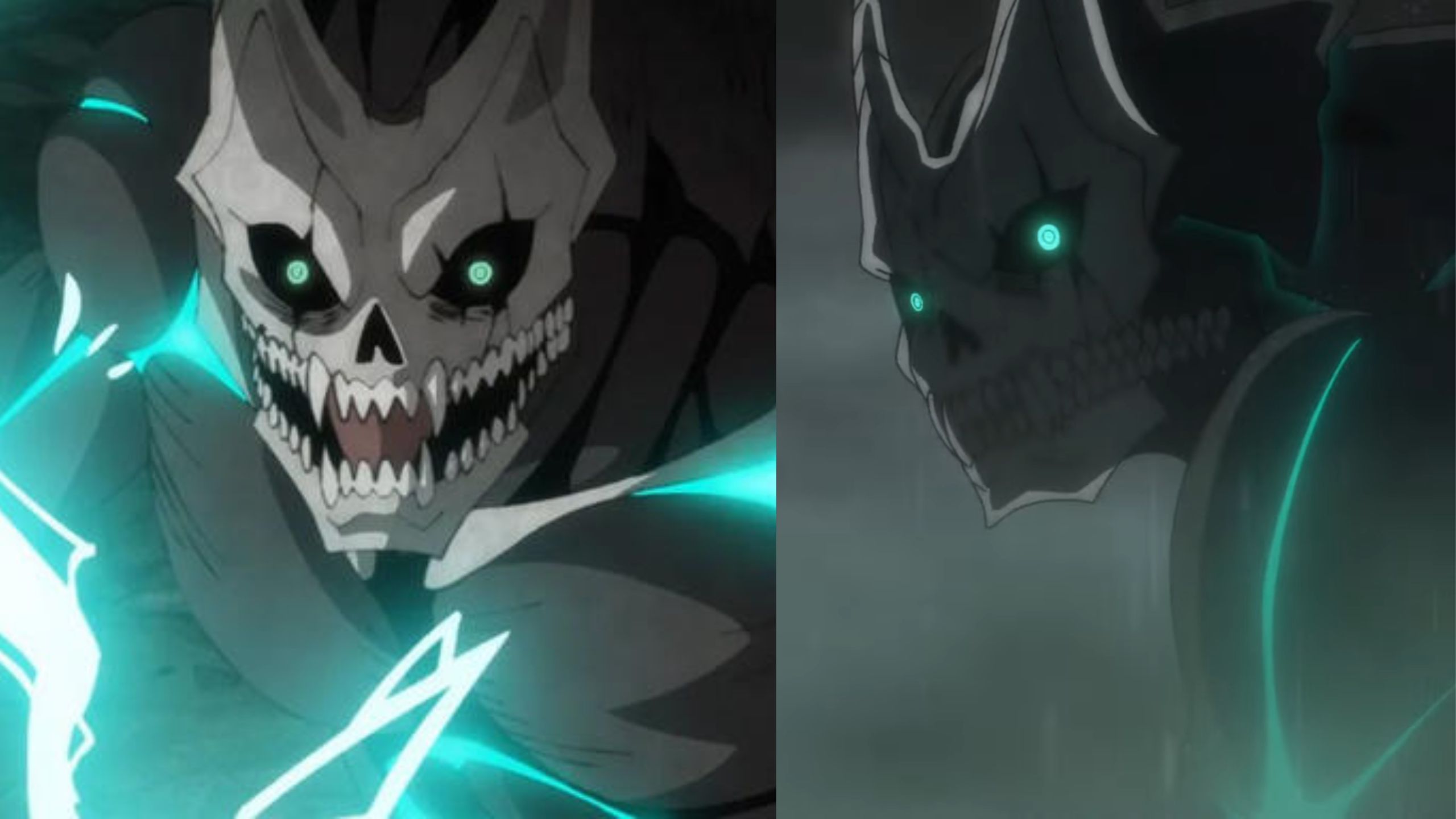
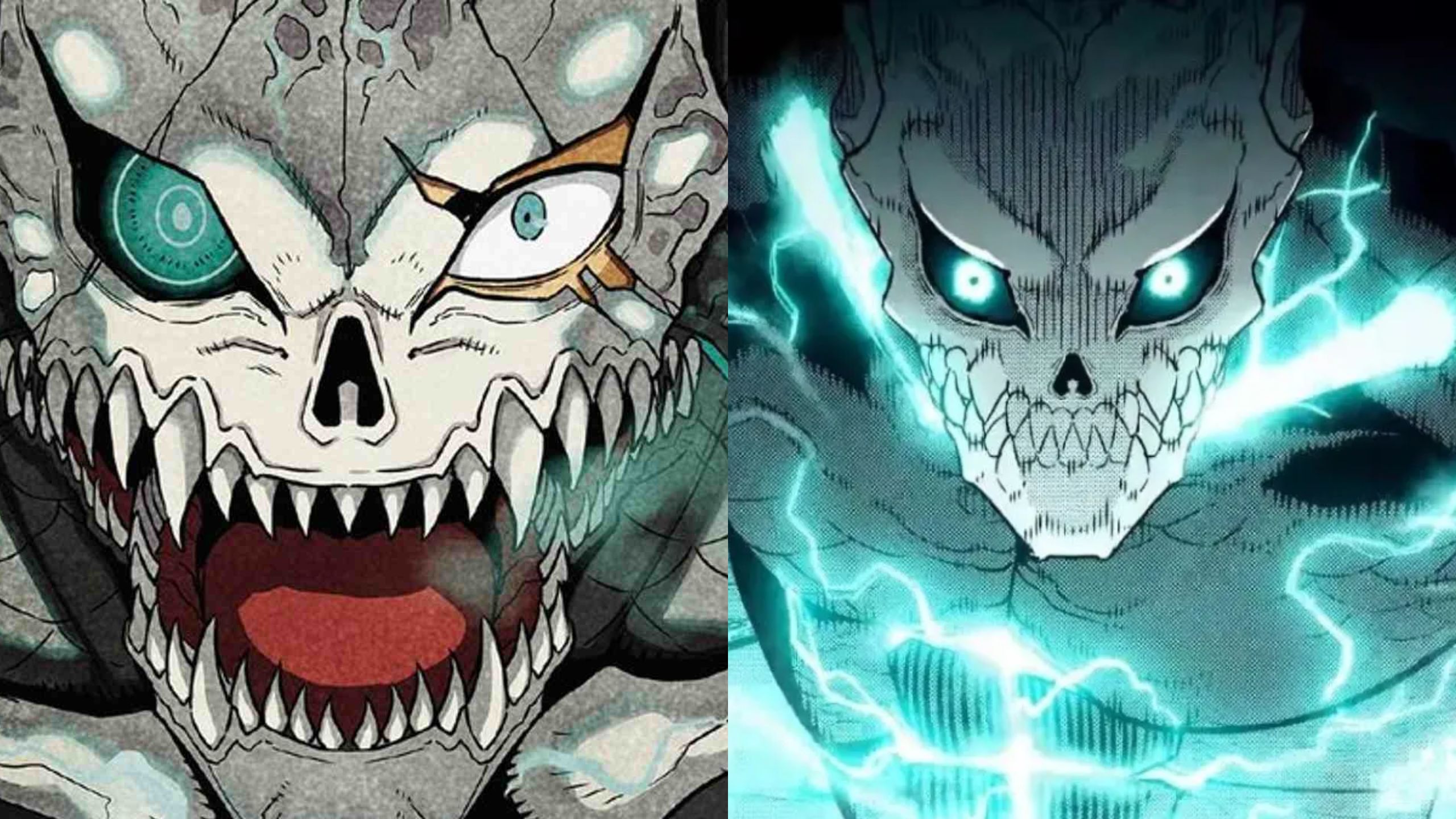
Kafka Hibino In Kaiju No.8 Form (Images By Viz Media)
While Kaiju No. 8 Chapter 117 only scratches the surface of Kafka’s powers, it effectively sets up the narrative arc that will go through his backstory more profoundly.
This flashback is significant because it hints that Kafka’s abilities as Kaiju No. 8 are more than random they are intertwined with a much older saga of heroism and struggle that existed long before Kafka’s time.
This backdrop, set in the ominous era of the Meireki Mega Monster, creates a dark and intense mood for Kafka’s journey, setting up the framework for him to go through not only his powers but also the heroism of the warriors who came before him.
A Journey to the Past: An Ancient Battlefield Comes Alive in Kaiju No. 8 Chapter 117
The chapter opens with Kafka on the verge of his journey into the past, a path offered to him by a mysterious warrior dressed in ancient armor and an oni mask.
This warrior seems to understand Kafka’s initial confusion, offering Kafka a cryptic yet promising invitation: that by following him, Kafka might gain a more profound connection with fallen warriors of old.
These soldiers, who once battled monstrous Kaiju, share a bond of suffering, sacrifice, and valor that Kafka will now come to understand personally.
Kafka soon finds himself transported into the heart of an ancient battlefield a battleground that is unlike anything he has encountered before.
Kafka gets visions of a devastating battle from the ancient past! Read Kaiju No. 8, Ch. 117 in Shonen Jump for free! https://t.co/DBmDRoMo3q pic.twitter.com/8a1CadywTK — Shonen Jump (@shonenjump) November 7, 2024
His surroundings have shifted into a dark, smoke-filled world, and his modern clothing has transformed into armor reminiscent of what the other ancient soldiers are wearing.
Kafka, dazed and unsure of where he is, begins to notice that the soldiers around him bear an intense, battle-worn look.
They are warriors clearly familiar with the brutal realities of Kaiju warfare, warriors hardened by battles against the monstrous foes of their time.
As Kafka observes his surroundings, the ancient soldiers’ armored forms stand in stark contrast to the high-tech Kaiju Defense Force gear he’s familiar with.
In his timeline, Kafka relies on advanced weaponry and suits developed specifically to counter the Kaiju threat.
However, these ancient warriors, stripped of such luxuries, are left with weapons made from Kaiju bones, armor from Kaiju hides, and little else.
These primitive tools, though effective in their own right, cannot compare to modern technology, exposing the sheer grit and resilience that defined the fighters of old.
Primitive but Effective: The Ancient Warriors’ Resourcefulness and Tenacity
Kafka’s initial encounter with these ancient soldiers reveals their spirit and resourcefulness.
Forced to make do with limited resources, the warriors’ weapons lack modern refinement but are brutal and raw, crafted from the very creatures they fight.
These Kaiju-derived materials provide them with slight advantages, but they fall short of the powerful Kaiju-based technology available in Kafka’s present day.
Their lack of modern weaponry creates a grim atmosphere, where survival hinges not on technology but on raw courage and endurance.
What stands out to Kafka, though, is the way these ancient soldiers incorporate parasitic creatures into their combat arsenal.
These organisms serve a unique function: they allow soldiers to fuse their bodies with Kaiju-derived materials, granting limited enhancements.
So Kaiju No.8 is the culmination of a bunch of dead Samurai spirits, or is it the parasites they had pic.twitter.com/3cawtrB5CG — Ghosh🍉 (@Ghosh_IX) November 7, 2024
However, these symbiotic enhancements take a severe toll on the soldiers’ bodies, making them fragile and exhausted over time.
This starkly contrasts with the highly engineered Kaiju Defense Force equipment, which not only enhances a user’s abilities but also minimizes physical strain.
Kafka realizes the depth of these soldiers’ sacrifices, noting the visible signs of wear on their faces and bodies.
Unlike the Defense Force, where support from science and technology exists to mitigate injury and ensure safety, these ancient warriors must risk their health directly in battle.
For Kafka, this realization brings a new perspective on his era’s privileges.
The soldiers around him have only their sheer willpower and determination to guide them, and their relentless spirit shines through as they continue to face the oncoming Kaiju horde without hesitation.
Appearance of the Meireki Era Mega Monster
As Kafka takes in the surreal experience of being among these warriors, he suddenly feels a powerful tremor rip through the battlefield.
His senses heighten as he realizes the Kaiju threat has arrived, and he steels himself, expecting to face an ordinary Kaiju.
But what emerges from the darkness is something far more terrifying: the Meireki Era Mega Monster, a massive, brutal creature that radiates an aura of dread.
The arrival of the Meireki Mega Monster brings with it an overwhelming sense of impending doom. This ancient Kaiju is far larger and more menacing than the creatures Kafka typically encounters.
Its body bears an unsettling number of eyes and grotesque features, each limb and appendage suggesting a creature evolved purely for destruction.
As it towers over the battlefield, Kafka can’t help but feel a surge of fear and respect for the ancient warriors who dared to face such a beast with mere hand-crafted weapons and limited enhancements.
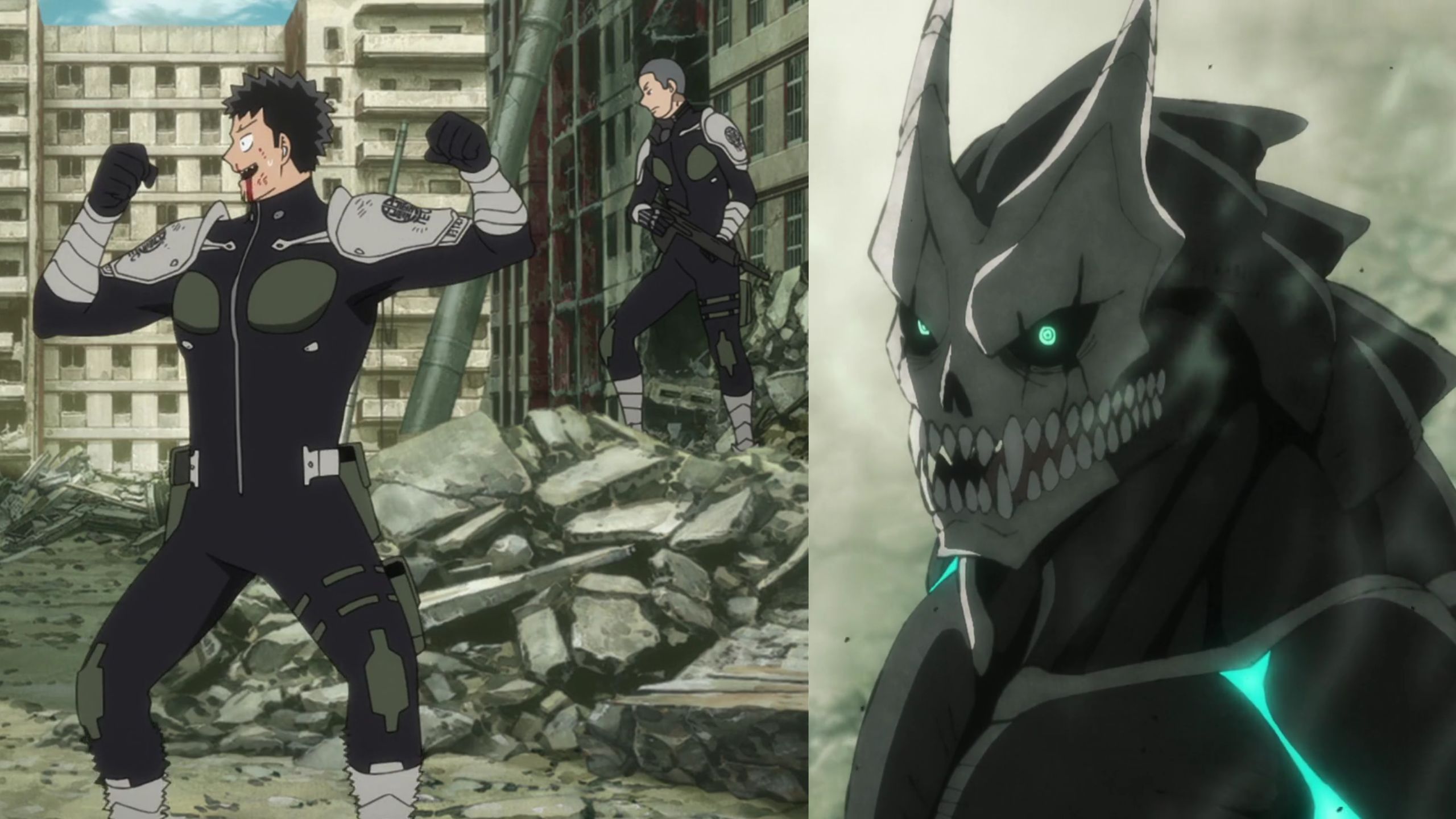
Kafka Hibino In Defense Force Exam And Kaiju No.8 (Production I.G)
This Mega Monster seems to possess abilities similar to the evolved Kaiju of Kafka’s time, particularly those of Kaiju No. 9, whose transformations and regenerative properties are unnervingly similar.
The creature’s uncanny ability to evolve and adapt during battle gives it an almost invincible quality.
Kafka realizes with horror that he and the soldiers around him may be up against something truly indomitable a Kaiju with strength beyond any they’ve encountered.
The sight of the Mega Monster triggers memories of Kafka’s battles against modern Kaiju, but the dread here is intensified by the helplessness of his present state.
Here, in this ancient timeline, he has none of the powerful weaponry or transformations that make him Kaiju No. 8; he’s simply a soldier among soldiers, forced to rely on sheer determination and the limited power available to him.
A Familiar Face in the Battlefield: Encounter with Hoshina’s Ancestor
Just as Kafka is processing the gravity of the situation, an unexpected presence catches his eye a warrior who closely resembles his comrade, Soshiro Hoshina.
With his sharp gaze, poised stance, and unyielding determination, this warrior exudes the same confidence and skill that Soshiro possesses.
It quickly becomes clear to Kafka that this is, in fact, Soshiro’s ancestor, a formidable leader of the “Monkey” unit, an elite group tasked with handling the most dangerous Kaiju threats.
Hoshina’s ancestor embodies a powerful legacy of dedication to protecting humanity, and his commanding presence makes it evident why he is held in such high regard.
His leadership is unwavering as he calls for the “Tiger” and “Rooster” units to execute a tactical strike against the Mega Monster.
Under his direction, the soldiers begin a carefully orchestrated assault, strategically attacking the Kaiju’s weak points with a combination of artillery and coordinated combat tactics.
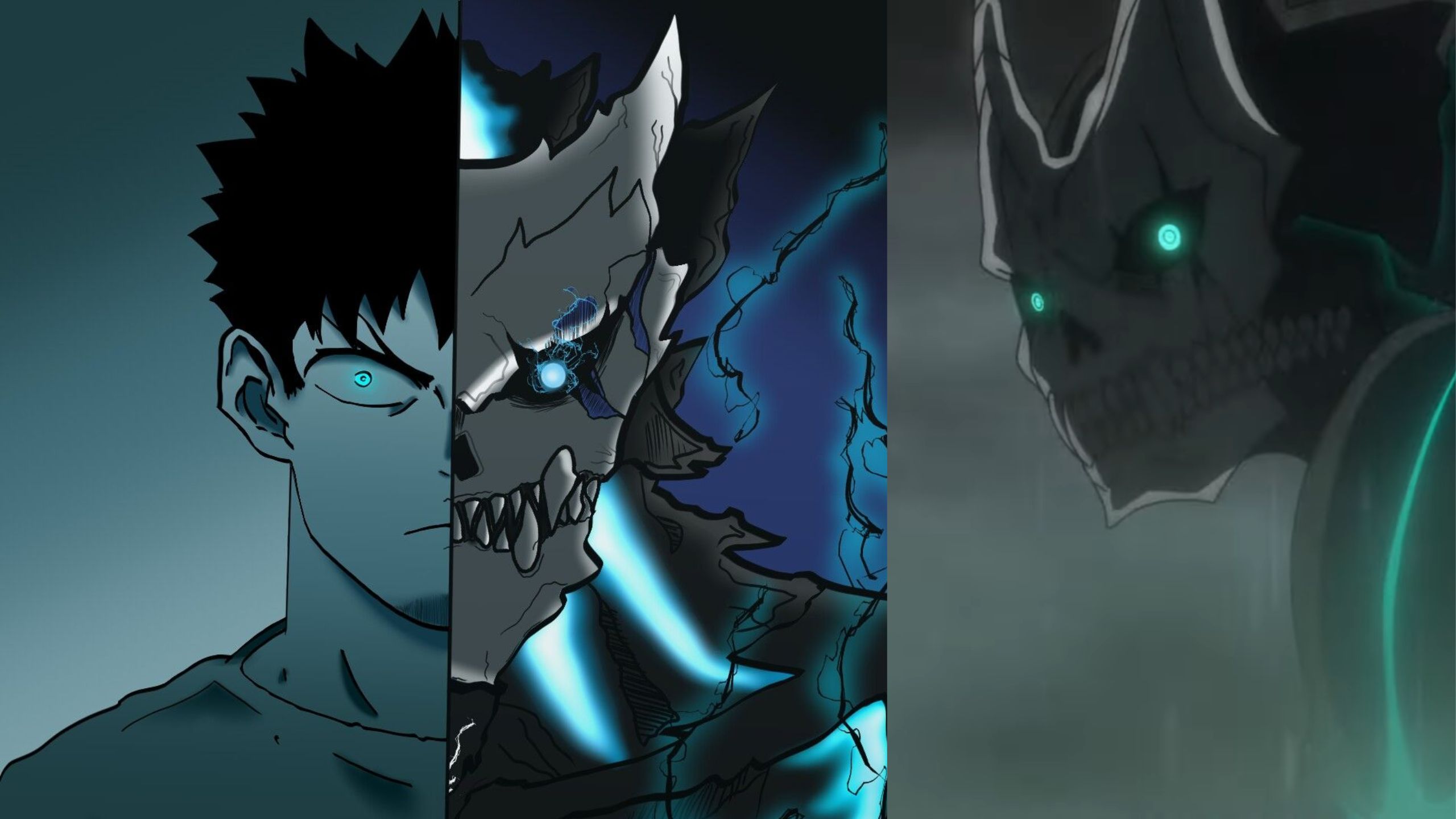
Kafka Hibino From Kaiju No.8 (Production I.G)
Their approach may lack the finesse of modern Kaiju-fighting techniques, but their bravery is undeniable.
Kafka, observing Hoshina’s ancestor in action, is struck by the resemblance not only in appearance but also in spirit.
This warrior’s fearless leadership, his dedication to protecting his men, and his willingness to sacrifice everything for the greater good mirror the qualities Soshiro embodies in Kafka’s present.
The realization that Soshiro’s legacy stretches back to such a time inspires Kafka, reinforcing the sense of honor and valor these warriors carry, even in the face of overwhelming odds.
Emergence of True Evil: Transformation of the Mega Monster
In a moment that leaves Kafka speechless, the oni-mask warrior’s tone shifts, filled with regret and anguish. He tells Kafka that their supposed “victory” was nothing more than a fleeting hope.
As Kafka watches in disbelief, the massive Kaiju on the battlefield begins a horrific transformation, evolving in a way that feels disturbingly familiar.
Its body contorts and stretches, revealing more eyes and limbs, a grotesque metamorphosis that echoes Kafka’s battles with the more advanced Kaiju in his present.
This creature, which was already monstrous, has now transcended into an even more terrifying form: the Meireki Era Mega Monster.
The scene quickly turns grim as the Mega Monster unleashes its true power, laying waste to the soldiers who once stood bravely against it.
Their armor and weapons prove ineffective as the beast demolishes their ranks with ease.
WARNING SPOILER ‼️ Finally the origins of kaiju no 8!!! It’s cooking and I can’t wait for the next chapter to find out why Kafka was chosen!! p.s Beautiful Kafka on the first page 🥰 #怪獣8号 #KaijuNo8 pic.twitter.com/ps8BCgNErl — Angicer (@Angelicaceresa1) November 7, 2024
The horror of the moment intensifies as the Mega Monster’s eyes open, all focusing on the soldiers with a gaze filled with malevolence and bloodlust.
This monstrous transformation brings forth a reality that Kafka had only heard of in legends: an ancient Kaiju so powerful that it could decimate an entire army within seconds.
As the Mega Monster begins its assault, the soldiers’ efforts prove futile. The beast is relentless, displaying abilities that make it almost impossible for
Kafka to imagine any chance of victory. Kafka, feeling helpless as he watches the carnage, gains a chilling insight into the terror the ancient warriors faced a terror so great that their fight against the Mega Monster became more about survival than victory.
A Tragic Loss and the Weight of Legacy
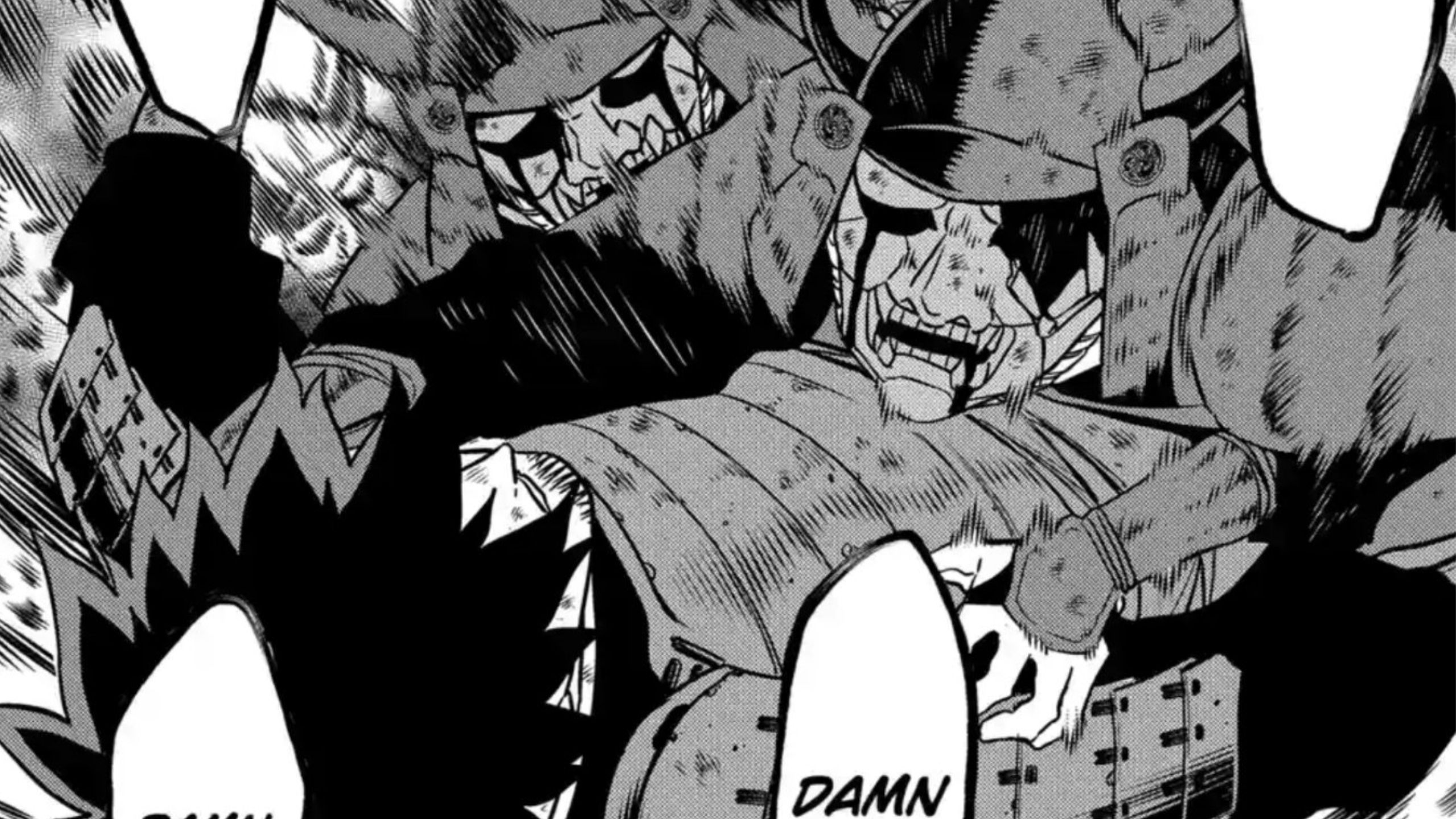
As the Kaiju crushes the soldiers around him, Kafka is forced to confront the brutal reality of the battlefield. Here, there are no saviors, no guarantees of victory, and no heroes destined to live another day.
The warriors fighting alongside him are making the ultimate sacrifice without hesitation.
This harrowing moment, filled with the blood and sweat of fallen warriors, impresses upon Kafka a new understanding of sacrifice and heroism, concepts he had previously only understood in theory.
Among the casualties is Hoshina’s ancestor, who, in a tragic turn, falls after an intense struggle with the Mega Monster.
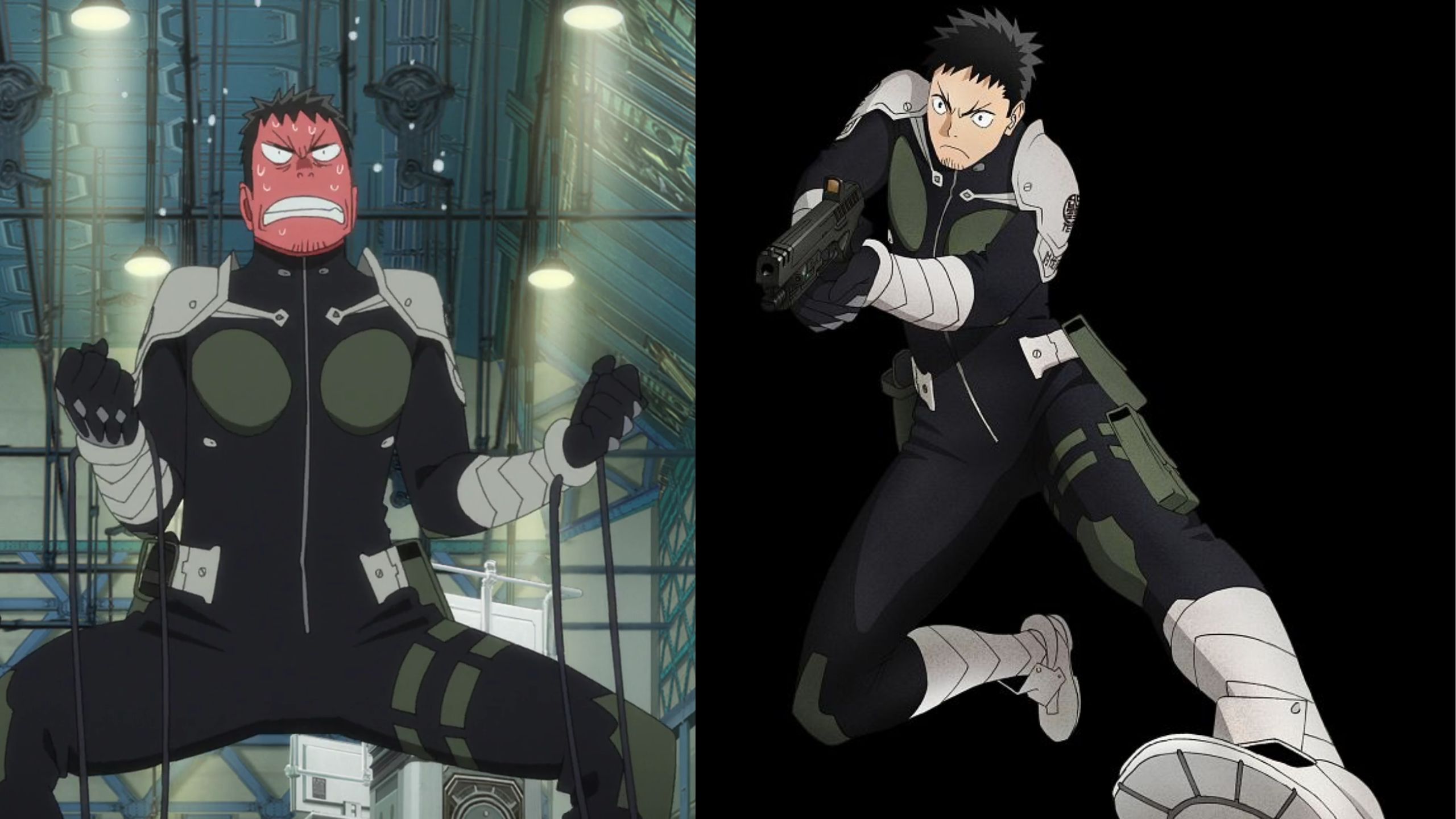
Kafka Hibino Training And Combating Skills (Production I.G)
His death strikes Kafka profoundly, as it symbolizes the end of an era of valor. The sight of this warrior’s lifeless body lying on the battlefield drives home the weight of the legacy that Kafka and his peers now bear.
They are the torchbearers of a lineage of warriors who fought for humanity even when hope was bleak, and Kafka realizes that he is not merely an individual with power but part of a grand lineage of protectors.
Kafka’s respect for the sacrifices of these ancient soldiers grows deeper, and he understands that his powers are not his alone.
They are a gift passed down from those who paid the ultimate price for humanity’s survival.
This revelation brings Kafka a newfound sense of responsibility and a determination to uphold the legacy of the fallen heroes who came before him.
The Spiritual Union of Past and Present: Kafka Becomes a Vessel for Fallen Warriors
In the climactic moments of the chapter, as Kafka stands amid the fallen warriors and the ruins of the battlefield, he feels a presence within him a force that stirs his very soul.
He hears whispers, voices of those who fought and perished in this ancient war against the Kaiju.
Kaiju No. 8 (Shueisha)
Slowly, their spirits converge within him, merging with his consciousness and imbuing him with the memories, emotions, and resolve of countless warriors who sacrificed everything for humanity’s future.
Kafka realizes that he is no longer just Kafka Hibino, a man given the powers of a Kaiju. Instead, he has become the vessel for an army of fallen heroes, a living testament to their courage and sacrifice.
This union is more than symbolic; it is a fusion of souls, a passing of the torch from one generation of protectors to the next.
Through this connection, Kafka gains an understanding of his purpose, an unbreakable resolve to carry forth the will of those who came before him.
The chapter closes with Kafka, now emboldened by the spirits within him, preparing to face the Kaiju threat with a renewed sense of purpose.
No longer burdened by doubt, he is ready to take on the legacy entrusted to him, knowing that he fights not only for himself but for all the heroes who came before him.
The Promise of New Revelations
Kaiju No. 8 Chapter 117 leaves fans with a tantalizing cliffhanger. Kafka’s journey into his powers has only just begun, and the flashback hints at a wealth of history waiting to be explored.
Kaiju No. 8 (Production I.G)
As Kafka moves forward, he carries the wisdom, valor, and sacrifice of the fallen, a powerful foundation that will shape his future battles.
This journey through time is not only a gift to Kafka but to readers, offering a richer understanding of the world of Kaiju No. 8 and the legacy that each generation of warriors has inherited.
With the flashback sequence likely to continue in upcoming chapters, fans are left eagerly awaiting further revelations, as Kafka learns to wield not just the power of Kaiju No. 8, but the strength of a thousand souls who once fought for humanity’s survival.
