A controversial new study from a Tokyo-based social research firm has ignited fierce backlash online after claiming that anime fans, particularly those deeply immersed in fandom culture, experience significantly lower romantic success than non-fans. The study, published in Nippon.com’s behavioral trends section , surveyed over 3,000 participants aged 18–35 across Japan.
According to the researchers, those who self-identified as anime enthusiasts reported fewer long-term romantic relationships and more instances of social withdrawal. The study suggested that deep engagement with fictional characters may substitute for real-world intimacy, particularly among young men, thereby impacting dating opportunities and communication skills.
Fans Fight Back Against Stereotypes
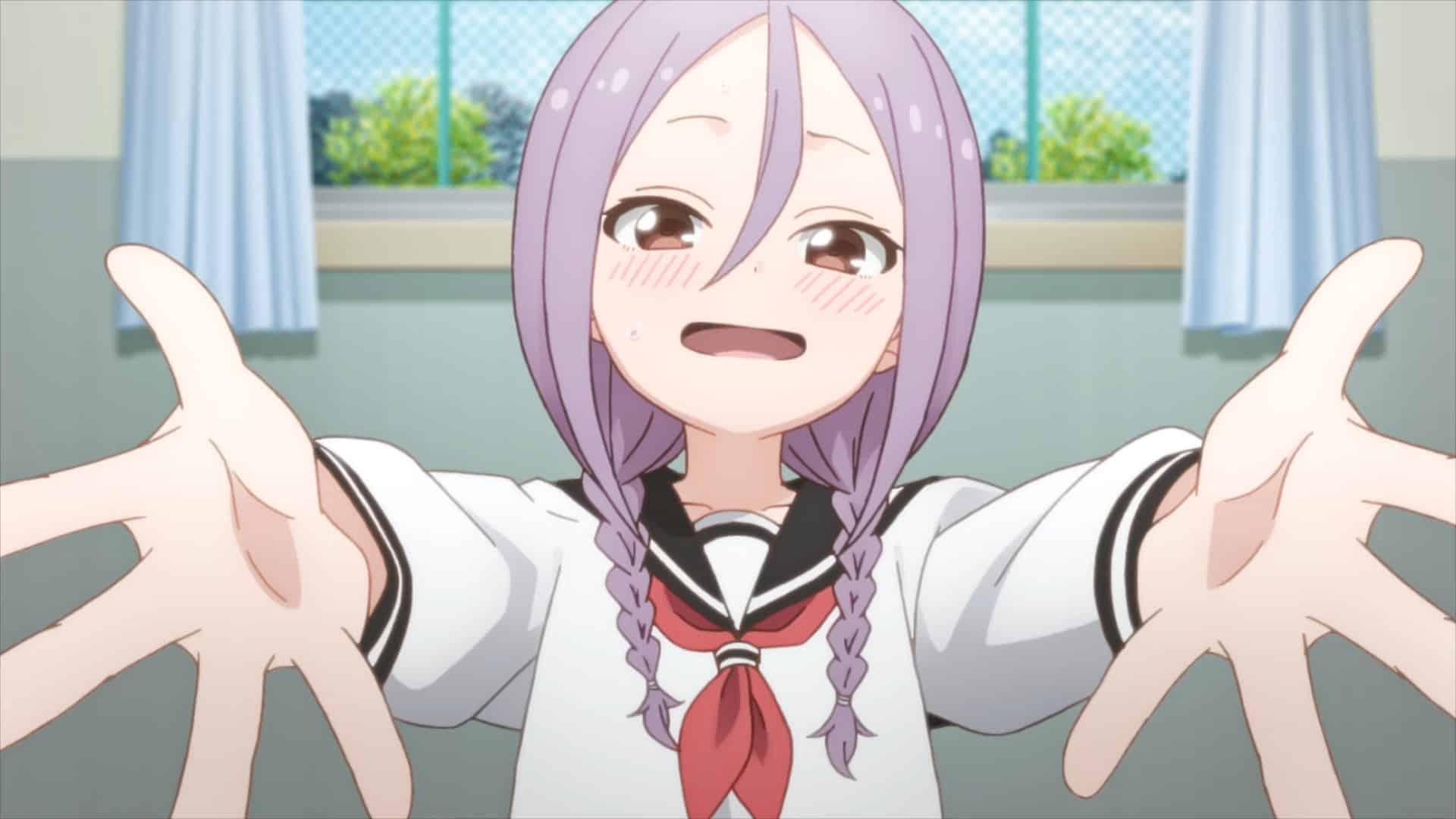
Urushi | Anime (Credits: Sliver Link)
Anime communities across platforms like Reddit and X (formerly Twitter) have condemned the study as judgmental and disconnected from reality. Users shared stories of thriving relationships while being die-hard fans, with one post going viral for calling the research “just another lazy attempt to paint otaku as broken.” Critics also questioned the study’s methodology, pointing out it didn’t account for socioeconomic or cultural factors.
The backlash echoes past incidents where anime was used as a scapegoat for social issues. As one user noted, “Nobody says football fans are emotionally unavailable just because they’re passionate about something. Why always anime?” The argument points to a deeper frustration among fans over recurring stigma.
Experts Urge Nuance in Interpretation

One Piece (Credits: Toei Animation)
Psychologists have weighed in, emphasizing the need for context. Dr. Aya Nishikawa, a cultural psychologist at Osaka University, warned against oversimplifying the data. “Correlation does not imply causation,” she explained. “Many fans turn to anime because they struggle socially, not the other way around. For some, anime is a refuge—not the cause of isolation.”
Dr. Nishikawa also noted that parasocial relationships, where individuals form attachments to fictional characters, aren’t exclusive to anime and exist across pop culture, including Western media. She encouraged public discourse that avoids pathologizing fandoms and instead looks at broader social structures influencing relationship dynamics.
Ongoing Debate Reflects Cultural Divide
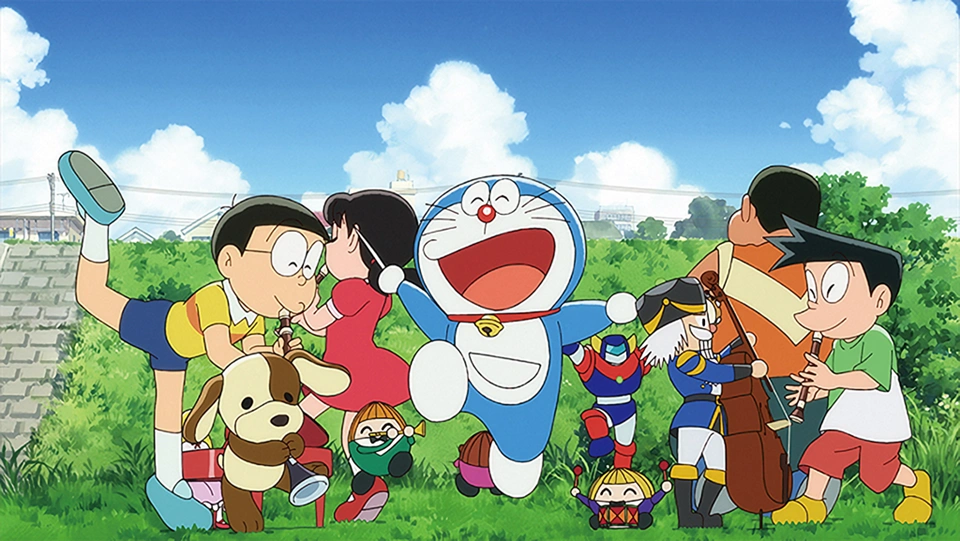
Doraemon’s 43rd Anime Feature Film (Credits: Shin-Ei)
The incident reignites broader tensions between mainstream norms and subcultures in Japan and abroad. As anime becomes more global, fans argue that clinging to outdated stereotypes risks alienating a vibrant and diverse community. While some see fandom as a red flag, others celebrate it as a creative and deeply human way to connect.
Whether the study gains wider acceptance or is dismissed as elitist junk science remains to be seen. But one thing is certain: the conversation it sparked has only made anime fans more determined to defend their identity and challenge assumptions.
A Tokyo-based anime studio is under fire after a group of former interns filed a lawsuit, accusing the company of exploiting their labor without proper compensation. The interns claim they worked 10-hour shifts doing in-between animation and clean-up work, only to be rewarded with stickers, signed posters, and sometimes lunch coupons. The case has reignited concerns about labor abuse within the anime industry, particularly at understaffed, low-budget studios.
The lawsuit, reported by The Asahi Shimbun , claims the studio violated labor laws by misclassifying workers and not paying minimum wage. The plaintiffs allege they were told the internship would lead to full-time jobs, only to be overworked and discarded once their contracts expired. Legal experts say this case may open the floodgates for similar suits in the industry.
Interns Speak Out About Toxic Conditions

Mob Psycho
Several plaintiffs shared their experiences anonymously, citing grueling work hours, verbal abuse, and complete lack of financial support. “We were treated as disposable,” one intern said. “They knew we were passionate about anime, and they used that against us.” Critics argue that this exploitation thrives because the anime industry markets itself as a passion project rather than a profession with labor protections.
Social media has amplified outrage. On platforms like X (formerly Twitter), artists and animators have come forward with similar experiences. Some say they were even threatened with blacklisting if they spoke out. The phrase “#PayYourAnimators” has started trending again, echoing a movement that gained momentum after earlier reports on low wages and burnout.
Studios Defend Practice as ‘Industry Norm’

Twin Star Exorcists
In response to the backlash, the accused studio released a statement defending its internship program, claiming it was “designed to nurture emerging talent” and that “no legal employment contracts were breached.” However, labor watchdog groups like the Japan Federation of Animation Workers argue that these unpaid internships often cross ethical and legal boundaries, especially when they involve essential production work.
According to a recent report by NHK, over 60% of anime studios admit to relying on unpaid or minimally compensated interns. While many studios blame budget constraints, critics say this model only benefits management while overburdening the next generation of animators.
A Systemic Problem Comes to Light

High School DxD
This case is part of a broader reckoning within the anime world. As global demand for anime increases, so do concerns over how the labor powering that demand is treated. Some studios have begun offering fair pay and benefits, but many small companies continue to rely on unpaid passion work to stay afloat.
Legal experts and activists are calling for stricter enforcement of labor laws and greater transparency in studio hiring practices. Whether this lawsuit sets a new precedent or fades quietly remains to be seen—but it has certainly pushed anime labor conditions back into the spotlight.
