North Korea has intensified its cultural censorship campaign by branding Japanese anime as “degenerate trash” and a threat to ideological purity. State media declared that consuming anime constitutes a violation of national values, warning that viewers may face imprisonment, labor camp sentences, or worse. The government blames anime for spreading “foreign mental contamination.”
This statement follows earlier crackdowns on South Korean dramas and Western films, but anime’s growing underground popularity among North Korean youth appears to have struck a nerve. As noted in a Radio Free Asia report , authorities now consider even possessing anime files or artwork as a subversive act, punishable under national security laws.
Cultural Warfare Behind the Ban
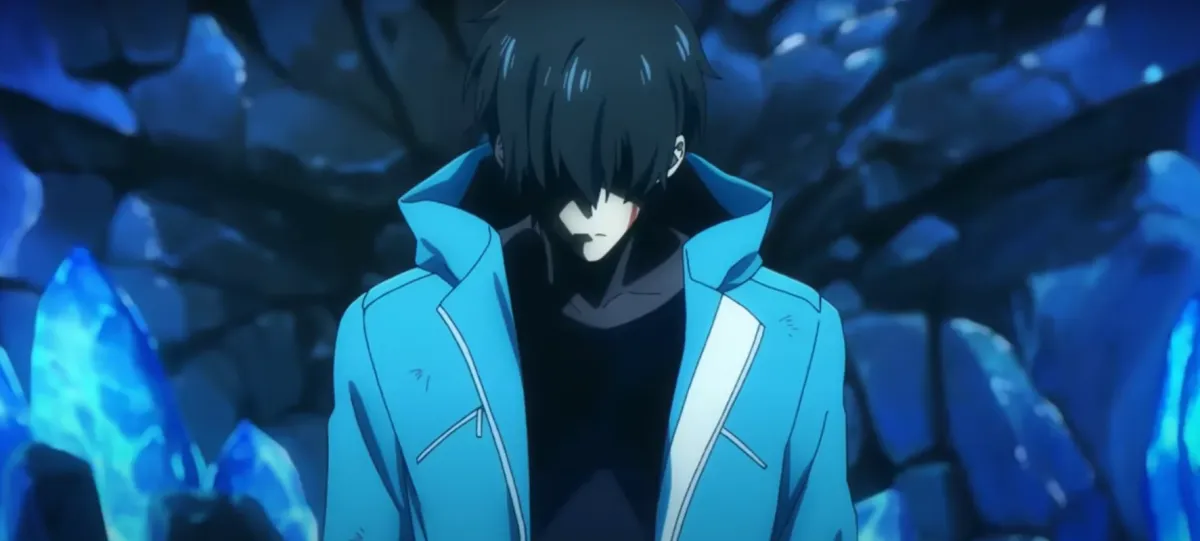
Sung Jinwoo from Solo Leveling (Credits: A-1 Pictures)
Analysts believe the extreme response reflects deeper anxieties about anime’s influence on younger generations. With its colorful characters, emotionally rich storytelling, and individualistic themes, anime clashes with North Korea’s rigid cultural narrative. The regime likely fears it may erode loyalty, especially among tech-savvy youth already exposed to smuggled foreign media.
Government officials claim anime promotes moral decay, perversion, and capitalist ideology. In public broadcasts, they’ve linked anime to “psychological destabilization” and “cultural infiltration” orchestrated by Japan and the West. Citizens are urged to report neighbors suspected of watching or trading anime, reinforcing the country’s pervasive surveillance culture.
Youth Risking Everything for Anime
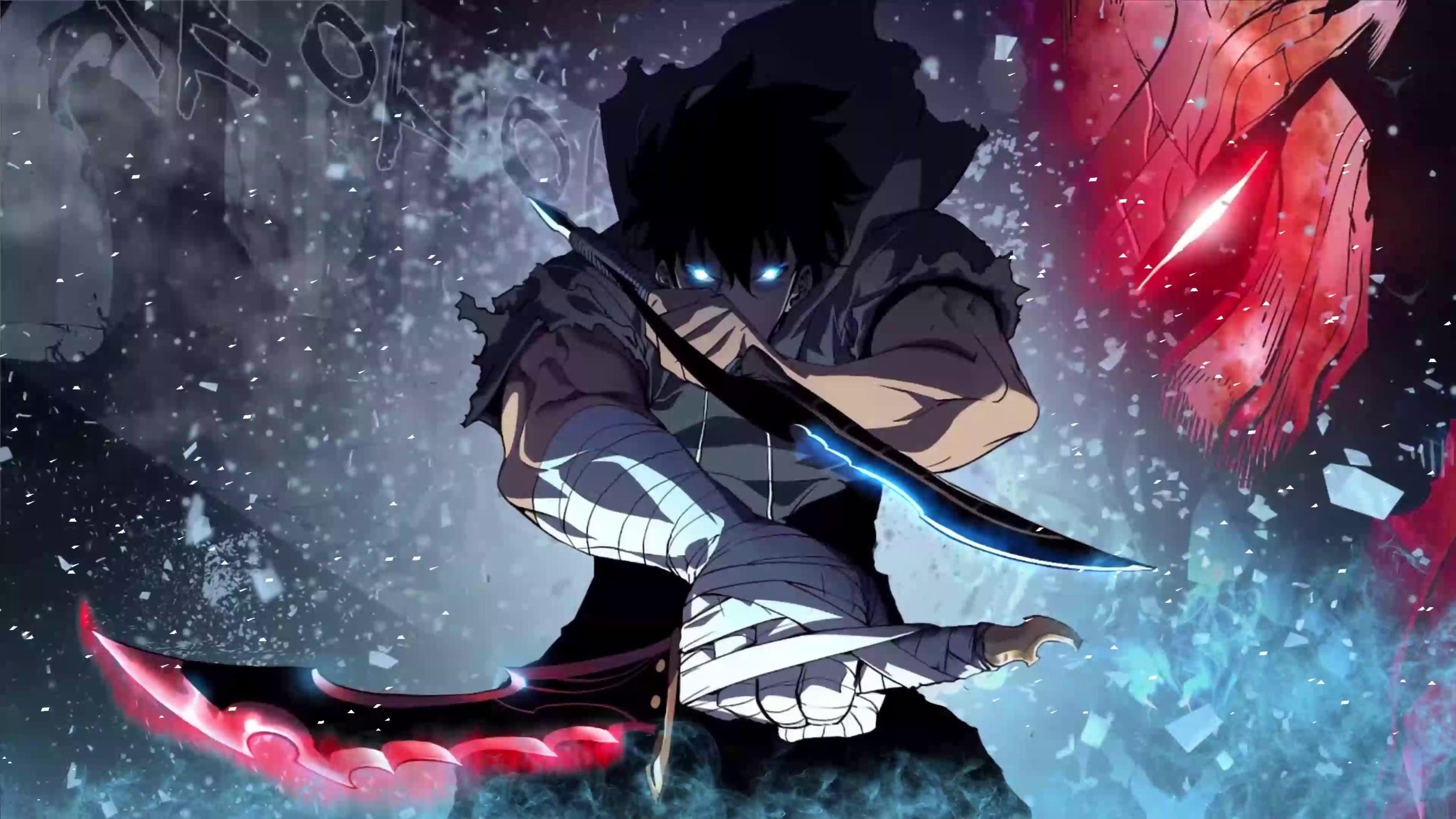
Sung Jinwoo from Solo Leveling (Credits: A-1 Pictures)
Despite harsh penalties, anime remains popular in North Korea’s black markets. Foreign media—including anime episodes—are often imported via USB drives from China or South Korea. Some students reportedly gather in secret to watch fan-subtitled episodes of Naruto , Attack on Titan , and Your Name . Punishments for being caught include fines, forced labor, or political reeducation.
This mirrors earlier cases where teens were sentenced to years in labor camps for simply watching South Korean dramas. According to defector testimonies, anime content is spreading quietly through encrypted media transfers and hidden memory cards. The growing risk speaks to how deeply anime resonates—even behind one of the world’s most closed borders.
International Condemnation and Attention
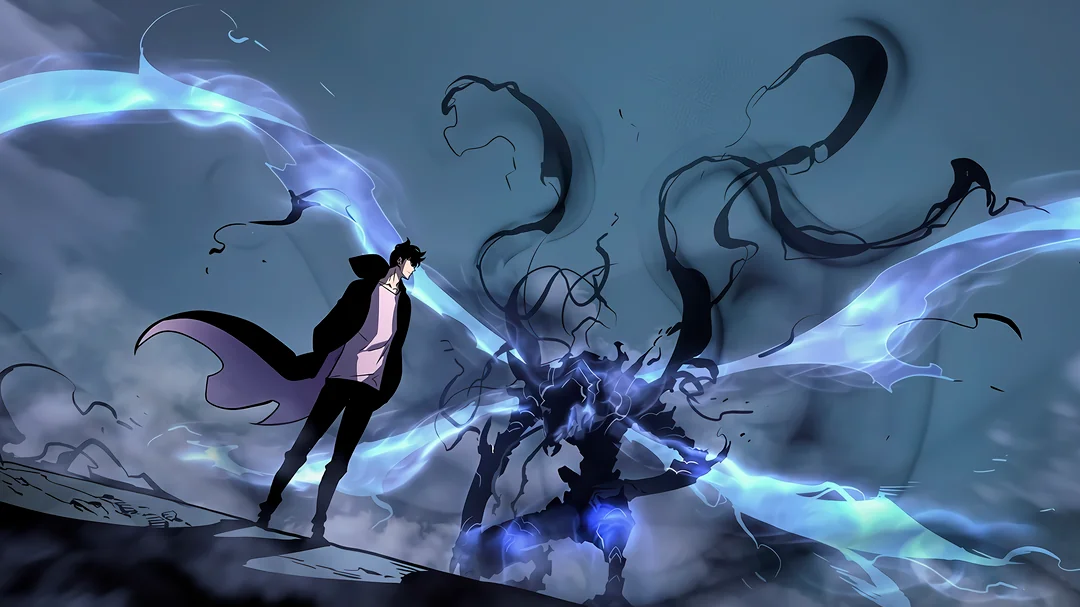
Sung Jinwoo and Beru (Credits: Kakao Page)
The international community has condemned North Korea’s media crackdowns as a violation of human rights. Advocacy groups argue that access to global culture, including anime, should not be criminalized. Japan’s foreign ministry has yet to comment, but Korean activists abroad are calling for pressure on Pyongyang to end cultural censorship.
As the regime’s list of banned media grows, so too does the defiance of those determined to enjoy the stories that connect millions across the globe. While anime might seem trivial to outsiders, in North Korea, it’s a symbol of rebellion—and hope.
In a controversial move, Catholic leaders from several countries have petitioned the Vatican to officially denounce certain forms of Japanese animation. Specifically targeting ecchi anime and series with fanservice-heavy content, they argue that these shows are harmful to youth and undermine the Church’s teachings on modesty, family values, and sexual morality.
The call to action reportedly originated during a recent clergy conference held in Spain, where conservative church leaders discussed growing concerns about the rise of secular and “hyper-sexualized” media. A bishop from Argentina cited the global influence of anime like High School DxD and Prison School as examples of “moral decay,” according to a report from Crux Now .
A Cultural Crisis or Overreaction?
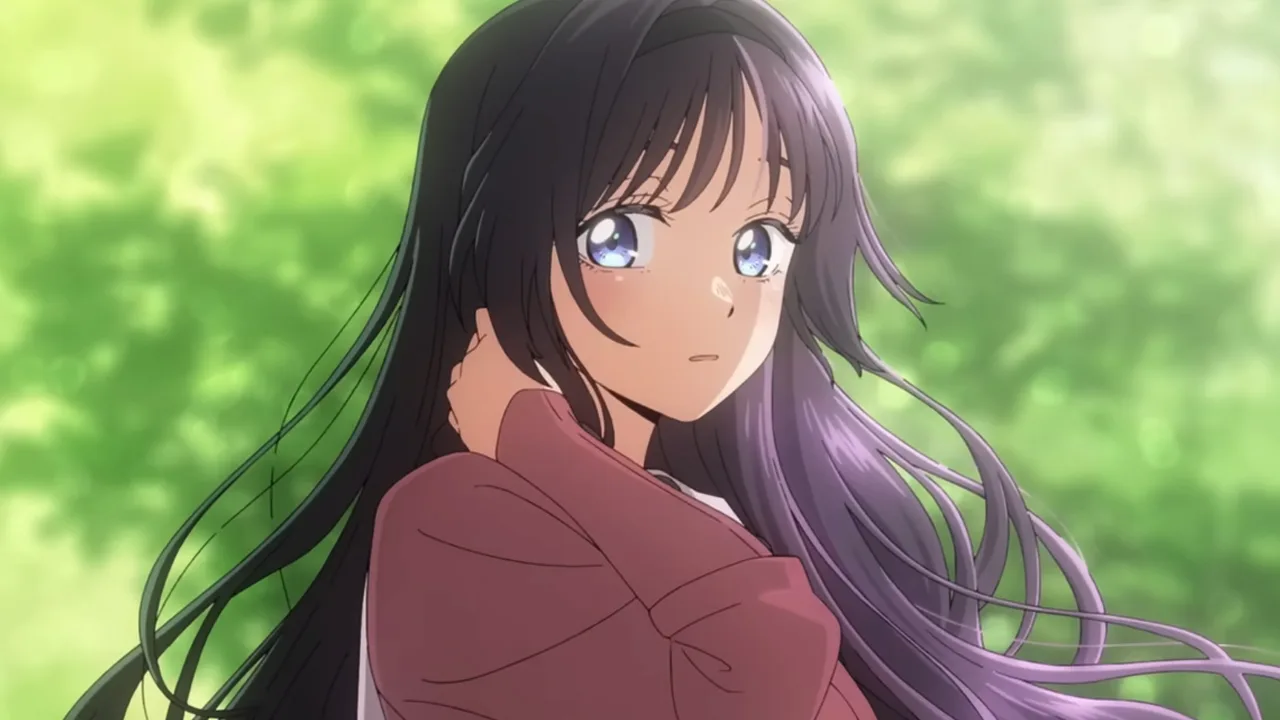
The Fragrant Flower Blooms with Dignity
Those in favor of Vatican intervention claim that anime is replacing religious education as a source of emotional guidance for teenagers. They argue that the medium’s mix of escapism, sexuality, and rebellion creates a “pseudo-faith” where characters become idols and fantasy triumphs over morality. According to these critics, the Pope’s silence signals tacit approval.
However, not everyone in the Church agrees. Some theologians believe that condemning anime would alienate younger Catholics rather than bring them closer. They argue that selective engagement with media—rather than blanket bans—is more effective. Others warn that focusing on fictional characters distracts from more pressing issues within the Church.
The Battle Over Anime’s Influence
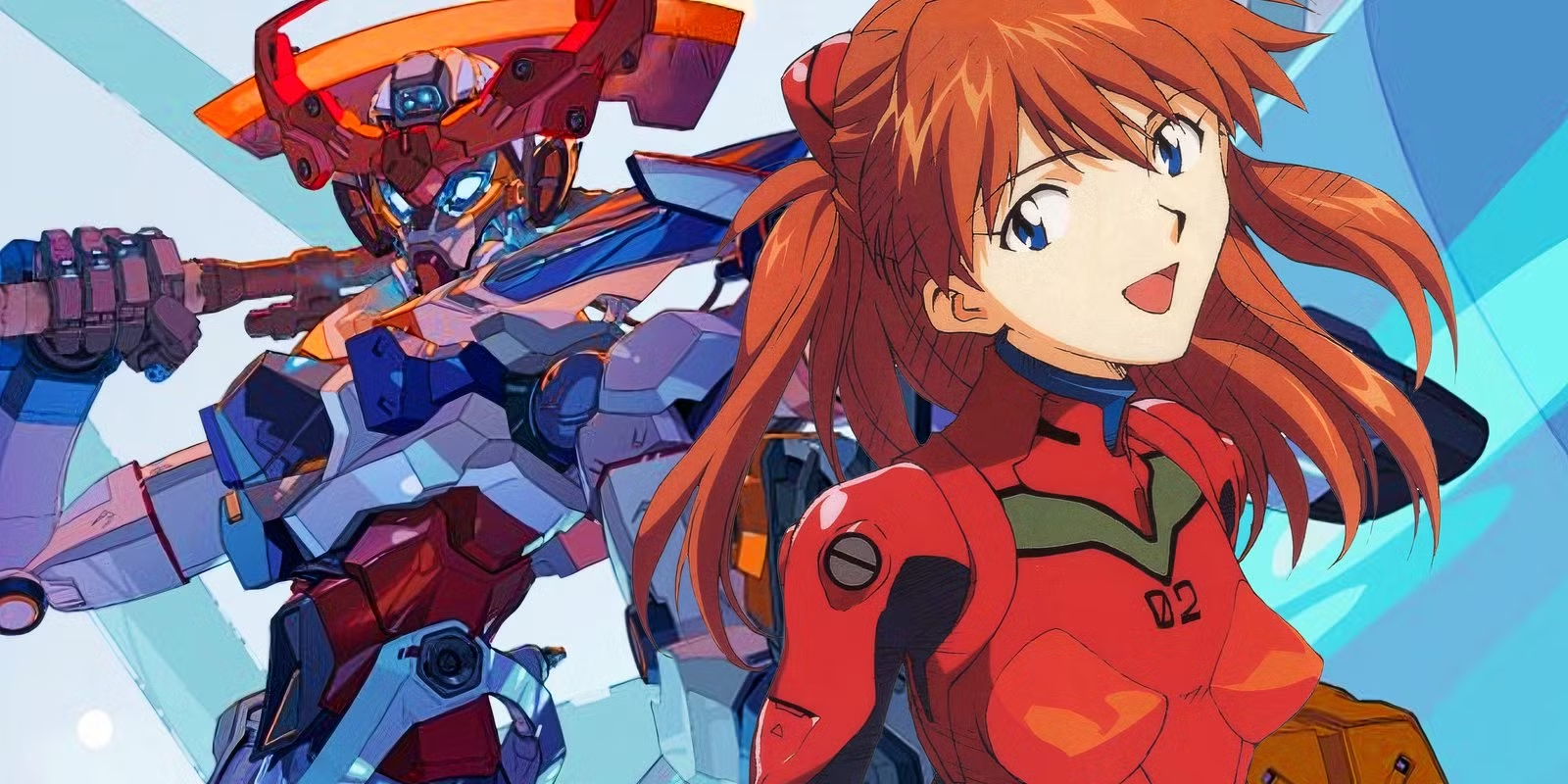
New ‘Gundam’ Anime
Supporters of anime push back strongly on the narrative. Fans point out that anime spans genres and themes, many of which promote empathy, friendship, and perseverance—values consistent with Christian teachings. Titles like Your Lie in April or A Silent Voice are often used as examples of anime’s emotional depth and moral reflection.
Still, the ongoing debate has sparked renewed scrutiny of anime conventions, cosplaying, and online communities. Religious groups claim these spaces contribute to the normalization of “immodest” imagery and ideas. Parents are now being advised by church bulletins to monitor their children’s streaming habits for “unholy content.”
Will the Vatican Respond?
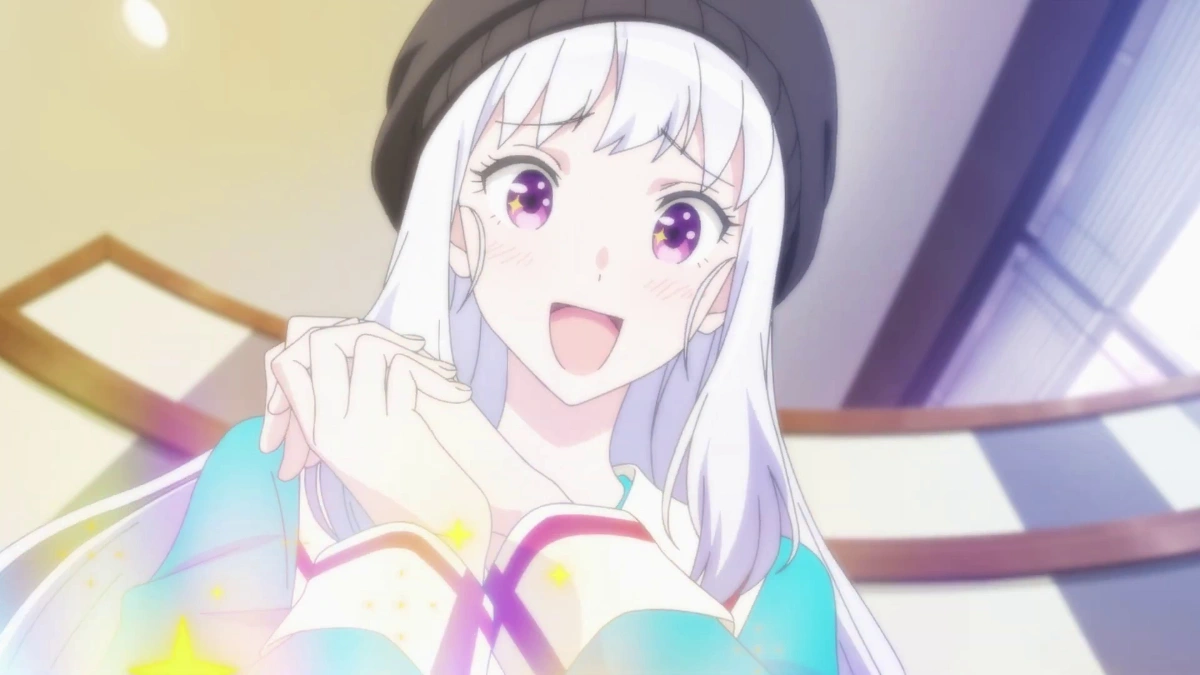
Welcome to Japan, Ms. Elf! Anime (Crunchyroll)
So far, the Vatican has not issued a public response. The Pope has occasionally commented on media influence in modern life, but anime has never been addressed directly. If the petition gains enough traction, it could mark the first time the Holy See weighs in on Japanese animation as a moral concern.
Regardless of the outcome, the controversy highlights an ongoing cultural divide between traditional religious institutions and the digital-native generation. As anime’s influence continues to grow worldwide, the Church may be forced to either adapt its approach—or risk further alienating a global youth audience.
