Season 2 of Blue Lock, Kodansha’s popular sports anime, has stirred controversy since its October debut, with many fans expressing disappointment over what appears to be a significant drop in animation quality. Concerns have centered around inconsistent animation, awkward 3D models, and stilted scenes, which have led to heated discussions on social media. However, Blue Lock producer Ryoya Arisawa defends the changes, attributing them to the need for the anime to reflect the new setting and style introduced in Season 2.
According to a recent press release from 33 USA, Blue Lock anime studio Eight Bit gave fans a chance to submit questions to Arisawa via the series’ official Instagram. During this Q&A, Arisawa explained that the stylistic shifts in Season 2 were designed to accommodate a new stage for the characters.
Blue Lock Season 2 Faces Backlash Over Animation Quality Despite Producer’s Defense
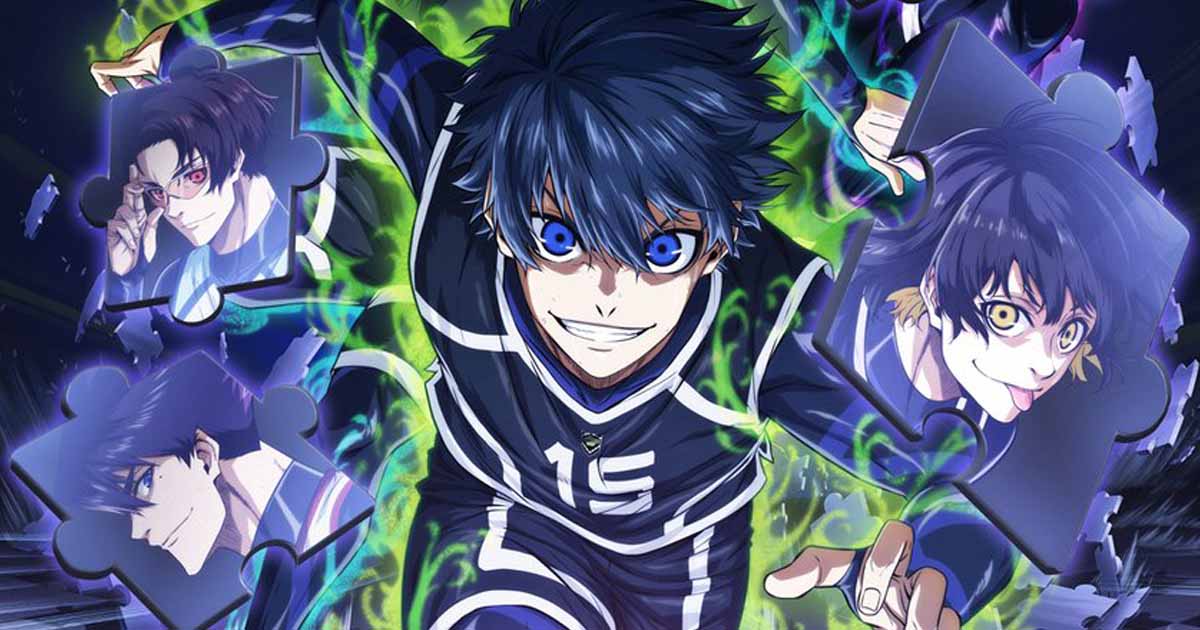
Blue Lock
“Having battled exclusively within a closed facility until now, the characters will, for the first time, battle on a grand stage that captures the attention of all of Japan,” Arisawa said. This change in setting required a shift in animation techniques, including increased depictions of the outside world and the audience. Arisawa also mentioned that the feedback from Season 1 influenced improvements in aspects like monitor work, imagery sequences, and aura effects, which should be noticeable in the new animation style.
Despite Arisawa’s detailed explanation, the fan reaction to the animation changes has been mostly negative. Social media posts frequently highlight issues like characters or objects “sliding” motionless across the screen in scenes that are meant to show action, and the frequent use of stills has been met with frustration. This criticism is not new, as veteran animators such as EVAKOI, who worked on Season 1, have previously pointed out the challenges of animation production. EVAKOI shared that many of their layout cuts for Season 1 were reduced to still images due to limited production time and resources.
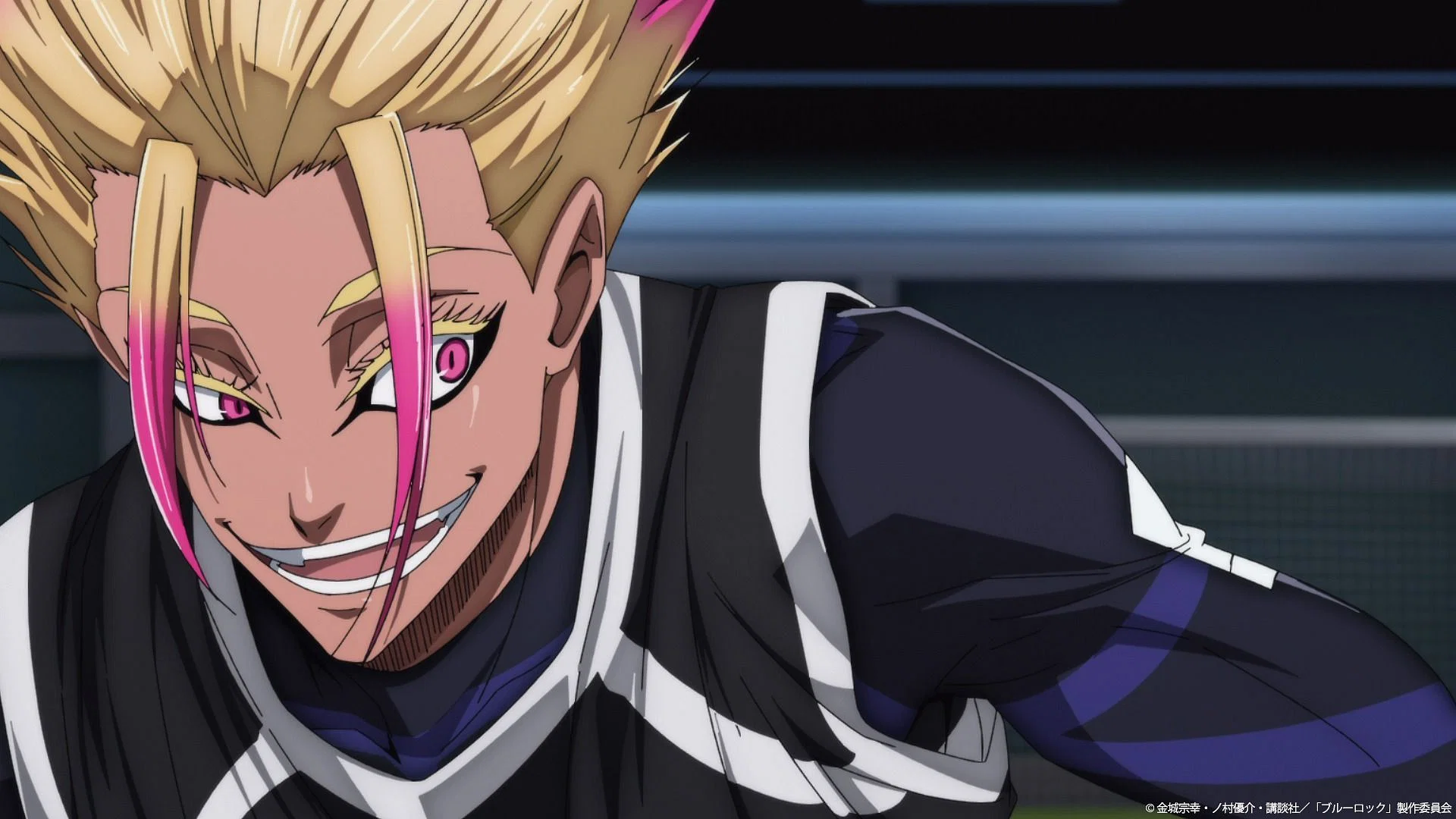
Blue Lock season 2 episode 2 still
The challenges of anime production, particularly for television, are well-known. Strict production quotas and long hours often result in shortcuts, but Arisawa has denied that Season 2’s animation issues are due to these factors. When asked if he was satisfied with the anime as a whole, Arisawa admitted he was “far from satisfied” with the final product. He explained that the essence of Blue Lock is about characters striving for self-improvement without ever feeling completely fulfilled. This mindset extends to him and the entire production team, as they aim to continuously improve in their work on the anime.
Blue Lock is currently adapting the ongoing U-20 arc from the original manga by Muneyuki Kaneshiro and Yusuke Nomura. This arc is focused on the exciting match between the Blue Lock Eleven and Japan’s National Soccer team. Fans are eagerly awaiting the two-part season finale, set to premiere on December 28. With the growing discontent surrounding the animation, it remains to be seen whether the final episodes will satisfy the critics.
The Japanese government is investing in a cutting-edge solution to combat the growing issue of anime and manga piracy. Announced by the Agency for Cultural Affairs, the new AI-driven project, worth approximately 300 million yen (around US$2 million), aims to build an advanced system that can identify and remove pirated content online. This initiative comes as piracy sites continue to rise, posing a serious threat to the anime and manga industries.
According to NHK’s report, the AI system will focus on detecting images and content related to pirated anime and manga, including elements like the layout of piracy websites and the specific content provided by publishers. By teaching the AI to recognize these key features, it will allow rights holders to request content removal more efficiently. The hope is that this technological advancement will significantly reduce the presence of illegal content online, providing better protection for creators and publishers.
Japan Launches $2 Million AI Project to Combat Anime and Manga Piracy
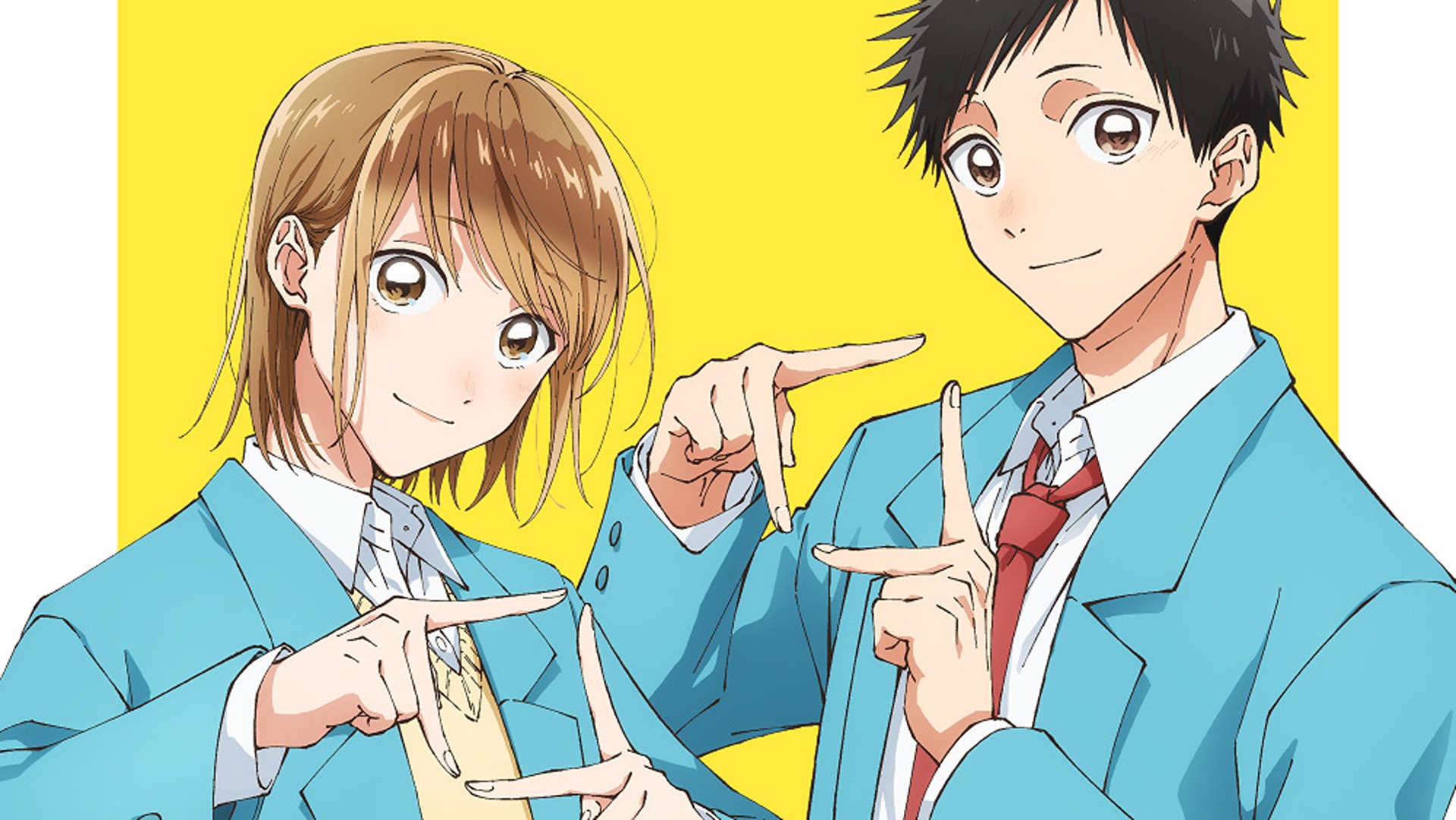
Blue Box anime New Poster (Credits: TMS Entertainment)
A spokesperson for the Agency for Cultural Affairs explained the challenge of manually identifying pirated sites. Traditional methods of monitoring piracy are time-consuming and costly, and the AI system is seen as a more effective way to tackle this problem. By automating the process, the government hopes to protect intellectual property rights and curb the financial impact of piracy.
This initiative is also likely to increase the volume of DMCA takedown requests, as Google has recently reported that major companies, including VIZ Media and Toei Animation, are among those filing significant numbers of takedown requests.
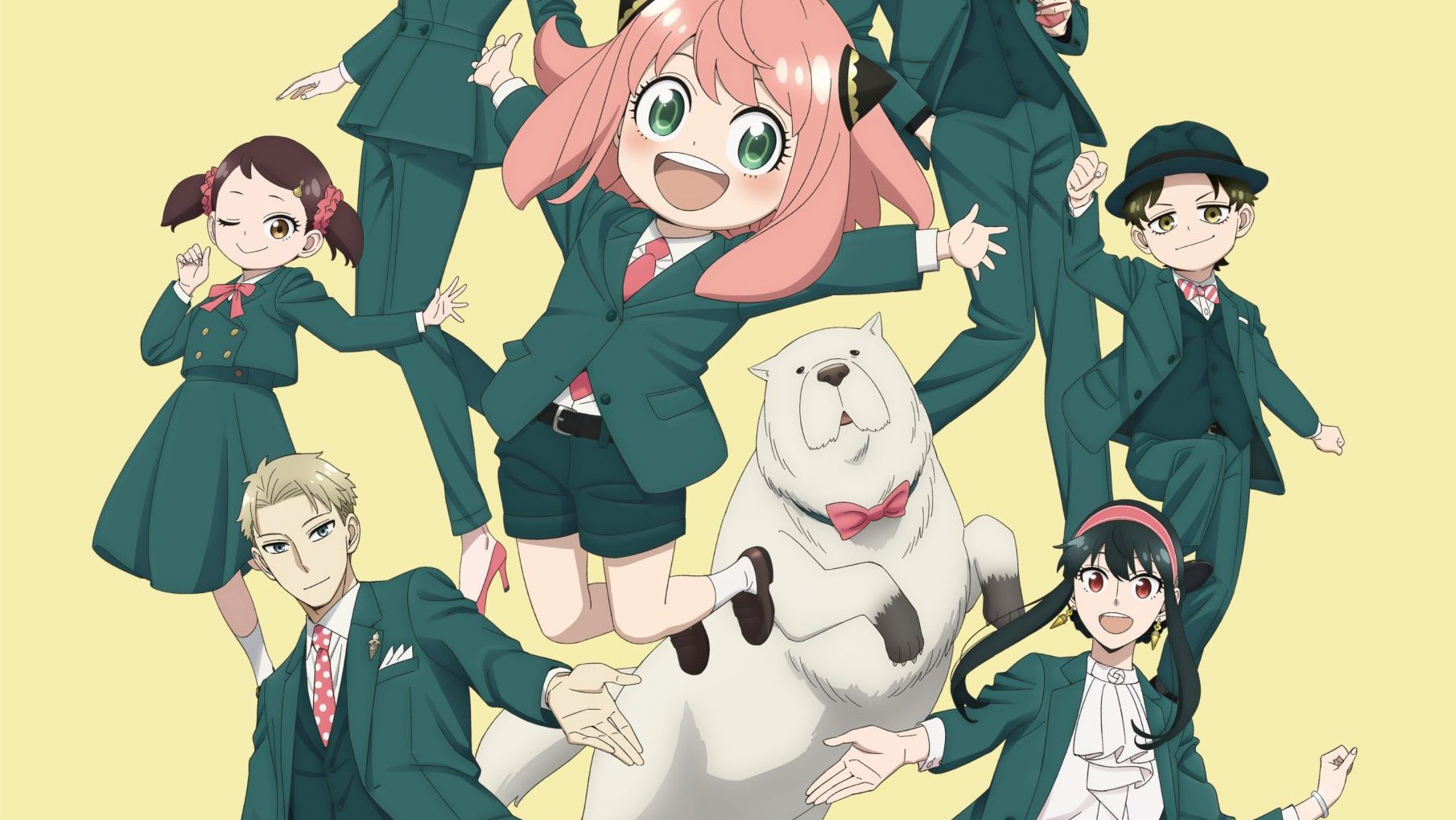
Spy x Family Anime Extra Mission (Credits: Clover Works)
The move comes amid ongoing anti-piracy efforts by various companies in the entertainment industry. For example, WEBTOON has developed its own tool, Toon Radar, to track the origin of pirated webtoons. The company has also aggressively pursued legal action against pirates, recently closing 70 piracy sites that generated over 1.2 billion annual visits. Similarly, Netflix has taken steps to protect its content, including securing subpoenas to identify users behind major leaks affecting anime like Dandadan.
The anime industry has also followed suit, with Aniplex and Toho securing subpoenas against X (formerly Twitter) to identify suspected leakers through hidden watermarks and false credits embedded in TV episodes. While this method has drawn some controversy for potentially flagging innocent individuals, it demonstrates the growing efforts to prevent piracy. However, there are concerns that the new AI detection system in Japan could suffer from similar issues if it’s not properly trained, possibly targeting innocent websites or content creators by mistake.
