Eiichiro Oda, the creator of One Piece, has opened up about the intense emotional strain he feels while writing the story’s long-awaited conclusion. In a recent interview, Oda admitted that he often cries while working on the final chapters, calling it one of the most emotionally taxing experiences of his career.
The final arc of One Piece has been building for decades, and now that it’s finally here, Oda says he’s putting everything he has into it. “Every time I write it, I cry,” he shared, adding that the scenes carry deep emotional weight—not just for the characters, but for himself as the storyteller.
Twenty-Five Years of Bonds and Goodbyes
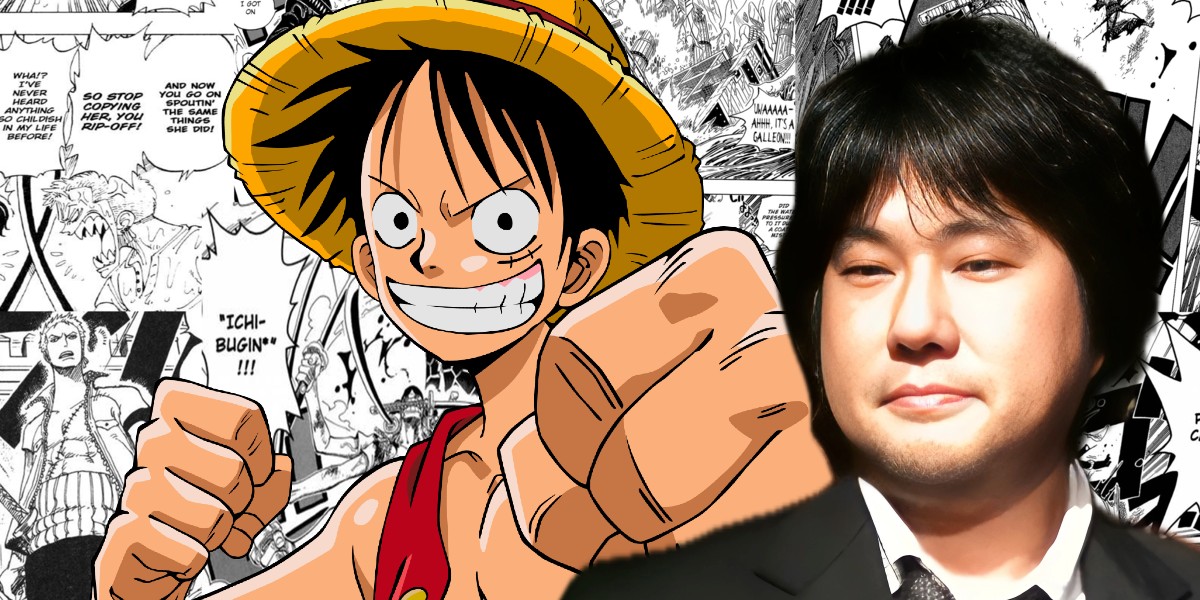
Eiichiro Oda
Oda confessed that writing the conclusion means saying farewell to characters he’s spent more than 25 years with. Luffy’s journey, the Straw Hats’ growth, and the world they’ve explored all feel like part of his own life. “They’re like my family,” he said, noting that every goodbye he pens feels personal.
While he hasn’t revealed exact details about how the saga ends, Oda confirmed that emotional moments will be central. He’s aiming for a finale that honors the legacy of the series while staying true to each character’s path. Fans can expect a conclusion filled with warmth, tears, and genuine closure.
Oda also emphasized that the weight of fan expectations has been enormous. “I want to make sure that everyone feels satisfied,” he explained. That pressure, combined with the emotional depth of each scene, has made writing the final stretch slower than expected—but he assures fans it will be worth the wait.
Legacy of a World-Spanning Epic
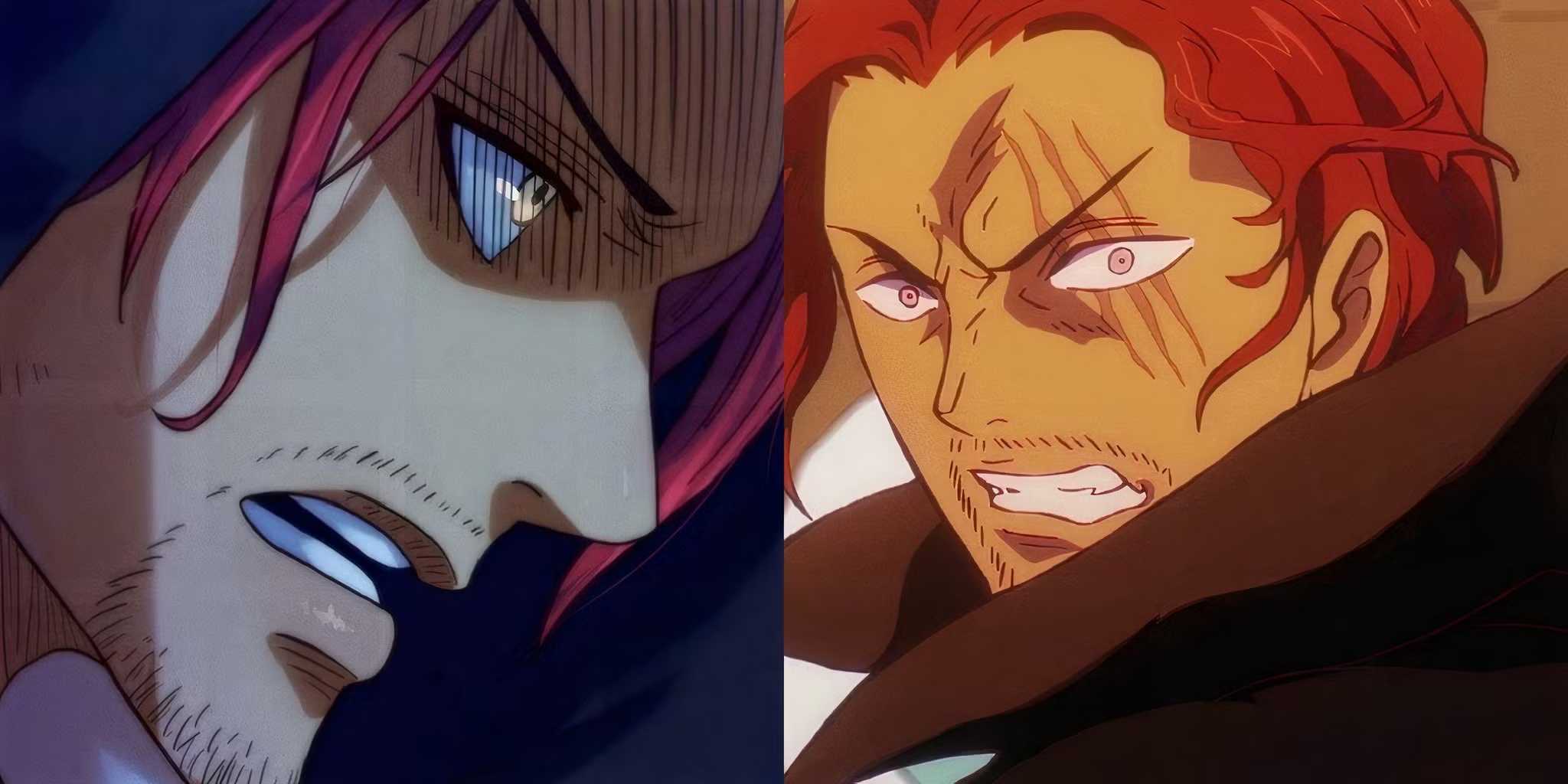
Shanks (Credit: Eiichiro Oda)
As One Piece nears its final island, Oda’s emotional attachment mirrors the fandom’s own bittersweet anticipation. He noted that scenes involving the crew’s final dreams—Zoro’s ambition, Sanji’s promise, Nami’s map—are some of the hardest to write, simply because he knows they signal the end of an era.
Despite the tears, Oda remains focused. “I cry, but I keep drawing,” he said. His determination to finish the story on his own terms has kept the manga consistent through decades of serialization. Though the journey may be nearing its close, the heart that shaped it is beating stronger than ever.
Tatsuya Endo, the mind behind Spy x Family, has surprised fans by admitting he’s growing weary of cute aesthetics and comedic flair. Despite the series’ massive global popularity, the creator now feels creatively boxed in. He recently confessed that he wants to move away from drawing “cute stuff” and is considering horror as his next frontier.
The unexpected admission offers a rare look into Endo’s personal frustrations. Known for balancing family wholesomeness and spy action, Spy x Family has cemented his name in anime culture. But the charm that made Loid, Yor, and Anya household names is now weighing on him creatively. His interest lies in something much darker.
An Artist’s Hidden Craving for Dread
In a featured comment included in the Spy x Family fanbook, Endo revealed that he originally hoped to write thrillers or horror. “I just want to draw grotesque stuff,” he noted, half-jokingly. Despite the overwhelming success of his current series, the author admitted that drawing endearing moments day after day feels repetitive.
Endo said he often envied mangaka working in dark genres like horror and suspense. “I’ve always liked works with violence or cruelty,” he wrote. His current style, while commercially successful, was something he had to adjust to in order to get serialized. Now, with Spy x Family thriving, he might finally return to his roots.
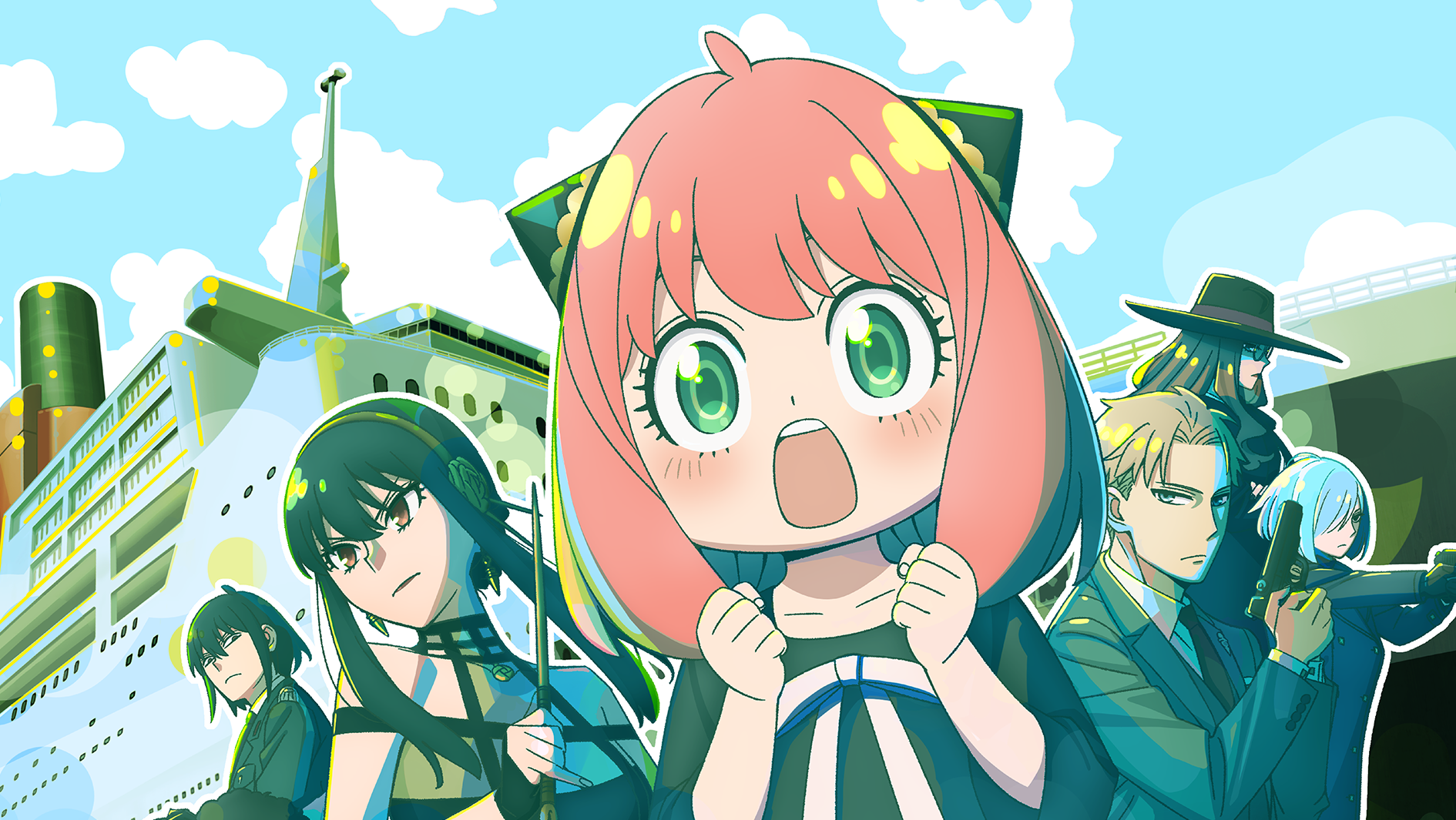
Spy X Family (Credits: Clover Works X Wit Studio)
This isn’t the first time fans caught glimpses of Endo’s grimmer sensibilities. Prior one-shots like Rengoku no Ashe and TISTA hinted at his natural draw toward morally complex themes. These works explored darker emotional terrain, far removed from Anya’s adorable mind-reading antics. Endo may be signaling a return to those early instincts.
His statements reflect a larger creative struggle many mangaka face. Maintaining long-running series often limits experimentation. Endo’s desire for a genre shift doesn’t diminish his love for Spy x Family, but rather highlights a longing for personal challenge. The pull of horror seems less about shock and more about narrative freedom.
Possibilities for the Future
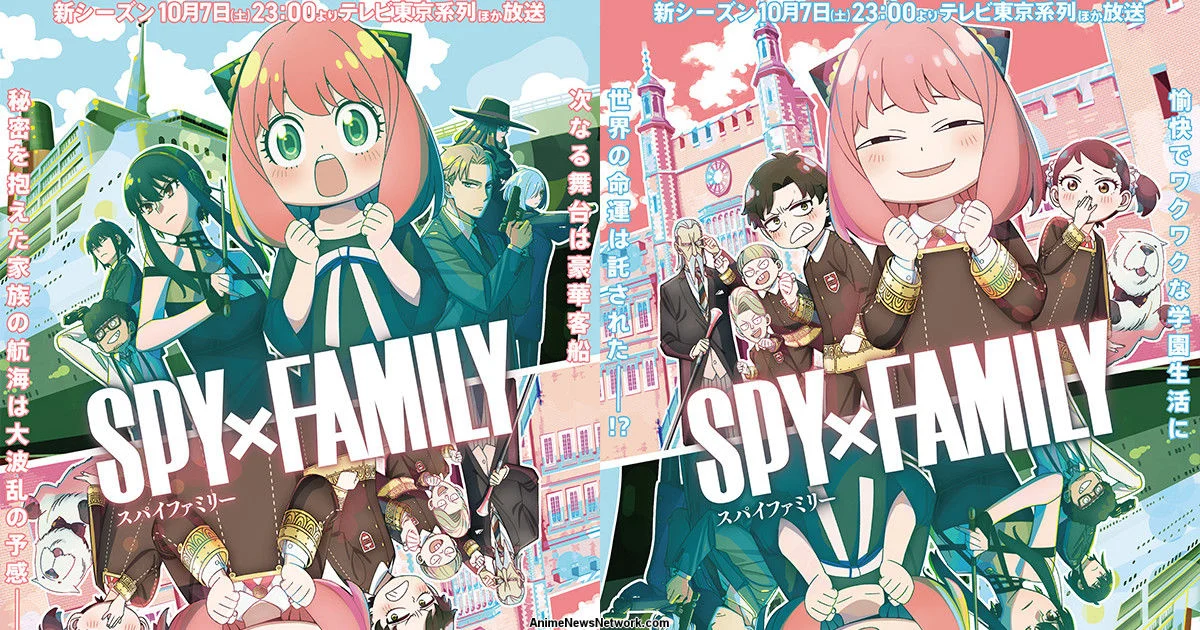
Spy X Family Season 2 (Credits: Clover Works)
Endo hasn’t confirmed what his next project will be, but his openness suggests a creative shift could be on the horizon once Spy x Family ends or pauses. Given the global reach of his current work, any horror piece from him will draw immediate attention—especially if it blends psychological elements with his sharp storytelling.
Whether Endo takes on psychological terror, body horror, or supernatural suspense remains to be seen. What’s clear is that his next series may surprise fans who only know him through Anya’s innocent charm. A project more in line with Tokyo Ghoul or Chainsaw Man could reveal a completely different side of his talent.
For now, Spy x Family continues to thrive, with a second season and a film adaptation under its belt. But behind the polished family antics, its creator is craving bloodier brushstrokes. Fans should prepare for a possible genre pivot that trades smiles for screams.
The conclusion of Attack on Titan was nearly postponed again, according to insiders who revealed that the final episode underwent last-minute adjustments just hours before airing. Despite already experiencing multiple delays, the production team continued making edits on the day of broadcast to meet quality expectations.
This revelation came through staff interviews and behind-the-scenes reports that surfaced after the finale aired. Animators confirmed that key cuts and scenes were being fine-tuned on-site, even as the premiere time approached. Some staff admitted they didn’t know whether the episode would finish rendering in time for release.
The Pressure of a Generation-Defining Finale
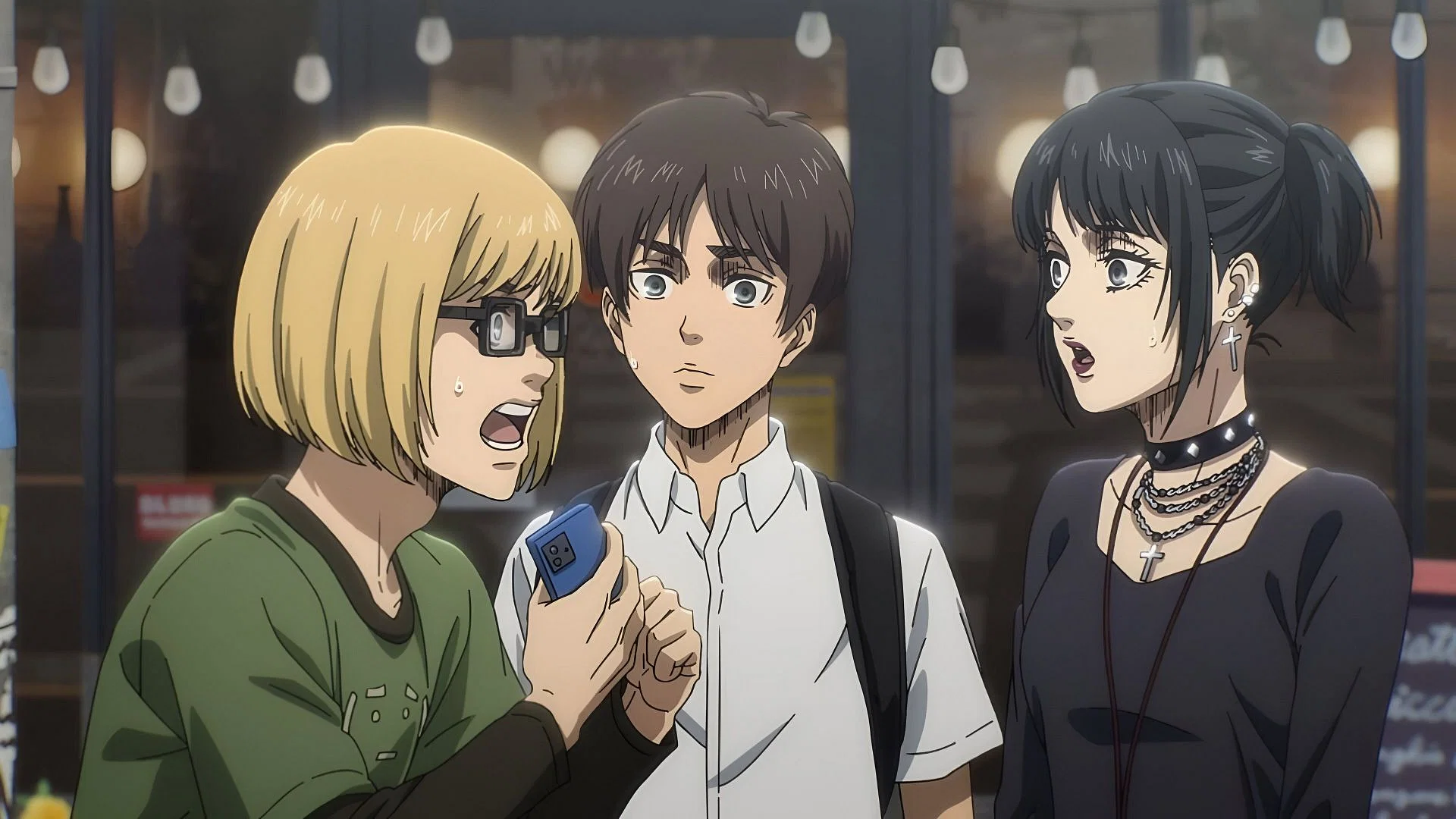
Attack On Titan post credit scene (Mappa)
With years of buildup and massive expectations from global audiences, the pressure to deliver a flawless conclusion weighed heavily on MAPPA. Staff members reported working through nights without rest to polish the final scenes. “There were sequences still getting lighting corrections just hours before air,” one crew member shared.
Studio sources described the environment as tense and frantic. Any flaw would have sparked online backlash, especially for an anime with such an emotionally loaded ending. Even minor imperfections were seen as unacceptable by internal leads, pushing the team into an exhausting sprint to the finish line.
This type of schedule isn’t new for MAPPA, which has become known for taking on too many projects with minimal turnaround time. While Attack on Titan ended without visible errors, the process exposed how unsustainable this approach is—even for one of the most high-profile anime of the decade.
Behind the Scenes: Applause and Alarm
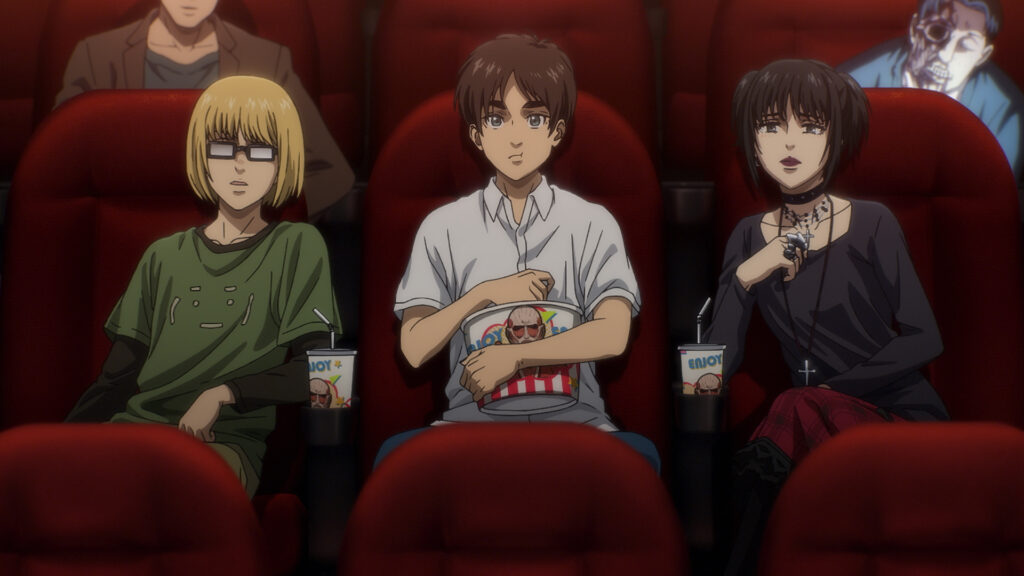
Attack On Titan post credit scene (Mappa)
Although the finale was well-received, many fans were unaware of the production chaos behind it. After the episode aired, animators began speaking out anonymously about the conditions. One artist described the mood in the studio as “half celebration, half collapse.” Another simply said, “We made it, but barely.”
This case again draws attention to the broader conversation around animator workload and the chronic crunch culture plaguing the anime industry. Even a studio as experienced as MAPPA needed last-minute miracles to meet the deadline. Without systemic change, these extremes may become the norm for big-budget anime finales.
