The recent developments in One Piece chapter 1130 have left fans buzzing with theories and speculation. The story’s focus has shifted to the long-anticipated Elbaph Arc, introducing a major new character Prince Loki.
Many fans believe that Loki is the primary antagonist of the arc, yet there’s a lingering sense of doubt.
With Eiichiro Oda, the mastermind behind the series, known for his love of plot twists and subverting expectations, fans are left questioning if Loki is truly the main villain or if there’s more to the story.
This uncertainty arises from some key elements in the recent chapter, with hints suggesting that Loki’s introduction might be the biggest red herring Oda has delivered in this arc so far.
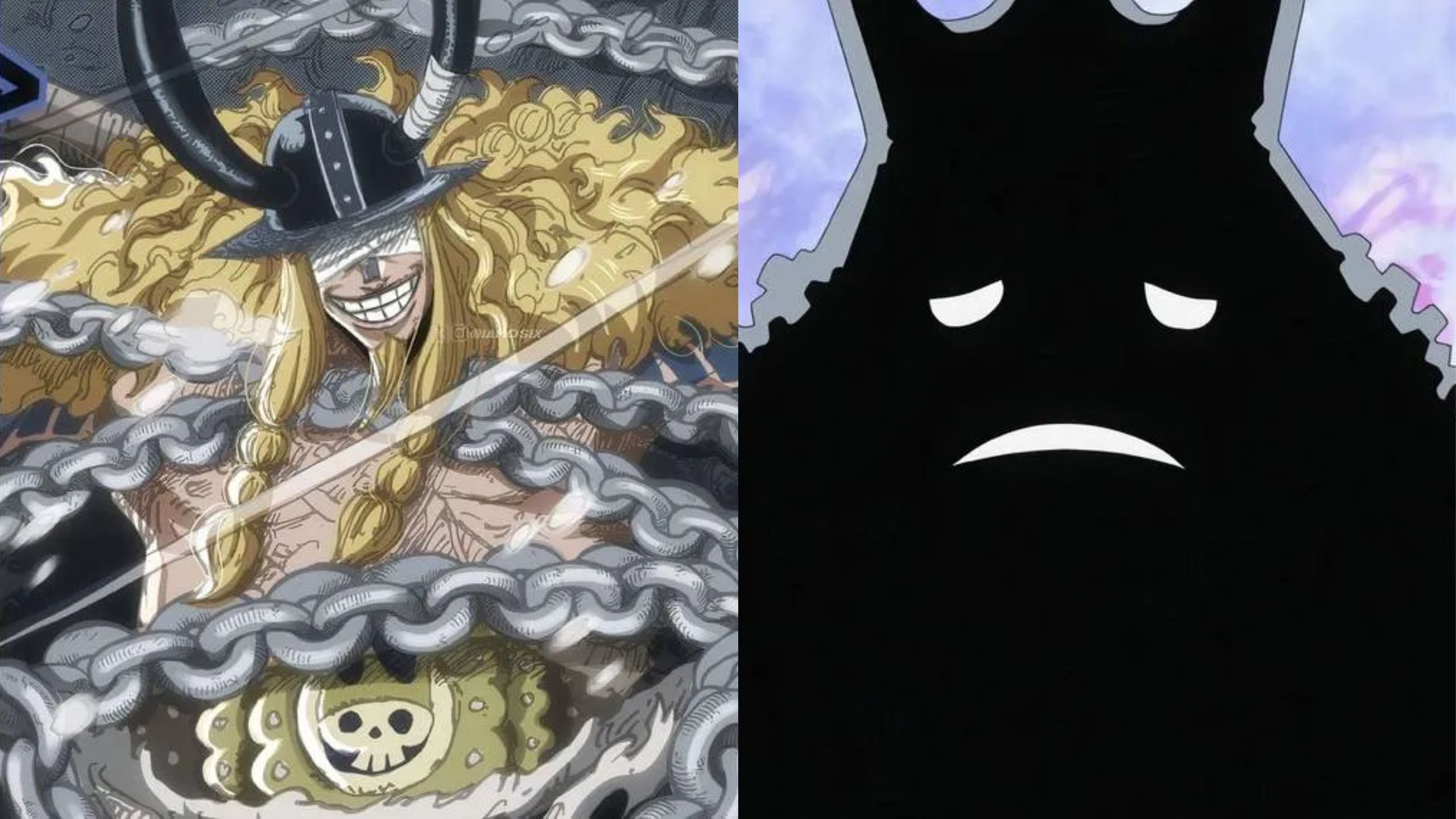
Loki From One Piece Manga (Toei Animations)
Luffy’s initial reaction and his interactions with Loki offer significant clues about what might be unfolding.
While fans are split on Loki’s intentions, the latest chapter’s dialogue may be leading them astray, sparking debates about the true direction of the Elbaph Arc.
Loki’s Introduction as a Villain
Chapter 1130 of One Piece kicks off with a dramatic introduction of Prince Loki, who presents himself to Luffy with a bold and unsettling declaration: “the Sun God who brings the world to an end.”
This proclamation immediately frames him as a potential threat, a destructive force linked to the fate of the world.
However, before he makes this declaration, the chapter takes pains to establish Loki’s menacing reputation.
He’s portrayed as a fearsome and vile figure, someone capable of committing patricide a monstrous act that brands him as a dangerous and merciless individual.
Loki is also depicted as an almost unbeatable force, with his power only kept in check because the warriors of Elbaph united to contain him.
Loki, god of mischief – [One Piece ch.1130] #ONEPIECE1130 #ONEPIECE #حرق_ون_بيس pic.twitter.com/U2dEuSk3YH — 👁️Zaak – COMMISSIONS OPEN! (@IkeNewtown) October 19, 2024
This paints a picture of a mighty villain who, if left unchecked, could pose a threat to the world.
The narrative seems to nudge readers into accepting Loki as the Elbaph Arc’s primary antagonist, someone whose motives are clearly sinister. But this clear-cut characterization might be the very thing that is misleading fans.
Luffy’s Neutral Perception of Loki
An intriguing aspect of chapter 1130 is how Luffy perceives Loki. Despite Loki’s foreboding introduction, Luffy does not seem to react to him as if he’s inherently evil.
When he first senses Loki’s presence and moves to face him, Luffy describes the situation in a neutral manner.
This reaction stands out, particularly because Luffy possesses advanced Observation Haki, a form of perception that allows him to detect a person’s intent.
If Loki had malicious designs, one would expect Luffy to immediately sense danger or ill will, but he doesn’t, which is a significant clue.
Luffy’s calm demeanor hints that there may be more to Loki’s proclamation than meets the eye. It suggests that while Loki’s words and reputation might paint him as a villain, his intent may not be malicious.
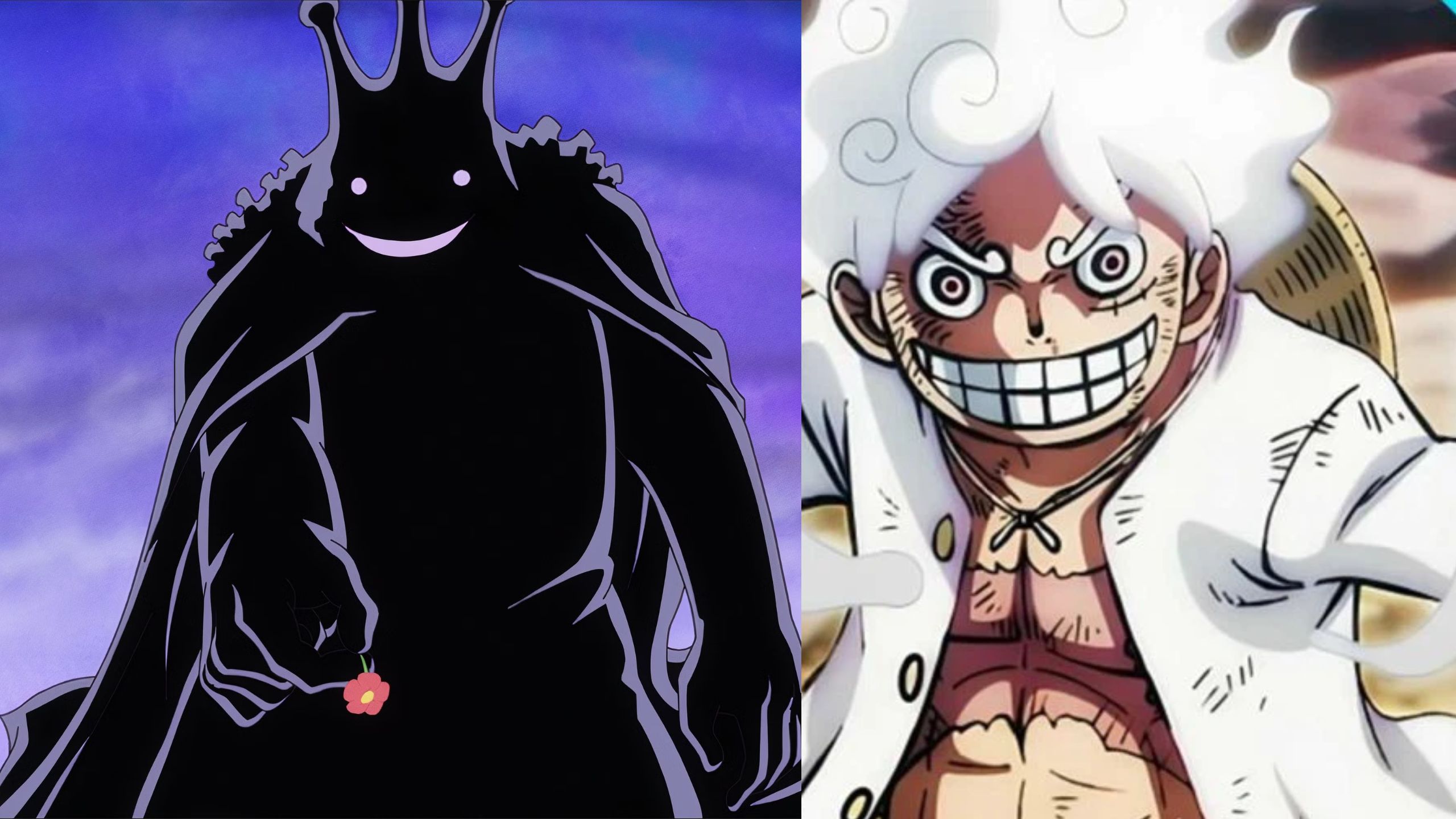
Loki And Luffy From One Piece (Toei Animations)
This opens up the possibility that Loki’s mission to “bring the world to an end” is driven by a deeper, perhaps misunderstood, motive.
A Destiny Tied to Elbaph’s History
Loki’s mission to destroy the world, as he claims, may be tied to his heritage as the crown prince of Elbaph.
Elbaph is a nation known for its isolation from the World Government, much like Wano.
This separation means that Elbaph’s history and lore are likely preserved without the influence or censorship of outside powers.
As the prince, Loki could have discovered something significant within Elbaph’s ancient records or oral traditions something tied to the mysterious Void Century.
The Void Century is a period of history that the World Government has tried to bury, and Elbaph’s autonomy could mean that they possess untampered accounts of this era.
This might explain why Loki feels an urgent need to fulfill his destiny, even if it means “bringing the world to an end.”
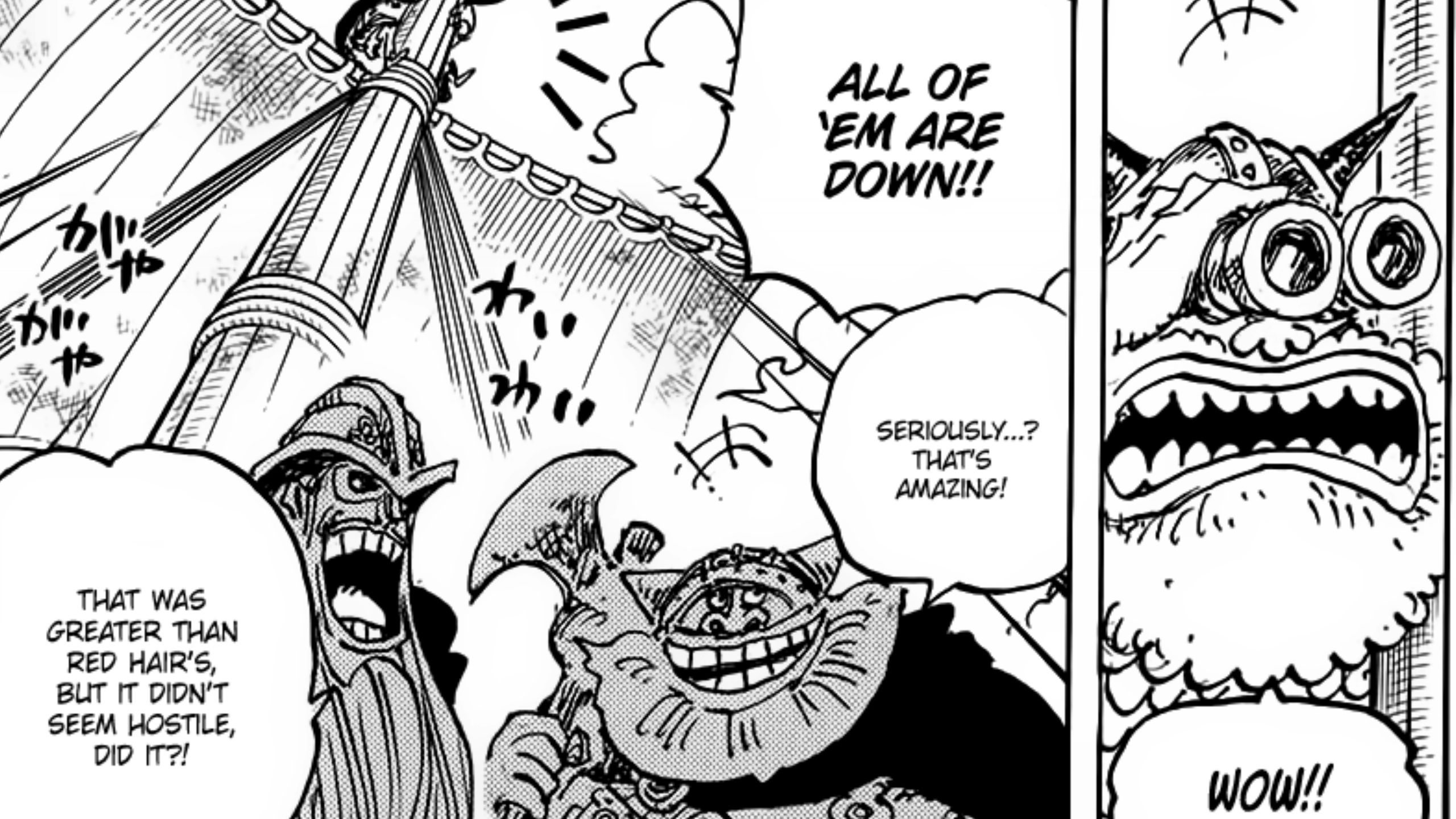
Elbaf’s From One Piece (Shueisha)
His choice to call himself “the Sun God” is especially intriguing, as the Sun God is a figure deeply rooted in Elbaphian mythology.
These connections to the past raise the question: Is Loki’s mission tied to some greater destiny or prophecy?
A Connection to Luffy’s Prophetic Destiny
The narrative’s emphasis on Loki’s role as “the Sun God” has led many fans to draw comparisons between him and Luffy, who also has ties to the Sun God prophecy.
Earlier in the series, Madam Shyarly, a fortune teller from Fishman Island, foresaw Luffy destroying Fishman Island.
This prophecy has hung over the series for years, and chapter 1130 brings it back to the forefront with Loki’s self-proclaimed identity as the Sun God.
This parallel suggests that Loki and Luffy’s fates may be intertwined, hinting at a shared prophecy about the world’s destruction.
One theory is that Loki’s knowledge of the Sun God comes from Elbaph’s folklore, while Madam Shyarly’s vision was triggered by her encounter with Luffy.
It’s possible that both Loki and Luffy are connected to the same prophecy, with each interpreting it differently based on their cultural backgrounds and experiences.
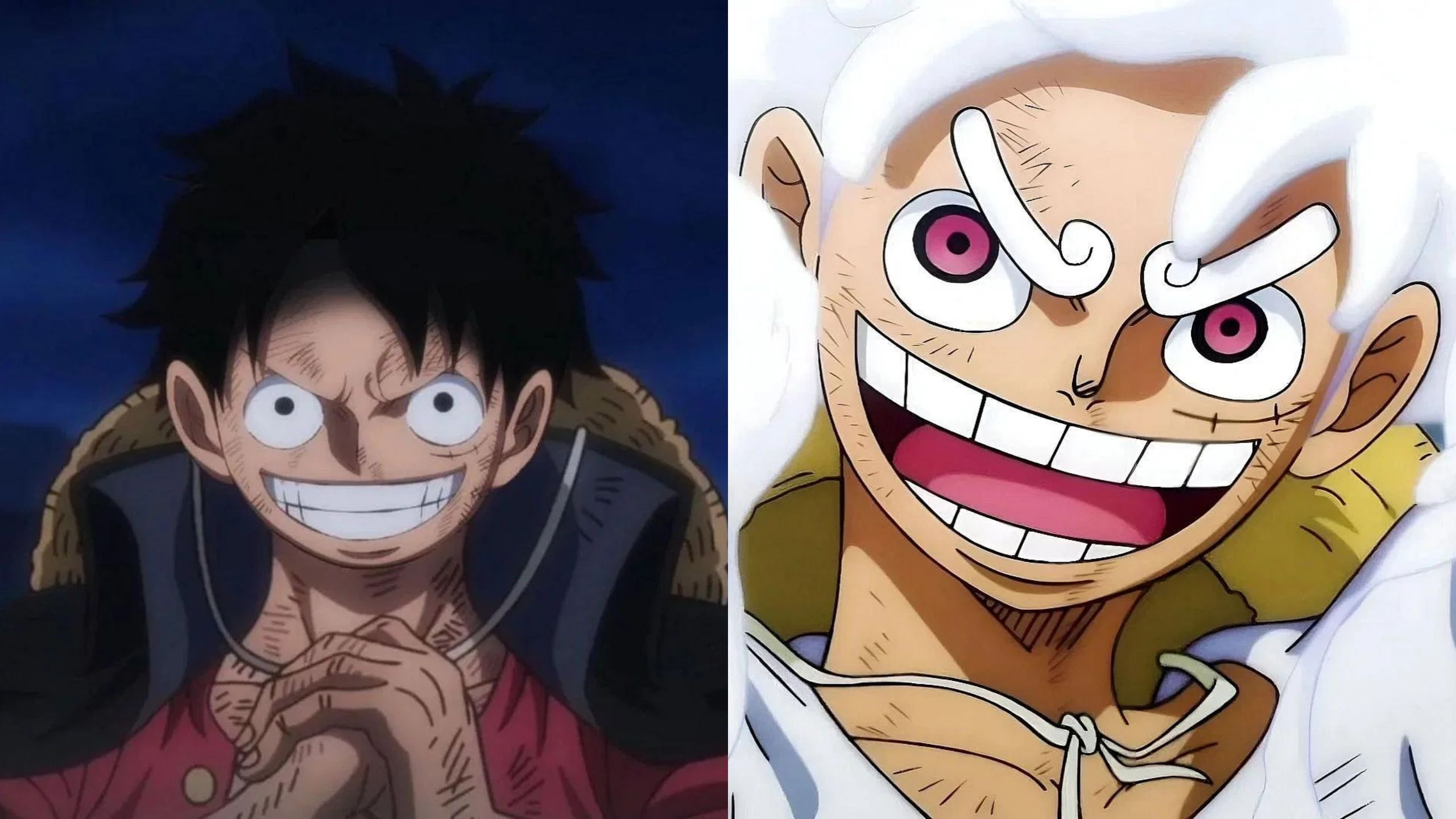
Luffy And His Gear 5 Form (Toei Animation)
This theory could explain why Loki’s destructive intent is framed as a duty or obligation rather than an evil desire.
The Mysterious Sun God and Elbaph’s Lore
The idea that Loki views himself as the Sun God is a fascinating twist that might have deep roots in Elbaph’s traditions.
The Giants of Elbaph have a rich history, and the Sun God is clearly a figure of immense importance in their culture.
Chapter 1130 makes this connection explicit when Loki declares himself as the Sun God while discussing his goal to end the world.
If the Sun God is central to Elbaph’s beliefs, it’s possible that Loki’s mission is grounded in some ancient prophecy that has been passed down through the generations.
What’s interesting is how this ties into the greater One Piece world. Luffy, who is increasingly associated with the Sun God through his adventures, has also been predicted to play a role in reshaping the world.
The story seems to be building towards a confrontation or alliance between Luffy and Loki, each representing different interpretations of the Sun God’s prophecy.
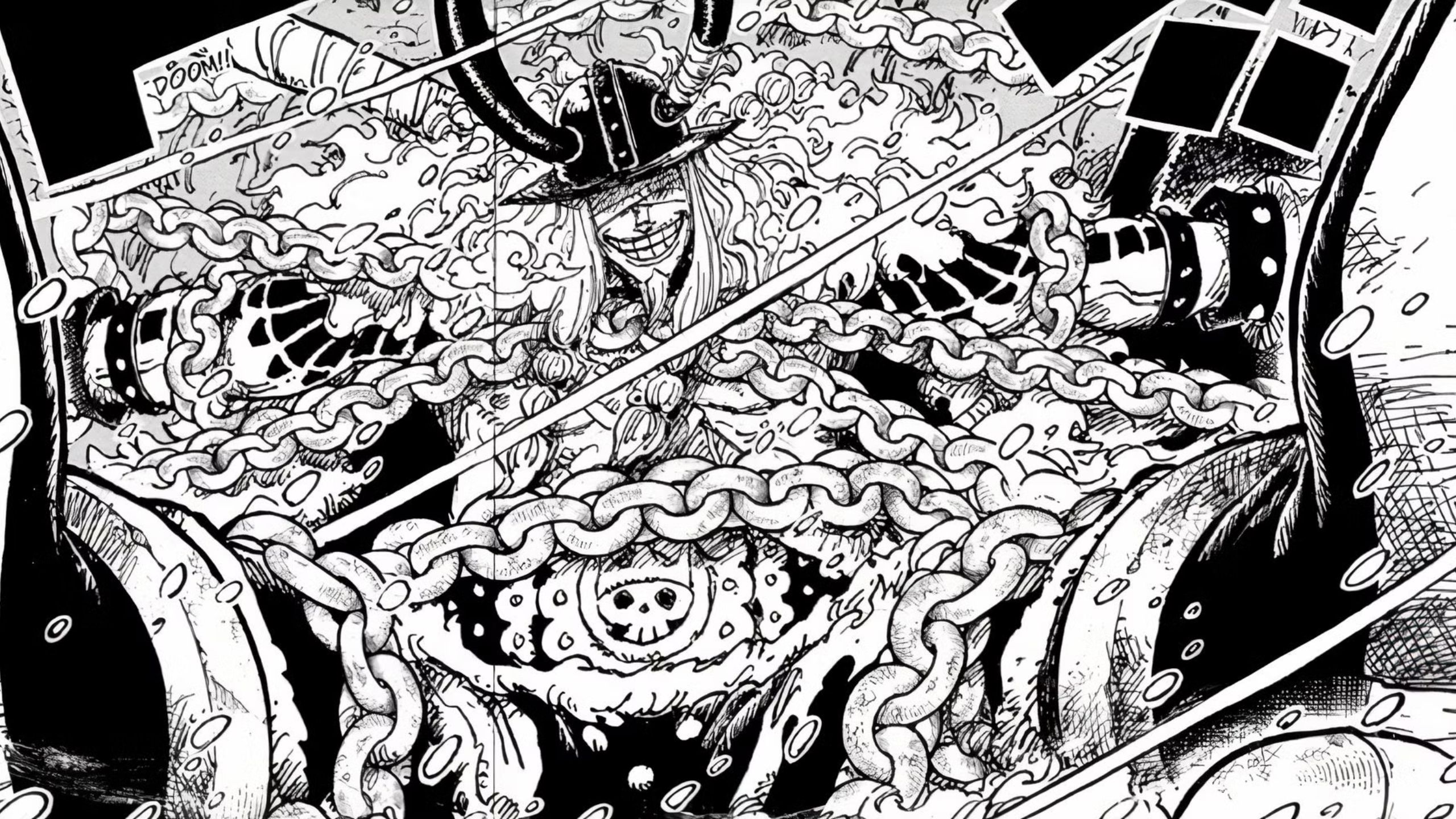
Loki From One Piece Manga (Toei Animations)
This adds layers to the narrative, as readers are left to wonder what the true role of the Sun God is in the One Piece world.
A Misunderstanding Born of Incomplete Knowledge
The clues presented in chapter 1130 suggest that Loki’s belief in his role as the Sun God and his goal to destroy the world might be a tragic misunderstanding.
If Elbaph’s records have gaps or have been misinterpreted over time, Loki could be acting on incomplete or inaccurate information.
This would explain why Luffy, who has a clearer understanding of the world’s dynamics thanks to his travels, doesn’t perceive Loki as a genuine threat.
Luffy’s neutral reaction implies that he senses Loki’s motivations are not born out of malice but rather from a misplaced sense of duty.
This potential misunderstanding could be tied to the concept of the All Blue a legendary ocean in the One Piece world where all the seas meet, which has been a dream of Sanji’s since the beginning of the series.
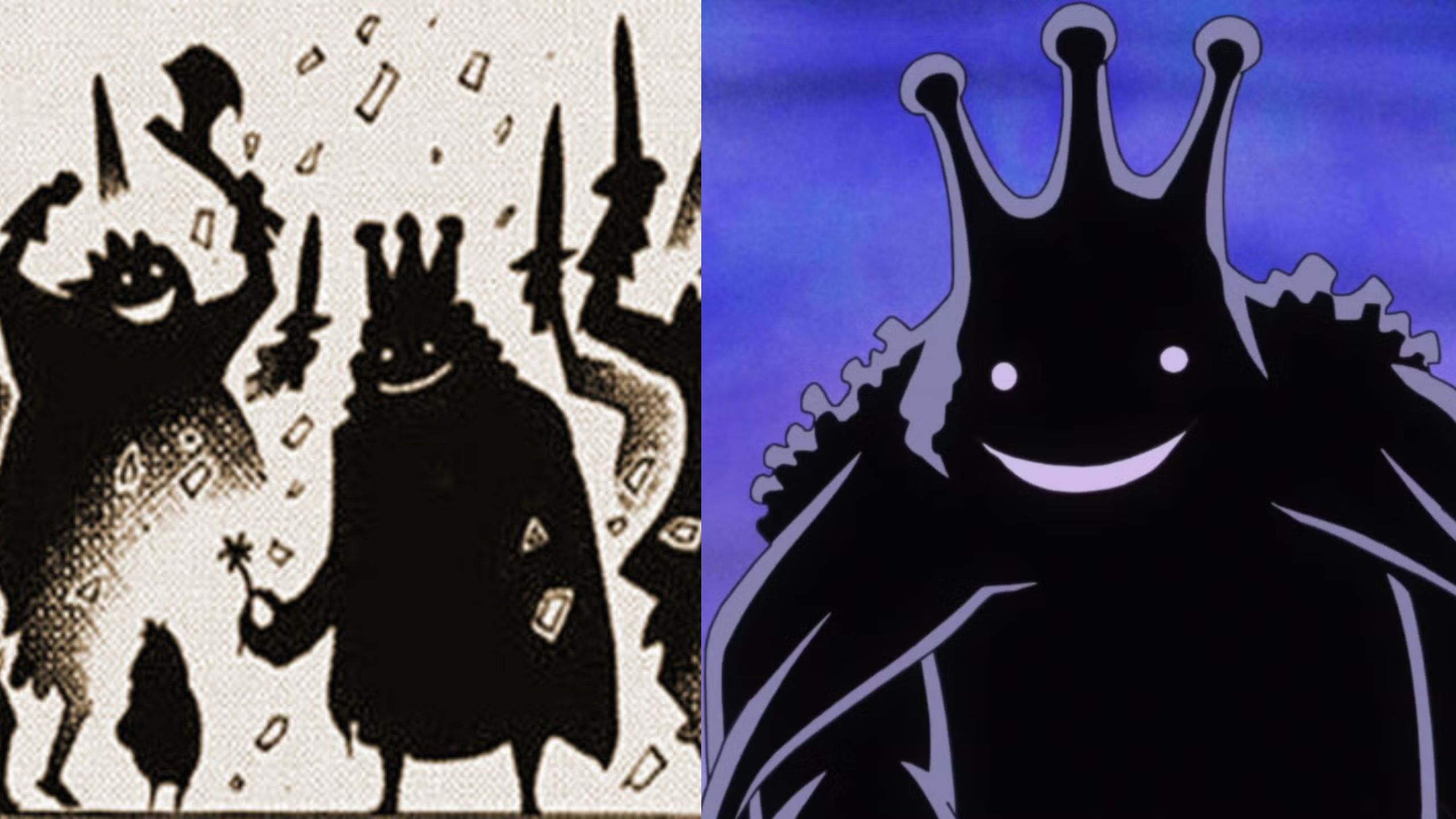
Loki From One Piece (Shueisha)
There is a prevalent theory that the destruction of Fishman Island will be a necessary step to create the All Blue, requiring the fall of Mariejois, the capital of the Celestial Dragons.
If Loki’s goal to destroy the world is somehow linked to a similar outcome, it could mean that he is aiming to fulfill a prophecy without understanding the consequences fully.
Mystery of Elbaph’s Royal Devil Fruit
One of the more intriguing possibilities raised by chapter 1130 is the idea that Elbaph’s Royal Family may have a legendary Devil Fruit, potentially linked to the myth of the Gum-Gum Fruit.
If the true Gum-Gum Fruit resides with Elbaph’s royal lineage, it would explain why Loki believes he is the Sun God.
The powers granted by the fruit might have convinced him that he is destined to play a central role in the one piece world’s fate.
This would also tie into Luffy’s own journey, as the Gum-Gum Fruit has been a cornerstone of his adventures since the series’ inception.
If this theory holds true, it could mean that the identity of the Sun God is not tied to one individual but rather a mantle that can be passed down or interpreted through different lenses.
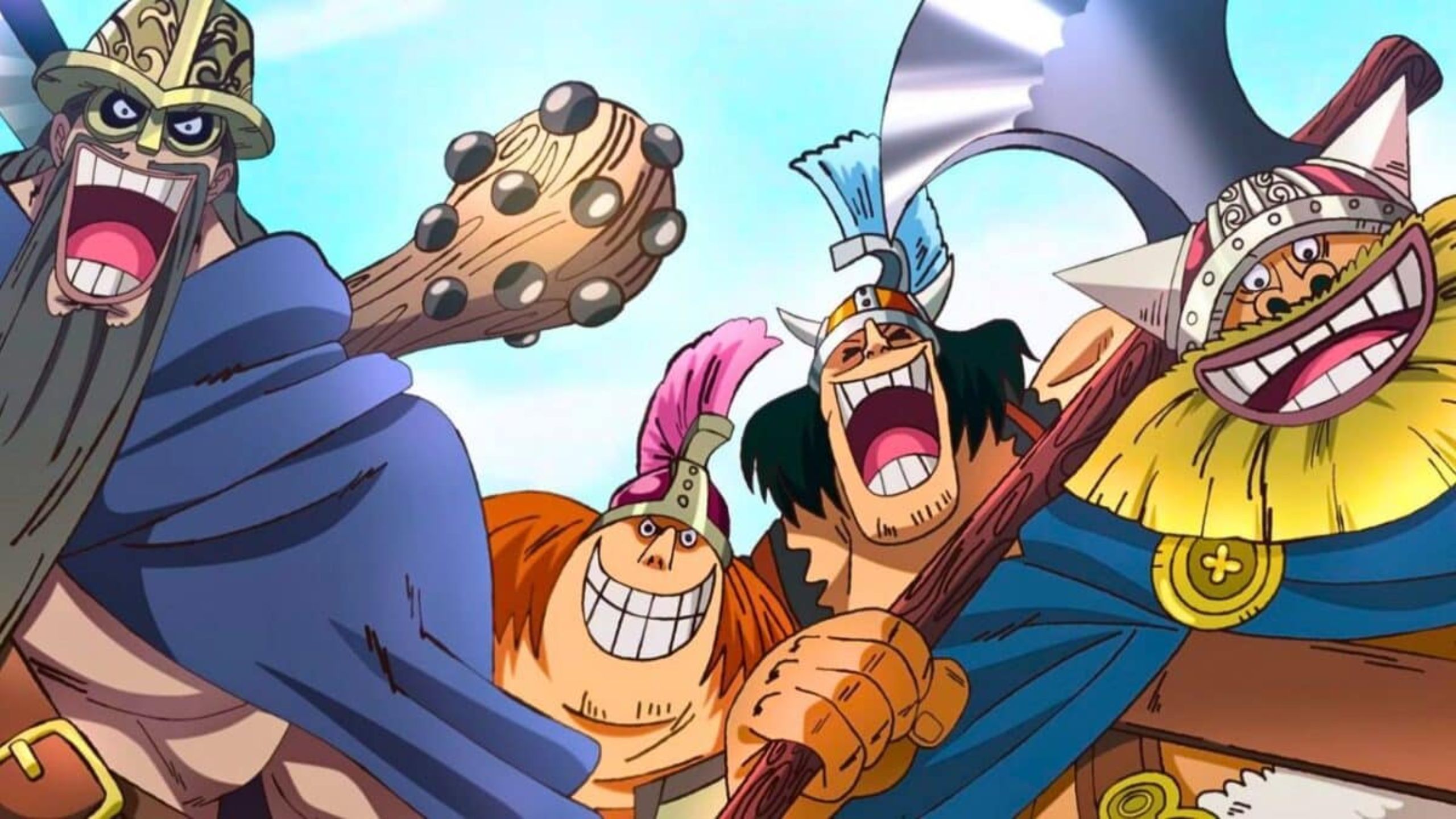
Elbaf’s From One Piece (Toei Animations)
For Loki, the powers of the mythical fruit might serve as evidence of his destiny, whereas for Luffy, his connection to the Sun God has developed through his actions and the bonds he’s formed.
This dynamic could set the stage for a confrontation between two characters who both believe they are fulfilling their destined roles.
Loki’s True Nature: Villain or Misguided Hero?
By the end of chapter 1130, it becomes apparent that Oda might be leading readers down a deceptive path regarding Loki’s true nature.
The portrayal of Loki as a villain feels almost too overt, especially given Oda’s history of subverting expectations.
While Loki’s actions such as committing patricide are undoubtedly reprehensible, his desire to destroy the world might stem from a sincere belief that he is doing what is necessary.
This complexity makes him a potentially layered character, one whose motivations may not be as black-and-white as they seem.
If Luffy’s neutral stance towards Loki is any indication, the prince may be more of a tragic figure than a true antagonist.
#ONEPIECE1130 My boy Loki definitely went down the Obito route He got rejected by Lola and now wants to destroy the whole world😭 pic.twitter.com/GKz89McCV8 — 𝐆𝐮𝐫𝐝𝐢𝐩🩸 (@Gurdipzz) October 17, 2024
His mission could be driven by a sense of duty to his people or a desire to protect the world from a greater threat.
This ambiguity is what makes One Piece such a compelling series, as characters are rarely one-dimensional.
Oda’s storytelling often blurs the line between good and evil, allowing for nuanced interpretations of each character’s actions.
Speculation and the Road Ahead
While the current evidence points to the possibility that Loki’s destructive ambitions are not purely evil, the
truth will remain uncertain until the story progresses. The next chapters will be crucial in revealing whether Loki’s goals are genuinely antagonistic or if he is merely a pawn in a larger game.
Fans will have to wait until the manga resumes on November 11, 2024, to get more answers.
In the meantime, the mystery surrounding Loki and his connection to the Sun God prophecy will undoubtedly keep fans theorizing.
The parallels between Luffy and Loki, the potential ties to Elbaph’s history, and the mysterious Sun God prophecy all suggest that the Elbaph Arc is building towards a monumental climax.
Whether Loki emerges as a villain, a tragic hero, or something in between, his role in the story is sure to be pivotal.
Oda has always excelled at creating engaging and multifaceted characters, and Loki appears to be no exception.
The Elbaph Arc’s narrative is only beginning, and it’s clear that fans are in for an exciting ride as more layers are peeled back.
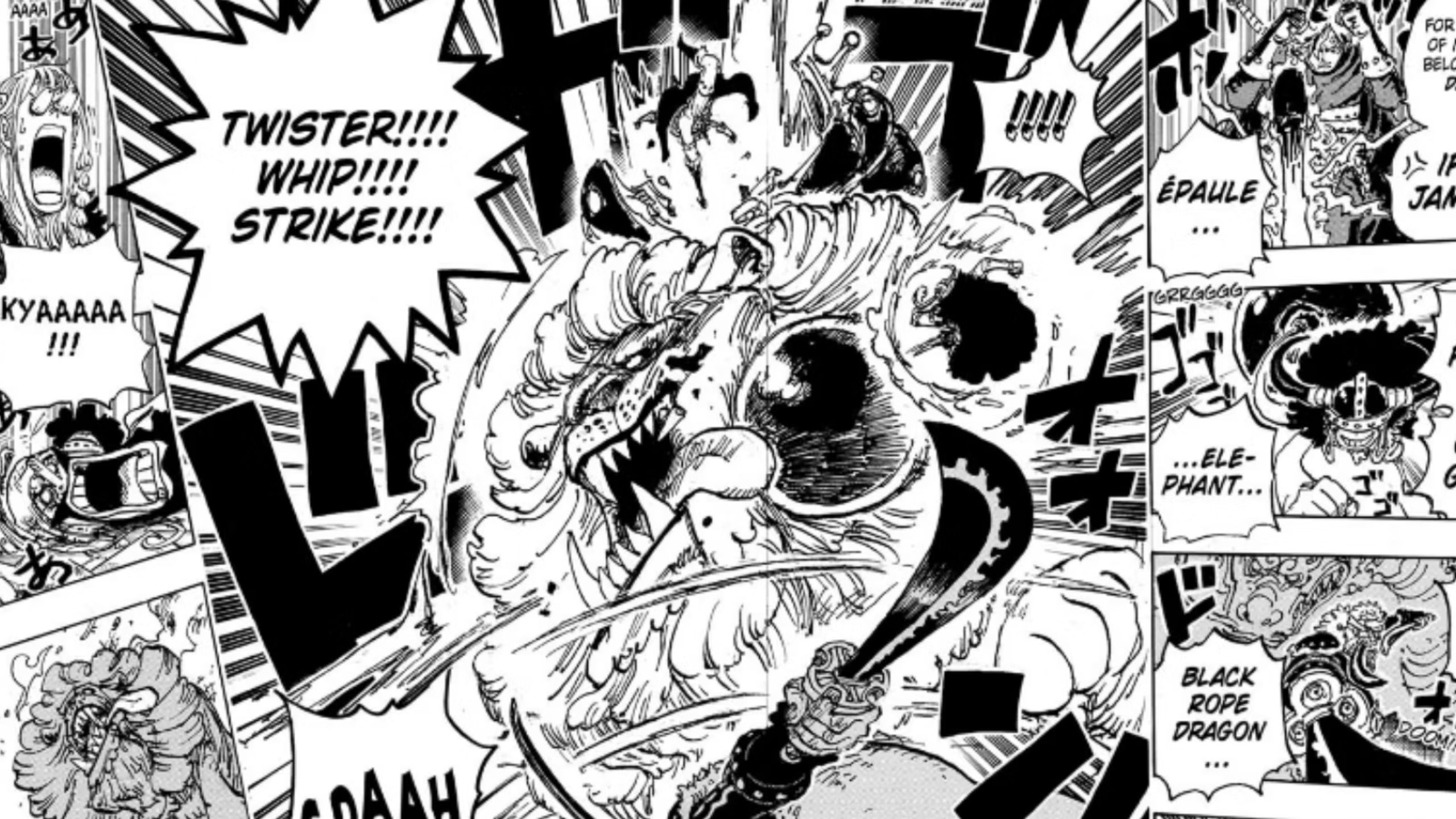
Sun God From One Piece Manga (Shueisha)
If chapter 1130 is any indication, the story will continue to challenge readers’ expectations, pushing them to question who the true heroes and villains are in this complex world of pirates, prophecy, and power.
One Piece continues to attract with its intricate storytelling, and the Elbaph Arc is shaping up to be a turning point in the series.
As the mysteries of the Void Century, the Sun God, and the fate of the world come to light, fans can expect even more twists and turns.
Whether Loki’s introduction is the biggest red herring yet or the start of a new era for the series, one thing is certain: Oda has once again left fans eagerly anticipating what comes next.
The world of One Piece has always been known for its grand adventures, complex characters, and intricate storylines that span across oceans and generations.
Within this expansive universe, the One Piece Fan Letter episode has generated a surprising amount of attention.
Initially, many viewers dismissed it as just another filler episode, a distraction during the long wait until the anime resumes in April 2025.
But this episode carries much more weight than it first appears. It’s not a filler in the traditional sense, as it draws inspiration from content that has the official stamp of approval from Eiichiro Oda, the creator of One Piece.
This official endorsement has sparked debates within the fan community, raising questions about what truly constitutes canon and how the boundaries between canon and filler have shifted in the ever-evolving One Piece franchise.
Explore into the Source Material: The Connection to Straw Hat Stories
The origins of the One Piece Fan Letter episode can be traced back to a 2017 spin-off novel titled Straw Hat Stories.
By the way there’s a mistake many One Piece fans make “the One Piece fan letter” is not filler. Filler refers to episodes that don’t follow the main storyline or source material (like a manga or novel). The fan letter comes from the officially licensed spin-off novel Straw Hat… pic.twitter.com/UrtMIqHwbC — Pew (@pewpiece) October 21, 2024
Unlike many filler episodes, which are created solely to keep the anime from catching up to the manga, this episode adapts content from a licensed novel that Oda has personally approved.
The novel is a collection of short tales focusing on the lives of the One Piece characters, specifically the Straw Hat Pirates.
It features stories that goes into the personalities, adventures, and nuances of characters like Luffy, Nami, Zoro, Robin, and more.
This approval is not something to be taken lightly. In a series as vast as One Piece, where the distinction between canon and non-canon content matters deeply to fans, Oda’s blessing makes a difference.
It lends legitimacy to these stories, allowing them to be seen as part of the broader One Piece lore, even if they don’t directly impact the primary narrative.
This makes the One Piece Fan Letter episode a unique case study in the ever-debated topic of what truly defines canon within this universe.
Canon and Filler in the One Piece Universe: A Constant Debate
To understand the significance of the One Piece Fan Letter episode, it’s essential to explore the debate that has persisted among fans for years what exactly is canon in One Piece?
The term “canon” traditionally refers to the official storyline as told by the manga, which serves as the source material for the anime.
Filler, by contrast, has typically been seen as anime-exclusive content designed to stretch out the story so that the anime doesn’t overtake the manga.
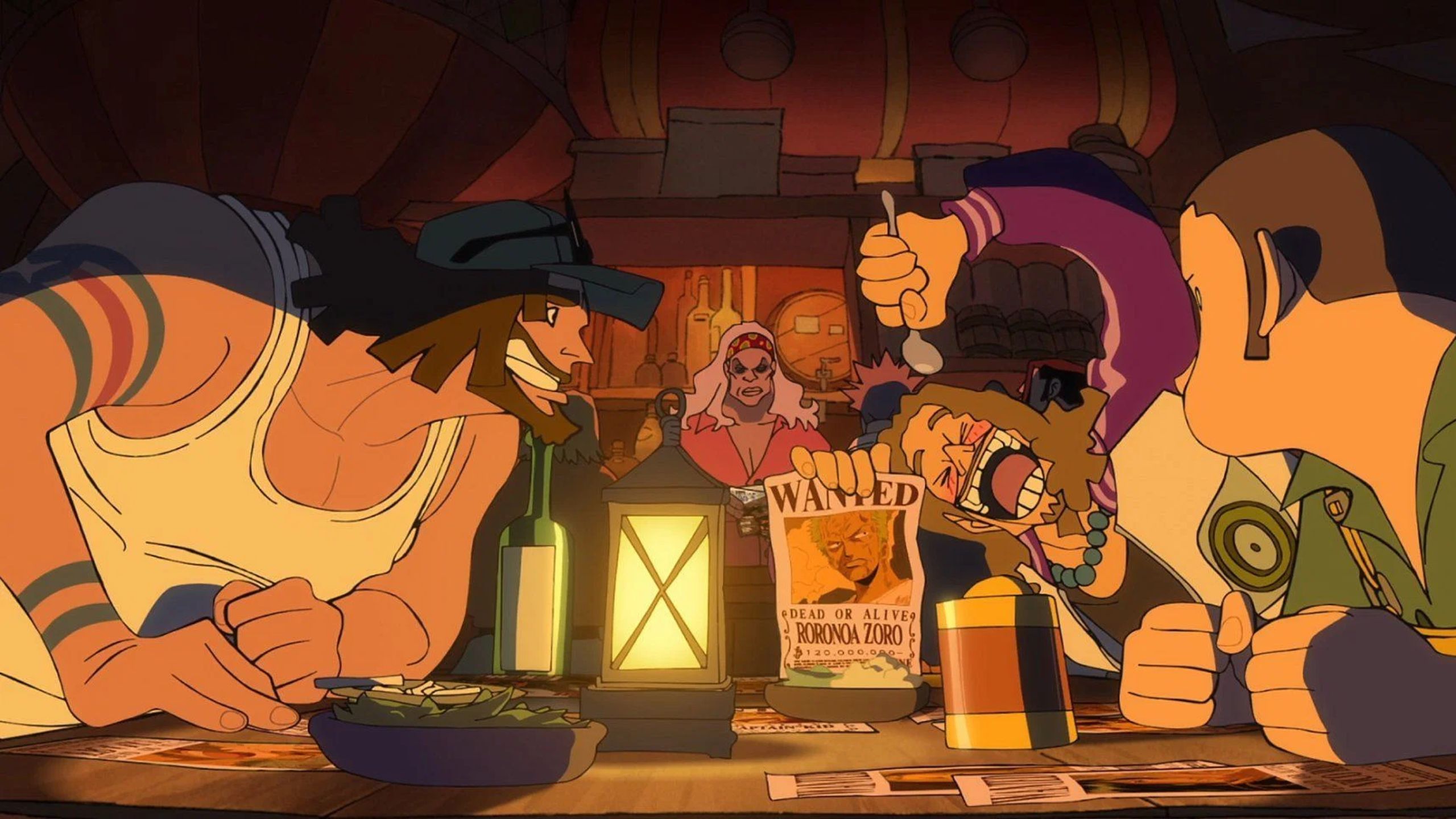
One Piece Fan Letter Conon (Toei Animations)
In a series as long-running as One Piece, filler episodes are a common necessity. However, this clear-cut distinction has been increasingly blurred over the years.
The concept of “canon filler” has emerged as a way to describe episodes that don’t originate from the manga but still hold some official standing within the narrative.
The One Piece Fan Letter episode falls squarely within this category. While it may not directly advance the main plot, it carries the weight of Oda’s approval, making it a legitimate part of the One Piece world.
This brings up an important question: should fans treat these episodes as filler, or as an official part of the story?
The answer varies depending on whom you ask, but one thing is clear—these episodes add a richness to the One Piece universe that goes beyond mere filler content.
What the One Piece Fan Letter Episode Brings to the Table
The One Piece Fan Letter episode adapts several stories from the Straw Hat Stories novel, each centered on different members of the crew and their impact on the world around them.
These stories are more than just background filler; they are glance into the lives of the characters, offering a deeper understanding of their personalities and motivations.
This episode’s format is unconventional compared to the typical arcs fans are used to, but that’s what makes it stand out.
By providing short, character-driven narratives, the One Piece Fan Letter episode functions almost like a series of vignettes.
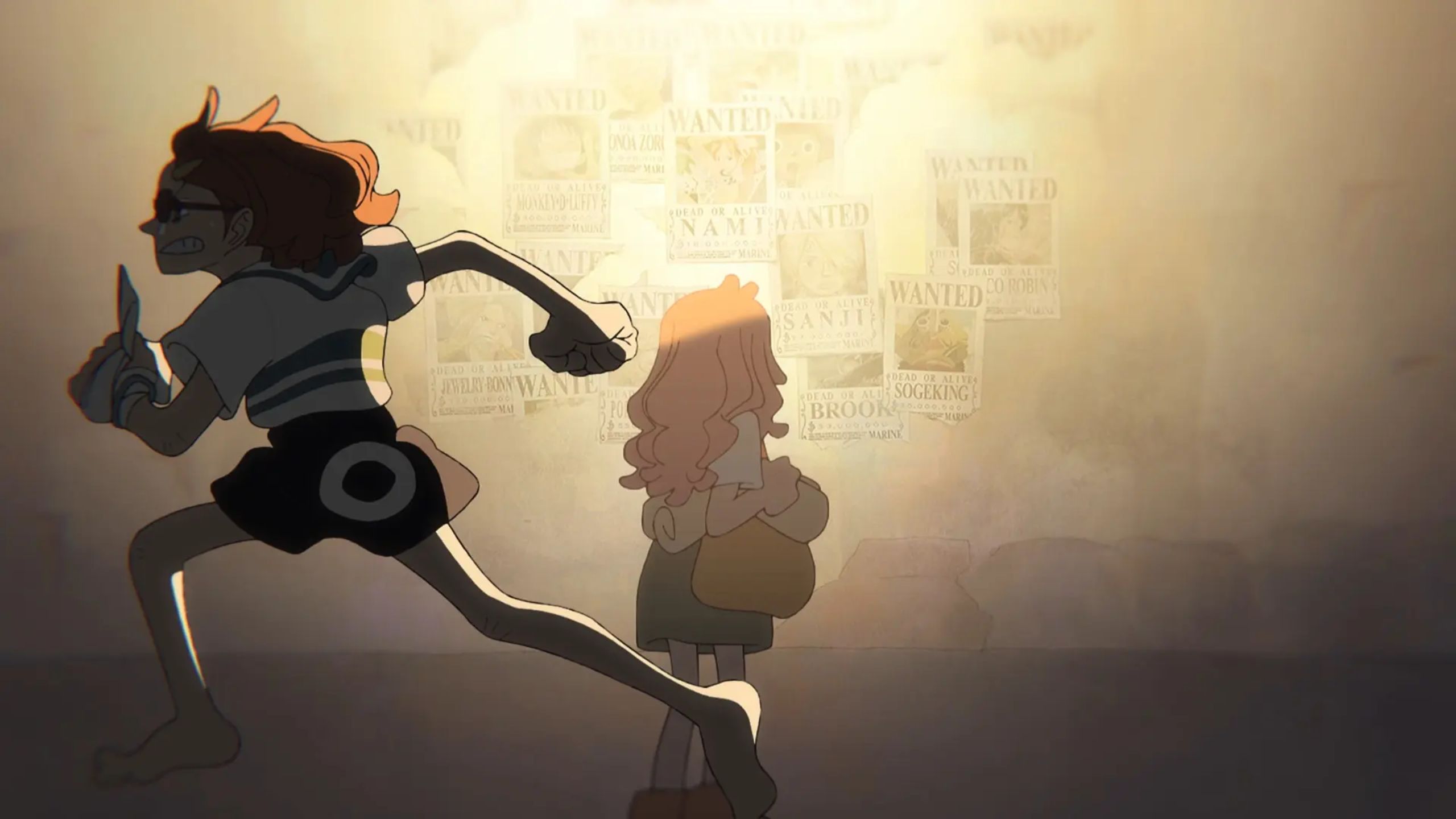
Young Girl From One Piece Fan Letter (Toei Animations)
These short stories fill in the gaps left by the main plot, revealing the small yet significant moments that make the One Piece world feel alive.
Whether it’s a young girl drawing inspiration from Nami, pirates arguing over Zoro’s strength, or a marine reflecting on Luffy’s heroism, these stories collectively enrich the final experience of One Piece.
Sabaody Archipelago: The Significance of the Setting
One of the key elements that makes the One Piece Fan Letter episode so special is its setting the Sabaody Archipelago.
This location has been a pivotal part of the One Piece universe, particularly during the time skip when the Straw Hat Pirates went their separate ways for two years to train and grow stronger.
Sabaody is more than just a place on the map; it represents a turning point in the journey of the Straw Hat crew.
By setting the One Piece Fan Letter episode in Sabaody, the creators tap into the nostalgia of long-time fans who remember the crew’s previous adventures in this chaotic archipelago.
This location is a place of reunions, conflicts, and memories for the crew, and its importance in the overarching story cannot be overstated.
The decision to place these stories in Sabaody allows the episode to connect with the broader narrative while still functioning as a stand-alone experience.
Exploring the Individual Stories: The Impact of the Straw Hats on the World
The One Piece Fan Letter episode comprises several individual stories, each of which highlights the influence of the Straw Hat Pirates on the world and the people they encounter.
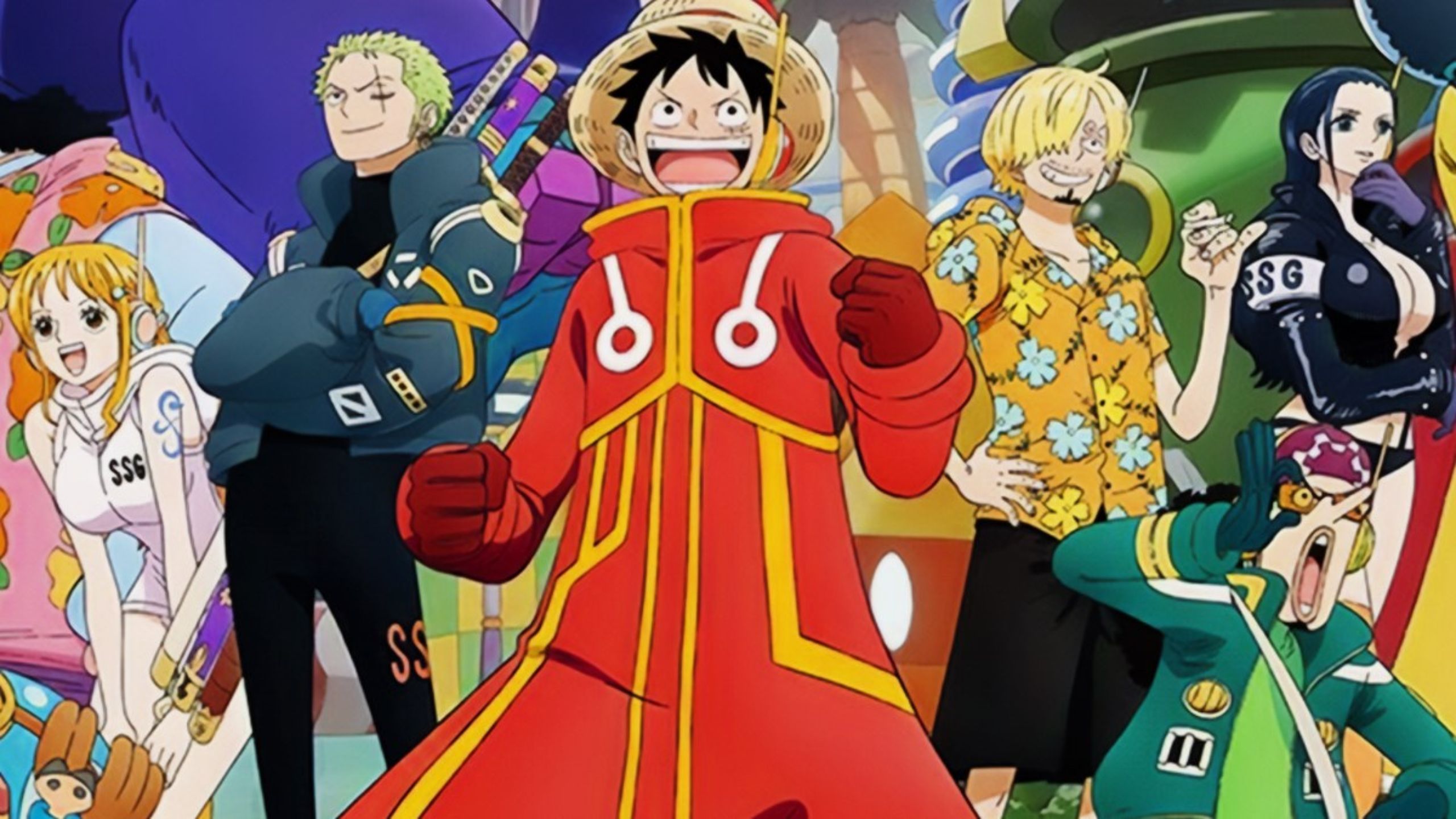
Nami, Zoro, Luffy, Sanji, Usop (Toei Animations)
These short tales are more than just side stories they provide a closer look at the ripple effect that the crew’s adventures have had on the One Piece universe.
One particularly touching story follows a young girl who idolizes Nami. This girl, eager to set out on her own adventures, looks up to Nami as a role model.
Her admiration for Nami underscores the impact that the Straw Hat crew has on ordinary people, showcasing how their actions inspire those who may never directly encounter them.
It’s a powerful reminder that the Straw Hats are not just pirates; they are symbols of freedom, courage, and the pursuit of dreams.
Another story centers around a debate among a group of pirates about the strongest swordsman Roronoa Zoro or Dracule Mihawk.
This light-hearted banter is a reflection of the mythos that surrounds the Straw Hat crew, highlighting how their exploits have turned them into living legends.
The episode cleverly uses these debates to show how the Straw Hats are perceived by the world at large, adding depth to their reputation and the way they are seen by allies and rivals alike.
Zoro’s Moment: Defending the Three-Sword Style
One of the standout moments in the One Piece Fan Letter episode is Zoro’s encounter with a group of individuals who mock his unique three-sword fighting style.
This confrontation is more than just a simple altercation; it’s a reaffirmation of who Zoro is as a character.
His dedication to his unorthodox fighting method has always been a defining trait, and this moment serves as a reminder of his confidence, resilience, and unwavering determination to achieve his goal of becoming the world’s greatest swordsman.
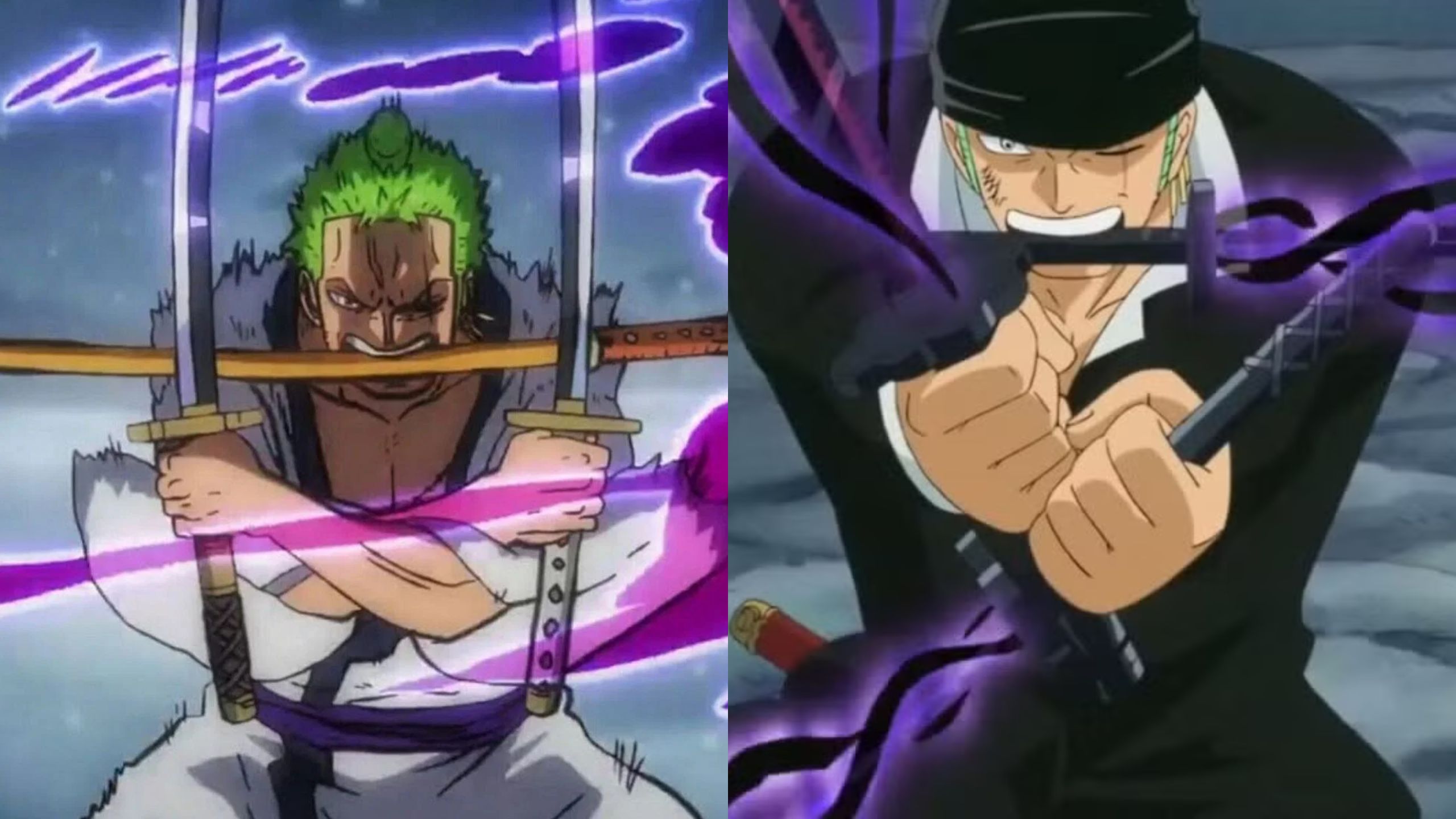
Roronoa Zoro From The Wano Arc (Toei Animations)
The scene also adds a layer of humor, as Zoro’s fierce pride in his style is both admirable and amusing.
It’s a moment that summerizes what makes Zoro such a beloved character his strength, his honor, and his occasional obliviousness.
This small yet impactful story contributes to the episode’s final theme of exploring the Straw Hats’ influence on the world while staying true to the essence of their individual personalities.
Luffy’s Influence: A Marine’s Reflection on Heroism
Another key story within the One Piece Fan Letter episode revolves around a marine who reflects on Luffy’s actions during the Marineford War.
This marine recalls Luffy’s desperate attempt to save his brother, Ace, a moment that stands as one of the most emotionally charged scenes in the entire series.
Luffy’s determination and bravery in the face of overwhelming odds left a lasting impression on this marine, who was inspired by Luffy’s courage despite being on opposing sides.
This story is particularly significant because it illustrates the impact that Luffy has on even those who consider him an enemy.
It showcases the universal appeal of Luffy’s character his ability to inspire loyalty, respect, and admiration, even from those who are supposed to see him as a threat.
This moment captures the essence of Luffy’s character: he is not just a pirate; he is a beacon of hope, courage, and freedom.
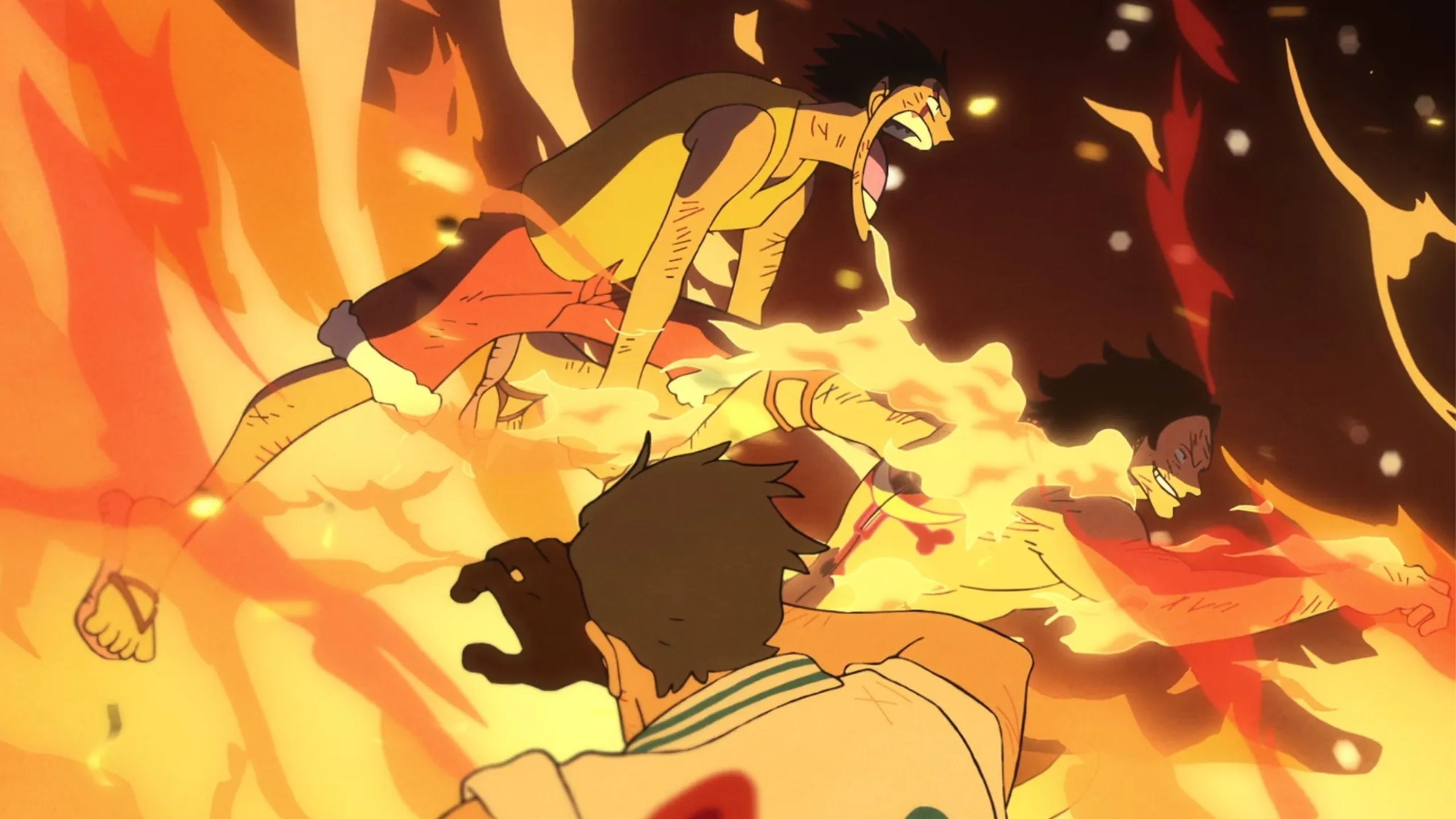
Luffy Saving Ace In Marinefors From One Piece Fan Letter (Toei Animations)
His actions resonate far beyond his immediate circle of friends and allies, touching the lives of countless people across the One Piece world.
Canon in the Modern One Piece: Oda’s Role in Defining the Official Story
As previously mentioned, the endorsement of Eiichiro Oda plays a crucial role in determining what is considered canon in the One Piece universe.
With a story as expansive and long-running as One Piece, the definition of canon has become more fluid over time.
While the manga remains the primary source material, Oda’s influence extends to other forms of media, such as novels, movies, and special episodes like the One Piece Fan Letter.
Oda’s approval of content like Straw Hat Stories challenges the traditional boundaries of what fans have come to view as canon.
This flexibility has allowed the franchise to explore new storytelling avenues, offering fans a more comprehensive view of the One Piece
world. Episodes like the One Piece Fan Letter are a testament to Oda’s willingness to experiment with different formats and mediums while still maintaining a cohesive narrative.
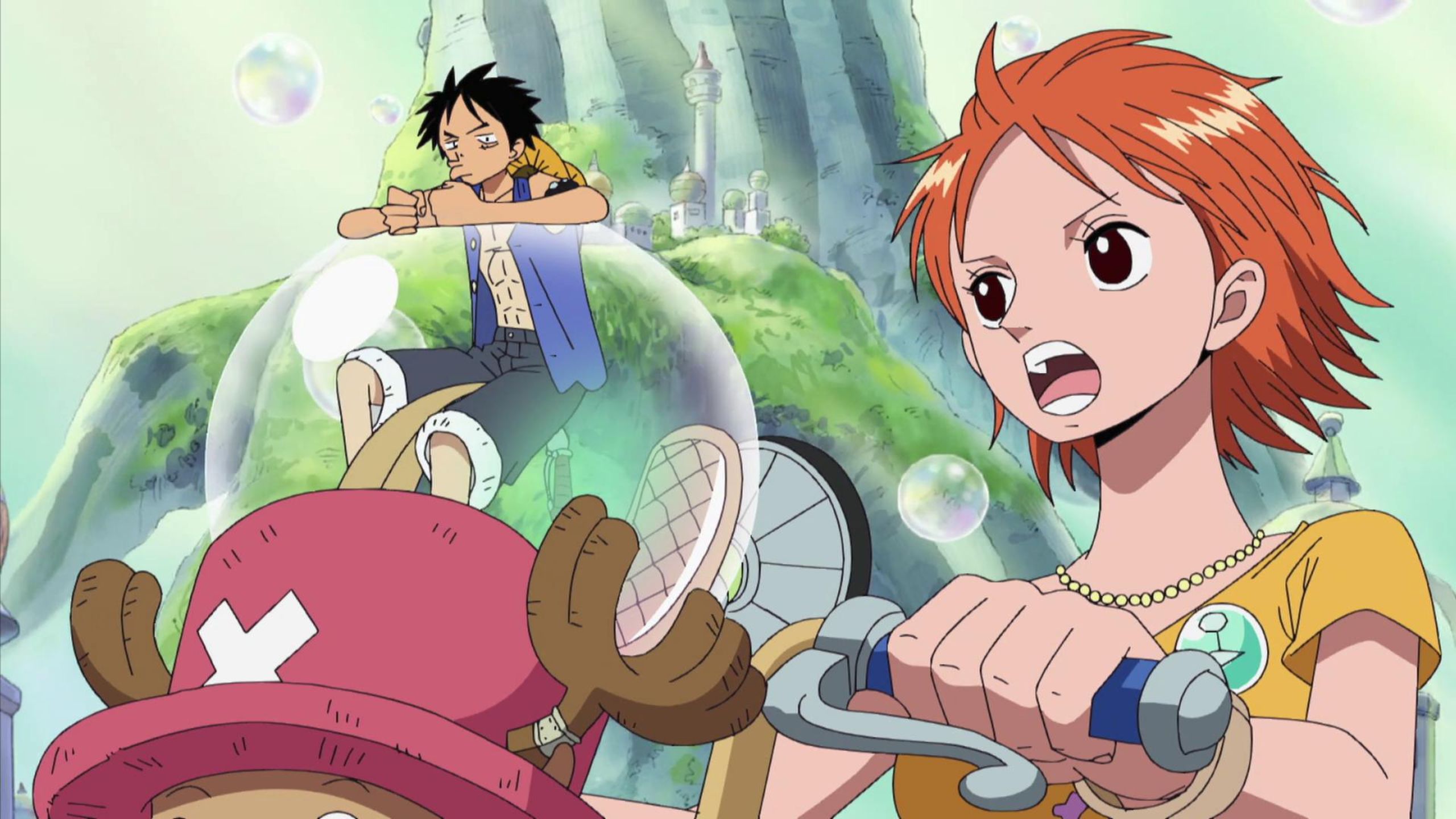
Luffy, Chopper And Nami In Sabaody Archipelago From One Piece (Toei Animations)
It’s a reflection of his deep understanding of his own creation and his desire to give fans a richer, more immersive experience.
The Evolving Nature of Canon and Filler in One Piece
The blurred lines between canon and filler have become a defining characteristic of One Piece.
In many long-running anime series, filler episodes are often seen as a necessary evil, a way to keep the anime from overtaking the manga without contributing much to the final story.
However, One Piece has approached filler in a unique way, often using it to enhance the world-building and provide additional character development that the main storyline may not have time to explore.
The One Piece Fan Letter episode is an example of this evolving approach to filler.
While it may not directly influence the primary plot, it enriches the One Piece universe by offering stories that deepen fans’ understanding of the characters and the world they inhabit.
This shift in the perception of filler content has been influenced by Oda’s willingness to approve supplementary material, allowing the anime to explore stories that, while not directly tied to the manga, still hold weight within the canon.
The Importance of Character-Driven Narratives in One Piece
One of the reasons why One Piece has remained a beloved series for so many years is its ability to balance epic, world-shaking events with small, character-driven moments.
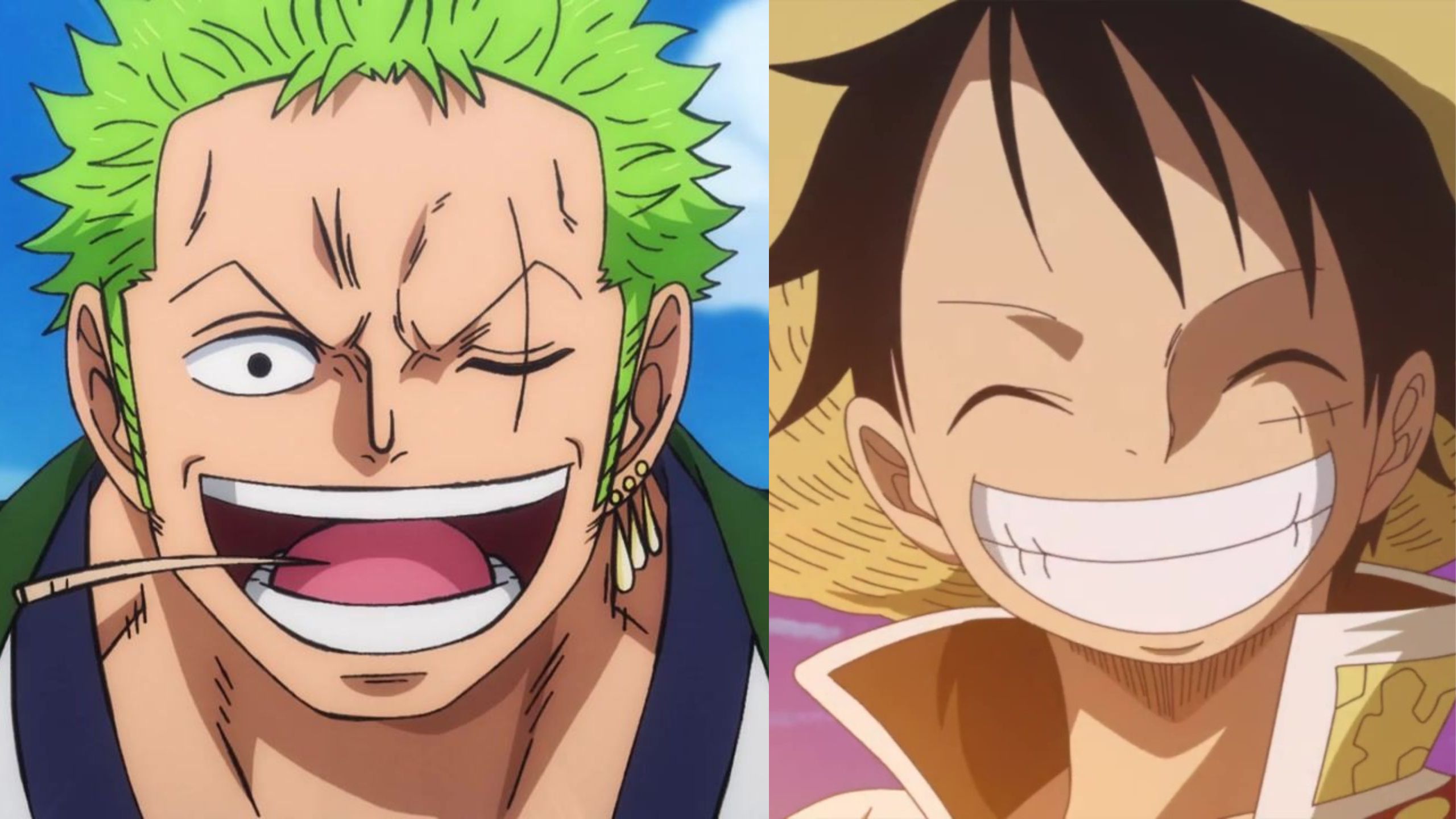
Roronoa Zoro And Luffy From The Wano Arc (Toei Animations)
The One Piece Fan Letter episode is a perfect example of this balance. While it doesn’t involve grand battles or major plot twists, it excels in providing character moments that resonate with fans.
These short stories give viewers a chance to see the Straw Hat Pirates in a different light, focusing on their personal journeys and the ways they have influenced the world around them.
These character-driven narratives are a cornerstone of One Piece’s storytelling. They allow fans to connect with the characters on a deeper level, understanding their motivations, fears, and dreams.
The One Piece Fan Letter episode captures this aspect of the series beautifully, reminding fans that the true strength of One Piece lies not just in its epic battles, but in the relationships and growth of its characters.
The Role of Nostalgia in the One Piece Fan Letter Episode
Nostalgia plays a significant role in the appeal of the One Piece Fan Letter episode.
For long-time fans, this episode is a trip down memory lane, revisiting familiar faces, locations, and events that have become iconic over the years.
By focusing on characters like Zoro, Luffy, and Nami, the episode taps into the nostalgia that fans have for the early days of the Straw Hat crew’s adventures.
This sense of nostalgia is not just a cheap gimmick; it’s a celebration of how far the characters have come and how much they have grown.
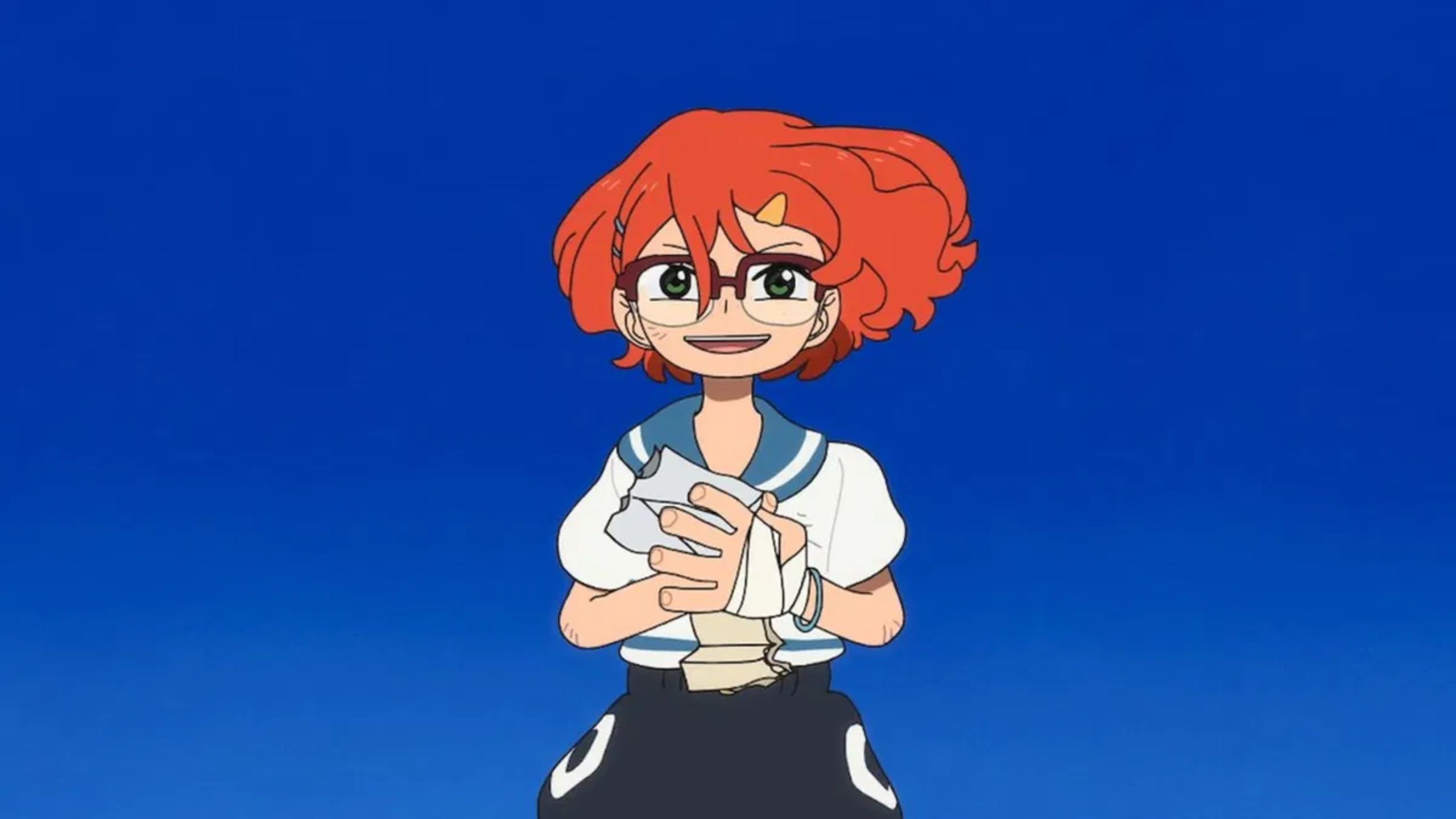
Young Girl From One Piece Fan Letter (Toei Animations)
The episode invites fans to reflect on the journey of the Straw Hat Pirates, from their humble beginnings to their status as one of the most formidable crews in the one piece world.
It’s a reminder that every adventure, no matter how small, has contributed to the epic story that fans have come to love.
Filling the Void: The Purpose of the One Piece Fan Letter Episode During the Hiatus
With the anime on hiatus until April 2025, the One Piece Fan Letter episode serves a crucial purpose. It fills the void left by the temporary break in the main storyline, offering fans something to look forward to during the wait.
Instead of feeling like a mere placeholder, this episode provides meaningful content that keeps fans engaged and excited for what’s to come.
The decision to adapt stories from the Straw Hat Stories novel during this hiatus is a testament to the anime’s commitment to delivering quality content, even during periods of downtime.
By offering these character-driven stories, the One Piece Fan Letter episode maintains the momentum of the series, ensuring that fans remain invested in the One Piece world.
What the Fan Letter Episode Suggests
The One Piece Fan Letter episode is more than just a one-off special—it’s a hint at what the future of One Piece storytelling could look like.
As the series continues to expand, there may be more opportunities to explore supplementary stories that offer new perspectives on familiar characters and events.
The success of this episode suggests that fans are eager for more content that jump into the world of One Piece beyond the main plot.
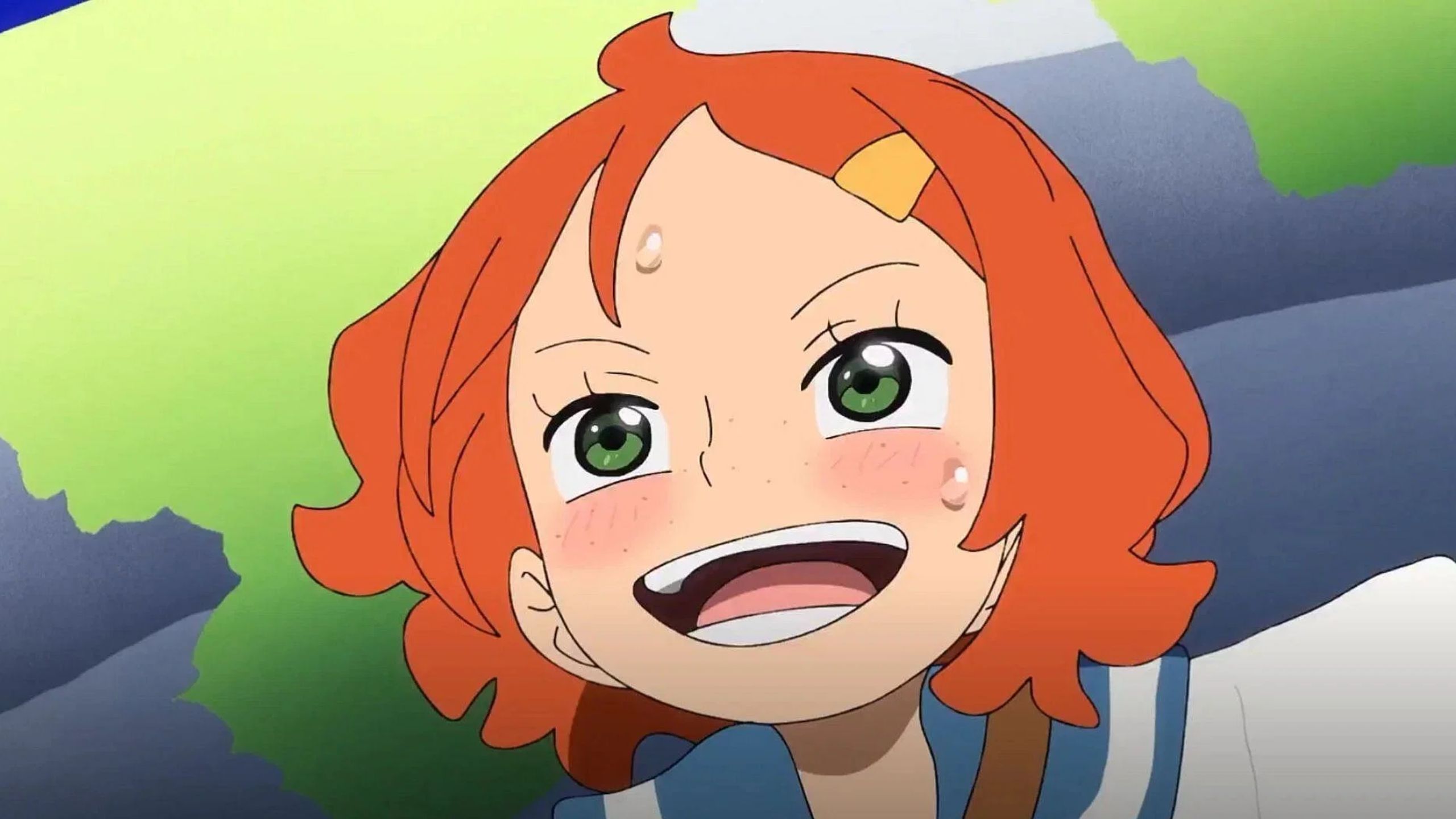
Young Girl From One Piece Fan Letter (Toei Animations)
This episode’s reception could pave the way for future adaptations of novels, spin-offs, or even original stories that are approved by Oda.
It’s a reminder that the One Piece world is vast and full of untold stories, waiting to be explored.
The One Piece Fan Letter episode has opened the door to new possibilities, showing that even the smallest tales can have a big impact when handled with care and respect for the source material.
A New Kind of Canon in One Piece
The One Piece Fan Letter episode has sparked a fascinating discussion about the nature of canon in the One Piece universe.
By drawing from the officially licensed Straw Hat Stories and receiving Oda’s approval, this episode blurs the line between filler and canon in a way that few other episodes have.
It offers fans a deeper look at the world of One Piece, celebrating the characters, stories, and themes that have made the series a beloved classic.
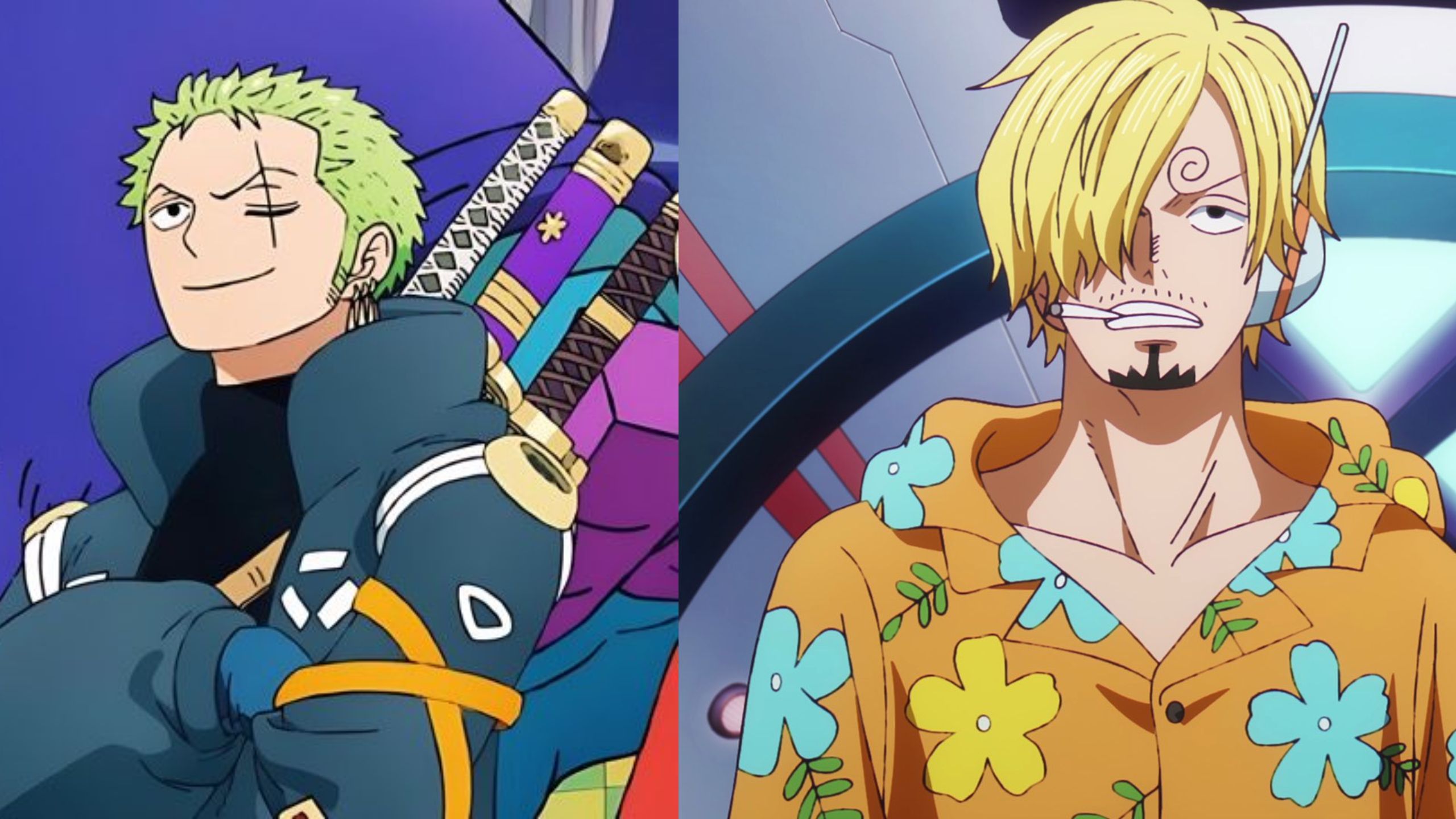
Zoro And Sanji From Egghead Arc In One Piece (Toei Animation)
For those who love One Piece not just for its grand battles and epic adventures, but for the small moments, the character development, and the emotional connections, the One Piece Fan Letter episode is a treasure.
It’s a testament to the series’ enduring appeal and a reminder that every story, no matter how seemingly insignificant, has its place in the drapery of One Piece.
Whether it’s considered canon or not, this episode has found a place in the hearts of fans, reinforcing the idea that in the One Piece world, every adventure is worth telling.
