One Piece, one of the most beloved and long-running anime series in history, has faced a major fan backlash following the release of episode 1121. Known for its thrilling battles, emotional storytelling, and dynamic animation, the series has built a passionate and loyal fanbase over more than 25 years.
However, episode 1121 became the lowest-rated episode in the show’s history on IMDb, with fans overwhelmingly criticizing its animation quality and pacing. The controversy has sparked intense debates online and raised questions about production pressures and expectations for long-running anime.
The primary complaint among viewers was the perceived poor animation during a key fight scene. Fans described the pacing as awkward, comparing some action sequences to “PowerPoint slides” due to limited movement and repetitive frames.
For a series known for its high-energy and cinematic battles, this felt jarring. Many viewers expressed disappointment that an episode in the middle of a major story arc, which should have been one of the most exciting moments, instead felt slow and underwhelming.
Social media erupted almost immediately after the episode aired. Platforms like Twitter, Reddit, and fan forums were flooded with reactions, and hashtags criticizing the animation quality trended quickly.
Many fans shared side-by-side comparisons of episode 1121 with earlier battle sequences in the series, highlighting the stark difference in fluidity, detail, and intensity. Longtime supporters of the show expressed frustration that a series that has delivered consistently high-quality animation was seemingly struggling to maintain its standards.

One Piece Franchise (Credits: Eichiro Oda)
One Piece Episode 1121 Becomes Series’ Lowest-Rated After Animation Criticism
IMDb ratings reflected the severity of the backlash. Within hours, episode 1121 accumulated hundreds of 1-star reviews, driving its average rating down to the lowest point in the show’s history. Reviewers cited “lazy animation,” “poor pacing,” and “lack of attention to detail” as the main reasons for their negative ratings.
Some fans went further, criticizing the studio for over-relying on shortcuts or reusing animation frames, a practice they felt diminished the excitement of one of the series’ most anticipated fights.
Industry observers note that animation quality in long-running anime often varies due to production pressures. Weekly episodes require fast turnaround times, and maintaining consistently high animation standards across hundreds of episodes is challenging. Outsourcing to smaller studios, tight deadlines, and staff shortages can all contribute to uneven quality. However, many fans argue that these explanations do not excuse the noticeable drop in episode 1121, especially considering that the show has maintained strong animation in previous high-stakes battles.
The backlash also sparked discussions about fan expectations and the unique pressures on flagship anime like One Piece. With a series that has become a cultural phenomenon worldwide, each episode carries enormous scrutiny.
Fans have come to expect fluid action, detailed backgrounds, and emotionally resonant character moments. Any deviation from these standards is immediately noticed and widely discussed, especially in episodes that cover climactic battles or significant story developments.
Toei Animation, the studio behind One Piece, has not issued an official statement about the backlash. Historically, the studio has responded to fan criticism in subtle ways, such as improving animation quality in subsequent episodes or adjusting staff schedules.
While some fans hope that episode 1122 will address the issues raised in 1121, skepticism remains high. The controversy has highlighted the tension between maintaining weekly episode schedules and delivering the high-quality animation that fans expect from a flagship series.
Fans Slam One Piece 1121 for Poor Animation and Slow Fight Pacing
Fans also debated the long-term impact of this episode on the series’ reputation. Some argued that a single poorly animated episode should not tarnish One Piece’s legacy, which includes decades of compelling storytelling, character development, and consistently impressive animation.
Others worried that repeated instances of low-quality episodes could erode confidence in the studio’s ability to handle critical story arcs, particularly as the anime approaches the final stages of the Wano Country arc, one of the most important arcs in the series.

One Piece Franchise (Credits: Eichiro Oda)
The response to episode 1121 serves as a reminder of the high expectations that long-running anime face in the modern era. With international streaming, online ratings, and immediate fan feedback, every episode is subject to scrutiny. While production challenges are understandable, the intense fan reaction demonstrates how crucial animation quality is to viewer satisfaction and the perception of a series.
Despite the criticism, One Piece remains immensely popular worldwide. Fans continue to watch and support the series, and many are hopeful that the backlash will motivate improvements in upcoming episodes.
Episode 1121 may have set a record for the lowest rating in One Piece history, but it has also sparked important conversations about animation standards, production pressures, and fan expectations. For now, the series continues, and fans are eagerly anticipating how Toei Animation will respond in future episodes to maintain the high-quality experience they have come to expect.
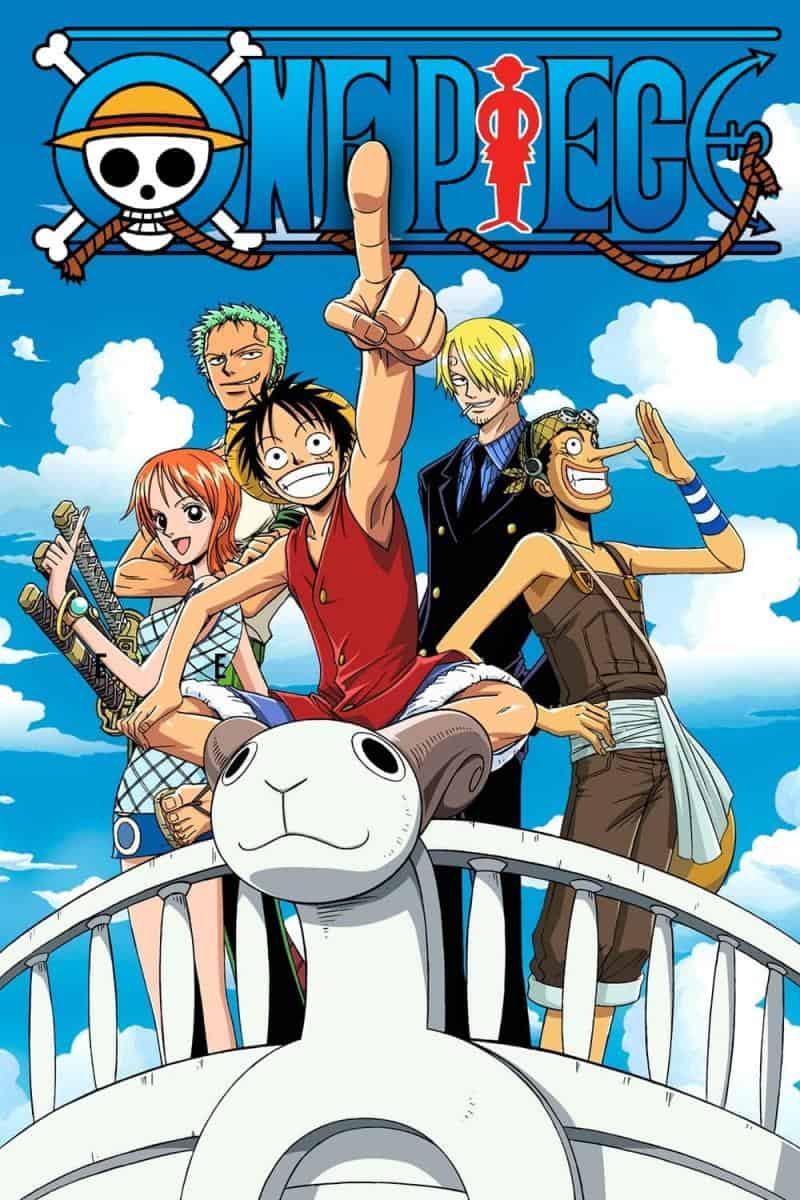
“One Piece” is a beloved Japanese manga and anime series that chronicles the adventures of Monkey D. Luffy and his pirate crew. Luffy, imbued with rubber powers from a mystical fruit Hito Hito no Mi, aspires to become the Pirate King. To achieve this, he seeks the ultimate treasure, the “One Piece,” hidden at the Grand Line’s end. Along the journey, Luffy gathers a diverse crew, confronts formidable foes, and uncovers world-altering secrets, all while promoting themes of friendship, freedom, and adventure.
BTS’s RM recently made headlines as the first K-pop artist invited to deliver a keynote speech at the Asia-Pacific Economic Cooperation (APEC) event, held at the Gyeongju Arts Center.
The invitation marks a significant milestone, recognizing K-pop’s global cultural influence and RM’s status as a leading figure in the industry.
HYBE Presence
Also in attendance was HYBE chairman Bang Si Hyuk, who toured the HYBE promotional booth alongside RM.
The booth highlights HYBE’s growth as a global entertainment powerhouse, emphasizing its six regional headquarters and efforts to create a sustainable content ecosystem.
HYBE explained that the booth demonstrates the company’s aim to go beyond K-pop and expand into leading the global cultural industry.
Controversies Surrounding the Figures
The timing of the event comes amid scrutiny:
Bang Si Hyuk has recently been banned from leaving the country due to violations of the Capital Markets Act, sparking discussions online.

BTS’s RM and Bang Si Hyuk (Credit: YouTube)
RM has faced criticism for his behavior at a controversial W Korea charity event, drawing negative attention from Korean netizens.
Fan and Media Reactions
Despite these controversies, fans highlighted the historic significance of RM’s speech and praised the joint appearance with Bang Si Hyuk as a symbol of HYBE’s global influence.
Observers noted the strategic value of HYBE promoting its international presence during the high-profile APEC event.
This event underscores the dual narratives surrounding RM and Bang Si Hyuk: while both continue to face public criticism, their participation in APEC highlights the growing recognition of K-pop and HYBE as cultural forces on the global economic and entertainment stage.
