One Piece is one of the most popular and longest-running manga and anime series in the world. Created by Eiichiro Oda, it has entertained fans for more than two decades with its adventurous story, colorful characters, and themes of freedom and friendship.
However, despite its massive success, the series has recently faced criticism from fans over how it handles representation, particularly when it comes to dark-skinned characters. Many believe that Oda has not given enough positive attention to these characters, and instead has leaned into stereotypes that make the problem more noticeable.
The debate around representation in One Piece has been building for years, but it became louder as fans compared the series to other popular works such as Naruto and Bleach. Both of those titles also feature fantasy settings, but they are seen as doing a slightly better job in portraying diverse characters with dignity and individuality.
In contrast, One Piece has been accused of reducing some of its darker-skinned characters to exaggerated designs, unusual speech patterns, or backgrounds that feel less carefully developed compared to its lighter-skinned characters.
One of the key criticisms is that dark-skinned characters often fall into stereotypical roles, either as villains, background figures, or comic relief. For a story as grand and far-reaching as One Piece, fans feel that this imbalance stands out.
With a world so vast, filled with dozens of islands, cultures, and races, the limited variety in meaningful dark-skinned characters feels like a missed opportunity. Many argue that this issue clashes with the main theme of the series, which celebrates individuality, freedom, and unity among different people.

One Piece Franchise (Creidts: Eichiro Oda)
One Piece Faces Backlash Over Dark-Skinned Character Portrayals
Another concern comes from how certain designs rely heavily on exaggerated features. While One Piece is known for Oda’s wild and cartoonish art style, which applies to almost all characters, critics argue that when those exaggerations are applied to darker-skinned characters, they often resemble outdated or harmful imagery.
This is especially sensitive in a global context, since One Piece is not just a Japanese hit but a worldwide cultural phenomenon with millions of fans from diverse backgrounds.
Supporters of Oda often argue that his intention is not to stereotype but to create a wide range of appearances that show the diversity of the world. They point out that the series features giants, fish-men, cyborgs, and all sorts of unique beings, so exaggerated designs are part of the charm.
However, critics respond that intention does not erase impact. What may seem like simple artistic choices to some can feel insulting or dismissive to others who see their identity reflected in those designs.
This controversy has opened up larger discussions about representation in anime and manga as a whole. Historically, Japanese media has been shaped by a culture that is not as racially diverse as other parts of the world, which sometimes leads to blind spots when stories are shared internationally.
As anime has grown into a global industry, these blind spots are being noticed more often. One Piece, as one of the most visible franchises, is naturally at the center of these conversations.
Fans Criticize Eiichiro Oda for Leaning on Harmful Stereotypes
It is important to note that many fans still deeply love the series despite its flaws. The criticism does not come from a place of hate but from a desire to see the series live up to its own message of inclusivity. One Piece has always been about challenging injustice, standing up for those who are different, and bringing together people from all walks of life.
Fans who raise concerns about representation believe that addressing these issues would make the series even stronger, more meaningful, and more respectful to its worldwide audience.
As the series continues toward its final saga, fans wonder if Oda will make changes in how he introduces new characters. Some remain hopeful that he might use the story’s remaining arcs to highlight more diverse characters in positive, respectful ways.

One Piece Franchise (Creidts: Eichiro Oda)
Others are less optimistic, believing that the art style and approach are too deeply rooted to change significantly at this stage. Still, the conversation itself shows how much fans care, not only about the adventure of the Straw Hat Pirates but also about how the world of One Piece reflects the world we live in today.
The debate over representation in One Piece will likely continue, but it also serves as a reminder of the power of storytelling. When a series is as influential and beloved as One Piece, its choices resonate far beyond the page or screen. For many, this is not just about criticism but about holding a beloved story to a higher standard, one that truly matches its themes of freedom, unity, and respect for all.
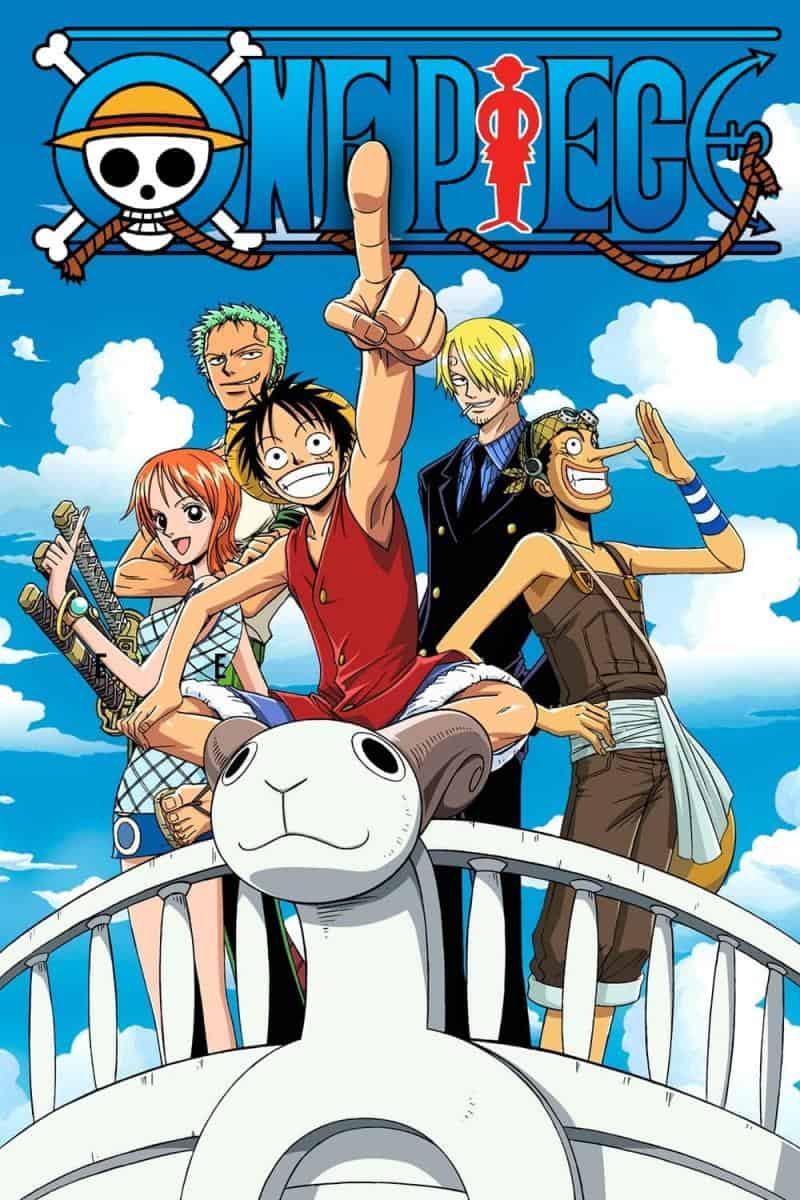
“One Piece” is a beloved Japanese manga and anime series that chronicles the adventures of Monkey D. Luffy and his pirate crew. Luffy, imbued with rubber powers from a mystical fruit Hito Hito no Mi, aspires to become the Pirate King. To achieve this, he seeks the ultimate treasure, the “One Piece,” hidden at the Grand Line’s end. Along the journey, Luffy gathers a diverse crew, confronts formidable foes, and uncovers world-altering secrets, all while promoting themes of friendship, freedom, and adventure.
My Hero Academia is one of the most popular anime and manga series in recent years, known for its unique heroes, intense battles, and compelling storytelling. Created by Kōhei Horikoshi, the series has enamoured fans worldwide, drawing attention for its imaginative quirks and character-driven plots.
However, even a celebrated franchise is not immune to controversy. A past cultural misstep has recently resurfaced, sparking debate among fans and critics about the importance of historical sensitivity in storytelling.
The controversy centers on a character whose name references Unit 731, a notorious Japanese research unit during World War II. Unit 731 is infamous for conducting human experimentation and other war crimes in China, and its actions are considered highly sensitive and deeply disturbing in historical memory.
In the context of the anime, the character’s name appeared to be an unintentional but striking reference, causing discomfort and criticism when it was first noticed. Although the series did not go into any real historical atrocities, the mere connection to such a dark period in history raised eyebrows among viewers who felt that the reference was inappropriate.
At the time, the incident sparked discussion within fan communities, with some arguing that it was an oversight rather than intentional. Supporters pointed out that My Hero Academia is a fantasy series set in a world of superheroes and quirks, and the story’s focus is far removed from historical events.
They suggested that the name choice was likely a coincidence or a misjudged creative decision, not an attempt to trivialize or exploit a sensitive subject. Others, however, felt that creators have a responsibility to research and be aware of the historical weight certain names carry, especially when producing content that reaches a global audience.

My Hero Academia Franchise (Credits: Horikoshi Kouhei)
My Hero Academia Faces Renewed Criticism Over Controversial Character Name
The recent resurgence of the discussion highlights how sensitive cultural issues remain relevant long after an initial controversy. Fans and critics alike have used the moment to reflect on the broader responsibilities of storytellers in anime and other media. While fiction allows for creative freedom, it also intersects with real-world history and memory.
References that may seem minor to creators can resonate deeply with audiences who are affected by the events in question. In this case, the connection to Unit 731 reminded viewers that even unintentional allusions can have serious emotional and cultural implications.
Social media and online forums have played a significant role in bringing these discussions back into the spotlight. Fans around the world have shared their opinions, ranging from frustration at the oversight to calls for more careful consideration of historical context in storytelling.
Some users pointed out that anime creators often aim to balance entertainment with subtle nods to history, but mistakes can happen. Others emphasized that global distribution means that any culturally sensitive content has a wide-reaching impact, making awareness even more important.
The controversy also raises questions about the process of localization and translation. Names and references are sometimes adapted for international audiences, but errors or oversights can persist, unintentionally creating controversy far from the creators’ original context.
Fans in different countries may interpret references differently based on their own histories and cultural knowledge. In this way, the resurfacing of the Unit 731 connection illustrates how global audiences can react in ways that Japanese creators may not have anticipated, and why sensitivity matters in international media.
Unit 731 Reference in Anime Sparks Debate on Historical Sensitivity
For My Hero Academia, the incident serves as a reminder that even a widely successful and beloved series is subject to scrutiny. The story’s appeal lies in its heroes, action, and moral dilemmas, but careful attention to names and references is essential to avoid alienating parts of the audience.
While the series has continued to thrive and maintain strong popularity, the discussion highlights the ongoing need for creators to be mindful of historical and cultural implications in their work.
In the end, the resurfacing of this controversy is not just about a single character or a name. It reflects broader challenges in storytelling and media production in an interconnected world. Creators must navigate complex cultural landscapes while delivering entertaining and engaging narratives.
Audiences, in turn, are increasingly aware of the responsibilities of content creators and willing to voice their concerns when issues arise. The case of My Hero Academia and its unintended reference to Unit 731 underscores the importance of historical sensitivity, even in fantastical and fictional worlds.

My Hero Academia Franchise (Credits: Horikoshi Kouhei)
Ultimately, this situation demonstrates that anime is more than entertainment; it is a medium that carries cultural weight. As the series continues, fans and creators alike are reminded that attention to context, history, and global perspectives is crucial.
While My Hero Academia remains a favorite around the world, the controversy serves as a lesson in balancing creativity with awareness, ensuring that storytelling remains both engaging and respectful.

My Hero Academia is a Japanese anime series set in a world where nearly everyone possesses superpowers known as “Quirks.” The story follows Izuku Midoriya, a Quirkless boy who inherits the powers of the world’s greatest hero and enrolls in U.A. High School to train as a professional hero.
