A heated argument recently broke out on social media after a Facebook post went viral, calling the One Piece fan base “mad and dumb.” The post, made by a user from an anime discussion group, quickly spread across platforms like X, Reddit, and TikTok, drawing reactions from fans of multiple fandoms. The post sparked an intense debate not only about One Piece itself but also about the growing problem of toxicity and rivalry within anime communities.
The original post mocked One Piece fans for being overly defensive about their series, claiming that they act “like cult members” whenever someone criticizes the anime or manga. The user went on to say that One Piece fans “think everything Oda writes is genius” and accused them of dismissing all other anime as inferior. The tone of the message was openly insulting, and it didn’t take long before thousands of fans reacted, turning the post into a full-blown cross-fandom brawl.
Many One Piece fans were quick to defend themselves, arguing that the post was unfair and disrespectful. They said that while some fans can be passionate or emotional, most people who enjoy One Piece simply appreciate its storytelling, world-building, and character depth.
However, not everyone sided with the One Piece community. Some anime fans agreed with parts of the post, claiming that One Piece discussions online often turn aggressive whenever someone voices a different opinion.

One Piece Franchise (Credits: Eichiro Oda)
Viral Post Calls One Piece Fans “Mad and Dumb,” Ignites Massive Fandom War
These users shared experiences of being insulted or dismissed for saying they didn’t enjoy the series or preferred another show. They argued that while One Piece is undoubtedly influential, its fan base can sometimes come across as hostile to criticism, making it hard to have balanced conversations about the series.
Observers outside the conflict pointed out that this is part of a wider issue in anime culture. Online communities often thrive on strong opinions, and because anime fandoms are so passionate, debates can easily spiral into hostility.
The anonymity of social media also allows people to be more confrontational, saying things they might never say face-to-face. Many users noted that such fights are nothing new similar arguments have happened for years, from debates over the “Big Three” (One Piece, Naruto, and Bleach) to newer rivalries involving Attack on Titan, Jujutsu Kaisen, and Demon Slayer.
Online Anime Communities Clash Over Toxicity and Respect After Heated Debate
Still, some voices in the discussion tried to calm things down. A few One Piece fans posted thoughtful replies explaining why the series means so much to them and why the fan base’s passion shouldn’t be mistaken for arrogance. They highlighted how One Piece has inspired people around the world with its themes of friendship, dreams, and perseverance. Others encouraged fans from all sides to focus on what they love rather than tearing each other down.
Despite the chaos, the incident showed how deeply anime communities care about their favorite stories. While the insults and name-calling grabbed the most attention, the conversation also opened space for fans to reflect on how they interact online. Many agreed that fandom rivalry can be fun when it’s done playfully, but once it turns personal, it harms the very sense of community that makes anime fandom enjoyable in the first place.

One Piece Franchise (Credits: Eichiro Oda)
By the end of the week, the original Facebook post had been deleted, but screenshots continued to circulate, keeping the debate alive. Some fans took it as a lesson about how quickly negativity spreads online, while others treated it as just another round in the never-ending battle between anime fandoms.
What remains clear is that passion for anime, whether it’s for One Piece or any other series, continues to unite and divide fans in equal measure. The hope is that, over time, discussions like these will remind fans that respect and understanding are more valuable than trying to prove which show or fandom is the best.
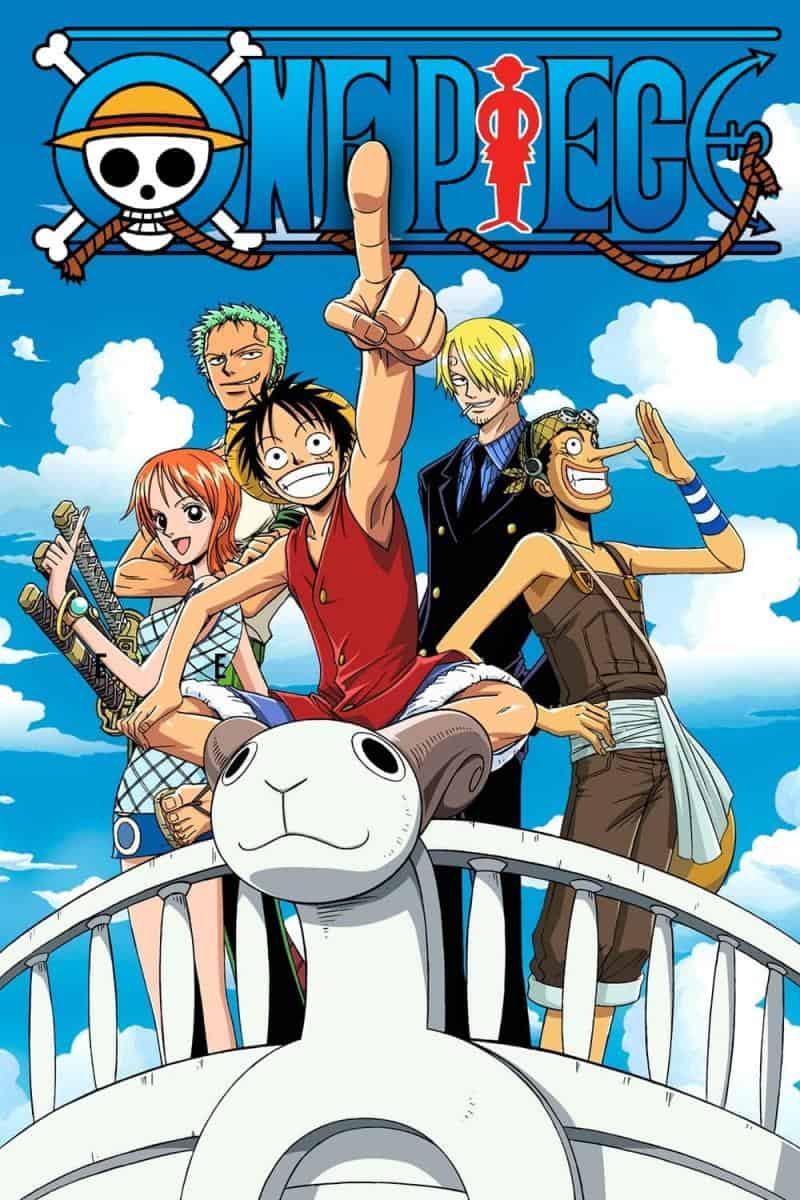
“One Piece” is a beloved Japanese manga and anime series that chronicles the adventures of Monkey D. Luffy and his pirate crew. Luffy, imbued with rubber powers from a mystical fruit Hito Hito no Mi, aspires to become the Pirate King. To achieve this, he seeks the ultimate treasure, the “One Piece,” hidden at the Grand Line’s end. Along the journey, Luffy gathers a diverse crew, confronts formidable foes, and uncovers world-altering secrets, all while promoting themes of friendship, freedom, and adventure.
Kevin Costner has encountered a major legal challenge in his ongoing sexual harassment lawsuit brought by Devyn LaBella, a veteran stuntwoman on the set of Horizon II.
On October 16, 2025, a Los Angeles Superior Court judge denied the actor’s motion to dismiss nine of ten claims, significantly allowing most of LaBella’s allegations to proceed toward discovery and possible trial.
The case, initially filed in May, centers on LaBella’s claim that she was forced to participate in an unscripted, simulated rape scene during filming, a demand made without proper notice, safety protocols, or the presence of mandatory intimacy coordinators.
The judge ruled this evidence could support claims of sexual discrimination, harassment, and creation of a hostile work environment.
Although two claims were dismissed, including one related to alleged fear of physical violence if the scene was not performed, the court found ample grounds to sustain the majority of LaBella’s legal contentions.
Allegations and Counterarguments
Devyn LaBella, who doubles for lead actress Ella Hunt in the Horizon: An American Saga franchise, has alleged that the production deprived her of contractual protections required by SAG-AFTRA agreements.
Her complaint cites the absence of both intimacy and stunt coordinators as a critical breach, which exacerbated the trauma experienced during the contentious filming.
Costner’s legal team, led by attorney Marty Singer, has denounced the lawsuit as baseless and misleading. They argue that the contested simulated sexual scene was thoroughly explained during rehearsals, refuting accusations of surprise or coercion.
Costner himself has described the claims as “bold-faced lies” intended to damage his reputation. The defense intends to promptly appeal the partial denial of their motion.
Judge’s Analysis and Legal Implications
Judge Jon R. Takasugi carefully distinguished between the claims that warranted dismissal and those that merited continuation.
While the court recognized that evidence didn’t convincingly show LaBella’s fear of physical harm, it stated that a reasonable person could feel harassed by an unplanned, simulated rape scene lacking standard safety measures.

Kevin Costner (Credit: NBC)
This perspective underlines legal protections pertaining to workplace conduct, beyond creative expression in filmmaking.
The ruling acknowledges the fine balance in labor law, recognizing the artistic nature of film production yet enforcing the right of performers to safe, respectful working conditions.
By affirming LaBella’s claims, the court confirms that creative freedom does not exempt producers or directors from compliance with rigors designed to protect vulnerable crew members on set.
Industry Reactions and Broader Impact
The case is shaping conversations in Hollywood about safety and respect behind the scenes, especially in productions involving intimate or violent scenes.
LaBella’s legal team has expressed confidence in continuing their pursuit of justice and exposing misuse of power during filmmaking. They accuse Costner’s side of using “frivolous motions” to delay and distract from the core issues.
For Costner, a seasoned actor and filmmaker who also financially backs the Horizon franchise, this lawsuit intersects reputational stakes with ongoing career momentum. Horizon II’s delay and the uncertain future of subsequent films compound pressures on the star, whose legal battles play out under public scrutiny.
Kevin Costner’s Legal Team Promises Swift Appeal
While the court ruling represents a significant obstacle for Kevin Costner, his legal team is not backing down. Attorney Marty Singer expressed satisfaction with the partial dismissal of two claims but firmly rejected the remaining allegations.
He asserted that the evidence lacks legal and factual merit and announced plans to file an expedited appeal. Singer emphasized that the contested scene had been thoughtfully explained and rehearsed and that the suit represents an attempt to damage Costner’s reputation rather than reflect reality.
The appeal hearing is anticipated to take place in December, marking another chapter in the ongoing legal battle.
Next Steps in the Legal Battle
The case is scheduled to move into a discovery phase, where witnesses and set personnel will provide testimony about the filming and safety protocols.
Costner’s lawyers have pledged an immediate appeal of the ruling, signaling a prolonged court fight. Meanwhile, LaBella pushes to hold producers accountable and set a precedent for the protection of stunt performers and actors during demanding scenes.
This legal proceeding highlights ongoing challenges in the entertainment industry to balance creative demands with evolving awareness of workplace harassment and safety standards. How this case unfolds may have significant repercussions for future productions involving similar sensitive content.
Kevin Costner’s fight against the Horizon II sexual harassment claims is far from over. With important claims allowed to proceed and the film’s already uncertain release on hold, the saga offers a stark lesson about power dynamics, responsibility, and justice in Hollywood’s high-stakes environment.
