The world of One Piece has always been known for its grand adventures, complex characters, and intricate storylines that span across oceans and generations.
Within this expansive universe, the One Piece Fan Letter episode has generated a surprising amount of attention.
Initially, many viewers dismissed it as just another filler episode, a distraction during the long wait until the anime resumes in April 2025.
But this episode carries much more weight than it first appears. It’s not a filler in the traditional sense, as it draws inspiration from content that has the official stamp of approval from Eiichiro Oda, the creator of One Piece.
This official endorsement has sparked debates within the fan community, raising questions about what truly constitutes canon and how the boundaries between canon and filler have shifted in the ever-evolving One Piece franchise.
Explore into the Source Material: The Connection to Straw Hat Stories
The origins of the One Piece Fan Letter episode can be traced back to a 2017 spin-off novel titled Straw Hat Stories.
By the way there’s a mistake many One Piece fans make “the One Piece fan letter” is not filler. Filler refers to episodes that don’t follow the main storyline or source material (like a manga or novel). The fan letter comes from the officially licensed spin-off novel Straw Hat… pic.twitter.com/UrtMIqHwbC — Pew (@pewpiece) October 21, 2024
Unlike many filler episodes, which are created solely to keep the anime from catching up to the manga, this episode adapts content from a licensed novel that Oda has personally approved.
The novel is a collection of short tales focusing on the lives of the One Piece characters, specifically the Straw Hat Pirates.
It features stories that goes into the personalities, adventures, and nuances of characters like Luffy, Nami, Zoro, Robin, and more.
This approval is not something to be taken lightly. In a series as vast as One Piece, where the distinction between canon and non-canon content matters deeply to fans, Oda’s blessing makes a difference.
It lends legitimacy to these stories, allowing them to be seen as part of the broader One Piece lore, even if they don’t directly impact the primary narrative.
This makes the One Piece Fan Letter episode a unique case study in the ever-debated topic of what truly defines canon within this universe.
Canon and Filler in the One Piece Universe: A Constant Debate
To understand the significance of the One Piece Fan Letter episode, it’s essential to explore the debate that has persisted among fans for years what exactly is canon in One Piece?
The term “canon” traditionally refers to the official storyline as told by the manga, which serves as the source material for the anime.
Filler, by contrast, has typically been seen as anime-exclusive content designed to stretch out the story so that the anime doesn’t overtake the manga.
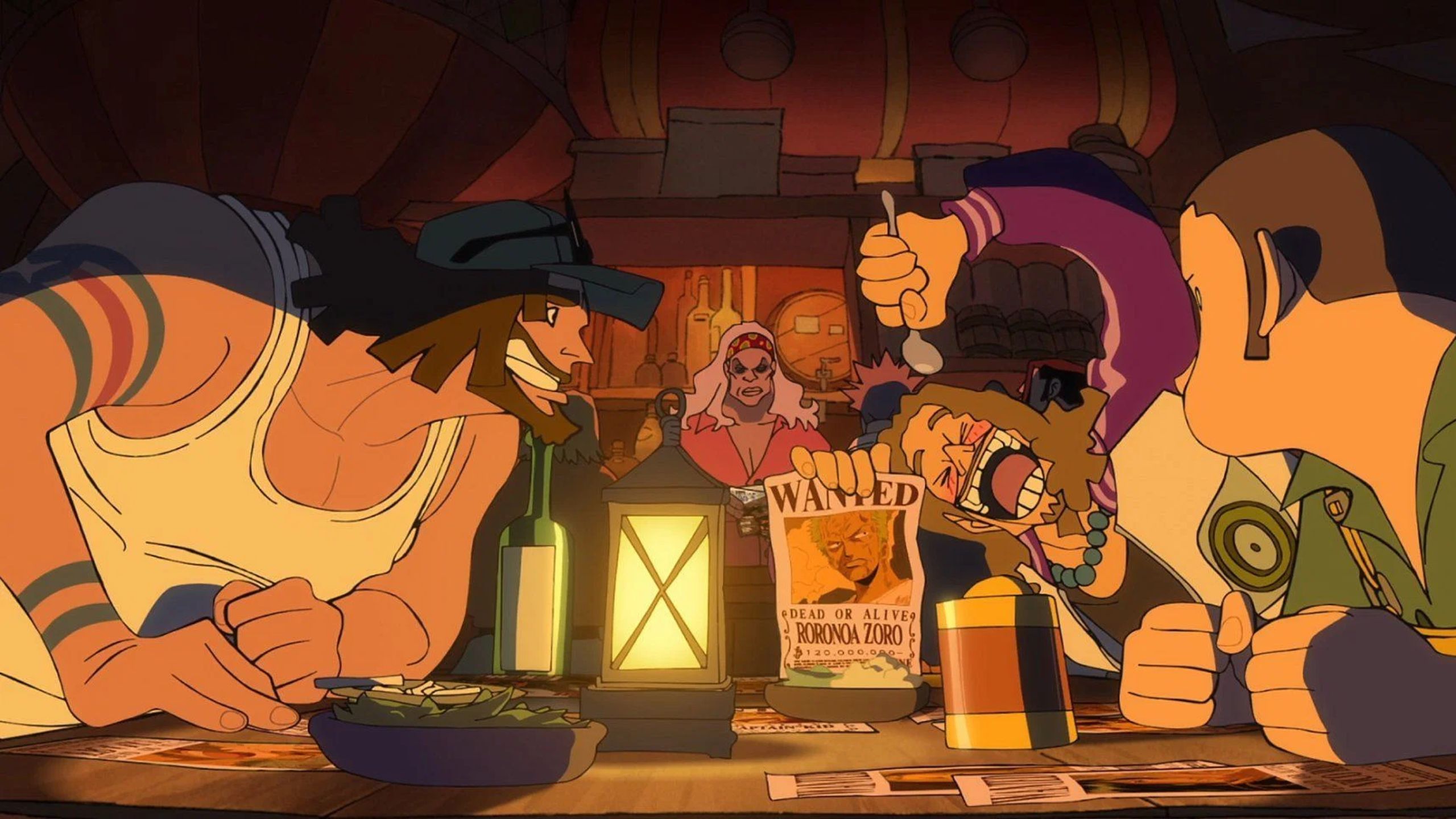
One Piece Fan Letter Conon (Toei Animations)
In a series as long-running as One Piece, filler episodes are a common necessity. However, this clear-cut distinction has been increasingly blurred over the years.
The concept of “canon filler” has emerged as a way to describe episodes that don’t originate from the manga but still hold some official standing within the narrative.
The One Piece Fan Letter episode falls squarely within this category. While it may not directly advance the main plot, it carries the weight of Oda’s approval, making it a legitimate part of the One Piece world.
This brings up an important question: should fans treat these episodes as filler, or as an official part of the story?
The answer varies depending on whom you ask, but one thing is clear—these episodes add a richness to the One Piece universe that goes beyond mere filler content.
What the One Piece Fan Letter Episode Brings to the Table
The One Piece Fan Letter episode adapts several stories from the Straw Hat Stories novel, each centered on different members of the crew and their impact on the world around them.
These stories are more than just background filler; they are glance into the lives of the characters, offering a deeper understanding of their personalities and motivations.
This episode’s format is unconventional compared to the typical arcs fans are used to, but that’s what makes it stand out.
By providing short, character-driven narratives, the One Piece Fan Letter episode functions almost like a series of vignettes.
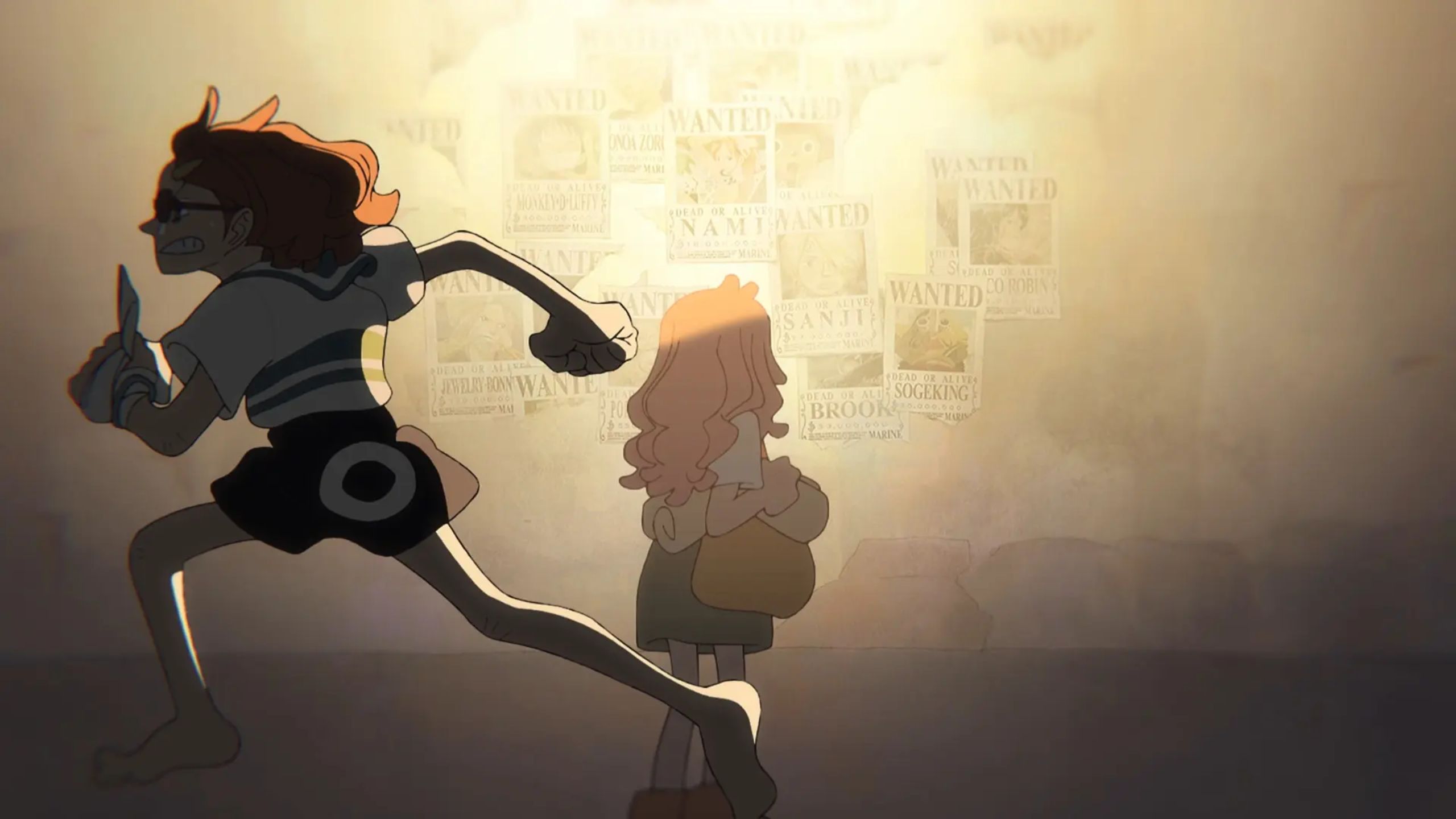
Young Girl From One Piece Fan Letter (Toei Animations)
These short stories fill in the gaps left by the main plot, revealing the small yet significant moments that make the One Piece world feel alive.
Whether it’s a young girl drawing inspiration from Nami, pirates arguing over Zoro’s strength, or a marine reflecting on Luffy’s heroism, these stories collectively enrich the final experience of One Piece.
Sabaody Archipelago: The Significance of the Setting
One of the key elements that makes the One Piece Fan Letter episode so special is its setting the Sabaody Archipelago.
This location has been a pivotal part of the One Piece universe, particularly during the time skip when the Straw Hat Pirates went their separate ways for two years to train and grow stronger.
Sabaody is more than just a place on the map; it represents a turning point in the journey of the Straw Hat crew.
By setting the One Piece Fan Letter episode in Sabaody, the creators tap into the nostalgia of long-time fans who remember the crew’s previous adventures in this chaotic archipelago.
This location is a place of reunions, conflicts, and memories for the crew, and its importance in the overarching story cannot be overstated.
The decision to place these stories in Sabaody allows the episode to connect with the broader narrative while still functioning as a stand-alone experience.
Exploring the Individual Stories: The Impact of the Straw Hats on the World
The One Piece Fan Letter episode comprises several individual stories, each of which highlights the influence of the Straw Hat Pirates on the world and the people they encounter.
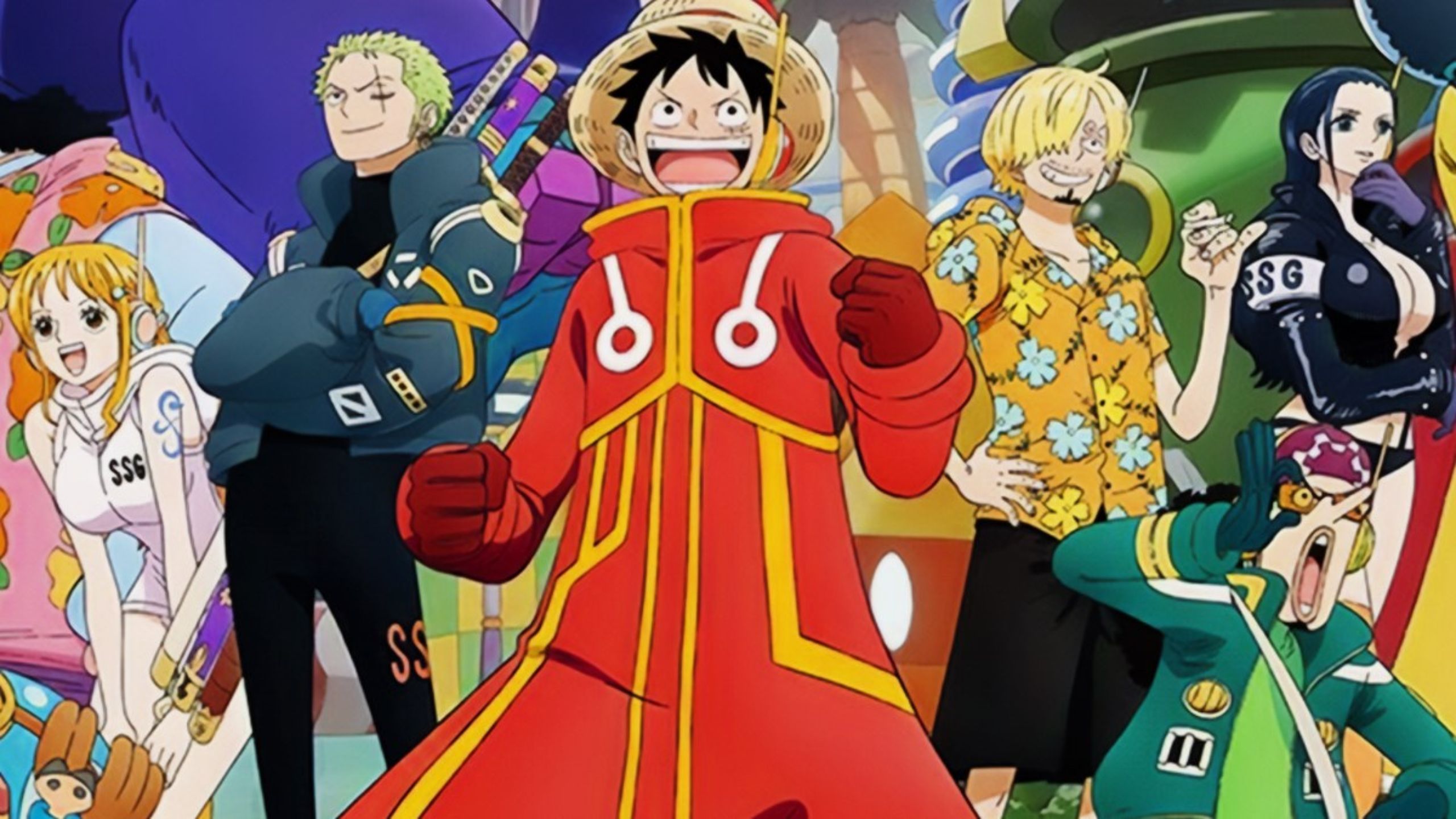
Nami, Zoro, Luffy, Sanji, Usop (Toei Animations)
These short tales are more than just side stories they provide a closer look at the ripple effect that the crew’s adventures have had on the One Piece universe.
One particularly touching story follows a young girl who idolizes Nami. This girl, eager to set out on her own adventures, looks up to Nami as a role model.
Her admiration for Nami underscores the impact that the Straw Hat crew has on ordinary people, showcasing how their actions inspire those who may never directly encounter them.
It’s a powerful reminder that the Straw Hats are not just pirates; they are symbols of freedom, courage, and the pursuit of dreams.
Another story centers around a debate among a group of pirates about the strongest swordsman Roronoa Zoro or Dracule Mihawk.
This light-hearted banter is a reflection of the mythos that surrounds the Straw Hat crew, highlighting how their exploits have turned them into living legends.
The episode cleverly uses these debates to show how the Straw Hats are perceived by the world at large, adding depth to their reputation and the way they are seen by allies and rivals alike.
Zoro’s Moment: Defending the Three-Sword Style
One of the standout moments in the One Piece Fan Letter episode is Zoro’s encounter with a group of individuals who mock his unique three-sword fighting style.
This confrontation is more than just a simple altercation; it’s a reaffirmation of who Zoro is as a character.
His dedication to his unorthodox fighting method has always been a defining trait, and this moment serves as a reminder of his confidence, resilience, and unwavering determination to achieve his goal of becoming the world’s greatest swordsman.
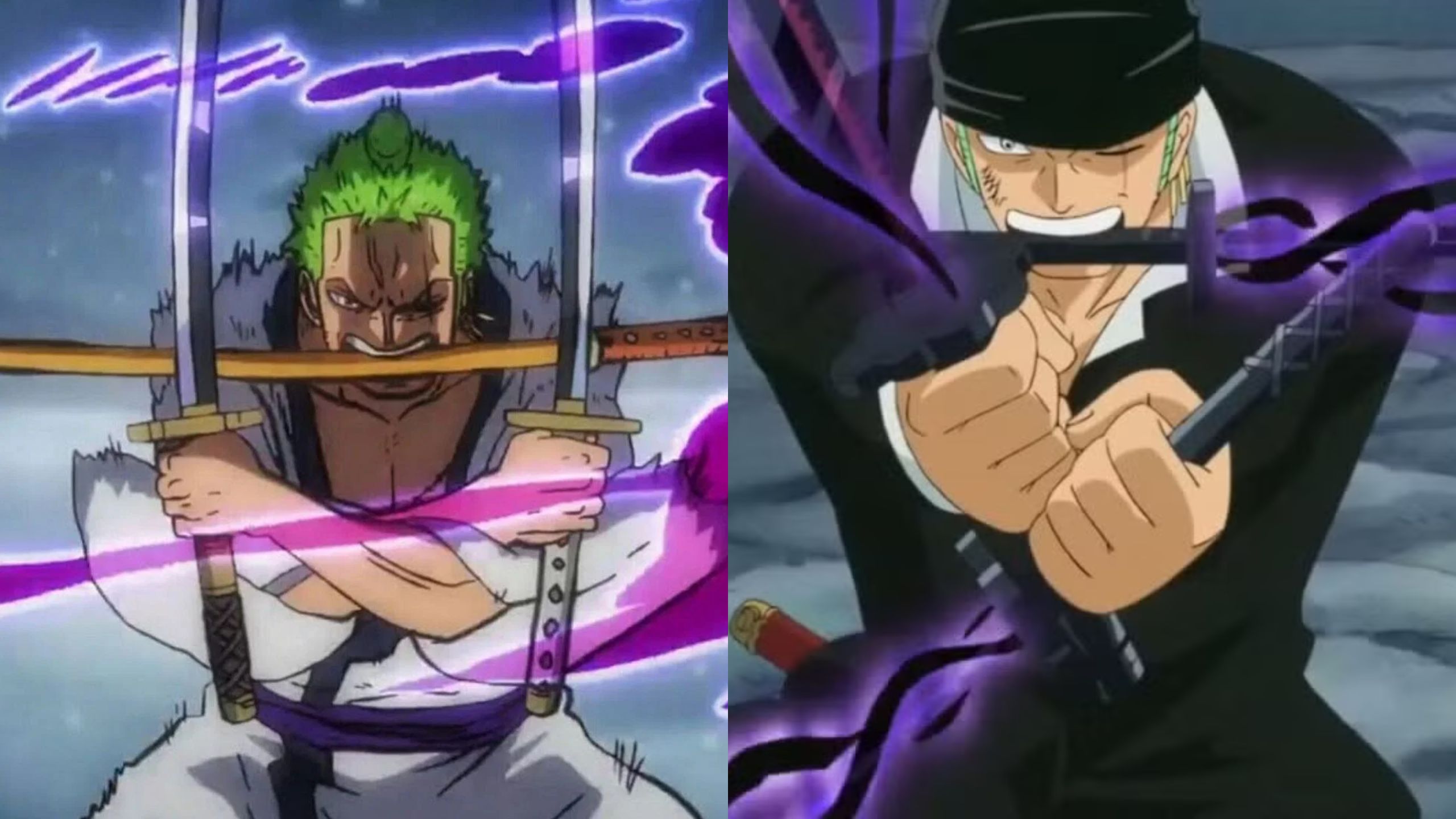
Roronoa Zoro From The Wano Arc (Toei Animations)
The scene also adds a layer of humor, as Zoro’s fierce pride in his style is both admirable and amusing.
It’s a moment that summerizes what makes Zoro such a beloved character his strength, his honor, and his occasional obliviousness.
This small yet impactful story contributes to the episode’s final theme of exploring the Straw Hats’ influence on the world while staying true to the essence of their individual personalities.
Luffy’s Influence: A Marine’s Reflection on Heroism
Another key story within the One Piece Fan Letter episode revolves around a marine who reflects on Luffy’s actions during the Marineford War.
This marine recalls Luffy’s desperate attempt to save his brother, Ace, a moment that stands as one of the most emotionally charged scenes in the entire series.
Luffy’s determination and bravery in the face of overwhelming odds left a lasting impression on this marine, who was inspired by Luffy’s courage despite being on opposing sides.
This story is particularly significant because it illustrates the impact that Luffy has on even those who consider him an enemy.
It showcases the universal appeal of Luffy’s character his ability to inspire loyalty, respect, and admiration, even from those who are supposed to see him as a threat.
This moment captures the essence of Luffy’s character: he is not just a pirate; he is a beacon of hope, courage, and freedom.
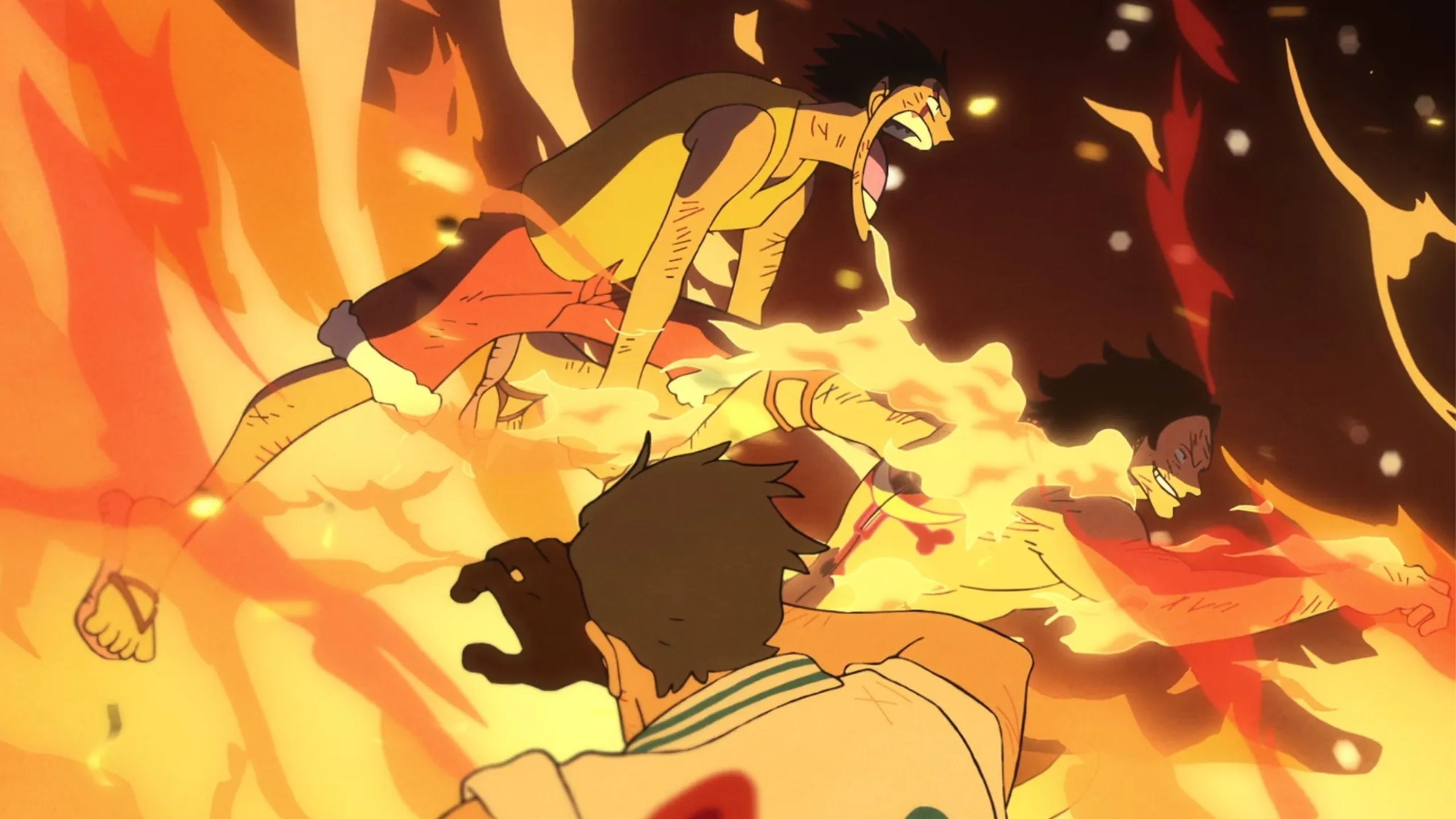
Luffy Saving Ace In Marinefors From One Piece Fan Letter (Toei Animations)
His actions resonate far beyond his immediate circle of friends and allies, touching the lives of countless people across the One Piece world.
Canon in the Modern One Piece: Oda’s Role in Defining the Official Story
As previously mentioned, the endorsement of Eiichiro Oda plays a crucial role in determining what is considered canon in the One Piece universe.
With a story as expansive and long-running as One Piece, the definition of canon has become more fluid over time.
While the manga remains the primary source material, Oda’s influence extends to other forms of media, such as novels, movies, and special episodes like the One Piece Fan Letter.
Oda’s approval of content like Straw Hat Stories challenges the traditional boundaries of what fans have come to view as canon.
This flexibility has allowed the franchise to explore new storytelling avenues, offering fans a more comprehensive view of the One Piece
world. Episodes like the One Piece Fan Letter are a testament to Oda’s willingness to experiment with different formats and mediums while still maintaining a cohesive narrative.
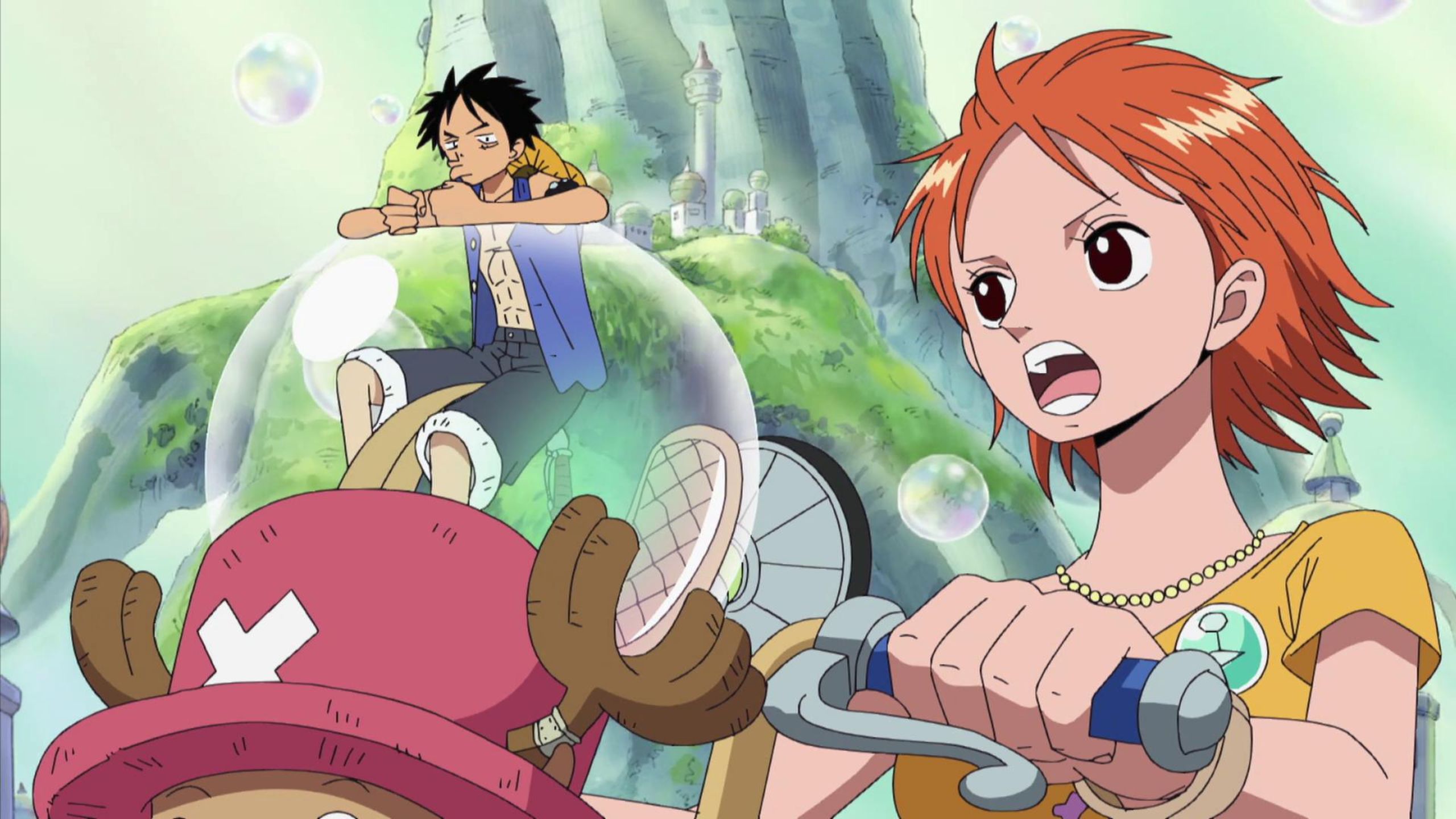
Luffy, Chopper And Nami In Sabaody Archipelago From One Piece (Toei Animations)
It’s a reflection of his deep understanding of his own creation and his desire to give fans a richer, more immersive experience.
The Evolving Nature of Canon and Filler in One Piece
The blurred lines between canon and filler have become a defining characteristic of One Piece.
In many long-running anime series, filler episodes are often seen as a necessary evil, a way to keep the anime from overtaking the manga without contributing much to the final story.
However, One Piece has approached filler in a unique way, often using it to enhance the world-building and provide additional character development that the main storyline may not have time to explore.
The One Piece Fan Letter episode is an example of this evolving approach to filler.
While it may not directly influence the primary plot, it enriches the One Piece universe by offering stories that deepen fans’ understanding of the characters and the world they inhabit.
This shift in the perception of filler content has been influenced by Oda’s willingness to approve supplementary material, allowing the anime to explore stories that, while not directly tied to the manga, still hold weight within the canon.
The Importance of Character-Driven Narratives in One Piece
One of the reasons why One Piece has remained a beloved series for so many years is its ability to balance epic, world-shaking events with small, character-driven moments.
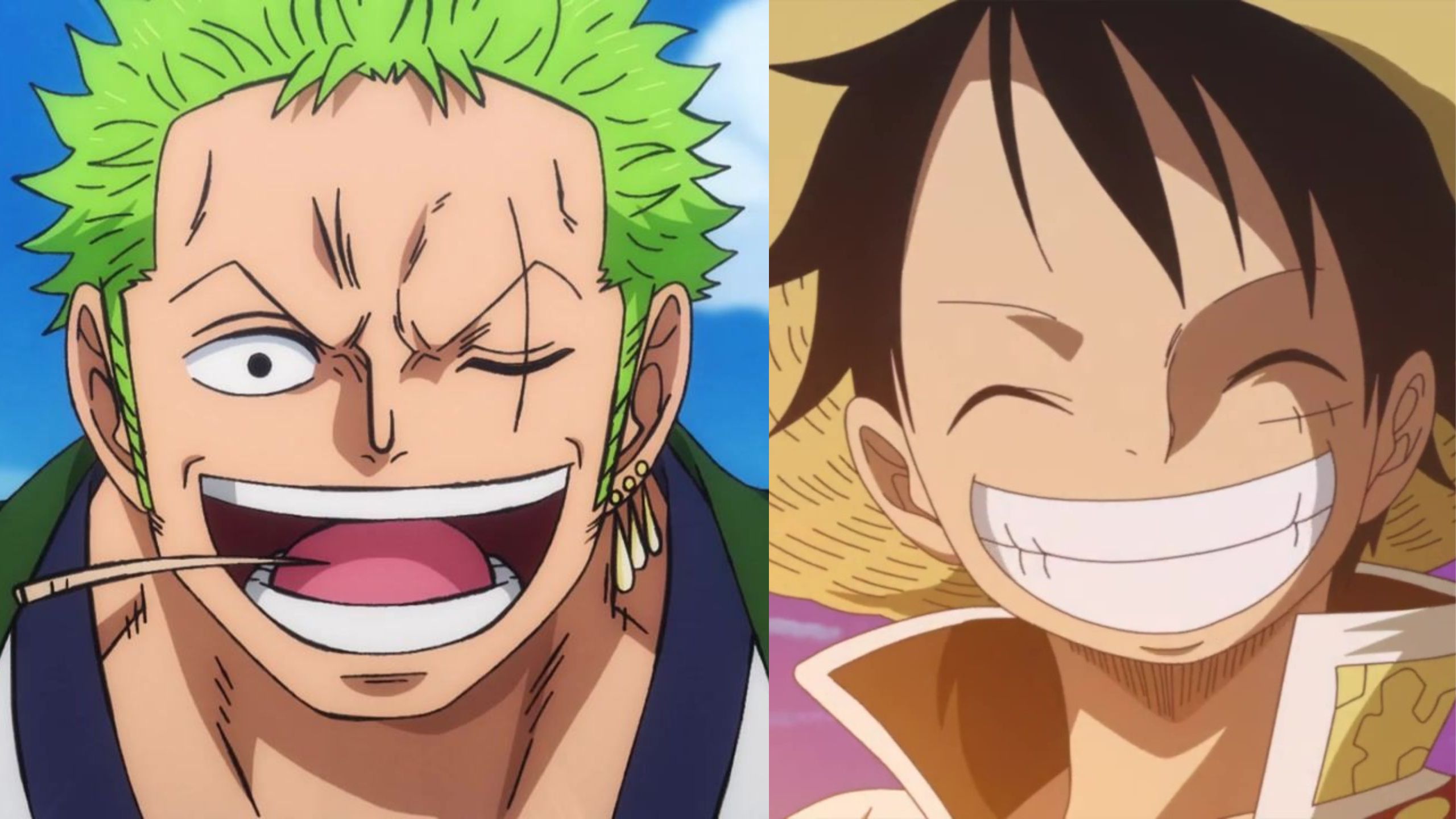
Roronoa Zoro And Luffy From The Wano Arc (Toei Animations)
The One Piece Fan Letter episode is a perfect example of this balance. While it doesn’t involve grand battles or major plot twists, it excels in providing character moments that resonate with fans.
These short stories give viewers a chance to see the Straw Hat Pirates in a different light, focusing on their personal journeys and the ways they have influenced the world around them.
These character-driven narratives are a cornerstone of One Piece’s storytelling. They allow fans to connect with the characters on a deeper level, understanding their motivations, fears, and dreams.
The One Piece Fan Letter episode captures this aspect of the series beautifully, reminding fans that the true strength of One Piece lies not just in its epic battles, but in the relationships and growth of its characters.
The Role of Nostalgia in the One Piece Fan Letter Episode
Nostalgia plays a significant role in the appeal of the One Piece Fan Letter episode.
For long-time fans, this episode is a trip down memory lane, revisiting familiar faces, locations, and events that have become iconic over the years.
By focusing on characters like Zoro, Luffy, and Nami, the episode taps into the nostalgia that fans have for the early days of the Straw Hat crew’s adventures.
This sense of nostalgia is not just a cheap gimmick; it’s a celebration of how far the characters have come and how much they have grown.
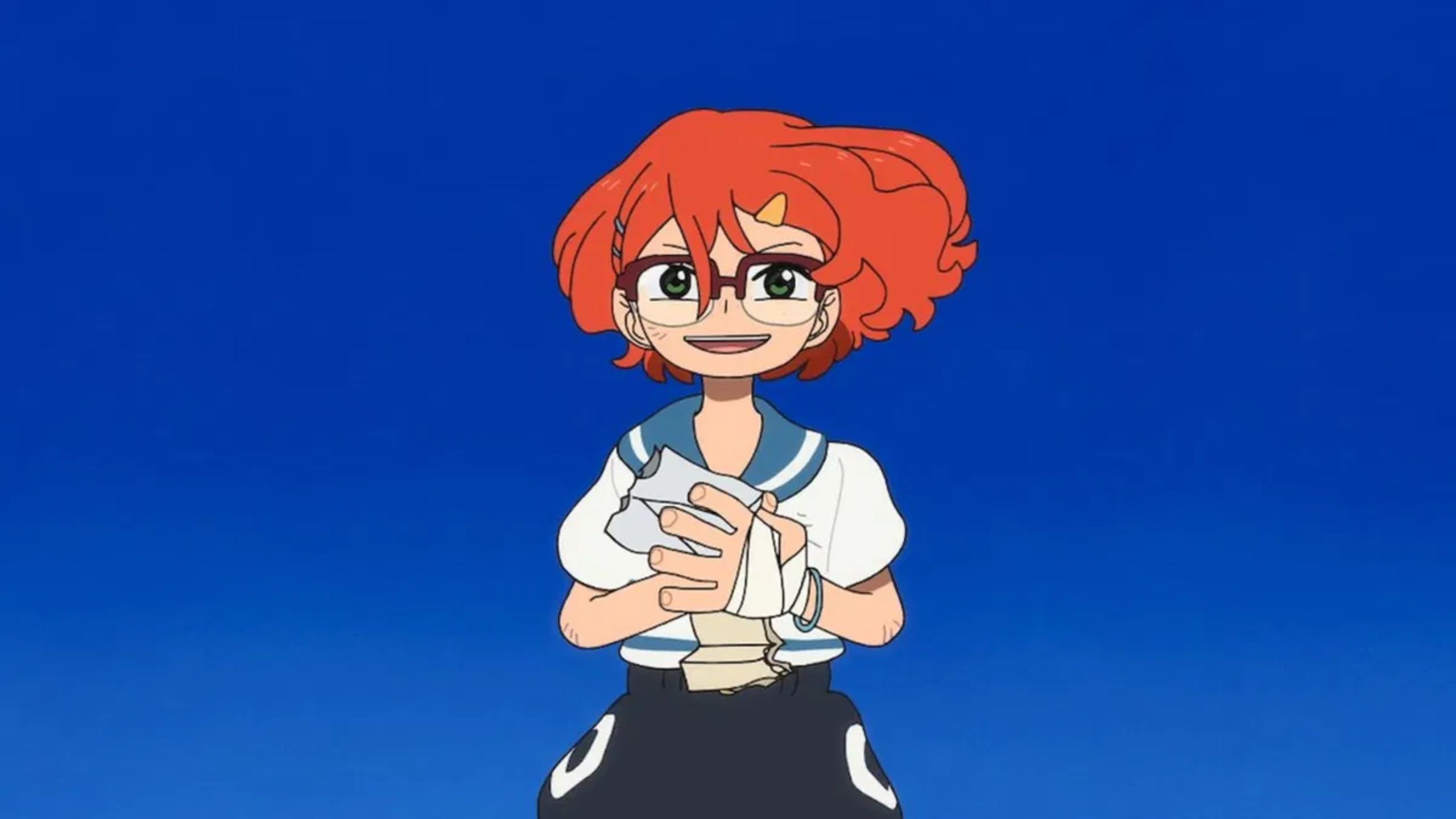
Young Girl From One Piece Fan Letter (Toei Animations)
The episode invites fans to reflect on the journey of the Straw Hat Pirates, from their humble beginnings to their status as one of the most formidable crews in the one piece world.
It’s a reminder that every adventure, no matter how small, has contributed to the epic story that fans have come to love.
Filling the Void: The Purpose of the One Piece Fan Letter Episode During the Hiatus
With the anime on hiatus until April 2025, the One Piece Fan Letter episode serves a crucial purpose. It fills the void left by the temporary break in the main storyline, offering fans something to look forward to during the wait.
Instead of feeling like a mere placeholder, this episode provides meaningful content that keeps fans engaged and excited for what’s to come.
The decision to adapt stories from the Straw Hat Stories novel during this hiatus is a testament to the anime’s commitment to delivering quality content, even during periods of downtime.
By offering these character-driven stories, the One Piece Fan Letter episode maintains the momentum of the series, ensuring that fans remain invested in the One Piece world.
What the Fan Letter Episode Suggests
The One Piece Fan Letter episode is more than just a one-off special—it’s a hint at what the future of One Piece storytelling could look like.
As the series continues to expand, there may be more opportunities to explore supplementary stories that offer new perspectives on familiar characters and events.
The success of this episode suggests that fans are eager for more content that jump into the world of One Piece beyond the main plot.
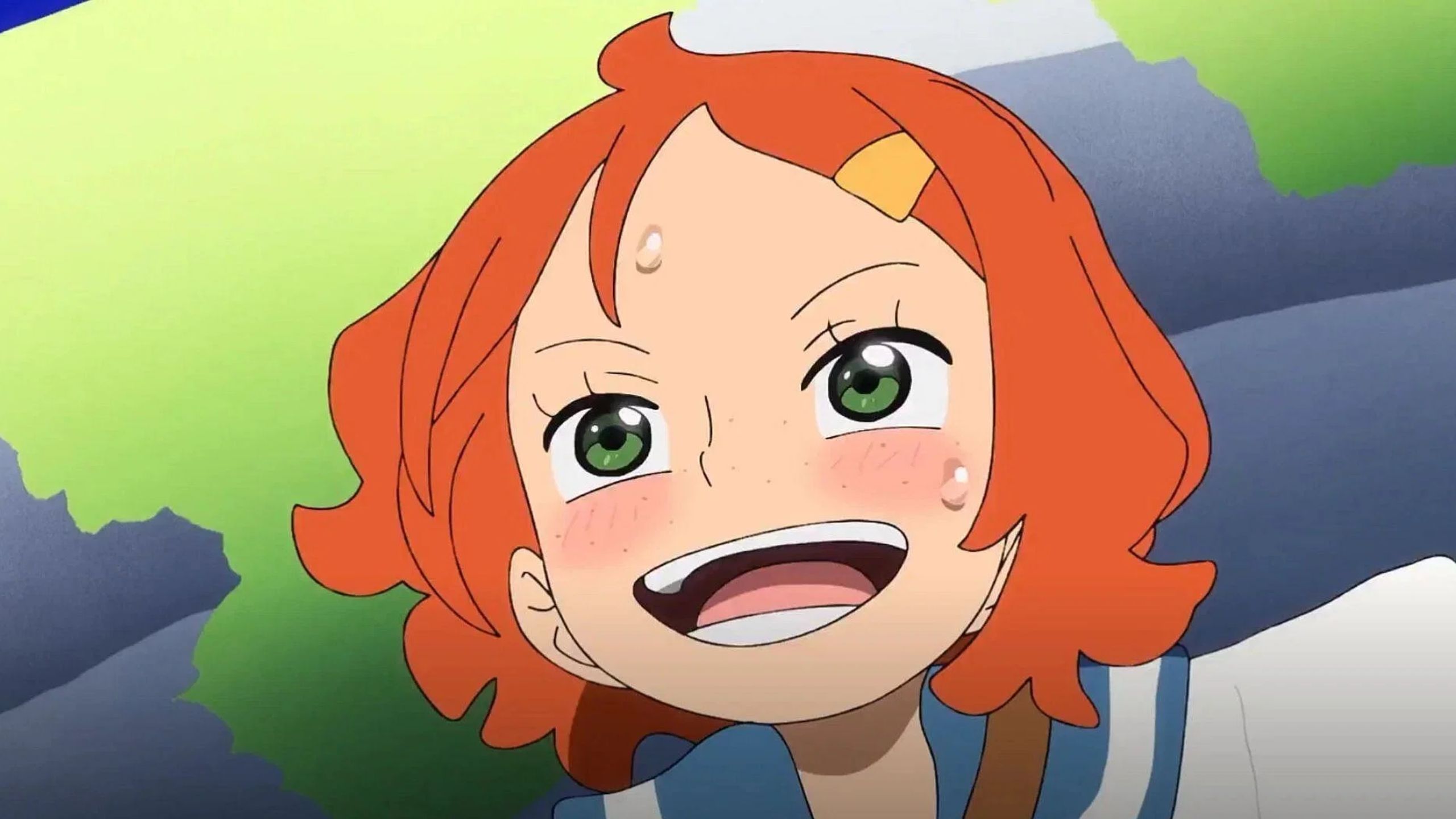
Young Girl From One Piece Fan Letter (Toei Animations)
This episode’s reception could pave the way for future adaptations of novels, spin-offs, or even original stories that are approved by Oda.
It’s a reminder that the One Piece world is vast and full of untold stories, waiting to be explored.
The One Piece Fan Letter episode has opened the door to new possibilities, showing that even the smallest tales can have a big impact when handled with care and respect for the source material.
A New Kind of Canon in One Piece
The One Piece Fan Letter episode has sparked a fascinating discussion about the nature of canon in the One Piece universe.
By drawing from the officially licensed Straw Hat Stories and receiving Oda’s approval, this episode blurs the line between filler and canon in a way that few other episodes have.
It offers fans a deeper look at the world of One Piece, celebrating the characters, stories, and themes that have made the series a beloved classic.
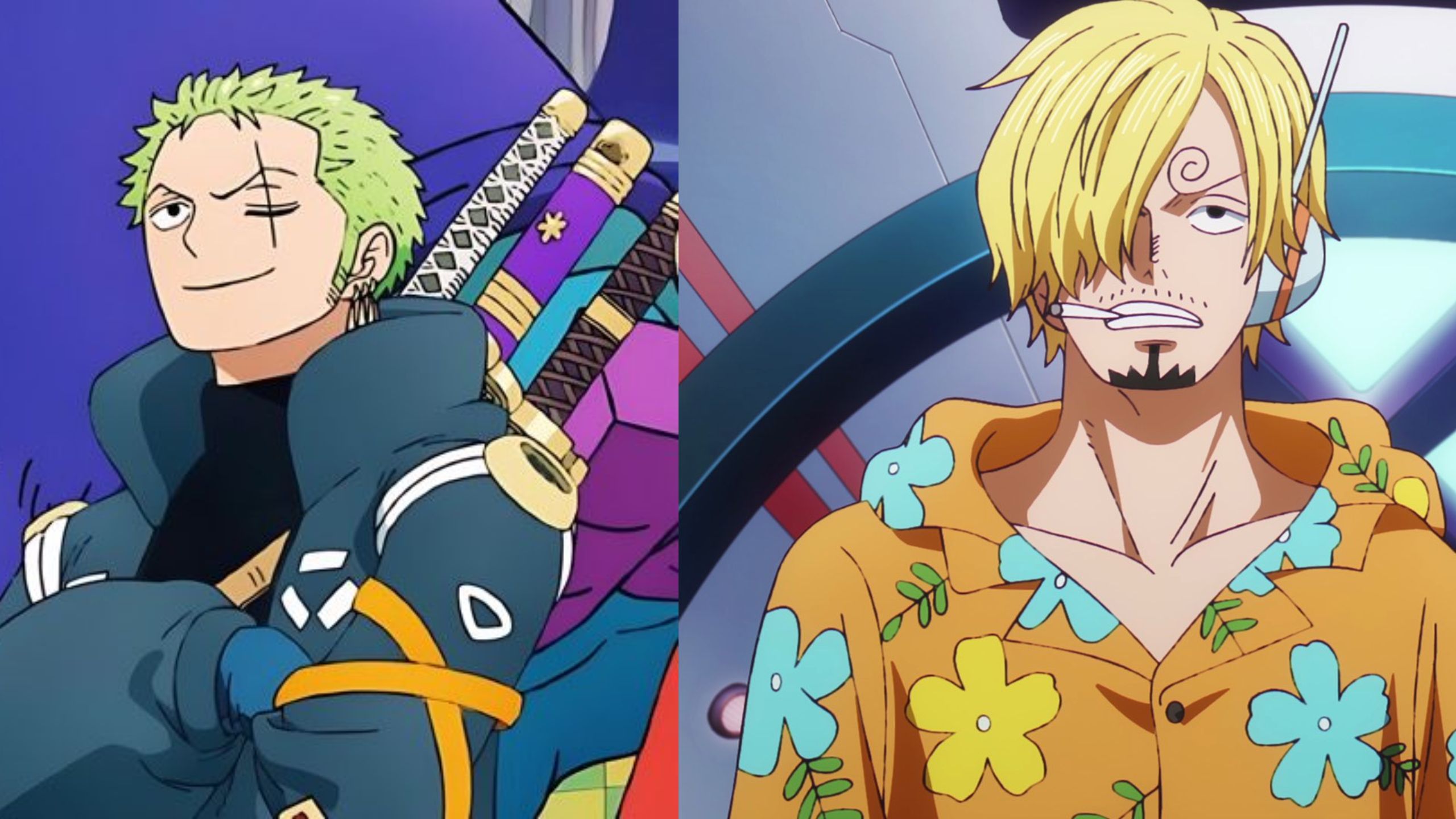
Zoro And Sanji From Egghead Arc In One Piece (Toei Animation)
For those who love One Piece not just for its grand battles and epic adventures, but for the small moments, the character development, and the emotional connections, the One Piece Fan Letter episode is a treasure.
It’s a testament to the series’ enduring appeal and a reminder that every story, no matter how seemingly insignificant, has its place in the drapery of One Piece.
Whether it’s considered canon or not, this episode has found a place in the hearts of fans, reinforcing the idea that in the One Piece world, every adventure is worth telling.
Sweetpea, a new and highly engaging show on Starz, is taking the streaming world by storm. With only six episodes currently available, it has managed to attract audiences with its gripping narrative and intense character development.
The show’s near-perfect pacing and intriguing plot twists have kept viewers glued to their screens. While many questions remain unanswered after a maddening cliffhanger, fans can’t help but speculate about what the future holds for the main characters: Rhiannon (Ella Purnell), AJ (Calam Lynch), Marina (Leah Harvey), and Julia (Nicôle Lecky).
As of now, a second season has not been officially confirmed, leaving fans eagerly waiting for news. In the meantime, let’s revisit what made Season 1 so compelling, and look closely at where the characters stand after the shocking finale.
What Is Sweetpea About?
At its core, Sweetpea is a dark comedy that shows themes of rage, revenge, and isolation. The story follows Rhiannon Lewis, a young woman stuck in a dead-end job as an admin assistant for a small local newspaper called the Carnsham Gaze.
From the very beginning, we are introduced to Rhiannon’s inner world through voiceovers that reveal her deep-seated anger and frustration with life. She feels invisible, neglected, and overlooked by everyone around her. This is partly due to the intense bullying she suffered as a teenager at the hands of Julia Blenkingsopp, her former schoolmate, and her cruel clique.
Rhiannon’s trauma manifests in harmful ways. During her teen years, she developed a compulsive habit of pulling out her hair, which left her balding in places. Her emotional pain is buried beneath layers of resentment and unexpressed anger.
The show opens by showing Rhiannon listing off people she hates, and in her mind, she fantasizes about killing them. The list includes rude convenience store workers, her misogynistic boss, her often-absent sister Seren (Alexandra Dowling), and others who she feels have wronged her.
One of the key themes Sweetpea addresses is how society dismisses people like Rhiannon—those who feel alienated and lost in the world.

Still from Sweetpea (Credit: Starz)
Through her eyes, we see her struggle to find her place and the disturbing ways she copes with her feelings of invisibility. This inner turmoil sets the stage for the violent path Rhiannon eventually takes.
The Start of Rhiannon’s Murder Spree
The moment that changes everything comes early in the show. After years of bottling up her emotions, Rhiannon’s rage finally boils over one night in a secluded area by the river. She encounters a rude and drunken man who inadvertently urinates on her.
When he shrugs it off, saying he didn’t even notice her standing there, something snaps inside Rhiannon. Already overwhelmed by grief after her father’s recent death and years of emotional neglect, she pulls out a small knife and stabs the man, leaving him dead in the water.
This first murder gives her a twisted sense of satisfaction, as if she’s finally found a way to assert herself in a world that has ignored her for too long.
From this point on, Sweetpea takes viewers on a dark and bloody journey as Rhiannon continues to kill. Each murder becomes a form of release for her, a way to channel her deep-rooted anger. But unlike many crime dramas, Sweetpea doesn’t present Rhiannon as a typical psychopath.
She is a complex character, and while her actions are unquestionably violent, they are also the product of years of pain, marginalization, and untreated trauma.
Rhiannon’s Complex Relationships
While Rhiannon’s killing spree is central to the plot, Sweetpea also goes into her personal relationships, which are just as complicated and fraught with tension. At work, she harbors resentment toward AJ, a colleague who beat her out for the position of junior reporter at the Carnsham Gaze. Though she initially considers killing him, she hesitates, unable to follow through.
Rhiannon’s relationship with her sister Seren is another source of frustration. Seren left Rhiannon to take care of their dying father, and the two sisters have never fully reconciled.
Seren’s return, particularly when she begins working with Julia to sell their father’s house, only deepens Rhiannon’s feelings of betrayal and abandonment. The house itself becomes a symbol of Rhiannon’s emotional state—neglected, decaying, and filled with memories of a broken family.
The Developing Bond Between Rhiannon and AJ
One of the show’s most intriguing dynamics is the evolving relationship between Rhiannon and AJ. Despite her initial resentment toward him, Rhiannon starts to develop feelings for AJ as the series progresses. They even spend the night together in the Season 1 finale.
This moment of vulnerability between them, however, is quickly shattered when AJ discovers a crucial piece of evidence linking Rhiannon to the murders.
In a tense confrontation, AJ realizes that the knife found at the crime scene matches the one Rhiannon had in her possession. Desperate to protect herself, Rhiannon tries to convince AJ that she’s not the same person anymore, that she has changed.
But AJ doesn’t believe her, and in a panic, Rhiannon stabs him, leaving him to bleed out on the kitchen floor. The season ends with Rhiannon holding AJ’s bloody body, sobbing uncontrollably, as her sister Seren arrives at the house. It’s a shocking and emotional moment that sets up many questions for the future.
Julia’s Role in the Finale
Julia Blenkingsopp, the woman who bullied Rhiannon mercilessly during their school years, plays a significant role in the show’s finale. On the surface, Julia appears to have it all.

Still from Sweetpea (Credit: Starz)
She’s a successful real estate agent with a large following, and as Rhiannon notes, she seems to be living the “ideal life.” However, beneath this polished exterior, Julia’s life is far from perfect.
When Rhiannon lures Julia to her home with the intent of killing her, she ultimately changes her mind. Instead, she ties Julia up and keeps her captive. As the days go by, Rhiannon begins to see Julia in a different light. She learns that Julia is trapped in an abusive relationship with her fiancé Marcus and feels sympathy for her former tormentor. This unlikely bond between the two women becomes one of the show’s most unexpected twists.
Rhiannon even goes so far as to concoct a plan to help Julia escape her abusive relationship. She stages a fake kidnapping, threatening Marcus in an attempt to get him to back off. But things quickly spiral out of control when Rhiannon, feeling like Julia is falling under Marcus’s influence once again, accidentally kills him by pushing him to his death.
While Rhiannon and Julia form a fragile connection during the latter’s captivity, it doesn’t last. Julia ultimately realizes that her relationship with Rhiannon is just as toxic as the one she had with Marcus.
In the final episode, Julia secures a plane ticket using Rhiannon’s credit card and disappears. Her whereabouts are unknown by the end of Season 1, but it’s clear that she has escaped the chaos that Rhiannon has created.
Detective Marina and the Hunt for Rhiannon
Another key figure in Sweetpea is Marina, a local detective investigating the string of stabbing murders that have rocked the small town. Marina is a sharp and determined investigator, but she faces pushback from her colleagues, who dismiss her growing suspicion that Rhiannon is the killer.
Marina’s frustration builds as she starts to see a clear pattern linking Rhiannon to the murders. However, she struggles to find enough concrete evidence to convince her peers.
Despite this, Marina is relentless in her pursuit of justice. In one pivotal scene, she confronts Rhiannon directly at her home, warning her that she knows what she’s done. Marina predicts that Rhiannon will kill again, and when she does, Marina vows to be there to catch her.
The cat-and-mouse game between Marina and Rhiannon adds another layer of tension to the show. Marina’s dogged determination contrasts with Rhiannon’s increasingly reckless behavior, setting up a potential showdown between the two in future episodes.
Themes of Isolation, Revenge, and Identity
Sweetpea shows several complex themes throughout its first season, with isolation being one of the most prominent. Rhiannon’s feelings of being invisible and overlooked are at the heart of her character’s motivations. She believes that the world has treated her unfairly, and her violent actions are, in her mind, a way of reclaiming power.
Revenge is another driving force behind Rhiannon’s journey. Whether it’s targeting her former bully Julia or fantasizing about killing those who have wronged her, Rhiannon’s actions are fueled by a desire to make others feel the pain she has endured.
But as the show progresses, it becomes clear that revenge doesn’t bring her the satisfaction she craves. Instead, it only leads to more chaos and destruction in her life.
Identity is also a key theme, particularly in relation to how Rhiannon sees herself versus how others perceive her. Throughout the show, she struggles with feelings of inadequacy and self-loathing.
Her violent outbursts are a way of asserting her existence, of proving to herself that she is not as invisible as she believes. But this quest for validation comes at a high cost, as Rhiannon’s actions ultimately alienate her from those she cares about.
The Season 1 Cliffhanger and Speculations for Season 2
The Season 1 finale of Sweetpea leaves viewers with more questions than answers. Rhiannon’s emotional breakdown after killing AJ is a pivotal moment that marks a turning point for her character. Will she be able to escape the consequences of her actions, or will Marina finally catch up to her? And what will happen when Seren discovers what her sister has done?
Julia’s fate is also uncertain. While she manages to escape at the end of the season, it’s unclear whether she will ever return or if her story is truly over. Given the complicated bond she formed with Rhiannon, it’s possible that their paths could cross again in the future.
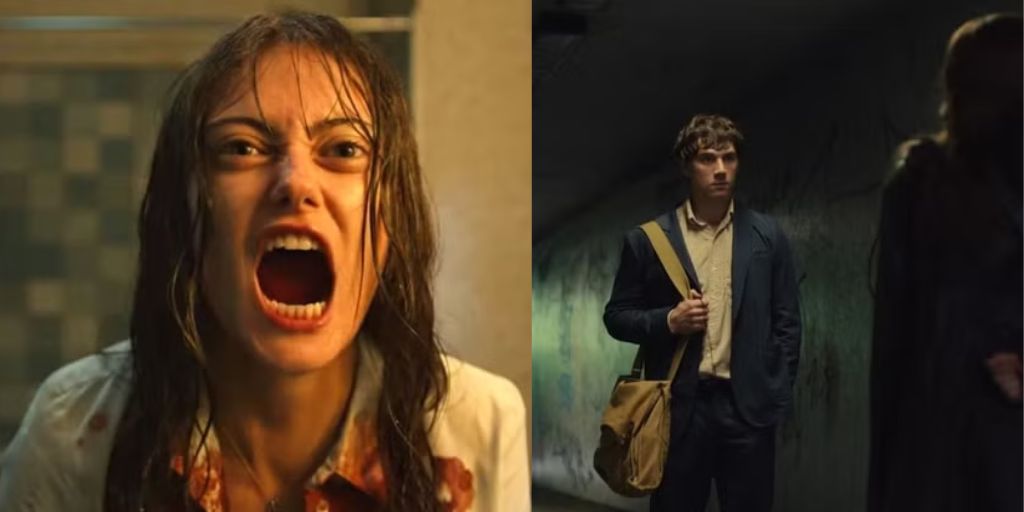
Still from Sweetpea (Credit: Starz)
As for Marina, her determination to bring Rhiannon to justice remains one of the most compelling aspects of the show. Season 2 could potentially see Marina closing in on Rhiannon, but whether she succeeds in arresting her remains to be seen.
Sweetpea is a dark, thrilling, and thought-provoking show that shows the depths of human emotion and the consequences of unchecked rage. With its complex characters, gripping plot, and shocking twists, it’s no surprise that the show has garnered a loyal fanbase.
While the status of a second season is still uncertain, there’s no denying that Sweetpea has left a lasting impact on viewers. Whether or not we see more of Rhiannon’s story, the first season stands as a chilling scheme of what happens when one woman’s anger turns deadly.
