One Piece has long been a source of excitement for its loyal fans, but the recent announcement of a two-week break has left many feeling uneasy. This comes shortly after the manga returned from a similar hiatus when Chapter 1131 was released on November 10, 2024. The sudden news of another break just days later has fans on edge, with many speculating about the reasons behind this unexpected pause.
The next installment, Chapter 1132, is now set to be released on December 1, 2024, after the two-week break. However, the reason for the hiatus has not been disclosed, which has fueled worries among fans about the manga’s future.
One Piece Manga Takes Another Break: Fans Concerned About Future Developments and Oda’s Health
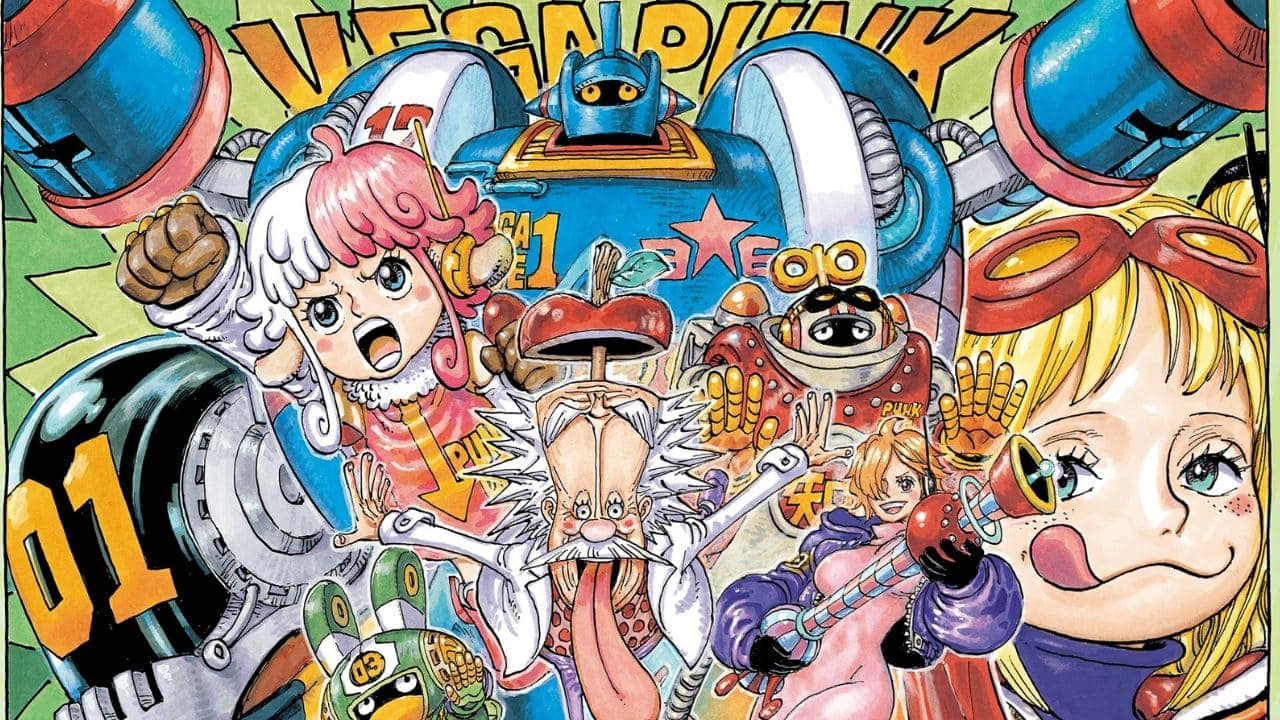
One Piece (Credits: Eiichiro Oda)
The last break was due to Eiichiro Oda’s trip to South Africa, where he was involved with the live-action sequel of the One Piece anime series. However, it’s unclear whether the current break is also related to the live-action series or if there are other reasons behind the pause. Some fans have even raised concerns about Oda’s health, fearing that it could be the cause of this unexpected delay.
The recent trend of increasing breaks in One Piece has sparked divided opinions among the fanbase. While some fans are understanding, expressing support for Oda’s need for rest after decades of work, others are growing more frustrated with the frequent interruptions in the manga’s serialization;
Due to Oda’s breaks, the release of new One Piece chapter will be delayed until December 1… I am concerned that Oda’s Japanese handwriting these days is becoming much rougher than before. If he is too busy, it is good that he is taking breaks for his health.💪 pic.twitter.com/u7skA1oDDQ — sandman (@sandman_AP) November 11, 2024
One fan expressed their concern on social media, stating, “Hopefully Oda is ok, he deserves every break he can get considering how much he’s achieved so far!” Another user shared their anxiety, writing, “What is happening to One Piece?? The anime stopped, and I’m really afraid it won’t be the same after it comes back, and now the manga is stopping after each chapter!”
The uncertainty surrounding these frequent breaks has left fans feeling uneasy about the future of the series. With both the anime and manga on extended breaks, the atmosphere among the One Piece fan community is filled with concern and speculation. Despite the tension, fans are hoping for Oda’s well-being and a swift return to the series they love.
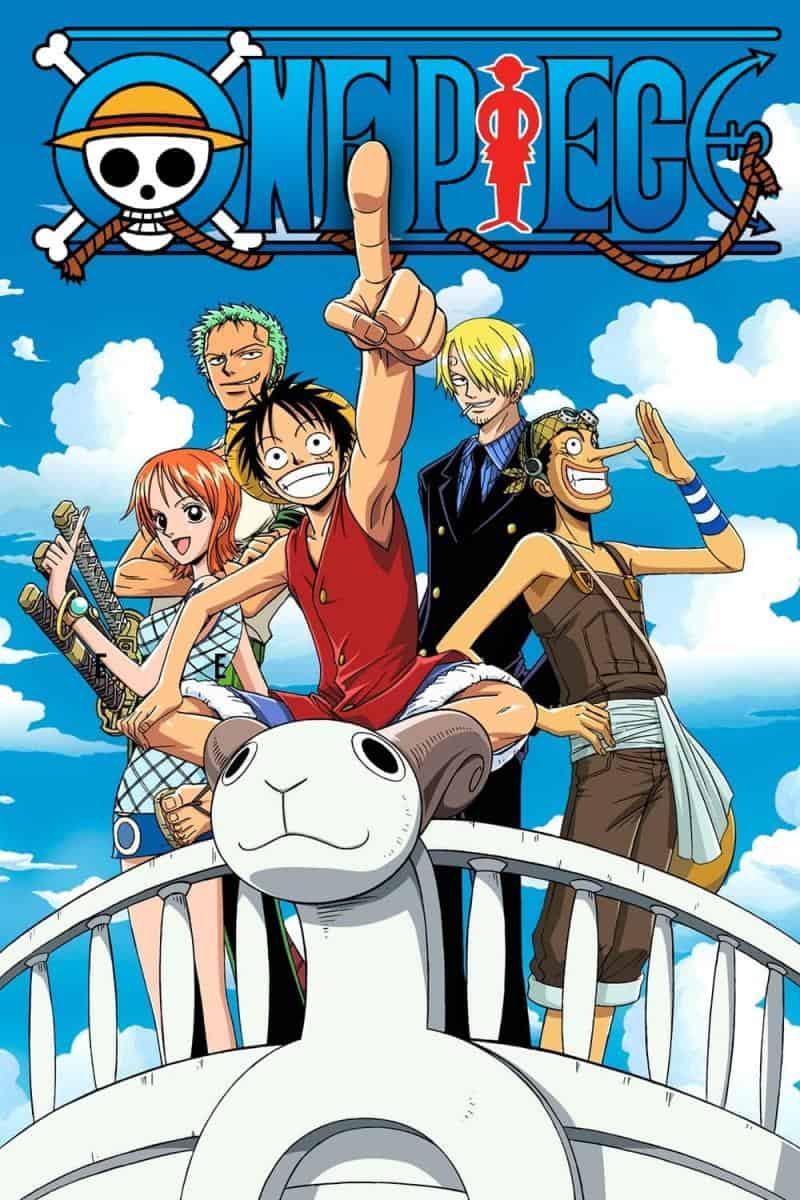
“One Piece” is a beloved Japanese manga and anime series that chronicles the adventures of Monkey D. Luffy and his pirate crew. Luffy, imbued with rubber powers from a mystical fruit Hito Hito no Mi, aspires to become the Pirate King. To achieve this, he seeks the ultimate treasure, the “One Piece,” hidden at the Grand Line’s end. Along the journey, Luffy gathers a diverse crew, confronts formidable foes, and uncovers world-altering secrets, all while promoting themes of friendship, freedom, and adventure.
Since its debut, Dragon Ball has enthralled fans with its intense battles and memorable characters. However, the series’ legacy includes one controversial spinoff, Dragon Ball GT, which saw Goku reverted to a child through an accidental wish.
This decision received mixed reactions, leaving many fans disheartened by the lack of purpose behind his de-aging. Fast forward to Dragon Ball DAIMA, and the concept of de-aging is revisited, but this time, the plot feels more meaningful, drawing a stark contrast to its predecessor.
Dragon Ball DAIMA vs. Dragon Ball GT: A De-Aging Revisited with Purpose
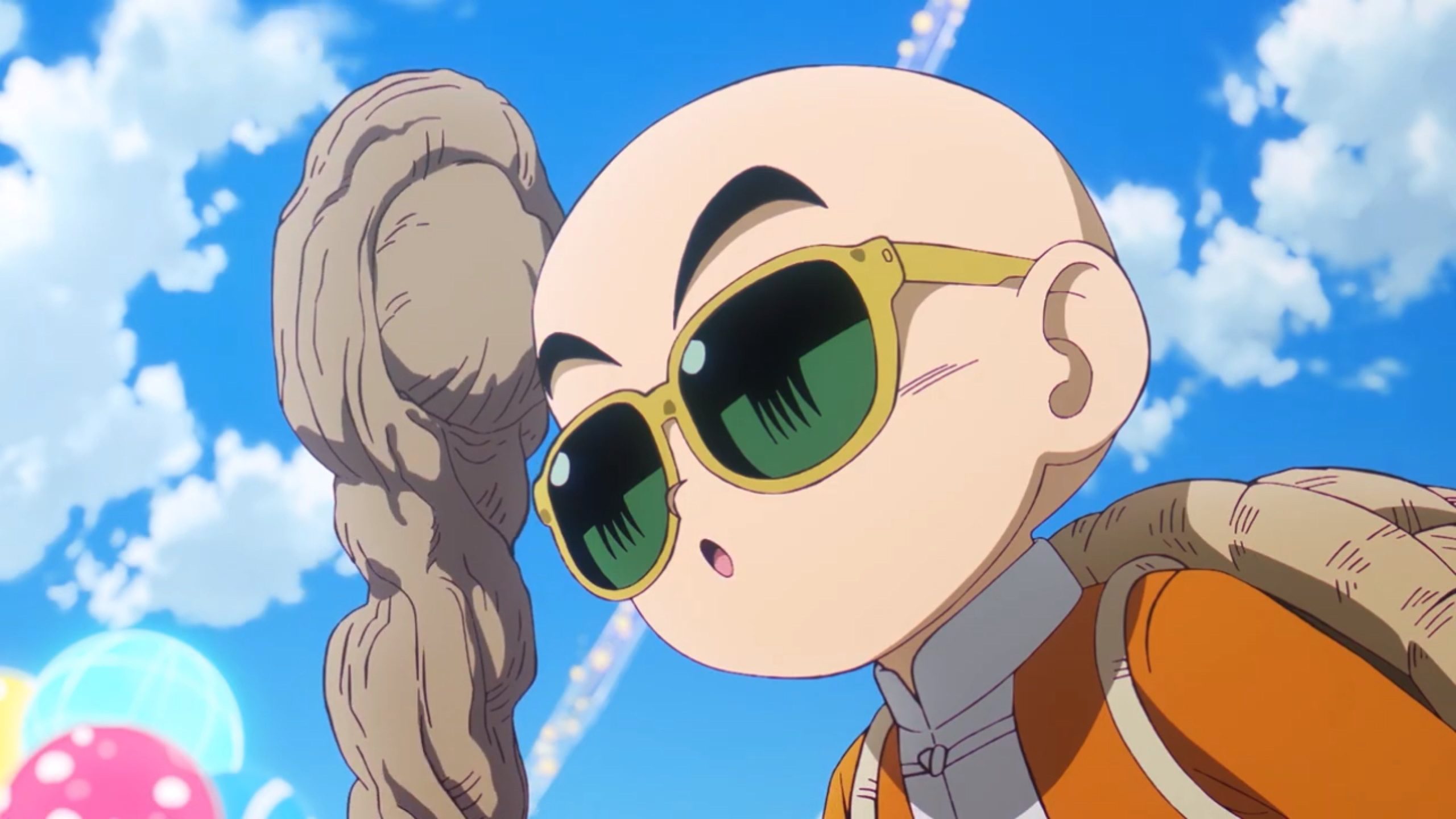
Krilin (Credits: Toei Animation)
While Dragon Ball GT used Goku’s transformation into a child as a result of a careless wish made by Emperor Pilaf, the reasoning behind it felt hollow. The wish was a random occurrence with little narrative depth. Goku’s acceptance of his new form was casual, which diminished the stakes of the transformation and frustrated fans who wanted more emotional depth in Goku’s character.
Moreover, the show failed to address the implications of turning Goku back into a child, leaving him to behave as if he had not experienced the growth of his adult years. This made the shift in his persona feel like a regression, not a meaningful change.
In contrast, Dragon Ball DAIMA takes a more thoughtful approach to the de-aging concept. Rather than an accident, the transformation is a strategic move by villains who view Goku and the other Z Fighters as significant threats. These enemies intentionally use Earth’s Dragon Balls to de-age Goku and his allies, weakening them significantly in preparation for an all-out attack. This not only increases the stakes of the story but adds complexity by involving other characters, such as Supreme Kai and Chi-Chi, in the transformation.
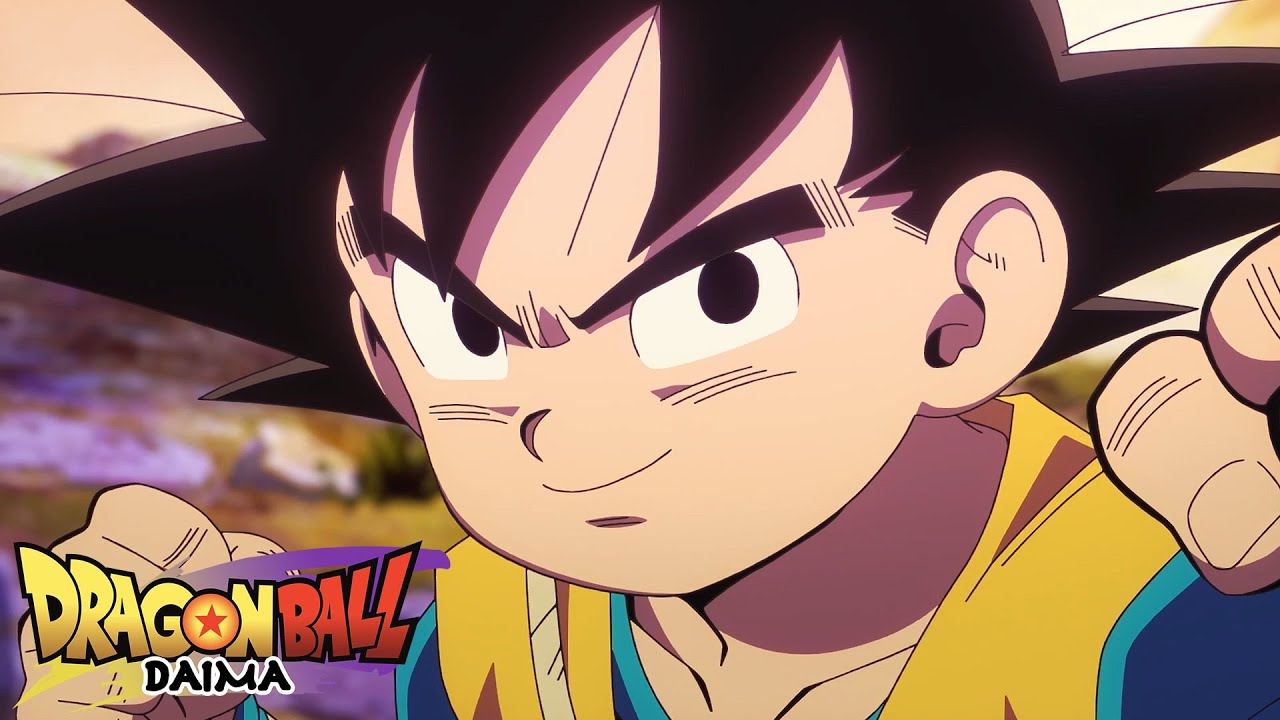
Goku (Credits: Toei Animation)
Dragon Ball DAIMA also uses the de-aging of its characters to pay homage to the roots of the Dragon Ball franchise. By returning characters to their younger forms, the series celebrates its 40th anniversary while reflecting on the growth and evolution of its beloved characters. This intentional choice provides a more nuanced and impactful narrative than the one seen in Dragon Ball GT, offering fans a fresh perspective while still honoring the past.
With Dragon Ball DAIMA, Akira Toriyama’s legacy continues to inspire, giving fans a reason to revisit the de-aging concept with a sense of purpose and excitement that GT lacked. The series not only addresses the flaws of its predecessor but also uses them as a springboard to craft a deeper and more engaging story that resonates with long-time Dragon Ball enthusiasts.

Young Goku, a strong boy with a monkey tail, teams up with teenage inventor Bulma on a quest to collect the seven Dragon Balls that summon Shenron (a wish‑granting dragon). Along the journey, they encounter allies and foes, including Master Roshi, Oolong, Yamcha, and the Pilaf Gang; Goku hones his skills through martial‑arts tournaments and battles against general‑purpose evil across the world.
