One Piece, one of the longest-running and most beloved anime series in the world, has found itself at the center of a storm among its own fans. After taking a much-anticipated six-month break, the series finally returned, but instead of continuing the main storyline, it released a special episode that many fans consider filler. This move has sparked widespread frustration, with viewers voicing their disappointment across social media and fan communities.
The long break had built up enormous expectations. Fans had been eagerly waiting for the story to move forward, especially since the series is entering some of its most important arcs. With the manga progressing steadily and revealing crucial details about the final saga, anime viewers expected the return to deliver meaningful developments. Instead, they were met with an episode that did little to advance the main plot, leaving many feeling let down.
For a series like One Piece, pacing has always been a delicate issue. The anime has run alongside the manga for decades, which often forces the studio to insert filler content to avoid catching up too quickly to the source material. In the past, some filler arcs have been well-received, adding lighthearted moments or character exploration that balanced the heavier main story. However, with the series now so close to its grand conclusion, fans believe filler should be minimized to keep the momentum strong.
The frustration this time is tied not only to the filler itself but also to the timing. After half a year of waiting, viewers expected to dive straight back into the central story. Instead, they were given what many describe as a stall tactic. The disappointment is amplified by the fact that the anime has been hyped as moving toward the climax of Luffy’s journey. Every delay feels like it slows the buildup to the long-promised end.

One Piece Franchise (Credits: Eichiro Oda)
One Piece Fans Angered as Six-Month Break Ends With Filler Episode
Online reactions to the special episode have been heated. On forums and social media, fans expressed that their patience was being tested. Many felt that the studio missed an opportunity to reward viewers’ loyalty after such a long pause.
Some have argued that the episode was unnecessary, while others suggested it could have been released separately rather than taking the place of the long-awaited continuation. The phrase “six months for filler” has become a common complaint.
Still, not all reactions were negative. A portion of the fanbase defended the special, pointing out that filler episodes sometimes provide breathing space for the manga and help animators maintain quality.
Some also appreciated the effort to add unique content that may not exist in the original material. But even among these supporters, there was acknowledgment that the timing felt poorly chosen, as the return from such a long break created higher expectations than usual.
From the studio’s perspective, filler can be seen as a necessary evil. Toei Animation, which has produced One Piece for decades, must carefully balance the anime’s schedule with the manga’s progress. If the anime advances too quickly, it risks catching up to Eiichiro Oda’s ongoing manga, which would cause even longer breaks or production issues. Filler episodes act as a buffer, buying time for the source material to stay ahead. However, the challenge lies in keeping fans invested without making them feel that the story is being dragged out unnecessarily.
Viewers Call Out Toei for Stalling Instead of Advancing the Main Storyline
This latest incident raises questions about how the anime will handle the final saga. The One Piece manga is already deep into its concluding chapters, revealing long-awaited mysteries and building toward the ultimate showdown.
Fans want the anime to follow that momentum closely, with fewer interruptions. If filler episodes or pacing decisions continue to frustrate viewers, it could risk dampening the excitement around one of the most historic moments in anime history.
For now, the special episode has left a sour taste for many, but it is unlikely to dent the massive popularity of One Piece in the long run. The series has weathered pacing controversies before and remains a cultural powerhouse.

One Piece Franchise (Credits: Eichiro Oda)
Yet, this situation serves as a reminder that audience expectations grow sharper as a story approaches its finale. Fans are no longer content with delays or detours; they want the narrative to move forward and deliver on decades of buildup.
As One Piece continues its voyage toward the end, the creators face the difficult task of managing time, pacing, and fan expectations. The six-month break followed by filler content has made that challenge even clearer.
Whether the studio will adjust its approach in response remains to be seen, but one thing is certain: the passion of One Piece fans will not fade, and their voices will continue to shape the conversation as the series heads into its final chapters.
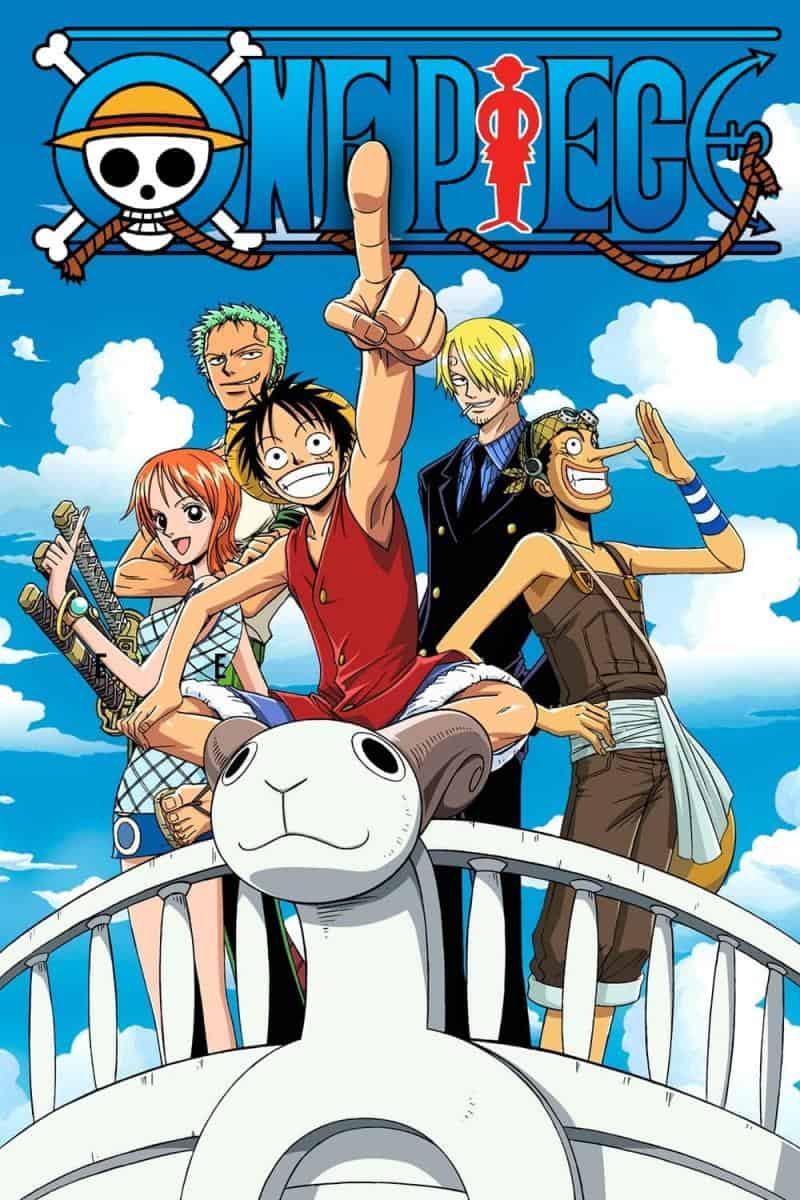
“One Piece” is a beloved Japanese manga and anime series that chronicles the adventures of Monkey D. Luffy and his pirate crew. Luffy, imbued with rubber powers from a mystical fruit Hito Hito no Mi, aspires to become the Pirate King. To achieve this, he seeks the ultimate treasure, the “One Piece,” hidden at the Grand Line’s end. Along the journey, Luffy gathers a diverse crew, confronts formidable foes, and uncovers world-altering secrets, all while promoting themes of friendship, freedom, and adventure.
Lists ranking anime often stir debate, but a recent release of the “Worst Anime Series of 2025 That Failed to Meet Expectations” caused more uproar than usual. The list quickly spread across social media, sparking arguments, memes, and heated defenses from fans.
What made it so controversial was not just the label of “worst,” but the fact that it included several well-loved or highly popular titles. For many fans, seeing their favorite anime criticized so harshly felt like a personal attack, leading to the online clash that followed.
The creators of the list explained that it was meant to highlight series that generated excitement but did not fully deliver on their promises. However, fans of these shows pushed back, saying that disappointment is subjective and that the label of “worst” was too harsh.
Some argued that anime should not be reduced to rankings at all, since the experience of watching depends on personal taste. Others took offense at the idea that beloved intellectual properties could be dismissed so easily.
Among the names mentioned on the list were sequels to famous franchises and adaptations of manga with large followings. For long-time fans, these shows represented years of anticipation, and to see them labeled as failures felt disrespectful.
The phrase “how dare you judge” became common in comment sections, showing how personally audiences took the criticism. On platforms like Reddit and X, debates ran long, with some agreeing that the list had a point while others felt it was simply designed to stir drama.

Dan Da Dan Franchise (Credits: Yukinobu Tatsu)
Fans Outraged as “Worst Anime of 2025” List Targets Beloved Titles
Part of the controversy also came from how expectations are set in the first place. A major anime backed by a well-known studio and promoted heavily will always carry pressure to succeed. If the animation quality dips, the pacing feels off, or the adaptation strays too far from the source material, disappointment often follows.
Critics of the list argued that these challenges are part of the production process and should not result in a harsh label. Supporters of the list countered that the point was not to insult, but to remind studios of the risks of overpromising and underdelivering.
Some fans also noted that popularity does not protect a series from criticism. A title can be well-loved but still flawed in areas such as writing, pacing, or animation. The debate highlighted the gap between fan loyalty and critical analysis.
To a devoted fan, flaws may feel minor compared to the joy of seeing favorite characters animated. To a critic, those same flaws may outweigh the good, especially if the series falls short of its potential.
This clash of perspectives is not new in anime culture, but the list of “worst series” reignited its power forcefully. Younger fans who discovered anime through streaming platforms tended to defend the series more passionately, while long-time viewers who had seen many titles over the years were more open to acknowledging weaknesses.
This generational divide added another layer to the conversation, showing how diverse the anime community has become.
Debate Erupts Over Fairness of Ranking Anime That Failed Expectations
Creators and industry figures did not stay silent either. Some voice actors and staff members indirectly responded, noting the effort it takes to produce an anime under tight schedules and budgets. They reminded fans that even when a project falls short, countless hours of hard work go into its creation.
These statements softened the tone of some debates, but they also underscored how personal and emotional anime discussions can be.
For many fans, the controversy was a reminder of how much anime means to them. When a show resonates deeply, it becomes more than entertainment, it becomes part of someone’s identity.

The Fragrant Flower Blooms with Dignity Franchise (Credits: Saka Mikami)
Criticism of that show can feel like criticism of the people who love it. This explains why a single ranking list, no matter how subjective, could set off such an emotional response.
In the end, the debate surrounding the “Worst Anime Series of 2025” shows how passionate the anime community continues to be. While opinions differ on whether the list was fair or not, one thing is certain: anime remains a medium that sparks strong feelings, for better or worse.
Whether a title is praised or criticized, fans will continue to defend what they love, proving that the connection between viewers and anime is as powerful as ever.

Momo and Okarun challenge each other’s supernatural beliefs, ghosts vs. aliens. Their arguments lead them into paranormal encounters where they discover both entities are real. Given power and thrown into bizarre, chaotic confrontations, they must navigate surreal threats while forming an uneasy partnership.
