One Piece fans recently found themselves in the middle of an intense online debate after a scene from the anime went viral on TikTok. The moment in question is Luffy’s Gear 5 “laugh scene,” a sequence that was meant to showcase his overwhelming power and determination. However, instead of being celebrated purely as a dramatic highlight, the clip quickly became meme fodder. TikTok users began editing, remixing, and exaggerating the scene for comedic effect, turning it into a flood of content that has divided the fanbase.
Gear 5 is one of the most anticipated transformations in One Piece, representing Luffy at his peak strength. When the anime revealed the scene, it was supposed to be a triumphant moment, emphasizing the stakes of the battle and Luffy’s unstoppable resolve.
The laughter itself was meant to capture the intensity and energy of his transformation, a signature expression of his fearless personality. Fans expected it to be a legendary, awe-inspiring moment. Instead, within days of the episode airing, the scene began appearing in thousands of short videos on TikTok, often accompanied by exaggerated music, sound effects, or humorous captions.
The reaction has been split. On one side, many fans argue that the meme trend is harmless fun. They say it highlights the creativity of the community and brings more attention to One Piece, especially for viewers who might not be following the anime regularly. These fans enjoy seeing how different creators interpret the scene, turning a dramatic moment into something funny without losing sight of its original context. In their view, the memes are a celebration of Luffy’s larger-than-life personality and the unique charm of Gear 5.

One Piece Franchise (Credits: Eichiro Oda)
One Piece Gear 5 “Laugh Scene” Sparks Fierce Debate Among Fans on TikTok
On the other side, a significant portion of the fanbase is outraged. These fans feel that the scene’s overexposure as a meme has cheapened an important moment in the story. They argue that the laughter, which was meant to convey triumph and power, now comes across as goofy or even cringeworthy due to the exaggerated meme edits.
For them, the TikTok trend undermines the emotional impact of the episode and diminishes the significance of Luffy’s transformation. Some have taken to social media to express frustration, calling the meme culture around the scene “disrespectful” or accusing younger fans of not understanding the story’s weight.
The debate also touches on the broader issue of how anime moments are consumed in the social media era. In the past, fans would watch an episode and discuss it in forums, fan sites, or with friends. Now, platforms like TikTok allow clips to be shared rapidly, often stripped from their narrative context.
A scene meant to inspire awe can quickly become a punchline, and the speed at which content spreads makes it nearly impossible for creators to control how their work is perceived. The Gear 5 laughter meme is a prime example of this phenomenon, showing both the benefits and drawbacks of modern fandom culture.
Some argue that the meme’s popularity could even benefit One Piece in the long run. Viral clips bring attention to the anime and attract new viewers who may start watching to understand the joke or the full scene.
It also highlights the global reach of the series, as TikTok users from different countries remix and reinterpret the content in their own ways. This kind of visibility can help maintain the show’s relevance, especially as it enters later arcs with complex storytelling that might intimidate new audiences.
Fans Clash Over Gear 5 Meme: Iconic Luffy Moment Viewed as Genius or Cringe
Yet, the tension between meme culture and story integrity is clear. Longtime fans often have a deep emotional connection to Luffy and the Straw Hat crew, and they feel protective over how iconic moments are presented.
Seeing a scene like Gear 5 reduced to a viral joke can feel like a loss of respect for the story they have followed for years. Meanwhile, younger or newer fans may see nothing wrong with laughing at the scene and simply enjoy the humor and creativity of the edits.

One Piece Franchise (Credits: Eichiro Oda)
Ultimately, the Gear 5 laughter debate illustrates the clash between traditional fan expectations and the modern social media landscape. One Piece has always inspired passion, but the way that passion manifests is changing. Whether fans see the memes as “goofy genius” or “cringe,” it is clear that the series continues to engage audiences on multiple levels, sparking discussions that go far beyond the anime itself.
The conversation around this scene is unlikely to end soon. As long as One Piece continues to release new episodes and exciting moments, fans will find ways to remix, reinterpret, and react to the story. The Gear 5 laugh has become more than a scene, it is now a symbol of how fandom culture evolves, showing both the joy and controversy that come with being part of a global phenomenon. Regardless of opinion, it is a testament to the lasting impact of One Piece and the emotional connection fans feel to Luffy and his journey.
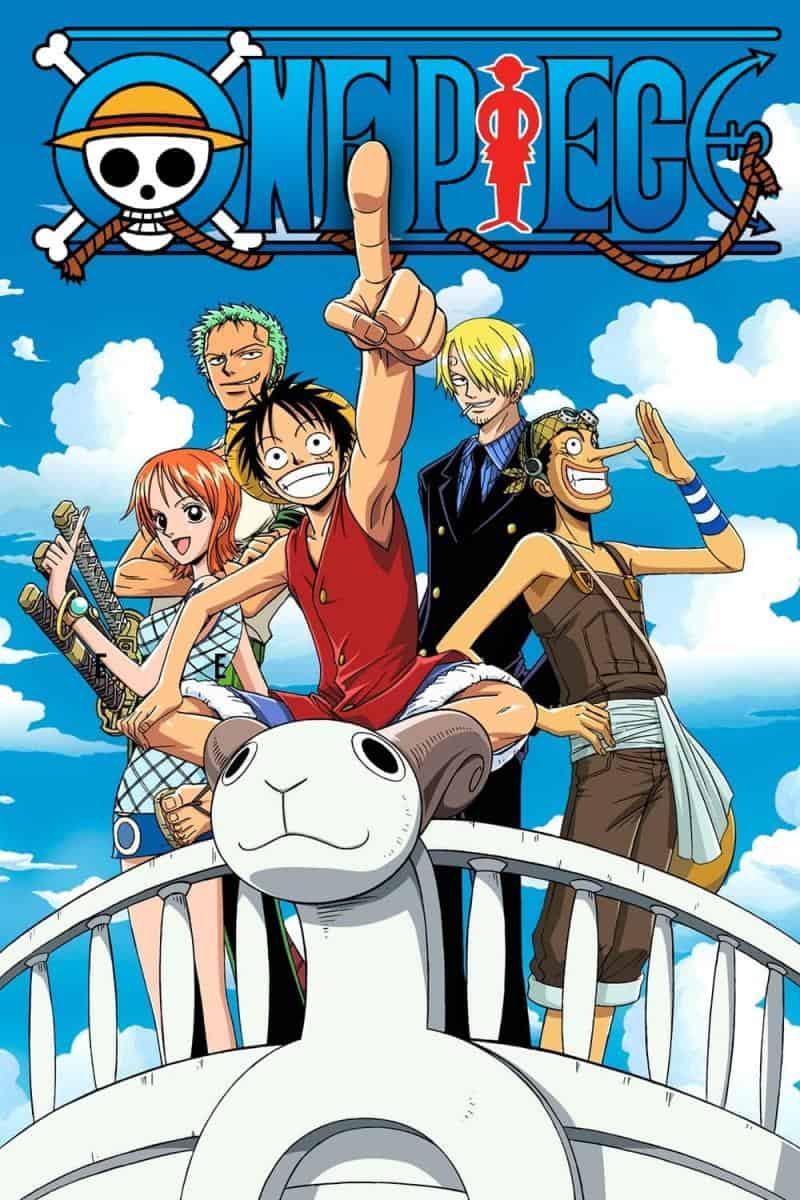
“One Piece” is a beloved Japanese manga and anime series that chronicles the adventures of Monkey D. Luffy and his pirate crew. Luffy, imbued with rubber powers from a mystical fruit Hito Hito no Mi, aspires to become the Pirate King. To achieve this, he seeks the ultimate treasure, the “One Piece,” hidden at the Grand Line’s end. Along the journey, Luffy gathers a diverse crew, confronts formidable foes, and uncovers world-altering secrets, all while promoting themes of friendship, freedom, and adventure.
The ending of Oshi no Ko, a popular anime series that has drawn praise for its story about the dark side of the entertainment industry, has sparked intense debate online. Fans and critics alike are divided, with some praising the finale for its bold storytelling, while others accuse it of being a thinly veiled display of misogyny.
The series, which follows the life of Ai Hoshino, an idol whose life is marked by fame, exploitation, and tragedy, has always explored dark and complex themes. However, its final episode has drawn particular criticism for what some perceive as “misogynistic fan service masquerading as trauma.”
Oshi no Ko has been recognized for shining a light on the pressures of the entertainment industry, including the way young female performers are often sexualized, overworked, and manipulated. The anime’s story examines fame not as a glamorous dream but as a complicated world where personal desires clash with public expectations.
Throughout the series, the narrative focuses on the consequences of ambition, secrecy, and the idol system’s relentless demands. This deeper exploration of character and industry ethics is what originally drew viewers in and gave the show a reputation for being more than just entertainment.
The controversy began with the depiction of the show’s female characters in the final episode. Critics argue that certain scenes exploit the suffering of these characters, using sexualized imagery and provocative situations under the guise of showing emotional trauma.

Oshi no Ko Ending Franchise (Credits: Aka Akasaka and Mengo Yokoyari)
Oshi no KoFinale Sparks Backlash Over Alleged Misogynistic Fan Service
Rather than presenting a thoughtful critique of the hardships faced by women in the idol industry, these moments were interpreted by some as catering to the male gaze.
Social media erupted with debates about whether the finale was intentionally provocative to generate attention or whether it was an unfortunate misstep in storytelling. Many critics labeled it “fan service disguised as drama,” suggesting that the series crossed a line between meaningful commentary and exploitative content.
Fans have also pointed out how the handling of fame and trauma felt uneven in the finale. While the series attempted to explore the psychological and emotional toll on its characters, some viewers felt that female characters were disproportionately subjected to sexualized situations, while male characters’ struggles were portrayed with more narrative depth and empathy.
This imbalance sparked discussions about gender representation in anime, with commentators arguing that even well-intentioned stories can perpetuate harmful stereotypes if the depiction of women is overly sexualized or objectified.
On the other hand, some supporters of the show defended the creative choices, saying that the series’s depiction of sexualized trauma reflects the real-life pressures faced by young idols. They argued that the dark tone and uncomfortable moments were meant to critique, not celebrate, the exploitation present in the entertainment industry.
In this view, the finale forces viewers to confront the realities of fame and how women are often treated within it. For these fans, the discussion around fan service and trauma is part of a larger conversation about how media represents gendered power dynamics.
Fans Debate Gender Representation asOshi no KoEnding Divides Audiences
The debate over the ending has also reignited conversations about the responsibility of anime creators when portraying sensitive subjects. Critics emphasize that while anime can explore mature themes, the line between commentary and objectification is thin.
If the audience perceives content as exploiting trauma for attention, it undermines the show’s credibility and can alienate viewers. Supporters argue that art is meant to provoke and challenge audiences, but the discussion highlights the importance of context, framing, and intent in storytelling.
Online communities have become hotbeds for these discussions, with some fans defending the series’ narrative complexity while others criticize it as harmful. The controversy over Oshi no Ko also reflects broader trends in the anime industry, where popular shows often spark gendered debates.

Oshi no Ko Ending Franchise (Credits: Aka Akasaka and Mengo Yokoyari)
Discussions about representation, consent, and the depiction of female characters have become increasingly prominent, showing that audiences are more attuned to these issues than ever before.
Ultimately, the ending of Oshi no Ko has proven to be polarizing, forcing fans and critics to consider how anime treats women, trauma, and fame. The debate shows that even as anime continues to tackle complex social issues, creators must navigate carefully to avoid sending unintended messages.
Whether the finale is seen as a bold critique of the entertainment industry or as exploitative fan service depends largely on perspective, but it has undeniably sparked a significant conversation about gender, ethics, and storytelling in modern anime.

A rural OB‑GYN, Gorou Amamiya, is mysteriously reborn as Aqua, one of the twin children of Ai Hoshino, a top teen idol he once cared for. Alongside his twin sister Ruby, Aqua discovers the dark, cutthroat side of the entertainment industry as he seeks to find his mother’s killer and uncover the truth behind her death. Themes include fame, identity, loyalty, revenge, and the corrosive nature of celebrity culture.
