Netflix’s live-action One Piece has quickly become one of the most talked-about adaptations in recent memory, and with its success, the question of how long the series can run is already being raised. In an interview, producers Marty Adelstein and Becky Clements shared their thoughts on the future of the show and how much material there is to cover from the original manga. Their responses gave fans a glimpse of just how ambitious the plans for the series might be.
When asked about the possibility of more seasons, Adelstein did not hesitate to reveal the scale of their hopes. He stated that the team envisions as many as twelve seasons for the live-action adaptation.
According to him, there is simply too much material from the manga to cover in a short run. This bold statement has created a lot of excitement among fans who know just how massive the One Piece story truly is.
Clements also explained further, pointing out the sheer size of the source material. She noted that the One Piece manga has already passed 1,080 chapters, and with that much content, the team has to carefully plan how to divide the story into multiple seasons.
She mentioned that they have been working with writer Matt Owens to figure out how to structure the adaptation so that it captures the essence of the manga while staying manageable as a live-action series. Even if the show ran for six seasons, Clements believes they would probably only cover about half of the manga’s chapters. This shows just how extensive the journey of One Piece really is.

One Piece Franchise (Credits: Eichiro Oda)
One Piece Live-Action Producers Aim for 12 Seasons to Cover Manga’s Epic Story
The producers also made it clear that they see the show having a long future. Clements expressed confidence that reaching at least six seasons would not be difficult, even joking that it would be easy. Her comment highlighted the amount of story still left to explore and the excitement the creative team has for continuing to bring the Straw Hat Pirates’ adventure to life.
What makes this conversation so interesting is the balance between ambition and practicality. While aiming for twelve seasons sounds like a massive goal, the manga’s size makes it seem possible. At the same time, adapting such a long-running and beloved story into live-action is a challenge that requires careful pacing and planning.
The team behind the series seems fully aware of this and is working on strategies to ensure the adaptation remains faithful without rushing through or dragging out the narrative.
Fans of One Piece also understand the scale of the story. Eiichiro Oda’s manga has been running for decades and has built a reputation as one of the most expansive and detailed worlds in manga and anime history.
From the adventures across the seas to the countless islands and characters, the story has no shortage of material. For a live-action adaptation, this provides endless opportunities, but it also demands a steady hand to keep the story engaging while respecting the original.
Netflix’s One Piece Could Run Beyond Six Seasons, Say Showrunners
The fact that Adelstein and Clements are openly discussing the possibility of more than a handful of seasons shows how confident they are in the show’s potential. Netflix is known for being cautious with renewals, often analyzing data closely before committing to long-term plans. For the producers to voice such ambitious hopes means they believe the audience response and the strength of the story are enough to sustain a multi-season journey.
Ultimately, this discussion reflects the enormous task of adapting One Piece. It is not just another series, but a cultural phenomenon with millions of fans worldwide. The idea of twelve seasons might sound overwhelming at first, but when broken down by the number of manga chapters and story arcs, it starts to feel realistic. For fans, it offers hope that the live-action version could eventually cover much of the beloved saga.
Eiichiro Oda has already confirmed he’s deeply involved with Netflix’s One Piece live-action adaptation, and if that series keeps pulling in big numbers, there’s definitely incentive to pace the manga’s conclusion more carefully. Right now, Oda has been hinting at being in the “final saga,” but “final saga” in One Piece terms could easily stretch for years, especially if breaks keep happening due to his health or production demands.
If the live-action continues expanding the fanbase, Oda and Shueisha might strategically slow-roll the ending to maximize impact, keep hype alive, and align with Netflix’s future seasons.

One Piece Franchise (Credits: Eichiro Oda)
In the end, Adelstein and Clements left fans with optimism. Whether the series runs for six seasons, twelve, or somewhere in between, the important thing is that the creators are dedicated to doing justice to the story.
Their excitement about the future mirrors the passion of the fanbase, making it clear that One Piece ’s live-action journey has only just begun. As long as the viewers stay invested and Netflix continues to support the project, the seas ahead for the Straw Hats look full of possibilities.
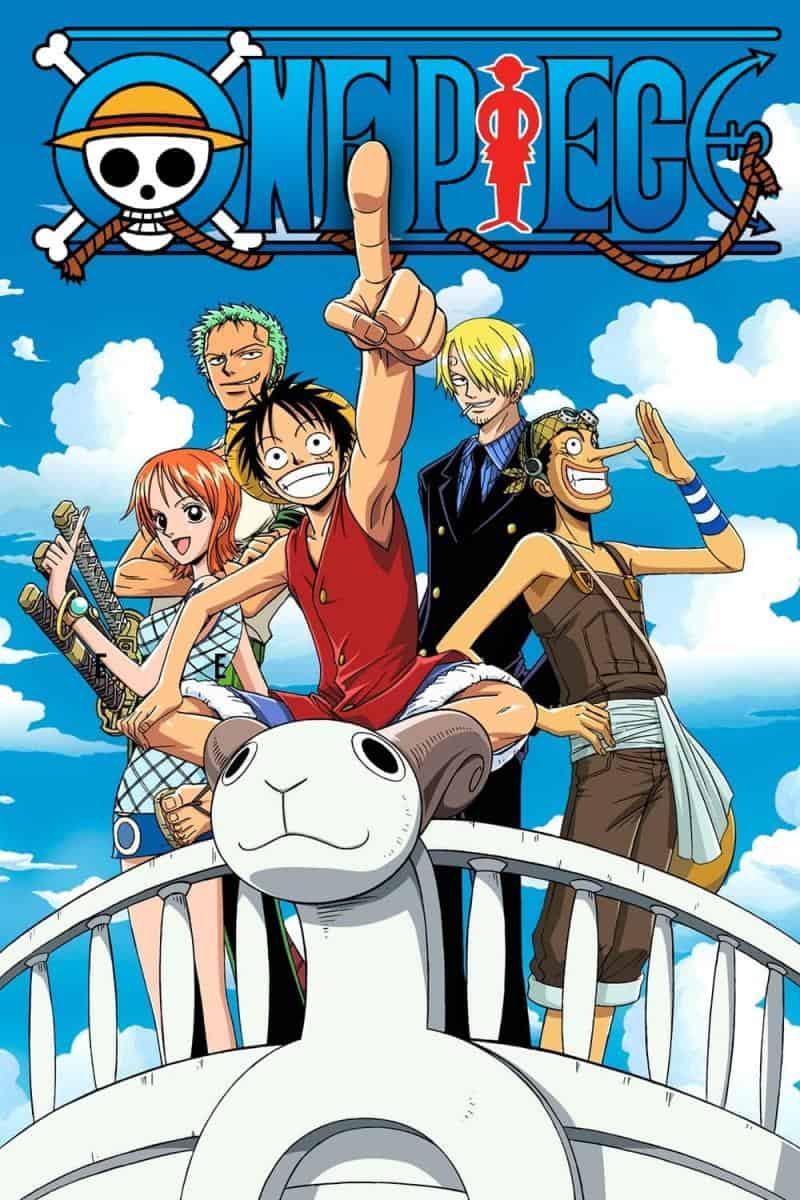
“One Piece” is a beloved Japanese manga and anime series that chronicles the adventures of Monkey D. Luffy and his pirate crew. Luffy, imbued with rubber powers from a mystical fruit Hito Hito no Mi, aspires to become the Pirate King. To achieve this, he seeks the ultimate treasure, the “One Piece,” hidden at the Grand Line’s end. Along the journey, Luffy gathers a diverse crew, confronts formidable foes, and uncovers world-altering secrets, all while promoting themes of friendship, freedom, and adventure.
One Piece, the legendary manga created by Eiichiro Oda, has been running for more than two decades and is now moving closer to its final arc. However, in recent years, fans have noticed that the series has been taking more breaks than ever before.
These breaks, while necessary for the health and well-being of the author, have also had a noticeable effect on the pacing and anticipation of the story’s ending. For many readers, this has become a topic of discussion, as they balance their excitement for the conclusion with patience for the pauses along the way.
Oda has always been known for his tireless work ethic and dedication to his craft. Since One Piece began in 1997, he has rarely missed deadlines, pushing himself to deliver new chapters week after week. Over time, however, the intense schedule of producing a weekly manga has taken a toll on his health.
In recent years, Oda has been taking more scheduled breaks, with One Piece chapters often being released three weeks on and then one week off. There have also been longer pauses, sometimes stretching over multiple weeks, whenever Oda needs time to rest or recover.
These breaks are understandable, especially when considering the sheer scale of One Piece. The story is one of the longest-running narratives in manga history, with over 1,100 chapters and countless characters, islands, and storylines to keep track of.
The amount of planning, drawing, and storytelling that goes into each chapter is enormous. Even with assistants and support staff, Oda shoulders much of the creative burden himself. For fans, these breaks serve as a reminder of how demanding the manga industry can be on its creators.

One Piece Franchise (Credits: Eichiro Oda)
One Piece Breaks Slow Momentum but Protects Oda’s Health and Story’s Quality
At the same time, the breaks have changed the way fans experience the series. One Piece is in its final saga, and anticipation for the conclusion has never been higher. Every chapter brings the story closer to the final confrontation with Imu, the World Government, and the mystery of the One Piece treasure itself.
Yet, when the story pauses for weeks at a time, the momentum can feel disrupted. Readers are left waiting longer for answers, which can sometimes lead to frustration. Still, most fans express understanding and support for Oda, knowing that his health must come first.
Interestingly, the breaks have also created a unique rhythm for how the community engages with the series. When a chapter is released, it quickly becomes the center of discussion online, with fans analyzing every panel and debating theories.
During the breaks, these discussions often deepen, as readers spend more time revisiting old arcs, piecing together mysteries, and speculating on what comes next. In a way, the breaks extend the lifespan of each chapter, allowing fans to savor the details and predictions more than they might if the manga came out every single week without pause.
For the ending of the series, the breaks present both challenges and opportunities. On one hand, they slow down the pace at which the story is told, which can make the wait for the conclusion feel longer than expected. Some fans worry that at the current pace, it may take several more years to fully wrap up the narrative.
On the other hand, the breaks give Oda the time he needs to carefully plan the final chapters, ensuring that the story ends in a satisfying way. One Piece has built up so many mysteries over the years, the Void Century, Joy Boy, Laugh Tale, and the Will of D, that rushing through them would risk disappointing readers. Taking extra time allows Oda to give each revelation the weight it deserves.
Frequent Pauses Shape How Fans Experience the Final Saga of One Piece
The balance between breaks and storytelling is delicate, but many agree it is better for Oda to take his time rather than push himself too hard. Fans have often reminded one another that the creator’s health is more important than speed, and that the ending will be worth the wait. After all, One Piece has always been about the journey as much as the destination.
As the series approaches its conclusion, the breaks may continue, but they are now an accepted part of the process. They highlight the human side of manga creation, reminding readers that behind the epic battles and intricate world-building is a single artist working tirelessly to bring his vision to life.

One Piece Franchise (Credits: Eichiro Oda)
While the pauses may test the patience of fans eager for the finale, they also ensure that Oda can end the series on his own terms, with the care and detail that have made One Piece a global phenomenon.
In the end, the effect of the breaks on One Piece’s ending is less about delay and more about preservation. By pacing himself, Oda is protecting his health and making sure that the final chapters are crafted with the attention they deserve. For fans who have been sailing with Luffy and the Straw Hat crew for over twenty years, a little more waiting is a small price to pay for the epic conclusion that lies ahead.
“One Piece” is a beloved Japanese manga and anime series that chronicles the adventures of Monkey D. Luffy and his pirate crew. Luffy, imbued with rubber powers from a mystical fruit Hito Hito no Mi, aspires to become the Pirate King. To achieve this, he seeks the ultimate treasure, the “One Piece,” hidden at the Grand Line’s end. Along the journey, Luffy gathers a diverse crew, confronts formidable foes, and uncovers world-altering secrets, all while promoting themes of friendship, freedom, and adventure.
