Eiichiro Oda’s One Piece has long been celebrated as one of the most immersive and intricately built fictional worlds in anime and manga.
A significant factor in its attracting the allure lies in its masterful worldbuilding. Oda has created a universe so expansive and layered that every island, sea, and character feels alive, distinct, and interwoven with the overarching narrative.
Central to this immersive worldbuilding is the clever use of rumors and hearsay. These tools are more than just narrative devices; they form the backbone of storytelling in One Piece.
In a vast world where characters are often separated by great distances and rarely meet face-to-face, information travels through fragmented accounts.
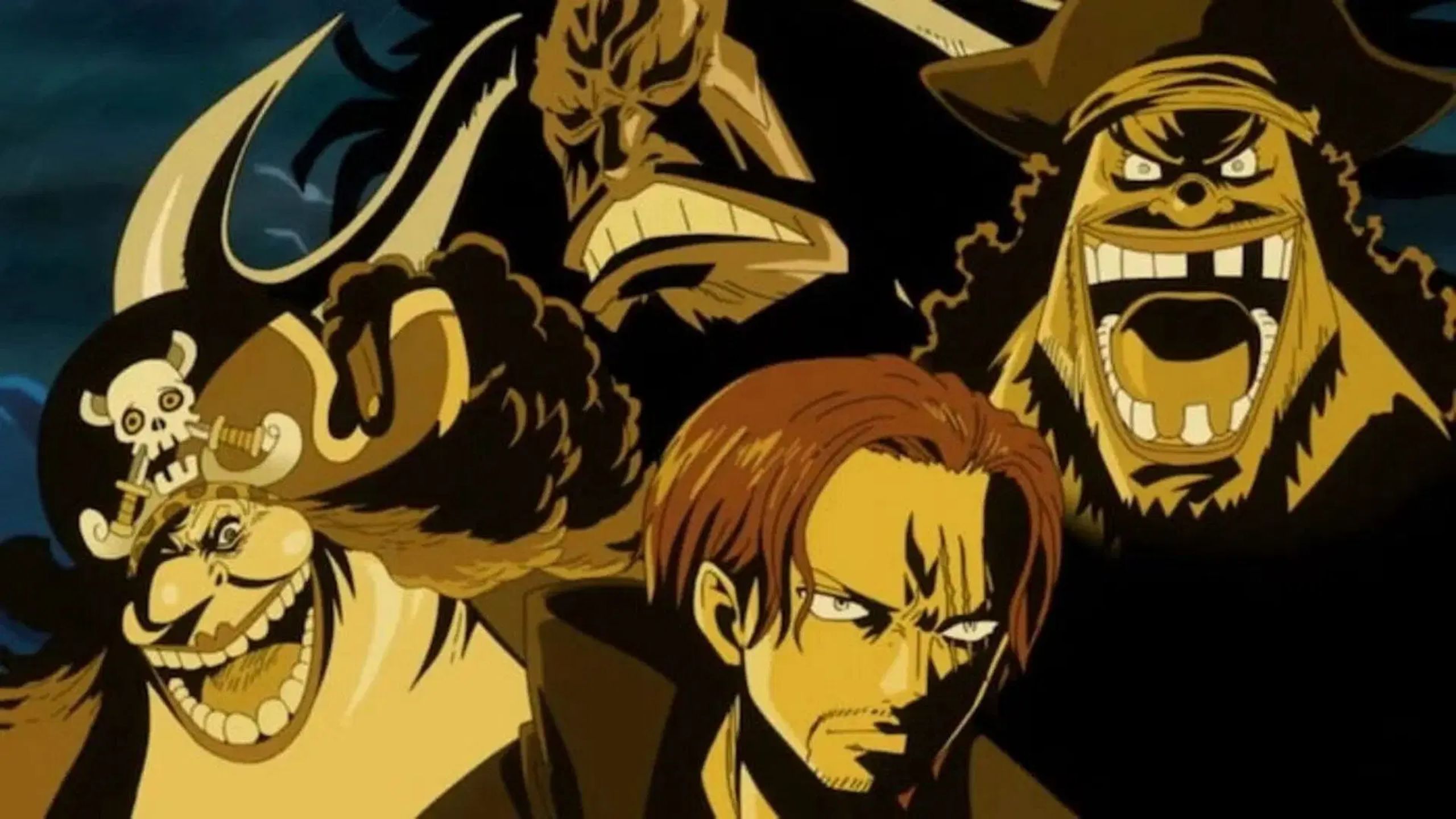
The Yonkos (Toei Animations)
This reliance on incomplete or unreliable information shapes the perceptions of both characters and fans, influencing how events unfold and how the world is understood.
Oda’s reliance on this narrative device not only drives the intrigue of the series but also makes it a study in the power of perception versus reality.
The role of rumors extends beyond the main series and is further explored in its spinoffs, such as the Ace novels and One Piece: Fan Letter .
These works jump deeper into how hearsay shapes character dynamics and world events, showcasing how perception often overrides objective truth in Oda’s fictional universe.
The Role of Rumors in One Piece’s Worldbuilding
One of the hallmarks of Eiichiro Oda’s storytelling is his frequent use of phrases such as “he said,” “she said,” “they say,” and “I heard.”
These phrases reflect the fundamental structure of the One Piece world, where information often spreads second-hand or even third-hand, creating an atmosphere of mystery and uncertainty.
In a universe as vast as One Piece, where the seas are seemingly endless and characters are scattered across islands separated by treacherous waters, direct communication is rare.
As a result, rumors, stories, and legends play a pivotal role in shaping the perception of events, individuals, and groups.
This approach is more than a clever narrative technique; it is a reflection of the world Oda has built. In this expansive universe, no single person or entity has a complete grasp of the truth.

One Piece Fan Letter Conon (Toei Animations)
Even powerful organizations like the World Government or the Marines operate based on partial or biased information.
This dynamic creates an environment where rumors and hearsay thrive, shaping the actions and decisions of both major and minor players in the story.
The spreading of rumors also serves to enrich the world’s lore. Characters are not just defined by their actions but by how those actions are perceived and retold by others.
For instance, Monkey D. Luffy’s reputation as an unpredictable and formidable pirate grows as much from his direct exploits as from the exaggerated or embellished tales that follow in his wake.
These narratives, often colored by the perspectives of those who share them, add depth to the storytelling and make the world feel more alive and interconnected.
Exploring Rumors Through the Ace Novels
The Ace novels, which provide a deeper look into the life and adventures of Portgas D. Ace, offer a prime example of how rumors influence the world of One Piece.
As Ace sails the Grand Line in pursuit of his dreams and builds his reputation as a pirate, the stories that circulate about him often shape how he is perceived by others.
These stories, which are frequently based on hearsay rather than direct observation, highlight the role of rumors in shaping both individual identities and broader world events.
In these novels, Ace encounters a wide variety of individuals, each with their own perspectives and interpretations of the world around them.
These characters often share their own versions of events, blending fact with fiction and creating a drapes of interconnected narratives.
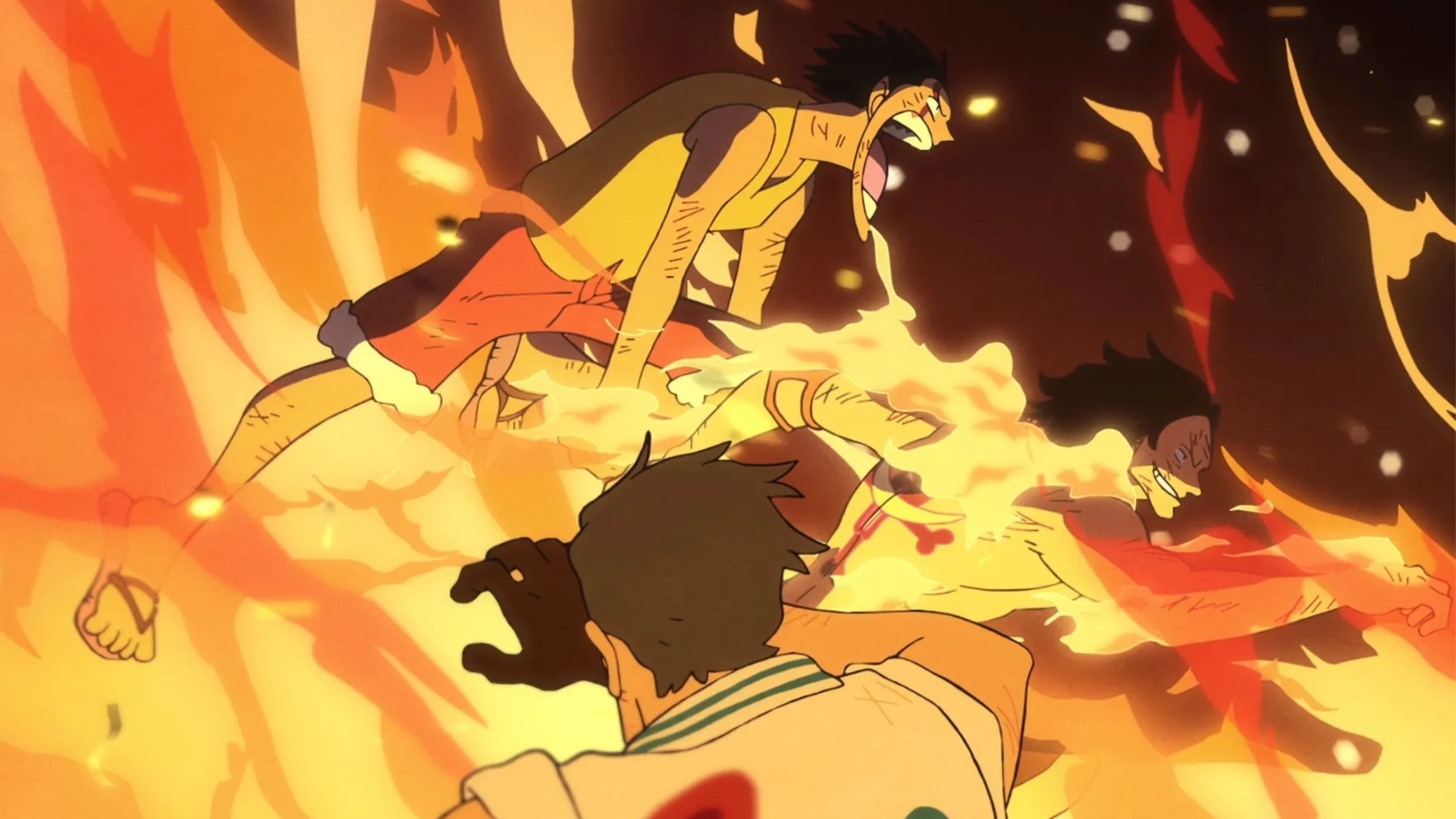
Luffy Saving Ace In Marine One Piece Fan Letter (Toei Animations)
Through these interactions, readers gain insight into how the spread of information or misinformation affects the actions and decisions of characters in the One Piece world.
For example, Ace’s growing infamy as a pirate is fueled not only by his actual deeds but also by the tales that spread in his wake.
These tales, often exaggerated or distorted, contribute to his reputation as a formidable and unpredictable figure.
This phenomenon underscores a central theme of One Piece: that perception is as powerful as reality, and in some cases, even more so.
The Ace novels also explore how rumors can influence the decisions of both allies and adversaries.
Pirates, marines, and civilians alike must steer across a world where the truth is often obscured by layers of speculation and falsehoods.
This dynamic creates a rich and unpredictable narrative world, where characters must rely on their instincts and judgment to separate fact from fiction.
The Influence of Rumors in One Piece Fan Letter
Another spinoff that jumps into the power of rumors is One Piece: Fan Letter. This story centers on a young girl who admires Nami, the skilled navigator of the Straw Hat Pirates.
Through her perspective, readers gain a deeper understanding of how rumors and hearsay shape the way people perceive the Straw Hats and their adventures.
The girl’s admiration for Nami is based entirely on second-hand accounts, emphasizing how characters in the One Piece universe are often defined by the stories told about them rather than by direct interactions.
In Fan Letter, the spread of information is depicted as both a unifying and divisive force. On one hand, it allows people from distant corners of the world to feel connected to the Straw Hats and their exploits.
On the other hand, it creates misunderstandings and misconceptions that can lead to conflict or confusion.

One Piece Fan Letter (Toei Animations)
The story highlights the dual nature of rumors: they can inspire admiration and loyalty, but they can also sow discord and mistrust.
The spinoff also emphasizes the uncertainty that often accompanies the spread of rumors.
Characters frequently question the accuracy of the information they receive, reflecting the broader theme of how truth is often elusive in the One Piece world.
This uncertainty adds a layer of complexity to the storytelling, encouraging readers to think critically about the nature of information and its role in shaping perceptions.
Beast Pirates and the Power of Speculation
One of the most striking examples of Oda’s use of rumors in the main series is the depiction of the Beast Pirates, the fearsome crew led by Kaido.
When the silhouettes of the Beast Pirates were first introduced, they sparked widespread speculation among fans and characters alike.
Many assumed that the crew consisted entirely of Zoan Devil Fruit users, given their imposing and animalistic appearances.
This assumption, fueled by incomplete information, quickly spread and became a widely accepted belief.
As the story progressed, however, it became clear that this assumption was only partially true.
While the Beast Pirates did include some Zoan users, the majority of the crew was composed of failed SMILE fruit users or individuals awaiting the chance to acquire a Devil Fruit.
This revelation highlighted how rumors and speculation can lead to distorted perceptions, both within the One Piece universe and among its audience.
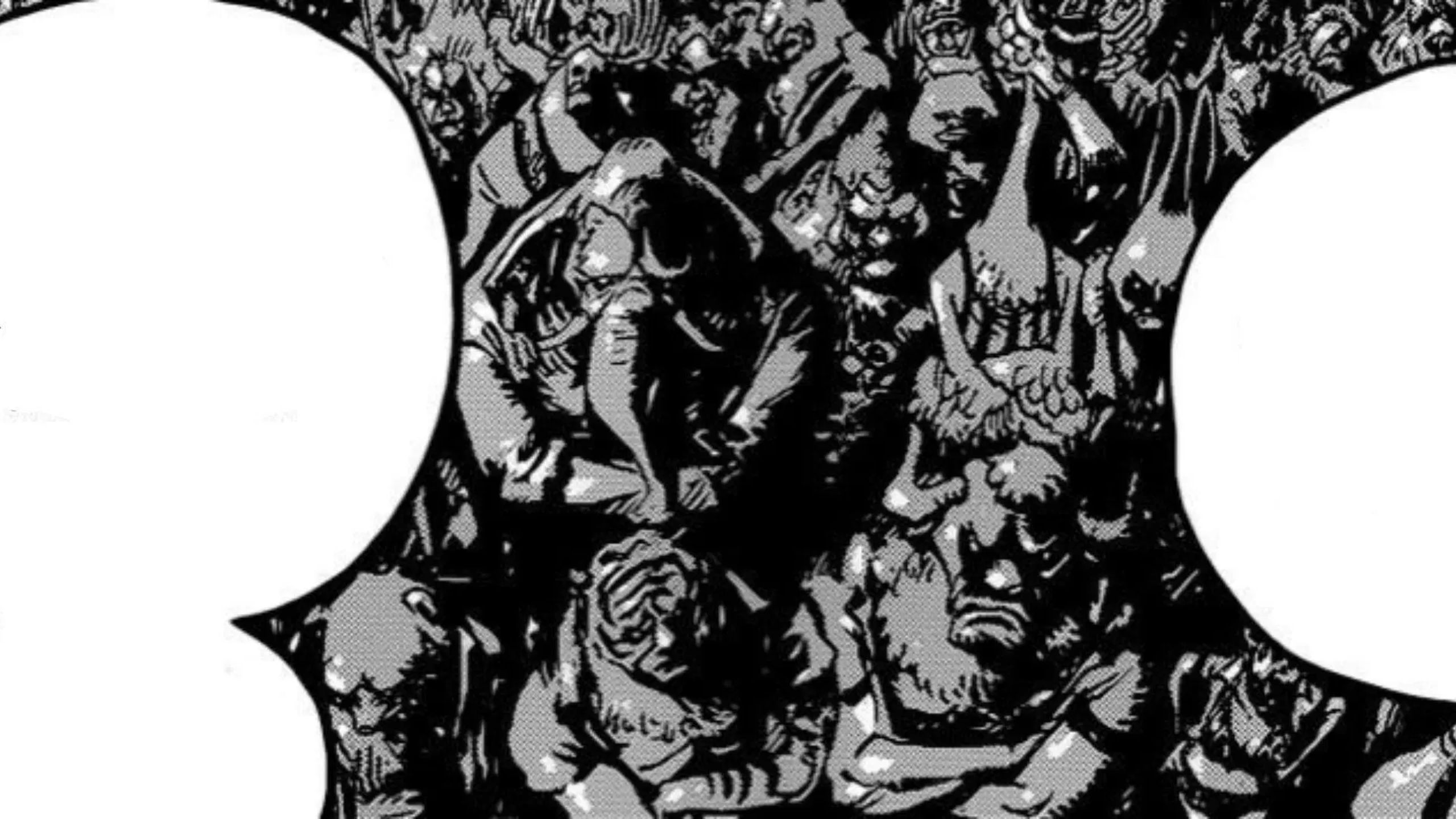
Silhouette of the Beast Pirates (Shueisha)
Oda’s handling of the Beast Pirates exemplifies his ability to use rumors and hearsay to create intrigue and subvert expectations.
By presenting information through the lens of speculation and incomplete knowledge, he keeps readers engaged and encourages them to question their assumptions.
This narrative strategy also reinforces the idea that in a world as vast and complex as One Piece, truth is often obscured by the fog of rumor and perception.
Thematic Significance of Rumors in One Piece
The use of rumors in One Piece is not merely a narrative device; it is a reflection of the series’ broader themes. At its core, One Piece is a story about freedom, individuality, and the pursuit of dreams.
The spread of rumors and hearsay mirrors the unpredictable and ever-changing nature of the world Oda has created.
Just as characters must steer across the physical challenges of the Grand Line, they must also contend with the complexities of a world where truth and fiction are often indistinguishable.
This theme is particularly relevant to the series’ exploration of identity and legacy. Characters in One Piece are frequently defined by the stories told about them, whether they are accurate or not.
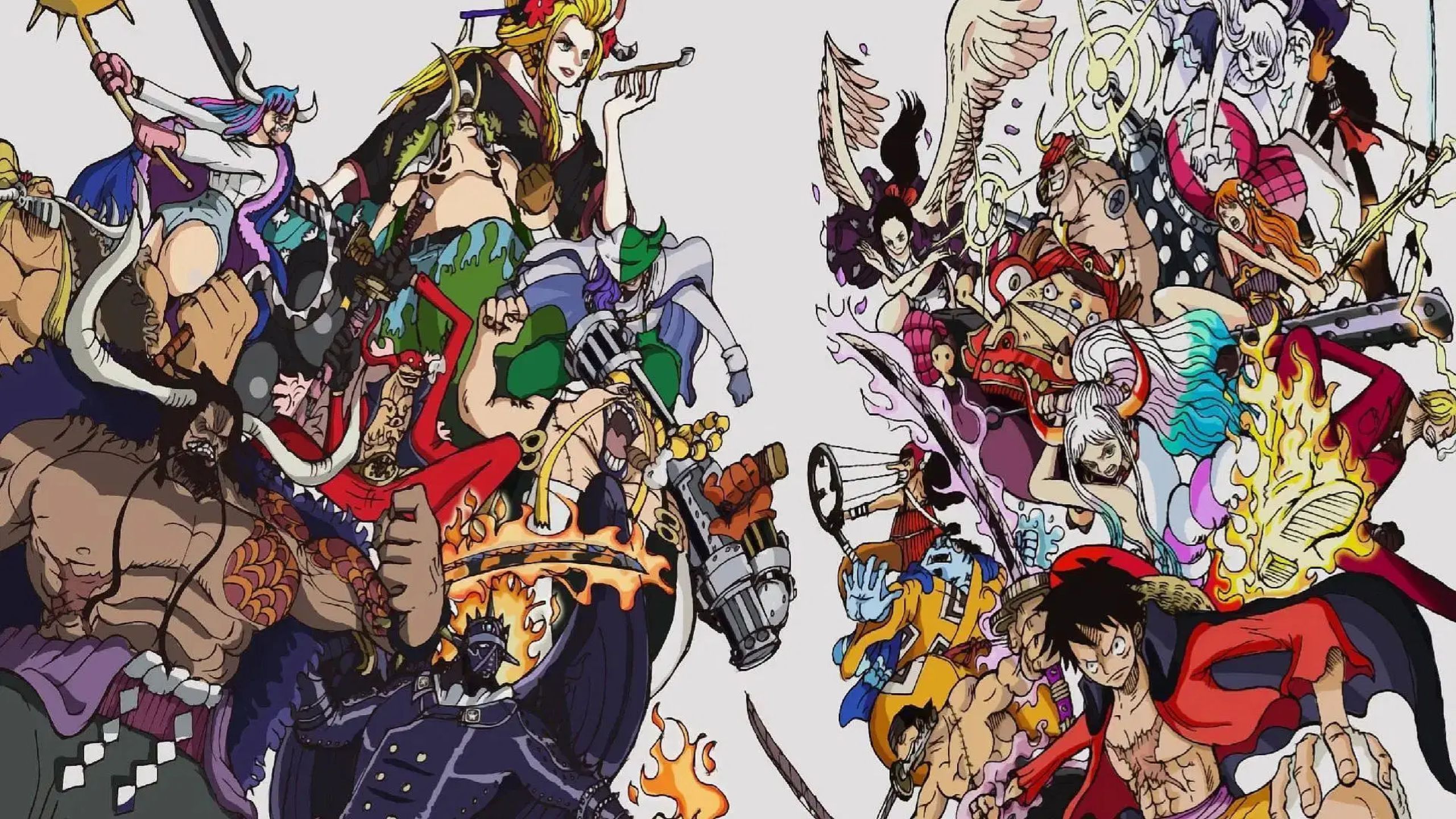
Kaido and the All Stars (Shueisha)
For example, Monkey D. Luffy’s reputation as a fearless and formidable pirate is shaped as much by the rumors surrounding him as by his actual actions.
These narratives, which often take on a life of their own, contribute to the Melting pot of the One Piece world and add depth to its characters.
How Rumors Enhance Storytelling in One Piece
By emphasizing the role of rumors and hearsay, Oda creates a narrative world that is both dynamic and immersive.
The spread of information or misinformation adds layers of complexity to the storytelling, creating a world that feels alive and constantly in motion.
This approach also mirrors real-world dynamics, where information is rarely complete or entirely reliable, and people must make decisions based on incomplete or conflicting accounts.
The emphasis on rumors also serves to heighten the sense of mystery and intrigue that defines One Piece.
By presenting information through the lens of hearsay and speculation, Oda keeps readers on their toes and encourages them to question their assumptions.
This narrative strategy not only adds depth to the storytelling but also fosters a sense of engagement and curiosity among fans.
The role of rumors and hearsay in One Piece is a testament to Eiichiro Oda’s unparalleled skill as a storyteller.
From the main series to its spinoffs like the Ace novels and One Piece: Fan Letter, this narrative element is integral to the world Oda has built.
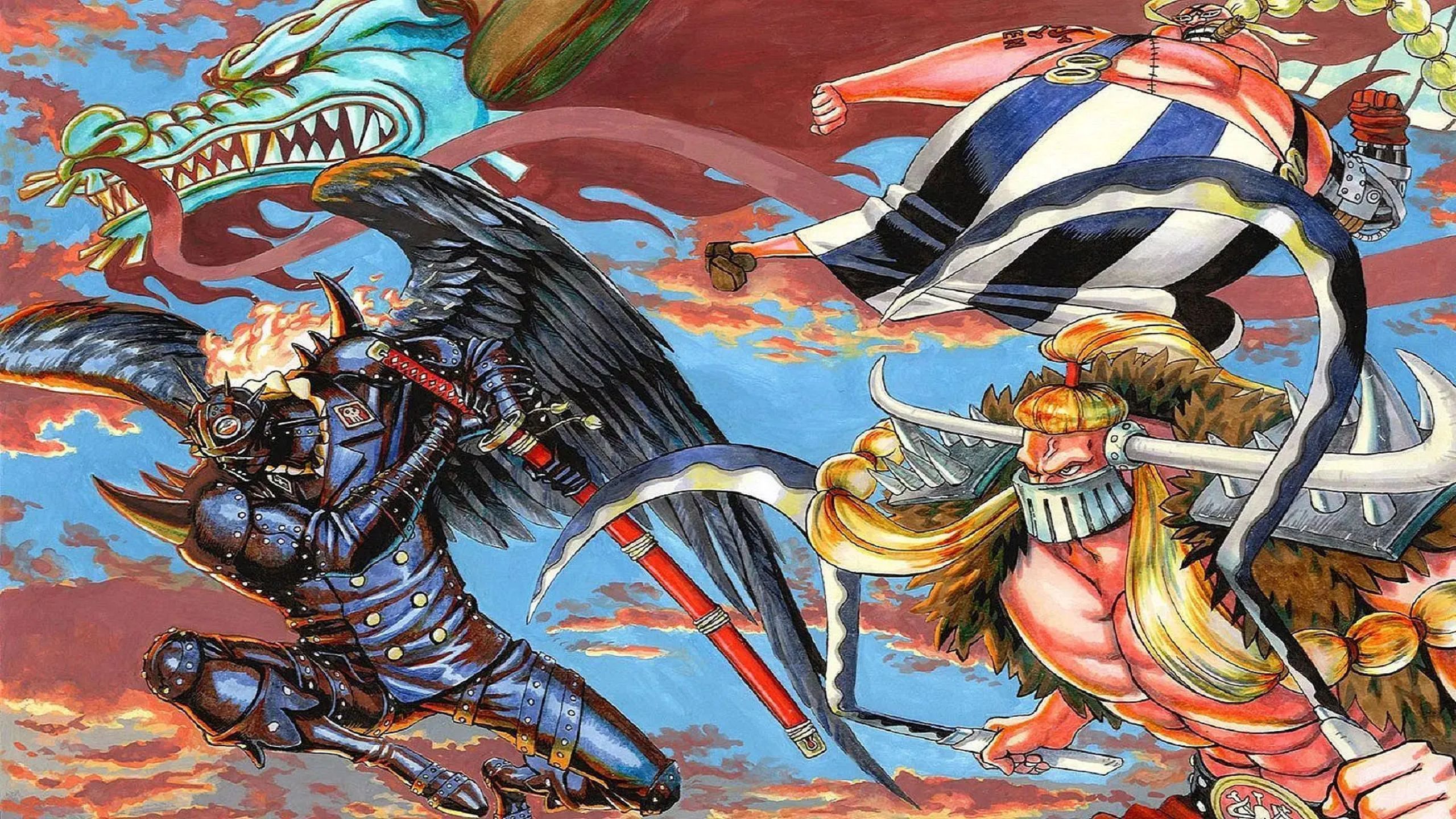
Kaido and the All Stars (Shueisha)
By embracing the uncertainty and complexity of information, he creates a universe that feels vast, interconnected, and alive.
Through his use of rumors, Oda not only adds depth to his storytelling but also challenges readers to engage with the narrative on a deeper level.
He invites us to consider the power of perception, the nature of truth, and the ways in which information shapes our understanding of the world.
As fans continue to explore the boundless seas of One Piece, the role of rumors will remain a central and compelling aspect of this legendary series.
The Jujutsu Kaisen series is a masterclass in delivering complex, layered storytelling with intense emotional and physical stakes for its characters.
Among the many gripping arcs and profound character developments, the twin sisters Maki and Mai Zen’in stand out as pivotal figures in shaping the narrative.
While Mai’s role may initially seem minor, her death during the Culling Games arc is a transformative event that dramatically shifts the story’s course.
This moment not only changes Maki’s trajectory as a Jujutsu sorcerer but also raises an important question: what if Mai Zen’in had never existed in the first place?
Such a thought experiment unlocks countless possibilities and raises compelling implications about how Jujutsu Kaisen would have unfolded.
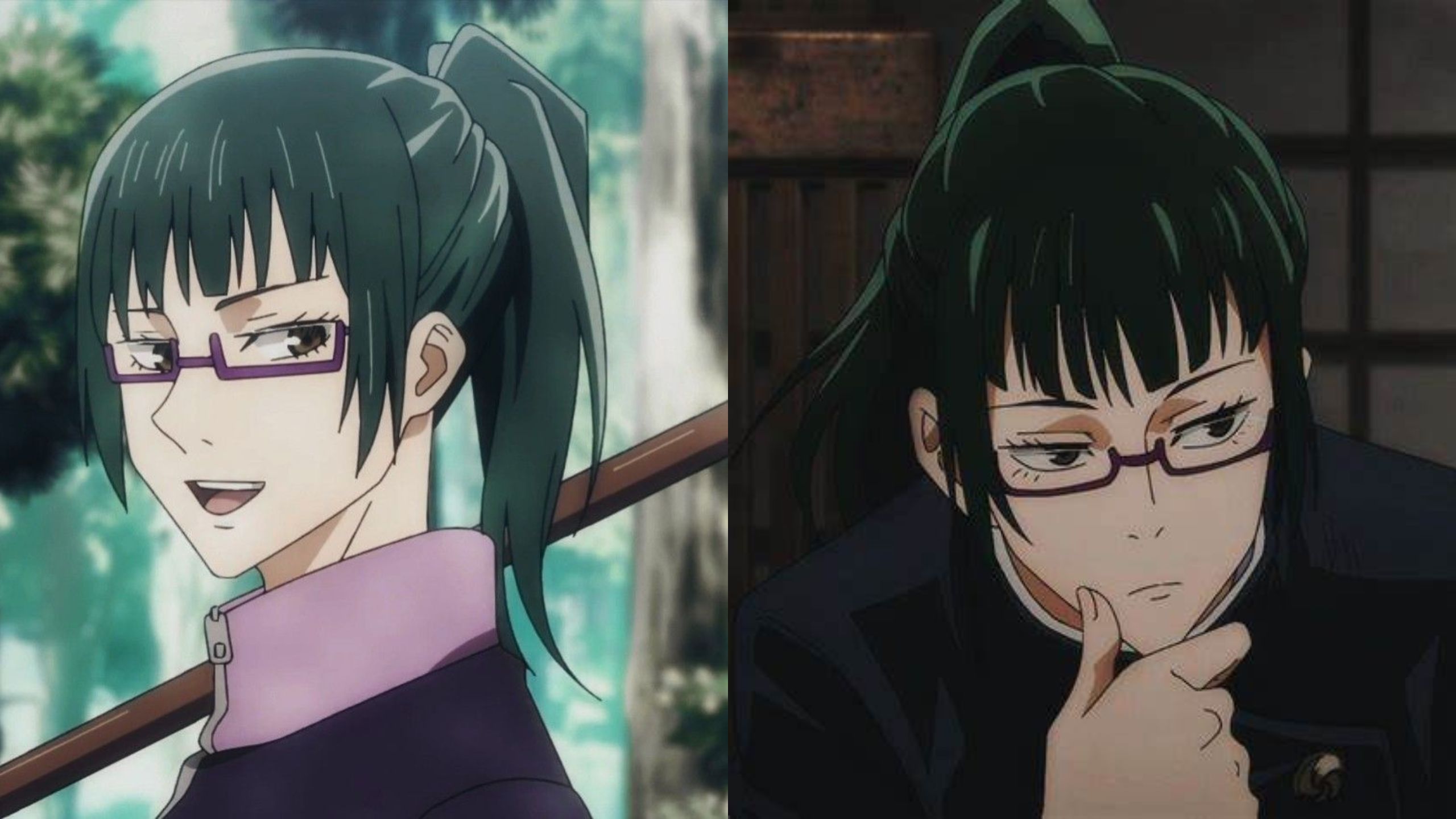
Maki From Jujutsu Kaisen (MAPPA)
Without Mai, Maki would have gained her incredible strength far earlier, reaching a power level comparable to Toji Zen’in from the very beginning.
This single change could have drastically altered major events, reducing tragedies, preventing losses, and even reshaping the final plot of the series.
Exploring these possibilities provides insight into how deeply intertwined the Zen’in twins are with the core of the Jujutsu Kaisen story.
The Importance of Mai Zen’in
Mai Zen’in may not be a central character like Yuji Itadori or Satoru Gojo, but her presence in the narrative is indispensable.
As Maki’s twin sister, Mai shares a profound bond with her sibling, but she also represents a tragic contrast to Maki’s unyielding determination.
While Maki chooses to defy the Zen’in clan and their oppressive traditions, Mai struggles to escape their toxic influence.
This difference in their personalities creates tension between them, ultimately culminating in Mai’s sacrifice a moment that solidifies Maki’s transformation.
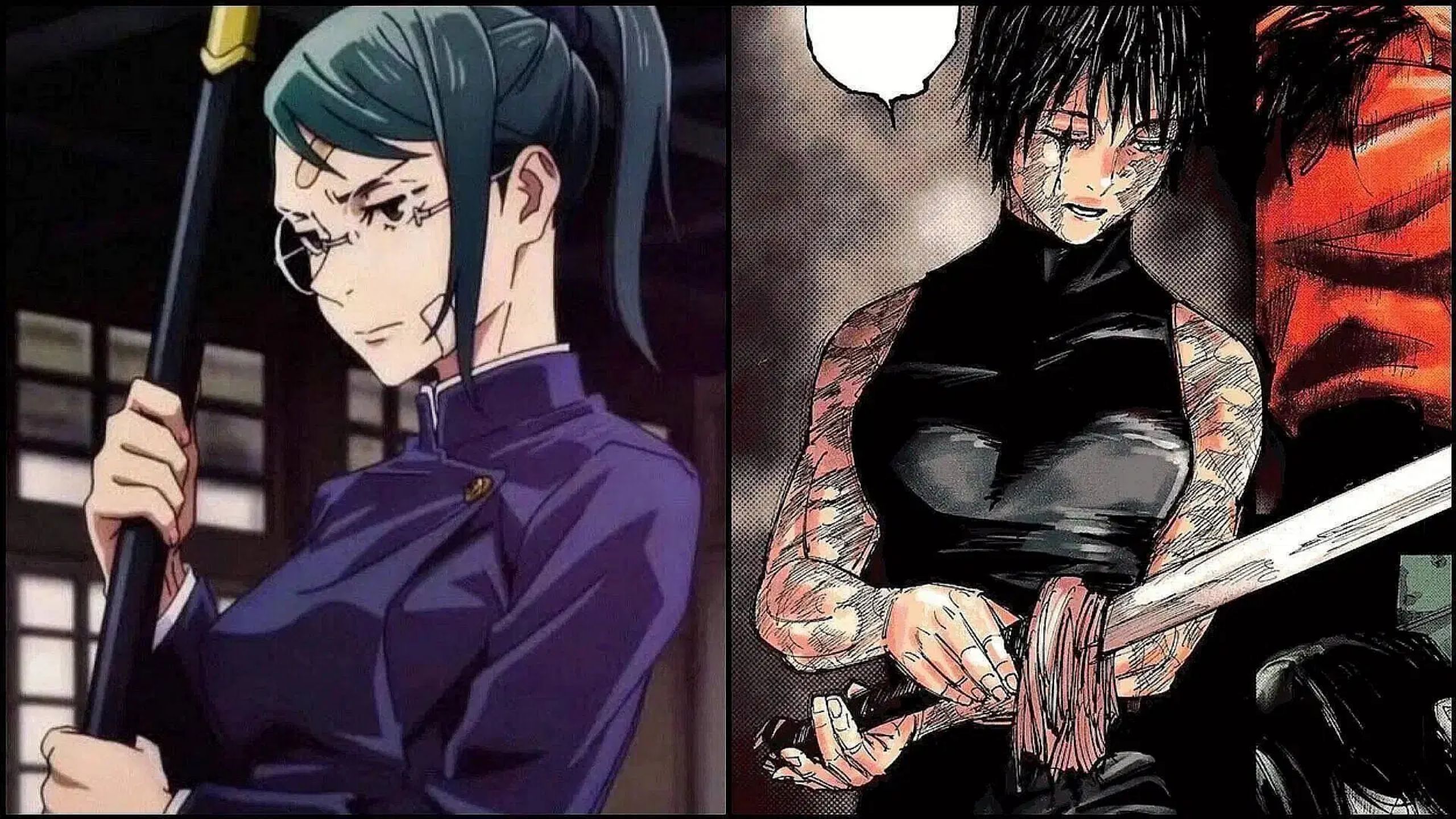
Maki (MAPPA)
Mai’s death isn’t just an emotional turning point; it is a narrative catalyst. Her passing unlocks Maki’s full potential due to their twin bond, transferring her cursed energy and enabling Maki to achieve a level of strength that rivals Toji Zen’in.
This transformation improvise Maki into one of the most formidable Jujutsu sorcerers, but it comes at a steep cost, both for her personally and for the larger story.
How Maki’s Strength Could Have Changed Everything
To understand the ramifications of Mai’s absence, it’s essential to consider how Maki’s life and the overarching plot of Jujutsu Kaisen might have changed if she had been as powerful as Toji from the beginning.
A Different Childhood for Maki
One of the most significant consequences of Maki’s strength is how it would have altered her relationship with the Zen’in clan.
In the canon timeline, Maki is subjected to relentless abuse and discrimination because of her lack of cursed energy. The Zen’in clan devalues her existence, labeling her a failure unworthy of their name.
However, if Maki had displayed her immense strength early on, the Zen’in clan would have been forced to recognize her as a powerful asset.
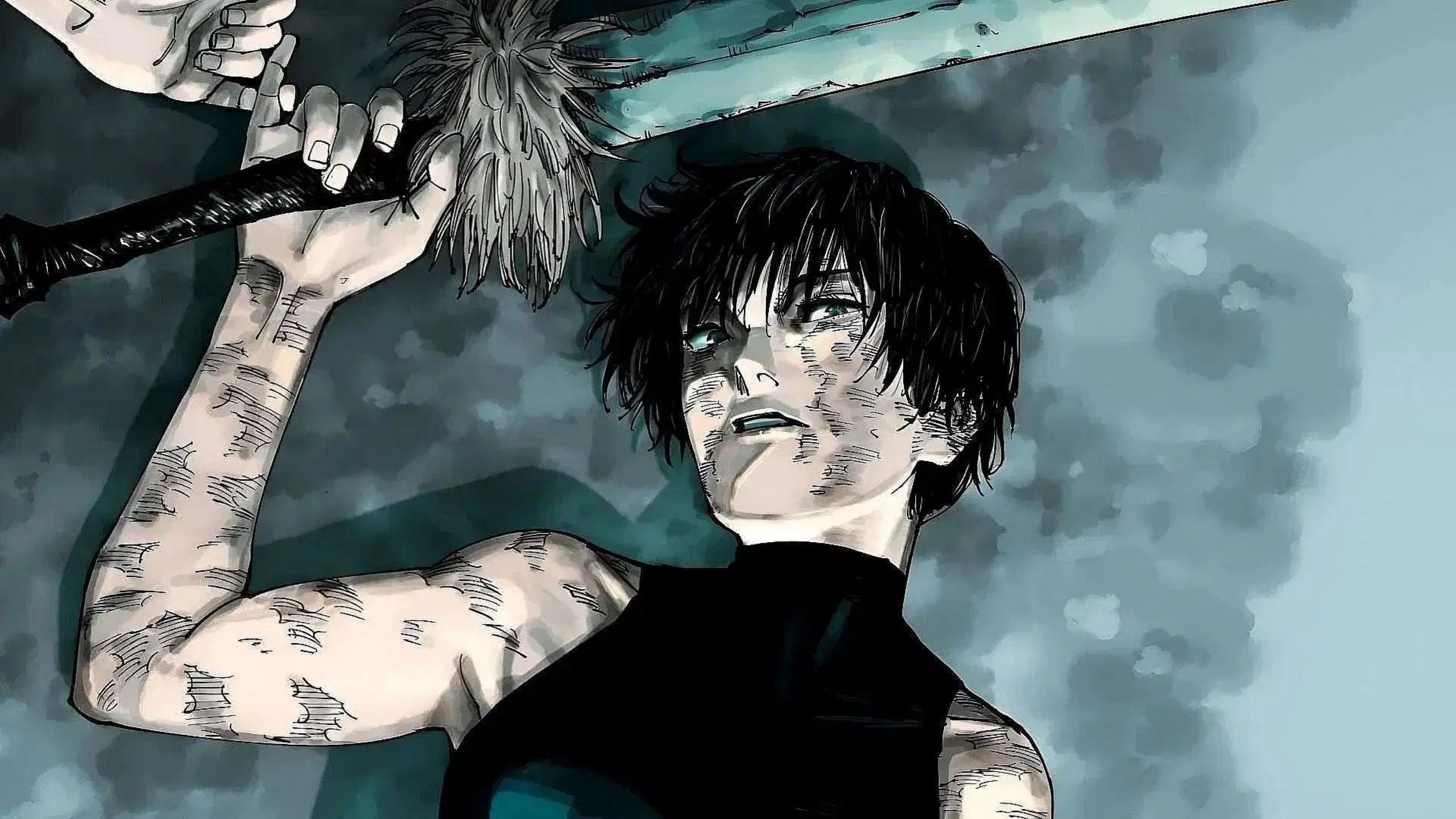
Maki (MAPPA)
This change in dynamics could have spared Maki years of physical and emotional torment.
While the clan might still harbor resentment or fear toward her, their outright hostility would likely have been tempered by the reality of her overwhelming power.
Early Sorcery Training
With her strength recognized early, Maki’s path as a Jujutsu sorcerer might have begun under vastly different circumstances.
She still would have likely sought Satoru Gojo’s mentorship, driven by her desire to prove herself and spite her clan. However, her training under Gojo would have been far more effective, given her enhanced abilities.
This earlier start to her development as a sorcerer would have allowed Maki to master her skills at a much faster rate, potentially surpassing many of her peers long before the events of the series.
This additional experience could have made her an even more valuable ally in critical battles, drastically altering the outcomes of several key arcs.
The Ripple Effect of Maki’s Power
Maki’s early access to her full strength would have created a ripple effect throughout the Jujutsu Kaisen story. Her enhanced abilities and presence in pivotal moments would have changed the course of events in profound ways.
Preventing Suguru Geto’s Possession
One of the most significant points of separation lies in Maki’s potential clash with Suguru Geto.
In the canon timeline, Geto’s defeat and subsequent possession by Kenjaku set the stage for many of the series’ darkest events, including the Culling Games.
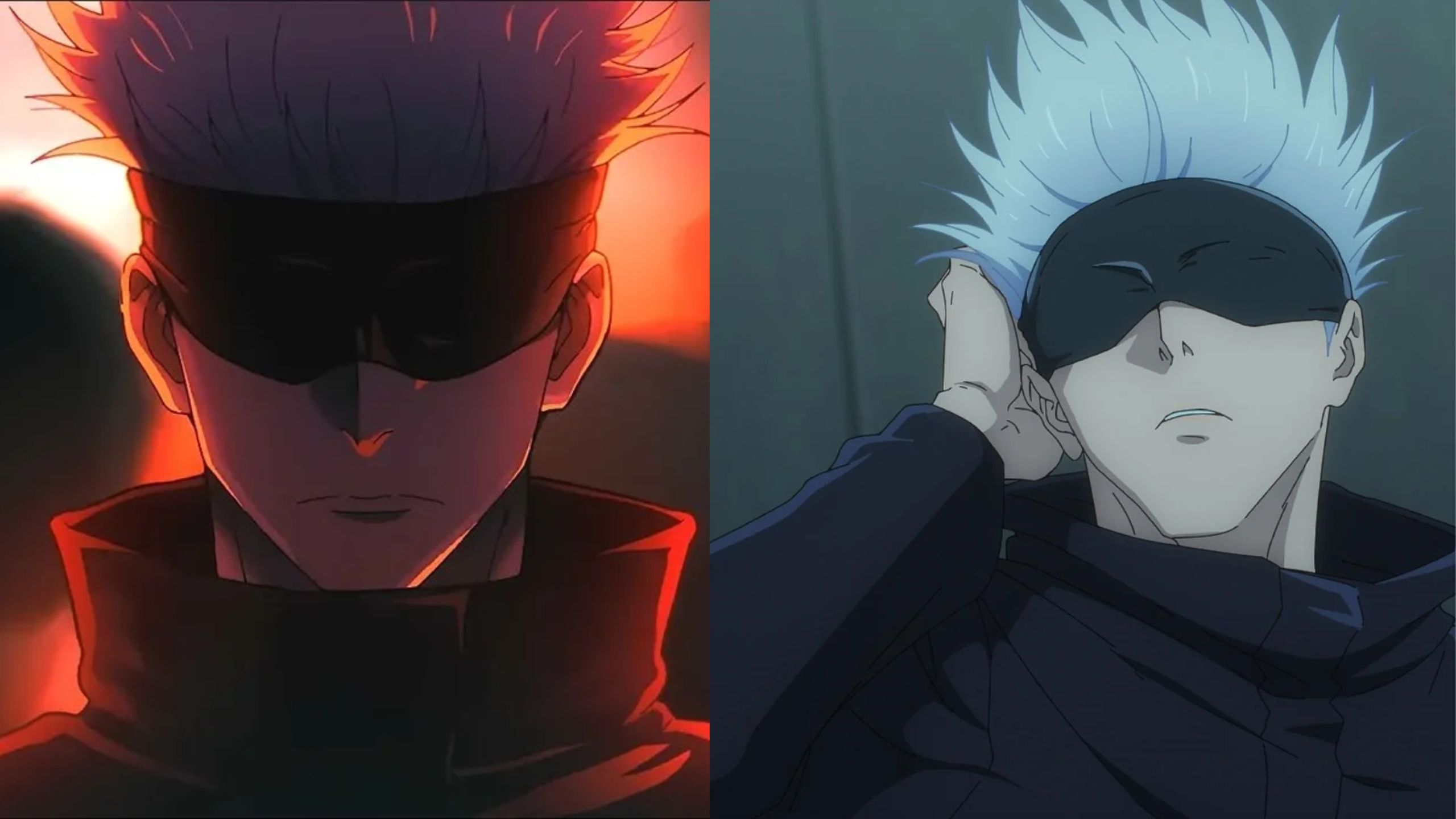
Gojo Satoru (MAPPA)
If Maki had been as strong as Toji Zen’in during their confrontation, she might have been able to defeat Geto before Kenjaku could take over his body.
This victory would have had enormous repercussions. Without Geto’s body, Kenjaku would have been unable to use the Cursed Spirits Manipulation technique to control Mahito and his Idle Transfiguration ability.
As a result, the Culling Games one of the most catastrophic arcs in the series would never have taken place. This change alone could have saved countless lives and spared the Jujutsu world from immense chaos.
A Different Shibuya Incident
Even if the Shibuya Incident arc occurred despite Maki’s strength, the outcome would have been vastly different.
In the canon timeline, the Shibuya Incident is marked by devastating losses, including the deaths of Naobito Zen’in and Nanami Kento, as well as the critical injuries sustained by other sorcerers.
With Maki’s enhanced abilities, many of these tragedies could have been averted. For example, Maki’s strength would have made her a formidable opponent against Dagon, a powerful cursed spirit responsible for several casualties.
Her intervention could have ensured the survival of Naobito, Nanami, and other key characters, preserving vital allies for future battles.
Strengthening the Sorcerers’ Ranks
Beyond individual battles, Maki’s power would have had a broader impact on the Jujutsu sorcerers’ final preparedness.
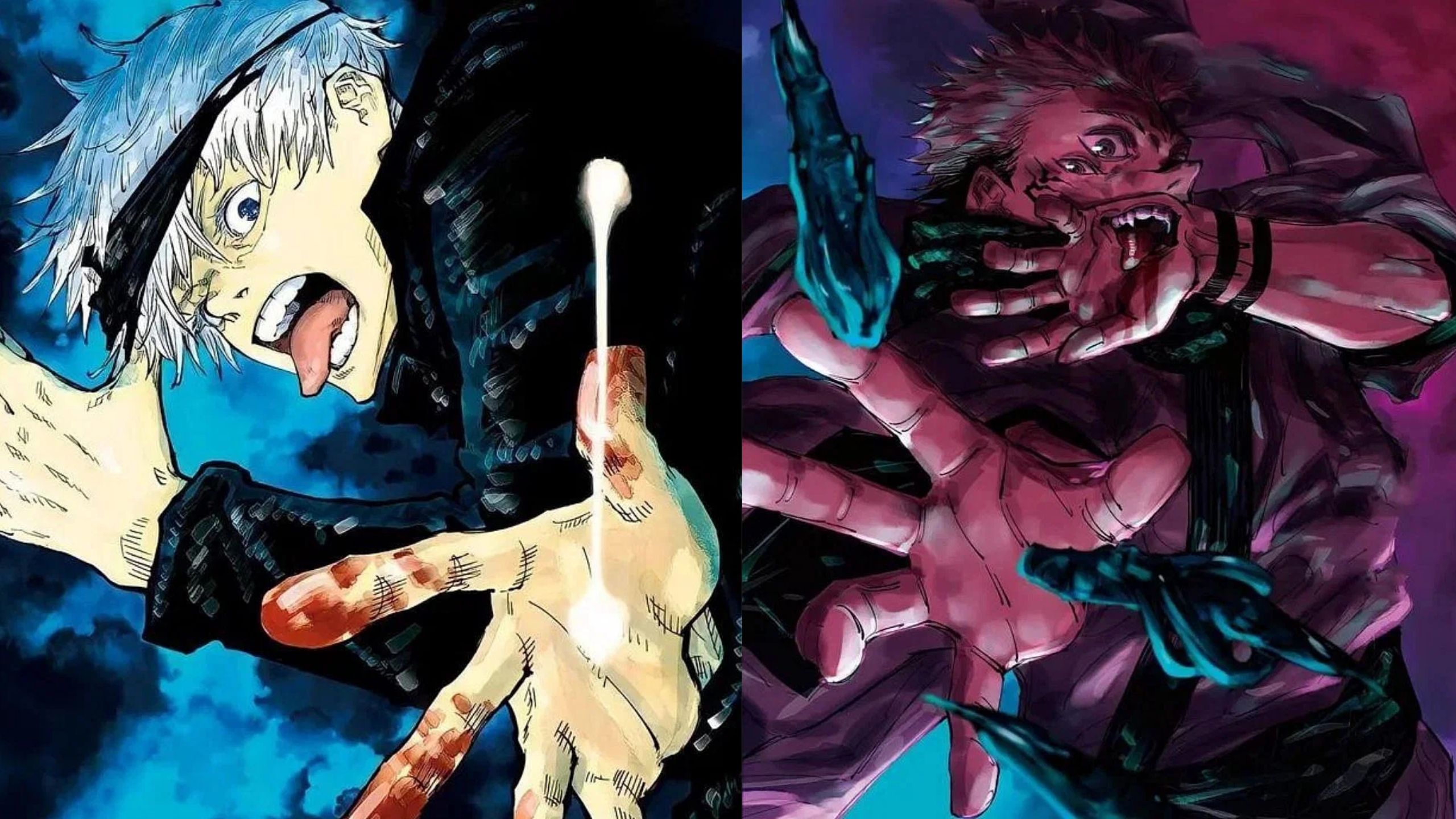
Gojo And Sukuna (MAPPA)
With her skills honed to Toji’s level from an early age, Maki would have been a central figure in organizing and leading efforts against threats like Kenjaku and Sukuna.
Her contributions could have strengthened the sorcerers’ ranks and provided a critical edge in their fight for survival.
The Zen’in Clan’s Fate
Another major area of impact lies in the fate of the Zen’in clan. In the canon timeline, Maki’s slaughter of the Zen’in clan is a direct response to Mai’s death and the toxic legacy of their family.
This act serves as both revenge and a symbolic severing of ties with her oppressive lineage. However, if Mai had never existed, this chain of events might not have occurred.
Without Mai’s influence, Maki might not have felt the same compulsion to destroy the Zen’in clan, and characters like Naobito Zen’in could have survived.
In this alternate timeline, the Zen’in clan might have remained intact, albeit with a vastly different power dynamic due to Maki’s strength.
A functional Zen’in clan, led by Naobito and bolstered by Maki’s abilities, could have become a valuable ally in the larger fight against Kenjaku and Sukuna.
This change would have had far-reaching implications for the series, potentially shifting the balance of power in favor of the sorcerers.
Collaboration with Yuki Tsukumo
In the original storyline, Yuki Tsukumo is deeply interested in the concept of Heavenly Restriction, particularly as it relates to Toji Fushiguro.
If Maki had exhibited Toji-level power from the beginning, Yuki likely would have sought her out for collaboration and research.
This partnership could have led to significant advancements in understanding cursed energy and its applications.
With Maki as a case study, Yuki might have developed groundbreaking techniques or strategies to combat cursed spirits and other threats.
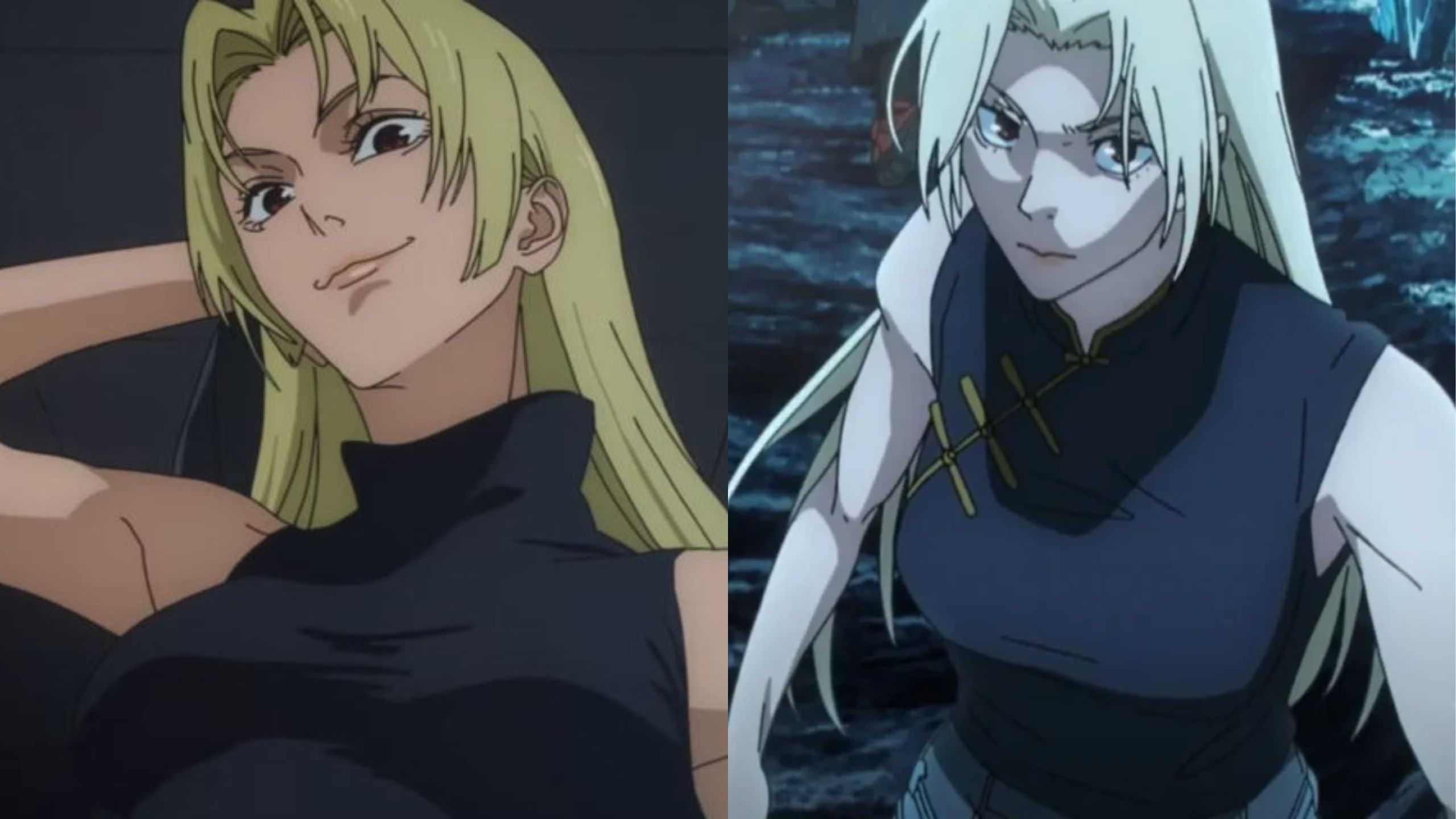
Yuki Tsukumo From Jujutsu Kaisen (MAPPA)
These discoveries could have provided the sorcerers with new tools and insights, further strengthening their position against Kenjaku and Sukuna.
Maki’s Role in the Final Battle
Maki Zen’in’s contributions to the final battle against Ryomen Sukuna are already significant, but her role could have been even more impactful if she had been training at her peak strength throughout her life.
Her experience and power would have made her an even more central figure in the fight, potentially altering the outcome of the battle.
Beyond her individual contributions, Maki’s presence as a leader and strategist would have been invaluable.
Her enhanced abilities and tactical acumen could have provided the sorcerers with a critical edge, ensuring their survival and success in the final confrontation.
The Emotional Depth of Maki’s Journey
While it’s fascinating to imagine an alternate timeline where Maki Zen’in accessed her full strength from the beginning, it’s important to recognize the emotional depth and thematic resonance of the original story.
Maki’s growth is deeply tied to her struggles and the sacrifices she endures, particularly the loss of her sister, Mai.
Mai’s death is a turning point that forces Maki to confront her own limitations and embrace her potential.
This moment underscores the series’ recurring themes of loss, resilience, and the bonds that shape us.
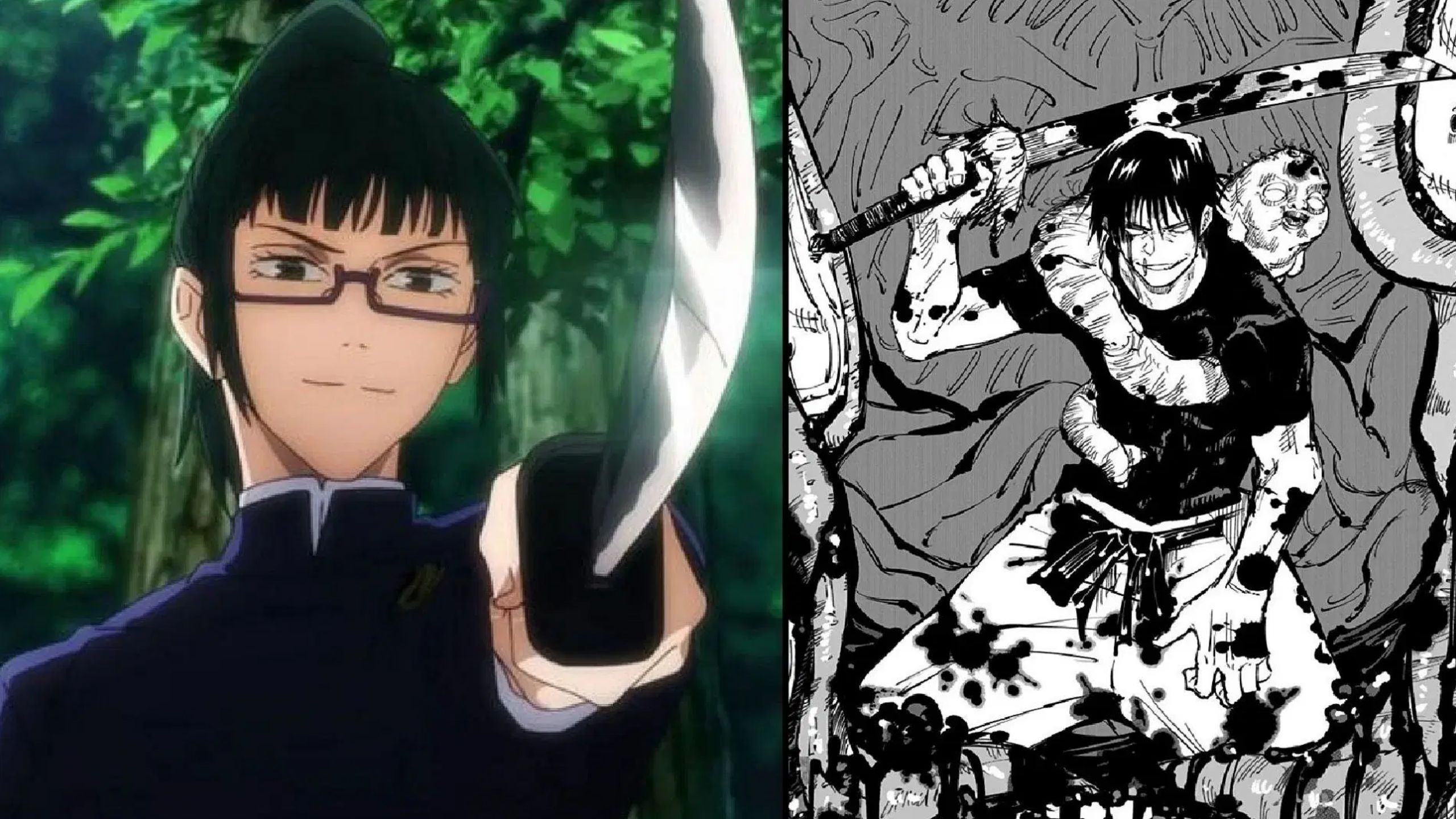
Maki From Jujutsu Kaisen (MAPPA And Shueisha)
By overcoming these challenges, Maki emerges as a stronger, more determined character, embodying the spirit of perseverance that defines Jujutsu Kaisen .
The narrative of Jujutsu Kaisen is a drapes woven with intricate character arcs and profound moments of transformation.
Maki and Mai Zen’in’s story is a testament to the power of sibling bonds and the sacrifices that drive personal growth.
While imagining a world without Mai offers intriguing possibilities, it also highlights the importance of her role in shaping Maki’s journey.
Maki’s evolution, fueled by struggle and loss, serves as a powerful reminder of the resilience and strength that lies within us all.
Through her story, Jujutsu Kaisen delivers a poignant message about the enduring impact of love, sacrifice, and determination in the face of overwhelming odds.
