When it comes to the expansive world of One Piece , it’s impossible to ignore the power dynamics at play between the series’ main characters, especially those among the Straw Hat Pirates.
Eiichiro Oda, the mastermind behind the story, has crafted an epic journey where combat and strength often take center stage, even though they aren’t always the focal point.
For fans, however, analyzing power levels and debating character strengths is part of what keeps the One Piece community so lively and engaged.
A recent discussion stirred by an X (formerly Twitter) user, @fenayer1, ignited this very debate, with comparisons between Monkey D. Luffy, the captain of the Straw Hat Pirates, and Roronoa Zoro, the crew’s swordsman and right-hand man.
#ONEPIECE > Post timeskip , Oda started following an unusual pattern where he shows Luffy’s feats being good against an opponent but at the same time if Zoro clashed or fought him he does better than his captain and he does this each time even in EGG HEAD , Let’s list them : — Greatest Swordman 🇵🇸 (@fenayer1) September 6, 2024
Luffy, as the central protagonist, is often seen as the most powerful member of the crew, but as the series has progressed, some believe that Zoro’s strength is much closer to Luffy’s than many casual fans might think.
By diving deeper into the story, it becomes evident that Zoro’s power level has been strategically crafted to not only match but, in some ways, rival that of his captain.
Zoro’s Growth: Training and Discipline Over the Years
To understand why Zoro might be closer to Luffy’s power level than initially perceived, it’s important to look through his journey throughout One Piece.
From the early days of his introduction, Zoro has always been portrayed as a dedicated and driven swordsman.
His ambition to become the world’s greatest swordsman, a goal he set long before meeting Luffy, is central to his character and has driven his growth throughout the series.
The critical turning point for Zoro’s growth came when he faced Dracule Mihawk, the “World’s Greatest Swordsman,” during the East Blue Saga.
After suffering a humiliating defeat, Zoro made a vow to “never lose again” until he surpassed Mihawk. This moment, deeply etched in Zoro’s mind, has become the foundation of his strength and perseverance.
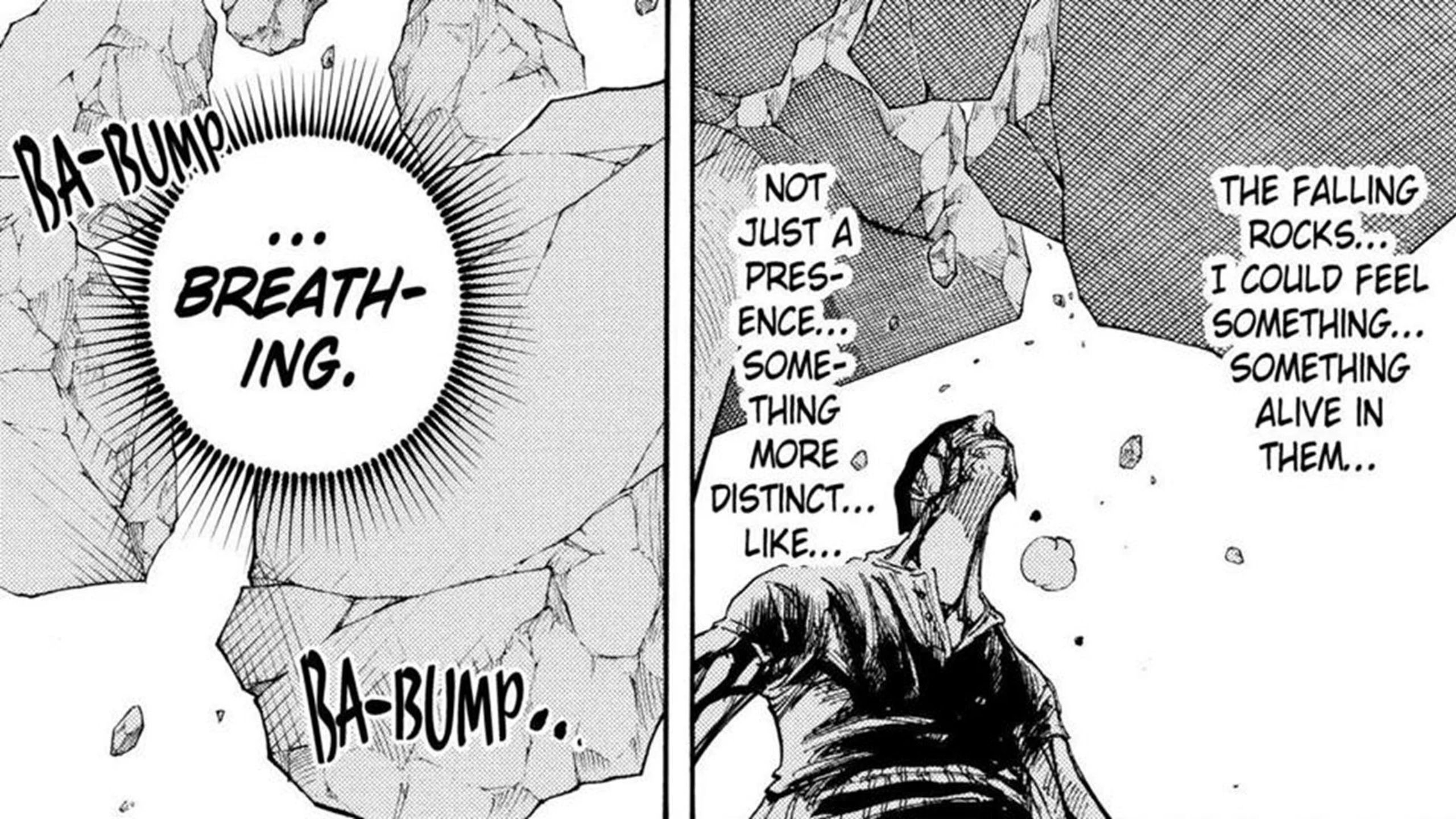
Zoro explains his ability (Shueisha)
It’s clear that Eiichiro Oda took Zoro’s vow seriously, as he has consistently been portrayed as a character who pushes his limits to achieve his goals, leading to an impressive run of victories that highlight his increasing power.
Zoro’s growth becomes even more evident after the two-year time skip, during which the Straw Hat Pirates split up to train individually and grow stronger.
Unlike other crew members who sought various forms of training, Zoro’s focus remained singular he trained directly under Mihawk to refine his swordsmanship and combat abilities.
This period was not just about improving his skills; it was about transforming himself into a warrior capable of standing alongside the world’s strongest.
Mihawk, being the world’s greatest, provided Zoro with not only the skills needed but also the discipline, resilience, and mindset required to wield that power effectively.
Luffy vs. Zoro: Analyzing Power Levels and Comparisons
There is no denying that Luffy is the most powerful member of the Straw Hat Pirates, which makes sense given that he is the protagonist of One Piece.
Luffy’s journey has consistently been portrayed as a path of growth and power, especially after his training with Silvers Rayleigh, a former right-hand man to the Pirate King, Gol D. Roger.
Luffy’s growth in Haki, physical abilities, and final combat skill have made him a formidable force in the New World.
However, it’s in the details and subtle moments where Zoro’s power shines. Oda has not positioned Zoro simply as a subordinate; he has positioned him as an equal in terms of dedication and combat ability.
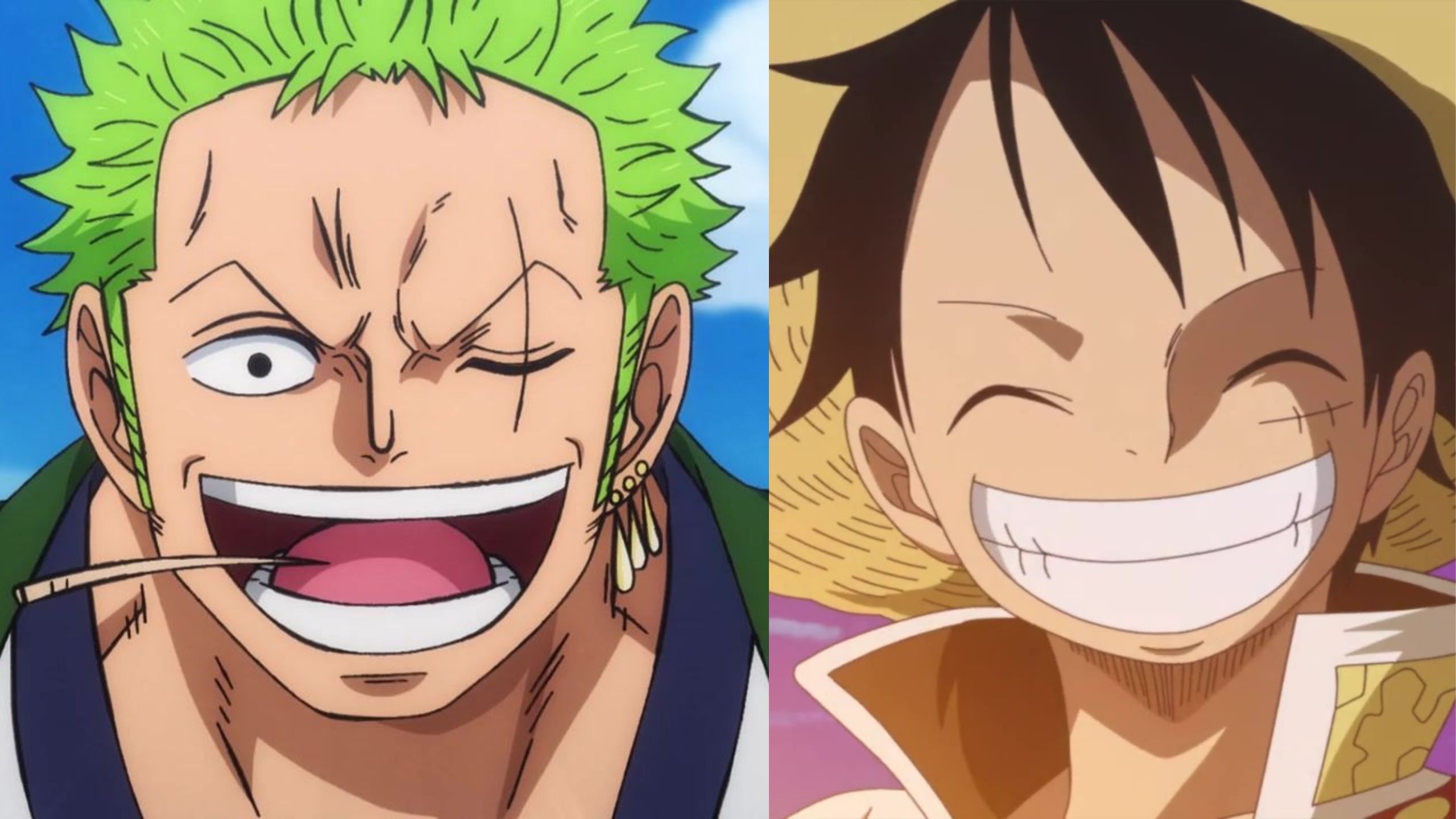
Roronoa Zoro And Luffy From The Wano Arc (Toei Animations)
In some instances, Zoro’s feats even rival or exceed Luffy’s, suggesting that the gap between them is not as wide as some might believe.
When you consider Zoro’s battles and growth alongside Luffy’s, it becomes clear that he is much closer to his captain in strength than most fans give him credit for.
Instances Highlighting Zoro’s Power Level Compared to Luffy’s
To fully understand why Zoro’s strength might be comparable to Luffy’s, we need to look at several pivotal moments in the story.
These instances not only showcase Zoro’s growth but also provide evidence that his power level may be far closer to Luffy’s than fans might initially assume.
The Fishman Island Arc
One of the earliest arcs post-time skip, Fishman Island serves as a starting point to display the power-ups gained by the Straw Hat Pirates during their two-year training period.
At the beginning of this arc, Luffy showcases his newfound abilities by taking down a giant sea monster with relative ease.
This is significant, as it highlights how much stronger Luffy has become after training under Rayleigh, particularly in the use of his Haki.
However, Zoro’s display of power during this arc is equally impressive. When Zoro encounters an even larger sea monster than the one Luffy fought, he defeats it effortlessly.
This moment is more than just a demonstration of Zoro’s power; it serves as a subtle hint from Oda that Zoro’s growth is on par with Luffy’s.
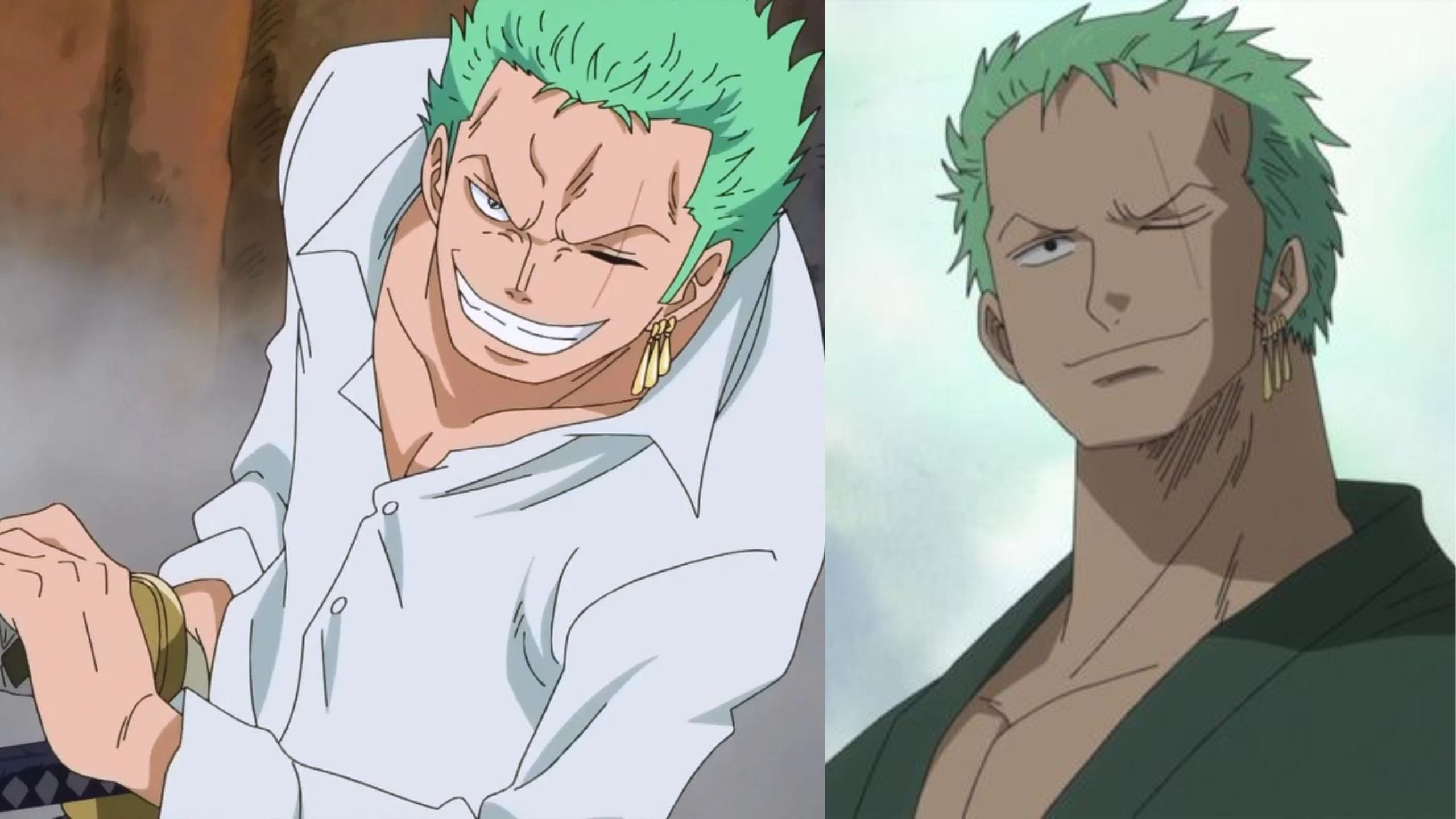
Roronoa Zoro From The Fisherman Arc (Toei Animations)
The fact that he can perform such feats with ease suggests that Zoro’s base strength is comparable, if not superior, to Luffy’s in their unenhanced forms.
Another important moment in this arc is Zoro’s battle with Hyouzou, one of the more skilled members of the Fishman Pirates.
When Luffy faces Hyouzou earlier, it is a decent battle. However, when Zoro clashes with the same opponent, he defeats him effortlessly.
This shows Zoro’s growth and how his training with Mihawk has not only enhanced his swordsmanship but also his speed, reflexes, and final combat capabilities.
The Dressrosa Arc: Zoro’s Strength on Display
The Dressrosa arc is a treasure trove of examples that highlight Zoro’s growing power level.
One of the key moments in this arc is when Luffy uses his Grizzly Magnum attack against Pica, a giant enemy who had transformed into a massive stone golem.
Luffy’s attack is powerful enough to knock away the golem’s head, showcasing his immense strength.
However, Zoro follows this up by using his 1080-pound Cannon technique, which cleaves through Pica’s giant stone torso with precision.
This is a significant feat because it demonstrates that Zoro’s physical strength, combined with his swordsmanship, allows him to perform actions comparable to Luffy’s.
Zoro’s attack not only shows his physical might but also his skill and accuracy, which Luffy’s blunt force lacks in some cases.
It’s a subtle yet powerful indication that Zoro’s strength is indeed close to Luffy’s, especially when they are matched in terms of raw power and technique.
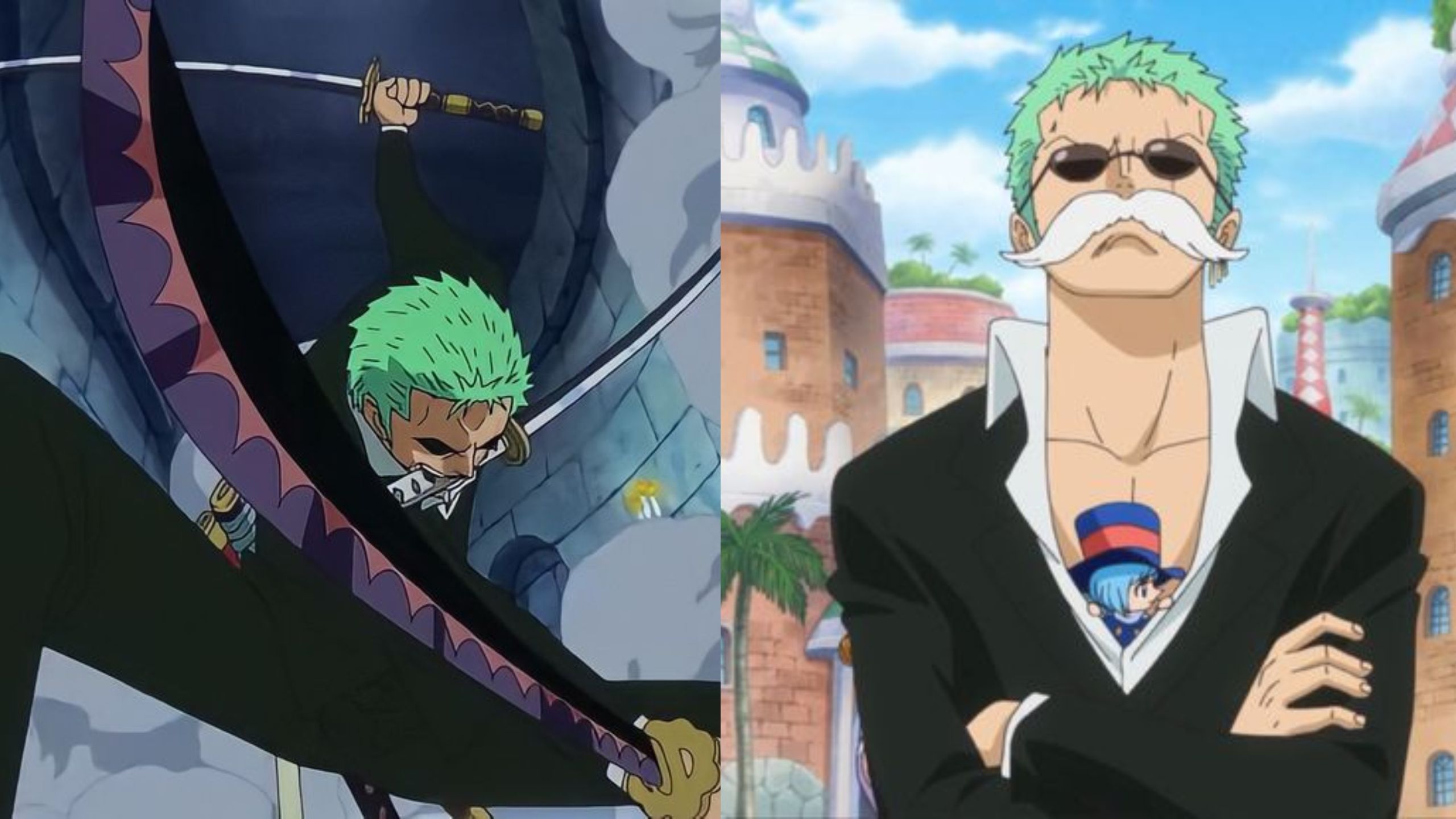
Roronoa Zoro From The Dressrosa Arc (Toei Animations)
Additionally, Zoro’s encounter with Admiral Fujitora during this arc further supports the argument that Zoro is not far behind Luffy.
When Luffy confronts Fujitora, he is pushed back despite his immense power and enhanced Haki.
However, Zoro manages to keep up with the Admiral to a certain extent when they clash, displaying his ability to contend with such a high-level opponent.
Although Zoro doesn’t outright overpower Fujitora, the fact that he can engage with an Admiral and not be immediately defeated shows that his power level has reached a point where he can stand up against some of the world’s strongest.
The Wano Arc: Zoro’s Defining Moments
The Wano arc is perhaps one of the most pivotal arcs in the series for Zoro’s character, as it offers some of the most compelling evidence of his strength and growth.
This arc is essential not only for the storyline but also for Zoro’s development as a swordsman.
One of the most memorable moments comes when Zoro faces Kaido, one of the Four Emperors and one of the strongest characters in the One Piece world.
Throughout the battle, Kaido repeatedly overpowers Luffy, even when Luffy uses advanced Haki techniques and his Gear Fourth transformation.
Despite these setbacks, Luffy manages to recover and continue fighting, showcasing his resilience and power.
However, it’s Zoro’s actions that truly stand out. During the confrontation, Zoro manages to use Enma, a sword with a special connection to Oden, to inflict a significant wound on Kaido.
The importance of this moment cannot be understated. Very few characters in One Piece have the ability to damage Kaido, let alone with a single attack.
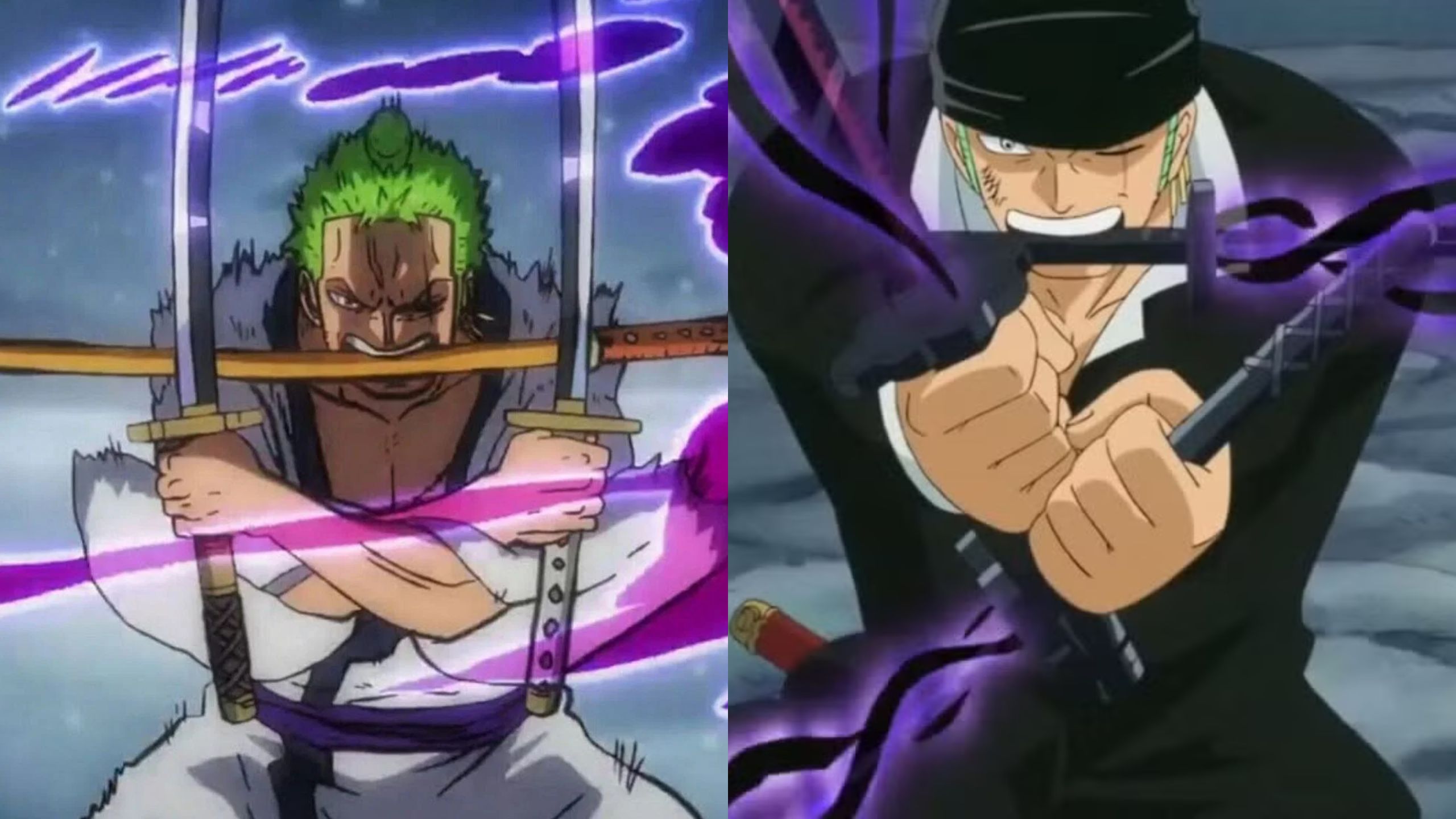
Roronoa Zoro From The Wano Arc(Toei Animations)
While some may argue that Enma’s power played a significant role, it’s crucial to understand that Enma requires a swordsman of great skill to wield it effectively.
It takes Zoro’s strength, skill, and mastery of Haki to unlock Enma’s potential, proving that his power is at a level where he can stand alongside Luffy and challenge some of the most powerful beings in the world.
Additionally, during the Egghead arc, Zoro’s strength is further emphasized when he clashes with Rob Lucci, a character who has become significantly stronger since his initial encounter with Luffy in the Enies Lobby arc.
In this arc, Luffy uses his ultimate form, Gear 5, to battle Lucci but struggles to defeat him fully.
In contrast, when Zoro faces a similar level of threat, he dispatches his opponent without much difficulty, again highlighting that his power level is comparable, if not equal, to Luffy’s in many scenarios.
The Importance of Zoro’s Power Being Comparable to Luffy’s
The fact that Zoro’s strength is close to Luffy’s is not just significant from a power-scaling perspective; it’s a critical part of Zoro’s character development and his role within the crew.
Zoro’s defeat against Mihawk and his vow to never lose again serve as the catalyst for his growth throughout the series.
This vow is not merely a personal ambition; it’s a testament to Zoro’s commitment to becoming a worthy right-hand man to Luffy, someone who can protect and stand by his captain’s side.
Zoro’s relentless training and dedication to his craft are reflected in the way Oda has portrayed his power level.
As the series has progressed, Zoro has emerged as one of the hardest workers among the Straw Hat Pirates, always pushing himself to his limits and beyond.
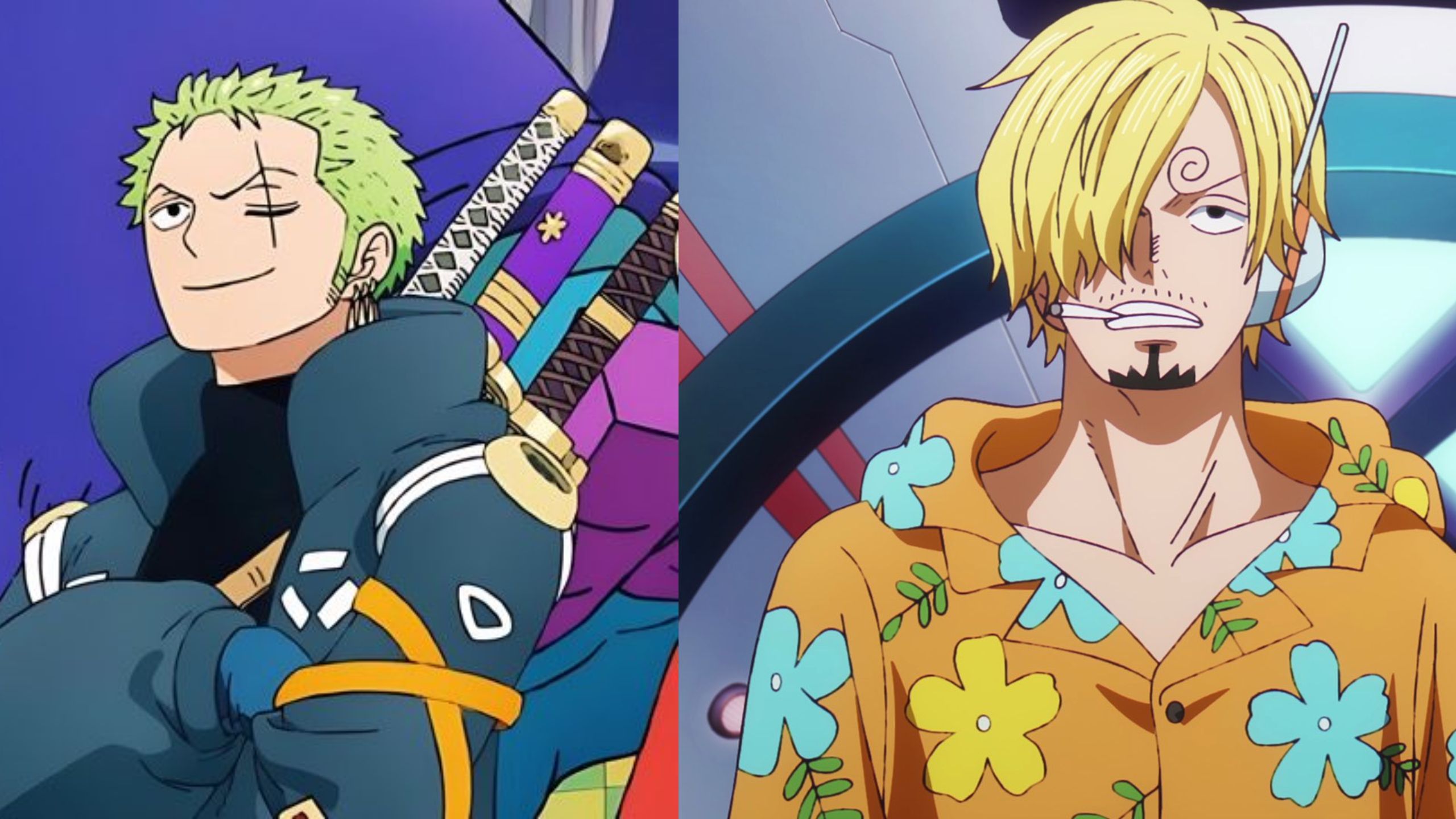
Zoro And Sanji From Egghead Arc In One Piece (Toei Animation)
This relentless pursuit of strength is not just for his own ambition; it’s for the sake of the crew and his captain.
By positioning Zoro as someone whose power level is close to Luffy’s, Oda has shown that Zoro is not just a subordinate but a crucial pillar of the crew’s strength.
Zoro’s Mastery of Haki: A Key Factor in His Strength
Another major element that plays into Zoro’s power is his mastery of Haki, particularly Armament and Conqueror’s Haki.
Haki is an essential skill in the One Piece world, and those who can wield it effectively often rise to the top.
Zoro’s training under Mihawk not only honed his swordsmanship but also strengthened his Haki abilities.
Zoro’s use of Armament Haki is consistently portrayed as impressive, with him frequently coating his swords to enhance their power.
But what truly sets him apart is his ability to wield Conqueror’s Haki, a skill possessed only by a select few powerful characters.
His display of Conqueror’s Haki during the Wano arc is a testament to his growth and potential, indicating that his strength is indeed approaching the level of the world’s strongest fighters.
Zoro’s Power Level Is Closer to Luffy’s Than Fans Realize
While Luffy remains the central figure of One Piece and the strongest member of the Straw Hat Pirates, it’s evident that Zoro’s strength is not far behind.
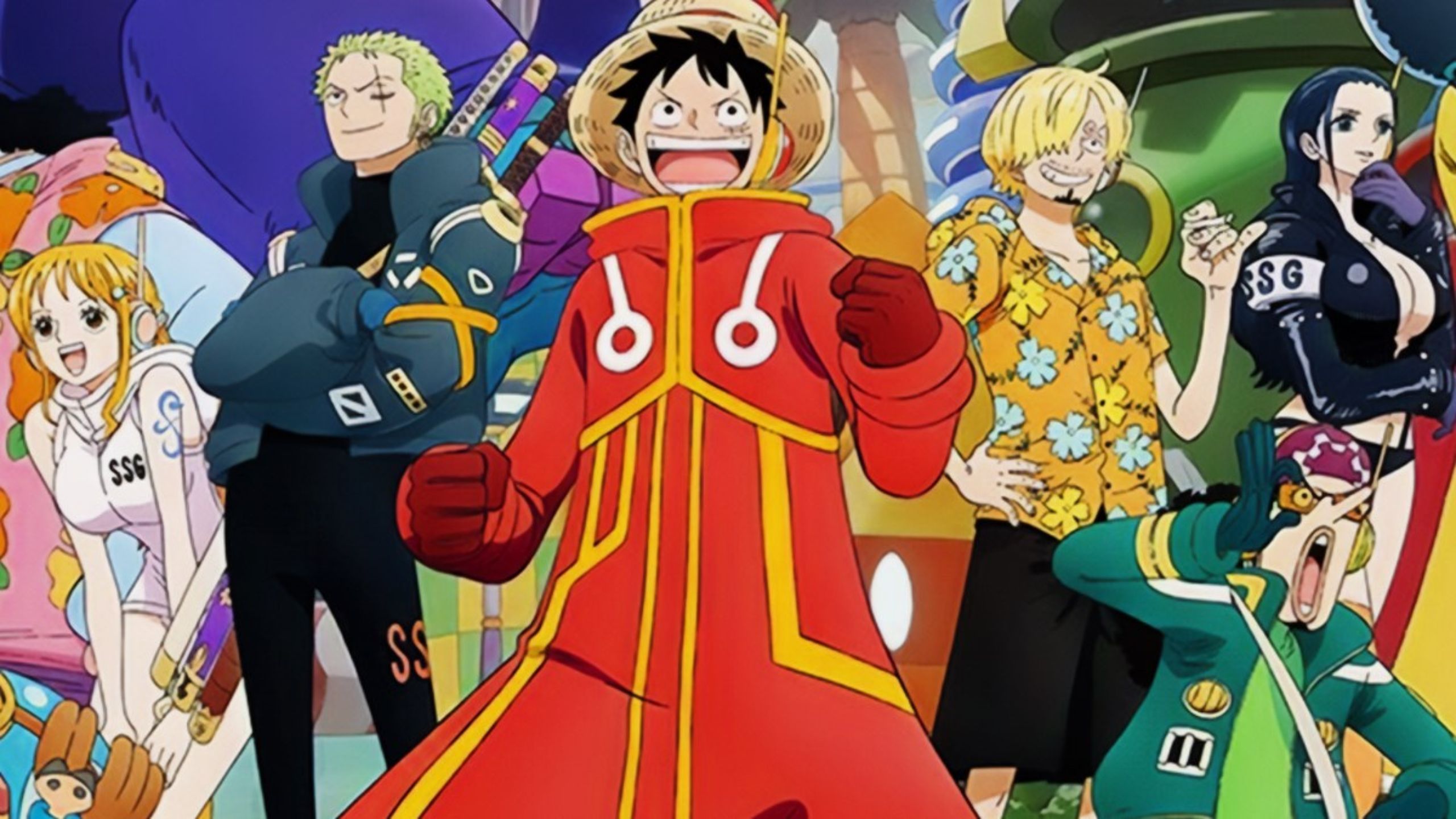
Nami, Zoro, Luffy, Sanji, Usop (Toei Animations)
From his disciplined training under Mihawk, his mastery of Haki, and his numerous feats throughout the series, Zoro has proven that he is capable of standing alongside Luffy in battle.
Oda’s deliberate and consistent portrayal of Zoro’s growth, and the parallels between their abilities, suggest that Zoro’s power level might be much closer to Luffy’s than fans have realized.
Zoro is not just a powerful swordsman; he is a vital part of the Straw Hat Pirates’ strength, embodying the spirit of a warrior who continues to grow alongside his captain.
In the grand scheme of One Piece, Zoro’s power, ambition, and dedication place him as an indispensable force within the crew one who may very well rival Luffy’s strength as the story progresses.
A24 has many exciting films for the fall season. However, the romantic drama We Live In Time deserves attention. Director John Crowley showed his talent with his Oscar-nominated film Brooklyn.
He created a powerful and emotional story about growing up. In We Live In Time, he tells a similar story about relationships.
While recent hits like Anyone But You suggest romantic comedies are coming back, We Live In Time is a serious drama. It shows how far partners will go to stay together.
The story of We Live In Time seems simple at first. It follows the relationship between Tobias Durand, a Weetabix representative played by Andrew Garfield, and Almut Brühl, an acclaimed chef played by Florence Pugh.
They fall in love after a strange meeting in which Almut accidentally hits Tobias with her car. This unique beginning sets the stage for a deep and complex love story.
Meeting at a Crossroads
Tobias and Almut both face major life changes when they first meet. Tobias is dealing with the emotional fallout of his divorce from his ex-wife.
He feels anxiety about his future, especially concerning his dreams of becoming a parent. He fears that he might never get the chance to be a father.
This fear weighs heavily on him, creating a sense of urgency in his life. At the same time, Almut has just started to run her own restaurant.
She faces her own set of anxieties related to her new responsibilities. The pressures of running a successful business add stress to her life.
Their initial interaction is friendly, but there is an undercurrent of tension. Tobias decides to accept Almut’s invitation to meet at her restaurant, hoping to show this connection further.
During their first meeting, Almut struggles to keep her flirtation in check out of respect for Tobias’s situation. She is still unsure about her feelings and the possibility of a new relationship.
As they spend time together, Tobias eventually reveals his divorce. This honesty opens the door for a deeper relationship, and they quickly fall in love. They start living together, and their relationship deepens. They share intimate moments, laughter, and the joys of companionship.
Challenges of Parenthood
However, their love story is not without complications. Tobias and Almut face significant challenges regarding their views on parenthood.
While they are deeply in love, they hold different perspectives on having children. Tobias yearns for the chance to become a father, while Almut is uncertain about her readiness for motherhood.
As their relationship progresses, Tobias tries to address any misunderstandings between them. He reaches out to Almut after an incident where he unexpectedly shows up at a party.
He apologizes for any offense he may have caused, and Almut accepts his apology. They work to rekindle their connection, showing the complexities of their feelings.
Despite their efforts, the conversation about having children looms large over their relationship. They discuss their dreams and fears, but the topic remains sensitive.
Almut’s hesitations create a rift, making it difficult for them to align on their future together. This disagreement tests their love and commitment to one another.
The Unexpected News
Just as things seem to be improving, Almut receives devastating news. She learns that she has ovarian cancer. The diagnosis shocks both of them and forces them to confront the fragility of life.
Almut’s doctor recommends a hysterectomy to prevent the cancer from spreading. This news brings their discussions about parenthood to a halt, as Almut faces a life-threatening illness.
Almut undergoes painful treatments, and the couple’s relationship is put to the test once again. Despite the difficulties, Almut decides not to have a full hysterectomy, as she still hopes to bear a child one day.
The couple’s love grows stronger as they face this challenge together. They support each other through the tough times, demonstrating their commitment to one another.
After several months of treatment, Almut receives good news: her cancer goes into remission. This gives them hope for the future and allows them to focus on their dreams of becoming parents.
The couple’s journey takes a positive turn as they begin to try for a child, working together to build a life filled with love and family.
The Chaos of New Parenthood
Despite their struggles, Almut eventually becomes pregnant. The couple’s joy is palpable as they prepare for their new arrival. However, the journey to parenthood is anything but straightforward.
One day, as they sit in traffic, Almut goes into labor. The chaos of the moment leads to a frantic situation. Amid the traffic jam, Almut has no choice but to deliver the baby at a local gas station.
The scene is both humorous and intense, capturing the unpredictability of life and parenthood. Despite the circumstances, they welcome their child into the world.
Almut and Tobias experience a brief period of happiness as they embrace their new roles as parents. Almut lands her dream job at a high-end restaurant, and Tobias revels in the joy of fatherhood.
The Return of Cancer
Just when it seems like things are finally going well, Almut learns that her cancer has returned. This news brings a dark cloud over their happiness.
Almut must go into chemotherapy immediately, and the couple faces another difficult chapter in their lives. At first, Almut is hesitant about starting treatment, fearing the toll it will take on her body and spirit.
However, after Tobias proposes to her, Almut finds the strength to fight for her life. She realizes that she wants to be there for their child and have the chance to build a family.
Almut’s decision to start treatment marks a turning point in her character. She becomes determined to overcome the challenges ahead.
The Bocuse d’Or Competition
Amid her illness, Almut receives an invitation to participate in the Bocuse d’Or cooking competition. This prestigious event gathers some of the best chefs from around the world.
Almut sees this competition as an opportunity to prove herself and achieve her dreams. However, she is aware of the physical demands it will place on her body.
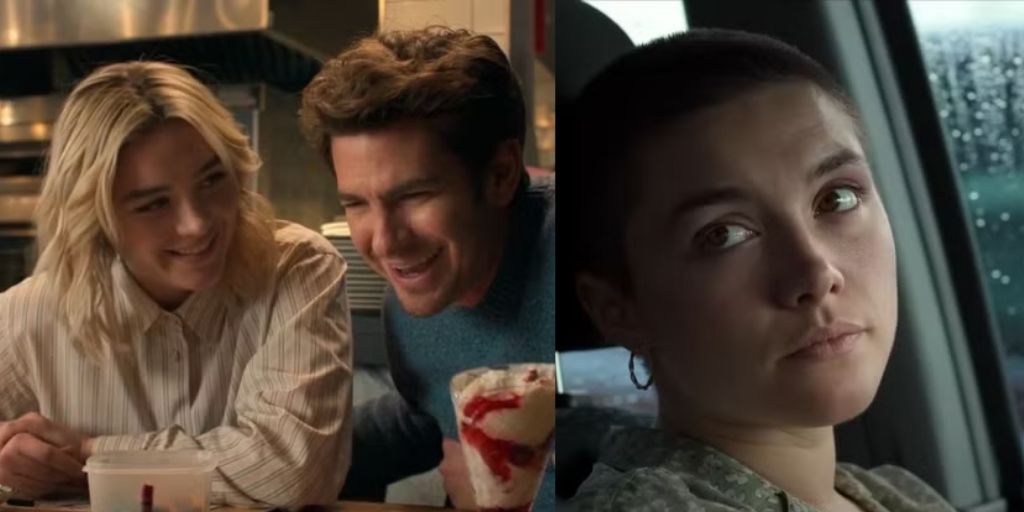
Still from We Live In Time (Credit: A24)
Almut begins to prepare for the competition without telling Tobias. She fears that he will want her to withdraw, worried about the risks to her health.
Despite her frail state, she immerses herself in training, determined to succeed. This dedication causes tension between them when Tobias discovers that she has been missing treatments to prepare for the event.
The couple has a heated argument when Tobias confronts Almut about her choices. He accuses her of neglecting her responsibilities as a parent. Almut passionately defends her decision, expressing her desire to succeed in the competition.
She wants their daughter to have memories of her as a strong and accomplished woman. This moment highlights the complexities of their relationship as they show the balance between personal dreams and family responsibilities.
A Compromise for Love
After their argument, Tobias realizes how much Almut’s dreams mean to her. He acknowledges that her desire to succeed in the competition is rooted in love for their daughter.
Tobias ultimately decides to cancel their wedding plans, allowing Almut to focus on the finals. He agrees to be there to support her, bringing their daughter along to watch her compete.
This decision reflects the growth in their relationship. They learn to communicate openly and prioritize each other’s dreams while also considering their family’s needs.
Almut’s participation in the competition becomes a symbol of her strength and resilience, as well as the deep bond they share.
Triumph Amidst Struggles
During the competition, Almut relies on her assistant chef, Jade, for support. Despite her frail condition, Almut pushes herself to perform at her best.
The competition becomes a source of encouragement, with Tobias and their daughter cheering her on from the audience. This moment illustrates the power of love and family support.
Almut’s determination pays off, and she wins the top prize at the Bocuse d’Or. This victory is not just a personal achievement but also a triumph for their family. The joy of her success is palpable, and they celebrate together, cherishing the moment.
After the competition, the family decides to leave the arena and spend time together. They want to enjoy their precious moments as a family, creating lasting memories amidst the challenges they face.
A Bittersweet Conclusion
While the film does not explicitly show Almut dying on screen, it implies that her time with the family is limited. The closing scene shows the family going ice skating, suggesting that this may be one of their last joyful moments together.
The bittersweet nature of this scene evokes deep emotions, highlighting the importance of cherishing every moment.
After the ice skating outing, the story shifts back to Tobias and their daughter as they return to their farm. They have adopted a dog, humorously echoing a joke Almut made earlier in the film about being “replaced.”
This light-hearted moment contrasts with the weight of their loss, showing how life goes on even in the face of grief.
As Tobias teaches his daughter how to crack an egg into two different bowls, he shares a cherished memory of Almut. This moment serves as a reminder of the legacy Almut leaves behind. Despite the sadness of her absence, the film ends on a hopeful note.
Tobias demonstrates his commitment to being a good parent, ensuring that Almut’s spirit lives on through their daughter.
The Legacy of Love
We Live In Time delivers a powerful message about love, loss, and the importance of family. It emphasizes the idea that relationships can shape our lives in profound ways. The film encourages viewers to appreciate the time they have with loved ones and to find joy in the small moments.
Through the journey of Tobias and Almut, the story shows the complexities of love. It shows how relationships can endure challenges and evolve over time. The emotional depth of the film resonates with anyone who has experienced love, loss, or the desire to build a family.
We Live In Time is a poignant reminder of the beauty of relationships and the importance of embracing every moment. It highlights the strength of the human spirit, especially in the face of adversity. This film invites audiences to reflect on their own lives and the legacies they wish to create.
Conclusion
We Live In Time offers a deeply emotional scheme of love, loss, and the complexities of relationships, making it a standout film in A24’s impressive lineup.
The story centers around Tobias and Almut, two characters at pivotal points in their lives, grappling with their pasts, future aspirations, and the unyielding pressures of life.
The film portrays their relationship with authenticity and depth, inviting viewers to reflect on the nature of love and what it means to truly commit to another person.
One of the film’s most significant themes is the idea of shared experiences and how they shape our identities. Tobias and Almut face the emotional view of their relationship, marked by the challenges of Almut’s health issues and the weighty discussions about parenthood.
Through these trials, the film emphasizes that love is not just about joyous moments but also about facing hardships together.
Their journey reminds us that real intimacy is built through vulnerability, understanding, and mutual support. The film captures the essence of relationships, highlighting how they can be both a source of strength and a catalyst for personal growth.
Moreover, We Live In Time goes into the theme of legacy. Almut’s fight against cancer and her ambition to succeed in the cooking competition underscore her desire to leave a lasting impact, not just through her culinary achievements but also in the memories she creates with her family.
The film beautifully illustrates that the bonds we form with others extend beyond our time on earth. Through Tobias and their daughter, Almut’s spirit lives on, reminding us that love can transcend even the most challenging circumstances.
This message resonates powerfully, encouraging viewers to think about how they wish to be remembered and the values they hope to pass on to future generations.
The emotional weight of the film is further enhanced by its poignant ending. The ice skating scene, subtly implying a final moment of togetherness, strikes a chord with audiences.
It captures the film’s overarching message: the importance of cherishing the time spent with loved ones, regardless of the challenges faced.
In a world where life can change in an instant, We Live In Time prompts us to appreciate every shared laugh, every comforting embrace, and every simple moment of joy.

Still from We Live In Time (Credit: A24)
Additionally, the film’s cinematography and direction contribute to its emotional resonance. John Crowley’s non-linear storytelling effectively captures the complexity of human emotions, allowing the audience to engage with the characters’ journeys more profoundly.
The use of imagery and symbolism reinforces the themes of time, love, and the legacies we create. This artistic approach invites viewers to reflect on their own lives and relationships, making the experience feel both personal and universal.
We Live In Time is a remarkable film that captures the intricacies of love and the inevitability of loss. It reminds us that while relationships can be fraught with challenges, they also provide us with profound joy and meaning.
The film leaves a lasting impact, encouraging audiences to reflect on their connections and the importance of treasuring the moments spent with those they love.
Ultimately, We Live In Time stands as a testament to the resilience of the human spirit and the enduring power of love.
