In a surprising twist that few could have predicted, the iconic Jolly Roger flag from One Piece, the Straw Hat Pirates’ skull-and-straw-hat symbol, has recently become a real-world emblem in political protests. Demonstrators in Indonesia and Nepal were seen waving replicas of Luffy’s pirate flag during rallies, using it as a symbol of rebellion and unity.
What started as a playful reference to a beloved anime has now become a point of tension, with government officials in both countries labeling the display as “treasonous” and demanding that citizens refrain from using it in demonstrations.
The Straw Hat Jolly Roger has always stood for freedom, adventure, and resistance against oppression in Eiichiro Oda’s world. Within the story, it represents Luffy’s dream to explore the seas without limits and challenge the corrupt powers of the world government.
For many fans, the flag is more than just a fictional design; it is a symbol of courage and defiance. So when it appeared in real-life protests, it carried a message that many young people immediately understood: standing up to authority and dreaming of a freer world.
In Indonesia, several images circulated online showing crowds holding handmade Straw Hat flags during student-led protests against political corruption and rising costs of living. Videos of protestors chanting slogans while waving the black-and-white skull logo spread rapidly on social media, sparking both admiration and alarm.
While fans celebrated the creativity, government officials took a much more serious stance. Some officials called the flag’s use “disrespectful to national symbols” and claimed that adopting a pirate insignia in protests could “encourage anti-state sentiment.”

One Piece Franchise (Credits: Eichiro Oda)
Straw Hat Flag Sparks Political Storm in Indonesia and Nepal
Similarly, in Nepal, youth movements used the same symbol during demonstrations demanding government reform and greater transparency. Photos showed young protestors draping the Straw Hat flag over banners calling for justice and accountability. The image quickly went viral among anime fans, but local authorities were far from pleased.
The strong reaction has left many fans stunned. What was once a cheerful image associated with friendship and dreams is now being treated as a potential political threat. Online communities have debated whether governments are overreacting or whether protestors should be more cautious when mixing fandom culture with political activism. Many fans from around the world expressed solidarity with those using the Straw Hat flag, interpreting it as a symbol of hope rather than rebellion.
The controversy also highlights the growing influence of anime culture in global society. One Piece, one of the most popular and longest-running manga and anime franchises, has fans in nearly every country. Its messages about freedom, loyalty, and standing up against injustice resonate deeply across cultures. For many young people, Luffy’s refusal to bow to authority feels especially relevant in times of political frustration.
One Piece Symbol Used in Real Protests: Governments Call It “Treasonous”
Cultural experts have noted that this incident reflects how pop culture can evolve beyond its original intent. What was once a simple pirate adventure story has now turned into a form of global language, with its symbols carrying meaning far outside Japan.
The Straw Hat Jolly Roger, they argue, has become a modern emblem of rebellion, not violent, but symbolic of personal independence and courage. It represents people who wish to chart their own course, just as Luffy and his crew do on the Grand Line.
However, some critics warn that blending fiction with politics can be risky. They argue that while the Straw Hat flag might represent freedom to fans, it can also be misinterpreted by authorities as a sign of disorder or disrespect.

One Piece Franchise (Credits: Eichiro Oda)
Governments, especially those sensitive to public dissent, may see the use of any non-official flag during protests as a challenge to their legitimacy. This misunderstanding could lead to unnecessary crackdowns or punishment of peaceful demonstrators.
Despite the backlash, the use of the Straw Hat Jolly Roger in protests has inspired many across social media. Fans have shared messages emphasizing that One Piece has always been about fighting injustice in one’s own way, and that the flag stands for hope, not hostility. Some even pointed out that Luffy himself would probably smile at seeing people use his symbol to stand up for their beliefs.
For now, the controversy continues to unfold. Whether the Straw Hat flag remains a protest symbol or fades back into the world of fiction depends on how both fans and authorities handle the situation. What is clear, though, is that One Piece has once again proven its extraordinary cultural impact.
From the pages of a manga to the streets of real-world protests, its symbols continue to carry meaning, reminding people everywhere that the spirit of adventure and freedom can inspire change, even beyond the seas of imagination.
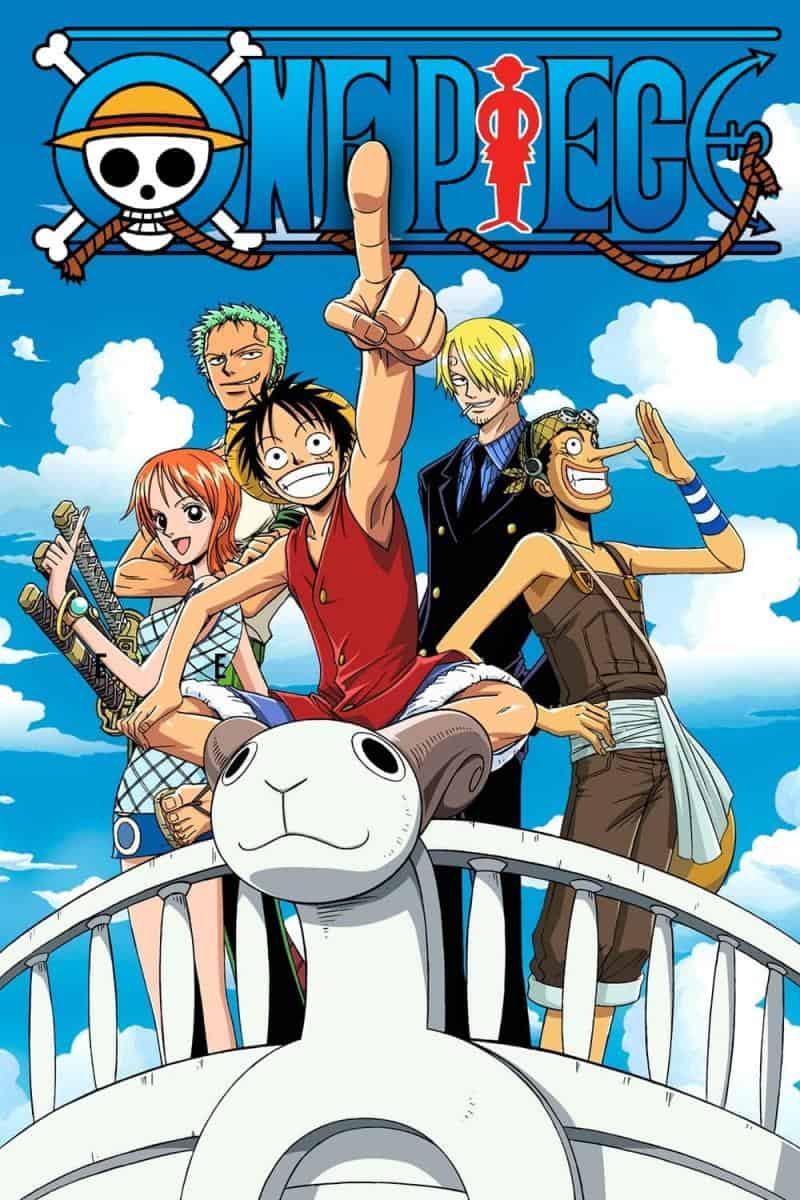
“One Piece” is a beloved Japanese manga and anime series that chronicles the adventures of Monkey D. Luffy and his pirate crew. Luffy, imbued with rubber powers from a mystical fruit Hito Hito no Mi, aspires to become the Pirate King. To achieve this, he seeks the ultimate treasure, the “One Piece,” hidden at the Grand Line’s end. Along the journey, Luffy gathers a diverse crew, confronts formidable foes, and uncovers world-altering secrets, all while promoting themes of friendship, freedom, and adventure.
A new wave of online debate has erupted between Bleach and One Piece fans after the release of the latest episodes in One Piece’s Egghead Arc. Many viewers are accusing Toei Animation, the studio behind One Piece, of copying Bleach’s fight choreography and cinematic style from the Thousand-Year Blood War (TYBW) arc.
The argument centers on similarities in camera movement, visual effects, and animation direction, with some saying the new One Piece battles look too much like those from Bleach’s recent high-quality revival.
The discussion began shortly after new One Piece episodes aired, featuring high-energy fights that used dynamic camera spins, slow-motion impacts, and color-shifting backgrounds techniques that Bleach fans claim are strongly influenced by the TYBW anime produced by Studio Pierrot.
Social media platforms like X (formerly Twitter), Reddit, and YouTube quickly filled with side-by-side comparisons showing scenes from both series that appear visually similar. Some fans went so far as to call it “Toei’s imitation of Bleach’s cinematic style.”
Supporters of Bleach argue that its modern arc redefined how shonen anime handle large-scale battles, blending cinematic direction with stylish lighting and camera work. They believe Toei saw how well Bleach’s new visual tone was received and decided to replicate it for One Piece to boost excitement.
Critics claim that the Egghead Arc’s fights, while well-animated, no longer feel uniquely like One Piece and instead mirror Bleach’s sharper, darker aesthetic. “It’s like Toei forgot what made their own style special,” one fan commented.

One Piece Franchise (Credits: Eichiro Oda)
Bleach Fans Accuse Toei of Copying TYBW Style in One Piece’s Egghead Arc
However, One Piece fans have been quick to defend the studio. They argue that the similarities are coincidental and part of a natural evolution in modern anime. In their view, the use of cinematic techniques such as rotating camera angles and detailed motion blur has become common across the industry, not something exclusive to Bleach.
They also point out that One Piece has experimented with flashy animation before, especially during major battles like Luffy versus Katakuri or Kaido. According to them, the Egghead Arc simply continues that trend with new tools and improved technology.
Industry observers have also weighed in, saying that the debate highlights how anime visuals are increasingly blending between studios as animators, freelancers, and directors collaborate across multiple projects.
Some of the same animators who worked on Bleach TYBW have also contributed to recent One Piece episodes, making it natural that their artistic influence would appear in both. This crossover of talent blurs the line between imitation and inspiration.
Still, not everyone sees it that way. On forums like ComicVine and MyAnimeList, heated debates have broken out over which studio “did it first.” Some Bleach supporters insist that Toei is borrowing too heavily from Pierrot’s innovations, while others say both are drawing from broader cinematic trends in anime that go back years.
References to earlier series such as Attack on Titan and Demon Slayer have entered the discussion, with fans pointing out that those shows helped popularize dramatic camera sweeps and lighting contrasts long before Bleach’s return.
Adding fuel to the fire, a few fans have accused Toei of using Bleach’s success as motivation to push One Piece visually, rather than relying on its traditional art direction. They argue that while the new style looks beautiful, it feels less authentic to the world of One Piece, which has always had a more cartoonish and colorful tone.
Some even worry that the attempt to “modernize” the visuals could alienate long-time viewers who prefer the series’ classic charm.
Animation War Erupts as One Piece’s New Fights Compared to Bleach’s Cinematic Look
Despite the criticism, there is also recognition that One Piece’s Egghead Arc is being praised for its high production quality. Many viewers have applauded the improved consistency and energy in the animation compared to earlier episodes.
The fact that such comparisons are even being made, some say, shows that Toei is raising its standards. Even fans who believe the studio drew inspiration from Bleach acknowledge that the results look impressive and cinematic in their own right.
Ultimately, the debate reflects the passionate rivalry and pride that anime fans feel for their favorite series. Bleach and One Piece have been two of the biggest names in the shonen world for decades, and their followers often clash over influence, legacy, and artistic merit. The current controversy over “who copied who” is just the latest example of how deeply these series are woven into fan culture.

Bleach Franchise (Credits: Tite Kubo)
Toei Animation has not released any official response to the accusations, and Studio Pierrot has also remained silent. Both studios are known for hiring freelance animators who work on multiple shows, which makes it difficult to assign ownership of specific visual ideas. For now, the discussion continues to rage online, with fans dissecting every new episode for signs of imitation or originality.
Whether intentional or not, One Piece’s Egghead Arc has sparked a conversation about creativity, competition, and influence in anime production. It shows how even subtle changes in animation can set off debates about identity and innovation.
In the end, both Bleach and One Piece continue to push boundaries and the rivalry between their fandoms ensures that neither will fade from the spotlight anytime soon.

Ichigo Kurosaki is a seemingly ordinary high schooler, except for one crucial detail, he can see ghosts. One night, his life changes forever when a mysterious woman named Rukia Kuchiki, a Soul Reaper (shinigami), crashes into his room while hunting a monstrous spirit called a Hollow.
