The director of One Punch Man has spoken out about the pressure and criticism surrounding the long-awaited third season of the anime. In a recent discussion, he admitted that Season 3 will likely not reach the level of quality that Season 1 achieved.
While his honesty drew both support and disappointment, the bigger issue at hand has been the wave of online harassment aimed at the staff, something he directly addressed and pleaded with fans to stop.
Season 1 of One Punch Man, directed by Shingo Natsume and animated by Madhouse, set a new standard for action animation in the mid-2010s. The fluid fight sequences, dynamic visuals, and careful balance of comedy with superhero satire made it one of the most celebrated anime of its time.
When Season 2 released under J.C. Staff, the reception was far less enthusiastic, with complaints about rushed production, stiffer animation, and less creative energy. Since then, the reputation of the series has become closely tied to the impossible benchmark set by its first season.
The current director admitted that it is very difficult to recreate that same magic. He explained that Season 1 was a near-perfect storm of talent, timing, and resources, something that cannot simply be repeated at will. Though the team behind Season 3 is working hard, he asked fans to manage their expectations and not measure the new season solely against that first, legendary outing.

One Punch Man Franchise (Credits: One)
One Punch Man Director Admits Season 3 Won’t Match Season 1’s Legendary Standard
Unfortunately, some parts of the fandom have reacted harshly online, going so far as to send angry messages and harassment to the staff. The director condemned this behavior, saying it damages the morale of everyone involved and makes the already heavy pressure even worse. He stressed that the creative team are people who care deeply about the story and characters, and that constant hostility does not lead to better results.
Instead, he urged viewers to show patience and respect, reminding them that anime production is a demanding process full of limitations and compromises. The director admitted his own worries about how fans might perceive Season 3 but promised that the team is striving to make it entertaining and faithful to the spirit of the manga.
He emphasized that even if the animation cannot match the peak of Season 1, the heart of One Punch Man will remain the same, with Saitama’s humor, satire, and underlying themes intact.
Fans themselves are divided. Some sympathize with the director’s honesty and agree that Season 1 should not be the sole measure of the franchise’s worth. Others, however, argue that the studio has had years to prepare and that fans deserve nothing less than excellence after such a long wait.
Social media has become the stage for this debate, with conversations mixing disappointment, cautious optimism, and calls for more empathy toward the staff.
Director Pleads With Fans to End Online Harassment of Anime Staff
Industry observers note that this situation highlights a wider issue in modern anime fandom. With rising expectations, nonstop comparisons, and an online culture that allows for instant criticism, anime creators often face a heavy burden that goes far beyond normal artistic pressure.
Harassment campaigns have become increasingly common whenever fans feel let down, raising concerns about the long-term effects on creative teams.

One Punch Man Franchise (Credits: One)
In the case of One Punch Man, the director’s statement is both a warning and a plea. While Season 3 might not deliver the same animation highs as Season 1, it could still provide a meaningful continuation of the story that fans love. The question is whether viewers can accept that or whether expectations will overshadow the effort put in.
As the wait for Season 3 continues, the conversation around it has shifted from just hype and speculation to deeper questions about fan culture, fairness, and respect for the people who bring anime to life. The director’s words underline a truth often forgotten in the excitement: behind every series are human beings, and their work deserves more than harassment.

One Punch Man follows Saitama, a hero so powerful he defeats any enemy with a single punch, leaving him bored and searching for a true challenge. He joins the Hero Association and faces increasingly strange and powerful foes, while remaining largely unrecognized by the world. The story parodies typical superhero and shonen tropes with satire and brilliant action.
The rise of artificial intelligence in creative industries has sparked a global debate, and anime is no exception. In recent months, discussions have spread among fans about how much AI technology may already be creeping into the production process of their favorite shows.
From speculation about coloring and backgrounds to concerns about whether AI might eventually be used for key animations, the topic has stirred both curiosity and fear. At the heart of the debate is a single question: will AI tools make the work of animators easier, or will they reduce pay and threaten the craftsmanship that makes anime special?
Anime production has always been a labor-intensive process. Every frame of movement, every carefully drawn background, and every splash of color requires the dedication of artists working long hours, often under tight deadlines.
This system has produced some of the most beloved works of Japanese culture, but it has also been criticized for low pay and poor working conditions. In this environment, the introduction of AI seems almost inevitable. Companies may view it as a way to speed up production and cut costs, but fans and creators alike worry about what will be lost in the process.
Speculation about AI use in anime has grown because small signs of automation are already visible in other parts of the industry. Some studios have experimented with AI-based coloring tools, which can fill in large areas of artwork faster than human hands.
Background generation is another area where AI can provide shortcuts, producing detailed settings that normally require painstaking effort. While these technologies can save time, they also raise concerns about how much credit and compensation artists will receive if machines begin taking on a larger share of the work.

One Piece Franchise (Creidts: Eichiro Oda)
Fans Worry AI in Anime Could Undermine Craftsmanship and Animator Pay
Fans point to examples across the entertainment world where automation has quietly reshaped creative practices. In video games, there are rumors about AI tools being used for textures, environmental design, and even character animations.
For anime, the fear is that once AI becomes normalized in small areas like coloring, studios will eventually apply it to more central tasks, such as in-between animation or even full key scenes. If that happens, the unique touch of individual artists could be overshadowed by computer-generated uniformity.
For many fans, the appeal of anime lies not only in the stories but also in the artistry behind them. They value the human imperfections, the distinct styles of different animators, and the sense that every frame was crafted with care.
The idea that AI might replace or reduce this element feels like a betrayal of what makes anime so enticing and authentic. Concerns are not just about aesthetics but also about livelihoods. Animators, who already struggle with low wages, could see further reductions if studios choose AI as a cheaper alternative to human labor.
On the other side of the debate, some argue that AI tools could be useful if applied responsibly. Rather than replacing artists, AI could serve as a support system, taking care of repetitive or time-consuming tasks while leaving the creative decisions to humans.
For example, automating routine coloring might free up animators to focus more on expression, detail, and storytelling. Supporters of this approach believe that AI does not have to erase artistry but can instead enhance it, provided studios remain committed to valuing their workers.
Debate Grows Over Automation in Anime Production and Its Impact on Creativity
The challenge lies in how the technology is used. If studios treat AI as a shortcut to cut costs and reduce staff, it will almost certainly lead to backlash from both creators and fans. If, however, AI is framed as a tool that empowers artists and helps improve working conditions, it could be accepted more positively.
Much depends on the transparency of studios and their willingness to discuss how automation fits into the creative process. Unfortunately, the anime industry is often secretive about production details, which fuels speculation and mistrust.
Fans have taken to online communities to voice their worries, with some calling for clear guidelines on AI use in anime production. They want assurances that human animators will remain central to the process and that their pay will not be undercut.

Sekiro Franchise (Credits: From Software)
Others demand that studios openly credit when AI is used so that audiences can make informed judgments about the work they are watching. Without such openness, rumors will continue to swirl, and every unusual detail in a scene may be viewed as evidence of creeping automation.
The debate over AI in anime reflects a larger cultural question about the balance between technology and human creativity. As tools advance, industries across the world will face similar dilemmas. For anime, the stakes feel especially high because of the art form’s reliance on the talent and vision of its creators. Fans want the magic of anime to remain rooted in human imagination, not in algorithms.
In the end, AI in anime is not just about efficiency or cost. It is about trust between creators and audiences, and about protecting the value of the people who bring these stories to life. Whether AI becomes a threat or a helpful companion will depend on how studios choose to use it.
For now, the fear remains real, and fans will continue to watch closely, hoping that the future of anime does not come at the expense of its human soul.
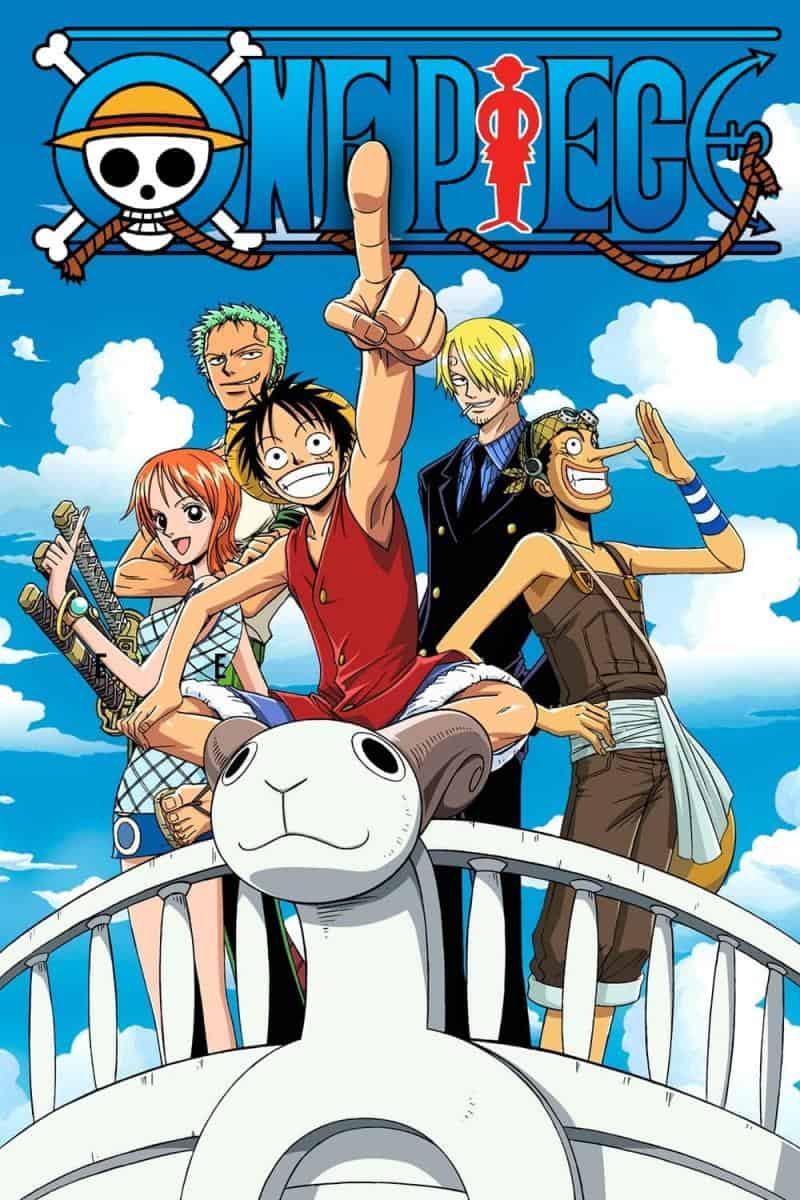
“One Piece” is a beloved Japanese manga and anime series that chronicles the adventures of Monkey D. Luffy and his pirate crew. Luffy, imbued with rubber powers from a mystical fruit Hito Hito no Mi, aspires to become the Pirate King. To achieve this, he seeks the ultimate treasure, the “One Piece,” hidden at the Grand Line’s end. Along the journey, Luffy gathers a diverse crew, confronts formidable foes, and uncovers world-altering secrets, all while promoting themes of friendship, freedom, and adventure.
