A recent interview with Makoto Tezuka, the son of the late Osamu Tezuka, has ignited controversy among anime and manga fans. During an event titled “The Future of AI-driven Animation Expression,” Makoto disclosed that he had spent the past five years attempting to create an anime in his father’s iconic style using artificial intelligence. The revelation has sparked heated backlash, with many accusing Makoto of disrespecting his father’s artistic legacy.
The backlash comes at a particularly sensitive time, as the anniversary of Osamu Tezuka’s death was only a few weeks ago. Tezuka, often regarded as the “Godfather of Manga” and “The Walt Disney of Japan,” left behind a monumental legacy through works such as Astro Boy, Black Jack, and Phoenix. His detailed and emotionally charged storytelling set the foundation for modern manga and anime. Many fans feel that attempting to replicate his distinctive style through AI technology undermines the depth and human touch that defined his work.
AI Fails to Capture Tezuka’s Artistic Vision
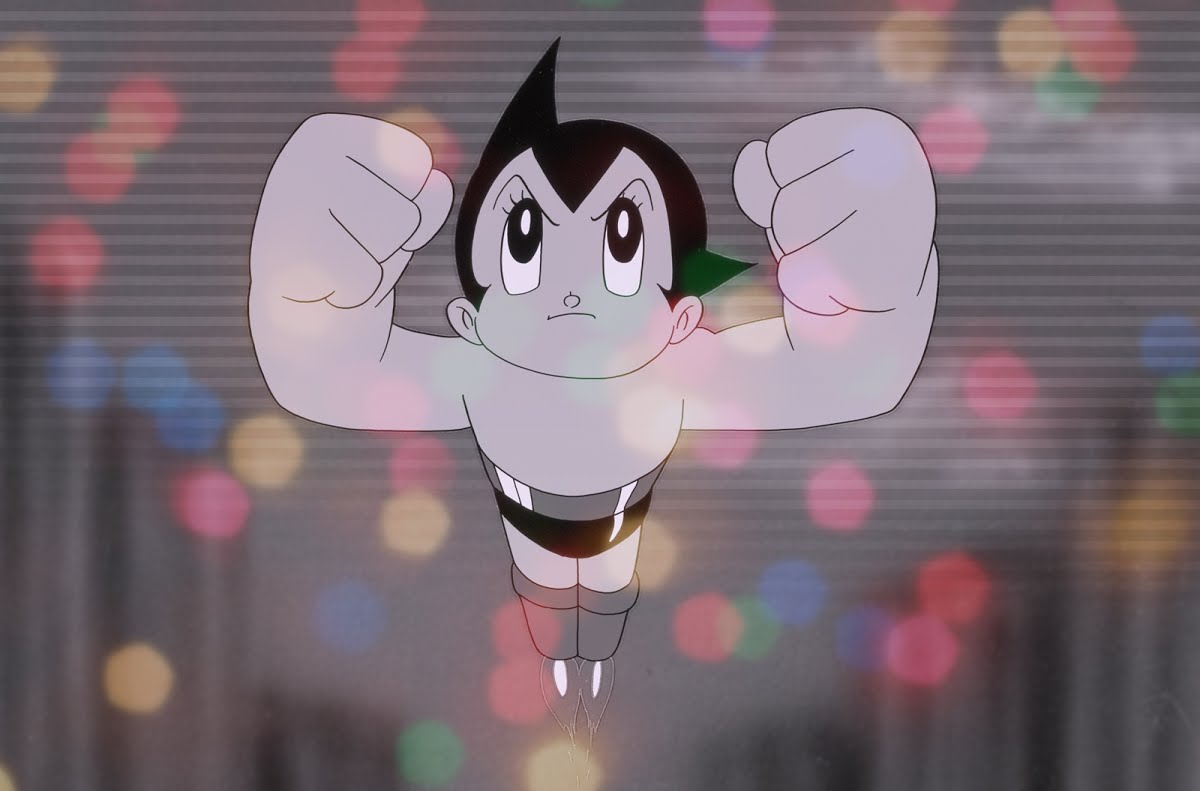
Astro Boy
Makoto Tezuka explained that despite years of effort, the AI failed to replicate his father’s artistic direction . While it could mimic the visual style of Tezuka’s work, it struggled to capture the creative intent and emotional nuance that defined the original art. This failure has provided some relief to fans who worried that AI-generated content could dilute Tezuka’s legacy.
However, the mere attempt to recreate Tezuka’s work using AI has left many supporters outraged. For many, Tezuka’s art was a deeply personal and human expression—an extension of his thoughts, emotions, and worldview. The notion that AI could replicate that artistic essence is seen as not only misguided but also disrespectful to the very philosophy that defined Tezuka’s career.
Fan Reaction and Industry Backlash
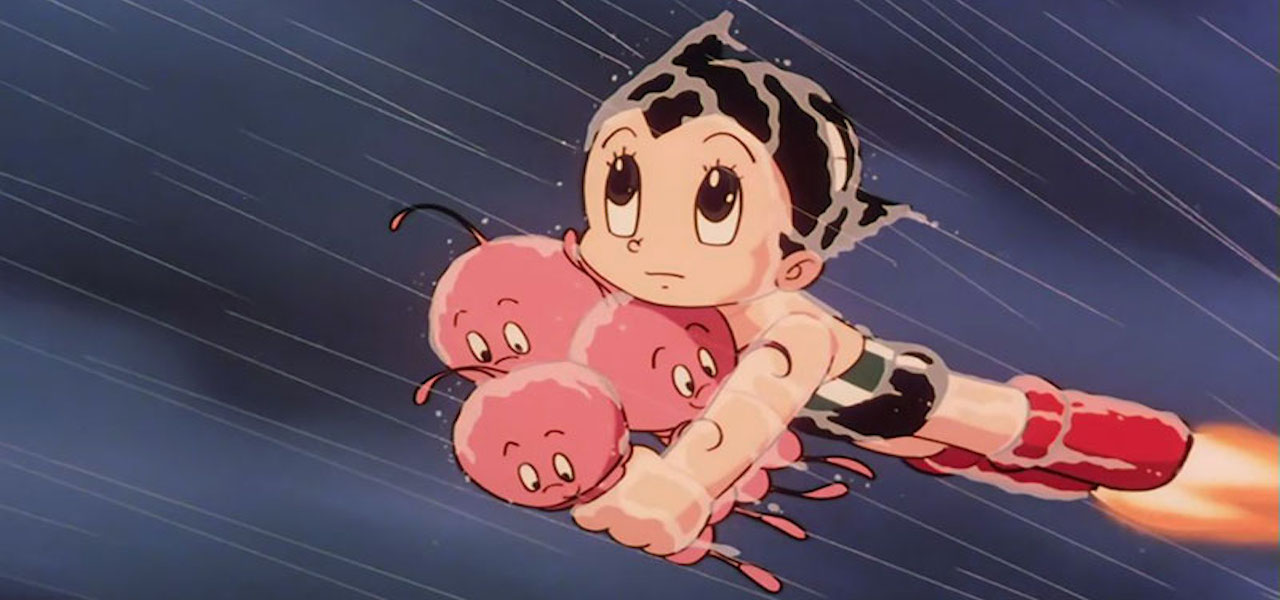
Astro Boy
Fan reaction to Makoto’s admission has been overwhelmingly negative. Social media platforms have been flooded with criticism, with many fans accusing Makoto of “trying to commercialize his father’s legacy” and “betraying Tezuka’s artistic integrity.” Some have gone so far as to suggest that Makoto’s experiment was motivated more by profit than by artistic tribute.
The controversy also reflects broader concerns within the anime and manga industries regarding AI-generated content. Many artists and industry professionals have voiced opposition to AI’s increasing role in creative fields, arguing that it undermines the human element of art. Makoto’s attempt to recreate his father’s work through AI has amplified these fears, reinforcing the belief that artistic expression cannot be reduced to algorithms and machine learning.
What This Means for Tezuka’s Legacy
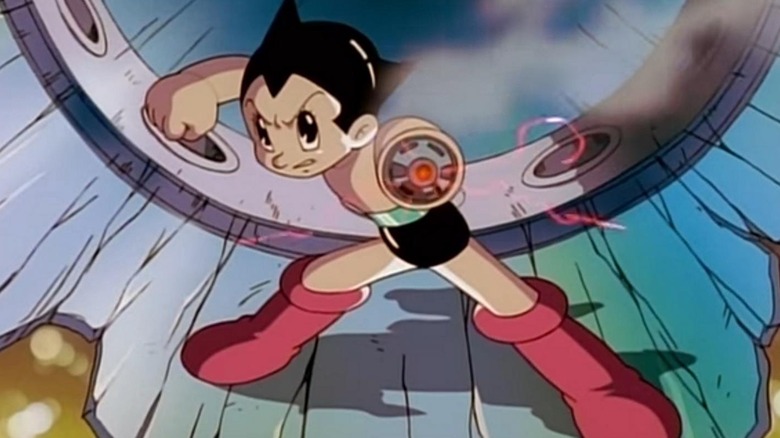
Astro Boy
Despite the failure of Makoto’s AI project, the backlash highlights the protective sentiment that fans feel toward Osamu Tezuka’s legacy. His works are not just pieces of art—they are cultural landmarks that shaped the evolution of manga and anime as a medium. The notion that AI could replicate or “continue” Tezuka’s work without human involvement strikes at the core of what makes his art meaningful.
Makoto Tezuka has not yet responded to the backlash or clarified whether he plans to continue pursuing AI-based projects. However, the intensity of the reaction suggests that any future attempt to use AI in Tezuka’s name would face significant resistance from both fans and the artistic community.
The rise of manga in recent years has been undeniable, but newly released data underscores just how significant its expansion has been. A new report from Grand View Research on the U.S. manga market confirms that the industry is now valued at an impressive $1 billion, with a projected growth rate of 24% over the next five years. This marks a dramatic increase from the market’s size five years ago, which was approximately half of what it is today—a clear indication of the industry’s rapid success and increasing influence.
The report not only highlights the current strength of the manga market but also offers insight into why the industry has become so profitable. The increasing availability of digital manga has played a key role in this rise, contributing to 80% of the total revenue.
While digital platforms have dominated the market in recent years, the demand for physical copies is also expected to grow, with a strong Compound Annual Growth Rate (CAGR) anticipated for printed manga. The continued appeal of physical editions, especially among dedicated fans seeking collectible copies, is driving this trend. Additionally, more brick-and-mortar stores specializing in manga are expected to emerge, further meeting the growing demand for physical releases.
Action and Adventure Lead the Market, but Romance and Drama Are Catching Up
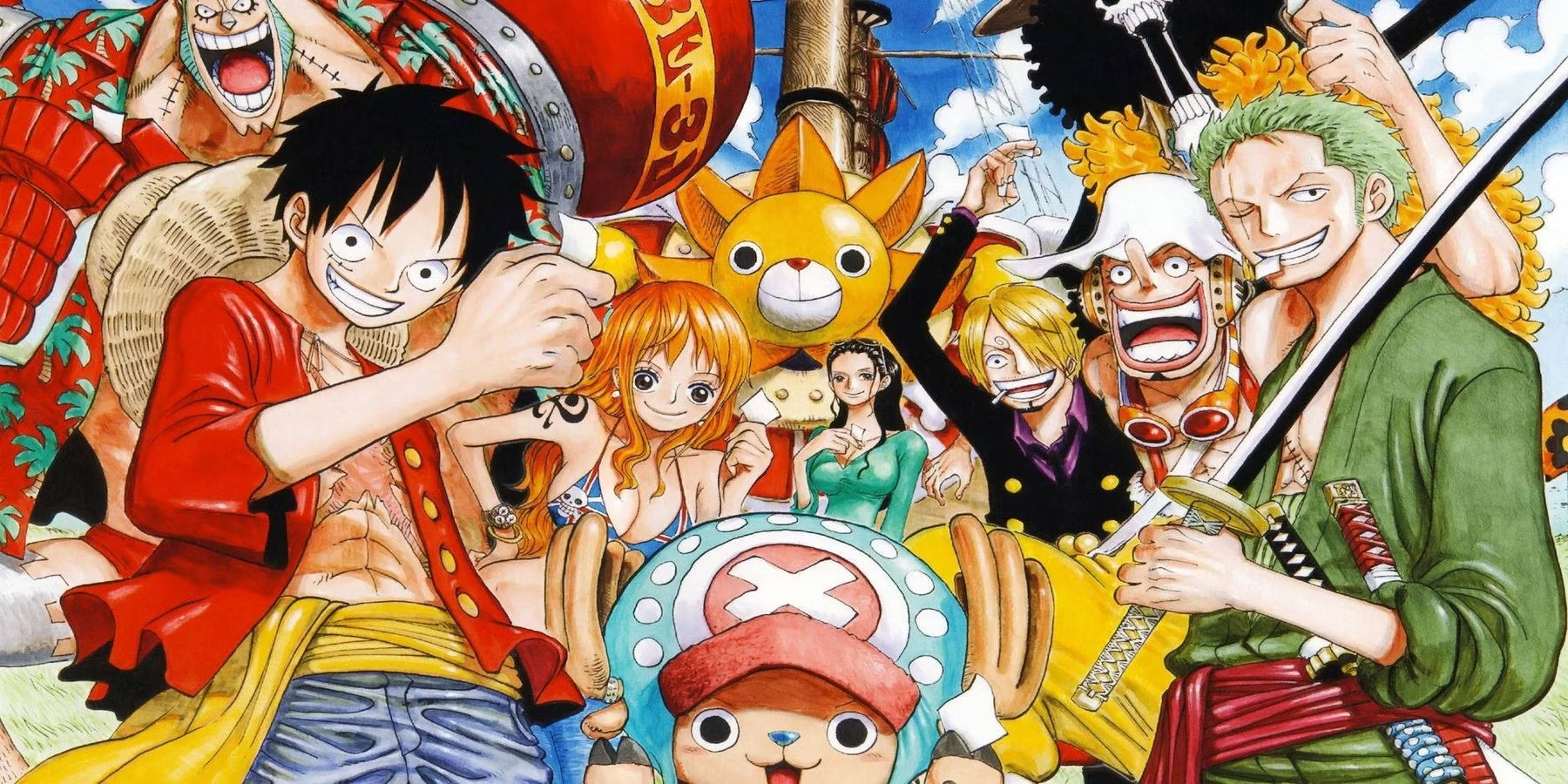
One Piece (Toei)
The action and adventure genres remain the most dominant in terms of revenue and audience engagement, reflecting the continued popularity of best-selling titles in these categories. However, one of the most exciting revelations from the report is the anticipated rise of romance and drama , which are expected to experience the highest CAGR over the next five years. This shift could lead to greater diversity in available manga titles, including increased licensing and publication of shojo and josei series, which have traditionally been underrepresented in Western markets.
The data also provides valuable insight into the manga audience’s makeup. Male readers currently make up the largest segment of the market’s revenue, but female readership is expected to increase in the coming years. The report also identifies adults as the primary demographic driving the market’s growth, indicating that manga’s appeal extends well beyond younger audiences.

Demon Slayer and One Piece
Key industry players such as Viz Media, Kodansha, Seven Seas Entertainment, and Dark Horse Comics have played a major role in expanding the market’s reach. Their efforts to increase availability through subscription models, simultaneous publishing (simulpub), and wider distribution in mainstream retail stores have made it easier than ever for fans to access both new and classic manga titles. This increased accessibility has contributed to the surge in market value and created new opportunities for growth.
The manga industry’s expansion isn’t just limited to increased sales—it’s also leading to more diverse storytelling and greater genre representation. With growing support from major publishers and an increasingly engaged audience, the future of the U.S. manga market looks exceptionally promising. Fans can expect to see more varied titles, enhanced availability, and continued innovation in the years ahead.
