In a controversial court ruling, a Japanese couple was denied the right to adopt a child after the judge deemed their anime obsession a sign of emotional immaturity. The couple, both in their 30s, had no criminal or financial issues, but the court cited their “inability to separate reality from fantasy” due to their lifestyle centered around anime and 2D characters.
According to a detailed report by Mainichi Shimbun , the judge expressed concern that the couple’s fixation on fictional characters could affect their parenting capacity. This has led to a wider conversation about how otaku are perceived in Japan, especially when it comes to responsibilities like parenthood and family-building.
Legal Grounds or Cultural Bias?

One Piece and Demon Slayer
Critics of the decision argue that the ruling reflects deep-rooted stigma against anime fans. Otaku culture, while mainstream in many aspects of Japanese society, still draws skepticism when it intersects with traditional values. Experts say this case may be less about legal grounds and more about outdated views on what constitutes a “suitable” parent.
Meanwhile, supporters of the court’s decision maintain that the child’s welfare should come first. They argue that extreme fandom behaviors—such as filling a house with life-sized waifus or calling each other by anime character names—could suggest an emotionally insulated lifestyle incompatible with child-rearing. Regardless, the debate highlights how cultural perception still influences legal outcomes.
Public Reaction and Social Fallout
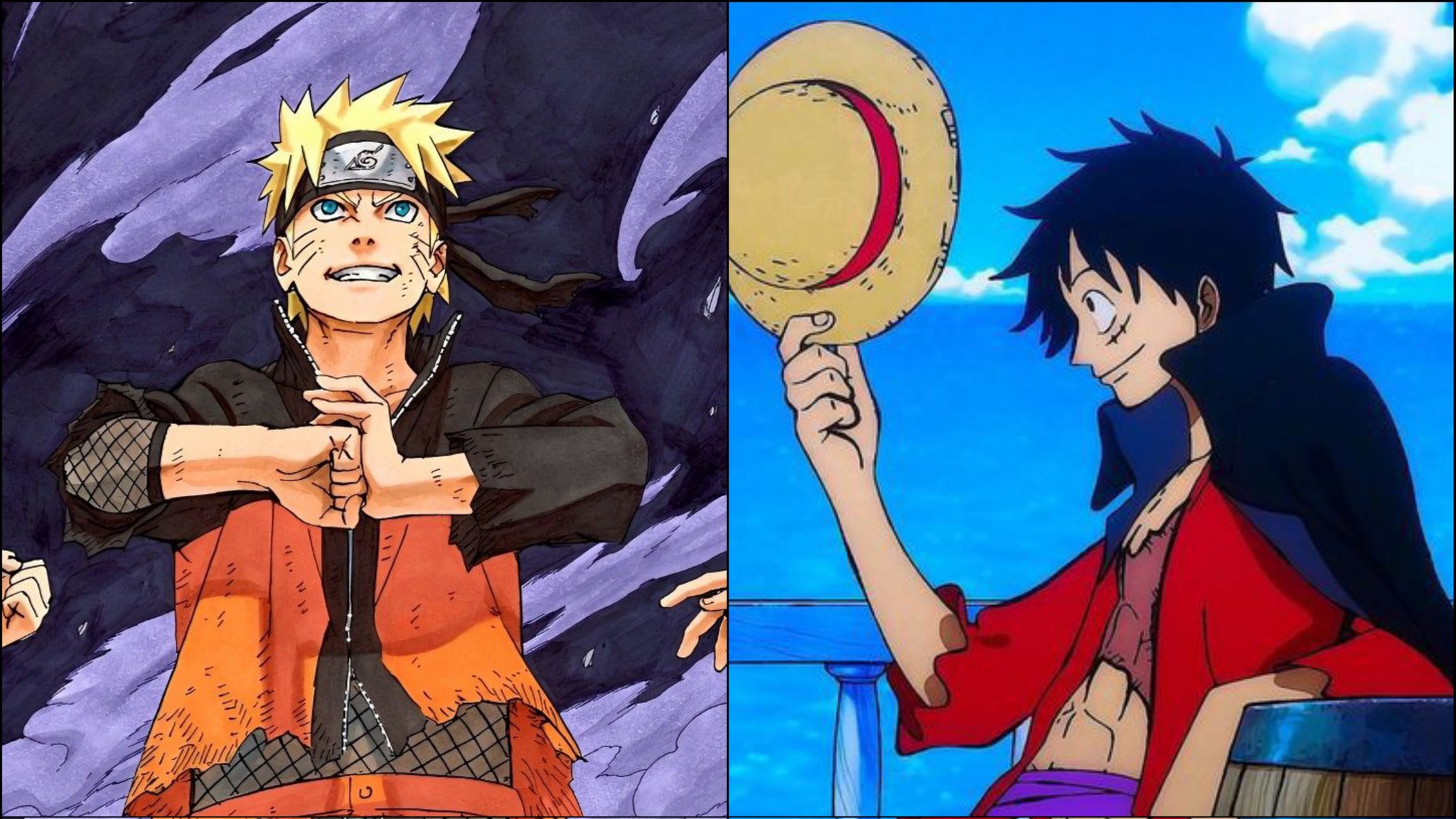
Naruto and Luffy (Credits: Toei Animation and Studio Pierrot)
The couple’s case has triggered heated discussions on Japanese social media. Many users on platforms like X and 5ch are accusing the legal system of discriminating based on personal hobbies. Hashtags like #OtakuRights and #ParentingNotPretending have started trending as netizens voice support for the couple.
Psychologists have also entered the conversation, with some noting that escapism through anime isn’t necessarily a sign of dysfunction. They caution that the legal system must evolve with changing cultural norms. Whether the couple will appeal the decision remains unclear, but their case may become a pivotal moment in redefining social standards for parenthood in Japan.
A well-known anime convention has canceled its long-running “Hentai Night” program following strong objections from a local parents group. The 18+ late-night screening, a staple for adult attendees, was pulled from the schedule just days before the event. The decision has ignited debates about censorship, artistic freedom, and the role of adult content in fan culture.
As reported by Anime News Network , the controversy began after community members submitted a formal complaint claiming the event promoted indecent content. Organizers quickly responded, citing pressure from the venue and a desire to “maintain a family-friendly environment.” The announcement was met with immediate backlash online.
Fans Demand Space for Adult Content
Please Put Them On, Takamine-san
Many fans have expressed frustration, arguing that adult-themed programming has long been a part of anime fandom. Critics of the cancellation say attendees understand the age restrictions and that removing 18+ events punishes mature audiences. They also argue that separating adult and general content maintains boundaries without compromising family safety.
Supporters of the decision counter that conventions should be accessible to all ages. They claim public events held in shared spaces—like hotels or convention centers—should not feature material that could be viewed as offensive, even if restricted to specific rooms and times. The dispute reflects growing tension between fan freedom and public accountability.
Organizers Caught in the Middle
Please Put Them On, Takamine-san
Event planners are now under scrutiny from both sides. Some attendees are demanding refunds, citing the removal of key programming that influenced their travel plans. Others accuse the organizers of caving to moral panic instead of standing up for artistic inclusion. With social media reactions heating up, the issue has extended beyond a single event.
Some conventions have responded by reevaluating their adult content policies. A few announced that similar panels or screenings will be relocated offsite or moved to digital platforms. The broader conversation suggests that as anime grows in mainstream popularity, its more mature elements may come under increased pressure.
