For years, anime and cartoon fans have debated whether Ben 10 could take on Goku in a battle. With his incredible transformation abilities, Ben has an arsenal of powerful alien forms. On the other hand, Goku, a Saiyan warrior, possesses immense strength and combat mastery. This debate reached new heights when over 30,000 people voted in favor of Ben 10 winning.
Ben’s Omnitrix grants him access to various aliens, each with unique abilities, making him a formidable opponent. Among them, Alien X is considered his strongest form, capable of altering reality itself. Meanwhile, Goku has spent his life training and unlocking transformations, each more powerful than the last. With abilities like Ultra Instinct, he moves faster than thought, making him nearly untouchable.
Ben 10’s Abilities

Ben 10
This celestial being is Ben’s ultimate weapon. With the power to create and destroy entire universes, Alien X is considered omnipotent. However, its activation requires unanimous agreement between three consciousnesses, making its use tricky. If controlled properly, Alien X could pose a serious threat to even the strongest warriors.
One of Ben’s most agile and adaptable aliens, Jet Ray excels in aerial and underwater combat. He can breathe in space and move at tremendous speeds, making him highly versatile. While not the most destructive, his speed and maneuverability could provide an edge in battle.
This time-manipulating alien has the ability to slow down or accelerate time. He can even rewind events, making him nearly impossible to defeat under the right circumstances. With this power, Ben could counter Goku’s speed and attack before Goku even reacts.
Ben’s most prized possession, the Omnitrix, holds the DNA of countless species. With just a tap, he can transform into a creature suited for any challenge. This adaptability is what makes Ben a unique opponent—he can switch tactics instantly.
https://www.youtube.com/post/UgkxBoPQKMUZT78E8OCXmlytCZLDMXDCEwXk
Goku’s Abilities
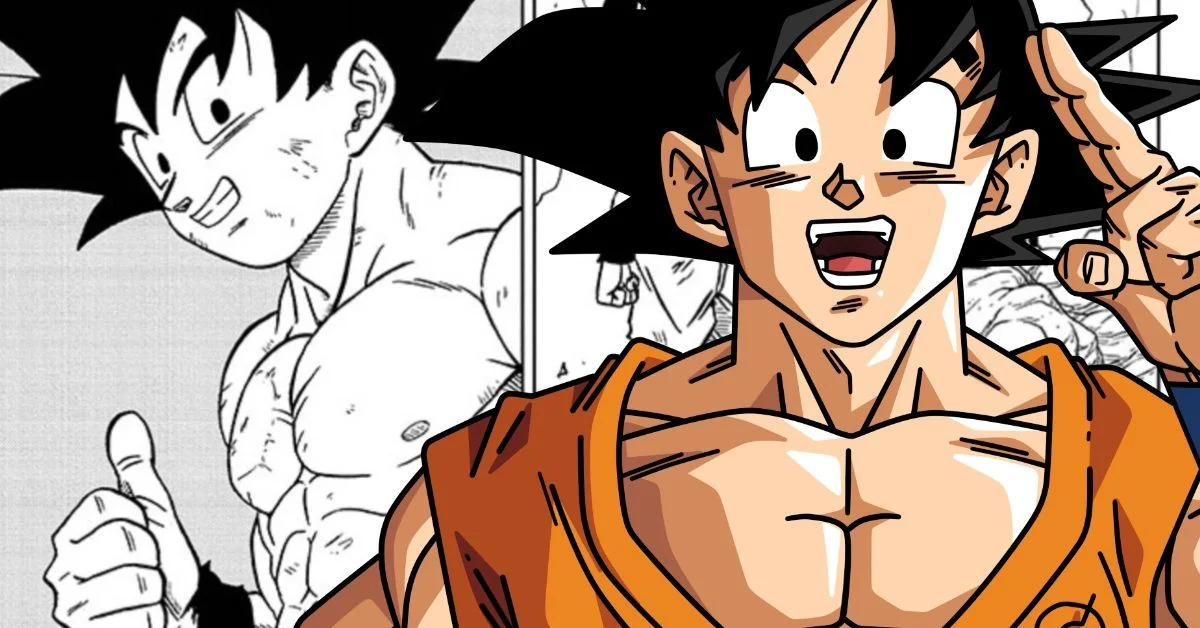
Goku (Credits: Toei Animation)
Goku’s transformation into a Super Saiyan grants him immense strength and speed. At his peak, he can destroy entire planets with ease. Each level of this transformation further amplifies his power, making him one of the strongest fighters in anime history.
Goku’s most refined technique, Ultra Instinct, allows him to move and counterattack without thinking. His reflexes become nearly perfect, making him untouchable in battle. Against a foe like Ben, this could give him a significant advantage.
The debate continues, and while both characters have their strengths, it ultimately depends on how the fight unfolds. Ben’s transformations give him versatility, but Goku’s relentless power and experience make him a near-unbeatable force. The battle of Ben 10 vs. Goku may never happen officially, but fans will always argue over who would emerge victorious.

Young Goku, a strong boy with a monkey tail, teams up with teenage inventor Bulma on a quest to collect the seven Dragon Balls that summon Shenron (a wish‑granting dragon). Along the journey, they encounter allies and foes, including Master Roshi, Oolong, Yamcha, and the Pilaf Gang; Goku hones his skills through martial‑arts tournaments and battles against general‑purpose evil across the world.
In the closing moments of Better Call Saul ‘s series finale, the title “Saul Gone” resonates deeply. It serves as a poignant conclusion to the seven-year journey of characters like Jimmy McGill and Kim Wexler. The finale ties up nearly all the burning questions raised throughout the prequel series, leaving one final mystery: What happens to Saul Goodman after the events of Breaking Bad ? In the end, the fate of Saul/Gene Takovic is a bittersweet balance of his past actions catching up with him while maintaining his unyielding nature.
Better Call Saul Ending Explained
The idea of going back in time is a theme that threads throughout the final episode. This concept takes center stage in flashbacks where characters reflect on pivotal moments in their lives. For Saul, these moments of introspection emphasize his refusal to change, his path filled with personal flaws, and his struggles with identity. Despite the regrets and reflections of other characters like Mike and Walter White, Saul’s responses to these memories remain staunchly self-centered and resistant to any form of change.
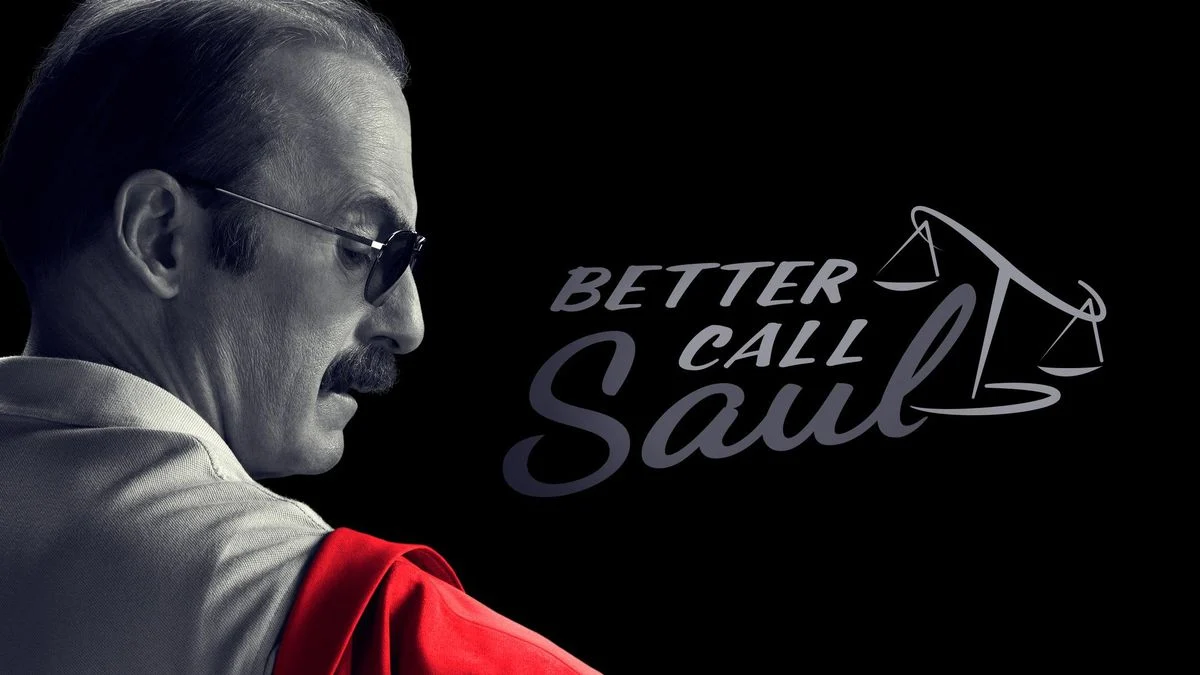
Jimmy McGill (Image via Getty)
In these flashbacks, Saul makes it clear that his road was his own to travel. Whether motivated by spite, greed, or the desire to show his worth, his actions were always driven by a personal agenda. This lack of empathy contrasted sharply with the more likable qualities of Jimmy McGill. While Saul’s selfishness and lack of compassion defined much of his actions, the vestiges of Jimmy remained in moments where he truly cared for others, notably Kim.
Gene’s Desperate Struggle
The show transitions to the present where Gene, now living a mundane life as a Cinnabon manager, finds himself pursued by the authorities. In his desperation, he contacts his former colleague, Bill Oakley, seeking a way out. This moment marks a turning point where fans might have expected redemption for Saul, but instead, the narrative doubles down on his trajectory toward self-destruction. The inclusion of Marie Schrader, grieving and angry over Hank’s death, adds weight to the finale, showing that even those connected to Saul’s past are still affected by his actions.
Gene’s encounter with Marie and the subsequent pursuit by the police further demonstrates his inability to escape his past. After a brief confrontation, he finds himself caught in a dumpster, leading to a moment of reflection. He contacts Bill Oakley again, this time to negotiate a plea deal that would implicate him in a range of crimes. However, despite his confession, Saul draws a line when it comes to Kim Wexler. His attempt to protect her, despite their fractured relationship, demonstrates the depth of his lingering care for her.
The Final Showdown in the Courtroom
The showdown takes place in a courtroom, where Saul’s fate is ultimately decided. Just as Breaking Bad ended with high-stakes action, Better Call Saul concludes with an intense legal battle, driven by words rather than violence. Saul’s decision to confess to his wrongdoings, including his role in various crimes, marks a turning point. Most notably, he absolves Kim from any involvement in Howard Hamlin’s death, sparing her from potential legal consequences.
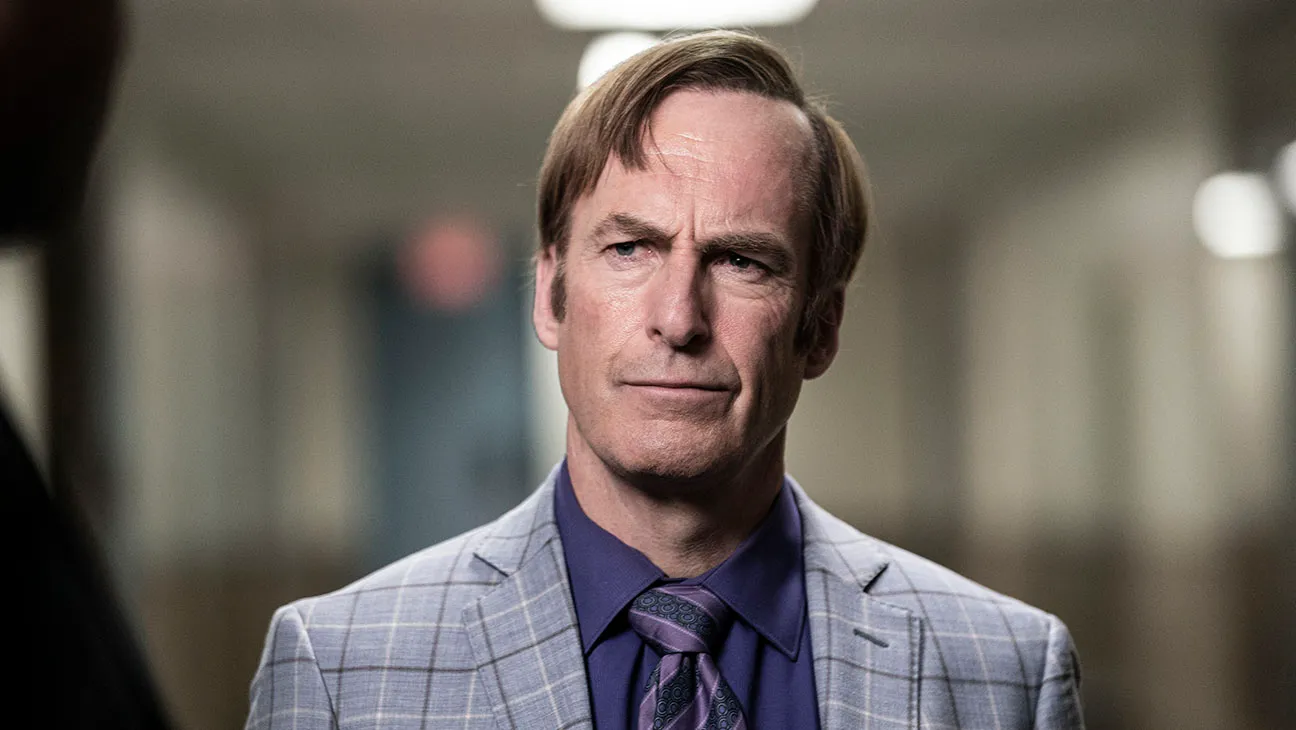
Jimmy McGill (Image via Getty)
Jimmy’s Emotional Confession
In a moment of vulnerability, Jimmy McGill, in a rare display of emotion, expresses regret over his role in his brother Chuck’s death. This is a significant moment, as it shows that, at his core, Jimmy was still grappling with guilt and remorse for the pain he caused. In that final courtroom scene, the hardened Saul Goodman fades into the background, and the true emotional core of the series shines through—Jimmy McGill’s final act of redemption.
The role of Kim Wexler throughout the series cannot be overstated. Her genuine desire to help others and her unwavering moral compass played a pivotal role in shaping Jimmy’s character. While Jimmy, motivated by greed, often found himself lost in the pursuit of personal gain, Kim’s influence kept him tethered to a sense of right and wrong. This contrast was most evident in the finale when Jimmy’s final act was not one of selfishness but of self-sacrifice for Kim.
The Inevitable Consequences of the Past
As the episode progresses, Jimmy McGill’s sentencing to 86 years in prison is a stark reminder that one cannot escape the consequences of their actions. However, the finale offers a sense of optimism, as Jimmy holds onto the possibility of redemption, even if it means serving time in prison. This is reflected in the final scene, where he shares a quiet moment with Kim, both of them reflecting on their past, their mistakes, and the possibility of a future together—albeit from different paths.
The significance of their final conversation cannot be understated. In the moments leading up to his sentencing, Jimmy and Kim share a smoke break, a symbolic gesture that harkens back to earlier moments in their relationship. While the fate of their future remains uncertain, this final exchange suggests that there is still some hope for their relationship, even in the face of overwhelming challenges.

Jimmy McGill (Image via Getty)
A Complex Tale of Redemption and Consequences
At its core, Better Call Saul has always been about the complexities of identity, guilt, and redemption. Jimmy McGill’s evolution into Saul Goodman was marked by a series of choices that pushed him further away from the man he could have been. However, in the end, it was his love for Kim Wexler and his desire to protect her that ultimately led him to make the right choice. This moment of clarity, where he chose to absolve her and accept responsibility for his own actions, marked the true redemption of Jimmy McGill, the man who had always been trying to escape his past.
The Importance of the Final Scene
The finale also highlights the idea that we can’t change the past, but we can shape our future. Jimmy’s final moments with Kim reflect this notion, as they both seem to come to terms with the lives they’ve led and the paths they’ve chosen. While Jimmy may be locked away in prison, he holds onto a small glimmer of hope, suggesting that there may still be a way out for him—one that doesn’t involve slipping back into the old habits of Saul Goodman.
In the end, the story of Better Call Saul was never just about the rise and fall of a criminal lawyer. It was about the people who shaped him, the choices he made, and the consequences of those choices. The relationship between Jimmy and Kim, fraught with both love and pain, was the emotional backbone of the series. Their final moments together, while bittersweet, offered a sense of closure that was both satisfying and poignant.
