An elementary school in Illinois is facing a lawsuit after a student reportedly watched several minutes of Chainsaw Man during class. The parents claim the content caused the child psychological harm, citing recurring nightmares, fear responses, and a drop in academic performance. The teacher allegedly left the class unsupervised while the student accessed the anime on a school-issued tablet.
Chainsaw Man is known for intense violence, mature themes, and graphic visuals. Though highly popular among older teens and adults, the anime is widely considered unsuitable for children. The parents argue that the school failed in its duty of care by not restricting access to explicit content, especially on devices meant for learning.
The Legal Case and Public Response

Chainsaw Man (Credits: Mappa)
According to ABC7 Chicago , the lawsuit claims the school violated child protection standards. The legal filing demands compensation for emotional trauma and seeks a mandate to block streaming platforms on school networks. The case has sparked debate over whether educators should be responsible for pre-filtering digital content.
Many parents online have echoed similar concerns, stating that while Chainsaw Man has artistic value, its explicit nature makes it highly inappropriate for young viewers. Education experts warn that schools must set stronger boundaries as technology use expands in classrooms. The story also went viral on Reddit and X, where users debated whether anime censorship in schools should be normalized.
Oversight in Digital Learning Environments
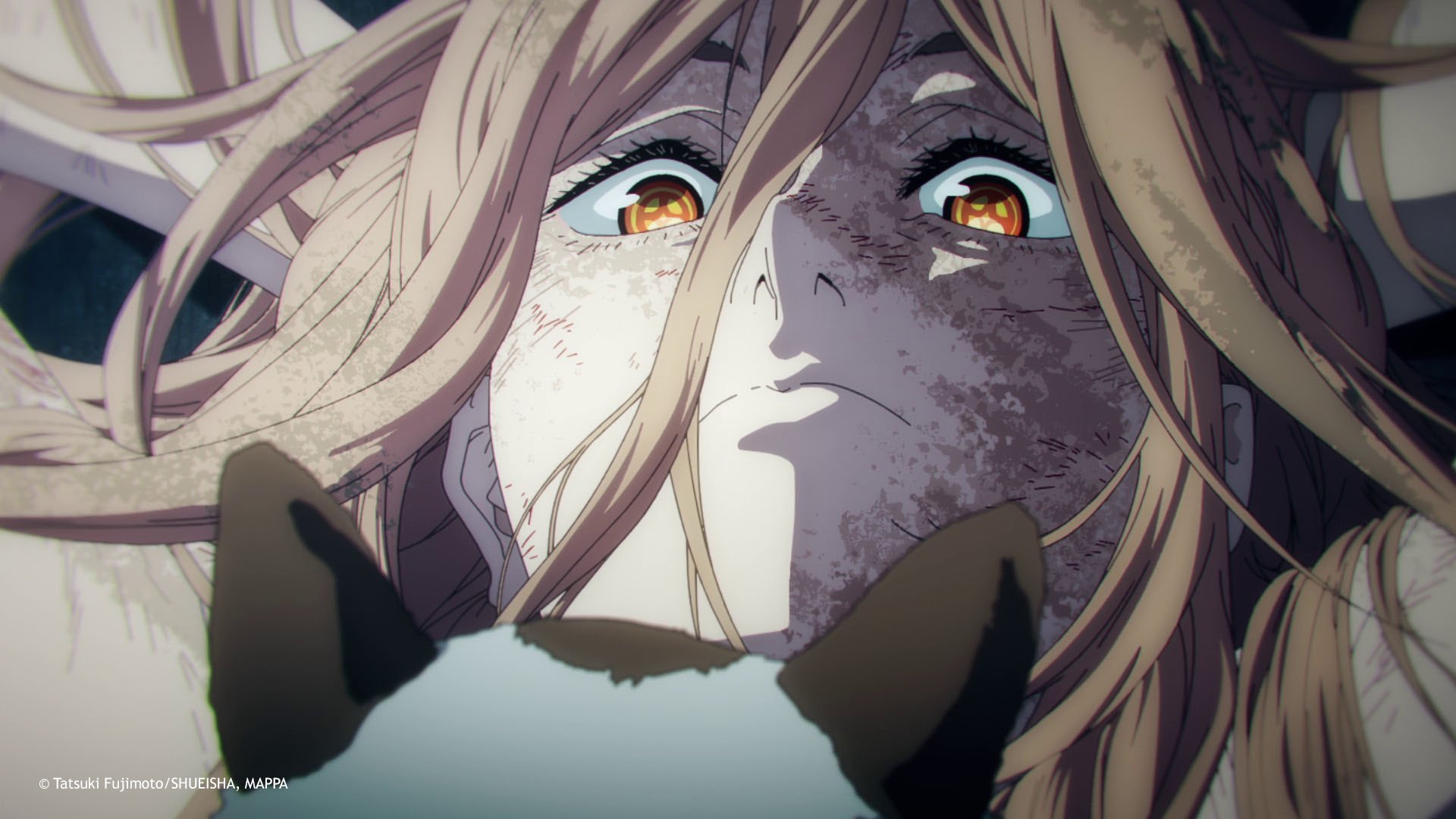
Chainsaw Man (Credits: Mappa)
The incident highlights the growing need for better content filters in schools using 1:1 tablet programs. Teachers often rely on district-level firewalls, but those tools are not foolproof. Critics argue that anime, in particular, sits in a grey area: visually appealing to children yet often thematically mature. The result can be unintended exposure to violence or explicit content.
Advocates for anime argue that responsibility also lies with parents to educate their children about what is suitable. However, this case could push districts to adopt stricter policies. Whether the lawsuit succeeds or not, it has already reignited the conversation on digital media safety, student well-being, and the boundaries of art in educational settings.
In a controversial move, a school principal in Ohio has been fired after assigning Death Note as part of the required reading for a high school class. The decision, initially praised for introducing students to popular culture, quickly spiraled out of control when students began mimicking the anime’s infamous concept—writing each other’s names in notebooks as a joke. The incident ignited a firestorm of complaints from parents and community members.
Death Note is known for its dark themes, including murder, justice, and morality. While the anime has been critically acclaimed, its content is often considered unsuitable for younger audiences due to its psychological intensity and violent narrative. Teachers and administrators have long grappled with whether anime can be included in educational settings without raising safety concerns or upsetting parents.
The Fallout and Community Reaction
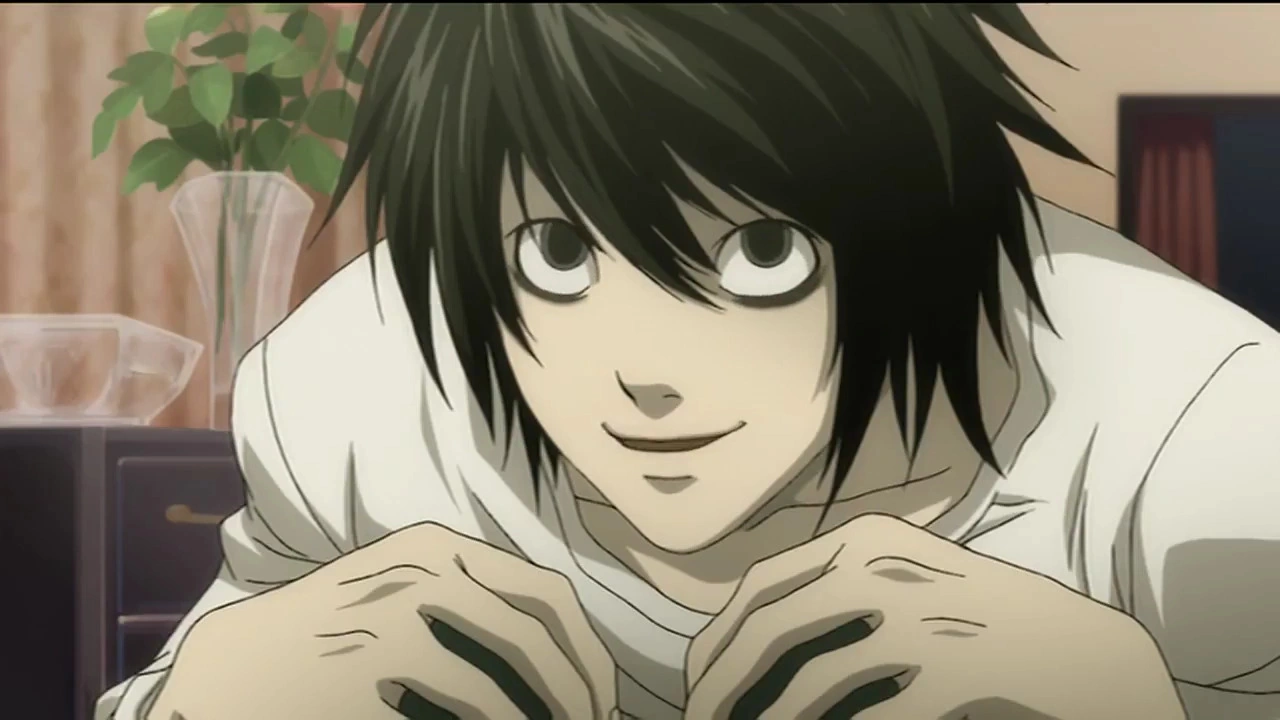
Death Note’s L
According to NBC News , the decision to include Death Note in the curriculum led to immediate backlash from parents. Some students reportedly began acting out scenes from the anime, with some even jokingly writing their classmates’ names in notebooks. The situation became more concerning when rumors spread that students were taking the concept too far, sparking fears of real-world violence.
The principal, who had defended the choice as an opportunity for students to analyze themes of morality and justice, was swiftly removed from their position following the outcry. District officials cited the need to uphold a safe and appropriate learning environment, while critics questioned whether the firing was too extreme. Supporters of the principal argue that the decision to include Death Note was a well-meaning attempt to engage students with contemporary media, which ultimately backfired due to lack of proper context and supervision.
The Debate Over Anime in Schools

Death Note’s L
This incident has reignited debates on whether anime should have a place in the classroom. Advocates for anime argue that it can be an effective tool for engaging students in discussions on ethics, philosophy, and storytelling. However, critics contend that the violent themes found in many anime are unsuitable for younger audiences and should be kept out of educational curricula.
As the story continues to unfold, schools across the country are reevaluating how to approach popular media in academic settings. The debate will likely continue, particularly as anime grows in prominence among youth culture, raising the question of whether traditional educational standards can keep up with modern forms of entertainment.
