A newly published study by Dr. Kendra Holtz of the University of Toronto has ignited a firestorm online. The research suggests that young men who consume anime excessively may exhibit signs of emotional unavailability and poor interpersonal communication. The paper quickly made waves across anime forums, with critics accusing it of stereotyping an entire fandom.
As reported in a Toronto Star feature , the study tracked over 300 male participants aged 18–30. Holtz’s findings suggest that parasocial relationships with 2D characters can hinder the development of real-world empathy. The report also points to anime’s often idealized portrayals of women as contributing to warped romantic expectations.
Fans Push Back Against Study’s Claims
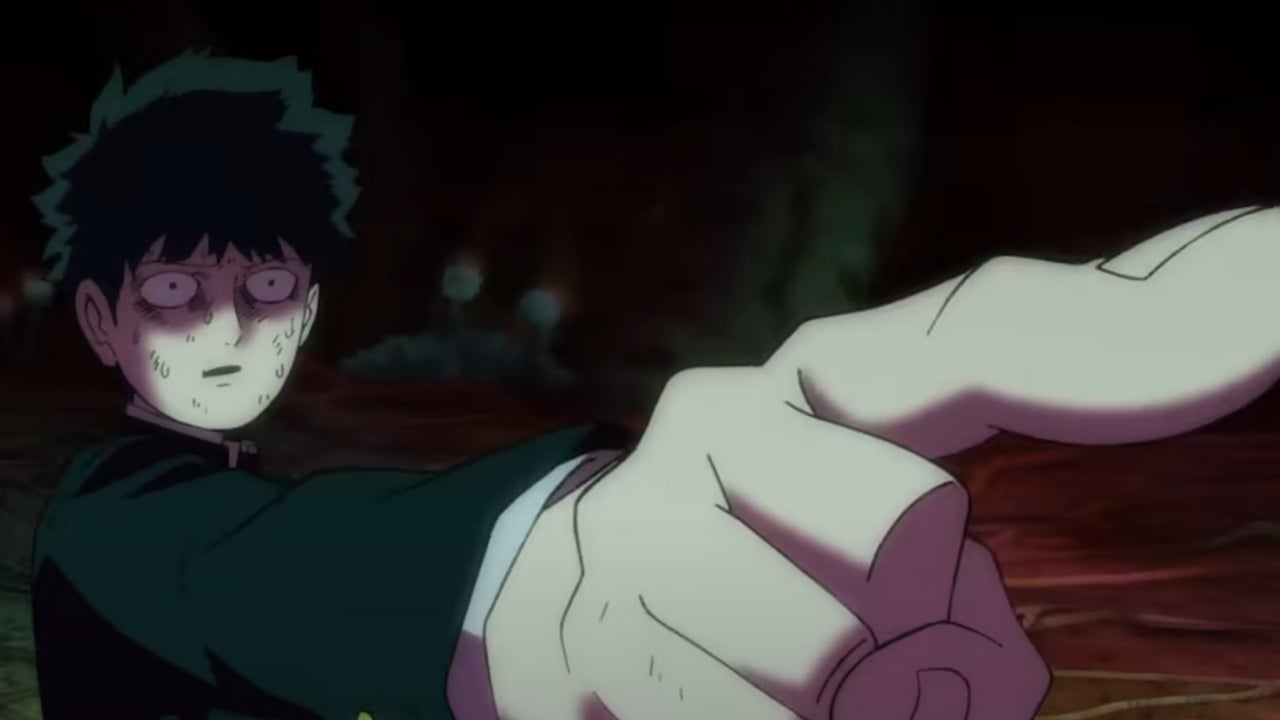
Mob Psycho
The backlash was swift and intense. Thousands of anime fans took to social media to debunk the study, arguing that blaming anime for emotional immaturity is reductive. Many pointed out that anime, like any form of media, includes a wide variety of genres—from deep, emotional dramas to silly comedies.
Critics of the study argue that anime is being scapegoated for broader social issues like isolation, digital overstimulation, and lack of emotional education in schools. One Twitter user with over 50,000 followers wrote, “This is just another lazy attack on a subculture people don’t understand.”
Mental Health Professionals Urge Nuance
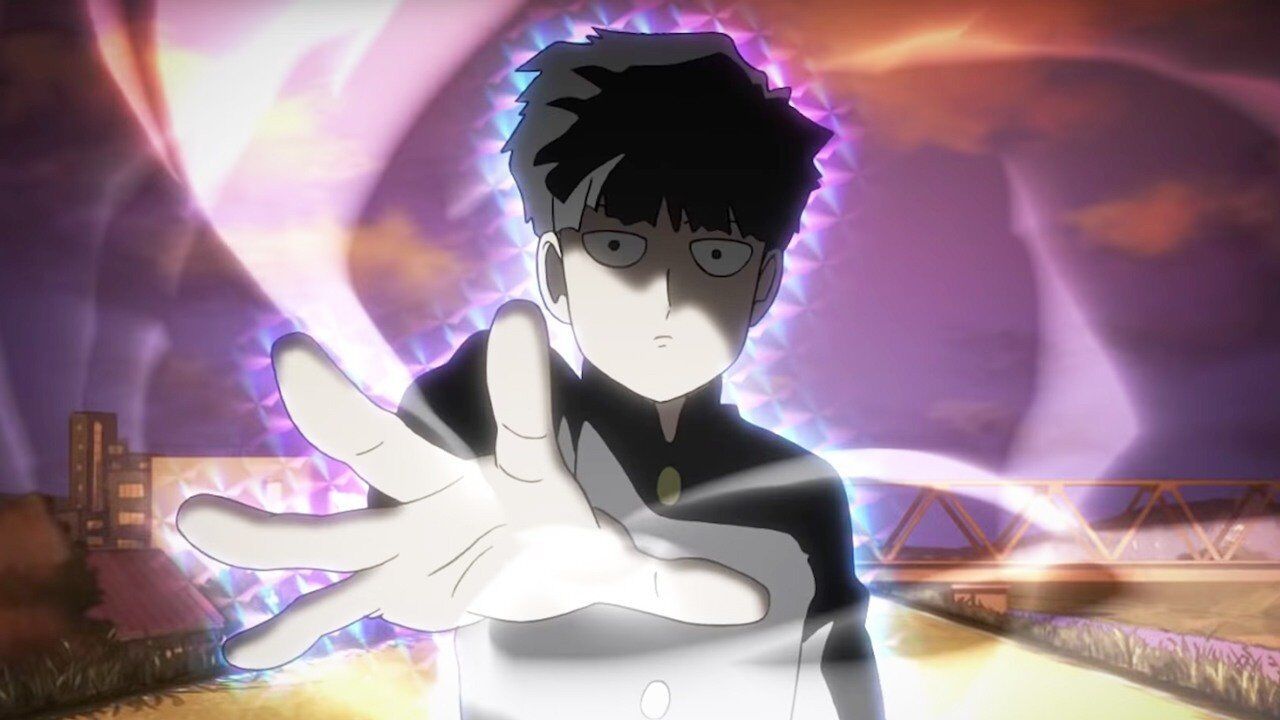
Mob Psycho
Some mental health professionals have called for a more balanced view. While acknowledging anime’s potential to shape emotional expectations, they warn against generalizing all fans. Psychotherapist Lana Ruiz noted that media can influence behavior, but emotional stunting typically results from a complex mix of upbringing, environment, and mental health—not just cartoons.
Ruiz emphasized that anime can also be a source of comfort and emotional growth, especially for those with anxiety or social difficulties. She cited series like March Comes in Like a Lion and Your Lie in April as examples of emotionally rich storytelling that encourages introspection and empathy.
A viral tweet by user @FemmeTheory sparked chaos online after claiming that enjoying shonen anime—especially titles like Dragon Ball Z and Naruto —is a “textbook sign of male fragility.” The thread, which racked up over 3 million views in a day, implied that these shows promote power fantasies rooted in fear of emotionally strong women.
As covered by Dexerto , the original poster argued that shonen titles perpetuate toxic masculinity through glorified violence, one-dimensional female characters, and emotionally unavailable male leads. The post set off a firestorm across Twitter, with thousands jumping in to either support or drag the argument.
Fans Defend Shonen as Nuanced and Inspiring
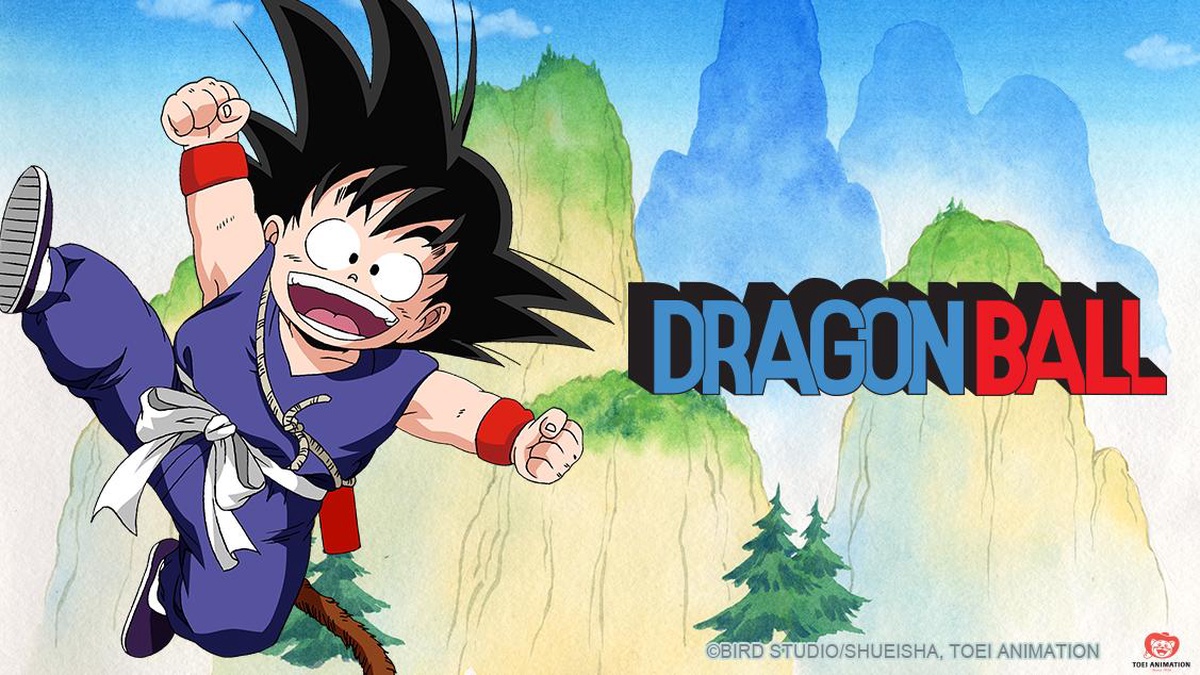
Goku from Dragon Ball (Credits: Toei Animation)
Supporters of shonen anime quickly clapped back, defending the genre’s complexity and heart. Many pointed out that shows like One Piece and My Hero Academia explore themes of friendship, sacrifice, and perseverance—not just macho strength. They argued that watching emotional growth arcs in shonen helped many men become more emotionally aware, not less.
Critics of the tweet accused it of generalizing both anime fans and gender dynamics. “You clearly haven’t watched a single full arc,” one reply read, garnering 50k likes. Others pointed out that female fans also make up a large part of the shonen audience, contradicting the thread’s core claim.
Gender Politics Stir Familiar Fandom Divides
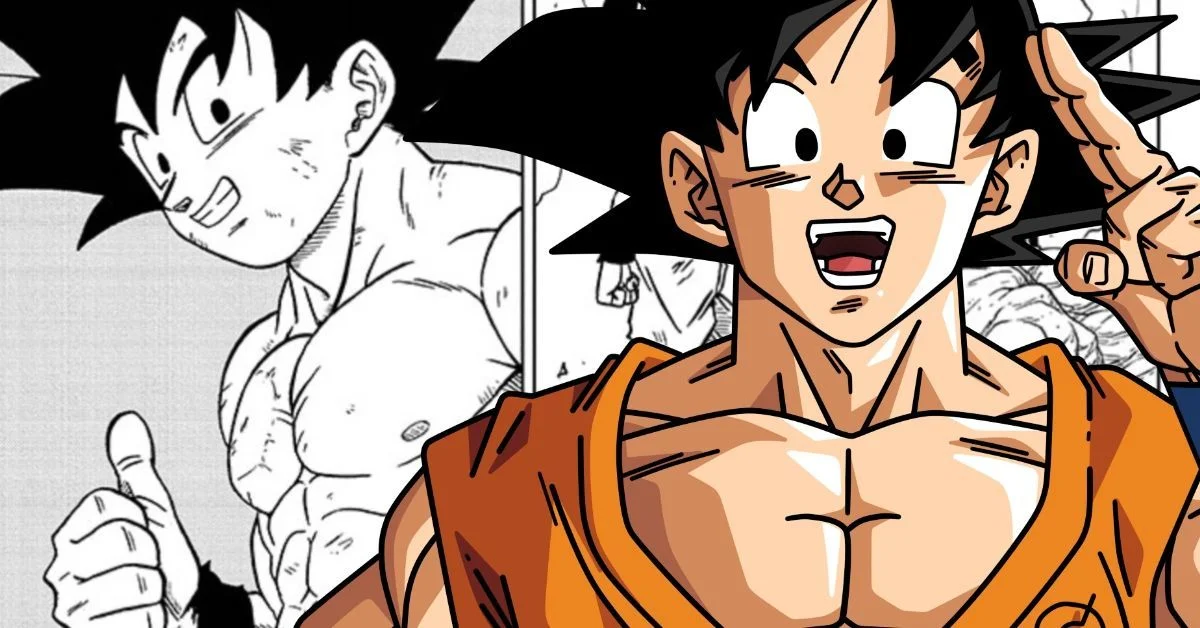
Goku (Credits: Akira Toriyama)
This debate isn’t new. Anime has long found itself caught in the crossfire of Western gender politics and cultural interpretation. Some commentators argue that applying Western feminist frameworks to Japanese media often misses cultural nuance and context. Others see it as necessary critique to push the medium forward.
Academic circles are also split. Some scholars view shonen tropes as outdated, while others highlight evolving portrayals of gender across new-gen series. Regardless, this viral moment once again proves how easily fandoms become lightning rods in larger cultural wars.
