Quinn Martin, a self-claimed super fan of Big Brother, began his journey with high hopes and expectations. Being a super fan can be a blessing and a curse. On one hand, having deep knowledge of the show and its strategies is beneficial.
On the other hand, when a super fan finds themselves in the game, the reality often doesn’t match their expectations. Such was the case for Quinn Martin. His extensive knowledge of the show did not translate into a successful game strategy. Instead, his inability to execute a solid plan led to his downfall.
To many viewers at home, Quinn was relatable. He was the fan who finally got a chance to be part of the Big Brother house. This made his subsequent struggles all the more compelling to watch.
Despite his love for the show, Quinn’s flawed gameplay, particularly his reliance on deceptive tactics, quickly turned him into a controversial figure among the fanbase.
Big Brother: A Reality Competition with a Massive Fan Base
Since its debut in 2000, Big Brother has become one of CBS’s most successful reality competition shows. The premise involves placing a group of strangers into a house equipped with numerous cameras and microphones.
This setup allows viewers to follow every move and conversation in real time. The continuous monitoring of the houseguests has created a devoted fan base that eagerly watches and discusses every detail of the show.
The show’s ability to attract audiences lies in its unique format and the drama that unfolds inside the house. The real-time aspect of the show adds an extra layer of excitement, keeping fans engaged and invested in the outcomes.
Occasionally, fans of the show get the chance to be on it themselves, which adds a personal touch to the viewing experience. However, as the show’s motto suggests, “Expect the unexpected,” not every fan is prepared for the reality of competing on Big Brother.
Quinn’s Demise: The Flaws in His Strategy
Quinn Martin entered Season 26 with a clear goal: to win. He understood that making early connections was crucial and approached the game with this in mind. He started by forming several final two alliances, a common strategy among players.
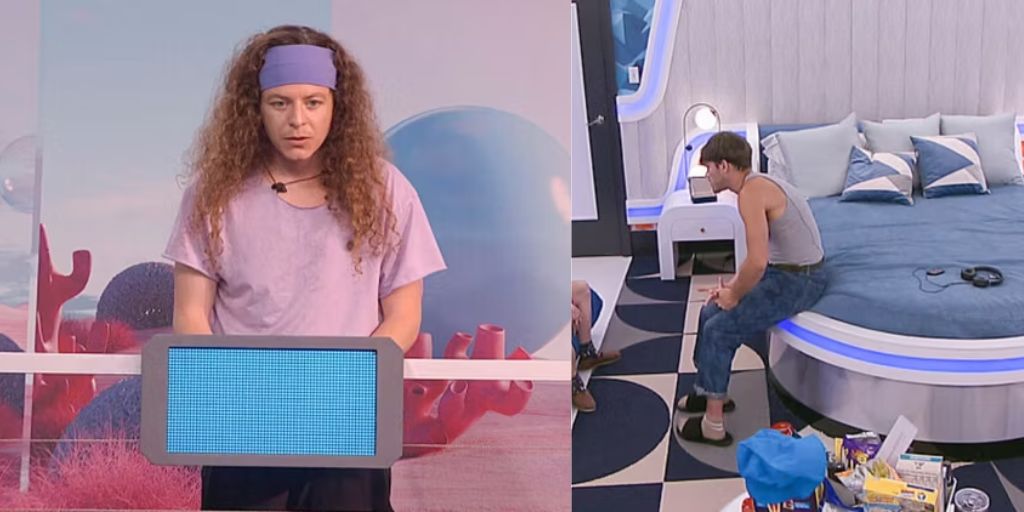
Still from Big Brother (Credit: CBS)
By establishing himself with a majority alliance early on, Quinn aimed to secure his position and avoid potential conflicts. His initial strategy seemed promising.
During the first week, Quinn voted to allow Ainsley to enter the house, and his decision was initially validated when he won a competition that granted him a power-up. This power-up was significant, but Quinn’s misuse of it became one of the early mistakes in his game.
Rather than using the power strategically, he chose to taunt his rival, which quickly backfired. His approach drew unwanted attention and set the stage for his eventual downfall.
The Consequences of Trusting the Wrong Allies
One of Quinn’s early strategic moves was to form a final two alliance with Angela Murray, a player who was known for her unpredictable nature. This decision proved to be costly.
Angela’s paranoia and lack of trust in Quinn led to a strained relationship. Instead of working to repair this alliance, Quinn moved on to a new group. While this might have seemed like a sensible choice at the time, it ultimately proved to be a misstep.
Angela, along with her ally Tucker Des Lauriers, was a fan favorite. As a result, Quinn’s actions against them led to a significant backlash. His new alliances were not aligned with the viewers’ preferences, which contributed to his growing unpopularity.
This shift in dynamics made him a target, and his situation worsened when he ended up on the block with America’s Veto, a power-up introduced by Makensy Manbeck. The public’s desire to see Tucker’s game ruined translated into a desire to see Quinn fail.
Revenge vs. Strategy: Quinn’s Misguided Focus
Quinn’s focus on revenge became a major flaw in his strategy. His use of a secret power, which was intended to give him an advantage, became a liability.
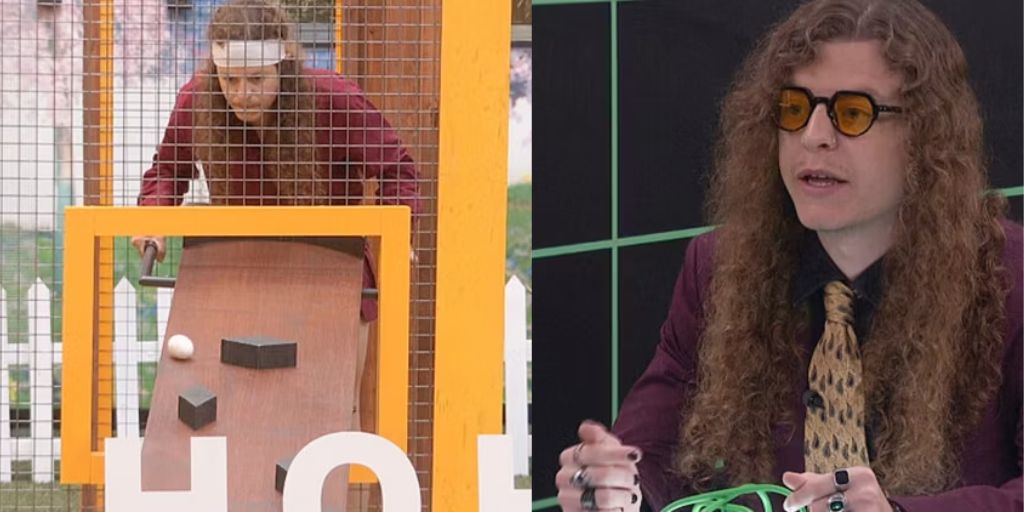
Still from Big Brother (Credit: CBS)
Instead of using this power to enhance his position in the game, Quinn was more concerned with eliminating Tucker. This fixation on revenge overshadowed the broader strategic considerations necessary for success in Big Brother.
When Quinn eventually used his Deep Fake HoH power, it resulted in the eviction of Cedric Hodges, a close ally. During his real Head of Household week, he witnessed the eviction of Joseph Rodriguez, another ally with whom he had a final two alliance.
These events highlighted Quinn’s inability to balance personal vendettas with strategic gameplay. Losing two close allies in such a short period was a significant setback.
The Rise of Opposing Alliances
Quinn’s second stint as Head of Household was marked by the emergence of an opposing alliance. This alliance formed in response to Quinn’s focus on revenge and further alienated him from other houseguests.
Although this opposing alliance was temporary due to the diminishing number of players, it created additional challenges for Quinn.
The women in the house, in particular, were not supportive of Quinn’s desire to remove Tucker’s showmance, Rubina Bernabe, and his other rival, Angela Murray. This lack of support from key players further complicated Quinn’s position.
Angela’s removal from the block, thanks to Leah Peter’s Power of Veto, and Makensy Manbeck’s decision to save Quinn further contributed to his confusion and frustration. Quinn’s inability to adapt to the shifting dynamics in the house left him in a precarious situation.
Quinn’s Final Days in the House
As the game progressed, Quinn’s position became increasingly untenable. The Live Feeds indicated that Quinn was nearing the end of his journey. Makensy used the Power of Veto to save Angela Murray, and Chelsie Baham officially backdoored Quinn. The votes were in favor of eliminating Quinn over Kimo Apaka.
Quinn’s journey on Big Brother was marked by several significant failures. His inability to adjust his strategy and focus on personal vendettas led to his eventual eviction.
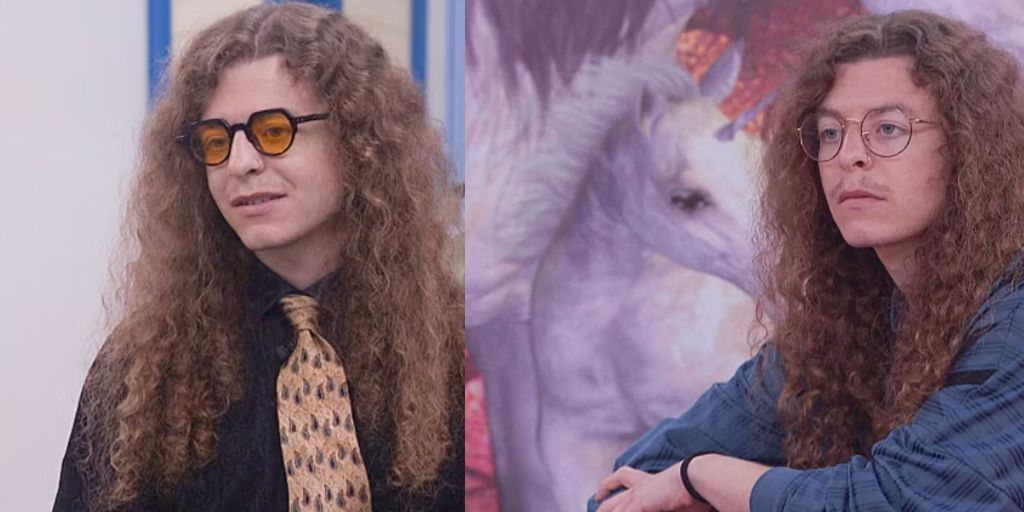
Still from Big Brother (Credit: CBS)
His final weeks were characterized by missed opportunities and poor decisions. Quinn became a target due to his tunnel vision and strategic errors, which allowed his opponents to advance.
The Impact of Quinn’s Eviction
Quinn’s eviction was a turning point in the game. His departure left a gap in the dynamics of the house and marked the end of a disappointing journey. Despite his deep knowledge of Big Brother, Quinn’s inability to move the complexities of the game led to his downfall. His experiences serve as a cautionary tale for future super fans who aspire to compete on the show.
As Quinn left the house, he missed out on several iconic aspects of Big Brother. He did not get to participate in the BB Comics challenge, meet Zingbot, or experience the high-stakes double eviction night.
Instead, his final moments were marked by a lack of closure and missed opportunities. Jerry O’Connell, filling in for Julie Chen Moonves, was the host who met Quinn upon his exit, adding an unexpected twist to his departure.
Conclusion: A Lesson for Future Super Fans
Quinn Martin’s journey on Big Brother highlights the challenges faced by super fans who enter the game. While having extensive knowledge of the show can be an advantage, it does not guarantee success.
Quinn’s experiences demonstrate that adaptability, strategic thinking, and the ability to manage personal emotions are crucial for success in the game.
Big Brother continues to attract audiences with its unique format and dramatic twists. Each season brings new players and new challenges, keeping fans engaged and invested. Quinn Martin’s story is a reminder that even the most passionate fans can face unexpected hurdles in the game.
Big Brother airs new episodes every Sunday, Wednesday, and Thursday. All episodes and the Big Brother Live Feeds are available to stream on Paramount+ in the U.S.
J.R.R. Tolkien, often called the “father” of modern fantasy literature, has influenced generations with his beloved books. Stories from The Hobbit and The Lord of the Rings have inspired filmmakers for years, including Peter Jackson’s well-known movie series.
Tolkien’s creation of Middle-earth remains popular, with new screen adaptations like the anime film The Lord of the Rings: The War of the Rohirrim in development. Meanwhile, the Prime Video series The Lord of the Rings: The Rings of Power has drawn fans looking for another fantasy show.
Despite some criticism after Season 1, Tolkien fans were drawn in by the detailed characters and stunning visual effects. Now, as fans enjoy Season 2 of The Rings of Power, they may also find The Wheel of Time on Prime Video to be a great match.
‘The Wheel of Time’ Was Influenced by ‘The Fellowship of the Ring’
Before it became a successful Prime Video series, The Wheel of Time was one of the best-selling epic fantasy novels, following closely behind The Lord of the Rings. Robert Jordan, a talented writer, authored the series, which spans over 14 volumes.
After Jordan passed away, the last three volumes were completed by Brandon Sanderson. The first book was published in 1990, and it quickly became popular with fantasy fans. While Jordan never directly said that J.R.R. Tolkien was his main inspiration, his book The Eye of the World shows clear influences from The Fellowship of the Ring.
Prime Video’s adaptation of The Wheel of Time, starring Rosamund Pike and Daniel Henney, takes place in a vast fantasy world where history repeats itself, symbolized by the cyclical nature of time.
The story begins in the quiet village of Two Rivers, where five young adults—Rand al’Thor, Mat Cauthon, Perrin Aybara, Egwene al’Vere, and Nynaeve al’Meara—live ordinary lives until Moiraine, a member of a group of powerful women called the Aes Sedai, visits them.
Moiraine believes one of them is the Dragon Reborn, a figure foretold to either save the world from an ancient evil known as the Dark One or destroy it. When their village is attacked by Trollocs, monstrous creatures, Moiraine and her Warder, played by Henney, take the young group on a journey to discover their destinies and protect them from the Dark One’s forces.
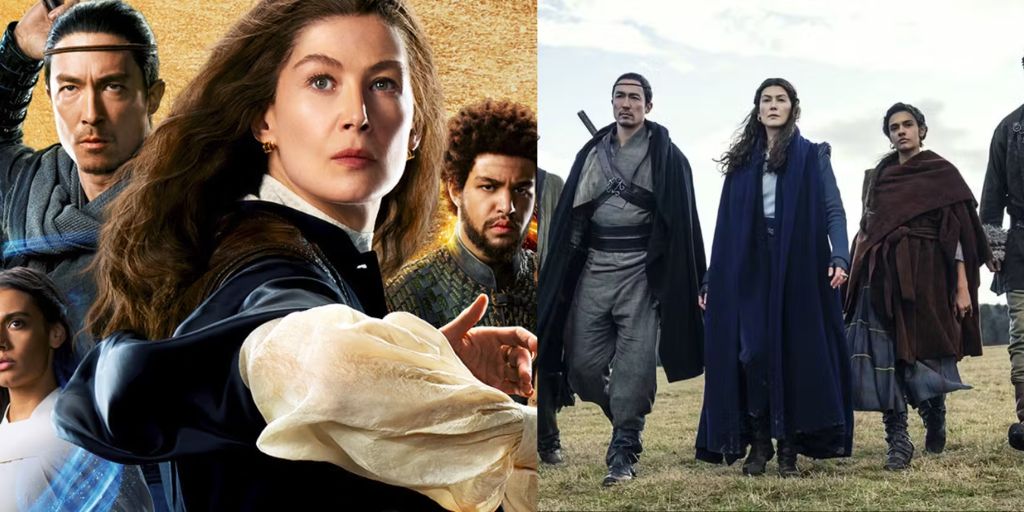
Still from The Wheel of Time (Credit: Prime Video)
As the story moves forward, the group separates and faces different challenges that test their strengths and reveal hidden abilities. Rand learns he can channel the One Power, marking him as the Dragon Reborn. This ability brings him closer to madness, as men who can channel are often driven insane.
Perrin discovers he can communicate with wolves, giving him heightened senses but also making him feel distant from other people. Mat faces dark temptations as he uncovers ancient artifacts, while Egwene and Nynaeve show their potential with One Power, leading them on paths to becoming powerful Aes Sedai.
A Battle Between Light and Dark in Both ‘The Wheel of Time’ and ‘The Rings of Power’
The central theme of The Wheel of Time is the battle between the forces of Light and the Dark One. Each character’s journey is tied to the fate of the world, as they travel across dangerous lands, confront their inner struggles, and face the threat of the Dark One’s followers.
Their personal stories are all connected to the larger conflict, where the future of their world depends on their actions. The show skillfully balances themes of destiny, power, and the fight between good and evil, set against a rich backdrop filled with diverse cultures, magic, and ancient history.
The Lord of the Rings: The Rings of Power shares many similarities with The Wheel of Time. Both shows show ancient legends and the weight of destiny. Characters like Galadriel and Elrond in show ancient legends and the weight of destiny.
Characters like Galadriel show ancient legends and The Rings of Power struggle with their roles in shaping the future of their world, just as Rand al’Thor does in The Wheel of Time. This focus on destiny and prophecy is a key connection between the two series.
The world-building in The Wheel of Time is just as intricate as Tolkien’s famous Middle-earth. “Randland,” as it’s called by fans, is divided into various regions and cultures, each with its own unique characteristics, much like the lands of Middle-earth.
The show takes viewers on a journey from the peaceful village of Two Rivers to the bustling city of Tar Valon, home to the Aes Sedai. The attention to detail in the architecture, costumes, and magical systems helps create a world that feels both large and familiar.
The fight between light and dark in The Wheel of Time highlights the complexities of good and evil, as well as the moral challenges in between. The rise of Sauron and the Orcs in The Rings of Power reflects the threat of the Dark One and the temptations of power, particularly for the Dragon Reborn.
The battle between good and evil is not always clear, and the choices individuals make play a key role in shaping the outcome, which is a common theme in fantasy.
Gender and Power Dynamics in ‘The Wheel of Time’
One aspect that sets The Wheel of Time apart is its focus on gender and power. Showrunner Rafe Judkins has placed more emphasis on women’s roles than the original books did. The Aes Sedai, a group of powerful women who control magic, form a matriarchal system, with women holding significant power and influence.
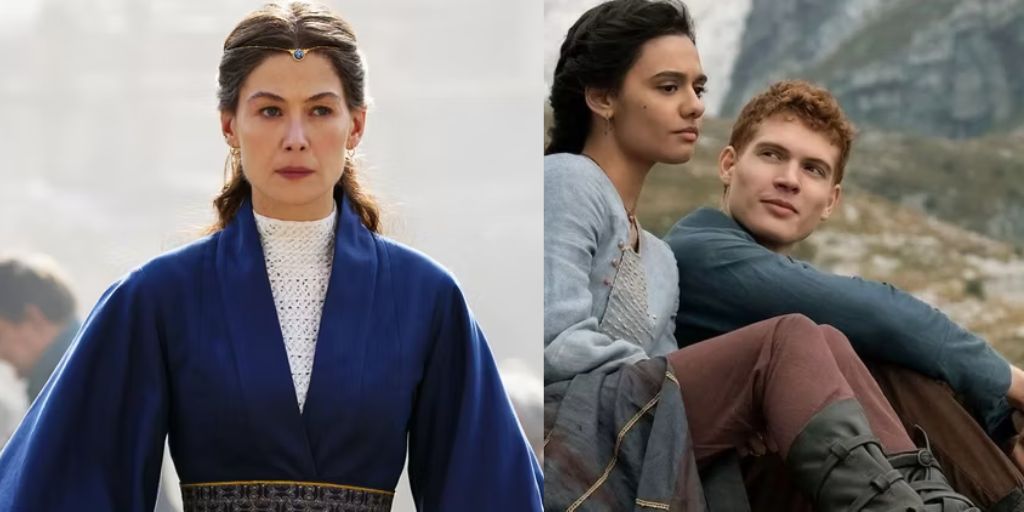
Still from The Wheel of Time (Credit: Prime Video)
Themes like female leadership and empowerment bring a new layer to the show, creating a story that both complements and contrasts with the more male-dominated power structures seen in parts of The Rings of Power.
The Wheel of Time is a great option for fans of Tolkien’s work because it offers high production quality and stays faithful to its source material.
The dedication to bringing the fantasy world to life with care and respect helps ensure the series stands on its own, while also appealing to those who enjoy the grand scale of The Rings of Power.
The Wheel of Time is now available for streaming on Prime Video in the U.S.
