Randy Travis is an American country music and gospel singer, songwriter, actor, and writer with an estimated net worth of $12 million.
Over his multi-decade career, Travis has sold more than 25 million albums and charted over 20 number-one singles including classics like “Forever and Ever, Amen,” “Too Gone Too Long,” “Whisper My Name,” and “It’s Just a Matter of Time.”
Known for his deep baritone voice and traditional country sound, Travis played a pivotal role in reviving country music’s popularity in the 1980s and 1990s. His contributions earned him a place in the Country Music Hall of Fame in 2016.
Early Life and Troubled Beginnings
Randy Travis was born Randy Bruce Traywick on May 4, 1959, in Marshville, North Carolina. Raised by his mother, Bobbie, who worked in a textile factory, and his father, Harold, who owned a construction business and bred turkeys, Randy grew up with five siblings.
From a young age, Randy was drawn to music, singing in the church choir and learning guitar by age 8. By age 10, he and his brother Ricky formed the Traywick Brothers, performing at local clubs and talent contests.
However, his teenage years were tumultuous. Travis dropped out of high school and had multiple run-ins with the law, including arrests for burglary and auto theft.
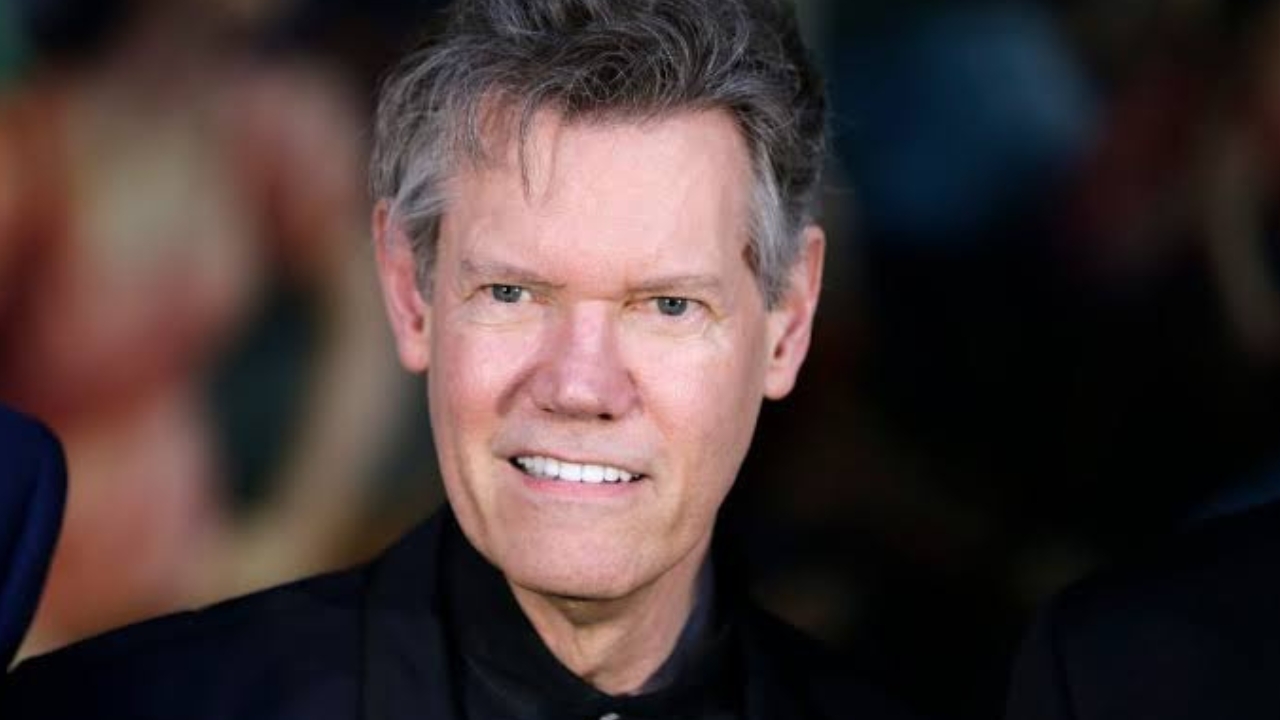
Randy Travis (Credit: YouTube)
His life took a turn in 1975 when he won a talent contest at a Charlotte nightclub, Country City USA.
The club owner, Elizabeth “Lib” Hatcher, became his manager and legal guardian, ultimately playing a vital role in shaping his music career.
Music Career
Breakthrough and Mainstream Success (1980s-1990s)
Randy Travis released his debut album, “Live at the Nashville Palace,” under the stage name Randy Ray in 1982. Shortly after, he signed with Warner Bros.
Records Nashville and released “Storms of Life” (1986), a 3× Platinum success that produced hits like “On the Other Hand” and “Diggin’ Up Bones.”
He followed this with “Always & Forever” (1987), which went 5× Platinum and included multiple chart-topping singles. Throughout the late 1980s and early 1990s, Randy released several platinum albums, including:
- “Old 8×10” (1988)
- “No Holdin’ Back” (1989)
- “Heroes & Friends” (1990)
- “High Lonesome” (1991)
Randy became a Grand Ole Opry member in 1986, cementing his legacy in country music.
Shift to Christian Country and Continued Success (2000s)
In the 2000s, Travis transitioned into Christian country music, releasing “Inspirational Journey” (2000). His album “Rise and Shine” (2002) went Gold and featured the hit “Three Wooden Crosses,” which topped the country charts.
Randy continued to release faith-based and traditional country albums such as:
- “Worship & Faith” (2003)
- “Around the Bend” (2008)
- “Influence Vol. 1 & 2” (2013-2014)
His collaboration with Carrie Underwood on “I Told You So” earned him another Grammy and chart success in 2009.
Acting Career
Randy Travis has appeared in numerous films and television series throughout his career, showcasing his versatility. Some of his notable appearances include:

Randy Travis (Credit: X)
- Films: The Rainmaker (1997), Baby Geniuses (1999), Texas Rangers (2001), National Treasure: Book of Secrets (2007)
- TV Shows: Matlock (1992-1993), Touched by an Angel (1994-2003), Sesame Street (1991)
- Miniseries: Texas (1994)
His acting roles often drew on his country image, further expanding his popularity.
Personal Life and Health Struggles
Marriages and Relationships
Randy Travis married his longtime manager, Elizabeth Hatcher, in 1991. Their marriage ended in divorce in 2010. He later married Mary Davis in 2015, who has been a central figure in his life, especially during his health crises.
Legal Troubles
Randy’s personal life was marred by legal issues, including arrests for public intoxication and DWI. Notably, in 2012, he was found naked by police after crashing his car and threatening officers.
Health Crisis and Stroke
In 2013, Randy suffered from viral cardiomyopathy, which led to a massive stroke while in a medically induced coma. He was given a 1% chance of survival. Miraculously, he survived but suffered permanent health damage, including limited speech and mobility.
Despite these challenges, Travis made a public comeback performance singing “Amazing Grace” at his Country Music Hall of Fame induction in 2016.
The Randy Travis Foundation and Memoir
Randy and his wife Mary founded The Randy Travis Foundation, focusing on stroke and cardiovascular disease awareness. In 2019, Travis released his memoir, “Forever and Ever, Amen: A Memoir of Music, Faith, and Braving the Storms of Life,” sharing his battles and resilience.
Awards and Accolades
Throughout his career, Randy Travis has earned:
- 7 Grammy Awards
- 11 Academy of Country Music Awards
- 10 American Music Awards
- 5 Country Music Association Awards
- 8 GMA Dove Awards
- He received a star on the Hollywood Walk of Fame (2004) and a guitar on the Music City Walk of Fame (2008).
His signature album “Always & Forever” and other works remain milestones in country music history.
Real Estate
Randy Travis has made significant real estate investments. In 2002, he built a 20,000-square-foot ranch in New Mexico, reflecting his love for rural living and Western lifestyle.
Legacy
Randy Travis’ influence on country and gospel music is profound. With a career spanning over four decades, he remains a symbol of traditional country music’s heart and soul. Despite his health setbacks, his music and legacy continue to inspire fans worldwide.
Demi Moore and Bruce Willis were once considered Hollywood royalty — a glamorous couple who seemed to have it all: fame, fortune, and a growing family.
Meeting in 1987, their whirlwind romance led to a quick marriage and the start of a family within their first year together.
Both were rising stars — Moore making waves in movies while Willis charmed audiences in “Moonlighting” and later solidified his stardom with the action classic Die Hard.
Yet, beneath the glitz of red carpets and blockbuster successes, their marriage faced challenges that eventually became too difficult to overcome.
One of the core issues in their relationship was how quickly everything moved. As Moore later revealed in her memoir Inside Out, they barely had time to truly know each other before becoming parents.
What began as an intense infatuation quickly transformed into shared responsibilities, and deep conversations about their future, careers, and values were pushed aside.
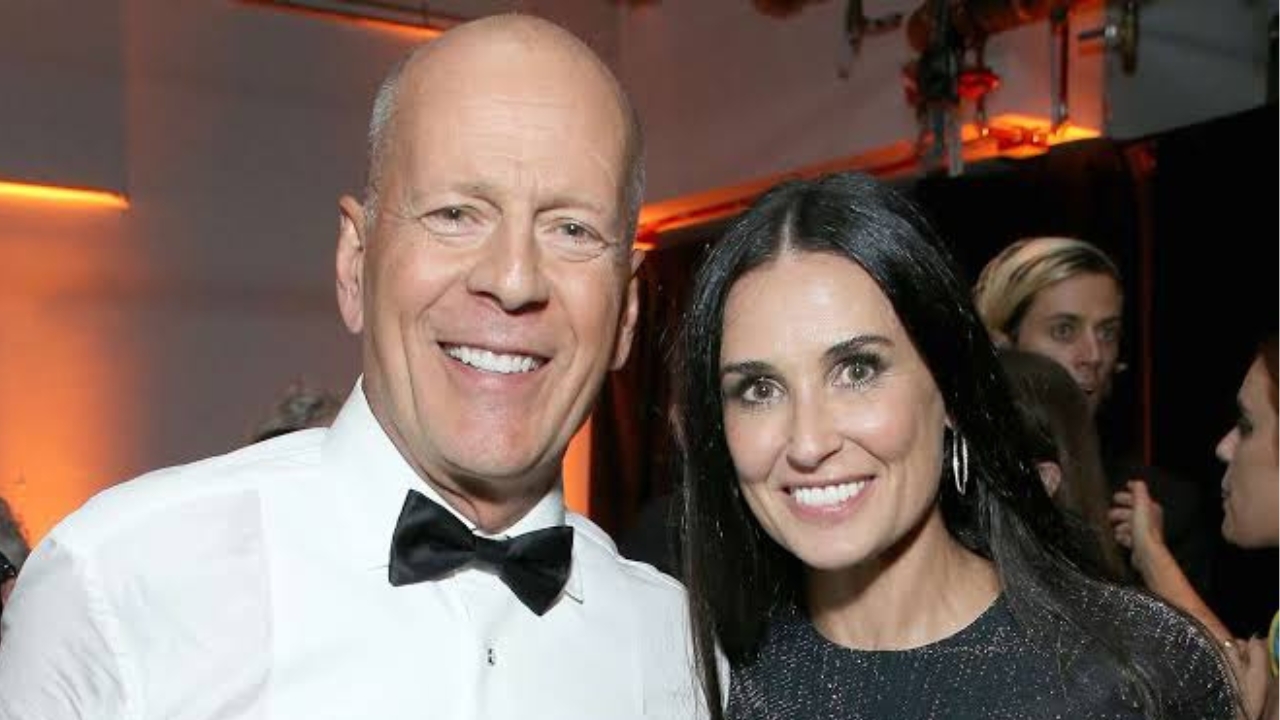
Demi Moore and Bruce Willis (Credit: YouTube)
This lack of foundational understanding created distance, especially when their personal dreams clashed.
Moore was determined to continue building her career, but Willis, perhaps yearning for a more traditional family dynamic, seemed to expect her to focus on home life.
Their differing expectations led to unspoken tensions that lingered throughout their marriage.
Their skyrocketing careers only made things harder. Both were frequently away on film sets around the world, spending extended periods apart.
What was once a passionate relationship gradually turned into a logistical partnership centered on raising their three daughters — Rumer, Scout, and Tallulah.
Scheduling their lives became the norm, leaving little room for emotional connection or intimacy. The growing physical and emotional distance only widened the gap between them.
Adding to the strain was the constant spotlight of fame. As one of the most talked-about couples of the ’90s, Moore and Willis were regular tabloid targets.
Speculation about their marriage, accusations of infidelity, and rumors of a rocky relationship dominated headlines.
At one point, the couple even took legal action against tabloids for publishing false stories. While they tried to brush off the rumors, the endless scrutiny took its toll, forcing them to constantly defend their relationship in public while privately grappling with unresolved issues.
Career trajectories also played a major role. Moore faced harsh criticism and career setbacks after starring in Striptease and G.I. Jane, both of which were box office disappointments despite her record-breaking paychecks.
She retreated from Hollywood to focus on her family, settling in Idaho. Meanwhile, Willis saw a career resurgence with hits like The Fifth Element and Armageddon, propelling him back into the limelight.
This professional imbalance created further distance as they found themselves in very different phases of life and work.
Perhaps most revealing was Willis’ own uncertainty about marriage. According to Moore’s memoir, he once admitted he wasn’t sure he even wanted to be married — a painful confession that hinted at deeper doubts.
While they stayed together for their children and tried to make the marriage work, that initial hesitation foreshadowed their eventual separation.
Even their business ventures, including investments in Planet Hollywood and property developments in Idaho, became sources of tension.

Demi Moore and Bruce Willis (Credit: Pinterest)
Though they shared entrepreneurial ambitions, it seemed their personal connection continued to erode behind the scenes.
Ultimately, Demi Moore and Bruce Willis officially separated in 1998 and finalized their divorce in 2000. Despite the heartbreak, they remained committed to co-parenting their daughters and famously maintained a close friendship in the years that followed.
In a way, their story is a rare example of a Hollywood divorce that, while painful, led to a new kind of relationship — one built on mutual respect and shared love for their family.
Their journey serves as a reminder that even the most picture-perfect relationships face challenges, especially when fame, expectations, and personal growth pull two people in different directions.
For Moore and Willis, the divorce wasn’t a bitter ending, but rather a new chapter where they could both thrive — separately, but still connected by the life they built together.
