In Ready Player One , the hunt for Halliday’s Easter Egg goes beyond just a competition for unimaginable wealth. The quest was designed to find someone capable of not only understanding Halliday’s genius but also possessing the right qualities to govern the OASIS. The three keys that players must unlock in the hunt serve as metaphors for Halliday’s life lessons, including embracing mistakes, learning from them, and appreciating the journey itself.
Ready Player One Ending Explained
The Easter Egg hunt revolves around three keys, each representing an essential lesson Halliday learned too late in life. Halliday, a socially awkward man in his youth who later became regretful and lonely, created the contest as a way to identify a successor who would rule the OASIS with the wisdom he never had. Through the challenges, the goal was to find a player who understood not just the rules of the game, but the deeper significance of these lessons.
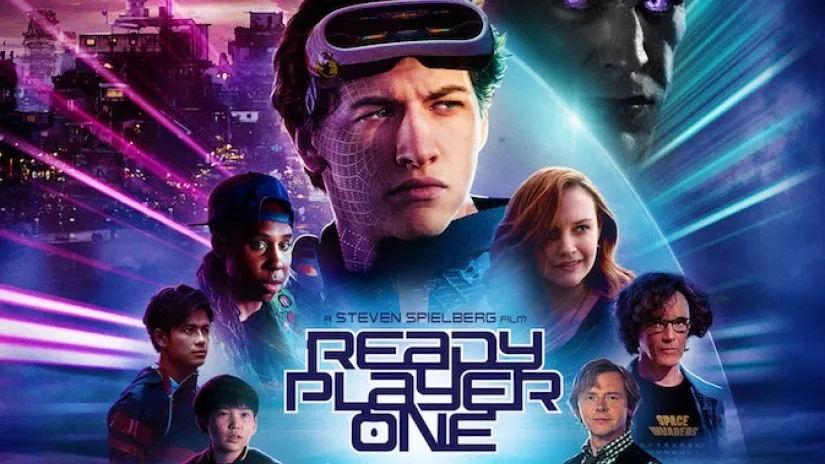
Ready Player One (Image via Getty)
The Copper Key, the first of the three, requires participants to complete a race by driving backward through a pop culture-laden course. The clue to this challenge, which hints at the need to “break the rules,” points to Halliday’s own disdain for convention. By succeeding, Parzival demonstrates the value of thinking creatively and making mistakes without fear of failure.
The Jade Key: Understanding Mistakes and Moving Forward
The second key, the Jade Key, involves a puzzle related to Halliday’s regrets. Parzival and Art3mis must solve the riddle by interpreting Halliday’s past relationship with Karen Underwood. The correct solution involves the 1980s film The Shining , a movie Halliday and Karen watched together. By making the mistake of not asking Karen to dance in the film, Parzival and Art3mis are tasked with correcting this error by asking a recreation of Karen to dance in the game.
This task teaches players the importance of learning from mistakes and making them right, a theme central to Halliday’s message. It’s not about winning or beating the system, but recognizing and rectifying past errors in order to grow.
The final key, the Crystal Key, comes with the challenge of playing Adventure , a classic game where an Easter Egg was famously hidden. To obtain the key, Parzival must find the hidden message from the game’s creator, Warren Robinett. This task underscores the idea that the journey itself is more important than the destination. In the end, it’s not about winning the game, but about taking a moment to appreciate the little things—something that Halliday failed to grasp in his own life.
The True Test: Halliday’s Final Challenge
After Parzival successfully obtains all three keys, he doesn’t immediately win the prize. Instead, he is presented with a contract by Anorak, Halliday’s avatar, offering him control of the OASIS. This moment, while seeming like victory, is another test. Parzival’s decision to reject the contract is symbolic of his understanding that true victory lies not in personal gain but in rejecting the very system that led Halliday to his mistakes.
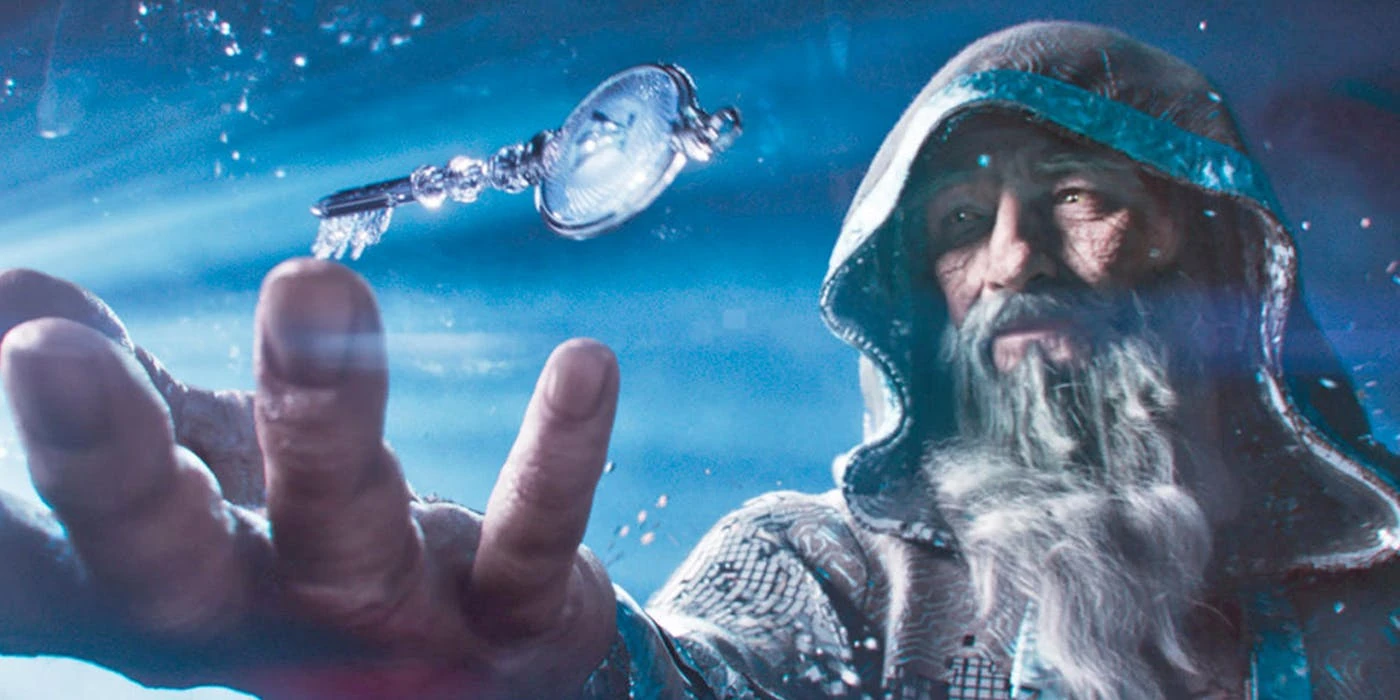
Ready Player One cast (Image via Getty)
By refusing to sign the contract, Parzival proves he has learned Halliday’s ultimate lesson: the value of human connection over virtual power. This final test demonstrates that Halliday’s quest was not just about who could win the OASIS but who could understand its deeper purpose.
The Real Easter Egg: A Symbol of Connection
Once Parzival declines the contract, he receives the real Easter Egg. This object is not just a symbol of victory but represents the culmination of Parzival’s journey. It has a profound impact, bleeding into the real world and symbolizing the merging of the virtual and the authentic. This moment reveals Halliday’s true intentions for creating the OASIS: to connect with others who shared his love for pop culture. However, as Halliday eventually realized, virtual connections can never replace the real human bonds that he lacked in life.
The Role of Friendship and Human Connection
Throughout the movie, Parzival’s journey is driven by his relationships with his friends, particularly Art3mis and the High Five. These friendships are essential to his growth. Halliday’s regrets were rooted in the loss of his own human connections, especially his broken friendship with Ogden Morrow. This failed relationship, not the unrequited romance with Kira, is the central regret that motivated Halliday to create the Easter Egg hunt. Through the quest, Halliday hoped to ensure that his successor would not repeat his mistakes and would value relationships over solitary pursuits.
A New Beginning: Wade’s Decision for the OASIS
At the end of Ready Player One , Wade demonstrates his growth by making a significant decision regarding the future of the OASIS. Instead of keeping control for himself, he shares it with his friends, the High Five. This is a critical departure from the solitary journey of the hero. Wade’s decision reflects Halliday’s desire to see the OASIS become a place for community, not isolation. The OASIS will now be closed on Tuesdays and Thursdays, compelling people to disconnect from the virtual world and make real-world connections. This change marks the beginning of a new chapter, one where the OASIS serves as a tool for good, rather than a means of escape.
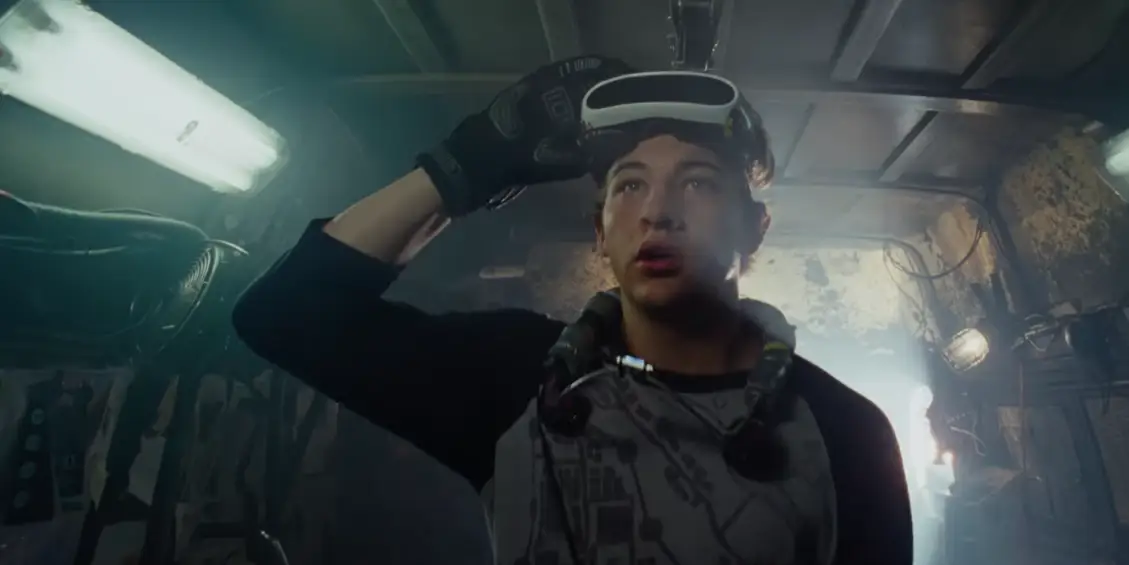
Ready Player One cast (Image via Getty)
The Fall of IOI: A Corporate Collapse
In contrast to the positive changes in the OASIS, the evil corporation IOI faces a downfall. The IOI’s goal was to monopolize the OASIS, turning it into a profit-driven enterprise. Throughout the story, their plan is to control the Easter Egg and use it to gain total control of the virtual world. However, by the end of the movie, Wade’s actions prevent this outcome. By locking out the Loyalty Centers from the OASIS and revealing the criminal actions of Nolan Sorrento, Wade and his friends undermine IOI’s power.
While the film doesn’t confirm the complete shutdown of IOI, it can be inferred that their influence over the OASIS is significantly diminished. This victory over IOI not only marks the fall of a corporate giant but also reinforces the importance of human connections over the pursuit of wealth.
The Mystery of Halliday’s Presence
At the film’s conclusion, Wade asks whether Halliday is truly dead. The version of Halliday that appears to Parzival is a highly advanced NPC, but his response leaves the question unanswered. This ambiguity has led to much speculation. The film hints that Halliday might not be fully gone, and this theme is explored further in the Ready Player One book series. In Ready Player Two , it’s revealed that Halliday had developed technology that allowed him to upload his consciousness into the OASIS, creating an AI version of himself that could live on after his physical death.
This technological advancement presents a tragic element to Halliday’s story, as his attempt to live on in the virtual world contrasts with the film’s overarching message about the importance of real-life relationships.
The ending of Enemy , directed by Denis Villeneuve, is one that has left audiences both fascinated and perplexed since its release in 2013. This psychological thriller, featuring Jake Gyllenhaal in a dual role as two men who share a striking resemblance, challenges viewers to interpret its many layers. As a result, the final moments of the film have sparked considerable discussion. Though the film is full of ambiguity, there are several clues that can help make sense of the unsettling conclusion.
Enemy (2013) Ending Explained
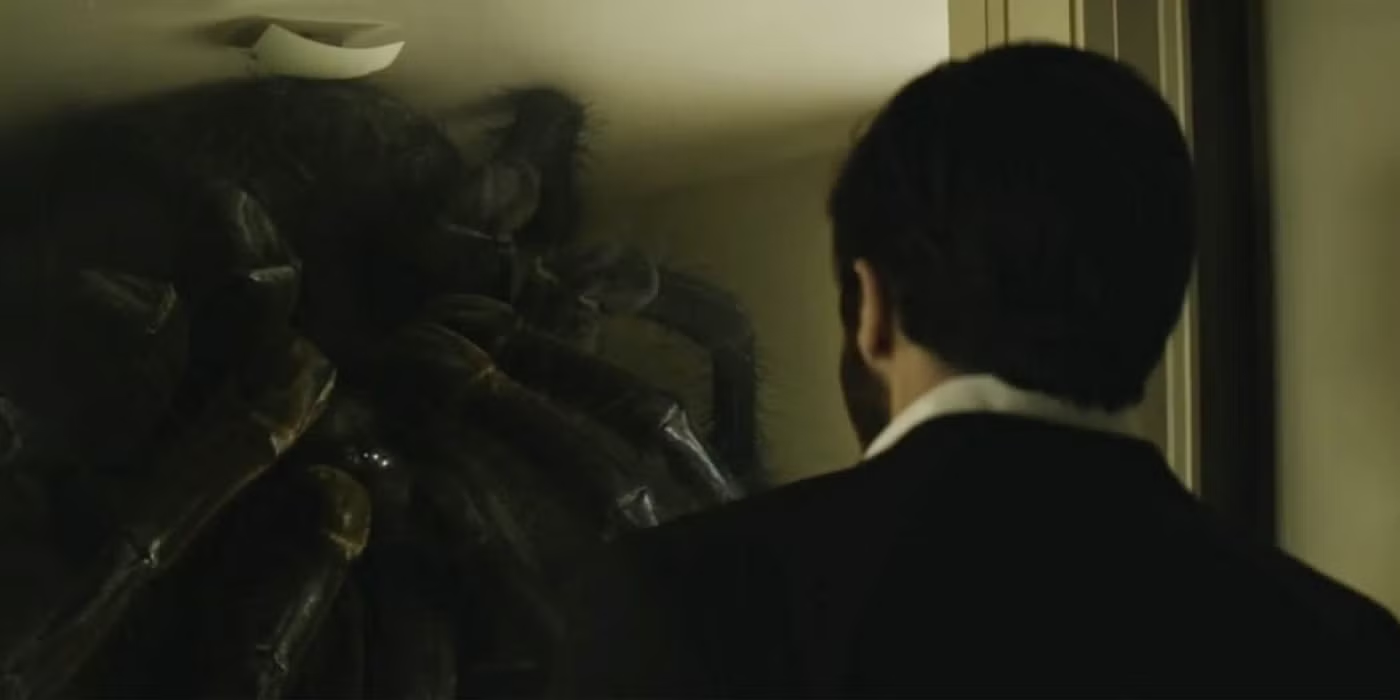
In the final scene of Enemy , after a series of tense and unexpected events, Adam Bell, one of Gyllenhaal’s characters, encounters a strange and unnerving sight. He returns home to find his wife, Helen, transformed into a giant spider. This startling transformation is stunning, but it serves as a symbolic representation of the film’s deeper themes. Though the moment is cryptic, it’s important to remember the broader context that can provide insight into its meaning.
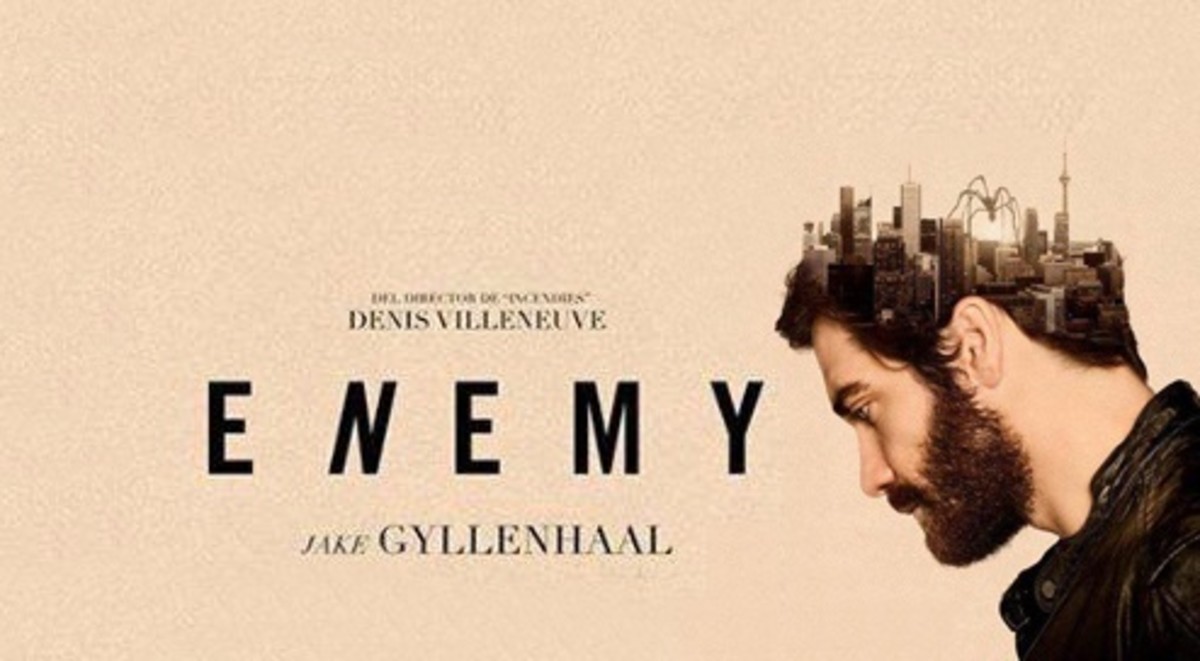
Enemy (Image via Getty)
Are Adam and Anthony the Same Person?
A key aspect of the film is the question of whether Adam and Anthony are two distinct characters or representations of a single individual. On the surface, Gyllenhaal’s nuanced performances make it easy to believe that they are separate people, but the film’s structure offers room for doubt. For example, Anthony has a photo of himself and Helen, while Adam’s version of the same image is torn in half, showing only him. This visual detail could suggest that Adam is a repressed aspect of Anthony, attempting to break away from his darker traits.
On the other hand, Enemy explores human nature and cycles of behavior, which could indicate that Adam and Anthony are indeed two separate individuals. Adam’s descent into selfishness mirrors Anthony’s own behavior, raising the possibility that the two characters are not as independent as they seem. However, the film deliberately leaves this question unanswered, making it clear that the real focus is on the psychological journey rather than the specific nature of their relationship.
The Symbolism of the Spider
To understand the significance of Helen’s transformation into a spider, we need to look at the film’s earlier scenes. One notable moment occurs when Anthony attends a private sex club and watches a woman crush a spider. This sequence establishes the spider as a symbol of helplessness and exploitation, particularly in relation to the way Anthony treats those around him, including his wife. Helen’s eventual transformation into a spider seems to be a consequence of Adam’s actions, particularly his decision to follow in Anthony’s footsteps by visiting the same club.
Helen’s transformation into a giant spider can be interpreted as a visual metaphor for how Adam, like Anthony, has objectified her. His decision to indulge in his curiosity at the expense of his relationship reflects Anthony’s own behavior toward Helen earlier in the film. The transformation underscores the film’s central idea: that patterns of selfishness and disregard for others can perpetuate themselves, leaving those caught in them feeling trapped.
Enemy cast (Image via Getty)
The Cycle of Human Nature
At its core, Enemy is about the recurring patterns of human behavior. Throughout the film, Adam is portrayed as a quiet, reserved man, but his curiosity about Anthony leads him down a path that mirrors Anthony’s own destructive choices. The film’s ending suggests that Adam has now become trapped in the same cycle that consumed Anthony, implying that history has a way of repeating itself.
Earlier in the film, Adam discusses the concept of historical patterns, setting the stage for his own eventual transformation. His inability to break free from the patterns of behavior he shares with Anthony is a central theme, suggesting that human nature when left unchecked, can lead individuals to make the same mistakes over and over again.
Gyllenhaal’s Dreamlike Interpretation ofEnemy
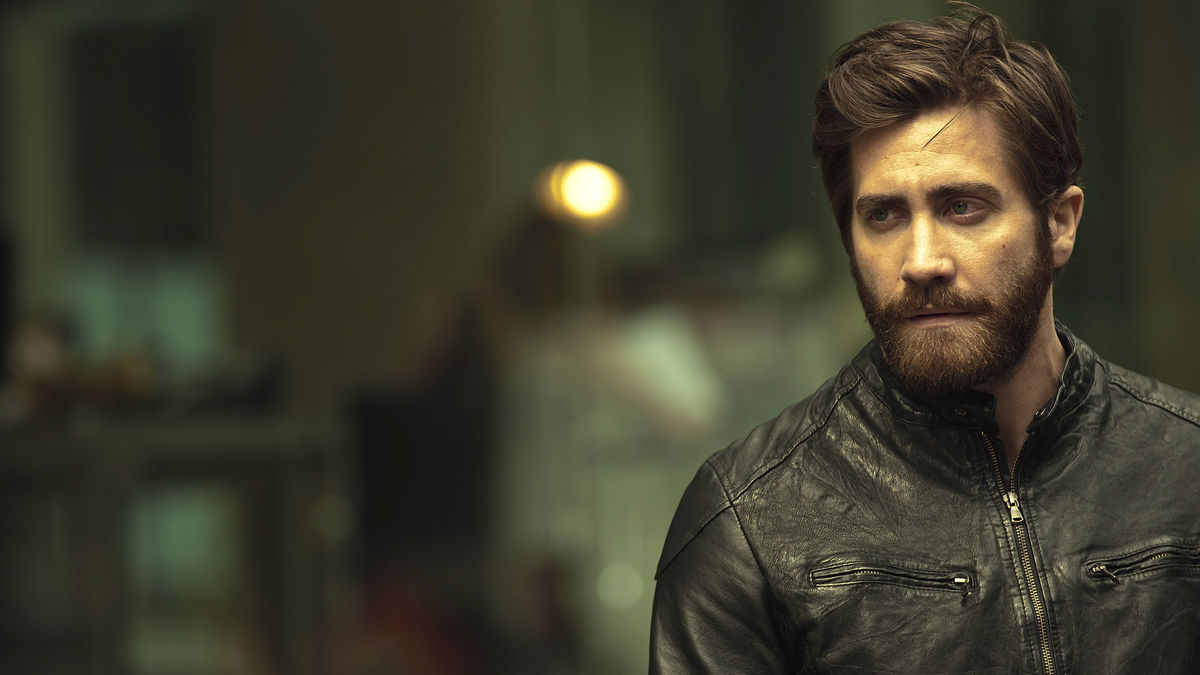
Jake Gyllenhaal, who plays both Adam and Anthony, has offered his own interpretation of the film. In interviews, he described Enemy as a film that feels like a dream, exploring the subconscious and the hidden aspects of the self. This dreamlike quality is key to understanding the ending, which, much like a dream, is filled with strange and surreal imagery that seems disconnected from reality. Gyllenhaal’s perspective aligns with the idea that the film is less about concrete explanations and more about the emotional and psychological journey of its characters.
The dreamlike quality of Enemy is reinforced by the unsettling and mysterious final moments, which suggest that the film is ultimately a reflection of the inner turmoil and guilt that Adam experiences. His treatment of Helen, coupled with his growing fascination with Anthony, leads him to confront aspects of his own behavior that he may have previously ignored.
The Meaning Behind the Final Shot
The most perplexing aspect of Enemy is, without a doubt, the final shot, where Helen transforms into a giant spider. The abruptness of this moment leaves many viewers questioning its meaning. However, the film’s themes of cycles, human nature, and subconscious desires suggest that this transformation is not just a random or absurd image, but a powerful representation of Adam’s growing realization about his own actions.
The spider’s appearance signals the culmination of Adam’s journey, showing that he has fallen into the same trap of selfishness and disregard for others that Anthony did before him. The transformation also hints that Adam, like Anthony, may be unable to break free from the destructive patterns he has inherited. His expression as he looks at the spider implies that he is coming to terms with the fact that he has crossed a point of no return.
Enemy cast (Image via Getty)
Villeneuve’s Intentions: Keeping the Mystery Intact
Denis Villeneuve, the director of Enemy , has intentionally kept the film’s meaning ambiguous, preferring to leave viewers to draw their own conclusions. In interviews, he has described the film as an exploration of the subconscious, suggesting that the characters’ actions are driven by deep, unconscious impulses. Villeneuve’s refusal to provide clear answers about the ending adds to the film’s mysterious quality, encouraging audiences to interpret the story in their own way.
By leaving the film open-ended, Villeneuve allows Enemy to remain a thought-provoking experience. The lack of a definitive explanation encourages deeper analysis, ensuring that the film’s themes resonate long after the credits roll.
Reception and Criticism of the Ending
The reception of Enemy has been mixed, particularly with regard to its ambiguous ending. While some critics have praised the film for its boldness and complexity, others have found its conclusion frustrating and difficult to interpret. The film’s atmosphere and psychological tension are often cited as strengths, but its ending has divided opinions. Some critics have described it as an example of a film that is more focused on intellectual ambition than providing clear answers, which may leave some viewers feeling disconnected.
However, the daring nature of the final scene has also garnered admiration from many. Some have praised the film for its ability to surprise and unsettle, with its haunting ending being described as one of the scariest in recent cinema.
