Netflix may not be known as the best place for Westerns, but it loves stories about the frontier. The platform has popular Western shows like The Power of the Dog from 2021 and all six seasons of Longmire.
It has also shown interest in famous Old West figures with recent series like Wyatt Earp and the Cowboy War and its worldwide release of Wynonna Earp.
These newer stories push the boundaries of Western drama and how it represents people. However, these series can overshadow some of Netflix’s most underrated Western stories. One hidden treasure you should not miss is the 2023 Korean action drama Song of the Bandits.
What Is Song of the Bandits?
Song of the Bandits is a unique Western story created by Han Jung-hoon and Hwang Jun-hyuk. The series takes place in Korea during the early 1900s when Japan occupied the country. Instead of a classic Western setting, it is located in Gando, a lawless area that is now part of Northeastern China.
In this region, bandits, oppressed locals—called Joseons after the Joseon Dynasty that Japan overthrew—and Japan’s harsh colonial authorities often clash. The series is full of action, strong drama, and fast-paced storytelling.
It has nine episodes and tells a powerful story that can inspire viewers. However, when it was released, it did not attract a large audience. Still, with a skilled cast and important themes, Song of the Bandits is a hidden gem that deserves more attention from fans of Westerns.
The Plot Overview
The story centers around Lee Yoon, played by Kim Nam-gil. Lee Yoon is a former Korean slave who joined the Japanese army with his former master, Lee Gwang-il (Lee Hyun-wook), at the beginning of Japan’s occupation.
Lee Yoon is haunted by the terrible things he did to Korean independence fighters while serving in the army. In Episode 1, he leaves his current post to go north to Gando. He wants to surrender his life to General Choi Choong-soo (Yoo Jae-myung), a former Independence General, as a way to make up for his past crimes.
The meeting between Lee Yoon and General Choi is filled with tension. They have a bitter history, and the past weighs heavily on them both. However, their reunion is interrupted when bandits attack the general’s village. Lee Yoon quickly takes action to rescue a girl captured during the raid.
This moment sets the tone for the series, highlighting themes of redemption and the fight against oppression. General Choi suggests that instead of dying for his sins, Lee Yoon can make amends by protecting the Joseon people.
This idea leads to the formation of their own group of bandits in Episode 2. This setup pays homage to classic Western team-ups like The Magnificent Seven. They gather a team of desperate outlaws to defend General Choi’s village and use guerrilla tactics against the Japanese forces.
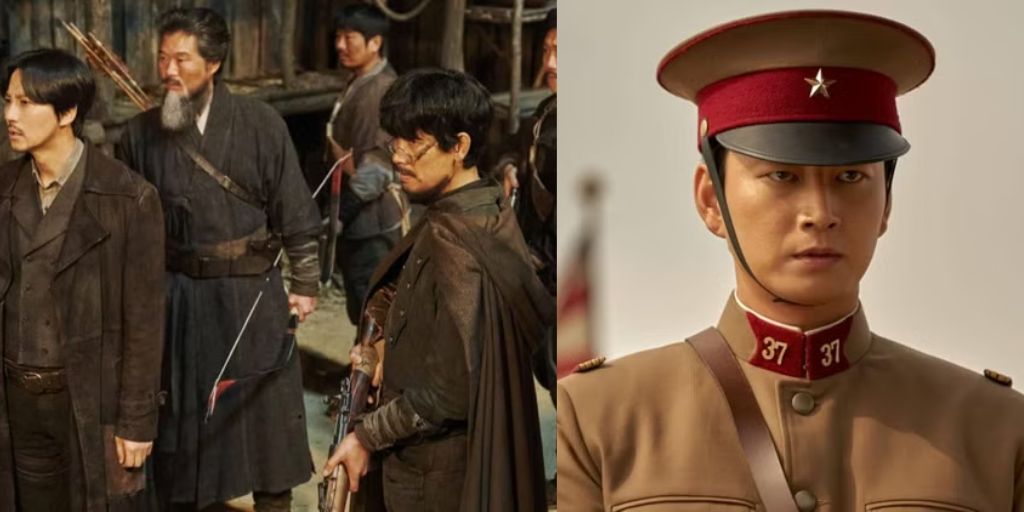
Still from Song of the Bandits (Credit: Netflix)
As Lee Yoon’s group eliminates a Japanese garrison, the conflict expands. The bandits face challenges from Korea’s Independence Army, other outlaws, and Japanese forces competing for crucial railroad funds.
As the story unfolds, Lee Yoon finds himself facing off against Lee Gwang-il, who has taken on the name Major Miura Shohei in the Japanese army. The rivalry between the two men highlights the clash of cultures and classes. Gwang-il is tasked with protecting the funds, leading to thrilling confrontations between him and Lee Yoon.
The Themes of Redemption and Identity
At its core, Song of the Bandits is about redemption and the search for identity in a time of turmoil. Lee Yoon’s journey is a quest to make peace with his past.
He is deeply affected by his actions during his time in the Japanese army and seeks to find a way to atone. His journey north to Gando is not just a physical journey; it is a metaphorical journey toward forgiveness and understanding.
As Lee Yoon confronts his past, he also grapples with his identity. He is a man caught between two worlds: his past as a slave and soldier and his present as a bandit fighting for his people. This internal struggle is a powerful aspect of the series and is reflected in the relationships he forms with other characters.
General Choi Choong-soo represents another aspect of identity. He is a leader who once fought for freedom but now feels the weight of his failures.
His apology to Eon-Nyeon at the start of Episode 6 reveals the deep sorrow and regret that haunts him. He recognizes that his generation has left a ruined state for the next generation, and he is desperate to change that.
The Role of Women in Song of the Bandits
Song of the Bandits also features strong female characters who play essential roles in the story. Seohyun’s character, Nam Hee-shin, and Lee Ho-jung’s character, Eon-Nyeon, are two standout figures in the series. Their stories reflect the independence and courage of women in the context of the Western genre.
Nam Hee-shin is a former Joseon noble who tries to support Korea’s Independence Army from within the Japanese government. Her character represents the struggles of women in a male-dominated society. She faces numerous challenges but remains determined to fight for her country.
Her relationship with Lee Yoon adds another layer to the story. As they face their complicated feelings, they both seek redemption and understanding.
Eon-Nyeon’s character adds depth to the narrative as well. Initially hired by Gwang-il to kill Lee Yoon, she undergoes significant growth throughout the series. As she forms a bond with Lee Yoon and General Choi, she finds a new sense of family and purpose. Her acceptance of them as her chosen family creates a compelling redemption arc within the harsh reality of Gando.
Action Sequences and Western Tropes
One of the most exciting aspects of Song of the Bandits is its thrilling action sequences. The creators, Jung-hoon and Jun-hyuk, skillfully blend traditional Western aesthetics with K-drama elements. The result is a unique viewing experience that keeps audiences on the edge of their seats.
Lee Yoon’s gunfight at the end of Episode 1 is a standout scene. It is a brutal fight that showcases the harsh reality of the world the characters inhabit. The intensity and violence of the scene mirror the feelings of guilt and anger that Lee Yoon carries with him. Similarly, Episode 4 features a high-stakes attack on an armored van that combines practical effects with the urgency of the political narrative.
The series also includes classic Western tropes, such as showdowns and standoffs. Lee Yoon’s duel with Gwang-il in Episode 9 is reminiscent of iconic desert confrontations. This scene highlights the protagonist’s quick draw and skill in combat, drawing comparisons to famous Western characters like Val Kilmer’s Doc Holliday in Tombstone.
Political and Cultural Commentary
Beyond the action, Song of the Bandits addresses significant political and cultural issues. The series does not shy away from depicting the harsh realities faced by the Joseon people under Japanese rule. It offers a poignant look at the impact of imperialism and the struggles of a divided society.
The series references historical events, such as Korea’s March First Movement in 1919, but takes creative liberties in its storytelling. The portrayal of the Gurye Incident, which results in the destruction of Choi Choong-soo’s village and the loss of his family, is particularly striking. This moment serves as a reminder of the atrocities committed during this dark period in history.
Yoo Jae-myung’s performance as Choi Choong-soo is especially powerful. He embodies the grief and despair felt by survivors of colonial rule. The characters’ conversations reflect the weight of history on their shoulders. Choi’s apology to Eon-Nyeon encapsulates the deep sorrow of a generation that feels responsible for the suffering of its children.
The Complexity of Relationships
The relationships in Song of the Bandits are another focal point of the story. The love triangle between Lee Yoon, Hee-shin, and Gwang-il adds emotional depth to the narrative. As the characters show their feelings, they also confront the harsh realities of their world.
Lee Yoon’s past as a soldier complicates his relationship with Hee-shin. Their shared history adds layers to their interactions, and the tension between them creates a compelling narrative thread.
Hee-shin is engaged to Gwang-il, which further complicates the situation. This love triangle brings a classic K-drama element into the mix, balancing romance with the deadly backdrop of historical conflict.
Eon-Nyeon’s journey also reflects the complexity of relationships. Initially hired to kill Lee Yoon, she undergoes a transformation as she bonds with him and General Choi.
Her struggle to reconcile her past with her new family dynamic adds another layer of depth to her character. This transformation highlights the series’ themes of forgiveness and the importance of chosen family.
The Challenges of Redemption
Redemption is a central theme throughout Song of the Bandits. Lee Yoon’s journey is not just about seeking forgiveness but also about understanding his own identity. The weight of his past actions hangs heavily on him, and he grapples with the consequences of his choices.
As the series progresses, Lee Yoon faces numerous challenges. He must confront the reality of his actions and their impact on those around him. His desire to protect the Joseon people becomes a driving force in the narrative. This transformation from a man burdened by guilt to a hero fighting for his people is compelling and resonates deeply with audiences.
The series also highlights the complexity of redemption. It is not a simple process, and characters must show their pasts while forging new paths. Eon-Nyeon’s acceptance of Lee Yoon and General Choi as her family demonstrates the power of forgiveness. She chooses to forgive instead of seeking revenge, reflecting the series’ overarching message of unity.
The Flaws and Shortcomings
Despite its many strengths, Song of the Bandits is not without flaws. The series has moments where the tone shifts unexpectedly. After the intense and dark beginnings, some later episodes adopt a slower, more comedic atmosphere. This shift can feel jarring and disrupt the full flow of the narrative.
Additionally, the love triangle between Lee Yoon, Hee-shin, and Gwang-il is not adequately resolved by the finale. The lack of closure leaves viewers wanting more and raises questions about the characters’ futures. This open-ended conclusion may hint at the possibility of a second season, but it can also be frustrating for audiences seeking a definitive resolution.
The Impact of Song of the Bandits
Despite its imperfections, Song of the Bandits remains a standout entry in the Western genre. The series delivers nonstop action sequences that keep viewers engaged. The intense gunfights and chase scenes are expertly choreographed, providing a thrilling viewing experience.
Moreover, the series does not shy away from tackling deep social commentary. It shows what it means for a people to survive under colonial oppression while advocating for forgiveness and unity. The characters’ struggles and triumphs resonate with audiences and offer a poignant look at the cost of imperialism.
The show’s unique blend of traditional Western elements with K-drama storytelling creates a fresh take on the genre. Fans of both Westerns and historical dramas will find much to appreciate in Song of the Bandits. It challenges the notion that viewers must only flock to the most popular titles on streaming platforms to discover attracting stories.
Conclusion
Song of the Bandits is a hidden gem in Netflix’s catalog, deserving of recognition for its unique storytelling and strong performances. The series brings together action, drama, and important themes that resonate with viewers. As it shows redemption, identity, and the struggles of a divided people, it attracts audiences with its powerful narrative.
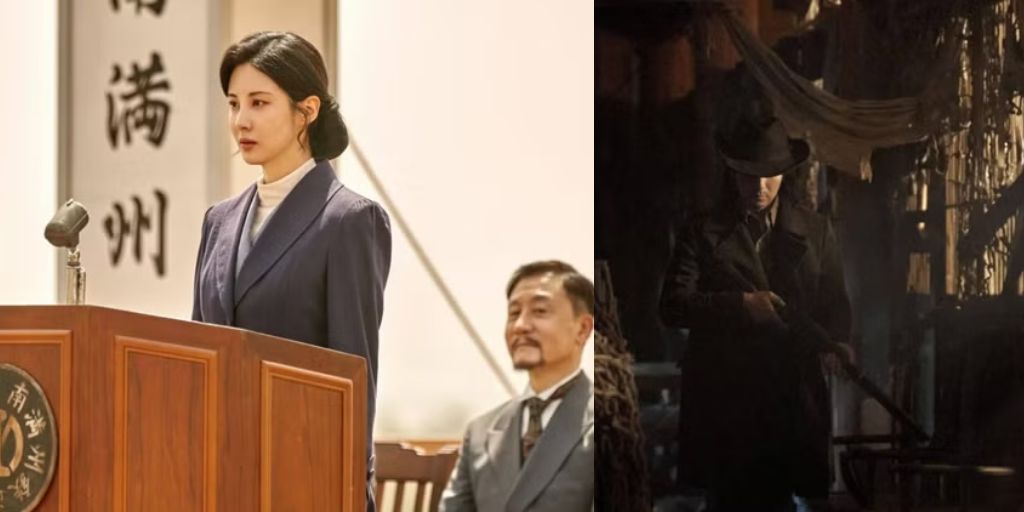
Still from Song of the Bandits (Credit: Netflix)
The show’s ability to blend traditional Western aesthetics with K-drama elements sets it apart from other entries in the genre. It offers a fresh perspective on the Western narrative while remaining rooted in the historical context of Korea’s struggle for independence.
Song of the Bandits proves that there is much more to discover in the Westerns world, and its engaging storytelling and rich character development make it a must-watch for fans of the genre. As the series continues to gain recognition, it serves as a reminder that powerful stories can come from unexpected places.
Joshua Jackson became famous in the 1990s for his cute and lovable roles in The Mighty Ducks movies and the TV series Dawson’s Creek. His charming performances made him a favorite among fans and established him as a teen heartthrob.
However, since 2008, most of his television roles have been more intense, serious, and dark. This change marked a significant shift in his career, showing his ability to tackle more complex characters.
With his new show, Doctor Odyssey, now airing, Joshua Jackson is enjoying a comeback as he steps back into lighter characters. In this show, Jackson plays Max Bankman, a doctor who works on a luxurious cruise ship. He takes this job after being patient zero during the COVID-19 pandemic.
This experience shapes his character and adds depth to the story. However, many people think he might not really be on a cruise ship at all. This theory raises intriguing questions about the reality of the show. So, what is happening on The Odyssey?
Doctor Odyssey May Be More Than It Appears
A popular theory suggests that Max’s time on The Odyssey might be a COVID-induced fever dream. This idea comes from a few key moments in the show that seem unusual and out of place.
For instance, everything about the ship appears slightly unnatural. It is bright and sparkly, much more than what one would expect from a luxury cruise ship. These details make viewers wonder if there is something deeper going on beneath the surface.
One moment that stands out is during Max’s first official dinner on the ship. He has an interesting conversation with Captain Massey, played by Don Johnson. Massey tells him, “This ship is as far from hell as you can get. This ship is heaven.” This statement raises questions about the nature of the ship. Is it truly a paradise, or is it a facade masking something darker?
Another aspect that catches the viewer’s attention is the way light shines through the windows whenever Max enters a room. This is not just ordinary sunlight. It is a blindingly bright light that bathes Max in a golden glow. This imagery creates an ethereal quality, suggesting that there is something more to his experience on the ship.
Additionally, Max’s COVID flashbacks play a crucial role in building this theory. These flashbacks are unexpected and jarring, almost as if reality is trying to reassert itself before The Odyssey pulls Max back into its dreamlike state. This struggle between reality and illusion is a central theme in the show.
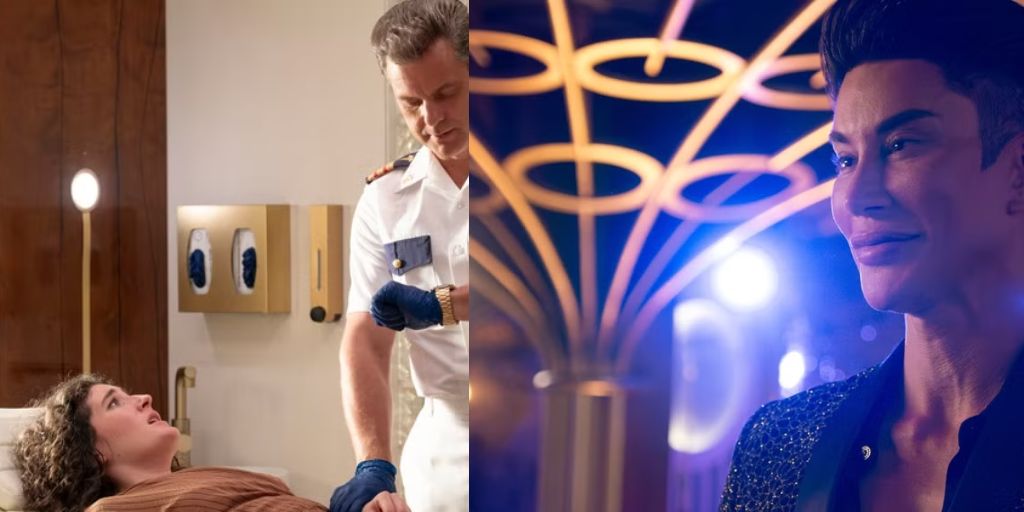
Still from Doctor Odyssey (Credit: ABC)
In Episode 3, more clues to this theory appear. Max experiences new flashbacks that are more detailed than before. We see moments that suggest he was near death during the pandemic, which could be a significant hint about his current situation.
These flashbacks have a dreamy, hazy quality, making it seem as if they come from a heavily medicated mind. This further supports the idea that he might not be fully present in reality.
During one scene, when housekeepers enter Ken’s room, a bright ethereal light fills the area. This light is similar to what is often associated with someone’s soul or essence moving on. This imagery adds a layer of mystery and intrigue to the story.
After Ken’s body is safely moved to the morgue, Captain Massey tells Max and his team, “We’ve constructed a paradise here. But never forget that’s all it is. Construction, an illusion.” This statement highlights the idea that the cruise ship may be a carefully built illusion, further reinforcing the fever dream theory.
Max’s connection to Ken and his reality television show also raises questions about his mental state. He tells Ken that watching the show made him feel like he had friends while he was sick. This statement suggests that he might be using the show as a coping mechanism during his illness.
In the end, he tells Barbie and the others that he will continue having conversations with them. This could indicate that Max’s journey on The Odyssey is a way for him to process his experiences and emotions.
Could this have been Max’s first stop in purgatory? What if Ken’s death symbolizes Max letting go of his past world as he becomes more comfortable with this new one? These questions add depth to the characters and their relationships, making the audience think about the nature of reality and how it shapes our experiences.
What Happens if Doctor Odyssey’s Fever Dream Theory Is True?
If the theory about Doctor Odyssey being a fever dream turns out to be true, it raises many interesting possibilities for the future of the show.
One option is that Doctor Odyssey could continue past its first season, showing Max’s journey and the implications of his experiences. However, history shows that stories like this can struggle if stretched beyond two seasons.
Another possibility is that the audience could be let in on the secret while Max remains unaware. This approach would create an intriguing dynamic.
Max could continue to live his dreamy, heaven-like life on the ship while, in the real world, his family and friends beg him to wake up and come back to them. This would create a blend of fun and suspense that keeps viewers engaged.
Alternatively, Max could wake up believing that everything he experienced was real and that The Odyssey does exist. This belief could set him on a mission to find the real Odyssey, leading to new adventures and challenges. This narrative twist would keep the audience guessing and eager to see how Max shows his newfound reality.
Doctor Odyssey would not be the first show to use the “it’s all a dream” story. Many series have shown this theme, including Newhart, St. Elsewhere, Roseanne, and Lost.
These shows took different approaches to the dream narrative, with varying degrees of success. For example, Newhart and St. Elsewhere were well received, while Roseanne and Lost faced criticism for their execution.
Joshua Jackson has commented on the fever dream theory, showing support for it. While he cannot confirm or deny its validity, he expressed that he loves the idea and that the cast had a similar theory.
This acknowledgment adds an exciting layer to the conversation around the show. Fans appreciate when actors engage with theories and speculation, making them feel more connected to the story.
The Importance of Themes and Character Development
Showing themes in Doctor Odyssey is essential to understanding the characters and their motivations. Max Bankman’s journey reflects many real-world experiences, especially those related to the COVID-19 pandemic. The show uses his character to address issues like isolation, grief, and the search for connection.
Throughout the series, Max’s interactions with other characters shed light on his emotional struggles. He grapples with feelings of loneliness and the longing for companionship, which resonate with many viewers.
His connection to Ken and the reality show he enjoyed becomes a symbol of his desire for social interaction during difficult times. This theme of connection is especially relevant as people show their own challenges in the wake of the pandemic.
Moreover, the show’s setting aboard a cruise ship serves as a metaphor for escapism. Many people seek refuge from reality through travel and leisure, hoping to find solace and happiness.
However, as Doctor Odyssey unfolds, it becomes clear that the paradise Max inhabits may not be as perfect as it seems. This duality challenges viewers to consider their perceptions of happiness and fulfillment.
The Role of the Supporting Cast
The supporting cast in Doctor Odyssey plays a significant role in enhancing the narrative and themes. Characters like nurses Avery and Tristan bring their own stories and perspectives to the show. Their interactions with Max highlight the complexities of human relationships and the importance of support during challenging times.
Avery, played by Phillipa Soo, represents compassion and empathy. Her character offers a comforting presence for Max, helping him shows his emotional struggles. Through their conversations, viewers see how connections can form even in the most challenging circumstances.
Tristan, played by Sean Teale, adds a different dynamic to the group. His character often provides comic relief, lightening the mood in intense situations. This balance between humor and seriousness reflects the complexities of life, making the show relatable to a wide audience.
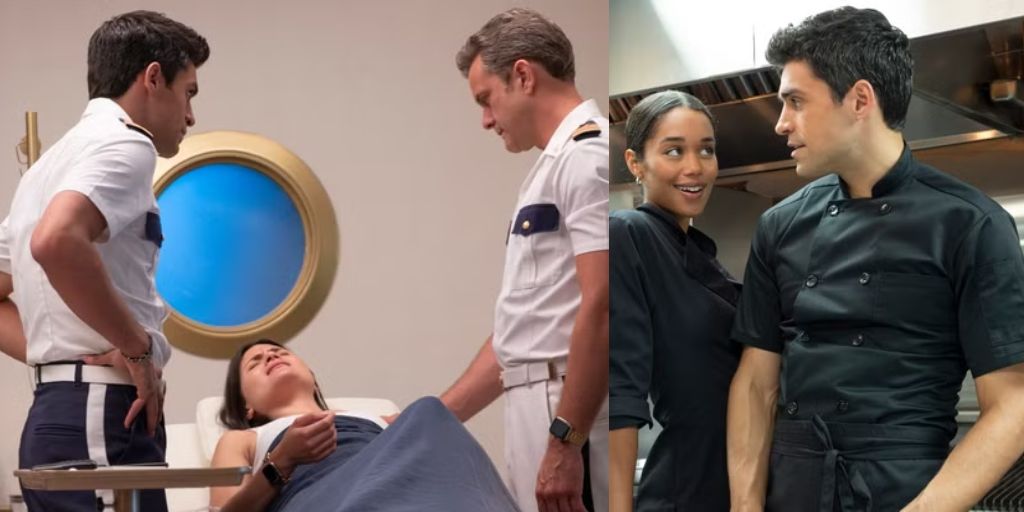
Still from Doctor Odyssey (Credit: ABC)
Together, the supporting cast enriches Max’s journey, providing different viewpoints and experiences that enhance the full narrative. Their presence emphasizes the importance of community and support in overcoming personal challenges.
The Impact of Visuals and Sound Design
In addition to the writing and acting, the visuals and sound design in Doctor Odyssey contribute significantly to the storytelling.
The bright, sparkly aesthetics of the cruise ship create an almost dreamlike atmosphere, enhancing the show’s central themes. This visual style contrasts with the darker elements of Max’s past, reinforcing the idea that appearances can be deceiving.
The use of lighting throughout the show adds another layer of meaning. The blinding light that envelops Max when he enters a room creates a sense of otherworldliness. This choice encourages viewers to question the reality of the world he inhabits. Is it a paradise, or is it a carefully constructed illusion?
Sound design also plays a crucial role in shaping the viewer’s experience. The background music and sound effects set the tone for each scene, guiding the audience’s emotional responses.
When flashbacks occur, the sound transitions to a more somber tone, signaling a shift in Max’s emotional state. This auditory cue helps viewers engage with the narrative on a deeper level.
Fan Reactions and Theories
As Doctor Odyssey airs, fans are actively engaging with the show and sharing their theories online. The fever dream theory has sparked lively discussions among viewers. Many appreciate the show’s willingness to challenge traditional storytelling methods and show complex themes.
Social media platforms have become a hub for fans to share their thoughts and interpretations. Some viewers analyze specific scenes, looking for clues and hidden meanings. Others share their emotional connections to the characters and storylines, highlighting how the show resonates with their own experiences.
The enthusiasm of the fanbase adds to the full experience of watching Doctor Odyssey. When viewers feel invested in a show, they become more engaged with the characters and storylines. This connection fosters a sense of community, as fans bond over their shared interests and theories.
The Future of Doctor Odyssey
Looking ahead, the future of Doctor Odyssey remains uncertain. If the fever dream theory holds true, the show could take unexpected turns that keep viewers on their toes. Showing the consequences of Max’s experiences and his journey towards self-discovery could lead to compelling storytelling.
There are various directions the show could take. Max might confront the reality of his situation, leading to character growth and development. Alternatively, the story could continue to blur the lines between reality and illusion, keeping audiences guessing.
As Doctor Odyssey progresses, fans will be eager to see how the narrative unfolds. The combination of Joshua Jackson’s performance, strong supporting characters, and thought-provoking themes creates a attractive viewing experience. The show has the potential to make a lasting impact on its audience, leaving them with questions about the nature of reality and the importance of connection.
Final Thoughts
Doctor Odyssey presents an intriguing blend of comedy, drama, and mystery. Joshua Jackson’s return to television as Max Bankman showcases his versatility as an actor. The show’s schems of themes like isolation, connection, and the nature of reality resonates with viewers, particularly in the context of the ongoing pandemic.
The supporting cast adds depth to the narrative, while the visuals and sound design enhance the storytelling experience. As fans engage with the show and share their theories, the sense of community surrounding Doctor Odyssey continues to grow.
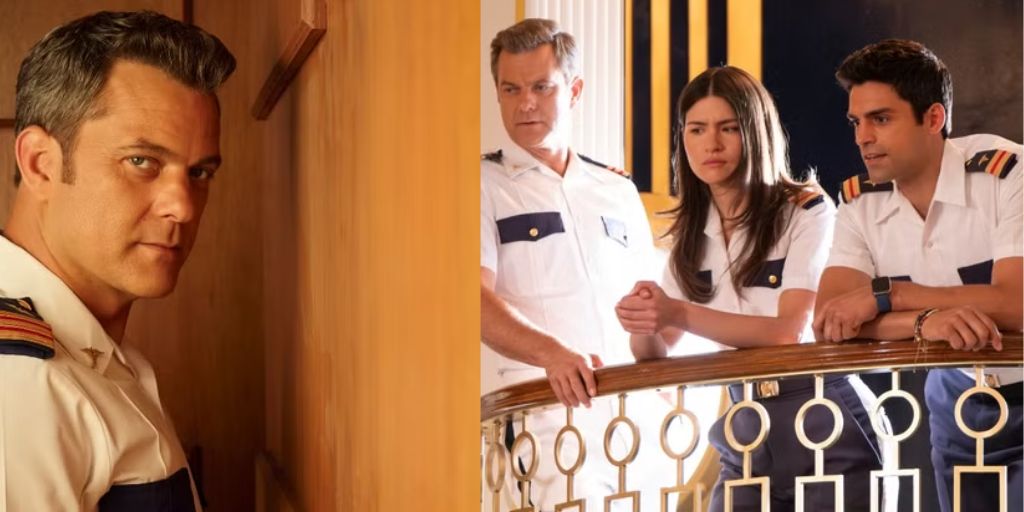
Still from Doctor Odyssey (Credit: ABC)
Whether the fever dream theory is true or not, Doctor Odyssey invites viewers to reflect on their own lives and the complexities of human experience. As the series unfolds, audiences will eagerly anticipate what lies ahead for Max and his companions aboard the mysterious cruise ship.
