In the latest episode of The Penguin, titled “Bliss,” viewers are treated to an intriguing development in the Gotham underworld. We follow Oz (Colin Farrell) as he learns about a new drug called Bliss, which is being promoted by Alberto (Michael Zegen) and Sofia (Cristin Milioti).
They believe Bliss will be the key to their rise within the Falcone crime family and their ambitions to seize control of Gotham’s entire criminal empire. The drug, known as Bliss, offers users an escape from the harsh realities of life in Gotham.
What is Bliss?
At first glance, Bliss is a drug derived from basidiospores, a component found in mushrooms. The drug is transformed into a striking red crystal that users consume to achieve a euphoric state. However, this high comes with a notable side effect: a red stain left on the user’s tongue.
In a recent test run conducted by Oz alongside Eve (Carmen Ejogo) and Vic (Rhenzy Feliz) at a local club, it appears Bliss is set to become a popular choice among the residents of Gotham.
Many individuals are looking for ways to escape the grim circumstances surrounding them, especially after the devastation caused by recent events in the city.
While Bliss has its origins in DC Comics, the true nature and potential side effects of the drug in The Penguin remain largely unexplored. As the story unfolds, it is evident that the drug could have far darker implications than initially perceived.
The creators of The Penguin have cleverly adapted the drug’s background, grounding it in more realistic and relatable methods of creation, which could lead to more severe consequences.
Bliss Originates from DC Comics
The history of Bliss dates back to 2010 when it was first introduced in Titans #26. In the comics, the drug is crafted by Elijah, a minor drug lord and villain in the Teen Titans universe.
Unlike the more sophisticated method presented in the show, Elijah’s drug is produced through a much more sinister and abusive practice: he extracts hormones from kidnapped pre-adolescent children. This darker origin contrasts sharply with the approach seen in The Penguin, where Bliss’s creation is depicted as more grounded and plausible.
In the show, although certain mushrooms can have psychoactive properties, the specific mushrooms associated with Bliss, known as Bleeding Tooth Fungi, do not offer such recreational benefits.
This blend of science fiction and realism helps create a narrative that feels believable, allowing audiences to connect with the characters and the situation more deeply. The adaptation of Bliss into a more grounded context enhances its potential impact on the story.
Sofia’s Personal Connection to Bliss
As the episode progresses, Sofia reveals her deeper involvement in the operation surrounding Bliss. When she first introduces Oz to the drug’s production, he notices trucks arriving with bags labeled “Arkham Hospital.” These bags are likely transporting either the mushrooms themselves or the soil used to cultivate them.
Initially, Oz believes that Alberto is the mastermind behind the operation. However, Sofia subtly indicates that she has a far more significant role in the plan than she initially suggested. This revelation raises questions about her true motives and what else she might be concealing from Oz.
Sofia’s connection to Bliss becomes even more personal when she discloses to Feng Zhao (François Chau), the head of the Triad gangs, that she was given the drug while at Arkham. This statement adds a troubling dimension to her character.
By using Bliss, Sofia might be inflicting upon others the same psychological torture she experienced, stripping them of their willpower and rendering them “submissive,” as she describes. This dark turn of events highlights her character’s complexity and suggests that her motivations may not be purely driven by a desire for power.
It remains uncertain whether Sofia actually uses the drug herself. Although she appears not to, it would be fascinating to see how Bliss might influence her character and actions, particularly when considering the nightmares she has experienced.
The Potential Power of Bliss
The scene culminates with Sofia telling Oz that they will “paint the town red” with Bliss, indicating that this operation aims for far more than just financial gain. Instead, it seeks to control the psychological needs of the citizens of Gotham, which is a significant point raised by Sofia.
Given the chaos that has engulfed Gotham, particularly after The Riddler (Paul Dano) flooded the streets and caused widespread devastation, the demand for an escape has never been more critical.
People are looking for a way out of their grim realities, and whoever controls Bliss may hold the key to immense power and influence. The struggle for control over this new drug could lead to heightened tension among characters, as they vie for supremacy in the broken city.
Bliss presents itself as the “new high” that Alberto promised, potentially transforming the drug trade in Gotham. As Oz discusses with Johnny Viti (Michael Kelly) and Luca Falcone (Scott Cohen), Bliss might truly “revolutionize” the way drugs are distributed and consumed in the city.
However, the extent to which Bliss can control the people of Gotham and who will ultimately command its distribution is still a mystery. Sofia’s involvement adds a layer of vindictiveness to the power struggle, hinting that she may see this as payback for her traumatic experiences in Arkham.
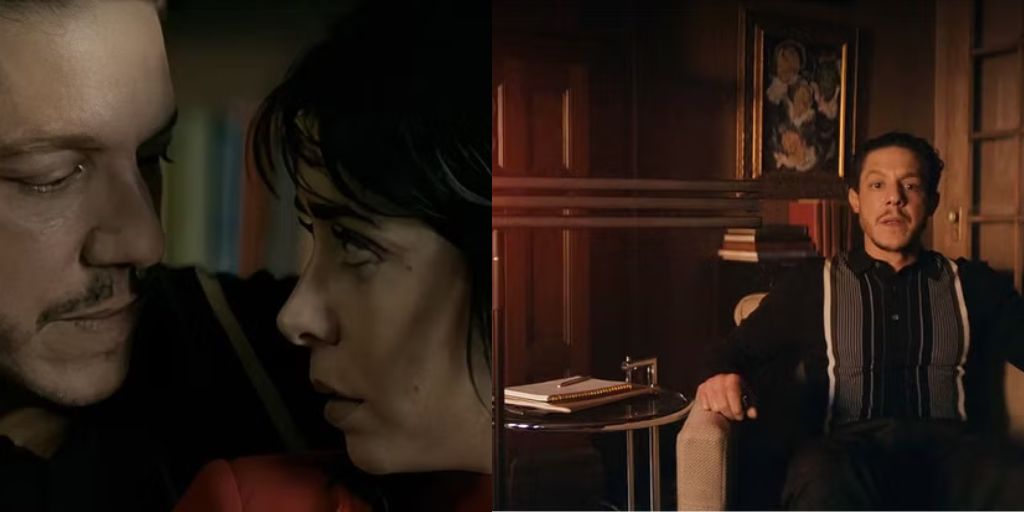
Still from The Penguin (Credit: HBO)
While the origins of Bliss are rooted in the comics, the show adapts its concept to create a more realistic narrative. The impending deal with the Triad for distribution hints that it won’t be long before Bliss evolves into the true currency of power in Gotham.
The Penguin is currently available to stream on Max in the U.S. and continues to show the darker underbelly of Gotham through its complex characters and gripping storylines.
Viewers are left to ponder the implications of Bliss and how it will shape the future of Gotham’s criminal world. As the story unfolds, the potential consequences of this new drug are bound to create more intrigue and tension in the episodes to come.
England might not seem like a top choice for “most sexually adventurous European nations,” but it has a rich history with sexuality. The British have embraced sexuality since the times of Shakespeare, who wrote about passionate encounters, and Henry VIII, who changed religion because he wanted more than one wife.
This is the same country that created “Naked Attraction” and teaches young people about sex in shows like “Sex Education” instead of leaving it all to the internet.
The new series “Rivals,” based on Dame Jilly Cooper’s second novel from the Rutshire Chronicles series, brings this history of sexuality and ambition to the forefront.
It paints a vivid picture of life in 1980s Britain, showing how desire and power struggle intersect in a colorful and often outrageous way. The series tells the story of a group of passionate journalists who shows a world filled with drama, rivalry, and romance.
The Setting: Rutshire and the 1980s
Set in 1986 in the fictional English county of Rutshire, “Rivals” creates a vibrant backdrop that reflects the excesses of the decade. The 1980s were known for their bold fashion, extravagant lifestyles, and a booming television industry. This is the era when cable TV was becoming popular, and with it, new forms of entertainment were emerging.
The show captures this spirit perfectly, with stylish costumes, bright colors, and fast-paced dialogue that make viewers feel like they have stepped back in time.
The characters embody the excitement and excess of the era, each with their own quirks and desires that drive the plot forward. As the audience watches these characters show their complicated lives, they get a view into a world where ambition and passion reign supreme.
Character Introductions
At the heart of “Rivals” are its compelling characters. The series kicks off with a grand introduction to Lord Tony Baddingham, played by David Tennant.
Baddingham is a charismatic figure who is determined to grow his television empire. He embodies the qualities of the era: ambition, charm, and a hint of arrogance. His character is driven by a desire for power and recognition, making him a central figure in the unfolding drama.
To further his ambitions, Baddingham pulls in the talented but troubled journalist Declan O’Hara, played by Aidan Turner. Declan is a left-leaning journalist with a chip on his shoulder. He is drawn to Baddingham’s promises of live television and editorial control, but his presence complicates the dynamics in this group.
Declan brings along his family, including his 20-year-old daughter, Taggie O’Hara, played by Bella Maclean. Taggie is a bright and ambitious young woman who dreams of becoming a chef, but her journey quickly intertwines with the chaotic world of journalism and ambition.
In addition to Baddingham and Declan, the series introduces Rupert Campbell-Black, played by Alex Hassell. Rupert is a charming but morally questionable character, a member of Parliament who has transitioned into a Minister for Sport.
His relationship with Baddingham is tense, as Baddingham personally despises him. Rupert’s character adds layers of complexity to the story, as he often acts as the antagonist to Baddingham’s ambitions.
Completing this unusual group is Cameron Cook, a tough and ambitious producer played by Nafessa Williams. Cameron brings a strong presence to the mix, and her interactions with the other characters often highlight the power struggles and personal conflicts that drive the narrative.
Together, this ensemble creates a dynamic that is both entertaining and thought-provoking, as their personal and professional lives intertwine in unexpected ways.
Themes of Lust and Power
At its heart, “Rivals” shows themes of lust, ambition, and ego. The characters are larger than life, each representing different facets of desire and power. They engage in constant battles for dominance, both personally and professionally.
The series shines a light on the excesses of the 1980s, portraying a time when desire and ambition were often at odds with morality and personal relationships.
This scheme of character dynamics is one of the show’s strongest points. Each character has their own desires and motivations, leading to moments of conflict and tension. For example, the rivalry between Baddingham and Rupert Campbell-Black is palpable.
Their scenes are charged with animosity and competition, keeping viewers on the edge of their seats. Similarly, Declan’s struggles with his identity as a journalist and a father create a rich narrative thread that adds depth to the story.
Taggie serves as a refreshing contrast to the more experienced characters. Her innocence and genuine nature highlight the darker aspects of the world around her.
As she faces this tumultuous environment, her interactions with Rupert Campbell-Black are particularly compelling. Their relationship evolves throughout the series, showcasing how her goodness begins to impact him in unexpected ways.
Engaging Performances
“Rivals” boasts a talented cast that brings these characters to life. David Tennant’s portrayal of Lord Tony Baddingham is engaging, as he balances charm with a power-hungry demeanor.
Aidan Turner’s performance as Declan O’Hara adds layers of complexity, capturing the frustrations and challenges faced by a journalist in a competitive industry.
Alex Hassell shines as the charismatic troublemaker Rupert Campbell-Black. His ability to blend charm and menace makes his character attractive to watch. The chemistry between Tennant and Hassell is electric, as their characters’ mutual hatred creates tension that drives the narrative forward.
Bella Maclean’s portrayal of Taggie is a standout. She brings a sense of authenticity and warmth to the role, allowing viewers to empathize with her journey. As the story unfolds, her character’s development provides a sense of hope amid the chaos surrounding her.
Nafessa Williams rounds out the cast with her strong performance as Cameron Cook. Her character’s ambition and determination add a powerful dynamic to the story, showcasing the often-overlooked role of women in the media during that era.
A Retro Experience
The series captures the essence of the 1980s in a way that is both nostalgic and refreshing. The stylish visuals, fast-paced dialogue, and engaging performances create an experience that feels both modern and reminiscent of a bygone era. “Rivals” pays homage to the flamboyance of the time while delivering a fresh take on the drama and intrigue of the television industry.

Still from Rivals (Credit: Hulu)
While the first episodes are enjoyable, it does take a moment for the emotional depth of the story to fully develop.
The series sometimes rushes past important character setups and plot elements, but the engaging performances and vibrant setting help to keep the viewer invested. As the series progresses, the emotional threads begin to intertwine, leading to more satisfying payoffs for the characters and their arcs.
The Conclusion
“Rivals” is a compelling scheme of power, lust, and ambition in 1980s Britain. It is a vibrant tribute to the excesses of the time, filled with memorable characters and engaging storylines. The talented cast and their performances upgrade the material, creating a series that is both entertaining and thought-provoking.
With its unique setting and bold character dynamics, “Rivals” promises to be a thrilling watch for audiences. The series premieres on Friday, October 18, on Hulu, and it is sure to capture the attention of viewers looking for a fresh take on the drama of the past.
Whether you are a fan of character-driven narratives or simply interested in the wild world of 1980s television, “Rivals” is a show worth tuning into. Its scheme of lust, ambition, and the complexities of human relationships makes it a must-see for anyone who appreciates engaging storytelling and memorable performances.
