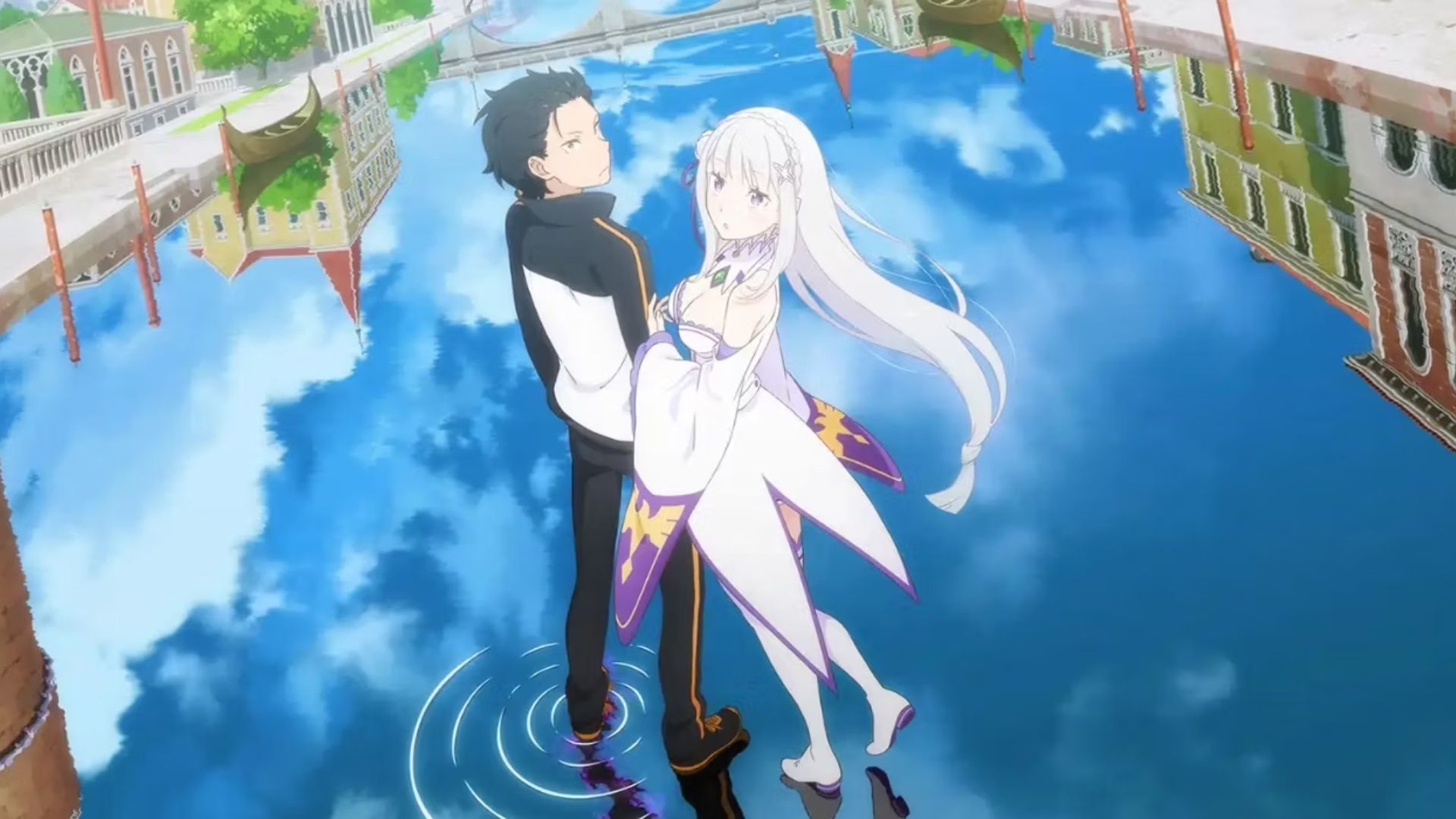
Re:Zero – Starting Life in Another World has gained immense popularity since its debut, with its unique premise and emotional storytelling. The series follows Subaru Natsuki, a young man who is transported to a fantasy world where he discovers he has the ability to “restart” every time he dies. This concept, combined with dark themes and character development, has drawn a loyal fanbase. However, as the series progresses, it has faced criticism for its increasingly convoluted plotlines, making it difficult for some viewers to follow and enjoy.
One of the biggest challenges with Re:Zero is its complex narrative structure. The story is built around Subaru’s ability to return to life after each death, creating a cycle where he must figure out how to navigate the world and protect his loved ones. This leads to repeated events where Subaru tries different approaches to solve the problems he faces. While this concept was intriguing at first, it has become more difficult to follow as the story progresses.
Each arc introduces new characters, complex political dynamics, and intricate plots, making it hard for viewers to keep track of everything. New mysteries constantly emerge, and the timeline becomes more difficult to understand. The constant jumping between past events and future possibilities makes the story feel disjointed and overwhelming, especially for casual viewers who are not familiar with every detail.
(Credits: Re Zero Franchise)
Lack of Clarity in Character Development
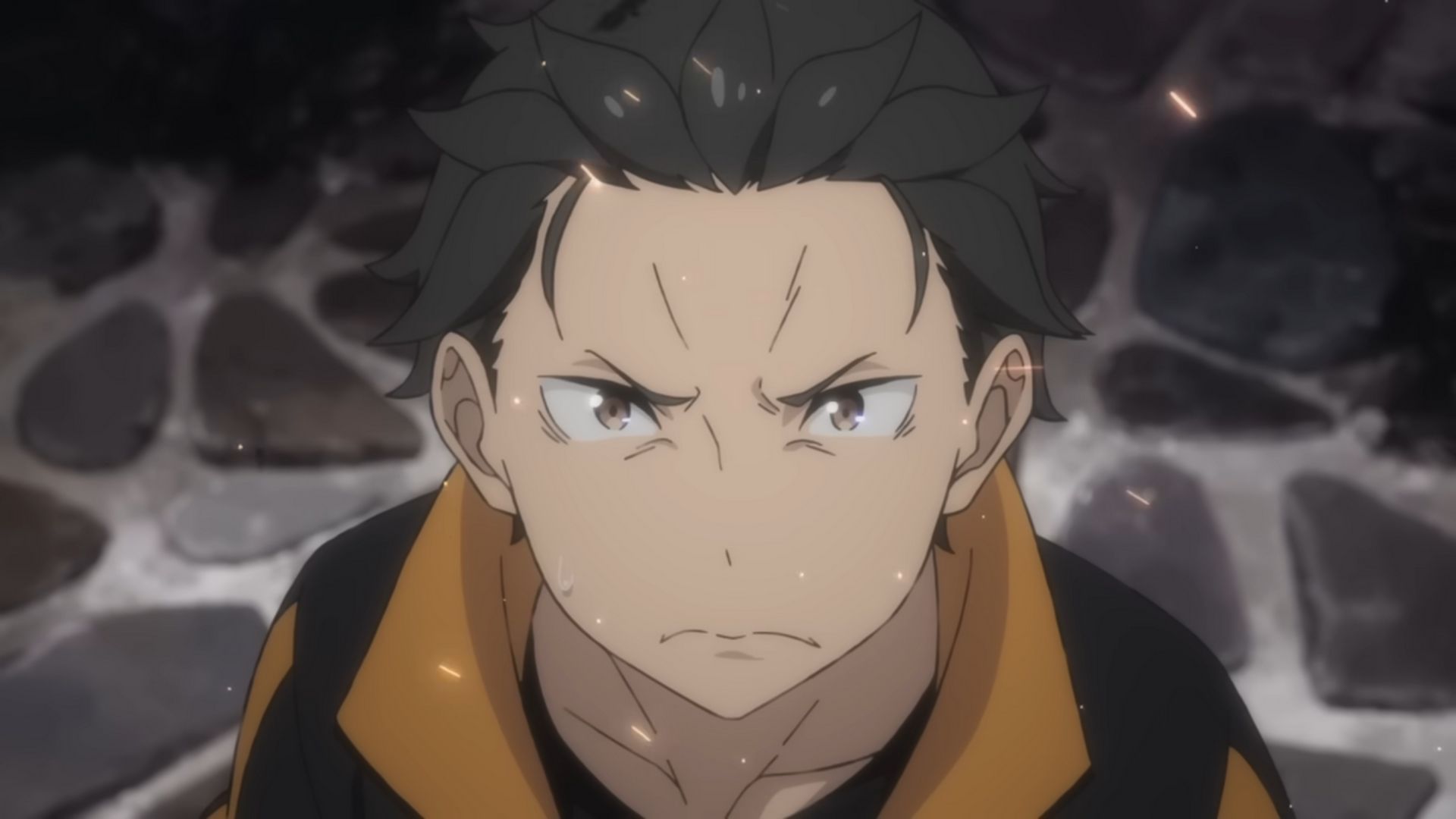
Another issue that comes with the convoluted plotlines is the lack of clear character development. Subaru, the main character, has undergone significant growth throughout the series, but his journey often feels overshadowed by the complex web of events. His relationships with other characters, like Emilia, Rem, and Beatrice, are central to the plot, yet these relationships can feel like they take a backseat to the constant plot twists and world-building.
In addition, many secondary characters are introduced with intriguing backstories and motivations, only for their development to be sidelined or left unfinished. This leads to a feeling of emotional disconnect, as viewers are given glimpses of characters’ potential but rarely see them fully explored.
(Credits: Re Zero Franchise)
Over-Reliance on Plot Twists
While plot twists can be a powerful storytelling tool, Re:Zero relies on them heavily to maintain suspense. Unfortunately, this constant shift in the plot can feel like a trick rather than an organic development of the story. At times, it seems as though the writers introduce new twists and surprises simply to keep the audience guessing, rather than focusing on building a coherent and satisfying narrative.
Moreover, these twists often come with little explanation or resolution, leaving fans with more questions than answers. The lack of clear answers can be frustrating for viewers who are trying to keep up with the story, making it feel like the series is deliberately keeping them in the dark.
While Re:Zero started strong with its unique premise and emotional depth, its complex and convoluted plotlines have made it harder to enjoy for many viewers. The constant shifting of timelines, overuse of plot twists, and lack of character development in some areas have made it difficult for the series to maintain its initial charm. For fans, the series remains intriguing, but the narrative’s complexity may turn away new viewers or those hoping for a more straightforward story.

Subaru Natsuki, a young man, is transported to a fantasy world where he discovers he has the ability to return from death. Using this power, he navigates various challenges to protect his friends and uncover the mysteries of the world.
K-Pop, short for Korean Pop, has become a global sensation over the last decade. Groups like BTS, BLACKPINK, and EXO have captured hearts around the world, breaking records and topping charts in countries far from South Korea. As K-Pop gains more international attention, it’s clear that Western influence is playing a significant role in shaping the genre. However, this shift has sparked debates about whether the original essence of K-Pop is being lost.
One of the most noticeable changes is the increasing use of English lyrics in K-Pop songs. In the past, K-Pop tracks were primarily in Korean with just a few English phrases. Now, it’s common to find songs that are mostly in English or have significant English verses. This change helps make the music more accessible to international fans but raises questions about the preservation of Korean culture in the music.
Additionally, the music styles in K-Pop are evolving to match popular Western trends. Genres like hip-hop, trap, and EDM are now frequently heard in K-Pop songs. Many groups collaborate with Western artists and producers, which adds to this blending of styles. While these partnerships create exciting music, they sometimes overshadow traditional K-Pop sounds that were once a defining feature of the genre.

(Credits: Newjeans)
Changes in Visual and Performance Styles
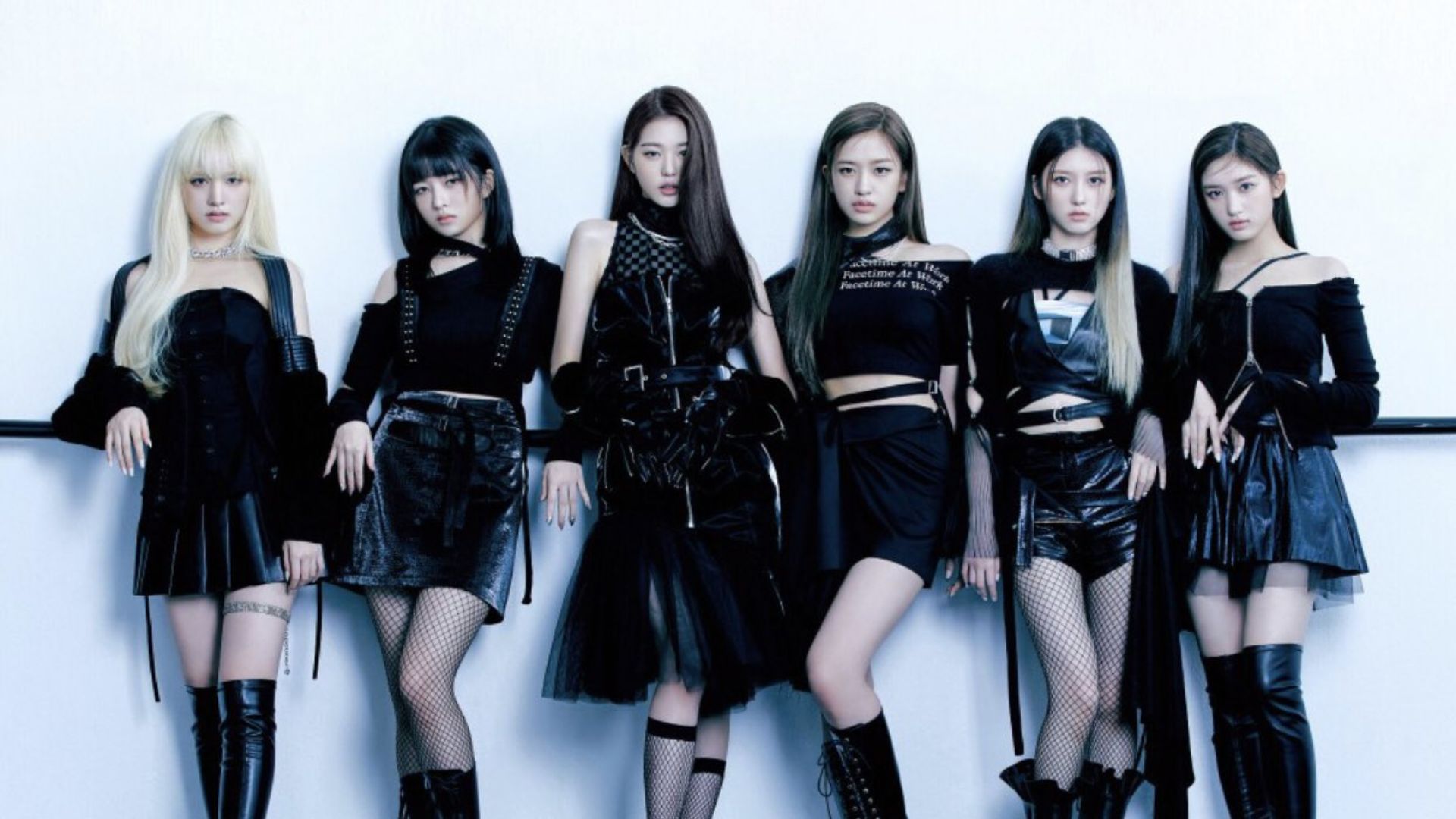
K-Pop has always been known for its elaborate choreography and unique fashion. However, recent trends show a growing influence of Western fashion and stage performances. Some K-Pop idols are now adopting a more casual, street-style look, moving away from the polished, high-fashion appearances that were common in earlier eras.
Music videos, too, are reflecting this shift. Many now feature concepts and storytelling elements that are inspired by Western pop culture, which contrasts with the distinctive storytelling style that used to define K-Pop visuals.
While Western influence has helped K-Pop gain global recognition, some fans worry that it’s diluting the cultural identity that made it special. K-Pop originally stood out because of its blend of Korean traditions with modern music. As it becomes more Westernized, there’s a fear that it could lose this unique identity.
However, others see this as a natural evolution. They argue that K-Pop’s ability to adapt and change is part of what makes it so successful. By embracing different influences, it can continue to grow and reach new audiences while still maintaining its roots.
(Credits: IVE)
Striking a Balance
For K-Pop to thrive internationally while preserving its cultural identity, finding a balance is essential. Artists and producers need to stay true to the genre’s Korean roots while embracing global trends in a thoughtful way.
Ultimately, the future of K-Pop lies in its ability to adapt without losing sight of what makes it unique. As Western influence continues to shape the genre, K-Pop fans hope it will find ways to celebrate its heritage while remaining a leader in the global music industry.
