While Erin Foster’s show Nobody Wants This features Kristen Bell and Adam Brody, it did not attract much attention before it premiered. However, weeks after its debut, the romantic comedy series is getting high ratings on Rotten Tomatoes and has made it to Netflix’s Top 10.
The show tells the story of Joanne (played by Bell), who is a podcaster discussing her tough relationships, and Noah (played by Brody), who is a devoted rabbi experiencing a breakup. Joanne and Noah have different views on love, but their chemistry is strong when they meet.
As they show their mature and heartwarming relationship during the season, they face a major issue: how will a rabbi dating a non-Jewish woman work?
The Story of Joanne and Noah
Joanne is a lively and outspoken podcaster. She shares her struggles with dating and relationships with her audience. She openly discusses her feelings, fears, and experiences, making her relatable to many viewers. Her candidness draws listeners in and creates a space for conversations about love and commitment.
Noah, on the other hand, is a rabbi who has dedicated his life to his faith. He is serious and thoughtful, trying to live by the principles of his religion.
Noah is currently dealing with his own breakup, and he feels lost. Despite their different backgrounds, Joanne and Noah find themselves drawn to each other when they meet. Their first encounter sparks a connection that neither of them can ignore.
Joanne is in a phase of her life where she is trying to figure out what she wants in a relationship. She has had her fair share of bad dates and unhealthy choices. Noah is coming out of a relationship that ended because he was not ready to commit.
He was dating a woman named Rebecca (played by Emily Arlook), but he realized that he could not give her what she wanted. Their breakup sets the stage for Noah to meet Joanne.
The chemistry between Joanne and Noah is electric from the start. They have conversations that flow naturally, filled with humor and deep thoughts. Their differences in beliefs and lifestyles make their relationship complex. As the season progresses, they show the ups and downs of their growing affection for one another.
Facing Challenges Together
Despite knowing that their relationship might not last, Joanne and Noah cannot deny their feelings. They find themselves falling for each other, even as they face significant challenges.
One of the biggest obstacles is Noah’s mother, Bina (played by Tovah Feldshuh). Bina does not approve of Noah dating a non-Jewish woman. She is a traditional mother who holds strong beliefs about family and faith.
Bina’s disapproval creates tension between the couple. She expresses her concerns about their relationship, making it clear that she believes Noah should date someone who shares his faith.
With the help of Noah’s sister-in-law, Esther (played by Jackie Tohn), Bina tries to put a stop to the relationship. Esther is caught in the middle, wanting to support her husband while also being sympathetic to Noah’s feelings.
As Noah and Joanne’s relationship grows, they also have to deal with their family dynamics. Joanne’s sister, Morgan (played by Justine Lupe), plays a crucial role in the story. She initially has a strained relationship with Noah’s brother, Sasha (played by Timothy Simons).
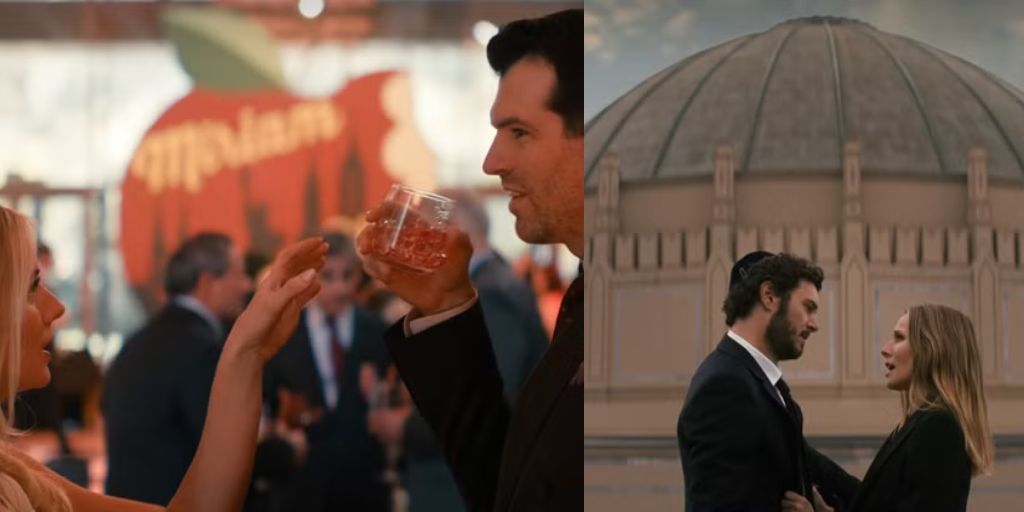
Still from Nobody Wants This (Credit: Netflix)
However, as the season progresses, Morgan and Sasha start to form an interesting friendship. Their dynamic adds another layer to the story, showcasing how relationships can impact family and friends.
Joanne’s Personal Growth
At the beginning of the season, Joanne struggles to make healthy relationship choices. She is often impulsive and finds herself in situations that are not good for her. However, as she spends more time with Noah, she begins to change. Noah’s stability and commitment to his faith inspire Joanne to reflect on her own choices.
In the first episode, Noah breaks up with Rebecca, realizing he cannot commit to her. This decision opens the door for him to meet Joanne. As he gets to know her, Noah starts to feel ready to take a chance on love again. But he also begins to question whether their relationship can survive if Joanne does not convert to Judaism. This question weighs heavily on both of them.
In the Season 1 finale, Joanne tells Noah that she will change her faith. However, after talking with Rebecca, she starts to doubt her decision. Joanne wonders if she truly wants to become Jewish or if she is just doing it to please Noah. This internal conflict is significant, as it highlights the complexities of love and personal identity.
Noah’s Ambitions and Struggles
Throughout Season 1, Noah has been focused on his goal of becoming the head rabbi at his synagogue. His dedication and hard work make him deserving of this role.
However, his relationship with Joanne complicates matters. Rabbi Cohen (played by Stephen Tobolowsky), who is an influential figure in Noah’s life, informs him that he is essentially chosen for the position. This news brings both excitement and stress for Noah.
As Noah grapples with his feelings for Joanne, he finds himself at a crossroads. He loves her deeply, but he is aware that her not being Jewish is a significant hurdle.
Noah struggles with the idea of having to choose between his faith and his love for Joanne. This dilemma creates tension in their relationship, as both characters try to show their feelings and responsibilities.
In the final episode, Noah confesses his love for Joanne. He expresses his desire to make their relationship work, but Joanne responds with a heavy heart. She tells him, “But because I love you, I can’t convert.”
This moment is powerful, as it shows Joanne’s understanding of the weight of being the partner of a head rabbi. She does not want to pressure Noah into choosing between his faith and their relationship.
After a tearful separation, Noah chases after Joanne, declaring that he “can’t have both.” This moment is emotionally charged, as it represents the struggle between love and personal beliefs. Their passionate kiss leaves viewers wondering what the future holds for them.
An Uncertain Future
In an interview with Tudum, Adam Brody reflects on the ending of Season 1, interpreting Noah’s actions as him saying, “I put you first. Everything else will work itself out, but I’m saying that you are my priority.” This sentiment emphasizes Noah’s commitment to Joanne and his desire not to lose her.
However, Brody also notes that Noah’s decision may not be as certain as fans might hope. He questions whether Noah will continue to feel that way when faced with real-life challenges.
This uncertainty adds depth to the story. The series has successfully highlighted the complexities of modern dating, particularly when it comes to issues of faith and commitment.
While Noah loves Joanne, he is not the type to abandon his beliefs and aspirations for a relationship. In the Season 1 finale, Joanne acknowledges that she cannot promise to be what Noah wants, recognizing that it would not be fair to him.
As the season closes, viewers are left with many questions. Will Joanne and Noah find a way to make their relationship work? Can they show the challenges posed by their different backgrounds and beliefs? These questions keep the audience engaged and eager for more.
Morgan and Sasha’s Developing Friendship
In addition to the main storyline of Joanne and Noah, Nobody Wants This effectively show the friendship between Morgan and Sasha. Their dynamic adds a new layer to the narrative, illustrating how relationships affect family and friends.
Morgan and Sasha refer to themselves as “the loser siblings” when compared to Joanne and Noah. Initially, Morgan is dismissive towards Sasha, viewing him as a part of Noah’s world that she does not understand.
However, things change when Morgan has a revealing dream about Sasha. This dream sparks her interest in him, leading her to see him in a new light. As the season unfolds, they begin to spend more time together and develop a unique friendship. Their bond grows stronger as they both realize that they share similar experiences and challenges.
As they work together to support Noah and Joanne, Morgan and Sasha’s friendship becomes even more significant. They help each other show their respective relationships and personal struggles. Morgan’s initial coldness towards Sasha fades as she begins to appreciate his companionship.
Throughout the season, Sasha longs for connection. He tries to spend time with Noah and get involved in his daughter Miriam’s (played by Shiloh Bearman) life.
Morgan becomes the friend that Sasha has been waiting for, and he values their friendship. However, he struggles to be open about this bond with his wife, Esther. Sasha fears that Esther will not understand his friendship with Morgan and worries she might put an end to it.
Esther’s Role in the Story
Esther plays a significant role in the relationship dynamics throughout the series. She is Noah’s sister-in-law and is protective of her family. When she sees Morgan and Sasha interact in person and discovers their text messages, she becomes suspicious. Esther’s protective instincts kick in, and she decides to take action to keep her family together.
Her efforts to break up Joanne and Noah’s relationship reveal the complexities of family dynamics. Esther is not just a bystander; she actively participates in trying to keep the family aligned with their beliefs and values.
Her actions raise questions about loyalty, love, and family, as she tries to balance her support for Noah while also being concerned about the future of their family.
As the season progresses, it becomes clear that Esther’s intentions are not entirely selfish. She genuinely believes that Noah deserves someone who shares his faith and values.
However, her interference causes strain in her relationship with both Noah and Morgan. The tension between these characters adds depth to the story, showcasing how family loyalty can complicate love.
The Season Finale: Open-Ended or Satisfying Conclusion?
The Season 1 finale of Nobody Wants This serves more as a setup for a potential Season 2 than a closed-ended conclusion. While viewers see the emotional struggles of Joanne and Noah, the finale leaves many questions unanswered. Their relationship faces significant challenges, and the audience is left wondering how they will move forward.
The show has successfully shown modern dating and the complexities of love, especially when religion and family are involved. The characters have experienced growth and transformation throughout the season, but the finale leaves room for further development. This open-ended conclusion keeps viewers engaged and excited for the future of the series.
Nobody Wants This has already been officially renewed for a second season. Fans can look forward to seeing how the story continues. Will Joanne and Noah find a way to make their relationship work despite their differences? How will Morgan and Sasha show their evolving friendship? These questions create anticipation and excitement for what lies ahead.
Final Thoughts
Nobody Wants This is a refreshing take on romantic comedy that successfully shows the challenges of modern relationships. The show’s focus on love, faith, and personal growth resonates with viewers. As the characters show their relationships and personal struggles, the audience is drawn into their world.
Joanne and Noah’s relationship highlights the complexities of love, especially when it intersects with faith and family expectations. Their journey is relatable and realistic, showcasing the challenges many face in their own lives. The series does an excellent job of addressing these themes while maintaining a light-hearted and humorous tone.
The developing friendship between Morgan and Sasha adds depth to the narrative. Their interactions provide insight into how relationships can affect family dynamics. The show effectively balances the romantic elements with the challenges of friendship and family loyalty.
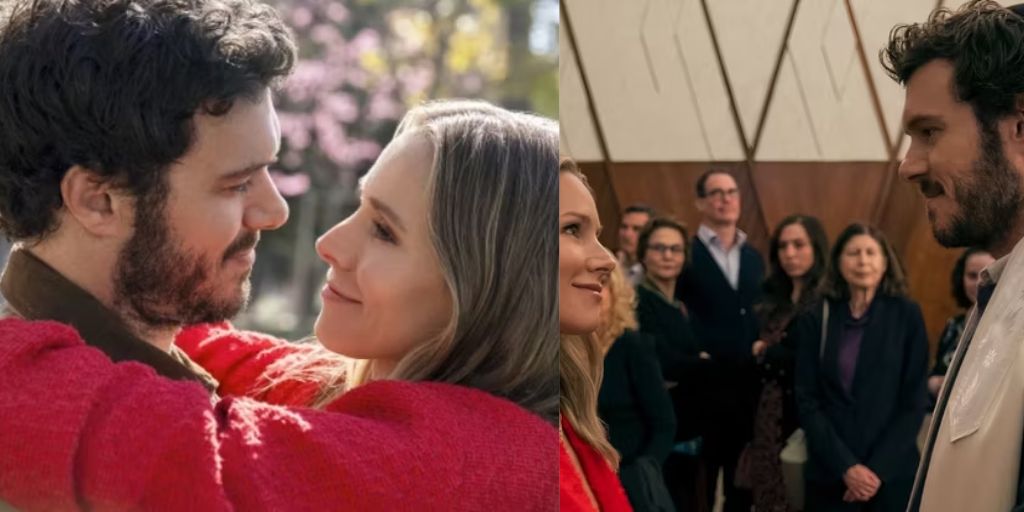
Still from Nobody Wants This (Credit: Netflix)
As viewers await the second season, they are left with many questions about the characters’ futures. Will Joanne and Noah find a way to overcome their obstacles? How will Morgan and Sasha’s friendship evolve? The open-ended conclusion leaves room for further scheme of these characters and their journeys.
Nobody Wants This is a attractive series that resonates with audiences. It combines humor, heart, and relatable themes, making it a must-watch for fans of romantic comedies. As the story unfolds, viewers can look forward to more heartfelt moments and challenges as the characters show the complexities of love and relationships.
Nobody Wants This is available to stream on Netflix in the U.S. Fans are encouraged to watch and follow the journey of Joanne, Noah, and their friends as they show love, faith, and the intricacies of modern relationships. The show promises to keep audiences entertained and engaged as they go deeper into the lives of these relatable characters.
In the early 2000s, Warner Bros. had a tough time bringing their most well-known comic book characters to the big screen. Despite their massive catalog of superhero stories, they faced many challenges turning those tales into successful films.
Movies based on their most popular characters like Superman and Batman either struggled at the box office or didn’t meet audience expectations. However, while the studio couldn’t always capture the magic of traditional superheroes, they managed to find success in adapting graphic novels from their Vertigo Entertainment imprint.
Vertigo is a brand known for more mature, darker, and complex stories compared to traditional superhero tales. These stories often dealt with moral gray areas, darker themes, and grittier characters.
What worked for Warner Bros. during this time was that these films didn’t require the same kind of deep knowledge of superhero mythology. Instead, they could be marketed as stand-alone crime thrillers, making them easier for general audiences to connect with.
Films like Road to Perdition (2002) and A History of Violence (2005) were not just successful, but also received glowing reviews. These films even garnered nominations at the prestigious Academy Awards. They stood out by presenting raw, human dramas wrapped in crime narratives, without being tied to the fantastical worlds of superheroes that many audiences struggled to connect with.
However, no adaptation created more anticipation than V for Vendetta. Directed by James McTeigue and executive produced by Lana and Lilly Wachowski, V for Vendetta generated a great deal of excitement among fans and critics alike.
The Wachowskis had been given near-complete creative freedom by Warner Bros. after the massive success of The Matrix trilogy, a rare opportunity in Hollywood that allowed them to create almost anything they wanted. This film had all the makings of another blockbuster hit.
V for Vendetta—The Story and Themes
Set in a dystopian future where a far-right authoritarian political party known as “Norsefire” has taken control of the government, media, and police, V for Vendetta tells the story of a resistance led by a mysterious vigilante named V, played by Hugo Weaving.
The Norsefire party has a firm grip on society, with the wealthiest members supporting its policies, while most citizens remain unaware of the corruption and lies they are being fed through state propaganda. The citizens live under a regime of fear, as the government uses constant surveillance, media control, and outright violence to maintain control.
The story follows Evey Hammond, portrayed by Natalie Portman, who works for the state-run television network. Evey’s parents were political activists who spoke out against the government before being silenced by Norsefire.
Even though she is aware of her parents’ resistance, Evey has avoided becoming involved in activism herself, mainly out of fear for her safety. However, her life takes a drastic turn when she encounters V, a vigilante bent on overthrowing the corrupt government. V saves Evey from a dangerous situation and slowly pulls her into his plot to bring down Norsefire.
The film presents itself as a revolutionary thriller, full of visually stunning scenes of rebellion against an oppressive regime. However, compared to the original graphic novel by Alan Moore, the film strips away much of the novel’s complex political and philosophical layers.
In the graphic novel, V is an anarchist fighting against a fascist government, symbolizing a larger struggle between oppressive systems and true freedom. However, in the film, these themes are simplified. The battle is reduced to a more straightforward fight between liberalism and conservatism, instead of the more radical ideas of anarchy versus fascism.
Why V for Vendetta Was Hard to Adapt
Adapting Alan Moore’s graphic novel V for Vendetta was no easy task. Moore is a legendary figure in the comic books world, known for creating complex, layered stories that challenge societal norms and question the role of heroes in popular culture.
His works often goes into darker themes, and his characters aren’t the clean-cut, virtuous heroes seen in many other comic books. Instead, they operate in shades of gray, making difficult moral choices that don’t always fit neatly into good or bad categories.
This complexity made V for Vendetta difficult to translate into a mainstream action film. The graphic novel shows themes like anarchy, fascism, and personal freedom in a deeply philosophical way. However, the Wachowskis, who were responsible for shaping much of the film’s direction, made some significant changes to the story that altered its tone and message.
One of the most significant changes was turning V into a more traditional hero figure. In the graphic novel, V is portrayed as an anarchist with a somewhat darker and more mysterious agenda.
His methods are extreme, and his goals are not always clear-cut. He doesn’t fight simply for the good of others, but rather for a complete destruction of the existing system, with no guarantee of what will replace it.
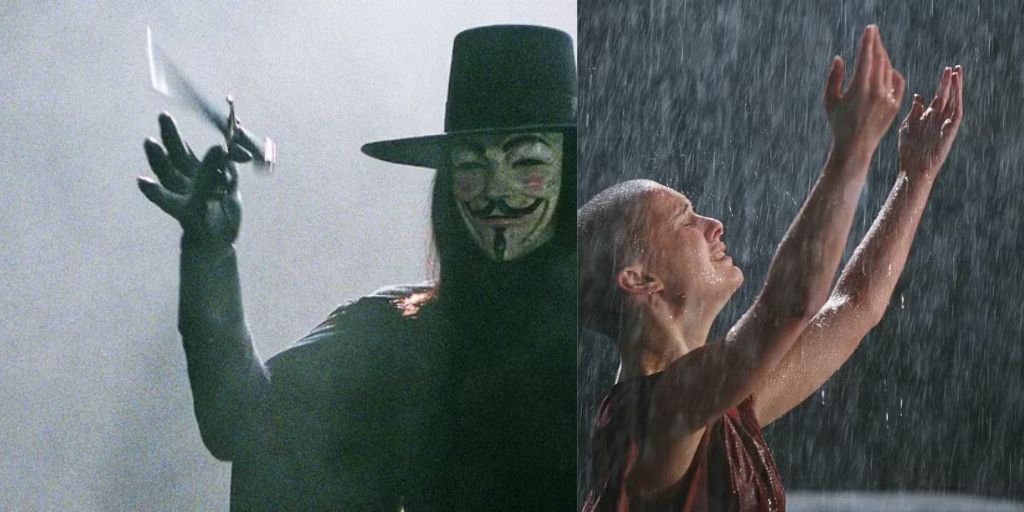
Still from V for Vendetta (Credit: Prime Video)
In the film, however, V is transformed into a noble, straightforward hero. He is painted as someone fighting purely for the good of the people. One scene, in particular, exemplifies this change.
V takes Evey to his underground hideout and compares himself to the character in The Count of Monte Cristo, going as far as to say that it is his favorite film. This shift in V’s character makes him more relatable to a broader audience, but it also waters down the more radical elements of his personality that made him so fascinating in the original story.
Simplified Villains and Politics
Another key difference between the graphic novel and the film adaptation lies in how the villains are portrayed. In the graphic novel, Moore goes to great lengths to humanize even the most reprehensible characters. The leaders of the fascist Norsefire government, like High Chancellor Adam Sutler and Peter Creedy, are undeniably evil.
However, Moore gives them layers, showing how they manage to gain power by appealing to a certain portion of the population. They use their charisma and manipulative skills to radicalize ordinary people, making their evil even more terrifying because it feels plausible.
In the film, these villains are reduced to one-dimensional characters who come across as typical “bad guys” without much depth. Adam Sutler, played by John Hurt, and Peter Creedy, played by Tim Pigott-Smith, are portrayed as mustache-twirling villains, more fitting for a cheesy action movie than a serious political drama.
This oversimplification removes much of the nuance from the story, making it feel more like a traditional good-versus-evil tale rather than a complex scheme of fascism and radicalism.
The film also oversimplifies the political themes of the original graphic novel. While the film references important issues like racism, sexism, and homophobia, it doesn’t go into much depth in showing these topics.
These are only touched on briefly, and the film doesn’t make a strong effort to examine how these forms of discrimination play into the larger societal problems it portrays. In contrast, Moore’s graphic novel goes deeply into these issues, making it a much more layered and thought-provoking piece of work.
Evey’s Character Arc and the Anarchist Themes
Evey’s character arc also differs significantly between the graphic novel and the film. In the original story, Evey undergoes a profound transformation after being kidnapped and tortured by V. Through this experience, she becomes a stronger, more independent person, eventually embracing V’s anarchist philosophy.
Her journey is one of personal growth, as she learns to question the existing power structures and reject the idea of replacing one form of government with another. Instead, she begins to see that true freedom lies in breaking down these systems altogether.
In the film, however, Evey’s transformation is less radical. While she does experience trauma at the hands of the Norsefire regime, her ultimate goal is not to dismantle the government entirely. Instead, she seeks to replace the current regime with a more democratic and fair system.
This shift makes her character less revolutionary than in the graphic novel, where she fully embraces anarchist ideals. In the film, she seems more like a moderate reformer than someone fighting for a complete societal overhaul.
This change in Evey’s character arc reflects a broader shift in the film’s message. The anarchist themes that are central to the graphic novel are largely absent from the film.
Instead of advocating for the total destruction of the system, the film suggests that a better version of the same system can be achieved through reform. This is a significant departure from the original story, where Moore presents anarchy as the only solution to a corrupt, fascist state.
The Challenges of Condensing a Complex Story
One of the biggest challenges in adapting V for Vendetta into a film was condensing the complex narrative of the graphic novel into a two-hour action movie. Alan Moore’s original work is dense with themes, character development, and political commentary, making it difficult to capture all of that in a 133-minute film.
While the film is visually impressive and delivers plenty of action, it struggles to balance the need for entertainment with the deeper philosophical and political ideas that made the graphic novel so impactful.
The film focuses more on drawing parallels to contemporary politics than on showing the timeless themes present in Moore’s work. While the graphic novel’s themes of resistance, oppression, and the abuse of power are relevant in any era, the film seems more concerned with making statements about the political climate of the early 2000s, particularly during the Bush administration.
This gives the film a sense of immediacy, but it also limits its broader applicability. Moore’s graphic novel, on the other hand, remains relevant regardless of the political context in which it is read because it tackles universal themes of power, control, and resistance.
V for Vendetta—A Missed Opportunity
While V for Vendetta is a visually stunning and entertaining film, it ultimately falls short of fully capturing the depth and complexity of Alan Moore’s graphic novel.
The film’s simplification of characters, themes, and political messages makes it feel more like a traditional Hollywood blockbuster than a radical, thought-provoking piece of political art.
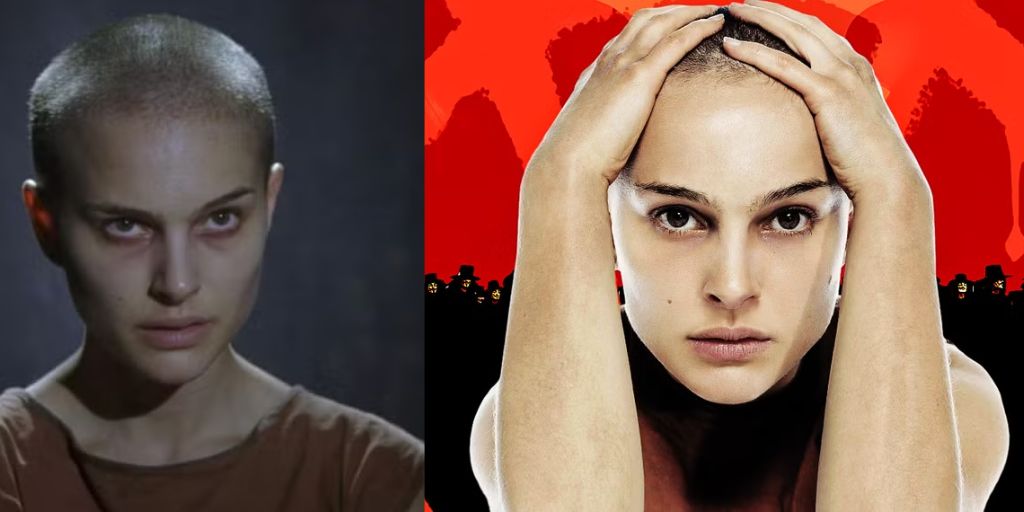
Still from V for Vendetta (Credit: Prime Video)
While it remains a fan favorite and has achieved a certain cultural status, particularly in the use of the Guy Fawkes mask as a symbol of resistance, it doesn’t quite live up to the legacy of the original graphic novel.
For viewers who have not read the graphic novel, the film may still be an exciting and engaging experience. However, for those familiar with Moore’s work, it is likely to feel like a missed opportunity to bring one of the most powerful political stories in comic book history to life in a way that does justice to its original message.
Conclusion
V for Vendetta was a bold attempt by Warner Bros. to adapt a complex, politically charged graphic novel into a mainstream film. While the film succeeded in many areas, particularly in its visual style and action sequences, it ultimately simplified the story’s deeper themes and characters.
The result is an entertaining but less radical version of Alan Moore’s vision. For fans of the original graphic novel, the film is a fascinating but imperfect adaptation that doesn’t quite reach the heights of its source material.
