The death of Satoru Gojo in Jujutsu Kaisen created waves across the anime and manga community like few events have.
When the formidable sorcerer, often referred to as the strongest character in the series, met his end at the hands of Ryomen Sukuna in chapter 236, it sparked an intense response from fans.
The shockwaves rippled across social media platforms and fan communities. The event became one of the most significant moments not just in the history of Jujutsu Kaisen , but also in the anime and manga world in 2023.
This wasn’t just an ordinary character death it was the passing of an icon, a beloved figure who had shaped the course of the series and attracted the hearts of fans.
However, what was most surprising wasn’t just the fact that Gojo died after all, in any compelling story, the death of a major character can serve a higher purpose.
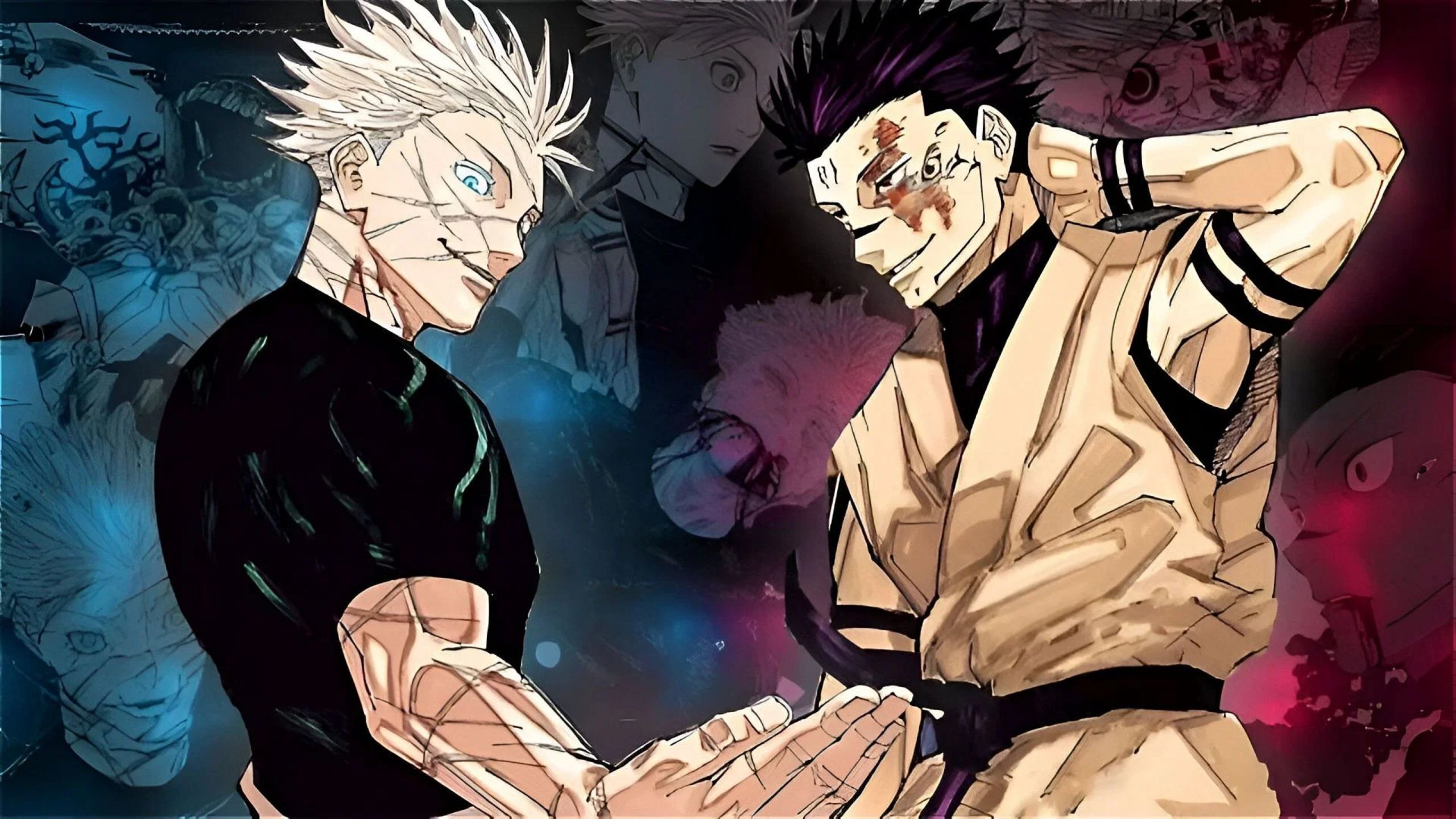
Gojo (left) and Sukuna (right) (image via Shueisha)
What truly divided the fandom was the execution of his death. While many fans understood the reasons behind Gojo’s demise, they couldn’t help but feel underwhelmed by how it was handled.
There was a shared sentiment that the death of such a monumental character was mishandled in terms of presentation, leaving fans unsatisfied.
In this article, we’ll explore the various reasons why Gojo’s death made sense within the larger framework of the story, why it was ultimately necessary, and where the execution fell short.
We’ll break down the narrative context, the way Sukuna’s strategy unfolded, and why the presentation of Gojo’s death failed to live up to expectations for many fans.
Why Gojo’s Death Made Sense
In any long-running series, it’s important to consider the role of each character and how they contribute to the progression of the narrative.
Gojo , from the moment he was introduced in Jujutsu Kaisen, was established as a dominant force.
His powers were seemingly limitless, thanks to his mastery of Infinity, a cursed technique that allowed him to manipulate space and render himself nearly untouchable.
For a long time, Gojo was the series’ answer to almost any threat. Whenever a formidable enemy appeared, Gojo’s overwhelming power became the ultimate solution.
However, this kind of power can create a narrative problem. When a character is so powerful that they can single-handedly solve any issue, it becomes difficult to create tension and suspense in the story.
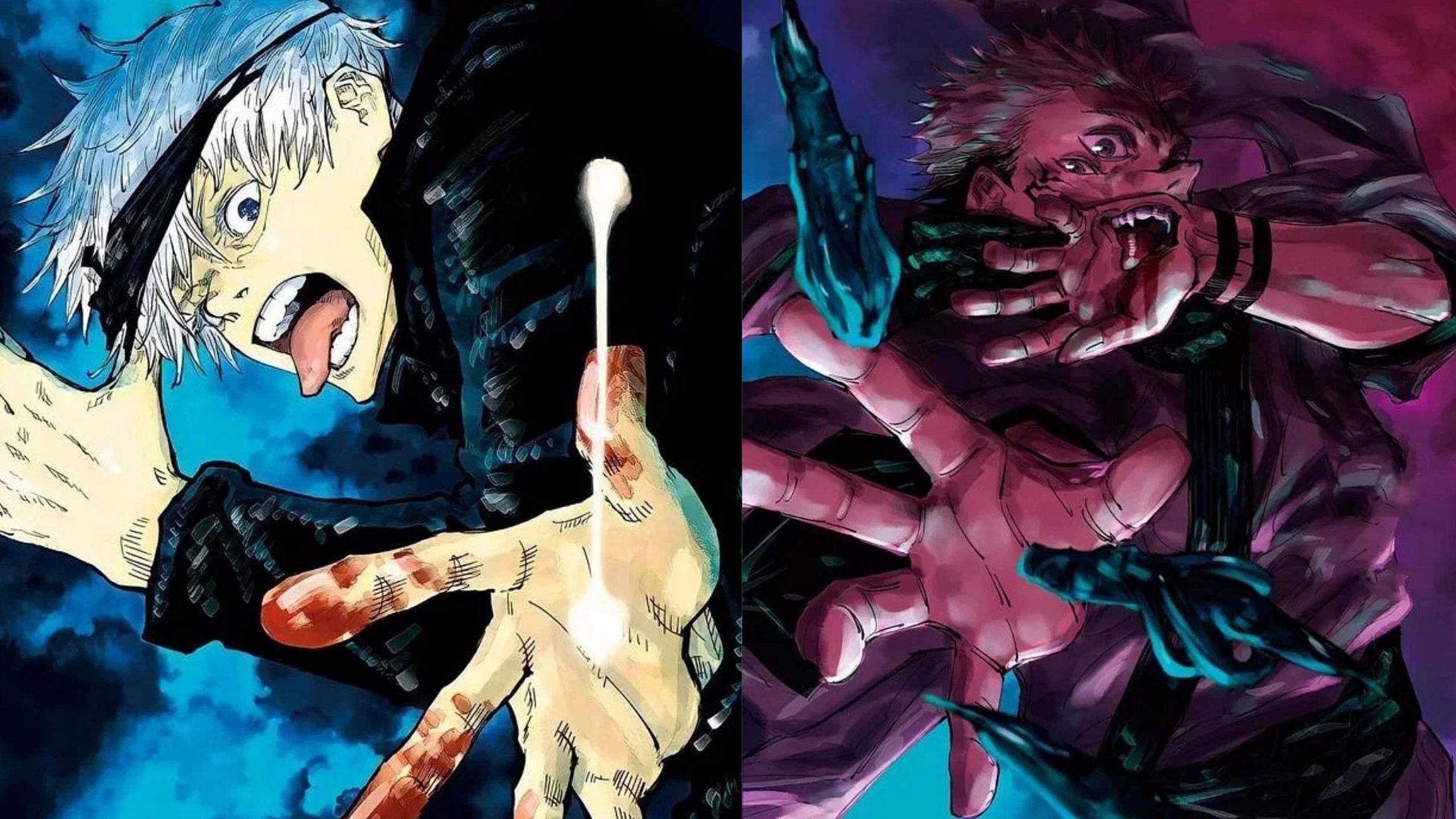
Gojo And Sukuna (MAPPA)
In many ways, Gojo’s presence had the potential to undermine the development of other characters. Why worry about danger when you know the world’s strongest sorcerer is there to fix everything?
This is why Gege Akutami, the creator of Jujutsu Kaisen, made the decision to seal Gojo away during the Shibuya Incident arc.
Sealing Gojo removed him from the equation temporarily, forcing other characters to step up and confront their challenges without relying on him as a crutch.
This was a necessary step for the narrative to move forward, allowing characters like Yuji Itadori, Megumi Fushiguro, and others to shine in their own right.
But after the Shibuya Incident, it became clear that Gojo couldn’t stay sealed forever. If he were to return, he would once again become the central figure in any battle, and the stakes for other characters would diminish.
The decision to have him die was, therefore, a logical one. Removing Gojo from the story permanently opened the door for other characters to grow and allowed the narrative to progress without the safety net of his overwhelming power.
In that sense, Gojo’s death makes a lot of sense from a storytelling perspective. It forces the other sorcerers to confront the terrifying reality that they are on their own.
It raises the stakes and creates an opportunity for characters like Yuji, Megumi, and even villains like Sukuna and Kenjaku to become more prominent players in the story.
Sukuna’s Calculated Approach
Gojo’s death wasn’t just a random event it was the culmination of a long and hard-fought battle with Ryomen Sukuna, the King of Curses. Sukuna, one of the most feared and powerful villains in the series, didn’t face Gojo without a plan.
In fact, one of the key elements that led to Sukuna’s victory was his meticulous strategy, which stood in stark contrast to Gojo’s more improvisational fighting style.
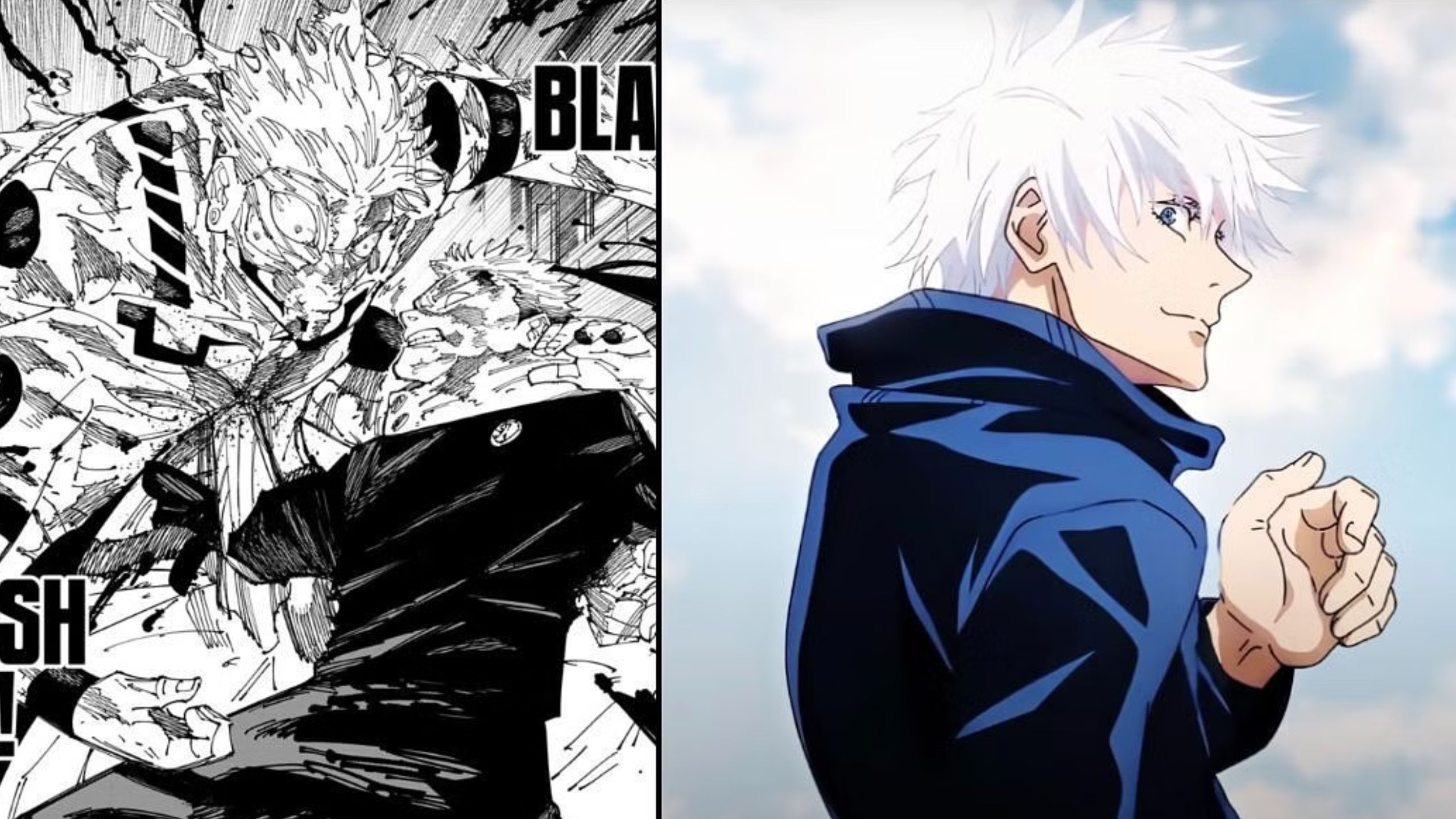
Sukuna And Gojo Satoru From Jujutsu Kaisen (MAPPA)
Sukuna knew that Gojo’s cursed technique, Infinity, was his biggest advantage. Infinity essentially makes Gojo untouchable by creating a barrier around him that stops anything from reaching him.
For Sukuna to have any chance of defeating Gojo, he needed a way to bypass this defense. That’s where Mahoraga, a powerful shikigami under Sukuna’s control, came into play.
Mahoraga has a unique ability to adapt to any technique it encounters. By summoning Mahoraga and allowing it to continuously adapt to Gojo’s Infinity, Sukuna was able to create an opening in Gojo’s defenses.
Gojo, for all his brilliance in battle, was often improvising his strategy on the fly. Sukuna, however, was executing a carefully calculated plan from the beginning.
This contrast in approach was a critical factor in Sukuna’s victory. Gojo’s power, while immense, was not enough to overcome Sukuna’s meticulous planning and the adaptability of Mahoraga.
In many ways, this battle was a reflection of the larger themes in Jujutsu Kaisen raw power can only get you so far. Strategy, adaptability, and foresight are just as important, if not more so, in the jujutsu sorcery world.
The Issue with the Execution of Gojo’s Death
While the narrative logic behind Gojo’s death was sound, the execution of the event left many fans feeling unsatisfied.
One of the biggest complaints about Gojo’s death was how it was presented in the manga.
After chapters of intense battle between Gojo and Sukuna, where Gojo often seemed to have the upper hand, his death came abruptly and without much visual closure.
Chapter 236 of the manga revealed that Gojo had been killed offscreen, with Sukuna explaining how he had managed to defeat the sorcerer.
This offscreen death was a significant letdown for fans who had been eagerly following the battle.
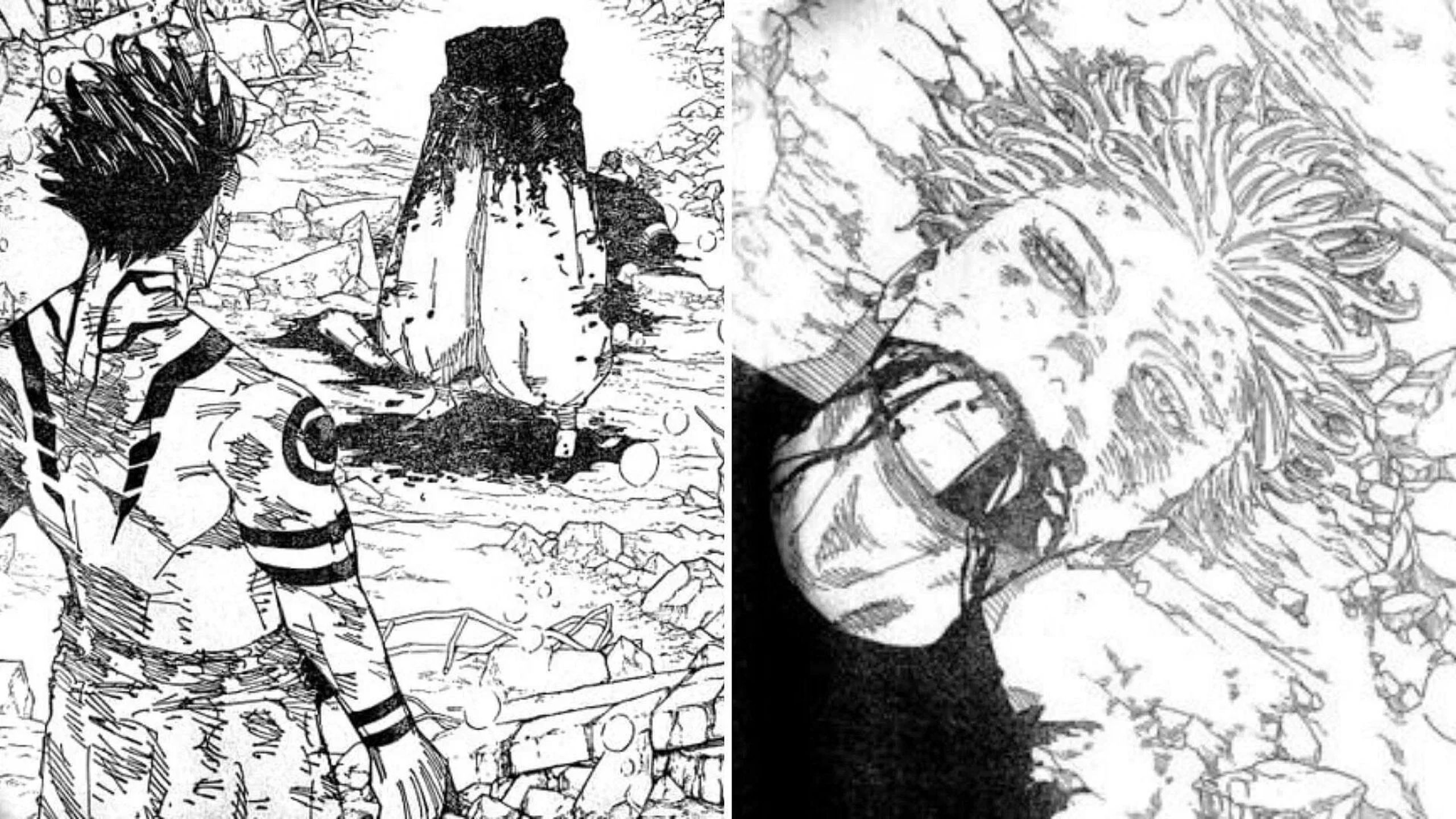
Sukuna And Satoru Gojo’s death in the manga (Shueisha)
In the previous chapter, Gojo was shown in a dominant position, leading many readers to believe that he might actually emerge victorious.
The sudden shift in the following chapter, where it was revealed that Sukuna had won, felt jarring and unearned.
This decision by Akutami to have Gojo’s death happen offscreen robbed the moment of its emotional and narrative impact.
Fans didn’t get to see the final moments of the battle play out in real-time, which left the resolution feeling hollow.
Gojo’s death was one of the most significant events in the series, and yet it was presented in a way that felt rushed and incomplete.
For many fans, this was a missed opportunity. Gojo’s death could have been a climactic and heart-wrenching moment if it had been given the proper attention and space to unfold.
Instead, it felt like the ending of the battle was glossed over, with Sukuna simply explaining what had happened after the fact.
This left readers feeling disconnected from the moment, unable to fully process or accept Gojo’s death.
Sukuna’s Superiority Wasn’t Fully Conveyed
Another issue that compounded the dissatisfaction with Gojo’s death was the portrayal of Sukuna’s superiority throughout the fight.
While Sukuna ultimately won the battle, the way the fight was presented often gave the impression that Gojo had the upper hand.
Gojo’s overwhelming power and adaptability allowed him to dominate much of the fight, which made Sukuna’s eventual victory feel somewhat forced.
In a well-executed battle, the audience should be able to clearly see how one character gains the upper hand over the other.
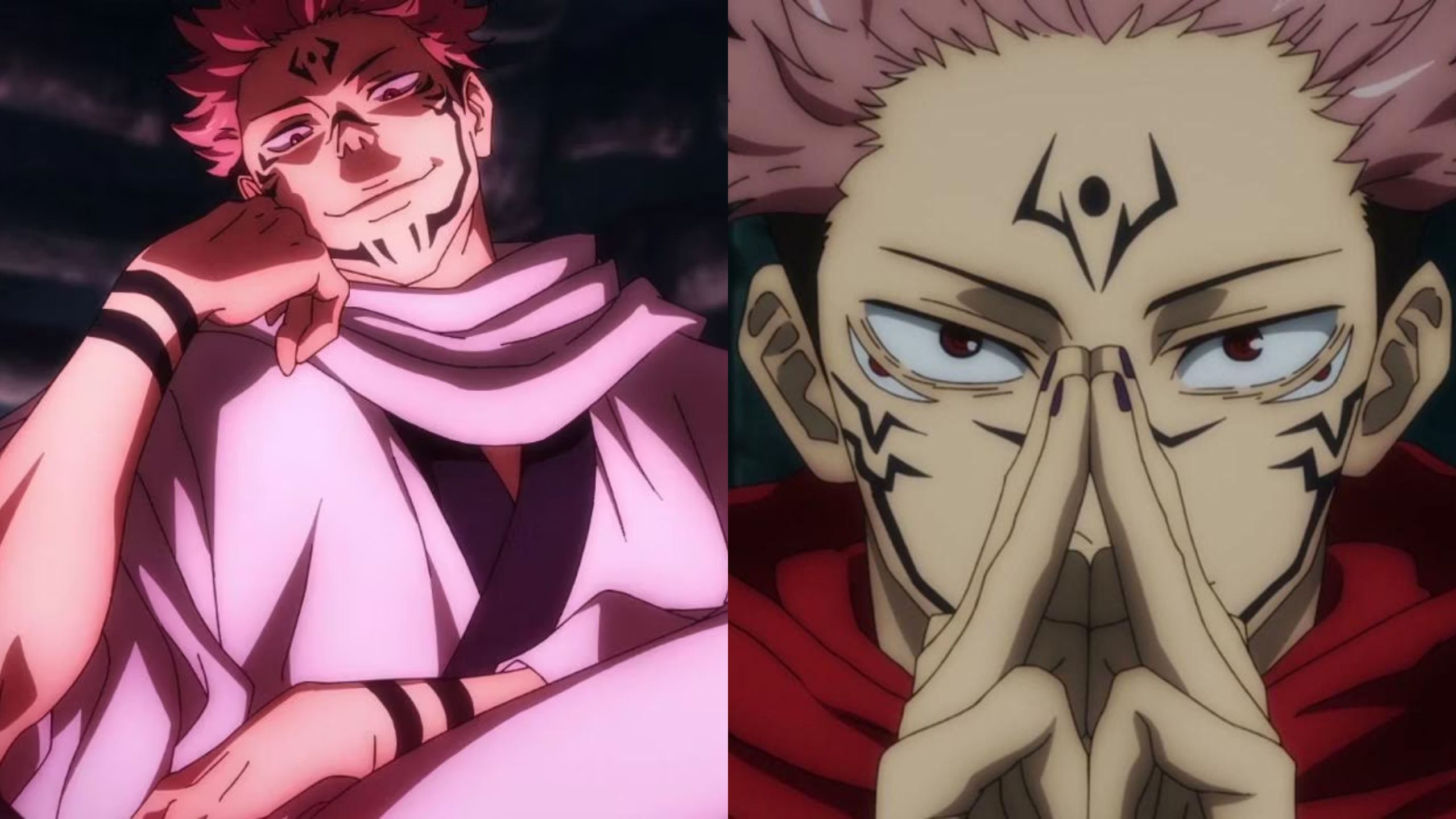
Sukuna (Image via Mappa)
In the case of Gojo vs. Sukuna, the balance of power often seemed to be in Gojo’s favor. His ability to outmaneuver Sukuna and land significant blows created the impression that he was winning.
This made it difficult for readers to fully grasp how Sukuna was able to turn the tide and secure the victory.
When Sukuna was revealed as the victor in chapter 236, it felt like a sudden and unnatural shift in the narrative.
Gojo, who had been portrayed as the stronger fighter for much of the battle, was suddenly defeated offscreen, with little explanation as to how Sukuna had managed to outsmart or overpower him.
This lack of clarity made the resolution feel contrived, as though Akutami had predetermined that Sukuna would win, regardless of how the fight had unfolded up to that point.
For many fans, this was a major flaw in the execution of Gojo’s death. While it was clear that Sukuna had a plan, the way the fight was presented didn’t consistently convey his superiority.
Gojo’s death, as a result, felt less like the natural ending of a hard-fought battle and more like a narrative decision that had been made without fully earning it through the progression of the fight.
The Impact of Gojo’s Death on the Story
Despite the issues with its execution, Gojo’s death remains a pivotal moment in Jujutsu Kaisen. His death marks the end of an era for the series and significantly raises the stakes for the remaining characters.
Without Gojo, the sorcerers are now facing a much more dangerous and uncertain future.
The safety net that Gojo provided is gone, and the remaining characters must now confront the threats that lie ahead without the assurance of his protection.
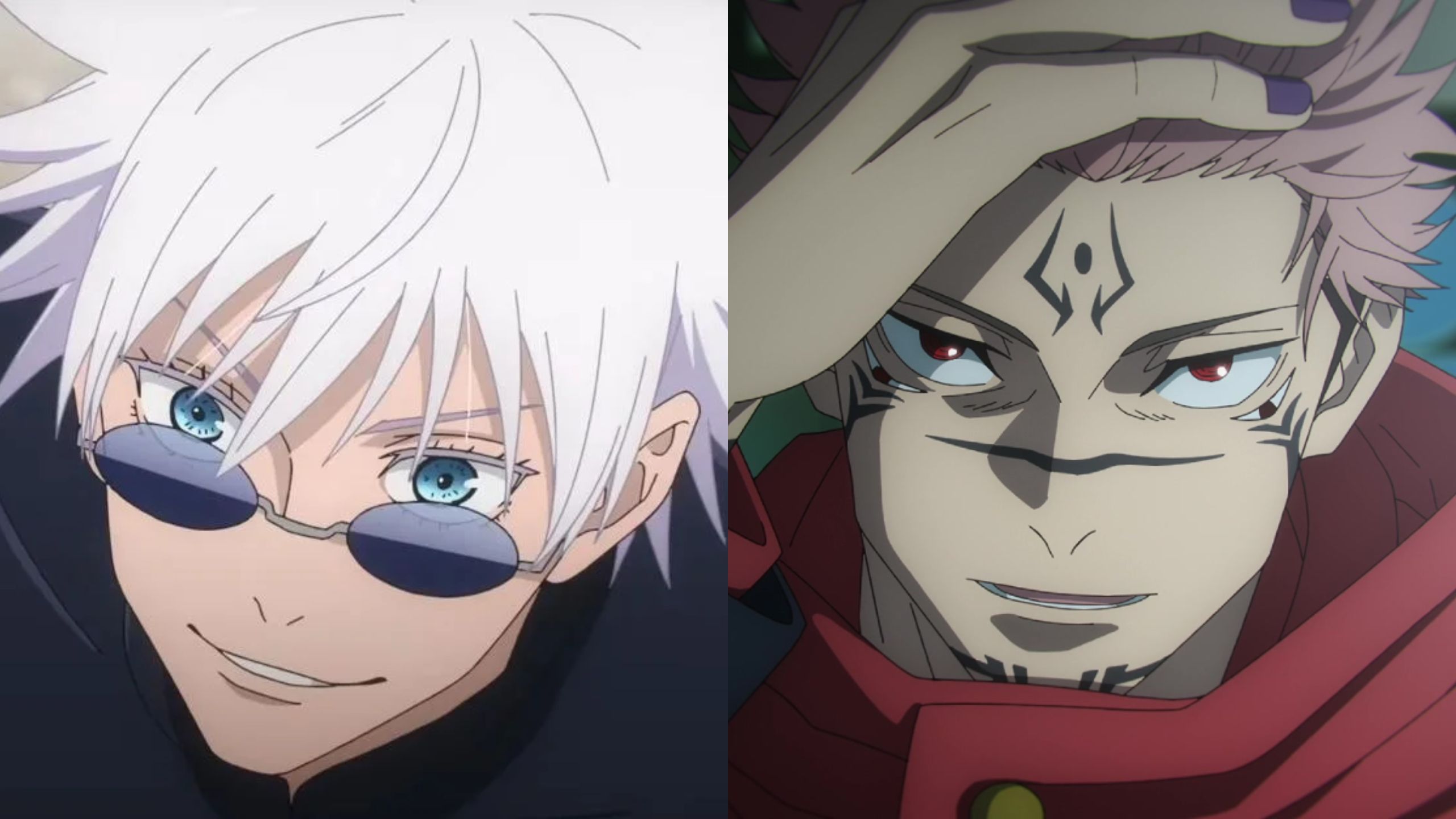
Gojo And Sukuna (Mappa)
For characters like Yuji Itadori, Megumi Fushiguro, and others, Gojo’s death represents a turning point.
They must now step up and take on the responsibility of defending the world from the curses that threaten it.
In many ways, Gojo’s death forces these characters to grow and evolve, as they can no longer rely on him to save the day.
Additionally, Gojo’s death has significant ramifications for the villains of the series.
With Gojo out of the picture, figures like Sukuna and Kenjaku now have more freedom to execute their plans without fear of being stopped by the strongest sorcerer in the Jujutsu world.
The balance of power has shifted, and the remaining sorcerers are now at a disadvantage.
A Moment That Fell Short
Satoru Gojo’s death in Jujutsu Kaisen is undoubtedly one of the most memorable and pivotal moments in the series.
From a narrative perspective, it makes sense Gojo’s overwhelming power had to be removed from the equation for the story to progress and for other characters to have their moment in the spotlight.
However, the execution of his death left much to be desired. The decision to have Gojo die offscreen, coupled with the unclear portrayal of Sukuna’s superiority, made the moment feel hollow and unearned.
Gojo’s death could have been a climactic and emotionally resonant moment in the series, but the way it was handled prevented it from reaching its full potential.
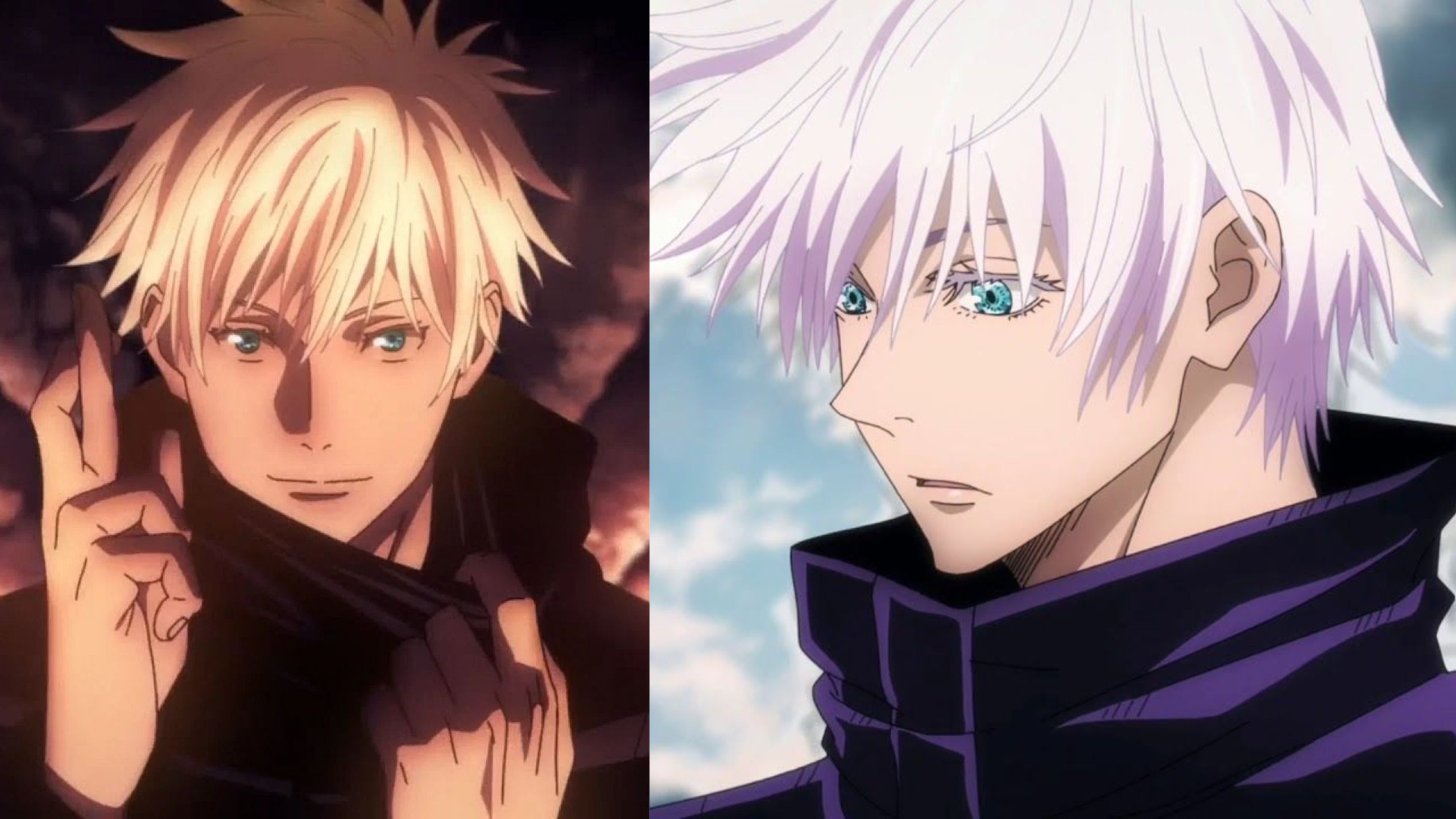
Gojo Satoru (MAPPA)
While it remains a significant turning point in the story, it also serves as a reminder of the importance of execution in storytelling.
For fans of Jujutsu Kaisen, Gojo’s death will always be a point of contention not because of the fact that he died, but because of the way it was presented.
As the series continues to unfold, the impact of Gojo’s death will be felt by both the characters and the readers.
It marks the beginning of a new chapter in Jujutsu Kaisen, one without the safety net of the strongest sorcerer, and the stakes have never been higher.
While the execution of his death may have fallen short, its significance in the story cannot be denied.
This touching and heartfelt drama recently released on Netflix has made many people reach for tissues. The film looks at the painful experience of watching a loved one die. It shows how family members try to make their final moments peaceful and happy, even while struggling with their own feelings.
Some people believe it helps to have close friends and family around during such tough times, while others think it is easier to handle alone.
This film is essential for anyone who knows how complicated it can be to work with family members you may not be close to during a crisis. This article will explain everything you need to know about His Three Daughters.
When Was ‘His Three Daughters’ Released?
His Three Daughters had a limited theatrical release on September 6 and became available to stream on Netflix on September 20. The film premiered at the Toronto International Film Festival on September 9, receiving positive feedback from those who watched it.
Many viewers praised the film for its emotional depth and realistic portrayal of family dynamics during a difficult time. The performances of the cast, especially the three sisters, received special mention.
Critics highlighted how well the actors captured the struggles and complexities of their characters, making the audience feel deeply for each sister.
Watch the Trailer for ‘His Three Daughters’
In the trailer, viewers get a glimpse of the three daughters struggling with their father’s impending death. The trailer sets the tone for the film, showcasing the emotional weight of the story. Each sister has a different personality, leading to conflicts among them.
For example, Katie’s controlling nature often clashes with Rachel’s more carefree attitude. Eventually, they realize they must accept their differences and support each other because they are the only ones who understand this situation fully. The trailer also hints at some lighter moments, suggesting that humor plays a role in the sisters’ interactions, even amid their grief.
Who Stars In ‘His Three Daughters’?
Carrie Coon plays Katie, the eldest daughter. Katie communicates in a direct way and sees things in a black-and-white manner. She feels comforted by trying to control situations, even those she cannot. Katie keeps her personal life private and focuses on her father’s care.
Carrie Coon is from Ohio and is known for her roles in Gone Girl, Ghostbusters: Afterlife, and the series The Leftovers. Her portrayal of Katie adds depth to the character, showing the audience her vulnerability and the heavy burden she carries.
The second daughter, Christina, is played by Elizabeth Olsen. As the middle child, she seeks perfection and works to keep the sisters together. Christina tries to mediate conflicts using “gentle parenting” methods to maintain peace and understanding.
Elizabeth Olsen is best known for playing Wanda Maximoff in various MCU films. Her performance as Christina reveals her character’s struggles to hold the family together while dealing with her own issues, making her a relatable figure for many viewers.
Natasha Lyonne plays Rachel, the youngest sister. Rachel has lived with their father during his battle with cancer, while her sisters live farther away. Although her older sisters view her as childish and aloof, she has been there every day since his diagnosis and uses marijuana to cope with her emotions.
Natasha Lyonne is recognized for her role in Russian Doll and Orange Is The New Black. Her portrayal of Rachel adds a layer of complexity, as she grapples with feelings of isolation and the weight of caring for her father.
Rudy Galvan plays Angel, the hospice care worker who supports the sisters and offers advice. Galvan has also appeared in Ghostwriter and Megan Is Missing. His character serves as a calming presence, guiding the sisters through their emotional turmoil.
Jovan Adepo plays Benjy, Rachel’s boyfriend, who shares a moving moment with Katie and Christina, despite his limited screen time. His character adds another layer of emotional depth to the story, as he provides support to Rachel during her struggles.
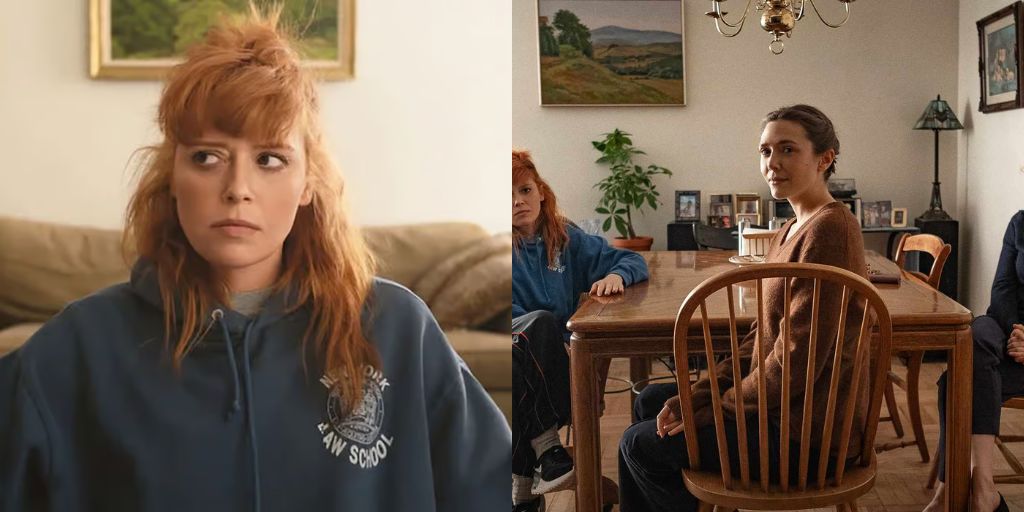
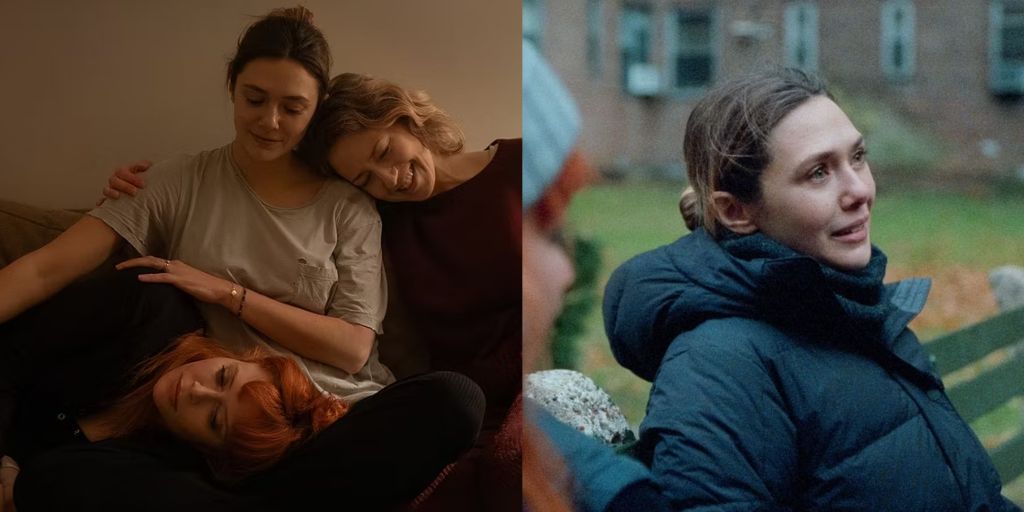
Stil from His Three Daughters (Credit: Netflix)
The father, Vincent, is played by Jay O. Sanders. Vincent brings the sisters together during his final days and reminds them that their bond will grow after his passing. This pivotal role emphasizes the importance of family and connection.
Lastly, Jose Febus plays Victor, the superintendent of the apartment building, sharing light moments with Rachel. His character adds a bit of levity to the story, offering a different perspective on the sisters’ struggles.
What Is ‘His Three Daughters’ About?
His Three Daughters feels like a stage play, mostly taking place in one location with a small cast. The film focuses on the conversations and personalities of the characters. Rachel, Christina, and Katie come together as their father transitions from hospital to hospice care while fighting cancer.
Each sister has a different way of dealing with pre-grief, causing tensions, especially between Katie and Rachel. Christina tries to mediate but is also busy with her seemingly perfect life.
Katie struggles with her husband and kids but does not talk about it. She often criticizes Rachel’s lifestyle, treating her like a teenager.
This is complicated by the fact that Rachel was adopted by Vincent after he remarried. Despite having no blood relation, Rachel shares a close bond with their father, causing guilt for Katie. The film shows the realities of life and the different ways people handle tough emotions.
As the story unfolds, viewers witness how the sisters confront their past, their family dynamics, and their individual feelings about their father’s condition.
They reflect on their childhood memories, their relationships with each other, and the choices they have made in their lives. The film beautifully captures the messiness of family life and the emotional struggles that come with it.
The official synopsis from Netflix reads:
From writer-director Azazel Jacobs comes this bittersweet and often funny story of an elderly patriarch and the three grown daughters who come to be with him in his final days.
Katie is a controlling Brooklyn mother dealing with a wayward teenage daughter; free-spirited Christina is separated from her offspring for the first time; and Rachel is a sports-betting stoner who has never left her father’s apartment. Jacobs follows the siblings over three volatile days as death looms, grievances erupt, and love seeps through the cracks of a fractured home.
Who Made ‘His Three Daughters’?
His Three Daughters is written, directed, and produced by Azazel Jacobs, known for French Exit and The Lovers. He directed episodes of the HBO series Doll & Em. Jacobs has a knack for capturing family dynamics and the emotional complexities that come with them.
Stil from His Three Daughters (Credit: Netflix)
Cinematography is by Sam Levy, who has worked on films like Lady Bird. His work beautifully complements the film’s tone, enhancing the emotional depth of each scene.
In addition to Jacobs, Carrie Coon, Natasha Lyonne, and Elizabeth Olsen also produced the film, with Maya Rudolph as an executive producer.
The collaboration among these talented individuals contributes to the film’s authenticity and emotional impact. The film’s production team worked hard to create a setting that feels intimate and relatable, drawing viewers into the sisters’ world.
Final Thoughts
His Three Daughters is not just a film about death; it is a story about life, love, and the bonds that hold families together. It challenges viewers to reflect on their relationships with their own family members and the complexities that arise in times of crisis.
The film’s emotional depth, combined with its realistic portrayal of family dynamics, makes it a must-watch for anyone who appreciates stories about the human experience.
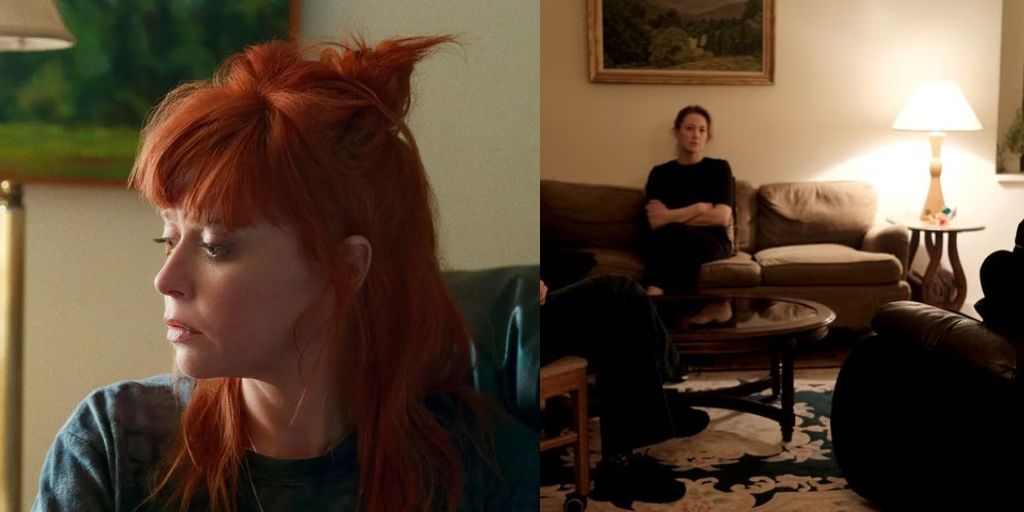
Stil from His Three Daughters (Credit: Netflix)
The performances of the cast bring the characters to life, making their struggles relatable and heartfelt. As viewers follow the sisters’ journey, they are reminded of the importance of understanding, compassion, and forgiveness within families.
This film resonates with anyone who has faced loss or followed complicated family relationships, making it a powerful and moving experience.
